

Recurring arguments in relationships often feel like a never-ending loop, leaving partners stuck and frustrated. When the same fight keeps coming back, it usually points to deeper patterns, like the pursuer distancer cycle or unspoken attachment wounds. Couples counseling in Palm Beach offers practical communication tools for couples and healing strategies that break this cycle for good. Ready to stop the repeat fights? Schedule a couples counseling consultation with Bigelow Counseling—available in Palm Beach or online across Florida.
Understanding Recurring Arguments
Every relationship has its ups and downs, but when the same arguments keep popping up, it can wear both partners down. Let’s explore why these conflicts might be happening and how they can be addressed.
The Relationship Conflict Cycle
Conflicts in relationships often follow a predictable pattern. This cycle can trap couples, making it hard to move forward. Imagine a loop of misunderstanding, where one partner pushes for connection while the other retreats. This is known as the pursuer-distancer pattern. It’s like a dance you can’t stop; each step feels inevitable. Interrupting this cycle requires recognizing it first. Once you see the pattern, you can start to change your steps.
Why Arguments Resurface
Arguments resurface because underlying issues remain unresolved. These can stem from unmet needs or unspoken expectations. For instance, if one partner feels ignored, they might lash out, leading to the same fight over and over. Identifying these root causes is crucial. It involves asking: What am I really upset about? Sometimes, it’s not about the dishes left in the sink but about feeling unappreciated.
Attachment Styles and Conflict
Attachment styles play a significant role in how couples handle conflict. If you cling or withdraw during fights, it might be due to past experiences. Understanding your attachment style can help you navigate these emotions. Are you seeking reassurance or space? Knowing this can change how you approach disagreements, leading to healthier interactions.
Tools to Break the Pattern

Breaking the cycle of recurring arguments is possible with the right tools. By focusing on communication and healing, couples can find a better path forward.
Communication Tools for Couples
Effective communication is key to resolving conflicts. Start by active listening: really hear your partner’s words without preparing your response. Reflective listening, where you repeat back what you’ve heard, can confirm understanding. This builds trust and shows you’re engaged. Another tool is using “I” statements. Instead of saying, “You never listen,” try, “I feel unheard when…” This shifts blame and opens up dialogue.
Repair After Conflict
After a conflict, it’s essential to repair the relationship. This means addressing hurt feelings and reaffirming your bond. Apologizing and offering reassurance can mend emotional wounds. Each repair attempt strengthens your connection, showing that your relationship matters. Remember, it’s not about winning; it’s about understanding and healing.
EMDR for Relationship Stress
EMDR (Eye Movement Desensitization and Reprocessing) is a therapy often used for trauma but can help with relationship stress too. It involves processing past events that might be affecting your current interactions. By addressing these, EMDR helps reduce stress and improve emotional responses. It can be a powerful tool for couples dealing with deep-seated issues.
Seeking Professional Help
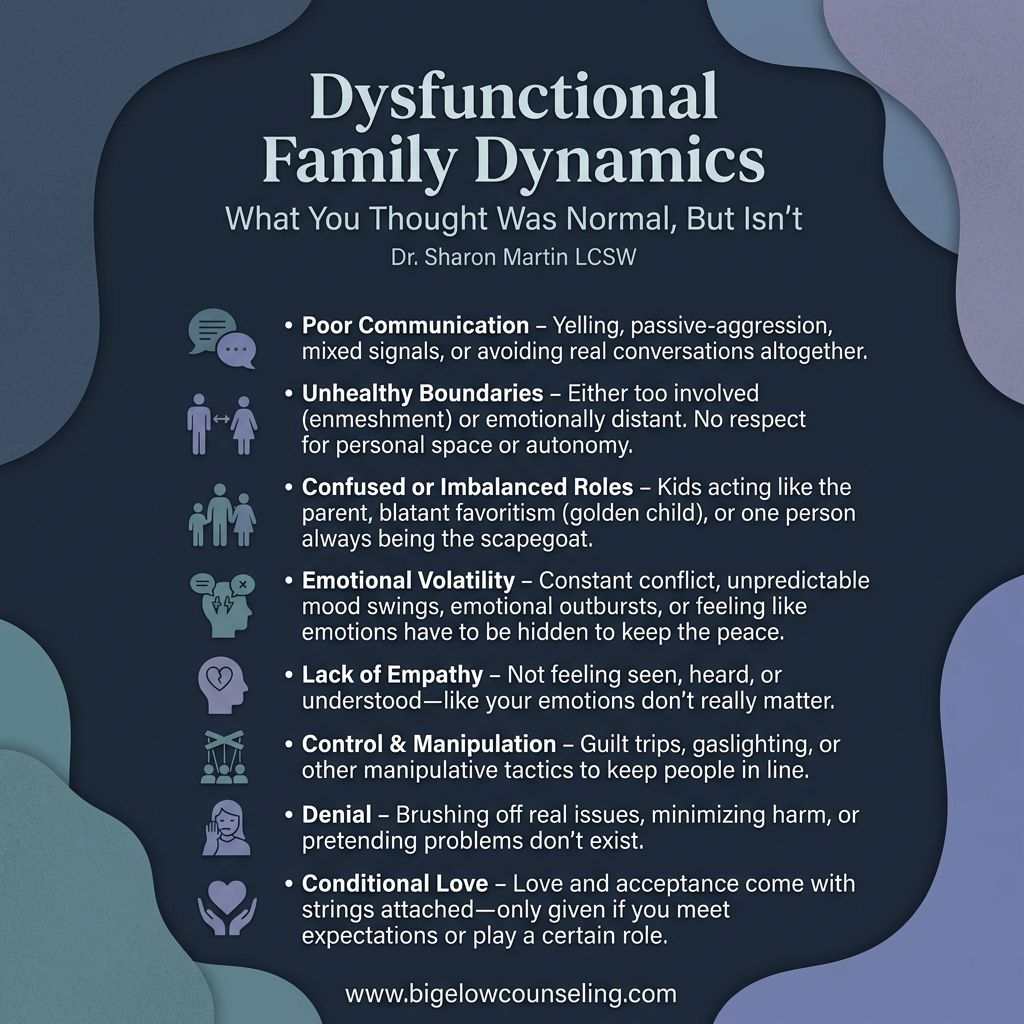
Sometimes, professional guidance is necessary to break the cycle of recurring arguments. Couples counseling offers structured support to help you navigate your relationship’s challenges.
Benefits of Couples Counseling
Couples counseling provides a safe space to explore relationship dynamics. A therapist can offer insights and tools to improve communication and resolve conflicts. This support can be invaluable in building a stronger, more understanding partnership. It’s an opportunity to grow together, creating a healthier relationship.
LGBTQ+ Couples Therapy Florida
In Florida, LGBTQ+ couples can find affirming therapy tailored to their unique experiences. This specialized support acknowledges the specific challenges faced by LGBTQ+ couples, offering a space where all identities are respected and embraced. It’s about finding solutions that work for you, in an environment that understands your needs.
Online Couples Therapy Florida
For busy couples or those in remote areas, online therapy provides flexible access to professional support. You can engage in sessions from the comfort of your own home, ensuring that therapy fits into your schedule. This convenience makes it easier to prioritize your relationship, no matter where you are.
Frequently Asked Questions
What is the pursuer-distancer pattern?
The pursuer-distancer pattern describes a dynamic where one partner seeks closeness while the other withdraws. This creates a cycle of frustration and distance. Recognizing this pattern can help couples change their interactions.
How can communication tools help in relationships?
Communication tools like active listening and “I” statements foster understanding and reduce conflict. They encourage open dialogue and help partners express needs without blame.
What are the benefits of online couples therapy?
Online couples therapy offers flexibility and accessibility, allowing couples to receive support without the need for in-person sessions. It adapts to busy schedules and is accessible from any location.
How does EMDR therapy help with relationship stress?
EMDR therapy can address unresolved past experiences affecting current relationships. By processing these memories, couples can reduce stress and improve emotional responses, enhancing their connection.
Is couples counseling effective for LGBTQ+ partners?
Yes, couples counseling is effective for LGBTQ+ partners, especially when therapists provide an affirming and understanding environment. This support helps address unique challenges and fosters a healthier relationship.

Leave a Reply