Emotional exhaustion signs go far beyond feeling drained. When mood swings, restless sleep, or strained relationships start to take over, it’s a signal that your well-being needs attention. This post will highlight how burnout can affect every part of life and offer guidance on finding support through counseling options at Bigelow Counseling. Ready for relief and clarity? Schedule a confidential session today and take the first step toward restoring balance.
Recognizing Emotional Exhaustion
When you notice changes in your mood, body, and relationships, it’s time to take a closer look. These signs might indicate emotional exhaustion that needs addressing.
Uncovering Mood Changes
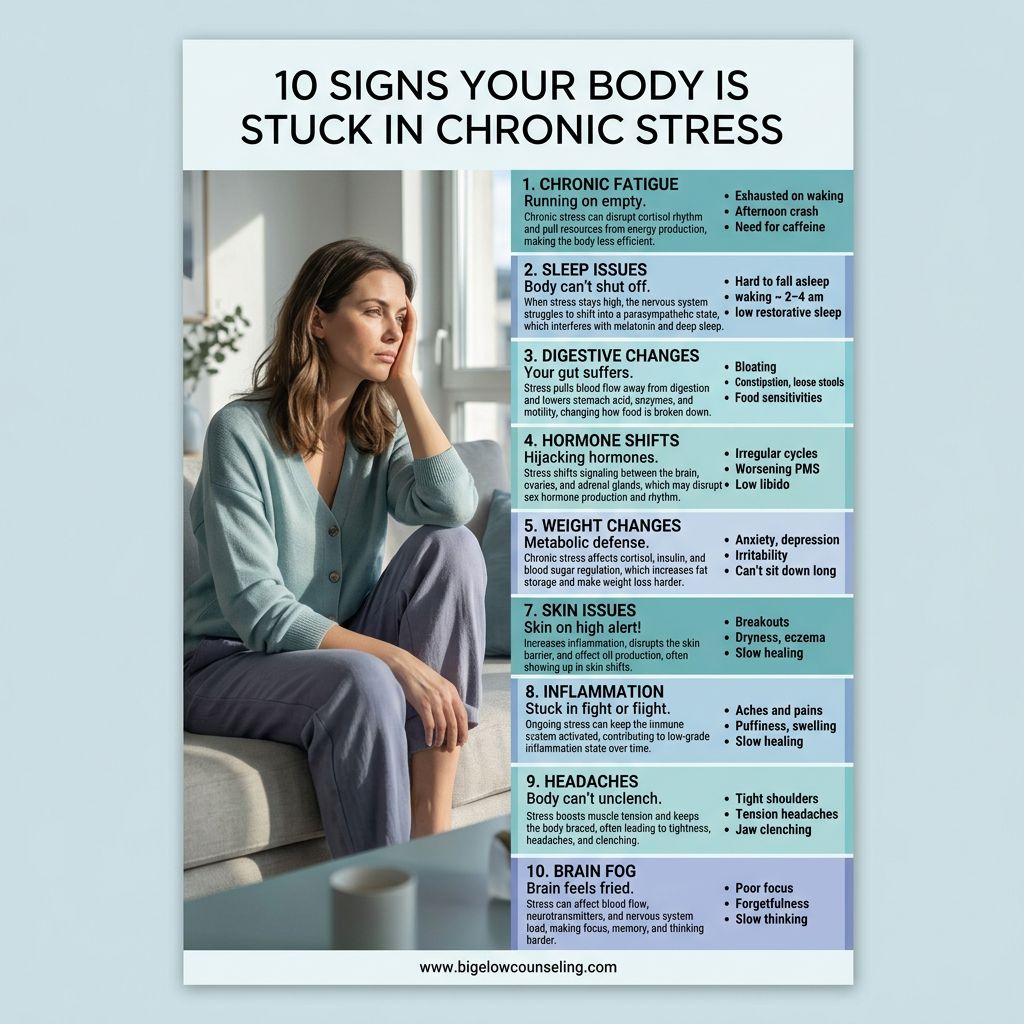
Emotional exhaustion can turn your mood upside down. You might find yourself snapping at loved ones or feeling unusually sad. These shifts can be confusing, making you wonder what’s wrong. It’s important to know that these feelings are a signal from your body. Your mind is telling you it needs care and attention. Paying attention to these changes is the first step to understanding that emotional exhaustion might be affecting you.
Physical Impacts on the Body
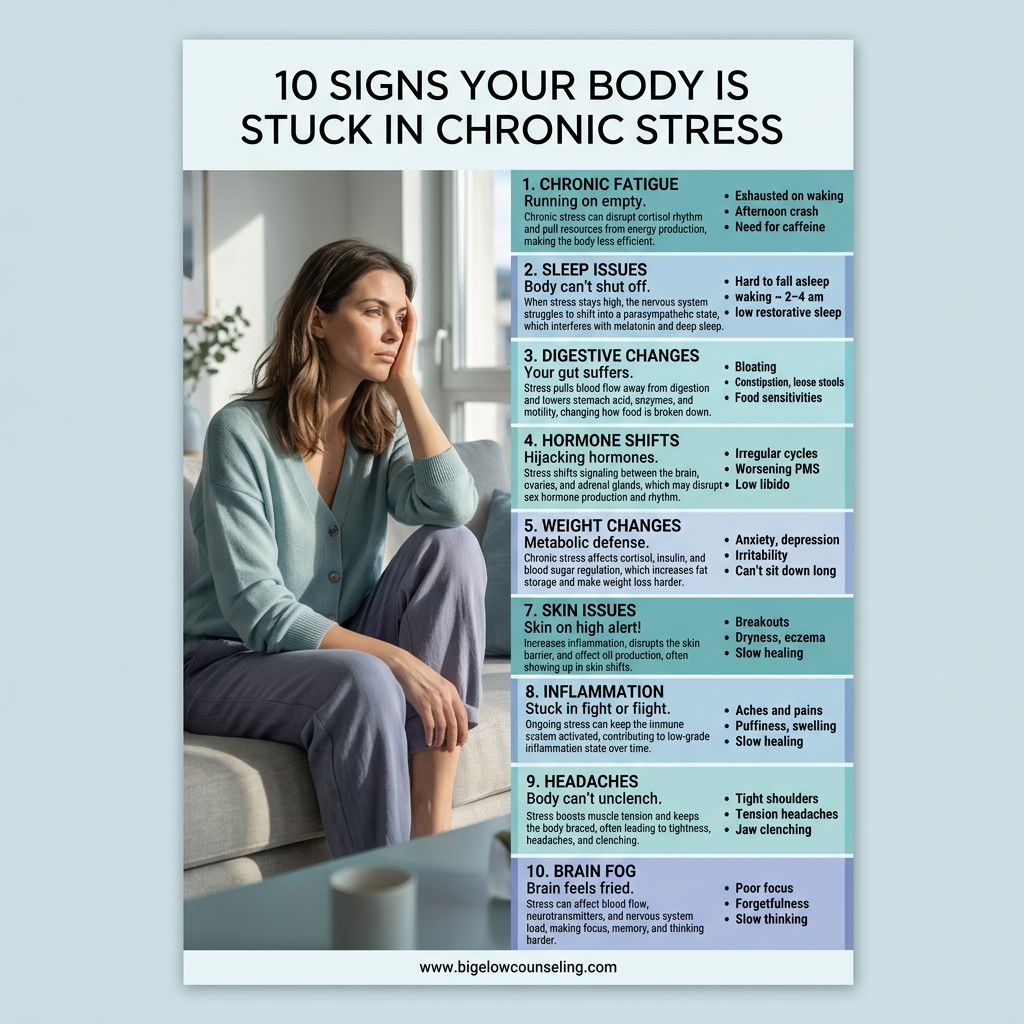
Feeling emotionally drained often shows up as physical issues too. You might struggle with headaches or feel tired even after a good night’s sleep. These symptoms can make daily tasks feel like climbing a mountain. Listening to your body is crucial. When it tells you something is off, it’s time to consider what might be draining your energy. Taking note of these physical signs can guide you toward seeking the right help.
Relationship Strain and Communication
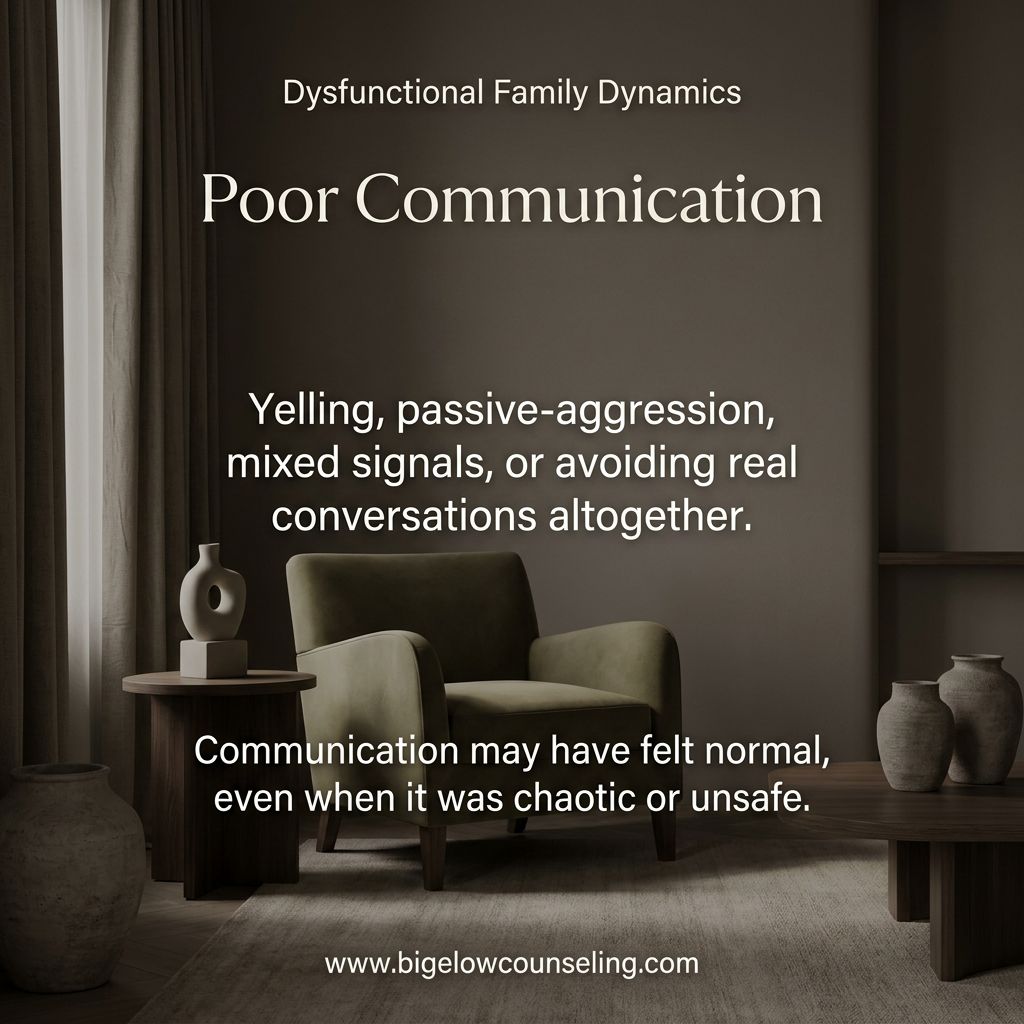
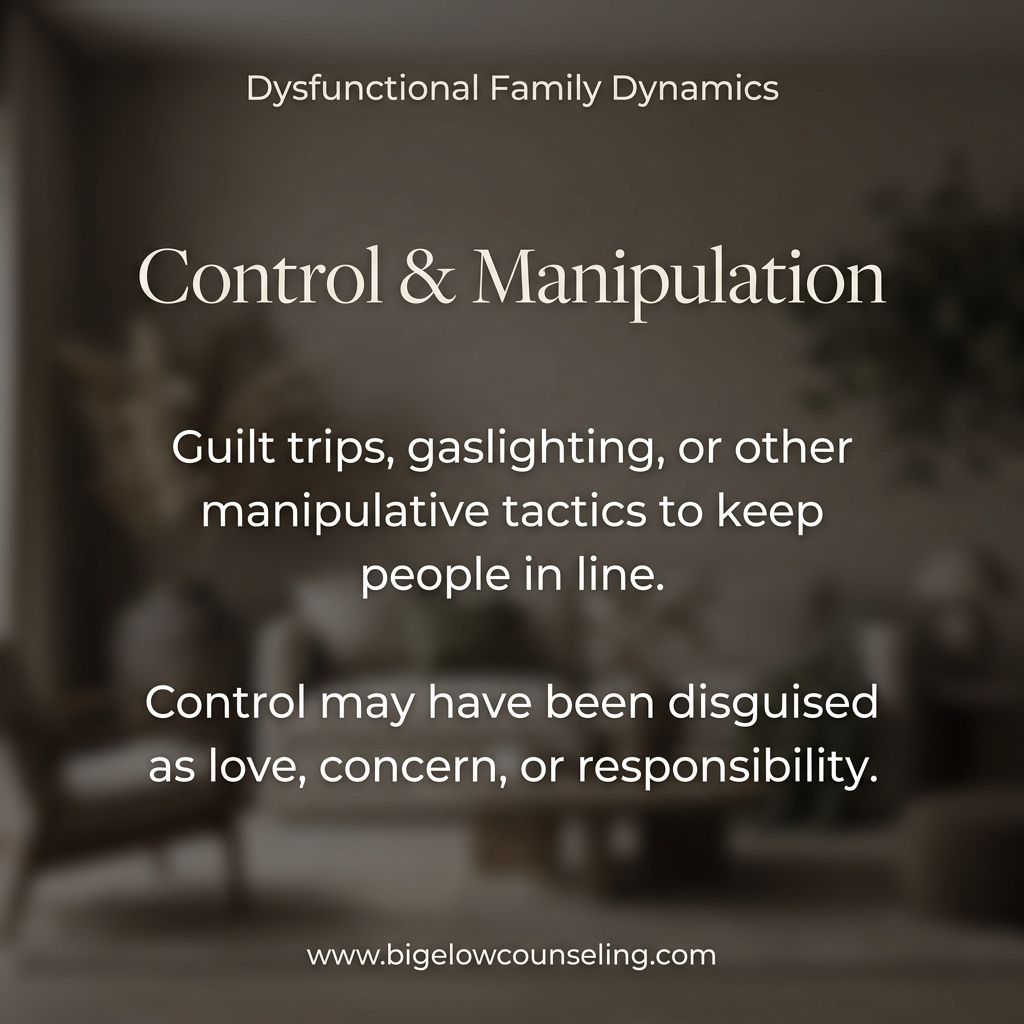
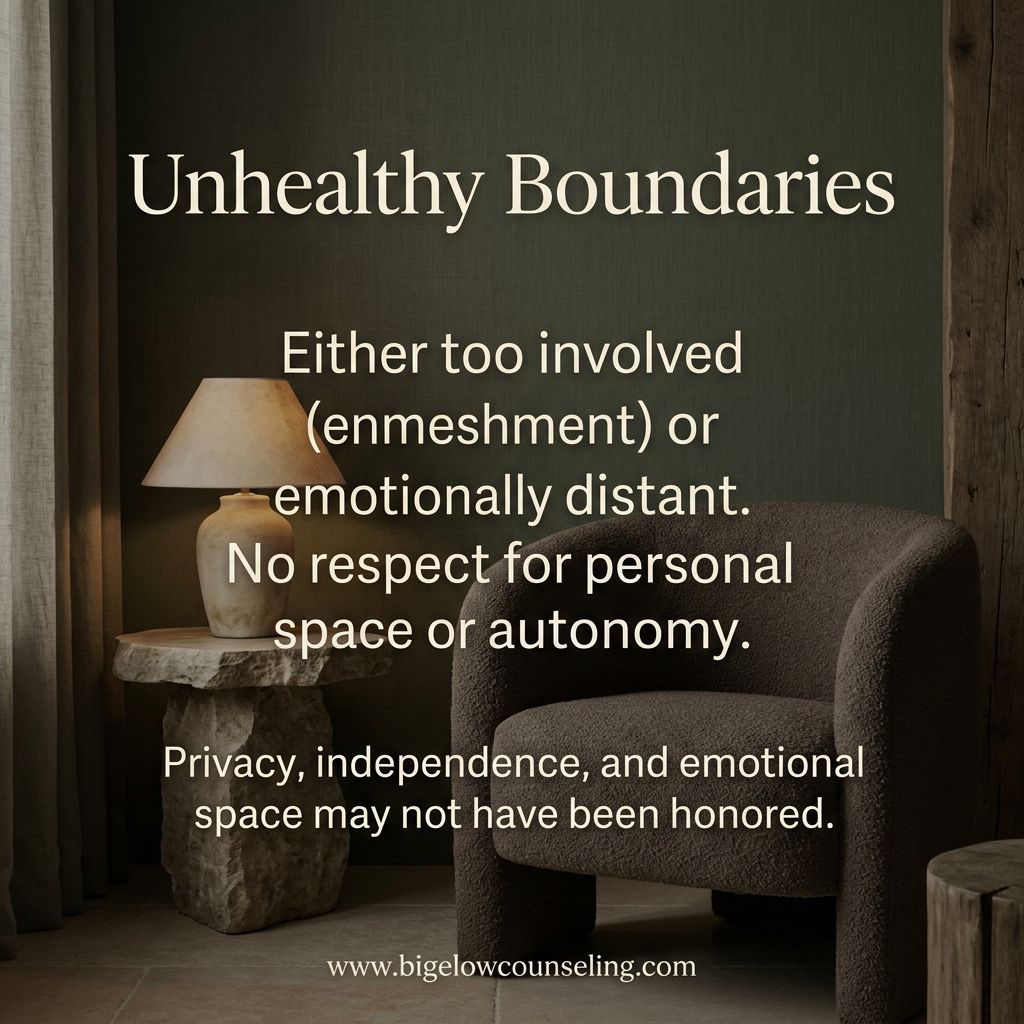
Emotional exhaustion doesn’t just affect you. It can strain your connections with others. Communication becomes harder, leading to misunderstandings. You might find yourself arguing more or feeling distant from those you care about. Recognizing this strain is vital. It’s a chance to reflect and see if emotional exhaustion is playing a part. Addressing these issues can help you find ways to strengthen your relationships.
Beyond Burnout: The Signs
Understanding the difference between burnout and other conditions is important. Let’s explore how to distinguish burnout from depression and recognize its impact on your professional life.
Burnout vs Depression
Burnout and depression can feel similar, but they’re not the same. Burnout is linked to stress from work or life demands, while depression is a broader mental health condition. Recognizing this distinction helps in addressing the right issue. If you feel overwhelmed by tasks, you might be facing burnout. However, if feelings of worthlessness or hopelessness persist without a clear cause, depression might be a concern. Identifying the right issue is the first step to finding the right support.
Symptoms of Burnout Explained
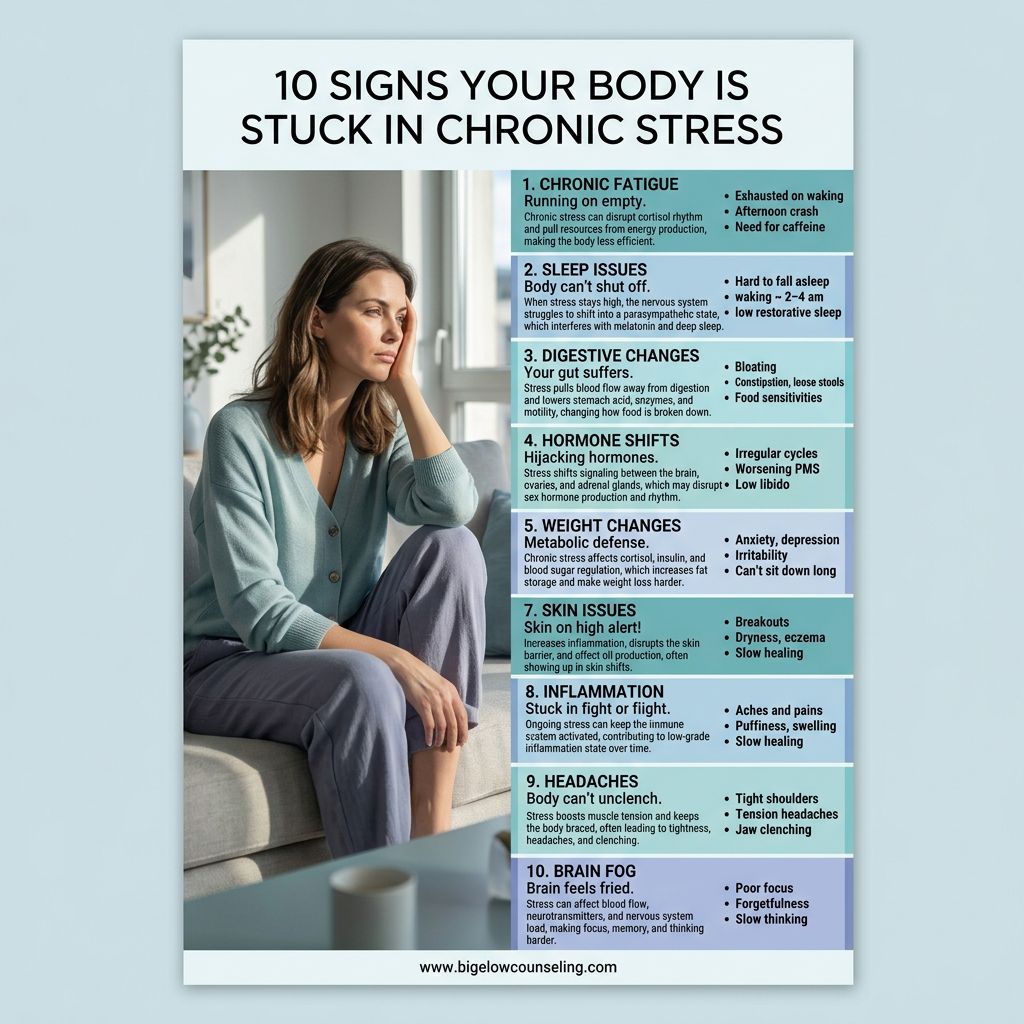
Burnout isn’t just about feeling tired. It involves a mix of mental and physical symptoms. These can include irritability, lack of motivation, and even physical ailments like stomachaches. Understanding these symptoms helps in acknowledging burnout’s presence. Once identified, you can take action to manage these feelings, leading to quicker recovery. Recognizing burnout is crucial for taking steps toward improvement.
Impact on Professional Life
Burnout doesn’t only affect personal well-being; it can spill over into your work life. You might notice a decline in productivity or feeling disengaged at work. This lack of motivation can hinder your career progression. Understanding its impact on your professional life is essential. Acknowledging these challenges can help you seek support to regain your focus and enhance your work performance.
Path to Healing and Support
Finding the right path to healing is essential when dealing with emotional exhaustion. Let’s explore various support options and self-care plans to help you on your journey.
EMDR Therapy Palm Beach
Finding the right therapy is crucial in overcoming emotional exhaustion. EMDR therapy in Palm Beach offers a specialized approach to healing trauma and stress. This therapy helps you process and release negative emotions, leading to better mental health. It’s an effective way to address past trauma that might be contributing to your current state. Seeking EMDR therapy can be a step towards regaining clarity and calmness in your life.
LGBTQ-Affirming Support in Florida
Having a supportive environment is vital, especially for the LGBTQ+ community. Finding an LGBTQ-affirming therapist in Palm Beach ensures you receive compassionate care tailored to your needs. This support fosters a safe space for you to express yourself freely and work through challenges. Knowing that you’re understood and accepted can make a significant difference in your healing process.
Self-Care Plans for Burnout
Creating a self-care plan is essential in managing burnout. This involves setting aside time for activities that recharge you, like exercise or hobbies. It’s also important to establish boundaries at work and home to prevent overcommitment. Having a structured plan helps in maintaining balance and reducing stress in the long term. Prioritizing self-care can lead to a healthier, more fulfilling life.
Frequently Asked Questions
What are the first signs of emotional exhaustion?
The first signs of emotional exhaustion often include mood swings, lack of motivation, and feeling overwhelmed. You might also notice physical symptoms like headaches or insomnia.
How can I tell the difference between burnout and depression?
Burnout is typically related to stress from specific situations like work, while depression is a more pervasive mental health condition affecting various aspects of life. If feelings persist beyond work-related stress, depression might be a concern.
Can emotional exhaustion affect my relationships?
Yes, emotional exhaustion can strain relationships by causing communication issues and misunderstandings. It’s important to recognize these signs and seek support to strengthen your connections.
What therapies are available in Palm Beach for emotional exhaustion?
In Palm Beach, options like EMDR therapy and LGBTQ-affirming support are available. These therapies provide specialized care to address emotional exhaustion and related issues.
How can I create a self-care plan for burnout?
A self-care plan for burnout includes setting boundaries, engaging in activities that recharge you, and prioritizing rest. It’s also helpful to seek support from counseling services to guide you through this process.