Category: Uncategorized

  • Stress or Burnout? 8 Clear Signs It’s Time to Reset

    Stress or Burnout? 8 Clear Signs It’s Time to Reset

    Stress feels like part of the daily grind, but when does it cross into burnout? Recognizing the difference can protect your energy and relationships before everything feels overwhelming. This guide breaks down clear signs of burnout and offers practical steps to reclaim balance. Ready to spot the shift from chronic stress to emotional exhaustion? Keep reading to find out when it’s time to reset and how Bigelow Counseling in Palm Beach can support your path forward.

    For more information, you can read about the signs of burnout.

    Stress vs Burnout: Key Differences

    Understanding the difference between everyday stress and burnout is crucial for maintaining a healthy balance in life. While stress can be a normal part of life, prolonged exposure can lead to burnout, which requires more intensive intervention. Let’s explore the distinctions.

    Understanding Everyday Stress

    Stress is a common response to life’s demands. It can actually be a good motivator, pushing you to meet deadlines or tackle challenges. You might feel your heart racing before a big presentation, but this feeling typically subsides once the task is complete. Stress is temporary, and with effective coping strategies, its impact can be minimized.

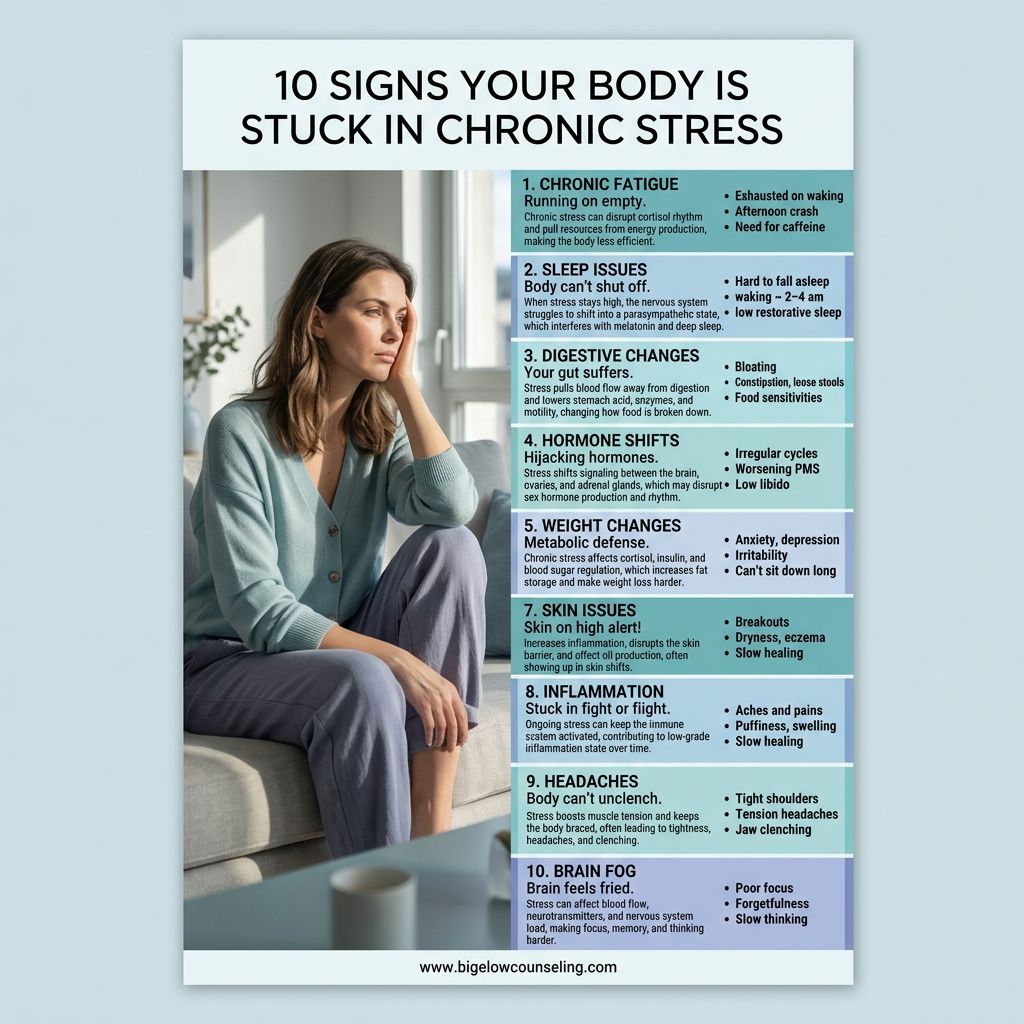
    However, chronic stress can wear you down over time. When stress becomes a constant companion, it may begin to affect your health, mood, and productivity. Recognizing how stress feels and managing it through techniques like exercise or meditation is key to preventing its escalation.

    Recognizing Workplace Burnout

    Burnout is more than just a bad day at work. It’s a state of emotional, physical, and mental exhaustion caused by prolonged and excessive stress. In the workplace, you might notice a lack of motivation, reduced performance, and a sense of dread about going to work. Burnout doesn’t fade with a weekend break; it requires more substantial changes.

    People experiencing burnout often feel detached or cynical towards their work. This condition is not just about working long hours but about feeling overwhelmed and undervalued. If your job is affecting your personal life and well-being, it may be time to take a closer look at your work environment and responsibilities.

    Emotional Exhaustion and Its Impact

    Emotional exhaustion is a core component of burnout. It’s when stress depletes your emotional resources, leaving you feeling drained and incapable of coping with daily demands. This exhaustion can lead to feelings of hopelessness and defeat.

    Physically, you might struggle with sleep issues or frequent illnesses. Emotionally, you may feel detached or numb, impacting relationships and social interactions. If these signs resonate with you, it might be time to consider professional help to reclaim energy and enthusiasm for life.

    Signs of Burnout: What to Watch For

    Being aware of the warning signs of burnout can help you intervene early. Burnout doesn’t happen overnight, and its symptoms can vary. Here’s what to keep an eye out for in terms of emotional and physical red flags.

    Emotional and Physical Red Flags

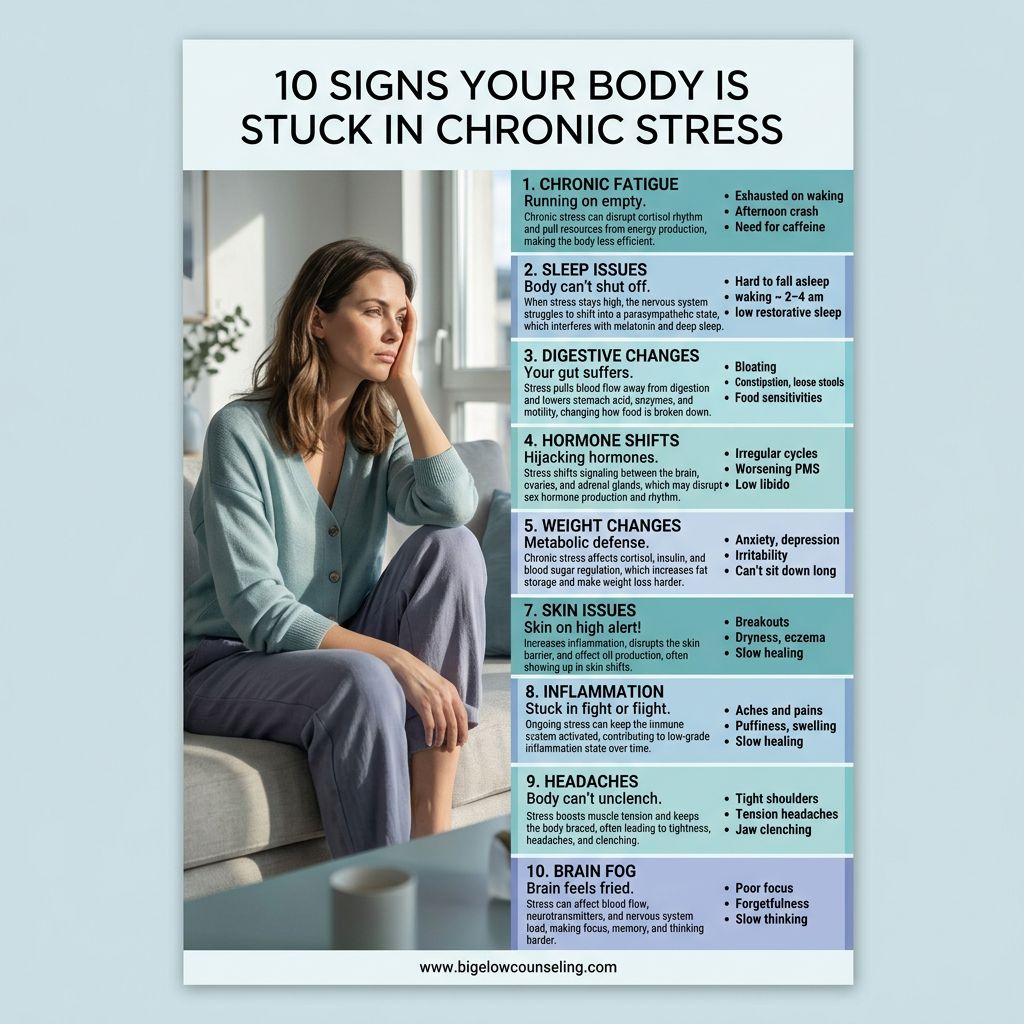
    Burnout often manifests as persistent fatigue, despite getting enough rest. You may also experience emotional symptoms such as irritability, sadness, or a sense of apathy. These feelings can be accompanied by physical symptoms like headaches, stomach issues, or changes in appetite.

    Chronic stress can lead to a weakened immune system, making you more susceptible to illnesses. If you’re frequently feeling low or unwell, it might be an indication that stress is turning into burnout. Recognizing these signs early can help you take steps to address them before they escalate.

    Behavioral Changes in Daily Life

    Behavioral shifts are common indicators of burnout. You might find yourself withdrawing from social activities or losing interest in hobbies you once enjoyed. Productivity at work or home may decline, and you might rely on unhealthy coping mechanisms like alcohol or junk food.

    These changes can also impact personal relationships, leading to misunderstandings or conflicts. If your daily routine is affected by these behaviors, it’s important to assess the underlying stressors and seek support to make positive changes.

    Anxiety and Depression Indicators

    Burnout can be closely linked to anxiety and depression. Persistent feelings of worry, fear, or sadness can be overwhelming. You might notice a constant sense of unease or find it difficult to concentrate or make decisions.

    If these symptoms are interfering with your daily life, it’s essential to seek professional help. Addressing burnout-related mental health issues early can prevent them from worsening and help you regain control and clarity.

    Recovery Steps and Support

    Once burnout is identified, taking steps towards recovery is crucial. It’s not just about removing stressors, but also about rebuilding your resilience and finding support.

    Resetting Your Nervous System

    Resetting your nervous system can help restore balance. Activities like yoga, deep breathing exercises, and mindfulness meditation are effective ways to calm your mind and body. These practices can help reduce stress levels and improve your overall well-being.

    Engaging in regular physical activity is another powerful stress reliever. Even a short walk can boost endorphins and improve your mood. Prioritize self-care to support your mental and physical health as you navigate recovery.

    Setting Boundaries and Finding Rest

    Establishing healthy boundaries is vital for preventing future burnout. Learn to say no to additional responsibilities that overwhelm you. Prioritize activities that bring joy and relaxation, and ensure you have downtime to recharge.

    Adequate rest is essential for recovery. Create a bedtime routine that promotes restful sleep and limits screen time before bed. Allow yourself time to unwind and reflect on positive experiences to foster a sense of calm.

    Seeking Therapy and Professional Help

    Professional support can be invaluable in recovering from burnout. Therapy provides a safe space to explore feelings and develop coping strategies. Bigelow Counseling offers LGBTQ affirming therapy and specialized trauma therapy tailored to your needs.

    Therapists can help you understand the root causes of burnout and work with you to develop a personalized recovery plan. Seeking help is a proactive step towards healing and empowerment.

    Frequently Asked Questions

    What is the main difference between stress and burnout?

    Stress is a temporary response to demands, while burnout is long-term exhaustion and detachment due to prolonged stress. Burnout requires deeper intervention and recovery.

    What are some common physical signs of burnout?

    Physical signs include persistent fatigue, headaches, and changes in appetite. Frequent illnesses may also indicate a weakened immune system due to chronic stress.

    How can therapy help with burnout?

    Therapy provides tools to manage stress and burnout. It helps identify underlying causes, develop coping strategies, and support mental health recovery.

    Home

  • When the Past Shows Up Now: How Trauma Shapes Reactions—and Why Therapy Matters

    When the Past Shows Up Now: How Trauma Shapes Reactions—and Why Therapy Matters

    Trauma doesn’t just stay in the past. It often shows up unexpectedly, shaping how your mind and body react right now. These trauma triggers can spark fight, flight, freeze, or fawn responses, making everyday moments feel overwhelming. Understanding how trauma influences your reactions opens the door to healing through trauma-informed therapy and EMDR therapy in Palm Beach. Ready to feel calmer and more in control? Schedule an introductory consultation with Bigelow Counseling to explore support tailored for you.

    Understanding Trauma’s Impact

    Trauma can profoundly shape how you navigate the world. Exploring how past experiences influence present behaviors is the first step toward healing.

    Trauma Triggers and Responses

    Trauma triggers are reminders of past events that can lead to emotional and physical reactions. These triggers might be sounds, smells, or even specific places. When triggered, your body reacts as if the traumatic event is happening again. This can lead to feelings of anxiety or distress. Understanding these responses helps you manage them better.

    Emotional Flashbacks Explained

    Emotional flashbacks are sudden, intense emotional reactions. They often occur without any clear reason, leaving you feeling overwhelmed. These reactions are tied to past trauma, resurfacing uninvited. By recognizing them, you can take control and reduce their impact. Learning grounding techniques is crucial in navigating these moments.

    Fight, Flight, Freeze, Fawn Reactions

    The fight, flight, freeze, and fawn responses are survival mechanisms. When faced with perceived danger, these reactions activate. Fight means confrontation, flight involves escape, freeze results in immobility, and fawn leads to pleasing behaviors. Recognizing which response you default to can aid in managing stress and improving emotional regulation.

    Healing Through Therapy

    Therapy provides a path to understanding and mitigating trauma’s impact. By seeking professional support, you’re taking a significant step toward a healthier life.

    Trauma-Informed Therapy Benefits

    Trauma-informed therapy acknowledges the impact of trauma on your life. It prioritizes safety and empowerment. This approach helps you process traumatic events without feeling overwhelmed. By focusing on your strengths, it provides tools to navigate daily challenges. It’s a collaborative journey toward healing.

    EMDR Therapy in Palm Beach

    EMDR therapy is a structured approach to processing trauma. It helps reframe traumatic memories, reducing their power over you. In Palm Beach, skilled therapists guide you through this process. By focusing on specific memories, EMDR can help diminish the emotional intensity associated with them. This therapy is effective for many seeking relief from trauma’s grip.

    PTSD and Anxiety Treatment Florida

    In Florida, treating PTSD and anxiety involves personalized approaches. Therapies are tailored to meet individual needs, addressing specific symptoms. This targeted care ensures that treatment aligns with your unique experiences. By engaging in therapy, you’re investing in your mental health, paving the way for lasting peace.

    Finding Support with Bigelow Counseling

    Finding the right support is crucial. At Bigelow Counseling, you discover personalized care designed to meet diverse needs.

    LGBTQ Affirming and Inclusive Care

    Bigelow Counseling offers a safe space for everyone. Specializing in LGBTQ affirming therapy, it provides a supportive environment for all identities. Here, your experiences are validated, and your identity is respected. This inclusive care approach ensures comfort and understanding, fostering a sense of belonging.

    Couples and Executive Coaching Services

    Relationships and careers can present challenges. Couples counseling helps strengthen and restore connections, while executive coaching aids in overcoming professional hurdles. These services offer practical solutions and strategies for growth. By addressing these areas, you enhance both personal and professional aspects of life.

    Telehealth and In-Person Options

    Accessibility is key at Bigelow Counseling. With both telehealth and in-person options, therapy fits seamlessly into your life. Whether you prefer the comfort of home or face-to-face interaction, flexible options are available. This ensures you receive the support you need, when and where you need it.

    Frequently Asked Questions

    What are trauma triggers?

    Trauma triggers are reminders of past traumatic events that can cause emotional or physical reactions. These triggers can be sensory, such as sounds or smells, and may lead to feelings of anxiety or distress.

    How does EMDR therapy work?

    EMDR therapy involves processing traumatic memories to reduce their emotional impact. It uses structured techniques to help reframe these memories, making them less distressing and more manageable over time.

    What is the fight, flight, freeze, fawn response?

    These responses are survival mechanisms activated by perceived danger. They include fighting (confrontation), fleeing (escape), freezing (immobility), and fawning (pleasing behaviors). Understanding your default response helps in emotional regulation.

    Is Bigelow Counseling LGBTQ affirming?

    Yes, Bigelow Counseling provides affirming and inclusive care for the LGBTQ community, ensuring a supportive environment where all identities are respected.

    Can I access therapy remotely?

    Yes, Bigelow Counseling offers telehealth options, allowing you to access therapy from the comfort of your home, ensuring flexibility and convenience in receiving support.

    Home

  • Rebuilding Connection: Couples Counseling for Communication, Distance, and Trust Repair in Palm Beach

    Rebuilding Connection: Couples Counseling for Communication, Distance, and Trust Repair in Palm Beach

    Communication breakdown, emotional distance, and trust wounds don’t fix themselves. Couples counseling Palm Beach offers a clear path to rebuild what feels lost. Through proven approaches tailored for all couples, including LGBTQ+ partners and busy professionals, Bigelow Counseling creates a safe, judgment-free space to improve communication, heal distance, and repair trust after infidelity. Ready to reconnect? Book a complimentary 15-minute consultation today and take the first step toward healing.

    Book a consultation

    Improve Communication in Relationships

    Effective communication is the backbone of any healthy relationship. Without it, misunderstandings can pile up, creating tension and distance. Couples counseling in Palm Beach helps you to build these skills, offering tools to foster open dialogue and understanding.

    Effective Communication Tools

    The journey to better communication begins with the right tools. Counselors use approaches like the Gottman Method to guide discussions. This method focuses on enhancing respect, affection, and closeness between partners. You’ll also learn about active listening, a crucial skill where you fully engage with what your partner says, reflecting back their thoughts to show understanding. These sessions often involve practical exercises like role-playing to help you apply techniques in real-world situations.

    One example of effective communication is the use of “I” statements instead of “you” statements. Instead of saying, “You never listen,” try, “I feel unheard when I talk about my day.” This shift reduces defensiveness and promotes empathy. Remember, even small changes can have a big impact on how you connect with your partner. By investing in these tools, you’re setting the foundation for a more harmonious relationship.

    Overcoming Emotional Distance in Marriage

    Emotional distance can creep into relationships, leaving partners feeling isolated. It often stems from unresolved conflicts or unmet emotional needs. The good news is that with the right support, you can bridge this gap.

    Counseling sessions provide a space to explore the roots of emotional distance. You may uncover patterns that contributed to the drift, such as busy schedules or past grievances. Therapists often use techniques like Emotionally Focused Therapy (EFT) to help partners tune into each other’s emotions. This method encourages empathy and understanding, allowing couples to reconnect on a deeper level.

    An essential part of overcoming distance is rebuilding emotional safety. This involves creating an environment where both partners feel secure in expressing themselves without fear of judgment. With guidance, you can learn to prioritize each other, rediscovering the connection that brought you together in the first place.

    Rebuild Intimacy and Trust

    Rebuilding intimacy and trust after a breach is challenging but possible. It requires time, patience, and a willingness to work together. Bigelow Counseling provides a supportive environment to navigate this delicate process.

    Repair Trust After Infidelity

    Infidelity can shatter trust, leaving a profound impact on a relationship. Yet, many couples recover and emerge stronger with the right support. The first step is acknowledging the hurt and establishing a commitment to healing.

    Therapists guide you through open conversations where both partners can express their feelings and concerns. This process often involves setting clear boundaries and expectations moving forward. Rebuilding trust also means being transparent in actions and words, creating a new foundation of honesty.

    It’s important to remember that healing takes time. Trust isn’t rebuilt overnight, but with consistent effort, it’s possible to regain the closeness and security you once shared. The key is remaining committed to the process, even when it feels difficult.

    Betrayal Recovery Counseling

    Betrayal leaves deep wounds that require careful attention. Whether it’s a breach of trust or another form of betrayal, recovery counseling offers structured support to address these challenges.

    In these sessions, you’ll explore the emotions surrounding the betrayal, including anger, hurt, and grief. The aim is to process these feelings in a safe space, allowing for healing and understanding. Counselors also help partners develop coping strategies to manage triggers and prevent future breaches.

    An integral part of recovery is forgiveness—not as a rushed process, but as a gradual journey towards letting go of resentment. With guidance, couples can find a way forward, rebuilding not just their relationship but also their individual sense of peace and security.

    LGBTQ+ Couples Therapy in Palm Beach

    Bigelow Counseling is committed to providing inclusive and affirming support for all couples. We understand that LGBTQ+ partners face unique challenges and we’re here to help.

    Queer-Affirming Therapist Approach

    Our queer-affirming therapists offer a welcoming environment where you can express your true self without judgment. We focus on understanding the specific dynamics and stressors that LGBTQ+ couples might face, ensuring that your therapy is tailored to your needs.

    Therapists incorporate culturally competent practices, acknowledging and respecting your identity and experiences. Whether dealing with societal pressures or internal relationship dynamics, you’re supported every step of the way.

    Safe Space Counseling for All 🌈

    Creating a safe space is essential for effective therapy. At Bigelow Counseling, we ensure that all couples feel comfortable and accepted. Whether you’re exploring relationship dynamics, addressing past traumas, or aiming to strengthen your connection, our therapists are here to support you.

    Our practice emphasizes respect and empathy, providing a judgment-free zone where you can work through challenges and celebrate your strengths. Together, we strive to build a community where all identities are honored and valued.

    Frequently Asked Questions

    What is the Gottman Method?

    The Gottman Method is a therapeutic approach that enhances relationship satisfaction through improving communication and resolving conflicts. It focuses on building affection, respect, and understanding between partners.

    How does counseling help rebuild trust after infidelity?

    Counseling helps by providing a structured environment to express feelings, establish new boundaries, and promote transparency. It involves open dialogue and strategies to restore honesty and emotional safety in the relationship.

    Is LGBTQ+ couples therapy different from regular therapy?

    Yes, LGBTQ+ couples therapy addresses specific challenges faced by LGBTQ+ partners, offering culturally competent and affirming support to ensure therapy is relevant and supportive of their unique experiences.

  • How to Choose an LGBTQ+ Affirming Therapist: A Practical Guide for Adults in Palm Beach

    How to Choose an LGBTQ+ Affirming Therapist: A Practical Guide for Adults in Palm Beach

    Finding a therapist who truly gets what it means to be LGBTQ+ can feel overwhelming. Not every counselor offers that safe, nonjudgmental space needed to explore identity or heal from trauma. This guide breaks down how to spot an LGBTQ+ affirming therapist, what questions matter, and signs that show whether a therapist fits your needs. Ready for an affirming space? Book a free 15-minute consultation with Bigelow Counseling—online or in Palm Beach—to explore fit and next steps.

    Understanding LGBTQ+ Affirming Therapy

    Finding a therapist who supports LGBTQ+ individuals can be challenging but incredibly rewarding. Let’s explore why affirming therapy matters.

    What Affirming Means

    An affirming therapist recognizes and respects your identity. They celebrate who you are and support your journey without bias. This approach fosters a trusting therapeutic relationship. You can discuss your experiences openly, knowing your therapist values your uniqueness. Affirming therapy goes beyond acceptance. It actively supports your identity in every conversation. This focus ensures you feel seen and heard.

    Importance of Trauma-Informed Care

    Experiencing trauma can leave lasting effects. A trauma-informed therapist understands this impact. They create an environment where you feel secure, supporting healing at your pace. Trauma-informed care considers past experiences. It avoids re-traumatization by using sensitive approaches. This care is crucial, especially if you’ve experienced discrimination or rejection. A trauma-informed therapist helps you navigate these complexities with compassion.

    Creating a Safe Space

    Safety in therapy allows for honest exploration of your thoughts and feelings. A safe space means you don’t have to hide parts of yourself. It’s essential for growth and healing. A therapist who offers a safe space respects your boundaries and listens actively. They create an environment where you can express yourself freely. This setting promotes self-discovery and empowerment.

    Finding the Right Therapist

    Finding the right therapist involves asking key questions and recognizing both positive and negative signs. Let’s dive into what you should know.

    Key Questions to Ask

    When meeting potential therapists, asking the right questions can clarify their fit. Consider inquiring about their experience with LGBTQ+ clients. Understanding their therapeutic approach is also crucial. You might ask: “How do you support LGBTQ+ clients?” or “What is your experience with queer-affirming counseling?” These questions help gauge their competence.

    Green and Red Flags

    Green flags indicate a therapist who aligns with your needs. They include using inclusive language and demonstrating cultural competence. A therapist who respects your pronouns and identity is key. Conversely, red flags signal caution. These might be dismissive language or lack of understanding about LGBTQ+ issues. If a therapist avoids discussing identity, it might not be the right fit.

    Assessing the Fit

    Assessing the fit means evaluating how comfortable you feel with the therapist. Do you feel understood and respected? These feelings are essential for effective therapy. It’s important to trust your instincts. If something feels off, it’s okay to seek another therapist. Finding someone who meets your needs can greatly enhance your healing journey.

    Connecting with Bigelow Counseling

    Bigelow Counseling offers specialized support for the LGBTQ+ community. Discover more about their services tailored to your needs.

    Services Offered in Palm Beach

    Bigelow Counseling provides a range of services in Palm Beach. They focus on personalized individual counseling, EMDR trauma therapy, and couples counseling. These services cater to diverse needs, ensuring comprehensive support. Their experienced team is dedicated to helping you navigate life’s challenges with confidence.

    Online Therapy Options

    For those who prefer remote sessions, Bigelow Counseling offers online therapy options. This flexibility allows you to access support from the comfort of your home. Online therapy provides the same level of care as in-person sessions. It’s an excellent option for those balancing busy schedules or living outside Palm Beach.

    Booking Your Consultation

    Ready to begin your journey with Bigelow Counseling? Booking a consultation is the next step. This initial meeting helps determine if their services align with your needs. Take a step towards finding a supportive and affirming therapist. Your mental health and well-being are worth it.

    Frequently Asked Questions

    What makes a therapist LGBTQ+ affirming?

    A therapist who is LGBTQ+ affirming respects and supports your identity. They use inclusive language and have experience with LGBTQ+ clients, ensuring a safe and welcoming environment for all discussions.

    Why is trauma-informed care important?

    Trauma-informed care recognizes the impact of trauma on individuals. It ensures therapy is conducted in a manner sensitive to past experiences, avoiding re-traumatization and promoting healing.

    How can I tell if a therapist is a good fit?

    Feeling comfortable and understood by your therapist is key. Look for someone who respects your identity and listens actively. Trust your instincts—if you feel uneasy, consider exploring other options.

    What services does Bigelow Counseling offer?

    Bigelow Counseling offers personalized individual counseling, EMDR trauma therapy, and couples counseling in Palm Beach. They also provide online therapy options for flexible access to their services.

    How do I book a consultation with Bigelow Counseling?

    To book a consultation, visit Bigelow Counseling’s website or contact their office directly. This initial meeting helps assess your needs and determine the best therapeutic approach for you.

    Home

  • When Life Feels Overwhelming: How Personalized Individual Counseling Brings Clarity and Calm

    When Life Feels Overwhelming: How Personalized Individual Counseling Brings Clarity and Calm

    When everyday stress feels like too much, it’s normal to feel stuck in a fog of overwhelm. Personalized individual counseling offers a clear path to reduce anxiety, manage burnout, and heal from trauma with care that fits your unique story. From EMDR trauma therapy to LGBTQ affirming support, Bigelow Counseling in Palm Beach provides a safe place to regain calm and clarity. Ready for support that meets real life? Schedule a free 15-minute consultation today.

    Understanding Overwhelm

    Recognizing the Signs

    Feeling overwhelmed can sneak up on you. It often starts with small stressors stacking up: a tough day at work, followed by a restless night, and suddenly, everything feels like too much. You might notice you’re more irritable, have trouble focusing, or feel unusually tired. These are all signals that your mind and body are asking for help. Understanding these signs is the first step in addressing the overwhelm.

    You don’t have to navigate these feelings alone. Awareness of these signs helps you take action before stress spirals out of control. Recognizing when you need support is crucial. It’s about acknowledging your limits and seeking guidance to restore balance in your life.

    Why Feeling Overwhelmed is Normal

    Life throws unexpected challenges, and it’s normal to feel overwhelmed from time to time. You might think you’re the only one struggling, but most people experience similar feelings. This doesn’t mean you’re failing; it means you’re human. Understanding that feeling overwhelmed is common can be comforting and validating.

    Acknowledging that everyone faces these moments helps you see that seeking support is a strength, not a weakness. This realization opens the door to exploring how personalized individual counseling can help you manage stress and find clarity. It’s about moving from feeling stuck to feeling supported.

    Benefits of Personalized Counseling

    Reducing Stress with Therapy

    Therapy is a powerful tool to reduce stress. With personalized individual counseling, you receive tailored support that addresses your unique needs. Whether it’s anxiety, depression, or burnout, therapy offers strategies to help you cope. You learn to manage your thoughts and emotions, leading to a calmer state of mind.

    Counseling provides a safe space to talk about your experiences. This can lead to breakthroughs and insights that help you move forward. By working with a therapist, you gain practical skills to handle stress in everyday life. It’s about empowering you to take control and improve your well-being.

    EMDR: A Path to Healing

    Eye Movement Desensitization and Reprocessing (EMDR) is a technique that helps process trauma. This therapy is designed to help you heal from past experiences that continue to affect you. EMDR focuses on changing how your brain stores traumatic memories, reducing their impact on your daily life.

    With the guidance of a trained therapist, EMDR sessions can bring relief from the emotional weight of trauma. This process helps clear the way for healing and growth. It’s a path that offers hope for those who feel trapped by their past. EMDR allows you to reclaim your life and move forward with confidence.

    Finding the Right Support

    Affirming Care for All

    Finding a therapist who understands and respects your identity is vital. Bigelow Counseling offers a supportive environment for everyone, including the LGBTQ community. Affirming care means you receive therapy that acknowledges your experiences and provides a space where you feel seen and heard.

    This inclusive approach ensures that your unique needs are met. Whether you’re dealing with identity-related stress or seeking support for life’s challenges, affirming care offers a compassionate and understanding space to explore your feelings and find solutions.

    Booking Your Consultation Today 🌟

    The path to healing starts with a single step. Scheduling a consultation is your opportunity to explore how personalized counseling can benefit you. This initial meeting is designed to assess your needs and match you with the right therapist. It’s an easy and accessible way to begin your journey toward greater well-being.

    Taking this step shows a commitment to yourself and your mental health. It’s about prioritizing your needs and taking action. The longer you wait, the harder it can be to overcome the challenges you’re facing. Booking a consultation is a proactive move toward finding the support you need.

    Frequently Asked Questions

    What can I expect from my first counseling session?

    Your first session is about getting to know your therapist and discussing your goals. You’ll have the opportunity to share your concerns and what you’d like to achieve through therapy. This session helps your therapist understand your needs and plan your personalized treatment.

    How does EMDR therapy work?

    EMDR therapy uses specific techniques to help your brain process traumatic memories. This involves guided eye movements or other forms of bilateral stimulation. The goal is to reduce the emotional impact of these memories, allowing you to heal and move forward in your life.

    Is therapy confidential?

    Yes, therapy is confidential. Your therapist is bound by professional ethics to keep your information private. There are exceptions, such as if there’s a risk of harm, but these are explained at your first session. Confidentiality ensures you can speak openly and honestly.

    How do I know if I need counseling?

    If you’re feeling overwhelmed, stressed, or struggling to cope, counseling can help. Therapy is beneficial for anyone looking to improve their mental health, manage emotions, or address specific challenges. If you’re unsure, consider scheduling a consultation to discuss your needs.

    What types of therapy does Bigelow Counseling offer?

    Bigelow Counseling offers a range of therapies, including personalized individual counseling, EMDR trauma therapy, couples counseling, and executive coaching. Each type of therapy is tailored to meet your specific needs, providing support for a variety of mental health and personal growth goals.

  • Stress vs. Burnout: Spot the Shift and Find Support That Works

    Stress vs. Burnout: Spot the Shift and Find Support That Works

    Stress feels like part of daily life, but when it crosses into burnout, everything changes. Recognizing the signs of burnout can be tricky when chronic stress blurs the lines. This post unpacks stress vs burnout and points toward support that truly helps, from individual counseling to EMDR trauma therapy and executive coaching. Feeling stretched thin or fully burned out? Book a confidential session with Bigelow Counseling in Palm Beach or online. New client openings are available—take the first step toward relief and renewal today.

    Recognizing Stress vs. Burnout

    Understanding Stress and Burnout

    Stress is a common experience, but when it turns into burnout, it demands attention. Stress can serve as motivation, pushing you to meet deadlines or tackle challenges. In contrast, burnout leaves you feeling depleted and detached. It’s crucial to identify this shift to seek timely help. When stress becomes overwhelming, understanding the difference is key to finding the right support.

    Identifying Burnout Symptoms

    Burnout is more than just tiredness; it’s emotional, physical, and mental exhaustion. You might notice a lack of motivation or feel cynical about work. Tasks that were once simple may now seem insurmountable. If you’ve lost enthusiasm for activities you once loved, these could be signs of burnout. Acknowledging these symptoms is the first step to reclaiming your well-being.

    Chronic Stress Warning Signs

    Chronic stress can creep up slowly. Unlike short-term stress, which is temporary, chronic stress persists, affecting your health. You might experience frequent headaches, sleep disturbances, or irritability. Your body might be signaling for help, and it’s important to listen. Chronic stress can lead to burnout if left unchecked, so recognizing these signs can guide you toward the support you need.

    Effective Support Options

    Individual and Couples Counseling

    Therapy offers a space to explore stress and burnout in a safe environment. Individual counseling helps you address personal challenges, while couples counseling focuses on relationship dynamics. You don’t have to navigate these issues alone. Speaking with a therapist can provide new perspectives and coping strategies. It’s about finding clarity and rebuilding connections with yourself and others.

    EMDR Trauma Therapy Benefits

    EMDR therapy is a powerful tool for those processing trauma. It helps reframe traumatic memories, allowing you to heal and move forward. This therapy is particularly beneficial if past events contribute to your current stress. By addressing the root causes, you can reduce their impact on your daily life. EMDR offers a path to relief, empowering you to reclaim control.

    Executive Coaching for Professionals

    For professionals facing workplace burnout, executive coaching offers targeted support. It helps you set goals and overcome career obstacles. Coaching provides a structured approach to rediscovering passion in your work. Whether you’re feeling stuck or seeking growth, this personalized guidance can reignite your motivation. It’s about transforming challenges into opportunities for success.

    Finding Help in Palm Beach and Online

    LGBTQ+ Affirming Therapy

    Therapy should be a space where everyone feels safe and understood. LGBTQ+ affirming therapy provides support in an inclusive environment. Whether you’re dealing with identity-related stress or seeking personal growth, finding a therapist who respects and understands your journey can make a difference. Embrace therapy that celebrates diversity and promotes healing.

    Online Therapy Across Florida

    Geography shouldn’t limit access to quality therapy. Online sessions bring support to you, wherever you are in Florida. This flexibility allows you to fit therapy into your life without compromising your schedule. Online therapy is just as effective as in-person sessions, offering convenience without sacrificing connection. It’s therapy that adapts to your needs, ensuring you can access help when you need it most.

    Booking a Session with Bigelow Counseling 🚀

    If stress or burnout feels overwhelming, it’s time to take action. Bigelow Counseling offers a range of services, from individual counseling to executive coaching. With a focus on personalized care, their team helps you navigate life’s challenges. Don’t wait for stress to escalate; reach out today and begin your journey to healing.

    Frequently Asked Questions

    What are the main differences between stress and burnout?

    Stress is often temporary and tied to specific events, while burnout is a state of chronic exhaustion. Burnout involves emotional, mental, and physical fatigue, often leading to a loss of motivation and decreased performance.

    How can I tell if I’m experiencing burnout?

    Signs of burnout include feeling drained, cynical, and detached from work. You might also notice a lack of satisfaction and increased irritability. If these symptoms persist, it’s important to seek help from a professional.

    Is online therapy as effective as in-person sessions?

    Yes, online therapy is equally effective. It offers the same level of support and guidance as traditional sessions, with the added convenience of accessing therapy from your own space.

    Who can benefit from executive coaching?

    Professionals experiencing career stagnation or workplace challenges can benefit from executive coaching. It provides structured guidance to overcome obstacles and achieve career goals, helping you to regain direction and motivation.

    What is EMDR therapy, and who should consider it?

    EMDR (Eye Movement Desensitization and Reprocessing) is a therapy used to treat trauma. It’s ideal for those whose past experiences impact their current well-being. EMDR helps process and reframe traumatic memories, fostering healing and recovery.

  • Counseling vs. Coaching: Find the Right Support for Your Goals

    Counseling vs. Coaching: Find the Right Support for Your Goals

    Choosing between counseling and coaching can feel confusing when life throws challenges your way. Whether dealing with anxiety, relationship struggles, or career hurdles, knowing which support fits your goals matters. This guide breaks down counseling vs coaching to help figure out the right path—and how Bigelow Counseling in Palm Beach can walk alongside you. Ready for clarity? Book a 15-minute consult to map the best next step for your healing or growth.

    Understanding Counseling vs. Coaching

    Deciding whether counseling or coaching is right for you starts with understanding their unique roles. Both offer valuable support, yet they serve different needs. Let’s explore how each can aid personal transformation.

    Key Differences Between Counseling and Coaching

    Counseling focuses on healing past wounds. Therapists help you navigate emotional pain, trauma, and mental health challenges. They provide a safe space to explore feelings and behaviors. This process can lead to profound personal insight and healing.

    Coaching, on the other hand, drives forward action. Coaches collaborate with you to set and achieve personal or professional goals. They focus on the present and future, helping you overcome barriers to success. By asking powerful questions, they guide you in finding solutions and reaching your potential.

    How to Choose Counseling or Coaching

    Choosing between counseling and coaching depends on your needs. If emotional healing and mental well-being are priorities, counseling is likely the best fit. Therapists can help you manage anxiety, depression, or past traumas.

    If you’re seeking growth in your career or personal life, coaching could be more suitable. Coaches offer strategies to overcome plateaus and achieve goals. They empower you to move forward with confidence and clarity.

    Benefits of Each Approach

    Counseling offers deep emotional support. Therapists provide tools to manage mental health and resolve past issues. This process can lead to lasting change and a better understanding of yourself.

    Coaching offers motivational support. Coaches help you identify goals and create actionable plans. This process can lead to greater self-awareness and achievement in various life areas.

    Matching Support to Your Goals

    Once you understand the differences, it’s easier to match the right support to your goals. Whether dealing with anxiety or seeking career growth, there’s a path forward.

    Anxiety and Depression Relief Options

    When anxiety or depression feels overwhelming, counseling can provide relief. Therapists offer coping strategies to manage symptoms and improve well-being. Through regular sessions, you can explore underlying causes and work towards a healthier mindset.

    If you’re in Palm Beach, consider Bigelow Counseling for anxiety counseling. Their experienced therapists offer a compassionate space for healing and growth.

    Trauma Healing and EMDR Therapy Palm Beach

    Trauma can leave lasting impacts on your life. EMDR therapy offers a way to process and heal from traumatic experiences. This specialized technique helps reduce the emotional distress linked to past events.

    Bigelow Counseling provides EMDR therapy in Palm Beach. Their skilled therapists support trauma survivors through this effective healing method. It’s a step towards reclaiming your life and moving forward.

    Professional Growth and Executive Coaching Palm Beach

    Feeling stuck in your career? Executive coaching can help. Coaches provide guidance to overcome work challenges and achieve professional goals. They offer insights and strategies to navigate workplace dynamics and career transitions.

    Consider Bigelow Counseling for executive coaching in Palm Beach. Their coaches help professionals unlock potential and drive success in their careers.

    Book Your Path to Clarity

    Ready to take the next step? Finding the right support can be life-changing. Whether through counseling or coaching, clarity and growth are possible.

    Ready for Change? Consult Bigelow Counseling

    Bigelow Counseling is a trusted partner in your journey. Their team of experienced professionals offers personalized support for your needs. From counseling to coaching, they provide a range of services designed to help you thrive.

    Explore LGBTQ Affirming Therapy Palm Beach

    Bigelow Counseling is a supportive space for the LGBTQ+ community. Their therapists offer affirming care that respects and understands diverse identities. It’s a safe environment to explore personal challenges and find healing.

    Couples Counseling and Relationship Repair

    Relationships can face challenges, but couples counseling offers a way to rebuild. Therapists work with partners to improve communication and resolve conflicts. This support can strengthen bonds and foster lasting connection.

    Frequently Asked Questions

    What are the main differences between counseling and coaching?

    Counseling focuses on healing emotional wounds and managing mental health, while coaching centers on achieving personal or professional goals. Counselors help process past experiences, and coaches guide forward action.

    How do I know if I need counseling or coaching?

    Consider your current needs. If emotional healing or mental health support is necessary, counseling might be best. If you’re seeking goal achievement or overcoming a professional plateau, coaching could be more suitable.

    What is EMDR therapy, and how can it help with trauma?

    EMDR therapy is a technique used to process and heal from traumatic experiences. It helps reduce the emotional distress associated with past events, aiding in trauma recovery and improving overall well-being.

    Can coaching help with professional growth?

    Yes, coaching can significantly aid professional growth. Coaches provide strategies to overcome workplace challenges, set goals, and achieve career advancement. It’s a collaborative process focused on empowering success.

    Is Bigelow Counseling LGBTQ+ friendly?

    Absolutely, Bigelow Counseling is committed to providing a supportive and affirming environment for the LGBTQ+ community. Their therapists are trained to understand and respect diverse identities, offering compassionate care.

  • EMDR, Made Simple: How It Works and Who It Helps

    EMDR, Made Simple: How It Works and Who It Helps

    EMDR therapy can feel like a mystery, especially when trauma, anxiety, or stuck patterns weigh heavily. Many people in Palm Beach and across Florida hesitate to explore it because the process seems complex or unclear. This post breaks down what is EMDR, explains how it works, and shows who might find relief with this compassionate approach. Ready to see if EMDR could be the breakthrough needed? Keep reading to learn more.

    Understanding EMDR Therapy

    Exploring EMDR can feel like unlocking a new world of healing. It’s a chance to tackle deep-seated issues with a fresh approach that may bring relief.

    What is EMDR?

    EMDR stands for Eye Movement Desensitization and Reprocessing. It’s a therapy method designed to help people process and heal from traumatic memories. Rather than talking through the trauma repeatedly, EMDR uses eye movements or other forms of bilateral stimulation to help the brain reprocess these distressing memories. This might sound unusual, but many have found it effective in reducing the emotional weight of past experiences.

    This therapy focuses on helping the brain adapt and move past the trauma. While it might seem complex, the good news is that you don’t have to relive every detail of the past. Instead, you focus on the emotions and sensations, allowing your mind to process these feelings in a new way, reducing their hold on you.

    How EMDR Works

    The process of EMDR involves eight phases, each designed to prepare you and guide you through the healing journey. Initially, you and your therapist will discuss your history and current challenges. This helps set the stage for focused sessions where specific memories are addressed.

    During a session, you’ll be asked to recall a troubling event while following a light or tapping pattern. This isn’t meant to distract you but to help your brain process the memory differently. Over time, this can reduce the emotional impact of these memories and help you find peace.

    Who Benefits from EMDR?

    EMDR can be beneficial for a wide range of people. Those who have experienced trauma, such as abuse or accidents, often find relief. It’s also helpful for individuals dealing with anxiety, depression, and other emotional challenges. Even those who feel stuck in patterns they can’t explain may find EMDR offers a fresh start.

    This therapy is versatile, offering a path to healing for many, regardless of their past. If you’re grappling with unresolved trauma or feel trapped by negative emotions, EMDR might be the solution you need.

    EMDR for Emotional Healing

    When emotional wounds run deep, finding a way to heal is crucial. EMDR stands out by addressing these issues head-on, offering hope and relief.

    EMDR for Trauma and PTSD

    Trauma leaves a lasting mark, often leading to PTSD. EMDR helps reprocess these traumatic memories, reducing their intensity and hold on your life. People with PTSD often feel trapped by their past, but EMDR provides a way to break free.

    With EMDR, you work through past events without being overwhelmed. This therapy supports the brain in processing trauma, allowing you to move forward with less emotional baggage. As a result, many find they can reclaim their lives and enjoy a fresh perspective.

    EMDR for Anxiety and Depression

    Anxiety and depression can feel like a constant weight. EMDR targets the root causes, helping you address the underlying issues. By focusing on specific memories or triggers, EMDR allows the mind to reprocess these connections, reducing their impact on your emotions.

    This approach can lead to a significant decrease in anxiety or depressive symptoms. By tackling the core of these feelings, EMDR offers a way to regain control and improve your overall well-being.

    LGBTQ Affirming Therapy

    Finding a therapist who truly understands your unique experiences is vital, especially for LGBTQ+ individuals. EMDR at Bigelow Counseling offers an affirming space where you can explore your challenges without fear of judgment. This inclusive approach ensures you feel supported and understood throughout your healing journey.

    By offering LGBTQ+ affirming therapy, Bigelow Counseling provides a safe space to address the specific issues you face. This not only fosters healing but also promotes personal growth and empowerment.

    Booking Your EMDR Consultation

    Taking the first step towards healing can be daunting, but knowing what to expect makes the journey easier.

    Why Choose Bigelow Counseling?

    At Bigelow Counseling, personalized care is at the forefront. With a comprehensive range of services, you can find the right fit for your needs. The experienced therapists are well-versed in handling various issues, ensuring you receive the support you deserve.

    Choosing Bigelow Counseling means you’re choosing a team dedicated to your healing and growth. They offer a compassionate environment where you can feel safe and supported throughout your journey.

    Flexible Online Therapy Options

    In today’s world, flexibility is key. Bigelow Counseling understands this and offers online therapy options, allowing you to access care from the comfort of your home. This ensures you can fit therapy into your schedule without added stress.

    Whether you’re in Palm Beach or elsewhere in Florida, online sessions make it easy to prioritize your mental health. This accessibility means you can start your healing journey whenever you’re ready.

    Take the First Step Today

    Feeling ready to explore the benefits of EMDR? With Bigelow Counseling, you’re not just another client; you’re part of a supportive community. Reach out today to begin your path to healing and discover the relief you deserve.

    Frequently Asked Questions

    What is EMDR therapy used for?

    EMDR therapy is used primarily to treat trauma and PTSD, helping individuals process and reduce the impact of traumatic memories. It’s also effective for anxiety, depression, and other emotional challenges.

    How long does EMDR therapy take to show results?

    The duration varies depending on the individual and their specific needs. Some may notice improvements in a few sessions, while others might require more time to see significant changes.

    Is EMDR therapy safe for everyone?

    EMDR is generally considered safe for most people, but it’s important to consult with a qualified therapist to determine if it’s the right fit for your situation. At Bigelow Counseling, experienced therapists can guide you through this decision.

    Can EMDR be done online?

    Yes, EMDR can be conducted online, making it accessible to those unable to attend in-person sessions. Bigelow Counseling offers online therapy options, ensuring you can receive care no matter where you are in Florida.

    What should I expect during an EMDR session?

    During an EMDR session, you’ll focus on a specific memory while following a pattern of eye movements or taps. This helps your brain reprocess the memory, reducing its emotional impact over time.

  • Life Coaching vs Executive Coaching: How to Choose the Right Fit for Your Goals

    Life Coaching vs Executive Coaching: How to Choose the Right Fit for Your Goals

    Choosing between life coaching and executive coaching can feel confusing when both promise growth and change. Knowing which path fits your goals—whether it’s finding better work-life balance or boosting leadership skills—makes all the difference. This post breaks down the key differences and helps you decide which coaching style suits your journey best. Ready for clarity? Book a free 15-minute consultation with Bigelow Counseling—online or in Palm Beach—to map the right coaching path for your goals. For more insights, check out this article.

    Understanding Life Coaching

    Life coaching is a powerful tool for personal development. It targets those eager to grow and overcome personal barriers. Let’s explore what this means for you.

    Personal Growth and Life Coaching

    Life coaching helps you unlock your potential. It focuses on personal development, helping you set and achieve your goals. Whether you’re dealing with anxiety, seeking confidence, or aiming for a career change, a life coach offers guidance. They support your journey, offering tools and strategies to tackle life’s challenges.

    Consider this: You’re feeling stuck in your routine. A life coach helps you identify what’s holding you back. Through regular sessions, you discuss your aspirations, fears, and dreams. Together, you create a roadmap to your desired future. This partnership can open doors to new possibilities you hadn’t realized were within reach.

    Most people believe they need to handle challenges alone, but a life coach shows you that support can lead to transformation. This assistance provides clarity and direction, giving you the confidence to pursue what truly matters.

    Life Coach vs Executive Coach: Key Differences

    The key difference between a life coach and an executive coach lies in their focus areas. Life coaches help with personal growth. Executive coaches, on the other hand, target professional development and leadership skills.

    Imagine you’re a manager struggling to lead effectively. An executive coach works with you to enhance your leadership abilities. They offer feedback, strategies, and support, tailored to your role and industry. The goal is to improve your professional performance and career trajectory.

    While life coaches tackle personal barriers, executive coaches focus on workplace challenges. This distinction helps you decide which path aligns with your goals. If you’re unsure, consider what aspect of your life you wish to improve first.

    Exploring Executive Coaching

    Executive coaching is about professional growth. It equips you with the tools to excel in your career. Let’s dive into what this means for you.

    Leadership Development and Career Growth

    Executive coaching develops leadership skills. It’s ideal for professionals aiming for career advancement. The process involves identifying strengths, addressing weaknesses, and setting career goals.

    Suppose you’re aiming for a promotion. An executive coach helps you develop the necessary skills and strategies. They provide insights into effective communication, decision-making, and team management. This guidance boosts your confidence and prepares you for leadership roles.

    Most people assume experience alone leads to promotions, but coaching can expedite your growth. The insights you gain from an executive coach offer a competitive edge in the workplace.

    Balancing Work and Life with Coaching

    Balancing work and personal life is a common struggle. Coaching helps you find the equilibrium between these demands. This balance is crucial for long-term success and well-being.

    Consider a professional feeling overwhelmed by work responsibilities. Coaching offers strategies to manage time, set priorities, and maintain boundaries. This support ensures you achieve career goals without sacrificing personal well-being.

    Contrary to popular belief, achieving work-life balance isn’t about cutting back. It’s about managing demands effectively. Coaching helps you discover this balance, enhancing both personal satisfaction and professional success.

    Choosing Your Coaching Path

    Choosing between life and executive coaching depends on your goals. Let’s see how to make the right decision for you.

    LGBTQ-Affirming and Trauma-Informed Coaching

    Bigelow Counseling offers specialized support for the LGBTQ+ community and trauma survivors. This inclusive coaching considers unique challenges and experiences, ensuring a safe and supportive environment.

    For those within the LGBTQ+ community or those who have experienced trauma, finding an affirming coach is crucial. These coaches understand your background and provide tailored guidance. This approach fosters healing and growth in a compassionate setting.

    Contrary to what some might think, coaching isn’t one-size-fits-all. Choosing a coach who understands your unique needs leads to more meaningful progress.

    Schedule Your Consultation with Bigelow Counseling 🌟

    Choosing the right coach is a personal decision. Bigelow Counseling offers consultations to help you decide. They provide guidance tailored to your needs, ensuring you feel supported and understood.

    Ready to take the next step? Schedule a free consultation with Bigelow Counseling. Discuss your goals and find a coaching path that aligns with your aspirations.

    Frequently Asked Questions

    What is the difference between life coaching and executive coaching?

    Life coaching focuses on personal growth, helping individuals overcome personal barriers and achieve life goals. Executive coaching, however, is aimed at professional development, enhancing leadership skills and workplace performance.

    How can coaching help with work-life balance?

    Coaching provides strategies to manage time and set priorities, helping professionals balance career demands with personal life. This guidance ensures long-term success and personal well-being without sacrificing one for the other.

    Is coaching beneficial for trauma survivors and the LGBTQ+ community?

    Yes, coaching is beneficial as it offers a safe, supportive environment tailored to unique needs. It helps individuals navigate challenges, fostering healing and personal growth.

    How do I know which coaching path is right for me?

    Consider your current goals. If personal growth is your main focus, life coaching may be suitable. If you’re seeking career advancement or leadership skills, executive coaching might be the right choice.

    Can I receive coaching online?

    Yes, many coaching services, including those offered by Bigelow Counseling, are available online, providing flexibility and convenience for clients.

  • Talk. Reconnect. Repair: Couples Counseling for Communication, Emotional Distance, and Trust

    Talk. Reconnect. Repair: Couples Counseling for Communication, Emotional Distance, and Trust

    Communication breakdowns, growing emotional distance, and shattered trust don’t have to mark the end of your relationship. Couples counseling Palm Beach offers clear steps to rebuild connection and heal wounds that feel impossible to mend. This post will show how thoughtful therapy can restore your bond and bring hope back into your partnership. Ready to feel close again? Book a couples session with Bigelow Counseling—available in-person in Palm Beach and online across Florida.

    Rebuilding Communication in Relationships

    When communication falters, misunderstandings can pile up. Reconnecting starts with embracing effective dialogue techniques.

    Active Listening and Validation

    Active listening is a game-changer in relationships. It means really tuning in to what your partner says without interrupting. This shows them that you care about their thoughts. Try to restate what they’ve shared to confirm your understanding. For example, if your partner shares a worry, you might say, “So, you’re feeling stressed about work, right?” This small action can make your partner feel valued and heard.

    Validation is equally important. It’s about recognizing your partner’s feelings, even if you don’t fully agree. For instance, if they express disappointment about a canceled plan, acknowledge it by saying, “I get that you’re upset.” This helps your partner feel understood, paving the way for healthier discussions. You’ll find that offering this simple acknowledgment can reduce tensions significantly.

    Conflict De-escalation Techniques

    Conflicts are natural, but they don’t have to be destructive. By using de-escalation techniques, you can stop arguments from spiraling out of control. One method is to take a pause when emotions run high. Step away for a moment to breathe and collect your thoughts. This break can prevent hurtful words that might be regretted later.

    Another effective strategy is to use “I” statements instead of “you” accusations. For example, say, “I feel hurt when…” instead of “You always…”. This shifts the focus from blaming to expressing emotions, promoting a more productive conversation. Practicing these techniques regularly can transform how you and your partner handle disagreements.

    Restoring Emotional Connection

    Reviving emotional closeness can feel daunting, but it’s crucial for a thriving relationship. Let’s explore ways to bridge that gap.

    Attachment and Intimacy Counseling

    Strengthening your bond often involves understanding attachment styles. Attachment and intimacy counseling can help uncover how early experiences shape current relationship dynamics. This insight allows you to address patterns that might hinder closeness. For instance, recognizing a tendency to withdraw during conflict can guide you to approach situations differently.

    Counseling sessions often involve exercises to boost intimacy. Simple activities like sharing daily gratitude or setting aside time to talk without distractions can enhance your connection. These exercises are not just about spending time together; they’re about being present and engaged in each other’s lives. As you build these small habits, you’ll notice a deeper emotional bond forming.

    Overcoming Emotional Distance in Marriage

    Emotional distance can feel like a silent wall growing between you. Breaking it starts with small, consistent efforts. Try setting aside dedicated time together, free from distractions. This could be a weekly date night or a nightly check-in to discuss your day.

    Expressing appreciation regularly also bridges emotional gaps. Small gestures, like thanking your partner for a simple task or surprising them with a favorite treat, can speak volumes. It’s about creating a positive atmosphere where love and gratitude are regularly expressed. Over time, these actions can dissolve the emotional distance that might have crept in.

    Trust Repair and Healing Betrayal

    Trust is the foundation of any strong relationship. When it’s broken, the path to recovery requires patience and commitment.

    How to Rebuild Trust After Infidelity

    Rebuilding trust after infidelity is challenging, but not impossible. It begins with openness. The partner who strayed must be transparent and willing to answer hard questions. This openness helps lay the groundwork for healing. On the other hand, the betrayed partner should express their needs and boundaries clearly.

    Consistent actions over time rebuild trust. This includes keeping promises and being accountable for daily responsibilities. Small steps like sharing schedules or being open about plans can slowly restore confidence. Remember, rebuilding trust is a journey, and patience is essential as both partners navigate this healing process.

    Trust Repair Therapy and EMDR for Trauma

    Sometimes trust issues stem from past traumas. Trust repair therapy can help partners work through these complex feelings. Techniques like EMDR (Eye Movement Desensitization and Reprocessing) are particularly effective for trauma-related trust problems. EMDR helps process painful memories, allowing individuals to release emotional distress linked to past events.

    With the guidance of a skilled therapist, couples can learn to navigate these deep-seated issues. This process not only helps repair trust but also strengthens the overall relationship. By addressing trauma head-on, partners find a renewed sense of safety and connection, crucial for a lasting bond.

    Frequently Asked Questions

    How can couples counseling improve communication?

    Couples counseling teaches active listening and validation, which are essential for effective communication. These skills help partners understand each other’s perspectives, reducing misunderstandings and fostering a supportive dialogue.

    What are some techniques to overcome emotional distance in marriage?

    To overcome emotional distance, couples can engage in regular, meaningful interactions like date nights or daily check-ins. Expressing appreciation and gratitude can also help bridge gaps and strengthen emotional bonds.

    Can trust be rebuilt after infidelity?

    Yes, trust can be rebuilt with time, transparency, and commitment. Both partners need to be open, set clear expectations, and engage in consistent, trustworthy behaviors to reestablish confidence in the relationship.

    What is EMDR, and how does it help with trust issues?

    EMDR (Eye Movement Desensitization and Reprocessing) is a therapy that helps process traumatic memories. It can be effective in resolving trust issues rooted in past traumas, allowing individuals to heal and rebuild trust in their relationships.

    How do I know if couples counseling is right for us?

    If communication, emotional distance, or trust issues are affecting your relationship, couples counseling can provide guidance and tools to address these challenges. A skilled therapist can help you and your partner navigate these difficulties and strengthen your bond.