
Tag: anxiety after Pride

  • A Therapist’s Take: Why the Post‑Pride Dip Happens (and How to Feel Steady Again)

    A Therapist’s Take: Why the Post‑Pride Dip Happens (and How to Feel Steady Again)

    The post-Pride dip can hit harder than you expect, leaving you drained after all the celebration. This low moment is more common than you think, tied to the weight of minority stress and social exhaustion. You’ll learn why this happens and find simple ways to steady your mind and body. If you’re feeling the post-Pride dip, you don’t have to carry it alone—Bigelow Counseling is here to help you feel steady again.

    Understanding the Post-Pride Dip

    The days after Pride can leave you feeling unexpectedly low. This emotional dip is not just in your head; it’s a real experience for many. Understanding the reasons behind it can help you feel more in control.

    Exploring Post-Pride Depression

    After the celebrations of Pride, feeling down can be confusing. The joy you experienced was real, but so is the letdown. Many people describe this as the “post-Pride dip,” a term for the emotional decline that often follows such high-energy events.

    During Pride, community connections and acceptance are at their peak. When these fade, it’s easy to feel isolated. The shift from a vibrant, inclusive environment back to everyday life can be stark, making you question your belonging. This is not uncommon, as many LGBTQ+ individuals face this yearly cycle, contributing to what some call post Pride depression.

    The Role of Minority Stress

    Minority stress can play a significant role in the post-Pride dip. As a member of the LGBTQ+ community, you might face unique pressures daily. Pride events provide a temporary escape from these stresses. But afterward, when life returns to normal, the weight of these experiences can feel even heavier.

    Minority stress encompasses the discrimination and prejudice faced by LGBTQ+ individuals. These experiences aren’t just external; they can also internalize, affecting your mental health. The contrast of Pride’s acceptance to the usual daily challenges can heighten feelings of stress and anxiety, contributing to the post-Pride blues.

    Social Fatigue and Grief Triggers

    Social fatigue also contributes to the post-event letdown. After the high energy of social gatherings, it’s natural to feel exhausted. This fatigue can bring up feelings of sadness or grief, particularly if you have past experiences of loss or exclusion.

    During Pride, you might have felt a strong sense of belonging and community. When this fades, unresolved grief can resurface. These triggers might not always be obvious but can affect your mood and emotional well-being, making you feel drained and low.

    Coping Tools for Emotional Stability

    To combat the post-Pride dip, it’s essential to equip yourself with practical coping tools. These strategies can help you regain your emotional balance and feel more grounded.

    Rest and Routine Resets

    Giving yourself time to rest and reset your routine is crucial. After the excitement, your body and mind need time to recover. Establishing a consistent daily routine can help you regain a sense of normalcy and control.

    Start by prioritizing sleep, a fundamental component of well-being. Create a bedtime routine that includes relaxing activities like reading or meditating. Consistent sleep patterns support emotional stability and help reduce feelings of anxiety and depression. By scheduling regular meal times and breaks, you can further stabilize your daily rhythms.

    Nervous System Regulation Tips

    Calming your nervous system is key to managing stress. Simple practices can help you feel more in control. Breathing exercises are a great place to start. Try inhaling for four counts, holding for four, and exhaling for four. This method, often called box breathing, can quickly soothe your nervous system.

    Incorporate mindfulness into your daily life as well. Finding moments of stillness, whether through meditation or simply being present, can significantly impact your mental health. These practices help you stay grounded and reduce anxiety, supporting a sense of peace and stability.

    Setting Boundaries with Media

    Media consumption can influence your mood significantly. Limiting exposure to triggering or negative content can protect your mental health. Set clear boundaries with your media intake by choosing specific times to engage with news or social media.

    Consider curating your feeds to include positive, affirming content. Follow accounts that uplift and support LGBTQ+ voices. By controlling what you consume, you can create a safer, more supportive environment that reinforces your well-being rather than detracts from it.

    Seeking Professional Support

    Professional support can make a big difference if you struggle with post-Pride emotions. Knowing where to turn is vital in finding the right help.

    Importance of LGBTQ+ Counseling

    Counseling specifically for the LGBTQ+ community recognizes the unique challenges you face. Finding a therapist who understands your experiences can help you feel seen and validated. LGBTQ+ counseling provides a safe space to explore your feelings and develop coping strategies.

    Having someone who understands minority stress and its impact can be comforting. This support can make a significant difference, helping you navigate the complexities of identity and self-acceptance. In Palm Beach, Bigelow Counseling offers such affirming therapy, providing a supportive environment for growth and healing.

    Benefits of EMDR Trauma Therapy

    EMDR (Eye Movement Desensitization and Reprocessing) therapy offers targeted treatment for trauma. If past traumas affect your current emotional state, EMDR can help. This therapy works by processing traumatic memories, reducing their emotional impact.

    EMDR has been particularly beneficial for those dealing with trauma-related stress. By targeting these experiences, EMDR helps you move forward without being held back by past events. This therapy is available in Palm Beach through Bigelow Counseling, providing specialized support to those in need.

    Finding an Affirming Therapist in Florida

    Finding the right therapist is crucial to your healing journey. An affirming therapist in Florida can provide the support you need. Look for professionals who specialize in LGBTQ+ issues, as they will understand your unique challenges and perspectives.

    Bigelow Counseling in Palm Beach offers a range of services tailored to the LGBTQ+ community, from individual therapy to couples counseling. Their experienced team can help you find healing and purpose, guiding you through personal and emotional challenges with compassion and understanding.

    Frequently Asked Questions

    What is post-Pride depression?
    Post-Pride depression refers to the emotional low some people feel after the high of Pride celebrations. It often results from returning to everyday life and missing the sense of community and acceptance experienced during Pride events.

    How does minority stress affect mental health?
    Minority stress affects mental health by adding layers of stress unique to those in marginalized communities. This stress comes from experiences of discrimination and internalized prejudice, leading to higher anxiety and depression levels.

    What are the benefits of EMDR therapy?
    EMDR therapy helps process traumatic memories, reducing their emotional impact. By doing so, it aids in alleviating trauma-related stress and anxiety, helping individuals move forward more freely.

    How can I find an LGBTQ+ affirming therapist?
    To find an LGBTQ+ affirming therapist, look for professionals who explicitly state their specialization in LGBTQ+ issues. Bigelow Counseling in Palm Beach offers such services, providing a safe, supportive space for therapy.

    Why is setting media boundaries important?
    Setting media boundaries is important because excessive or negative media exposure can increase stress and anxiety. By controlling what and when you consume media, you protect your mental health and maintain a more positive, affirming environment.

  • How to Give Your Body Permission to Recover After Pride

    How to Give Your Body Permission to Recover After Pride

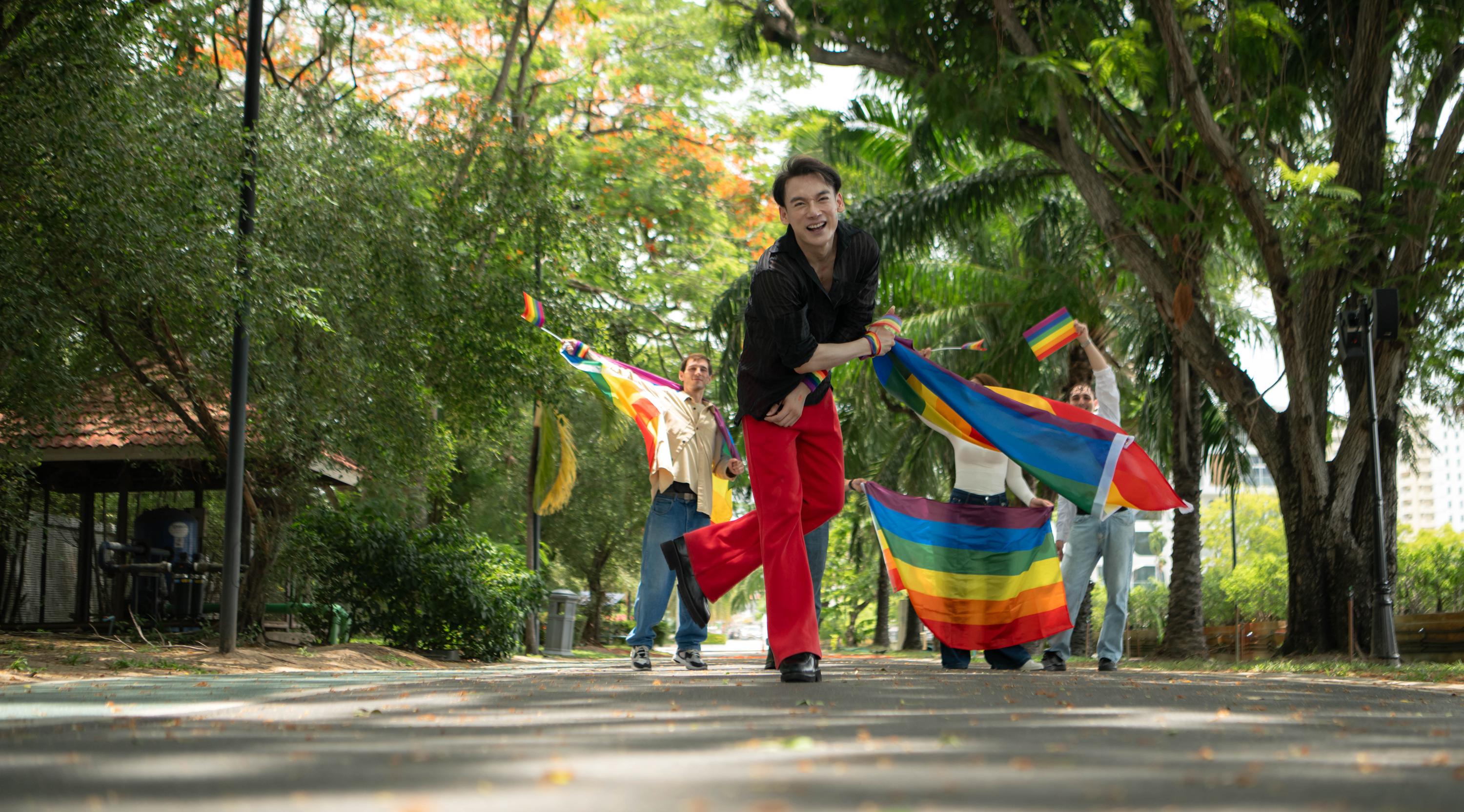
    The days following Pride can feel unexpectedly heavy, as your body and mind start to catch up with weeks of celebration and connection. That post Pride recovery phase isn’t just normal—it’s necessary. Knowing how to give yourself permission to rest and reset helps ease anxiety after Pride and guides you toward healing. Keep reading for gentle, practical Pride comedown tips that honor your needs and support your nervous system reset. Ready to feel grounded again? Book a complimentary 15-minute consultation or schedule your first session—available in-person in Palm Beach or via secure telehealth across Florida.

    Normalize Post Pride Recovery

    Celebrating Pride can be a whirlwind of emotions and activities, leaving many feeling drained afterward. Recognizing and accepting this need to recuperate is the first step to a healthy recovery.

    Understanding the Pride Comedown

    After the vibrant festivities, it’s normal to feel a bit low. This drop in mood is known as the Pride comedown. Your body and mind have been in high gear, and now they require time to recalibrate. You may experience tiredness, anxiety, or a sense of emptiness. These feelings are temporary but acknowledging them is crucial. It’s your body’s way of signaling the need for some downtime.

    Self Care After Pride

    Engaging in self-care post-Pride is vital for your well-being. Start with simple acts like getting enough sleep and eating nutritious meals. This helps replenish your energy levels. Try incorporating activities that bring you joy, like reading a favorite book or taking a leisurely walk. These moments of pleasure and relaxation can profoundly impact your overall mood. Remember, self-care is not a luxury but a necessity in maintaining your mental and physical health.

    Rest and Recovery Plan

    Creating a rest and recovery plan can help you transition smoothly from the Pride high to a balanced state. Set aside dedicated time each day for relaxation and reflection. This could be as simple as a 15-minute meditation session or jotting down thoughts in a journal. These practices can help you process your emotions and ground yourself. Additionally, consider limiting social media use to avoid overstimulation and comparison. This focus on rest can aid significantly in your post-event burnout recovery.

    Compassionate Recovery Tips

    Taking compassionate steps to care for yourself can ease the transition from Pride’s excitement to everyday life. Here are some strategies to support this journey.

    Boundary Setting After Pride

    Learning to set boundaries after Pride is essential. It can prevent emotional exhaustion and ensure you have time to recharge. Start by evaluating your current commitments and identify areas where you can say no. This might mean declining social invitations or reducing your workload temporarily. By prioritizing your needs, you create space for rest and healing, allowing you to return to your routine feeling refreshed.

    Nervous System Reset Techniques

    Resetting your nervous system can help alleviate anxiety after Pride. Deep breathing exercises are an excellent place to start. Try inhaling deeply through your nose, holding your breath for a few seconds, and then exhaling slowly. Repeat this process several times to calm your mind and body. Yoga and gentle stretching can also promote relaxation and reduce stress levels. These techniques encourage a sense of peace and help maintain balance.

    Self Compassion Practices

    Practicing self-compassion is crucial in your recovery process. Treat yourself with kindness and understanding, much like you would a close friend. When negative thoughts arise, try to counter them with positive affirmations. Remind yourself that it’s okay to take a break and that your emotions are valid. This gentle approach nurtures your mental health and fosters a more resilient mindset.

    Supportive Counseling Options

    If you find yourself needing additional support, exploring counseling options can be beneficial. Professional guidance can offer new perspectives and coping strategies.

    LGBTQ+ Mental Health Support

    Finding a therapist who understands LGBTQ+ issues can make a significant difference. They can provide a safe space to explore your feelings and challenges. These sessions can help you navigate identity concerns, relationship dynamics, or any post-event burnout you might experience. Remember, support tailored to your unique experiences can be empowering.

    EMDR Trauma Therapy Palm Beach

    For those dealing with trauma, EMDR therapy in Palm Beach offers a specialized approach that can facilitate healing. This therapy focuses on processing traumatic memories, reducing their emotional impact. It’s a powerful tool for anyone who has experienced distressing events, allowing them to move forward with greater peace and confidence.

    Flexible Online Therapy Florida

    Online therapy in Florida offers flexibility and convenience, making it accessible regardless of your schedule. This option provides the comfort of receiving support from your home. Whether you seek individual counseling or couples therapy, online sessions can fit seamlessly into your life, ensuring you don’t have to compromise on your mental health needs.

    Frequently Asked Questions

    What is the Pride comedown?
    The Pride comedown refers to the emotional and physical dip that often follows the excitement of Pride celebrations. It can involve feelings of fatigue, anxiety, or sadness, as your body and mind adjust back to normalcy.

    How can I practice self-care after Pride?
    Self-care after Pride involves prioritizing rest, nourishing your body with healthy foods, and engaging in activities that bring you joy. Simple steps like getting enough sleep and taking time for yourself can significantly enhance your recovery.

    Why should I consider counseling after Pride?
    Counseling provides a supportive space to explore your feelings and challenges. It can help you process any anxiety or stress you feel after Pride, offering strategies to navigate these emotions and improve your mental health.

  • After Pride: Why Your Nervous System Needs a Softer Landing (and How to Find It)

    After Pride: Why Your Nervous System Needs a Softer Landing (and How to Find It)

    The rush of Pride Month leaves a lasting glow—and often a heavy drop afterward. Your nervous system may feel stretched thin from all the sensory overload and minority stress that come with such intense celebration. Understanding the post-Pride comedown and how to care for yourself through nervous system regulation can make a huge difference. Let’s explore simple ways to find a softer landing and steady your mind and body after the festivities. For more insights, check out this article.

    Understanding the Post-Pride Comedown

    Experiencing emotional ups and downs after Pride is common. Let’s dig into how these feelings connect to overstimulation and stress unique to minority communities.

    Overstimulation and Minority Stress Effects

    Many people feel overwhelmed during Pride due to the constant sensory input. The vibrant parades, loud music, and large crowds can leave you drained. It’s important to recognize that this is a natural response. Your body and mind are processing more than usual, which can lead to exhaustion.

    Minority stress adds another layer. For LGBTQ+ individuals, events like Pride can trigger emotions related to identity and belonging. The tension of navigating a world that doesn’t always feel safe can heighten stress levels. It’s crucial to acknowledge how these factors impact your overall well-being.

    Sensory Overload Recovery Techniques

    Recovery is about finding balance. Start by creating a quiet space at home where you can unwind. Dimming the lights and turning off devices helps reduce the sensory input. Consider using noise-canceling headphones or soft music to soothe your mind.

    Breathing exercises are another effective tool. Slowly inhale for a count of four, hold for four, and exhale for four. This simple pattern can calm your nervous system and ease the feeling of overload. Remember: taking small steps can lead to significant improvement in how you feel.

    Navigating Nervous System Regulation

    Understanding your nervous system is key to managing post-Pride stress. Let’s explore insights from the polyvagal theory and grounding techniques that help maintain calmness.

    Polyvagal Nervous System Insights

    The polyvagal theory explains how your nervous system processes safety and threat. It highlights the importance of feeling safe to function well. When overstimulated, your system may remain in a heightened state of alertness.

    To reset, focus on activities that foster a sense of safety. Engaging with friends who offer support can reassure your mind and body. Additionally, gentle physical activities like yoga or walking can help ease stress and boost your mood. This approach encourages the nervous system to move toward a state of calm.

    Grounding Techniques for Calm

    Grounding techniques can quickly bring your focus to the present moment. One simple method is the 5-4-3-2-1 technique. Identify five things you see, four things you touch, three things you hear, two things you smell, and one thing you taste. This practice can shift your attention away from stress.

    Another method is focusing on your feet. Feel the ground beneath you, noticing the texture and temperature. This physical connection helps anchor you in the here and now, reducing anxiety. These techniques are valuable tools to help you regain control and peace.

    Seeking Support for LGBTQ+ Mental Health

    Support is crucial for mental health, especially after intense events. Let’s uncover the benefits of queer-affirming therapy and explore the role of EMDR in Palm Beach.

    Benefits of Queer-Affirming Therapy

    Queer-affirming therapy offers a supportive space to explore identity and emotions. It acknowledges the unique challenges faced by LGBTQ+ individuals, providing tailored support. This type of therapy can build resilience and foster self-acceptance.

    Therapists create an environment where you feel seen and understood. They guide you in navigating personal and societal pressures, helping you develop coping strategies. The aim is to empower you to live authentically and confidently.

    EMDR Therapy in Palm Beach

    Eye Movement Desensitization and Reprocessing (EMDR) is a powerful tool for healing past trauma. It’s particularly helpful for those who have experienced distressing events. In Palm Beach, therapists trained in EMDR offer specialized support to process these experiences safely.

    Through EMDR, you can reframe negative thoughts and feelings linked to trauma. It aids in reducing the emotional charge of memories, allowing for a healthier, more balanced outlook. This therapy is a step toward resolving trauma and enhancing emotional well-being.

    Frequently Asked Questions

    What is the post-Pride comedown?
    The post-Pride comedown refers to the emotional and physical exhaustion experienced after the intense celebration of Pride events. It often involves feelings of fatigue, anxiety, or sadness due to overstimulation and minority stress.

    How can I recover from sensory overload?
    Recovering from sensory overload involves creating a calm environment at home. Techniques like deep breathing exercises, using noise-canceling headphones, and practicing mindfulness can help ease the overload and promote relaxation.

    What is polyvagal nervous system theory?
    The polyvagal nervous system theory explains how your body processes feelings of safety and threat. It emphasizes the importance of feeling secure to function optimally and suggests strategies like social engagement and gentle physical activity to enhance calmness.

    What are grounding techniques?
    Grounding techniques are practices that help bring focus to the present moment, reducing anxiety and stress. Examples include the 5-4-3-2-1 method and focusing on physical sensations like feeling the ground under your feet.

    How does EMDR therapy work?
    EMDR therapy involves processing and reframing traumatic experiences through guided eye movements. It helps reduce the emotional charge of memories, promoting healing and emotional balance. It’s particularly beneficial for trauma survivors seeking relief from past distress.