Tag: anxiety and depression support

  • Counseling vs. Coaching: How to Choose the Right Kind of Support

    Counseling vs. Coaching: How to Choose the Right Kind of Support

    Choosing between counseling and coaching can feel like standing at a crossroads without a map. Many wonder which path suits their needs best, especially when juggling personal challenges, workplace stress, or relationship struggles. This guide breaks down counseling vs coaching, helping to clarify who benefits most from each approach—and how Bigelow Counseling in Palm Beach offers tailored support for every journey ahead. Still unsure which path fits? Book a complimentary 15-minute consult to explore options like EMDR therapy, couples counseling, or executive coaching. For more insights, you can check this discussion.

    Understanding Counseling vs Coaching

    Navigating the choice between counseling and coaching begins with understanding their core differences. Let’s dive into how each serves unique needs.

    Key Differences Explained

    Counseling focuses on healing past wounds and addressing emotional distress. It’s about exploring feelings and behaviors with a trained therapist. Many people turn to counseling for support with anxiety, depression, trauma, or relationship issues. Counselors provide a safe space to work through these challenges, offering professional insights and coping strategies.

    Coaching, on the other hand, is solution-oriented. It’s ideal for those looking to set and achieve specific goals. Coaches guide you in building skills and creating actionable plans, making it perfect for career development or personal growth. This approach is forward-focused, emphasizing accountability and progress rather than delving into past experiences. For more on this topic, you might find this article helpful.

    Who Benefits Most?

    Counseling is beneficial if you’re dealing with emotional pain or mental health concerns. It helps individuals who need support in managing symptoms of anxiety, depression, or trauma. It’s particularly valuable for those who want to understand their emotions better and develop healthier coping mechanisms.

    Coaching benefits those ready to take action towards future goals. Professionals facing workplace challenges or anyone seeking personal development can gain clarity and direction from coaching. It’s an empowering process for those eager to enhance their lives through structured goal-setting and accountability.

    Deciding Your Next Step

    Choosing between counseling and coaching depends on your personal needs and goals. Here’s how to assess what might work best for you.

    Assessing Personal Needs

    Start by identifying your primary concerns. Are you struggling with emotions or past experiences that feel overwhelming? Counseling may be the answer. If you’re feeling stuck in your career or want to pursue new personal goals, coaching could provide the direction you need. Self-reflection is key. Consider what you hope to achieve and where you feel most challenged.

    Exploring Treatment Options

    Once you understand your needs, explore available options. Counseling offers various therapies for emotional healing, such as EMDR for trauma or couples counseling for relationships. Coaching provides structured programs for personal and professional growth, like executive coaching for workplace challenges. Evaluate what aligns with your goals and how each option can help you reach them. This resource provides further insights into how coaching and therapy work distinctly.

    Bigelow Counseling: Your Local Guide
    Living in Palm Beach offers the advantage of accessing personalized support through Bigelow Counseling. Here’s what they offer.

    Services Offered in Palm Beach

    Bigelow Counseling provides a comprehensive range of services. From individual counseling that addresses anxiety and depression to specialized EMDR trauma therapy, they cater to diverse needs. They also offer couples counseling to strengthen relationships and life coaching to help you achieve personal goals. For professionals, executive coaching can aid in overcoming workplace hurdles. With a focus on the LGBTQ+ community and BIPOC individuals, Bigelow ensures an inclusive and supportive environment.

    Book Your Complimentary Consult 🌟

    If you’re still unsure which path to take, Bigelow Counseling offers a complimentary 15-minute consultation. This session allows you to discuss your needs and explore how their services can support your journey. Whether you’re considering therapy or coaching, their tailored approach ensures you find the right fit for your goals. Don’t wait to begin your healing and growth journey in Palm Beach. Explore options at Bigelow Counseling.

    Frequently Asked Questions

    What’s the main difference between counseling and coaching?

    Counseling is about healing past emotional wounds, while coaching focuses on achieving future goals. Counseling deals with emotional distress, whereas coaching is action-oriented and helps with personal or professional development.

    Who should consider counseling?

    Counseling is suitable for those dealing with mental health issues like anxiety, depression, or trauma. It’s ideal if you need support in processing emotions or improving mental well-being.

    What does coaching help with?

    Coaching helps individuals set and achieve specific goals, whether personal or professional. It’s beneficial for those looking to enhance skills, improve performance, or navigate career challenges.

    How do I choose between counseling and coaching?

    Assess your needs: If you’re struggling with emotional issues, consider counseling. If you want to achieve specific personal or career goals, coaching might be the better choice. Reflect on your current challenges and future aspirations to decide.

    Can Bigelow Counseling help with both counseling and coaching?

    Yes, Bigelow Counseling offers both counseling and coaching services in Palm Beach. They provide personalized support tailored to your specific needs, ensuring you receive the right care for your journey.
  • How Trauma Shapes Trust, Confidence, and Everyday Reactions—And Paths to Healing

    How Trauma Shapes Trust, Confidence, and Everyday Reactions—And Paths to Healing

    Trauma doesn’t just affect memories—it rewires how trust and confidence show up every day. When ordinary moments trigger intense reactions, it’s often a sign the nervous system is still on edge from past wounds. Understanding these patterns opens the door to healing and rebuilding a steadier sense of self. For those ready to take that step, trauma therapy Palm Beach offers a safe, affirming space to start feeling grounded again. Ready to feel safer, steadier, and more confident? Connect with Bigelow Counseling to schedule a counseling or EMDR session—online or in-person in Palm Beach. New clients welcome. Your healing can start today. 💬

    How Trauma Impacts Trust

    Trauma can deeply affect how you perceive trust and confidence. Understanding these changes is key to starting your healing journey.

    Understanding Trauma and Trust Issues

    When you experience trauma, it can alter your ability to trust others. This happens because trauma affects the brain’s perception of safety, making it hard to feel secure. Often, people who have experienced trauma might find themselves doubting others’ intentions or feeling overly cautious in relationships. This lack of trust can bleed into everyday interactions, creating a cycle of uncertainty that reinforces the trauma. It’s important to recognize these patterns as signs that your mind is still processing past events. With this knowledge, you can start to question these reactions and seek help to rebuild trust.

    Rebuilding Self-Confidence After Trauma

    Recovering from trauma isn’t just about trusting others; it’s also about trusting yourself. Trauma can make you question your abilities and worth. It might leave you feeling unsure about decisions or anxious about trying new things. To rebuild confidence, start with small steps: acknowledge your achievements, no matter how small. Each success builds a foundation of self-trust. You might also consider working with a counselor who can help you explore these feelings in a safe environment. Over time, you can develop a stronger sense of self, grounded in resilience and understanding.

    Couples Counseling for Trust

    Trust issues can strain any relationship, but couples counseling offers a supportive space to address these challenges. In therapy, both partners can express their feelings and work through misunderstandings. A counselor can guide you in developing communication skills that foster openness and honesty. Together, you can explore the roots of mistrust and learn how to build a stronger, more trusting partnership. This process not only heals old wounds but also lays the groundwork for a more connected future.

    Navigating Daily Triggers

    Daily triggers can feel overwhelming, but understanding their nature helps in managing them effectively. Recognizing these reactions is the first step toward reclaiming peace.

    Trauma Triggers and Reactions

    Triggers can pop up unexpectedly, turning routine situations into moments of distress. These reactions occur because the brain associates certain stimuli with past trauma. You might notice physical symptoms, like a racing heart or sweaty palms, or emotional responses, such as anger or fear. Recognizing these triggers is a major step forward. It enables you to pause and separate the past from the present. This awareness can empower you to seek strategies that help reduce these reactions over time.

    Hypervigilance and Anxiety

    Hypervigilance is a common response for those dealing with trauma. It involves being constantly on guard, scanning for potential threats. This heightened state of anxiety can be exhausting, impacting daily life and relationships. To combat hypervigilance, grounding techniques and mindfulness practices can be beneficial. Regular practice can help soothe the nervous system, allowing you to feel more present and less overwhelmed by anxiety. Working with a therapist can also provide tailored strategies to manage these feelings effectively.

    Grounding Techniques for Triggers

    Grounding techniques help anchor you in the present moment, reducing the impact of triggers. Simple methods like deep breathing, focusing on physical sensations, or repeating a calming phrase can be effective. By incorporating these practices into daily life, you can create a toolkit for managing stress and reducing the power of traumatic memories. With time and practice, these techniques can help you regain control, offering a sense of stability and calm amidst chaos.

    Pathways to Healing

    Exploring various therapies can open doors to healing, offering tailored support for your unique journey.

    EMDR Therapy Palm Beach

    EMDR, or Eye Movement Desensitization and Reprocessing, is a specialized therapy designed to help process trauma. It involves recalling traumatic events while focusing on specific eye movements, which aids the brain in reprocessing these memories. Many people find EMDR effective in reducing the emotional intensity of traumatic memories, making it a powerful tool for healing. At Bigelow Counseling, trained therapists offer this service to support your recovery journey.

    Safe Space Therapy Palm Beach

    Creating a safe environment is crucial for effective therapy. At Bigelow Counseling, you will find a supportive space where you can explore your feelings without judgment. This environment fosters honesty and growth, allowing you to express your thoughts openly. In a safe space, you can work through trauma at your own pace, guided by compassionate professionals dedicated to your well-being.

    LGBTQ Affirming Therapist Palm Beach 🌈

    Finding an affirming therapist who understands your experiences is essential, especially for members of the LGBTQ+ community. Bigelow Counseling offers specialized support that respects and celebrates your identity. This inclusive approach ensures that you feel seen and understood, creating a foundation for authentic healing and self-discovery. Whether you’re navigating personal challenges or seeking to affirm your identity, our therapists are here to support you.

    Frequently Asked Questions

    What are common signs of trauma-related trust issues?

    Common signs include a persistent feeling of doubt in others, difficulty opening up, and a tendency to question intentions. These issues often stem from past experiences that have disrupted your sense of safety.

    How can I rebuild my self-confidence after experiencing trauma?

    Rebuilding self-confidence involves taking small, tangible steps toward self-acceptance. Celebrate minor victories and consider seeking professional guidance to explore and understand underlying feelings that impact your confidence.

    What should I expect from couples counseling focused on trust?

    Couples counseling provides a supportive space to address trust issues. Expect open communication, guided discussions, and strategies to rebuild trust through understanding and shared goals.

    How do grounding techniques help with trauma triggers?

    Grounding techniques help by anchoring you in the present moment, reducing the emotional intensity of triggers. Methods like deep breathing and mindfulness can create a sense of calm and control.

    Is EMDR therapy suitable for all types of trauma?

    EMDR is versatile and can be effective for various types of trauma. A consultation with a trained therapist can help determine if it’s the right approach for your specific needs.

    Home

  • Stress or Burnout? 8 Signs It’s Time to Reset

    Stress or Burnout? 8 Signs It’s Time to Reset

    Stress can feel like just part of the daily grind, but when does it cross into burnout? Recognizing the signs of burnout matters, especially when chronic stress starts to drain energy and joy. This guide breaks down stress vs burnout, helping you spot the warning signals before things spiral. Take the first step toward relief with support from Bigelow Counseling, offering counseling in Palm Beach and online tailored to your needs. For more insights, check out this discussion about stress turning into burnout.

    Recognizing Stress vs Burnout

    Understanding the difference between stress and burnout is key to tackling them effectively. Stress often feels like an overload, but burnout can leave you feeling empty and unmotivated.

    Identifying Chronic Stress Indicators

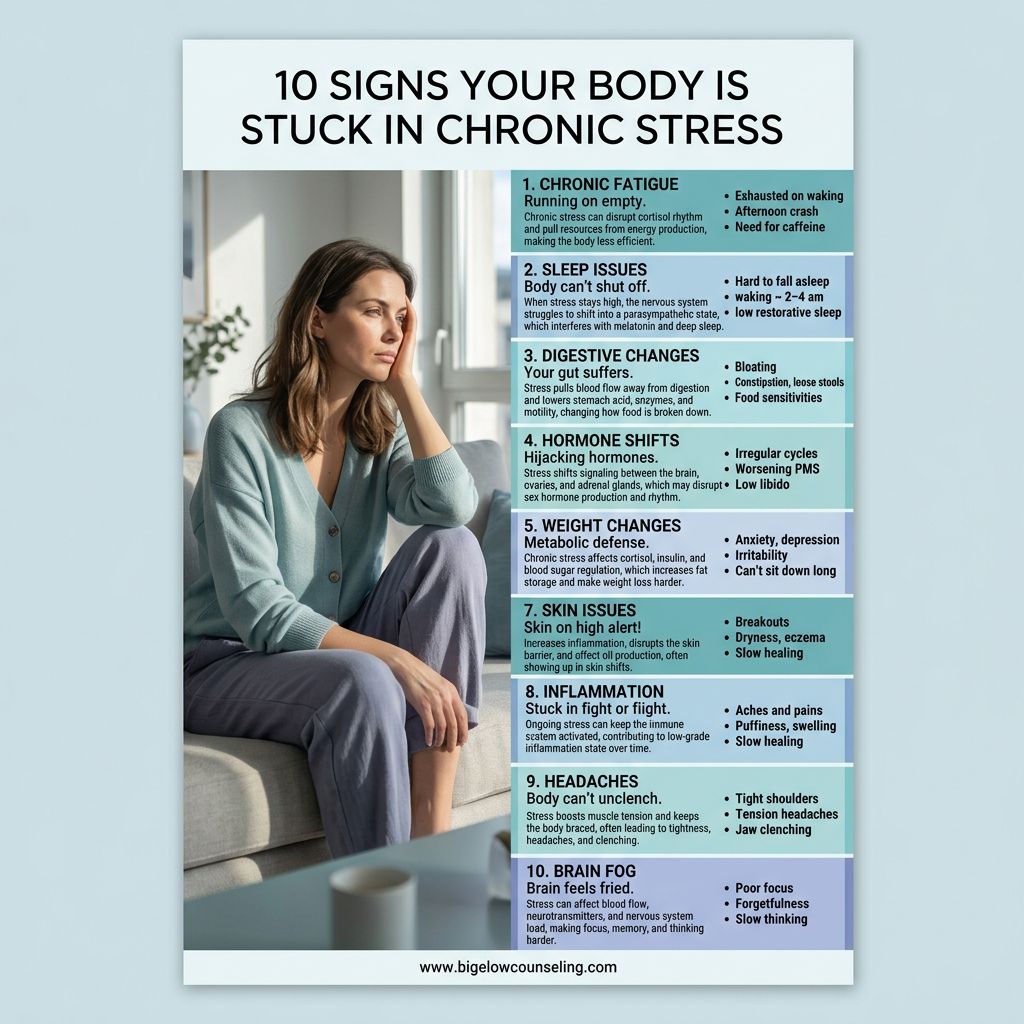
    Chronic stress can sneak up on you. It might start with feeling overwhelmed by daily tasks. You may notice tightness in your muscles or a racing heart. Sleep might become elusive, and you could find yourself more irritable than usual. If you’re constantly worried about work or personal responsibilities, that’s another red flag. This ongoing stress can chip away at your energy and make it tough to concentrate.

    You might also experience physical symptoms. These can include headaches or stomach problems. It’s important to catch these signs early. Chronic stress is a signal that your body needs a break. Ignoring it can lead to more serious issues like burnout. By acknowledging these indicators, you can begin taking steps to manage stress before it spirals out of control.

    Common Burnout Symptoms

    Burnout is more severe than stress. It often results from prolonged stress that hasn’t been addressed. One of the first signs can be a lack of motivation. Tasks that used to excite you may feel like a burden. You might start to feel detached from your work or life in general. This can lead to a sense of hopelessness or cynicism.

    Physical symptoms can accompany these feelings. Exhaustion is common, even if you’re getting enough sleep. You might also experience frequent illness as your immune system weakens. With burnout, emotional exhaustion is a major sign. It can make you feel drained and unable to cope. Recognizing these symptoms early can prevent a deeper crisis.

    Differences: Stress vs Burnout

    Stress and burnout are related but distinct. Stress is about too much: too many pressures that demand too much of you physically and mentally. People under stress can still imagine that if they can just get everything under control, they’ll feel better. Burnout, on the other hand, is about not enough. Being burned out means feeling empty and mentally exhausted, devoid of motivation and beyond caring. People experiencing burnout often don’t see any hope of positive change in their situations.

    When stress turns into burnout, it’s a signal that something must change. Burnout symptoms may linger longer and require more comprehensive solutions. Identifying whether you are dealing with stress or burnout helps in choosing the right steps to recovery.

    Taking Steps Towards Burnout Recovery

    Recovery from burnout involves more than just rest. It’s about changing the patterns that led to the burnout in the first place. Let’s explore some strategies.

    Initial Relief Strategies

    Starting with small changes can make a big impact. Begin by prioritizing self-care. Incorporate regular breaks into your routine. Spend time doing activities you enjoy, which can help rejuvenate your energy. Exercise is another powerful tool. It releases endorphins and improves mood. Even a short walk can be beneficial.

    Another key is setting boundaries. Learn to say no to additional responsibilities that might overwhelm you. Seek out support from friends or family. Sharing how you feel can lighten the load. It’s also wise to reassess your goals. Focus on what truly matters, and let go of unnecessary pressures.

    Importance of Professional Support

    Professional support can offer guidance when you’re feeling lost. Therapists can help you explore underlying issues contributing to burnout. They provide a space to express feelings that might be hard to share elsewhere. Counseling in Palm Beach can offer strategies tailored to your needs.

    A professional can help you develop coping strategies. They can also assist in creating a plan to manage stressors effectively. Knowing you’re not alone can be incredibly comforting. Professional help is a step toward regaining control and finding balance in your life.

    Benefits of EMDR Therapy Palm Beach

    EMDR Therapy is a powerful tool for those dealing with burnout, especially when it’s rooted in past trauma. It helps by processing these memories and reducing their emotional impact. This therapy can lead to healing and a sense of relief. In Palm Beach, EMDR Therapy is available to those who need it.

    During EMDR sessions, therapists guide you through your memories while focusing on external stimuli. This can help integrate and process difficult experiences. Over time, it reduces their hold on your current life. EMDR Therapy can be a path to reclaiming your peace and strength.

    Support and Resources Available

    Finding the right support is crucial in overcoming burnout. Palm Beach offers a variety of resources to help you on this journey.

    Counseling and Life Coaching Palm Beach

    Counseling and life coaching can be transformative. They provide insights into patterns that contribute to stress and burnout. With a counselor, you can explore feelings and develop new coping mechanisms. Life coaching focuses on achieving personal goals and finding fulfillment. Bigelow Counseling offers these services, helping you navigate life’s challenges.

    LGBTQ Affirming Therapy Options

    It’s important to find a therapist who understands your unique experiences. LGBTQ affirming therapy creates a safe space for those in the community. It addresses specific concerns and fosters a sense of belonging. Palm Beach offers specialized support, ensuring everyone feels accepted and understood.

    Online Therapy Florida for Flexibility

    Online therapy provides flexibility for those with busy schedules or those who prefer remote sessions. It allows you to connect with a therapist from the comfort of your home. This option removes barriers like travel time or distance. If you’re in Florida, online therapy can be a convenient way to access professional support.

    Frequently Asked Questions

    What are the first signs of burnout?

    Early signs of burnout include feeling exhausted, detached from your work, and a lack of motivation. You might also notice a decrease in performance and increased irritability.

    Can stress lead to physical health problems?

    Yes, chronic stress can lead to physical health issues such as headaches, digestive problems, and weakened immune function, making you more susceptible to illness.

    How does EMDR Therapy help with burnout?

    EMDR Therapy helps by processing traumatic memories that might contribute to burnout. It reduces the emotional impact of past experiences, leading to healing and relief.

    Is online therapy effective?

    Yes, online therapy is as effective as in-person sessions for many clients. It offers convenience and accessibility, making it a suitable option for those with busy lifestyles.

    How can I differentiate between stress and burnout?

    Stress is characterized by too many pressures, while burnout feels like not enough motivation and energy. Burnout often involves emotional exhaustion and a sense of hopelessness.

    Home

  • Counseling vs Coaching: How to Choose the Right Type of Support

    Counseling vs Coaching: How to Choose the Right Type of Support

    Choosing between counseling and coaching can feel confusing when seeking support for anxiety, depression, trauma recovery, or career growth. Many wonder how to pick the right path that fits their unique goals and needs. This guide breaks down the key differences in counseling vs coaching, helping you find clarity and the right fit. Ready for clarity? Schedule a 15-minute welcome call with Bigelow Counseling to explore therapy, coaching, or a blend—available in Palm Beach and online across Florida.

    Understanding Counseling vs Coaching

    When seeking support, it’s crucial to understand how counseling and coaching can help in different ways.

    Key Differences Explained

    Counseling focuses on understanding and healing past issues. It’s helpful for those dealing with trauma, anxiety, or depression. Counselors use therapeutic techniques to explore emotions and thoughts. They guide you through the healing process, creating a safe space to discuss difficult topics.

    Coaching, on the other hand, is future-focused. It helps you set and achieve personal or professional goals. Coaches provide strategies and motivation to overcome challenges. If you’re looking to enhance career growth or navigate life transitions, coaching might be more suitable. Each approach offers unique benefits, depending on your needs.

    Goals and Expectations

    In counseling, the goal often involves processing emotions and gaining insights into behaviors. Expect to delve into past experiences and work through complex feelings. Counseling sessions can be intense but rewarding, leading to personal growth and a better understanding of oneself.

    Coaching sessions, however, center around setting clear objectives. Whether it’s improving work performance or achieving a personal milestone, coaching helps you break down barriers. You’ll identify actionable steps and track progress. This structured approach is ideal if you thrive on setting and achieving goals.

    Personalized Support Options

    Both counseling and coaching offer personalized support tailored to your unique circumstances. Counselors at Bigelow Counseling provide specialized therapy, including EMDR for trauma and LGBTQ+ affirming care. They address diverse issues, ensuring each session meets your specific needs.

    Coaches also personalize their approach, focusing on your goals and challenges. Whether it’s life coaching or professional growth, they adapt strategies to suit your situation. This ensures you receive the most effective support, aligning with your personal development journey.

    Choosing the Right Path

    Deciding between counseling and coaching involves evaluating your needs and goals to determine the best fit.

    Assessing Your Needs

    Start by identifying your primary concerns. Are you seeking help for emotional struggles or aiming for career advancement? If emotional healing is your priority, counseling may be the right path. However, if you want to focus on achieving specific goals, coaching could be more beneficial. Consider what you hope to gain from the experience, and let that guide your decision.

    Aligning with Your Goals

    Aligning your choice with your goals is crucial. Counseling can help if your aim is to overcome past trauma or manage mental health issues. It provides the tools needed to process emotions and build resilience.

    Coaching is ideal if your goals are more future-oriented. Whether it’s enhancing your career or improving life satisfaction, coaching helps you create a roadmap for success. Both approaches align with different aspects of personal growth, so choose based on your objectives.

    When to Blend Approaches

    Sometimes, blending counseling and coaching offers the best support. This hybrid approach addresses both emotional healing and goal achievement. For instance, someone recovering from trauma while aiming to improve career prospects might benefit from a combined strategy. This allows for holistic growth, supporting both mental well-being and personal ambitions.

    Finding Your Support System

    Finding the right support system is essential for your journey to growth and healing.

    Starting with Bigelow Counseling

    Bigelow Counseling offers a comprehensive range of services, from individual therapy to life coaching. Their experienced team is dedicated to helping you navigate personal and professional challenges. With a focus on healing and personal growth, Bigelow Counseling provides a supportive environment tailored to your needs.

    Scheduling a Welcome Call

    Ready to take the next step? Scheduling a welcome call with Bigelow Counseling is a great way to explore your options. This initial conversation helps you understand available services and decide on the best approach. Whether it’s counseling, coaching, or a blend, the team is there to guide you.

    Exploring Online and In-Person Options

    Bigelow Counseling offers both online and in-person sessions, making it convenient for you to access support. Whether you’re in Palm Beach or elsewhere in Florida, you can find the right fit for your schedule and preferences. This flexibility ensures you receive consistent care, no matter where you are.

    Frequently Asked Questions

    What is the main difference between counseling and coaching?

    Counseling focuses on healing past issues and exploring emotions, while coaching is goal-oriented, helping you achieve personal or professional targets.

    Can I combine counseling and coaching?

    Yes, combining both can be beneficial. It allows for comprehensive support, addressing both emotional healing and goal achievement.

    How do I know if I need counseling or coaching?

    Identify your primary needs. If emotional healing is a priority, consider counseling. For future-focused goals, coaching might be more suitable.

    What should I expect from a counseling session?

    Expect to explore emotions and past experiences. Counseling provides a safe space for discussing difficult topics and gaining insights.

    How does coaching help with career growth?

    Coaching provides strategies and motivation to overcome obstacles, helping you set and achieve specific career goals.

  • LGBTQ+ Affirming Therapy: What a Safe Space Should Feel Like

    LGBTQ+ Affirming Therapy: What a Safe Space Should Feel Like

    Safe, affirming therapy doesn’t just happen—it’s built with care and respect for every part of you. When seeking LGBTQ+ affirming therapy, knowing what a truly safe space feels like can make all the difference. This post breaks down key elements that turn therapy into a place where healing and authenticity thrive. Ready for care that honors your journey? Keep reading to see how Bigelow Counseling supports you with heart and expertise.

    Understanding LGBTQ+ Affirming Therapy

    Navigating the journey of finding a supportive therapeutic environment is crucial. Understanding what makes a space genuinely affirming can help you make an informed choice.

    Core Principles of Safe Spaces

    Safe spaces are built on respect and understanding. You should feel valued for who you are, not despite it. A cornerstone is the therapist’s commitment to accepting every part of you. Your identity, experiences, and feelings should be met with empathy. This creates a foundation where you can express yourself freely. A good therapist will actively listen and validate your experiences. They recognize that healing comes from feeling seen and heard. Safe spaces are not just about acceptance but about actively supporting your growth and authenticity.

    Importance of Trauma-Informed Care

    Trauma-informed care emphasizes understanding and compassion. Therapists trained in this approach recognize how past experiences shape current struggles. They avoid re-traumatization by creating a supportive environment. This care involves acknowledging the impact of trauma on your life. It prioritizes safety and collaboration in the therapeutic process. You should feel empowered to take part in your healing journey. This approach respects your autonomy and fosters trust, essential components in processing trauma.

    Choosing the Right Therapist

    Finding the right therapist can be transformative. Knowing what to look for ensures you receive the support you need.

    Finding a Queer Therapist in Palm Beach

    Searching for a queer therapist in Palm Beach can feel daunting, but it’s essential to find someone who resonates with your experiences. Start by seeking recommendations from local LGBTQ+ centers or community groups. Online directories can also help you find therapists who specialize in LGBTQ+ issues. When choosing, ensure they have the credentials and experience in areas relevant to your needs, such as identity exploration or trauma recovery.

    Key Qualities of an Affirming Counselor

    An affirming counselor should offer more than just a welcoming environment. They should be knowledgeable about LGBTQ+ issues and actively incorporate this understanding into their practice. Look for someone who respects and reflects your identity in their approach. It’s essential that they are committed to ongoing education in cultural competency. This commitment ensures they remain informed about the unique challenges faced by the LGBTQ+ community. A good therapist will empower you, helping you to embrace your true self.

    Exploring Therapy Options

    Therapy options tailored to your needs can significantly impact your healing journey. Understanding these can guide you toward the right choice.

    Benefits of EMDR for Trauma

    EMDR (Eye Movement Desensitization and Reprocessing) is a powerful tool for trauma recovery. It’s designed to help you process and integrate traumatic memories safely. This therapy involves focusing on specific memories while engaging in eye movements, which can reduce the emotional impact of those memories. For many, EMDR offers relief from the distressing symptoms of trauma. It provides a structured approach to healing that empowers you to reclaim your narrative. If trauma feels like it’s taking control, this method can be a significant step forward.

    Support for Anxiety, Depression, and Identity

    Therapy can be a lifeline for those grappling with anxiety, depression, or identity-related challenges. It offers a space to explore feelings, develop coping strategies, and gain insights into your patterns. Support for anxiety and depression often involves cognitive-behavioral techniques that can help shift negative thought patterns. For identity exploration, therapy provides a safe space to understand and affirm your identity. It guides you in navigating the complexities of self-discovery with confidence and support.

    Frequently Asked Questions

    What is LGBTQ+ affirming therapy?

    LGBTQ+ affirming therapy provides a supportive and understanding space for individuals who identify as LGBTQ+. The therapist acknowledges and validates all aspects of the client’s identity, fostering an environment of acceptance and growth.

    How can I find a queer therapist in Palm Beach?

    Start by checking local LGBTQ+ community centers or online directories for therapists specializing in LGBTQ+ issues. Ensure they have experience relevant to your needs, like identity exploration or trauma.

    What are the benefits of EMDR for trauma?

    EMDR helps process and integrate traumatic memories, reducing their emotional impact. It offers a structured approach to healing, allowing individuals to regain control and move forward positively.

    Why is trauma-informed care important?

    Trauma-informed care emphasizes understanding and compassion, avoiding re-traumatization. It prioritizes safety and collaboration, empowering individuals to engage actively in their healing journey.

    What should I look for in an affirming counselor?

    An affirming counselor should be knowledgeable about LGBTQ+ issues and incorporate this understanding into their practice. They should respect and reflect your identity, committing to ongoing cultural competency education.

  • Counseling vs. Coaching: How to Choose the Right Kind of Support

    Counseling vs. Coaching: How to Choose the Right Kind of Support

    Choosing between counseling and coaching can feel overwhelming when each promises support but serves different needs. Sorting through therapy vs coaching often leaves questions about which path truly fits your current life challenges or goals. This guide makes counseling vs coaching clear, helping map the right kind of support tailored to healing, clarity, or career growth. Ready to find the right fit? Book a 15-minute consultation with Bigelow Counseling in Palm Beach or online across Florida.

    Understanding Counseling and Coaching

    Exploring the differences between counseling and coaching helps you make informed choices about your support needs.

    Key Differences Explained

    Counseling and coaching serve distinct purposes. Counseling often focuses on helping you heal from past trauma or manage mental health issues like anxiety and depression. It’s a therapeutic process led by licensed professionals. Coaching, on the other hand, is about guiding you towards future goals, such as career growth or personal development. Coaches facilitate a forward-looking approach, empowering you to take actionable steps.

    Knowing which approach suits you involves considering your current situation. If you’re dealing with emotional pain or mental health concerns, counseling might be the path to choose. When your aim is to reach specific goals or overcome professional challenges, coaching could be more beneficial. Understanding these nuances guides you toward the right choice for your journey.

    Benefits of Each Approach

    Both counseling and coaching offer unique benefits. Counseling provides a safe space to explore feelings and work through emotional challenges. It helps in addressing deep-rooted issues, offering long-term healing. People often find relief and clarity through counseling, feeling more grounded in their day-to-day lives.

    Coaching, meanwhile, is action-oriented. It supports you in mapping out clear steps toward achieving your aspirations. Coaches are there to motivate and hold you accountable, making sure you stay on track. This approach is especially helpful if you’re looking to enhance career prospects or personal skills. The tailored guidance keeps you focused on success.

    What is EMDR Therapy?

    EMDR Therapy (Eye Movement Desensitization and Reprocessing) is a specialized form of therapy that targets trauma. It uses specific eye movements to process and resolve traumatic memories. This method is highly effective for those struggling with past events that impact their present life.

    In Palm Beach, EMDR Therapy is available for individuals seeking to address trauma. It’s a structured approach that helps alleviate distress and promotes healing. If trauma is affecting your daily life, EMDR could be a vital part of your recovery journey. This therapy is about moving forward into a life less burdened by past pain.

    Choosing the Right Support

    Selecting the appropriate support can transform how you experience personal and professional challenges.

    How to Decide: Counseling or Coaching?

    Deciding between counseling and coaching involves understanding your current needs. If emotional healing is a priority, consider counseling. It offers a therapeutic outlet to explore and resolve feelings. Licensed counselors guide you through this process, ensuring you feel supported.

    Conversely, if your focus is on achieving specific goals, coaching might be the way to go. Coaches provide strategies and motivation to help you move forward. Think about where you need the most help: healing or achieving? This clarity will help in choosing the right support.

    Tailored Support for Your Needs

    Your journey is unique, and your support should be too. Bigelow Counseling offers tailored services that cater to individual needs. Whether you’re seeking emotional healing or goal achievement, there are options available. From personalized counseling to structured coaching, the support is designed to fit your life.

    Tailored approaches mean you get specific assistance, ensuring that your journey is as effective as possible. This personalized focus helps you make the most of your sessions, leading to better outcomes. It’s about finding what works for you and sticking with it.

    Consultation Options in Palm Beach and Online

    Exploring your support options is easy with consultation services. Bigelow Counseling offers both in-person and online consultations. This flexibility means you can find support no matter where you are in Florida. Booking a consultation is a straightforward step towards finding the right path.

    Talking with a professional can clarify which service suits you best. Whether it’s counseling or coaching, consultations offer insight into how you can proceed. This step is all about ensuring you feel confident in your choice of support.

    Specialized Counseling and Coaching Services

    Bigelow Counseling provides specialized services to meet diverse needs, ensuring that everyone finds the right support.

    LGBTQ Affirming and Trauma Therapy

    Finding an affirming space is crucial for many in the LGBTQ+ community. Bigelow Counseling offers specialized support tailored to these needs. This includes therapy for identity-related issues and trauma. Feeling understood and accepted is a key part of therapy.

    Trauma therapy, including EMDR, is available for those who have experienced past distress. This specialized focus helps in processing and overcoming traumatic events. The goal is to create a safe environment where healing can occur naturally and effectively.

    Couples and Executive Coaching

    Relationships and professional growth are often intertwined with personal well-being. Bigelow Counseling provides couples counseling to enhance relationships and rebuild trust. This service is designed for couples who want to improve communication and connection.

    Executive coaching is also available for those facing career challenges. Whether you’re looking to advance or are experiencing workplace stress, coaching provides strategies for success. This support is about reaching your professional potential while maintaining personal balance.

    Online Therapy and Support Across Florida

    Accessibility is important when seeking support. Bigelow Counseling offers online therapy services throughout Florida. This means you can receive guidance and support without leaving home. Online services provide flexibility and convenience, making it easier to fit therapy into your life.

    Online support ensures that no matter where you are, help is just a click away. Whether you’re dealing with personal challenges or seeking professional growth, online therapy makes it possible to get the support you need.

    Frequently Asked Questions

    What is the difference between counseling and coaching?

    Counseling focuses on healing emotional and mental health issues, while coaching is about achieving specific future goals. Counseling offers therapeutic support, whereas coaching provides guidance and motivation for action.

    How do I know if I should choose counseling or coaching?

    Consider your current needs. If you’re dealing with emotional distress, counseling might be appropriate. If you’re aiming for specific personal or professional goals, coaching could be more suitable.

    What is EMDR therapy, and who can benefit from it?

    EMDR therapy is a specialized form of trauma therapy that uses eye movements to resolve traumatic memories. It is beneficial for individuals seeking to overcome past trauma and its effects on their present life.

    Can counseling and coaching be done online?

    Yes, Bigelow Counseling offers online therapy and coaching services across Florida. This allows you to receive support from the comfort of your home.

    Are there specialized services for the LGBTQ+ community?

    Bigelow Counseling provides LGBTQ affirming therapy, focusing on identity-related issues and trauma. This ensures a supportive and understanding environment for healing and growth.

  • Stress vs. Burnout: 8 Signs It’s Time to Reset and Get Support

    Stress vs. Burnout: 8 Signs It’s Time to Reset and Get Support

    Stress can feel like a constant background noise, but when it turns into burnout, everything changes. Recognizing the signs of burnout helps protect your well-being before emotional exhaustion takes over. This guide breaks down key differences between stress vs burnout and shows when it’s time to reach out for support. Feeling stretched thin or running on empty? Schedule an appointment with Bigelow Counseling—online across Florida or in-person in Palm Beach. Get matched with a licensed therapist or executive coach and take the first step today. For more insights, check out this helpful resource.

    Understanding Stress vs Burnout

    Stress and burnout are often mentioned together, but they’re not the same. Stress usually comes and goes, while burnout feels like a deep, unending exhaustion. Let’s explore the differences.

    Everyday Stress vs Clinical Burnout

    Stress is a part of daily life. You might feel it when you’re under pressure at work or dealing with personal issues. It’s temporary and can even motivate you to get things done. But when stress becomes overwhelming and doesn’t go away, it can turn into burnout. Imagine carrying a heavy backpack all the time. At first, you manage, but over time, it gets too much to bear.

    Burnout is a state where stress becomes chronic and leads to emotional and physical exhaustion. You might feel detached, lose motivation, or struggle to find joy in activities you once loved. It’s more than just a bad day or week. It’s a long-term issue that affects your overall well-being.

    Recognizing Burnout Symptoms

    Identifying burnout is crucial for your mental health. Common signs include feeling tired all the time, having a negative outlook, and feeling like you’re not accomplishing anything. You might also notice changes in your sleep patterns or experience headaches and stomach issues. If these symptoms persist, it’s essential to take action.

    Understanding these signs can help you catch burnout early. When you know what to look for, you can take steps to address the root causes. It’s important to listen to your body and mind. Learn more about signs of burnout.

    Chronic Stress and Emotional Exhaustion

    Chronic stress can lead to emotional exhaustion, which is a key component of burnout. When stress is ongoing, it drains your emotional reserves, leaving you feeling empty and overwhelmed. You might find it hard to cope with even minor challenges, and your productivity at work might suffer.

    Addressing chronic stress involves finding ways to manage it effectively. This could mean setting boundaries, practicing relaxation techniques, or seeking professional help. The longer you let stress linger, the harder it is to overcome emotional exhaustion. That’s why it’s crucial to tackle it head-on and make changes that support your mental health.

    Identifying Signs of Burnout

    Recognizing burnout involves noticing changes in both your physical and mental health. Let’s delve into how burnout can impact different areas of your life.

    Physical and Mental Symptoms

    Burnout affects your body and mind. Physically, you might experience fatigue, headaches, or changes in appetite. Mentally, you could feel detached or cynical, with a constant sense of dread about work or daily tasks. These symptoms can make it tough to focus and perform well.

    It’s important to pay attention to these signs and understand that they are not just temporary setbacks. They can significantly impact your quality of life, making it hard to find joy or motivation in everyday activities. Explore more about burnout symptoms.

    Impact on Daily Life and Work

    Burnout doesn’t just stay at work; it spills into your personal life. You might find it difficult to enjoy hobbies, spend time with loved ones, or even get out of bed in the morning. It can lead to strained relationships and decreased job performance, which only adds to the stress.

    When burnout affects your daily life, it’s time to seek help. Reaching out to a professional can provide the support and tools you need to regain control. Remember, seeking help is not a sign of weakness; it’s a step towards reclaiming your life.

    Emotional Exhaustion and Workplace Burnout

    Workplace burnout is a common issue, especially in high-pressure environments. It involves feeling emotionally drained and unable to meet the demands of your job. You might feel like you’re always behind or that your efforts aren’t appreciated, leading to frustration and hopelessness.

    If you’re experiencing workplace burnout, talking to a counselor or coach can help. They can provide strategies to manage stress and improve your work-life balance. It’s essential to address these feelings early to prevent lasting damage to your career and well-being.

    Seeking Support and Finding Relief

    Finding support is crucial when dealing with burnout. Professional guidance can help you navigate the challenges and find relief. Let’s explore different support options available.

    Counseling for Professionals and LGBTQ+ Individuals

    Counseling offers a safe space to explore your feelings and develop coping strategies. It’s especially beneficial for professionals facing high stress or individuals within the LGBTQ+ community who may face unique challenges. A supportive counselor understands your needs and works with you to find solutions.

    In Palm Beach, Bigelow Counseling provides specialized support for these groups. Whether you’re facing workplace challenges or seeking an affirming therapist, counseling can be a valuable resource in overcoming burnout.

    The Role of Executive Coaching in Palm Beach

    Executive coaching focuses on professional growth and overcoming workplace obstacles. It’s ideal for those feeling stuck or looking to advance their careers. A coach helps you identify goals, develop skills, and create a plan for success. This personalized support can reignite your passion and boost your confidence.

    In Palm Beach, executive coaching is a popular choice for professionals seeking to enhance their careers. It’s a proactive step towards achieving your professional goals while managing stress effectively.

    Online Therapy and EMDR Therapy in Florida 🌟

    Online therapy offers convenience and accessibility, allowing you to connect with a therapist from the comfort of your home. It’s a flexible option for those with busy schedules or who prefer remote sessions. EMDR therapy is another effective approach, particularly for trauma survivors. It helps process traumatic memories and reduce their impact.

    In Florida, online therapy and EMDR therapy are available at Bigelow Counseling. These services provide a comprehensive approach to mental health, ensuring you receive the support you need to overcome burnout and thrive.

    Frequently Asked Questions

    What are the early signs of burnout?
    Early signs of burnout include feeling constantly tired, losing motivation, and experiencing negative thoughts. You might also notice changes in your sleep patterns and appetite.

    How can I manage stress to prevent burnout?
    Managing stress involves setting boundaries, practicing relaxation techniques, and seeking support when needed. It’s essential to find balance and prioritize self-care to prevent burnout.

    Is online therapy effective for burnout?
    Yes, online therapy is an effective option for treating burnout. It provides access to professional support from the comfort of your home, making it a convenient choice for many.

    Can executive coaching help with workplace burnout?
    Executive coaching can be beneficial for those experiencing workplace burnout. It focuses on professional development and offers strategies to manage stress and improve work-life balance.

    Why is counseling important for LGBTQ+ individuals?
    Counseling provides a supportive and affirming space for LGBTQ+ individuals to explore their unique challenges. It helps address issues like discrimination, identity, and mental health, promoting overall well-being.

  • Counseling vs. Coaching: How to Choose the Right Kind of Support in Palm Beach

    Counseling vs. Coaching: How to Choose the Right Kind of Support in Palm Beach

    Choosing between counseling and coaching can feel like standing at a crossroads without a clear sign. Many people in Palm Beach face this same challenge when seeking support for anxiety, depression, trauma, or career hurdles. Understanding the key differences helps find the right fit—whether it’s trauma therapy EMDR, couples counseling, or executive coaching. This guide breaks down counseling vs coaching so the next step feels clear and manageable. Ready to explore what suits your needs best? Learn more about the differences here.

    Understanding Counseling vs. Coaching

    Navigating the choice between counseling and coaching can be easier when you understand their core differences. Each offers unique benefits tailored to distinct needs and goals.

    Key Differences Explained

    Counseling often addresses emotional and psychological issues. It’s a space for exploring thoughts and feelings, often focusing on past events impacting the present. Therapists offer support for issues like anxiety, trauma, and relationship challenges. Coaching, in contrast, focuses on setting and achieving goals. Coaches help you harness strengths and tackle personal or professional hurdles. They guide you toward future aspirations. Both counseling and coaching can complement each other well, providing a comprehensive support system. For more insights on counseling and coaching differences, visit here.

    When to Choose Therapy

    Therapy is ideal if you’re dealing with emotional pain or mental health concerns. It offers a supportive environment to work through depression, anxiety, or trauma. Therapists can provide tools to help manage symptoms and improve mental health. Therapy can be a long-term commitment but offers deep healing. If your goals include emotional recovery or understanding past experiences, counseling is likely the best fit. Exploring common questions about therapy can also be beneficial.

    When Coaching Fits Best

    Coaching is suited for those looking to make specific changes in personal or professional life. Whether you’re facing career stagnation or want to enhance leadership skills, a coach can guide you. Coaching sessions focus on setting clear goals and developing actionable plans. This approach is usually short-term, with a strong emphasis on results. For those seeking growth or clarity without delving into past issues, coaching may be more appropriate. You can explore more about the differences and benefits here.

    Assessing Your Needs

    Identifying your needs is key to choosing the right support. A self-assessment can clarify whether therapy or coaching aligns better with your goals.

    Self-Assessment Checklist

    To determine the best fit, ask yourself these questions: Are you feeling stuck emotionally or mentally? Is there trauma or anxiety you need to address? If yes, counseling might be best. Are you clear about what you want to achieve but need guidance to get there? Coaching could be the answer. Reflect on what you need from the support you seek. This clarity can direct you to the right professional.

    Examples of Session Goals

    In therapy, goals might include managing anxiety, processing trauma, or improving relationships. For instance, if you’re dealing with trauma, an objective could be reducing triggers using EMDR. In coaching, goals are often specific and measurable, such as improving public speaking or transitioning to a new career. Setting clear objectives helps track progress and stay motivated.

    Combining Services for Best Outcomes

    Sometimes, the best approach involves both counseling and coaching. For instance, therapy can help address emotional barriers, while coaching can provide strategies to reach personal goals. Combining services ensures comprehensive support. This dual approach can be particularly effective for professionals or those with complex needs.

    Bigelow Counseling Specialties

    Bigelow Counseling in Palm Beach offers a range of specialized services, each tailored to different needs.

    Individual and Couples Therapy

    Bigelow Counseling provides personalized therapy for individuals and couples. Whether you’re dealing with anxiety, depression, or relationship issues, experienced therapists offer support. They create a safe space to explore emotions and build healthier relationships. Couples therapy focuses on communication and trust, helping partners reconnect and strengthen bonds.

    Trauma Therapy with EMDR

    For trauma survivors, EMDR is a powerful tool offered at Bigelow Counseling. This therapy helps process traumatic memories, reducing their emotional impact. It’s particularly effective for PTSD and trauma-related anxiety. Clients can work through past experiences without being overwhelmed by them, leading to improved mental health.

    Life and Executive Coaching in Palm Beach

    For those seeking personal or professional growth, Bigelow Counseling offers life and executive coaching. Life coaching focuses on achieving personal goals, while executive coaching supports career advancement. Clients learn to leverage strengths, overcome obstacles, and reach their full potential. Coaching sessions are tailored to individual aspirations, providing a clear path forward.

    Frequently Asked Questions

    What is the main difference between counseling and coaching?

    Counseling focuses on emotional healing and exploring past issues, while coaching is oriented towards achieving specific future goals.

    When should I consider therapy instead of coaching?

    Consider therapy if you’re dealing with mental health issues like anxiety, depression, or trauma that need deep exploration and healing.

    Can I combine counseling and coaching?

    Yes, combining both can address emotional needs through counseling while using coaching to achieve personal or professional goals.

    How does EMDR help in trauma therapy?

    EMDR aids in processing traumatic memories, reducing their negative impact and helping individuals cope with past experiences.

    What makes Bigelow Counseling unique?

    Bigelow Counseling offers specialized support in trauma, LGBTQ+ issues, and professional coaching, creating a safe and inclusive space for all clients.

  • What LGBTQ+ Affirming Therapy Offers Adults Seeking Safer Support

    What LGBTQ+ Affirming Therapy Offers Adults Seeking Safer Support

    Many adults searching for safe, inclusive support feel misunderstood and unseen. LGBTQ+ affirming therapy offers a trauma-informed space where healing goes beyond just words. This kind of care helps process minority stress, build resilience, and grow with acceptance. For those in Palm Beach or anywhere in Florida, Bigelow Counseling stands out as a trusted choice for compassionate, queer therapist Palm Beach clients can count on. Ready for safer support? Book a no-pressure 15-minute consultation today.

    Creating Safer Spaces for Healing

    Understanding LGBTQ+ Affirming Therapy

    Feeling safe and validated is essential in therapy. LGBTQ+ affirming therapy provides a supportive environment where you can explore your identity without fear. This type of therapy recognizes the unique challenges faced by LGBTQ+ individuals, offering a compassionate space for growth. You can share your experiences and receive guidance to overcome personal hurdles. This trusted space helps you embrace your true self with confidence.

    This therapy isn’t just about talking; it’s about feeling understood. By focusing on your specific needs, it nurtures your mental well-being. Whether you’re dealing with anxiety, depression, or identity-related concerns, having a therapist who truly gets it makes all the difference. The benefits are profound: reduced stress, increased resilience, and a stronger sense of self. You deserve to feel at home in your own skin, and affirming therapy can help you get there.

    Trauma-Informed Care for Minority Stress

    Living as an LGBTQ+ person often comes with unique stresses. Trauma-informed care addresses these, helping you heal from past hurts. This approach respects your experiences and supports your healing journey by recognizing the impact of minority stress on mental health. By focusing on safety, choice, and collaboration, it creates a therapeutic environment where you can thrive.

    Understanding and processing trauma is vital. This type of care doesn’t just focus on symptoms; it digs deeper to address underlying issues. With the right support, you can build resilience and find new ways to cope with challenges. This empowers you to move forward, reclaiming control over your life. Strong support networks make all the difference, and trauma-informed care is designed with that in mind.

    Safe and Inclusive Support in Florida

    Finding a supportive therapy space in Florida can be daunting. Bigelow Counseling offers a safe haven for LGBTQ+ individuals seeking guidance. Whether in Palm Beach or anywhere in Florida, this practice provides the inclusive environment you need. Having a therapist who understands your journey is crucial. It means working with someone who respects your identity and celebrates diversity.

    This inclusive support extends beyond individual sessions. It’s about building trust and creating a community where everyone feels welcome. By choosing a therapist committed to inclusivity, you ensure that your therapy journey is empowering and affirming. The right support helps you face life’s challenges with confidence, knowing you’re not alone.

    Personalized Counseling and Growth

    Individual and Couples Counseling Options

    Therapy isn’t one-size-fits-all. Bigelow Counseling offers personalized counseling tailored to your needs. Whether you’re seeking individual support or couples counseling, there’s something for everyone. Individual sessions focus on personal growth, helping you navigate life’s ups and downs. Couples counseling strengthens relationships, improving communication and trust.

    Navigating relationship challenges can be tough. That’s where couples counseling comes in. By fostering open communication, it helps you and your partner reconnect. You’ll learn new ways to support each other and build a stronger bond. For individuals, personal counseling provides a safe space to explore your thoughts and feelings, paving the way for growth. With the right support, healing and connection are within reach.

    EMDR Trauma Therapy and Executive Coaching

    For those dealing with trauma, EMDR therapy offers a powerful solution. This specialized approach targets trauma-related symptoms, providing relief and healing. It helps you process past events and move forward with renewed strength. EMDR is effective for many, offering a path to recovery that’s both supportive and transformative.

    Beyond trauma therapy, Bigelow Counseling offers executive coaching. This service is perfect for professionals facing workplace challenges or career stagnation. Coaching provides guidance and clarity, helping you overcome obstacles and achieve your goals. Whether you’re looking to advance in your career or find balance, executive coaching offers the support you need to succeed.

    Online and Palm Beach Therapy Services

    Flexibility is key in today’s world. Bigelow Counseling offers both online and in-person services in Palm Beach. This ensures you can access the support you need, wherever you are in Florida. Online therapy breaks down barriers, making it easier to connect with a therapist who understands your journey.

    Choosing the right therapy option can make all the difference. Whether you prefer face-to-face sessions or the convenience of online therapy, there’s a solution for you. This flexibility ensures that you can engage in meaningful therapy without added stress. Your mental health matters, and having options helps you prioritize it effectively.

    Book Your Consultation Today

    Connect with a Queer Therapist in Palm Beach

    Ready to take the first step towards healing? Connecting with a queer therapist in Palm Beach is easy. Bigelow Counseling offers a welcoming environment where you can start your journey to better mental health. A therapist who truly understands your needs can make all the difference.

    Secure Your Spot with Bigelow Counseling

    Don’t wait to begin your therapy journey. Securing a spot with Bigelow Counseling ensures you receive the support you deserve. With a focus on inclusivity and understanding, this practice is dedicated to helping you thrive. Reach out today and secure your place in a supportive community.

    Embrace a Positive, Supportive Path 🏳️‍🌈

    Embracing a positive path starts with the right support. Bigelow Counseling offers the guidance you need to navigate life’s challenges. Whether you’re seeking individual counseling, couples therapy, or executive coaching, there’s a space for you. Choose to embrace a supportive journey and find the healing you deserve.

    Frequently Asked Questions

    What is LGBTQ+ affirming therapy?

    LGBTQ+ affirming therapy is a supportive approach that respects and celebrates diverse identities. It provides a safe space for LGBTQ+ individuals to explore their thoughts, feelings, and experiences without judgment.

    How does trauma-informed care help with minority stress?

    Trauma-informed care addresses the unique stresses faced by minority groups. It focuses on safety, choice, and collaboration, helping individuals heal from past traumas and build resilience against ongoing stress.

    Can I access therapy services online in Florida?

    Yes, Bigelow Counseling offers online therapy services throughout Florida. This ensures you can receive the support you need, no matter your location, providing flexibility and convenience.

    What are the benefits of couples counseling?

    Couples counseling improves communication and strengthens relationships. It helps partners reconnect, resolve conflicts, and build a stronger, more supportive bond.

    Is executive coaching available for professionals?

    Yes, Bigelow Counseling offers executive coaching for professionals seeking career guidance. This service helps you overcome workplace challenges and achieve your career goals with confidence.

  • Feeling Drained? Signs of Emotional Exhaustion and When to Seek Help

    Feeling Drained? Signs of Emotional Exhaustion and When to Seek Help

    Feeling drained goes beyond just being tired—it can signal emotional exhaustion quietly taking over. Recognizing the signs of burnout early helps prevent deeper struggles with anxiety or depression. This post outlines key signs of emotional exhaustion and when to seek therapy, guiding steps toward relief and renewed energy. Book a free 15-minute consultation with Bigelow Counseling, your trusted Palm Beach therapist, to start finding balance and support tailored just for you.

    Recognizing Emotional Exhaustion

    Emotional exhaustion can feel like a heavy weight on your mind and body. Knowing how to spot the signs early is key to preventing it from taking over.

    Common Signs of Burnout

    Burnout often sneaks up on you, showing up as constant fatigue, irritability, or feeling detached. You might notice changes in sleep patterns or a lack of motivation. These signs can affect your relationships and work life. Many people think they’re just stressed, but these symptoms can be more than that. Remember, most people don’t realize they’re burnt out until it starts impacting everyday life. If you’re feeling overwhelmed by these signs, it might be time to seek support.

    Stress vs. Burnout: Key Differences

    Stress is usually short-lived, linked to a specific task or event. Burnout, on the other hand, is a prolonged state of mental and emotional exhaustion. It’s like running on empty without knowing why. You might find stress can sometimes motivate you, but burnout tends to leave you feeling helpless. Understanding this difference helps in finding the right coping strategies and professional support.

    Coping with Overwhelm

    Feeling overwhelmed is not unusual, but there are ways to manage it. Start by prioritizing tasks and setting boundaries. Taking regular breaks can also help reset your mind. Consider simple activities like deep breathing or short walks to help you regain focus. Most people assume pushing through is best, but taking small steps back can actually help you move forward more effectively.

    Seeking Professional Help

    Once you recognize burnout, the next step is knowing when professional help is needed.

    When to Seek Therapy

    Therapy can be a crucial step if burnout feels unmanageable. If you’re struggling to perform daily tasks or your mood affects your relationships, seeking therapy might be beneficial. Professional support can provide tools to handle stress and prevent burnout from worsening. Therapy offers a safe space to explore your feelings and develop coping strategies tailored to you.

    Benefits of LGBTQ Affirming Therapy

    Finding a therapist who understands your unique identity can be comforting. LGBTQ affirming therapy creates a safe space for you to express yourself openly. It focuses on your specific experiences and challenges, ensuring you feel supported and heard. This type of therapy can be vital for your mental health, helping you navigate life’s challenges while being true to yourself.

    Understanding EMDR Trauma Therapy

    For those dealing with trauma, EMDR (Eye Movement Desensitization and Reprocessing) therapy is an option. It helps process traumatic memories in a safe, structured environment. This therapy aims to reduce the emotional impact of trauma, enabling you to move forward. It can be particularly effective in helping you regain control over your life and emotions.

    Finding the Right Support

    Finding support suited to your needs is crucial for healing and growth.

    Florida Online Therapy Options

    Online therapy offers flexibility and access to professional support from the comfort of your home. It’s a convenient option for those with busy schedules or who prefer a remote setting. This mode of therapy is just as effective and provides a wide range of services to address your needs.

    Executive Coaching in Palm Beach

    If work stress is a concern, executive coaching can help you regain your footing. It focuses on professional growth, decision-making, and stress management. Coaching provides guidance to navigate workplace challenges, helping you regain direction and motivation in your career.

    Booking a Consultation with Bigelow Counseling

    Ready to take the first step toward balance? Bigelow Counseling offers personalized sessions tailored to your unique needs. Whether you’re dealing with burnout, seeking LGBTQ support, or looking for professional coaching, they provide a nurturing environment to help you thrive. Explore your options and book a consultation to start your journey towards healing and purpose.

    Frequently Asked Questions

    What are the first signs of emotional exhaustion?

    Emotional exhaustion often begins with chronic fatigue, irritability, and a lack of motivation. These symptoms can gradually affect daily life and relationships, indicating a need for support.

    How is burnout different from regular stress?

    While stress is typically linked to a specific event and can be short-lived, burnout is a prolonged state of emotional exhaustion. It often leaves you feeling helpless and detached from daily activities.

    Why is LGBTQ affirming therapy important?

    LGBTQ affirming therapy offers a safe, supportive space tailored to your unique experiences. It ensures your identity is respected and understood, providing essential support for mental health and well-being.

    Home