Tag: anxiety counseling Palm Beach

  • Feeling Drained? 12 Signs of Emotional Exhaustion—and How to Know It’s Time to Get Help

    Feeling Drained? 12 Signs of Emotional Exhaustion—and How to Know It’s Time to Get Help

    Feeling drained isn’t just about needing more sleep. When emotional exhaustion signs start to take over, daily tasks become overwhelming, and joy feels out of reach. This guide breaks down the 12 key signs of burnout and helps you spot the difference between burnout vs depression. Knowing when to get help for burnout can change everything—especially with support from a Palm Beach therapist who gets it. Ready for relief? Schedule a free 15-minute consultation with Bigelow Counseling today.

    Recognizing Emotional Exhaustion

    Understanding emotional exhaustion is crucial. It’s more than feeling tired; it’s a deep sense of being overwhelmed. This section guides you to recognize the signs, differentiate burnout from depression, and know when to seek help.

    Common Emotional Exhaustion Signs

    Emotional exhaustion can sneak up on you. It might start with feeling constantly tired despite getting enough sleep. You may notice your patience running thin, even with loved ones. Over time, you might feel detached from activities you once enjoyed. Another sign could be unexplained physical symptoms like headaches or stomachaches. These are just a few signs indicating your body and mind are asking for a break.

    Often, emotional exhaustion comes with a sense of dread about daily tasks. You might find yourself avoiding responsibilities or feeling trapped. This isn’t just about having a bad day; it’s a persistent feeling that doesn’t go away. It’s important to acknowledge these signs early. Recognizing them can be the first step toward healing. Learn more about emotional exhaustion and how to address it.

    Burnout vs Depression: Key Differences

    It’s easy to confuse burnout with depression. While they share similarities, knowing the difference is vital. Burnout is often related to overwork or stress in specific areas of life, like your job. It typically involves feeling overwhelmed and emotionally drained but can improve with rest and lifestyle changes.

    In contrast, depression is a more pervasive mental health condition. It affects how you feel, think, and handle daily activities. Unlike burnout, depression can persist regardless of circumstances and often requires professional treatment. If you’re unsure whether you’re dealing with burnout or depression, seeking guidance from a qualified therapist can be beneficial. They can help clarify and guide you towards the right support.

    When to Get Help for Burnout

    Knowing when to seek help is crucial. If you find that rest or time off doesn’t relieve your symptoms, it might be time to reach out. Persistent feelings of hopelessness, changes in appetite, or difficulty concentrating can indicate the need for professional support. You don’t have to navigate this alone.

    Consider consulting a therapist if emotional exhaustion affects your personal or work life significantly. A therapist can provide strategies to manage stress and build resilience. It’s not just about coping; it’s about reclaiming the joy and energy in your life. Explore when to seek help for burnout to understand how therapy can support you.

    Seeking Support and Relief

    Taking steps to address emotional exhaustion can lead to significant relief. Learn practical steps to ease the burden, discover the benefits of therapy, and explore EMDR therapy’s potential in Palm Beach.

    First Steps to Relieve Emotional Exhaustion

    Taking small steps can make a big difference. Start by acknowledging how you feel. It’s okay to admit you’re struggling. Set aside time for activities that rejuvenate you, whether it’s a hobby, exercise, or simply resting. Prioritize self-care by setting boundaries at work and in social settings.

    Connecting with friends or loved ones can also provide support. Sharing your feelings can lighten the load. If these steps don’t seem enough, consider reaching out for professional help. Therapy can provide you with tools and coping strategies tailored to your needs. It’s about finding what works for you and taking active steps toward recovery.

    Benefits of Therapy and Counseling

    Therapy offers numerous benefits, including a safe space to express your feelings without judgment. A therapist can help you develop coping mechanisms tailored to your situation. They can guide you in understanding the root causes of your exhaustion and suggest practical solutions.

    Therapy isn’t just for crisis situations. It’s a proactive step towards maintaining mental wellness. It can offer new perspectives and strategies to prevent future burnout. Whether it’s individual counseling or group therapy, the goal is to support you in achieving a balanced and fulfilling life. Explore the benefits of therapy in managing emotional exhaustion.

    Exploring EMDR Therapy in Palm Beach

    EMDR therapy is a powerful tool for processing trauma. It’s designed to help your brain reprocess traumatic experiences, reducing their emotional impact. This type of therapy is not just for trauma survivors; it can also help those facing anxiety or stress-related issues.

    In Palm Beach, EMDR therapy is available for those seeking this specialized support. It works by helping you process memories and reducing their negative hold on your life. If you’ve tried other therapies without success, EMDR might offer the breakthrough you need. Consider reaching out to a Palm Beach therapist to explore this option further.

    Personalized Counseling Services

    At Bigelow Counseling, personalized support is a priority. Discover services like LGBTQ-affirming therapy, executive coaching, and online therapy options to suit your needs.

    LGBTQ Affirming Therapist in Palm Beach

    Finding an LGBTQ-affirming therapist can make all the difference. It’s vital to have a space where you feel understood and supported. At Bigelow Counseling, therapists specialize in providing inclusive and affirming therapy for LGBTQ+ clients. This support can focus on identity-related concerns, relationship challenges, or general mental health.

    An affirming therapist can help navigate the unique challenges you face while celebrating your identity and strengths. It’s about creating a safe environment where you can be yourself without fear of judgment. Whether you’re dealing with specific issues or seeking general support, an LGBTQ-affirming therapist in Palm Beach is here to help.

    Executive Coaching for Burnout

    Executive coaching is designed for professionals facing burnout or career plateauing. It offers strategies to navigate workplace challenges and enhance personal development. Coaching sessions focus on setting goals, improving leadership skills, and boosting overall job satisfaction.

    For those feeling stuck in their careers, executive coaching provides a path to rediscover passion and purpose. It’s about aligning your professional life with your personal goals and values. Whether you’re managing a team or striving for a work-life balance, executive coaching can offer the clarity and direction you need.

    Online Therapy Across Florida 🌟

    Online therapy offers flexibility and accessibility. It’s a convenient option for those unable to attend in-person sessions or who prefer the comfort of home. At Bigelow Counseling, online therapy is available across Florida, making professional support more accessible.

    With online therapy, you can connect with a therapist via video call, allowing for the same level of engagement as in-person sessions. This option ensures you receive the support you need, no matter where you are. It’s about ensuring everyone has access to quality mental health care, regardless of location.

    Frequently Asked Questions

    What are the top signs of emotional exhaustion?

    Emotional exhaustion often presents as chronic fatigue, irritability, and detachment from activities you once loved. It may also include physical symptoms like headaches and a persistent sense of dread.

    How can I tell the difference between burnout and depression?

    Burnout typically relates to stress from specific areas, like work, and improves with rest. Depression is a more pervasive condition affecting various aspects of life, often requiring professional treatment.

    When should I seek help for burnout?

    If you find that rest doesn’t relieve your symptoms or if emotional exhaustion significantly impacts your life, it’s time to seek professional help. Therapy can provide the tools needed to manage and recover from burnout.

    What is EMDR therapy, and how can it help me?

    EMDR therapy helps process traumatic experiences, reducing their emotional impact. It’s particularly beneficial for trauma survivors but can also help with anxiety and stress.

    Can I access therapy services online in Florida?

    Yes, Bigelow Counseling offers online therapy across Florida, allowing you to connect with a therapist via video call from the comfort of your home. This ensures quality mental health support is accessible wherever you are.


  • How to Know When Stress Has Become Burnout (And What to Do Next)

    How to Know When Stress Has Become Burnout (And What to Do Next)

    Stress feels familiar, but burnout changes the game completely. When your energy drains faster than it fills, and work starts to feel like a heavy weight, it’s time to pay attention. Knowing the difference between burnout vs stress can be the key to finding relief and taking back control. This guide will help spot the signs of burnout and offer clear steps to move forward with support tailored just for you. Ready to feel like yourself again? Book a free 15-minute consultation with Bigelow Counseling—available in-person in Palm Beach or online across Florida.

    Recognizing Burnout vs Stress

    Understanding the difference between stress and burnout can help pinpoint when it’s time to seek help. Let’s dive into how to tell which one you’re experiencing.

    Key Differences Between Stress and Burnout

    Stress is often temporary and linked to specific tasks or events. It might feel overwhelming, but usually, once the task is completed, the stress dissipates. On the other hand, burnout is more persistent. It stems from prolonged stress without adequate recovery time, often leading to emotional exhaustion and a sense of detachment. A key sign of burnout is a feeling of hopelessness about work, something stress alone might not cause.

    Burnout doesn’t just affect your mood; it can impact your physical health too. You might experience headaches or digestive issues. If stress feels like a temporary storm, burnout is the endless winter—cold, unyielding, and draining. Recognizing these differences is crucial to knowing what steps to take next.

    Common Burnout Symptoms

    Burnout manifests in various ways, and knowing the symptoms helps in early identification. A common sign is feeling tired all the time. This isn’t just physical tiredness; it’s emotional and mental exhaustion too. You might find it hard to get motivated for tasks you once enjoyed. Small achievements no longer feel rewarding.

    Irritability and a quick temper become more frequent. You might withdraw from responsibilities or isolate socially. Professionals often report decreased performance and concentration. If these symptoms sound familiar, it might be time to consider that burnout, not just stress, is at play.

    How to Know If It’s Burnout

    Wondering if you’re dealing with burnout? Here are some questions to consider: Do you dread going to work? Have you lost interest in things you used to love? Are you feeling cynical or detached from colleagues? If you answered yes, burnout might be the culprit. Unlike stress, which can fluctuate, burnout lingers and intensifies over time.

    Recognizing these signs can be your first step toward seeking help. The good news? There are effective ways to tackle burnout and regain control over your life.

    Path to Relief and Recovery

    Finding relief starts with acknowledging burnout. Discover effective strategies to help you move forward and regain balance.

    Effective Work Burnout Help

    Work environments often contribute to burnout, but changes can significantly help. Start by setting boundaries. Learn to say no when necessary and prioritize tasks. Time management is key: allocate time for breaks and ensure you have downtime outside of work hours. Talk to your manager about workload adjustments if possible.

    Incorporating stress-relief activities like exercise or hobbies can provide much-needed relaxation. It’s important to remember you’re not alone. Seeking help from a counselor can provide tailored strategies to manage work stress effectively.

    Importance of Anxiety Counseling in Palm Beach

    Anxiety counseling can be a game-changer for those struggling with burnout. In Palm Beach, you have access to experienced counselors who understand the unique challenges of burnout. Counseling provides a safe space to explore feelings and develop coping mechanisms.

    A counselor can help you reframe negative thoughts and build resilience. With personalized guidance, you learn to manage anxiety proactively. It’s not just about managing the symptoms; it’s about transforming your mindset and lifestyle for lasting change.

    Benefits of EMDR Therapy in Palm Beach

    EMDR therapy is a powerful tool for those dealing with trauma and burnout. This therapy helps process and resolve distressing memories, often linked to burnout experiences. In Palm Beach, EMDR-trained therapists guide you through structured sessions, allowing you to work through past events that contribute to present stress.

    EMDR is beneficial because it addresses the root causes of emotional distress. By resolving these, you can reduce feelings of overwhelm and gain a clearer perspective on current challenges. This therapy offers hope and a path to recovery for many dealing with burnout.

    Personalized Support and Next Steps

    Finding the right support is crucial. Discover the options available in Florida to guide you on your path to recovery.

    Choosing a Trauma-Informed Therapist in Florida

    Choosing the right therapist is essential for effective healing. A trauma-informed therapist in Florida can offer the compassionate care needed for deep recovery. These therapists understand the complexities of trauma and its impact on burnout. They create a safe environment where you can openly discuss your experiences.

    A trauma-informed approach ensures that therapy addresses not just symptoms but the underlying trauma causing them. This leads to more effective and holistic healing, allowing you to regain control and move forward with confidence.

    LGBTQ-Friendly Therapist Options in Palm Beach

    For the LGBTQ+ community in Palm Beach, finding a supportive therapist is crucial. LGBTQ-friendly therapists provide a welcoming space where you can be your true self without fear of judgment. They understand the unique challenges faced by the community and tailor their approaches to meet individual needs.

    These therapists offer more than just treatment; they provide empathy and validation. Whether you’re facing burnout or other challenges, their support can be life-changing. Seeking therapy is a brave step toward a healthier, more fulfilled life.

    Executive Coaching for Burnout Relief

    Professionals facing burnout can benefit from executive coaching. This approach combines professional development with personal well-being strategies. Coaches work with you to identify career-related stressors and develop a plan to overcome them. They focus on enhancing skills, boosting confidence, and setting achievable goals.

    Executive coaching is not just about career advancement; it’s about finding balance and fulfillment. By addressing burnout at its source, you can flourish both personally and professionally. Investing in coaching is a step toward a brighter, more balanced future.

    Frequently Asked Questions

    What are the main differences between stress and burnout?

    Stress is often short-term and linked to specific tasks. Burnout is more chronic and leads to emotional exhaustion, reduced performance, and a sense of detachment.

    How can I tell if I am experiencing burnout?

    Signs of burnout include constant exhaustion, lack of motivation, irritability, and feeling detached from work or colleagues.

    What strategies help with work burnout?

    Setting boundaries, prioritizing tasks, and incorporating stress-relief activities are effective strategies. Speaking to a counselor can also provide valuable support and tailored strategies.

    How does anxiety counseling help with burnout?

    Counseling helps reframe negative thoughts and build resilience. It provides tools to manage anxiety and stress, offering a transformative approach to recovery.

    What is EMDR therapy, and how can it help with burnout?

    EMDR therapy helps process distressing memories linked to burnout. It addresses root causes of emotional distress, offering hope and a path to lasting recovery.

  • When the Past Shows Up Now: How Trauma Shapes Reactions—and Why Therapy Matters

    When the Past Shows Up Now: How Trauma Shapes Reactions—and Why Therapy Matters

    Trauma doesn’t just stay in the past. It often shows up unexpectedly, shaping how your mind and body react right now. These trauma triggers can spark fight, flight, freeze, or fawn responses, making everyday moments feel overwhelming. Understanding how trauma influences your reactions opens the door to healing through trauma-informed therapy and EMDR therapy in Palm Beach. Ready to feel calmer and more in control? Schedule an introductory consultation with Bigelow Counseling to explore support tailored for you.

    Understanding Trauma’s Impact

    Trauma can profoundly shape how you navigate the world. Exploring how past experiences influence present behaviors is the first step toward healing.

    Trauma Triggers and Responses

    Trauma triggers are reminders of past events that can lead to emotional and physical reactions. These triggers might be sounds, smells, or even specific places. When triggered, your body reacts as if the traumatic event is happening again. This can lead to feelings of anxiety or distress. Understanding these responses helps you manage them better.

    Emotional Flashbacks Explained

    Emotional flashbacks are sudden, intense emotional reactions. They often occur without any clear reason, leaving you feeling overwhelmed. These reactions are tied to past trauma, resurfacing uninvited. By recognizing them, you can take control and reduce their impact. Learning grounding techniques is crucial in navigating these moments.

    Fight, Flight, Freeze, Fawn Reactions

    The fight, flight, freeze, and fawn responses are survival mechanisms. When faced with perceived danger, these reactions activate. Fight means confrontation, flight involves escape, freeze results in immobility, and fawn leads to pleasing behaviors. Recognizing which response you default to can aid in managing stress and improving emotional regulation.

    Healing Through Therapy

    Therapy provides a path to understanding and mitigating trauma’s impact. By seeking professional support, you’re taking a significant step toward a healthier life.

    Trauma-Informed Therapy Benefits

    Trauma-informed therapy acknowledges the impact of trauma on your life. It prioritizes safety and empowerment. This approach helps you process traumatic events without feeling overwhelmed. By focusing on your strengths, it provides tools to navigate daily challenges. It’s a collaborative journey toward healing.

    EMDR Therapy in Palm Beach

    EMDR therapy is a structured approach to processing trauma. It helps reframe traumatic memories, reducing their power over you. In Palm Beach, skilled therapists guide you through this process. By focusing on specific memories, EMDR can help diminish the emotional intensity associated with them. This therapy is effective for many seeking relief from trauma’s grip.

    PTSD and Anxiety Treatment Florida

    In Florida, treating PTSD and anxiety involves personalized approaches. Therapies are tailored to meet individual needs, addressing specific symptoms. This targeted care ensures that treatment aligns with your unique experiences. By engaging in therapy, you’re investing in your mental health, paving the way for lasting peace.

    Finding Support with Bigelow Counseling

    Finding the right support is crucial. At Bigelow Counseling, you discover personalized care designed to meet diverse needs.

    LGBTQ Affirming and Inclusive Care

    Bigelow Counseling offers a safe space for everyone. Specializing in LGBTQ affirming therapy, it provides a supportive environment for all identities. Here, your experiences are validated, and your identity is respected. This inclusive care approach ensures comfort and understanding, fostering a sense of belonging.

    Couples and Executive Coaching Services

    Relationships and careers can present challenges. Couples counseling helps strengthen and restore connections, while executive coaching aids in overcoming professional hurdles. These services offer practical solutions and strategies for growth. By addressing these areas, you enhance both personal and professional aspects of life.

    Telehealth and In-Person Options

    Accessibility is key at Bigelow Counseling. With both telehealth and in-person options, therapy fits seamlessly into your life. Whether you prefer the comfort of home or face-to-face interaction, flexible options are available. This ensures you receive the support you need, when and where you need it.

    Frequently Asked Questions

    What are trauma triggers?

    Trauma triggers are reminders of past traumatic events that can cause emotional or physical reactions. These triggers can be sensory, such as sounds or smells, and may lead to feelings of anxiety or distress.

    How does EMDR therapy work?

    EMDR therapy involves processing traumatic memories to reduce their emotional impact. It uses structured techniques to help reframe these memories, making them less distressing and more manageable over time.

    What is the fight, flight, freeze, fawn response?

    These responses are survival mechanisms activated by perceived danger. They include fighting (confrontation), fleeing (escape), freezing (immobility), and fawning (pleasing behaviors). Understanding your default response helps in emotional regulation.

    Is Bigelow Counseling LGBTQ affirming?

    Yes, Bigelow Counseling provides affirming and inclusive care for the LGBTQ community, ensuring a supportive environment where all identities are respected.

    Can I access therapy remotely?

    Yes, Bigelow Counseling offers telehealth options, allowing you to access therapy from the comfort of your home, ensuring flexibility and convenience in receiving support.

    Home

  • When Life Feels Overwhelming: How Personalized Individual Counseling Brings Clarity and Calm

    When Life Feels Overwhelming: How Personalized Individual Counseling Brings Clarity and Calm

    When everyday stress feels like too much, it’s normal to feel stuck in a fog of overwhelm. Personalized individual counseling offers a clear path to reduce anxiety, manage burnout, and heal from trauma with care that fits your unique story. From EMDR trauma therapy to LGBTQ affirming support, Bigelow Counseling in Palm Beach provides a safe place to regain calm and clarity. Ready for support that meets real life? Schedule a free 15-minute consultation today.

    Understanding Overwhelm

    Recognizing the Signs

    Feeling overwhelmed can sneak up on you. It often starts with small stressors stacking up: a tough day at work, followed by a restless night, and suddenly, everything feels like too much. You might notice you’re more irritable, have trouble focusing, or feel unusually tired. These are all signals that your mind and body are asking for help. Understanding these signs is the first step in addressing the overwhelm.

    You don’t have to navigate these feelings alone. Awareness of these signs helps you take action before stress spirals out of control. Recognizing when you need support is crucial. It’s about acknowledging your limits and seeking guidance to restore balance in your life.

    Why Feeling Overwhelmed is Normal

    Life throws unexpected challenges, and it’s normal to feel overwhelmed from time to time. You might think you’re the only one struggling, but most people experience similar feelings. This doesn’t mean you’re failing; it means you’re human. Understanding that feeling overwhelmed is common can be comforting and validating.

    Acknowledging that everyone faces these moments helps you see that seeking support is a strength, not a weakness. This realization opens the door to exploring how personalized individual counseling can help you manage stress and find clarity. It’s about moving from feeling stuck to feeling supported.

    Benefits of Personalized Counseling

    Reducing Stress with Therapy

    Therapy is a powerful tool to reduce stress. With personalized individual counseling, you receive tailored support that addresses your unique needs. Whether it’s anxiety, depression, or burnout, therapy offers strategies to help you cope. You learn to manage your thoughts and emotions, leading to a calmer state of mind.

    Counseling provides a safe space to talk about your experiences. This can lead to breakthroughs and insights that help you move forward. By working with a therapist, you gain practical skills to handle stress in everyday life. It’s about empowering you to take control and improve your well-being.

    EMDR: A Path to Healing

    Eye Movement Desensitization and Reprocessing (EMDR) is a technique that helps process trauma. This therapy is designed to help you heal from past experiences that continue to affect you. EMDR focuses on changing how your brain stores traumatic memories, reducing their impact on your daily life.

    With the guidance of a trained therapist, EMDR sessions can bring relief from the emotional weight of trauma. This process helps clear the way for healing and growth. It’s a path that offers hope for those who feel trapped by their past. EMDR allows you to reclaim your life and move forward with confidence.

    Finding the Right Support

    Affirming Care for All

    Finding a therapist who understands and respects your identity is vital. Bigelow Counseling offers a supportive environment for everyone, including the LGBTQ community. Affirming care means you receive therapy that acknowledges your experiences and provides a space where you feel seen and heard.

    This inclusive approach ensures that your unique needs are met. Whether you’re dealing with identity-related stress or seeking support for life’s challenges, affirming care offers a compassionate and understanding space to explore your feelings and find solutions.

    Booking Your Consultation Today 🌟

    The path to healing starts with a single step. Scheduling a consultation is your opportunity to explore how personalized counseling can benefit you. This initial meeting is designed to assess your needs and match you with the right therapist. It’s an easy and accessible way to begin your journey toward greater well-being.

    Taking this step shows a commitment to yourself and your mental health. It’s about prioritizing your needs and taking action. The longer you wait, the harder it can be to overcome the challenges you’re facing. Booking a consultation is a proactive move toward finding the support you need.

    Frequently Asked Questions

    What can I expect from my first counseling session?

    Your first session is about getting to know your therapist and discussing your goals. You’ll have the opportunity to share your concerns and what you’d like to achieve through therapy. This session helps your therapist understand your needs and plan your personalized treatment.

    How does EMDR therapy work?

    EMDR therapy uses specific techniques to help your brain process traumatic memories. This involves guided eye movements or other forms of bilateral stimulation. The goal is to reduce the emotional impact of these memories, allowing you to heal and move forward in your life.

    Is therapy confidential?

    Yes, therapy is confidential. Your therapist is bound by professional ethics to keep your information private. There are exceptions, such as if there’s a risk of harm, but these are explained at your first session. Confidentiality ensures you can speak openly and honestly.

    How do I know if I need counseling?

    If you’re feeling overwhelmed, stressed, or struggling to cope, counseling can help. Therapy is beneficial for anyone looking to improve their mental health, manage emotions, or address specific challenges. If you’re unsure, consider scheduling a consultation to discuss your needs.

    What types of therapy does Bigelow Counseling offer?

    Bigelow Counseling offers a range of therapies, including personalized individual counseling, EMDR trauma therapy, couples counseling, and executive coaching. Each type of therapy is tailored to meet your specific needs, providing support for a variety of mental health and personal growth goals.

  • Life Coaching vs. Counseling: How to Choose What Fits Your Goals

    Life Coaching vs. Counseling: How to Choose What Fits Your Goals

    Choosing between life coaching and counseling can feel like standing at a fork in the road with no clear map. You want support that truly fits your goals—whether that’s healing from past wounds, managing anxiety, or pushing your career forward. Understanding the key differences in life coaching vs counseling helps you find the right path for your unique needs. Not sure which path is right for you? Book a 15-minute consultation, and we’ll help you map your next step—counseling, coaching, or a blend. For more insights, consider exploring this resource.

    Understanding Life Coaching vs. Counseling

    Choosing the right support means knowing what each option offers. Life coaching and counseling serve distinct purposes, aiding you in different ways.

    Key Differences and Approaches

    Life Coaching focuses on growth and future aspirations. Coaches help you set and achieve personal or professional goals. They offer guidance on moving forward, often using goal-setting techniques. On the other hand, Counseling is about healing and understanding past or present issues. Counselors support you in managing mental health, emotions, or trauma. They work on resolving problems affecting your well-being.

    When deciding between them, think about your main need: growth or healing. If you’re aiming for career progress or personal development, life coaching could be your path. For those dealing with anxiety, depression, or trauma, counseling might be more fitting. For further understanding, check out this article.

    Common Misconceptions

    Many people confuse the roles of coaches and counselors. Some think they are interchangeable, but they’re not. Coaching doesn’t replace mental health care. It’s not meant for diagnosing or treating mental health issues. Counselors, however, are trained to handle such concerns. They provide a safe space for exploring emotions and past experiences.

    Another misunderstanding is that counseling always involves long-term commitment. While it can, short-term therapy is also available for specific issues. It’s crucial to choose based on your needs, not assumptions.

    Matching Your Needs to the Right Support

    Finding the right fit is crucial for effective support. Let’s look at how to choose the right professional for your needs.

    How to Choose Coach or Therapist

    Start by identifying your goals. Are you looking to overcome personal challenges or achieve specific goals? If it’s about setting and reaching new targets, a coach might be what you need. They help with personal growth, offering strategies to reach your full potential.

    For issues like past trauma, anxiety, or depression, a therapist can offer the support you need. They provide a space for deep exploration and healing. Before deciding, consider what you hope to achieve. If you’re unsure, a consultation might help clarify your needs. Check out this guide for more insights.

    Tailored Approaches for Your Goals

    Whether you’re leaning towards coaching or counseling, personalized approaches are key. Coaches often use structured programs, focusing on actionable plans for your goals. They help you set milestones and stay on track.

    Counselors, however, tailor sessions to your emotional state and history. They adapt techniques based on your progress and needs. This might involve cognitive-behavioral therapy or EMDR for trauma survivors. Each approach aims to support your journey in a way that benefits you most.

    The Bigelow Counseling Advantage

    At Bigelow Counseling, we provide specialized care tailored to your needs, ensuring you receive the right support.

    Personalized Care in Palm Beach

    Located in Palm Beach, Bigelow Counseling offers a variety of services, from individual sessions to specialized therapies. Our therapists understand the unique needs of the community, providing personalized care for each client. We focus on your healing journey, offering a safe and supportive environment.

    Our services include EMDR trauma therapy, couples counseling, and life coaching, ensuring comprehensive support. If you’re facing work stress or personal challenges, we’re here to help you find a path forward.

    Inclusive and LGBTQ+ Affirming Therapy

    Bigelow Counseling is committed to inclusivity. We offer specialized support for the LGBTQ+ community, providing a safe space for all clients. Our team is experienced in addressing identity-related concerns and offers affirming therapy for all.

    We understand the importance of feeling supported and understood, ensuring every client receives the care they need. Whether you’re seeking therapy for personal growth or healing, we’re here to guide you.

    Frequently Asked Questions

    What is the main difference between life coaching and counseling?

    Life coaching focuses on setting and achieving future goals, while counseling addresses past and present emotional issues. Coaches help with growth, whereas counselors provide support for mental health challenges.

    Can a life coach help with anxiety or depression?

    Life coaches are not trained to treat mental health issues like anxiety or depression. For these concerns, it’s best to see a counselor or therapist who can provide appropriate support.

    Is counseling always a long-term commitment?

    No, counseling can be short-term, depending on your needs. Some issues can be addressed in a few sessions, while others may require longer-term therapy.

    How do I know if I need a coach or a therapist?

    Identify your primary goals. If you’re seeking personal growth or career advancement, consider a coach. For emotional or mental health support, a therapist is more appropriate.

    Are Bigelow Counseling’s services available online?

    Yes, Bigelow Counseling offers online therapy sessions for clients across Florida, making it convenient to receive support from anywhere in the state.

  • Inclusive Counseling: What It Offers LGBTQ+ Adults Seeking a Safer Space in Palm Beach

    Inclusive Counseling: What It Offers LGBTQ+ Adults Seeking a Safer Space in Palm Beach

    Finding a truly safe space for your story can feel impossible when many places miss the mark. If you’ve struggled to find LGBTQ+ counseling in Palm Beach that feels welcoming and real, you’re not alone. Inclusive counseling offers a place where your identity is honored and your experiences met with understanding—creating room to heal and grow. At Bigelow Counseling, we’re ready to walk alongside you in that safe space. For more insights on creating safety for LGBTQ+ clients and its essential role in therapy, explore this resource.

    Benefits of Inclusive Counseling

    Inclusive counseling opens doors to a supportive environment where every story is valued. Let’s explore how this approach can be a cornerstone for personal growth.

    Creating a Safe Space

    Finding a safe space matters, especially in therapy. It’s where you feel seen and heard. Bigelow Counseling offers just that: a welcoming place for all identities. Here, you won’t face judgment. Instead, you’ll find acceptance. Imagine a room where you can talk freely. That’s what safe space therapy is about. You’re not just another client; you’re a person with unique experiences.

    You might wonder how it feels to be in such a space. Picture walking into a session where your therapist gets you. They understand the layers of your identity. This comfort lets you open up more easily. Most people think therapy is intimidating, but a safe space changes that perception. It becomes a place where healing begins. Ready to feel at home in therapy?

    Affirming Therapist Support

    Having an affirming therapist can make all the difference. They’re there to support you, not judge. At Bigelow Counseling, therapists respect your journey. They know the importance of affirming your experiences. When you share your story, they listen deeply. You’ll feel understood and valued.

    Think of it this way: therapy without affirmation can feel hollow. But with an affirming therapist, you gain a partner in your journey. They’re there to celebrate your victories and support you in challenges. This relationship is built on trust and respect. The longer you wait to find this support, the longer you miss out on these benefits. Isn’t it time to experience this level of care?

    Building Trust in Therapy

    Trust is key in any therapeutic relationship. Without it, progress stalls. At Bigelow Counseling, building trust is a priority. This starts from your very first session. Therapists work to earn your trust, not demand it. They create an environment where you feel safe to be yourself.

    Ever felt hesitant to open up? You’re not alone. Many worry about vulnerability. But in a trusted space, sharing becomes easier. You’ll find that the more you trust, the more you gain from therapy. Trust allows for deeper exploration and healing. Are you ready to experience therapy built on trust?

    Specialized LGBTQ+ Counseling Services

    Offering specialized services ensures every client receives care tailored to their needs. Let’s delve into what makes LGBTQ+ counseling unique and beneficial.

    Trauma-Informed Counseling Techniques

    Trauma-informed counseling is essential for many. It recognizes the impact of trauma on your life. At Bigelow Counseling, therapists use techniques that respect your past. They understand how trauma can shape your experiences. This approach is not just about addressing trauma but also about recognizing resilience.

    You might think trauma is too big to overcome. But with the right support, healing is possible. Trauma-informed techniques help you feel safe and understood. Your therapist guides you through your healing journey, respecting your pace. This isn’t just therapy; it’s a partnership in recovery. Curious about how this can change your life?

    EMDR Therapy Florida

    EMDR therapy is a powerful tool for trauma recovery. It stands for Eye Movement Desensitization and Reprocessing. This method is effective in easing traumatic memories. At Bigelow Counseling, EMDR helps clients move past their trauma. It’s not just about revisiting the past; it’s about finding peace.

    Consider the freedom of a life where trauma no longer controls you. EMDR provides that chance. It’s a structured process but one that respects your needs. The therapy is about more than just sitting and talking. It’s a journey toward healing. Many find relief after just a few sessions. Is EMDR the right step for you?

    Trans and Queer-Affirming Care

    Trans and queer-affirming care is crucial for the LGBTQ+ community. It’s about more than acceptance; it’s about celebration. At Bigelow Counseling, therapists provide care that respects your identity. They understand the nuances of trans and queer experiences. This isn’t just support; it’s empowerment.

    Imagine therapy where you don’t have to explain your identity. Instead, you focus on your goals and healing. Trans and queer-affirming care makes this possible. It’s a space where your identity is not just accepted but embraced. This approach challenges the idea that therapy is one-size-fits-all. Are you ready for care that truly fits you?

    Booking Your First Session

    Taking the step to book a session is empowering. Here’s what to expect and how to make the most of your counseling experience.

    Exploring Confidential Counseling Options

    Confidential counseling is a cornerstone of effective therapy. It ensures your privacy is respected. At Bigelow Counseling, confidentiality is guaranteed. You can share your story without fear. This trust is vital for honest conversations.

    Some worry about privacy in therapy. But at Bigelow Counseling, confidentiality is a given. It allows you to explore your thoughts freely. Knowing your sessions are private encourages openness. This is where real progress happens. Ready to explore this safe space?

    Online Therapy Across Florida

    Online therapy offers convenience without compromising quality. At Bigelow Counseling, you can access therapy from anywhere in Florida. This flexibility suits busy lives. You get the same compassionate care, just through a screen.

    Most people think in-person is the only way. But online therapy breaks that mold. It’s just as effective and more accessible. You can fit therapy into your schedule without travel stress. Imagine achieving your goals from the comfort of your home. Why not try this convenient option?

    Flexible Scheduling and Consultations 🌈

    Scheduling shouldn’t be a barrier to therapy. At Bigelow Counseling, flexibility is a priority. You can find times that work for you. This ensures therapy fits seamlessly into your life.

    Ever felt therapy is too rigid? Not here. With flexible scheduling, you have control. It’s about making therapy work for you. Consultations are also available to discuss your needs. This initial step helps tailor your therapy journey. Isn’t it time to make therapy work on your terms?

    Home

  • How to Protect Your Peace When Family, Work, or Community Feels Unsupportive

    How to Protect Your Peace When Family, Work, or Community Feels Unsupportive

    When your family, work, or community feels unsupportive, protecting your peace can feel impossible. Stress piles up, boundaries blur, and you’re left wondering how to stay steady. In this post, you’ll find clear boundary setting tips and practical steps to manage those tough moments—plus how Bigelow Counseling offers a safe, affirming space for support. Ready to take the first step toward calm? Keep reading. For more tips, check out this resource.

    Setting Boundaries for Peace

    Taking control of your environment starts with setting boundaries that prioritize your well-being. This section offers practical tips to help you regain balance and peace.

    Boundary Setting Tips

    When it comes to setting boundaries, clarity is key. Start with small steps: identify what’s causing you stress and outline specific limits. For instance, if constant calls from family leave you feeling overwhelmed, consider setting a specific time to catch up that suits your schedule. Communicate these boundaries clearly with those involved, ensuring they understand your needs. Remember, it’s about protecting your peace, not shutting people out.

    Another aspect of boundary setting involves self-awareness. Tune into your feelings and recognize when something doesn’t sit right with you. This awareness allows you to act before stress builds up. Share your boundaries with a trusted friend who can offer support and accountability. By doing so, you build a network of allies who respect your space. For more insight, explore this article.

    Work Stress Boundaries

    Work environments can be challenging, especially if boundaries are unclear. Start by defining what feels acceptable to you. This might mean setting limits on after-hours emails or ensuring lunch breaks are uninterrupted. Communicate these preferences to your colleagues and supervisors to foster a supportive work atmosphere.

    Creating a buffer between work and home life is crucial. Establish a ritual to end your workday, like a walk around the block or reading a book. This helps transition your mind from professional to personal time. If necessary, seek support from HR or a counselor to navigate these boundaries effectively. By taking these steps, you can manage work stress without letting it seep into your personal life.

    Managing Stress Effectively

    Once you have set your boundaries, the next step is managing stress effectively. This involves self-care practices and finding support in toxic environments.

    Self Care for Stress

    Self-care is not a luxury—it’s a necessity. Start by carving out time each day for activities that bring you joy and relaxation. Whether it’s a hobby, exercise, or meditation, these moments recharge your spirit. A simple 15-minute walk can significantly lower stress levels, promoting a sense of calm and control.

    Mindfulness practices, such as deep breathing or journaling, can also reduce stress. These techniques help center your thoughts and emotions, making it easier to handle difficult situations. Remember, self-care isn’t selfish; it’s an essential part of maintaining your mental health. For more self-care tips, visit this blog.

    Toxic Workplace Support

    If your workplace feels toxic, seeking support is vital. Start by documenting specific incidents that contribute to your stress. This record can be helpful if you decide to address the issues with HR or your supervisor.

    Connecting with colleagues who share similar experiences can also provide comfort and solidarity. Consider joining support groups or forums where you can share your experiences and gain advice. It’s important to remember that you are not alone, and seeking help is a positive step towards improving your situation.

    Building Supportive Connections

    With stress-management strategies in place, the next step is building connections that support and uplift you. This involves creating a sense of chosen family and accessing specialized counseling.

    Chosen Family Support

    A chosen family consists of people who provide love and support, regardless of biological ties. Building this network starts with reaching out to those who make you feel valued and understood. Spend time with friends who encourage you and share your values.

    Creating a chosen family means nurturing these relationships through regular communication and shared experiences. Whether it’s a weekly dinner or a quick text to check in, these connections strengthen your support system. More insights on chosen family.

    LGBTQ+ Counseling Palm Beach 🌈

    Specialized counseling can be a powerful tool for support. At Bigelow Counseling, we offer LGBTQ+ counseling in Palm Beach to help you navigate life’s challenges in a safe and affirming environment. Our therapists understand the unique experiences of the LGBTQ+ community and provide tailored support.

    Whether you need guidance with personal issues or professional challenges, our team is here to help. By seeking an affirming therapist in Palm Beach, you take a proactive step towards healing and growth. Embrace the opportunity to talk with someone who gets it and can guide you through life’s ups and downs.

    Conclusion

    Protecting your peace involves a combination of boundary setting, stress management, and building a supportive network. By taking these steps, you empower yourself to live a balanced and fulfilling life. Remember, Bigelow Counseling is here to support you on this journey, offering compassionate guidance and a safe space for growth.

  • Signs You’re Emotionally Overloaded – and What to Do Next

    Signs You’re Emotionally Overloaded – and What to Do Next

    Feeling overwhelmed isn’t just a momentary glitch—it can signal emotional overload taking hold. When stress piles up, it’s easy to miss the signs until burnout symptoms start to affect your daily life. In this post, you’ll learn how to recognize these signs of emotional overload and what practical steps can help you regain balance, including setting boundaries and seeking support through stress management therapy. If this resonates, you don’t have to carry it alone. Connect with Bigelow Counseling for in-person sessions in Palm Beach or secure online sessions for eligible Florida clients. Book an appointment or contact us to get started.

    Recognizing Emotional Overload

    Understanding the signs of emotional overload is the first step toward regaining your balance. It’s crucial to spot these signals early to prevent them from taking over your life.

    Physical and Emotional Signs

    Your body often sends signals when something isn’t right. You might notice headaches, fatigue, or even stomach issues. These physical symptoms can be a way your body says it’s stressed. On the emotional side, feeling anxious or constantly irritable might become common. You may also find yourself easily frustrated by things that usually wouldn’t bother you. These feelings can build up and affect how you see the world around you.

    Most people think feeling overwhelmed is just about emotions, but it can manifest physically too. You might find your heart racing or sweating excessively even when you’re not exerting yourself. Sleep disturbances are another clue; either you can’t fall asleep, or you wake up too early. Being aware of these signs can help you recognize when you need to take action.

    Impact on Daily Life

    Emotional overload doesn’t just stay in your head—it spills into your everyday life. It might affect your work, relationships, or even the simplest tasks. You may find it hard to focus or keep up with responsibilities. This lack of focus can lead to mistakes, making you feel even more stressed. It becomes a cycle that’s hard to break.

    When stress seeps into your personal life, relationships suffer. You might snap at loved ones without meaning to, or withdraw from social activities. This can create tension, leading to misunderstandings or arguments. If you’re feeling overwhelmed, it’s essential to address these issues before they create lasting damage.

    Practical Steps for Relief

    Once you recognize emotional overload, it’s time to take action. Simple changes can make a big difference in how you feel and function each day.

    Self-Care and Grounding Techniques

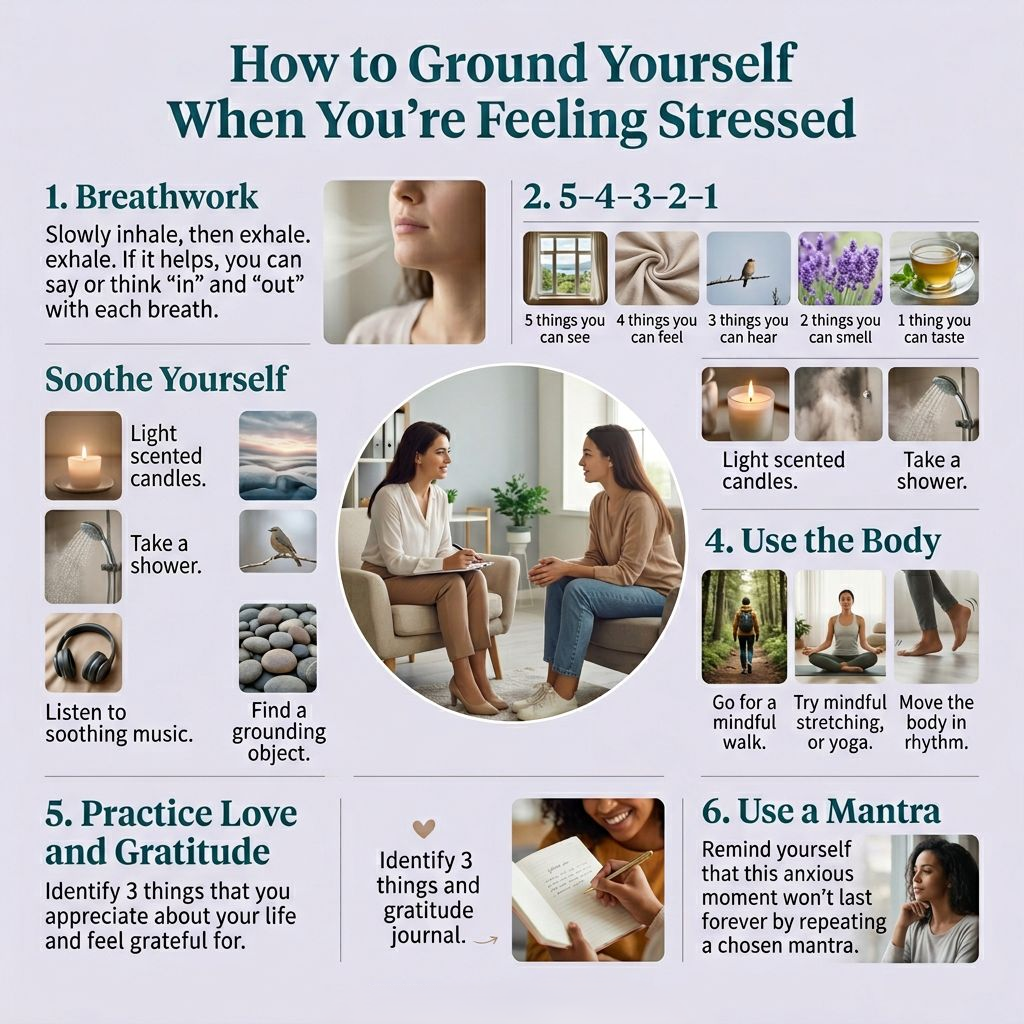
    Start by making self-care a priority. This doesn’t have to be complicated. Simple acts like taking a bath, reading, or meditating can help you relax. These moments offer a break from stress and allow your mind to recharge. Grounding techniques, like deep breathing or spending time in nature, can also help calm your mind.

    Here’s a key insight: self-care isn’t selfish—it’s necessary. When you take time for yourself, you’re better equipped to handle stress. Try setting aside at least 10 minutes daily for activities that bring you joy. Remember, small steps can lead to big changes in your mental well-being.

    Establishing Boundaries

    Another vital step is learning how to set boundaries. This means saying no when you need to and not overcommitting yourself. It might feel uncomfortable at first, but boundaries protect your time and energy. They help prevent stress from piling up.

    Think about areas where you feel stretched thin. Are there tasks you can delegate or postpone? Practice clear communication with those around you. Let them know your limits. By doing this, you give yourself the space to breathe and focus on what truly matters.

    Seeking Professional Help

    Sometimes, the best way to manage emotional overload is with support from a professional. They can offer guidance tailored to your needs and help you find clarity.

    When to Consider Counseling

    If you feel stuck or unable to cope, it might be time to seek counseling. A therapist can provide tools to manage stress and explore deeper issues causing emotional overload. Bigelow Counseling offers a safe space for you to share and heal. Many people find that talking to someone who understands makes a world of difference.

    Don’t wait until things get worse. The longer you wait, the more challenging it might become to find relief. Early intervention can prevent more severe outcomes and pave the way for healing.

    EMDR and LGBTQ+ Affirming Therapy

    Specialized therapies like EMDR are available at Bigelow Counseling to help those dealing with past trauma. This approach is particularly effective for those who have experienced significant trauma and need a way to process these experiences safely. It’s a powerful tool for overcoming barriers.

    For the LGBTQ+ community, finding a therapist who understands and affirms your experience is invaluable. Our practice offers LGBTQ+ affirming care, ensuring you feel seen and supported. Being in an environment where you’re accepted can enhance your healing journey.

    Embracing these steps can lead to a healthier and more balanced life. Remember, you’re not alone, and support is always available. Consider reaching out to Bigelow Counseling to explore how therapy might benefit you.