Tag: attachment wounds

  • When the Past Echoes in the Present: How Trauma Shapes Reactions, Confidence, and Relationships—and What Heals

    When the Past Echoes in the Present: How Trauma Shapes Reactions, Confidence, and Relationships—and What Heals

    Trauma doesn’t just belong to the past—it quietly shapes how people react to everyday stress, affects confidence, and even rewires relationships. Those sudden triggers and feelings of self-doubt aren’t flaws; they’re signals from a nervous system still trying to feel safe. Understanding these patterns opens the door to healing through trauma therapy Palm Beach trusts, including EMDR and supportive counseling. Ready for steadier days and stronger connections? Book a free 15-minute consult with Bigelow Counseling—available in-person in Palm Beach and via secure telehealth across Florida. For more on how trauma can affect the brain and body, click here.

    Understanding Trauma’s Impact

    Day-to-Day Reactions

    Trauma can influence reactions in surprising ways. Everyday situations might evoke intense feelings or sudden anxiety. These responses are not a reflection of character, but rather, they are signals from the brain. The brain, conditioned by past trauma, can perceive danger even when it’s not present. This heightened state of alertness is common in trauma survivors. By recognizing these reactions, you can begin to understand their roots.

    Sometimes, even small stressors can feel overwhelming, leading to reactions that seem disproportionate. This can manifest as irritability, sudden sadness, or withdrawal. It’s important to know that these responses are part of the body’s way of keeping you safe. By learning about these patterns, you can take the first step toward managing them. Read more about common reactions to trauma.

    Confidence and Self-Doubt

    Trauma often impacts self-image and confidence. You might find yourself doubting your abilities or feeling unworthy. These feelings are deeply rooted in past experiences that have shaped how you view yourself. It’s not uncommon to feel trapped in a cycle of negative self-talk.

    Rebuilding confidence after trauma is possible. By working with a therapist, you can start to challenge these beliefs. Over time, you can learn to appreciate your strengths and embrace self-compassion. This healing journey not only boosts confidence but also helps in nurturing a more positive self-image.

    Relationship Patterns and Cycles

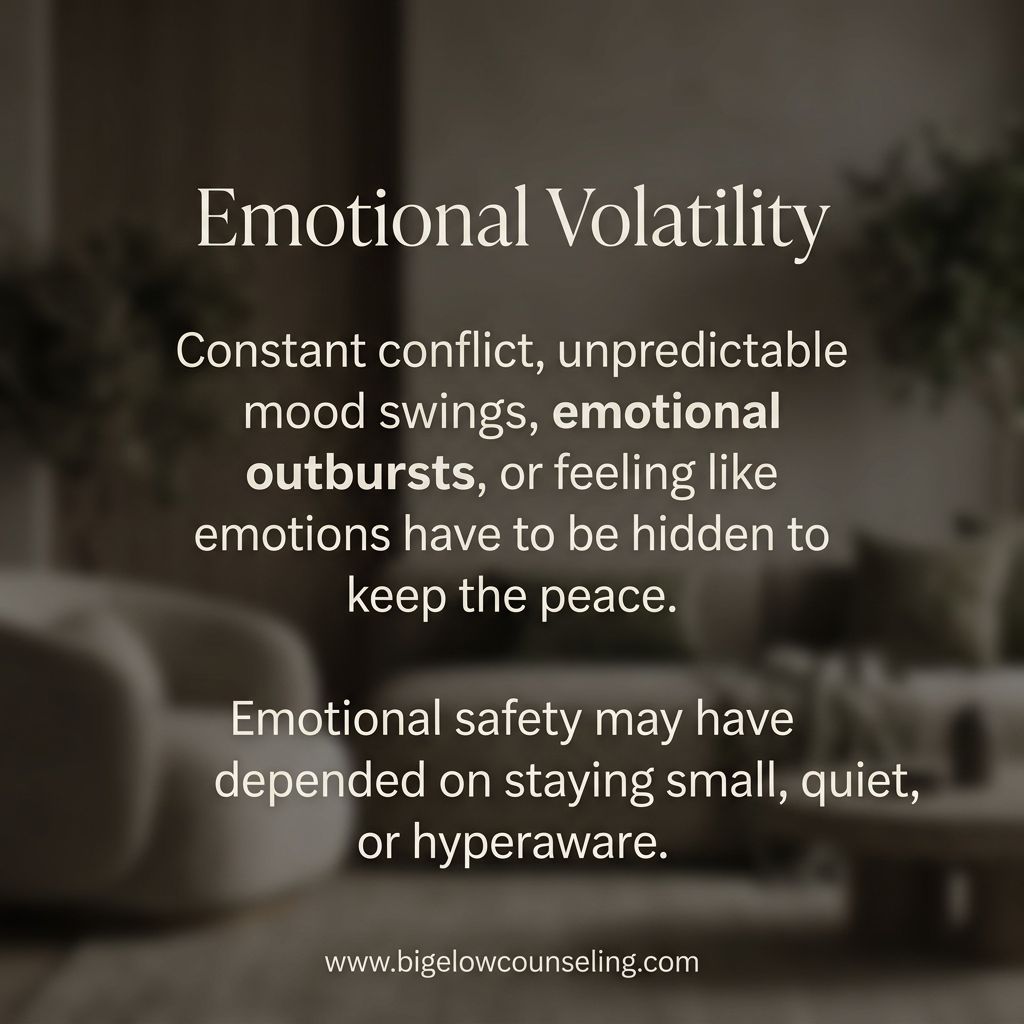
    Trauma can create cycles in relationships that are hard to break. You might notice patterns of conflict or withdrawal. These cycles often stem from attachment wounds or past experiences that affect how you relate to others. Understanding these patterns is crucial for healthier relationships.

    Breaking these cycles involves recognizing triggers and learning new ways to communicate and connect. Therapy can offer tools and insights to help navigate these challenges. By addressing these patterns, you can foster stronger, more fulfilling relationships. Learn more about the effects of trauma on relationships.

    Healing with Professional Support
    EMDR and Trauma Therapy

    Eye Movement Desensitization and Reprocessing (EMDR) is a powerful tool for trauma recovery. It helps the brain process traumatic memories differently, reducing their emotional charge. With guidance from an EMDR therapist in Florida, you can reframe these memories, making them less distressing.

    EMDR has been shown to be effective for PTSD and other trauma-related issues. It involves guided eye movements that help the brain integrate and heal. This therapy offers hope for those who feel stuck in their trauma. By engaging in EMDR, you can find relief and regain control over your emotional responses. Discover how EMDR can aid in trauma recovery.

    Counseling in Palm Beach

    In Palm Beach, counseling provides a supportive space for healing. Whether you’re dealing with trauma, relationship issues, or anxiety, professional support can make a difference. Licensed therapists offer personalized approaches to meet your unique needs.

    Counseling sessions can help you explore emotions, identify patterns, and develop coping strategies. This process fosters personal growth and emotional resilience. By investing in therapy, you can move toward a healthier and more balanced life.

    Online Therapy and Telehealth Options

    Telehealth brings therapy to your fingertips. With online options, you can access support from the comfort of your home. This flexibility is ideal for those with busy schedules or who prefer privacy.

    Online therapy offers the same level of care as in-person sessions. Through secure video calls, therapists provide guidance and support, making it convenient for anyone across Florida. This accessibility ensures that help is available when you need it most. Learn more about online therapy options.

    Building a Supportive Future

    Practical Steps for Healing

    Healing from trauma involves practical steps. Start by recognizing triggers and learning how to manage them. Practice mindfulness and grounding techniques to stay present. These tools can help reduce anxiety and improve emotional regulation.

    Consider joining support groups or workshops where you can share experiences and learn from others. Engaging in self-care activities like exercise or journaling can also promote healing. By taking these steps, you create a strong foundation for recovery.

    Finding the Right Therapist

    Finding a therapist who understands your needs is crucial. Look for someone experienced in trauma-informed care and who offers a supportive, non-judgmental environment. Consider their approach and whether it aligns with your goals.

    It’s important to feel comfortable and understood in your sessions. A good therapist will work collaboratively with you, offering guidance and insights tailored to your journey. Invest time in finding the right fit for a successful therapeutic relationship.

    Scheduling Your First Consultation 🌟

    Taking the step to schedule a consultation can feel empowering. It’s an opportunity to discuss your concerns and explore therapy options. During the consultation, you can ask questions and determine if the therapist is the right match for you.

    Many find that starting therapy brings a sense of relief and hope. It’s the beginning of a journey toward healing and personal growth. Don’t hesitate to reach out and take that first step.

    Frequently Asked Questions

    What is EMDR therapy and how does it work?
    EMDR is a form of therapy that uses guided eye movements to help the brain process traumatic memories. It reduces the emotional impact of these memories and promotes healing.

    How can trauma affect daily life?
    Trauma can influence everyday reactions, making small stressors feel overwhelming. It can also impact confidence and relationships, leading to patterns that are hard to break.

    Is online therapy as effective as in-person sessions?
    Yes, online therapy can be just as effective. It offers flexibility and accessibility, allowing you to receive support from wherever you are, with the same level of care and professionalism.


  • How Trauma Can Shape Today’s Reactions, Relationships, and Confidence—and Ways to Heal

    How Trauma Can Shape Today’s Reactions, Relationships, and Confidence—and Ways to Heal

    Trauma often leaves marks that don’t fade with time—they shape reactions, relationships, and how confidence feels day to day. When trauma triggers catch you off guard, it’s easy to feel stuck or isolated. Understanding these patterns and seeking trauma therapy in Florida, like EMDR therapy Palm Beach offers, can open a path toward healing and nervous system regulation. Ready to feel steadier and more connected? Schedule a free 15-minute consultation with Bigelow Counseling in Palm Beach or online across Florida. For further reading on trauma’s impact, you might find this resource insightful.

    Understanding Trauma’s Impact

    Trauma has a way of coloring every part of life. It influences how you respond to stress and how you connect with others.

    Recognizing Trauma Triggers

    Trauma triggers can sneak up on you, rooted in past experiences. You might feel an unexpected rush of anxiety or sadness when exposed to certain situations, sounds, or smells. These reactions are your brain’s way of protecting you, but they can feel overwhelming. Grasping the nature of these triggers can help in managing them better. Therapy offers a safe space to explore and understand these responses, offering strategies to navigate them more smoothly.

    Attachment Wounds and Relationships

    Relationships can become a minefield when past trauma lingers. Attachment wounds often lead to patterns of fear and mistrust. You might find yourself overly clingy or, conversely, pushing people away. But it’s not all set in stone. With the right support, like trauma-informed counseling, you can learn new ways to connect. Addressing these wounds helps build healthier bonds and fosters trust.

    Anxiety and Trauma Reactions

    Anxiety often walks hand-in-hand with trauma. Panic attacks or constant worry might feel like a normal part of life, but they don’t have to be. Understanding the link between anxiety and trauma is crucial. It’s like untangling a knot; once you identify the cause, managing the symptoms becomes easier. Techniques like grounding exercises or mindfulness can offer relief and help you regain control.

    Pathways to Healing

    Healing from trauma is a journey. It’s about finding what works for you and taking steps towards reclaiming your life.

    EMDR Therapy Palm Beach

    EMDR, or Eye Movement Desensitization and Reprocessing, is a powerful tool in this journey. It helps reprocess traumatic memories so that they no longer hold power over you. Many find that EMDR provides relief where other therapies haven’t. It’s widely recognized for its effectiveness in treating PTSD and can be a game-changer in your healing process.

    Trauma-Informed Counseling

    Trauma-informed counseling offers a compassionate approach to therapy. It respects your need for safety and choice. This type of counseling acknowledges the impact of trauma on your mental health and provides a framework for healing. It’s not just about talking; it’s about creating strategies that work for your unique needs. This personalized approach ensures that your healing process honors your experiences.

    Self-Esteem After Trauma

    Rebuilding self-esteem after trauma takes time and care. Trauma can make you doubt your worth and capabilities. But with support, you can rediscover your strengths. Therapy helps you recognize your value and build a positive self-image. It’s about shifting from a place of self-doubt to one of self-assurance, allowing you to embrace who you are with confidence.

    Creating Safe and Supportive Spaces

    Feeling safe is key to healing. Therapy environments should be inclusive and affirming.

    LGBTQ-Affirming Therapy

    For the LGBTQ+ community, finding a therapist who understands and affirms your identity is crucial. LGBTQ-affirming therapy provides a space free from judgment. It addresses unique challenges, ensuring that your experiences are validated. This support can be vital in navigating issues related to identity and acceptance.

    Couples Counseling in Palm Beach

    Relationships can be challenging, especially under the weight of trauma. Couples counseling in Palm Beach offers strategies to improve communication and rebuild trust. It’s about working together to understand each other’s needs and creating a supportive partnership. With guidance, couples can turn challenges into opportunities for growth.

    BIPOC Therapist Support

    For individuals from BIPOC communities, finding a therapist who understands cultural nuances is important. BIPOC therapist support ensures that cultural and racial identities are respected. It acknowledges the unique experiences of BIPOC individuals and provides a supportive space to explore these issues. This cultural competence fosters a deeper connection and more effective healing.

    Frequently Asked Questions

    What are common signs of trauma triggers?
    Common signs include unexpected emotional reactions, such as anxiety or sadness, when exposed to reminders of past trauma. Physical symptoms like rapid heartbeat or sweating can also occur.

    How can EMDR therapy help with PTSD?
    EMDR helps reprocess traumatic memories, reducing their emotional impact. It allows individuals to gain control over their responses and find relief from PTSD symptoms.

    Why is LGBTQ-affirming therapy important?
    It provides a safe space for individuals to explore identity-related issues without judgment. This support is crucial for mental well-being and acceptance.

    What does trauma-informed counseling involve?
    It involves understanding the impact of trauma and tailoring strategies to an individual’s needs. This approach supports healing by providing a safe and empathetic environment.

    How can couples counseling help in trauma recovery?
    It improves communication and understanding between partners, helping them support each other’s healing process. This strengthens the relationship and fosters a nurturing environment.

  • When the Past Shows Up Today: How Trauma Shapes Reactions and Relationships

    When the Past Shows Up Today: How Trauma Shapes Reactions and Relationships

    Trauma often shows up in ways that feel confusing or overwhelming, shaping how you react and connect with others. These unseen forces can create patterns in relationships that leave you feeling stuck or misunderstood. Understanding trauma and relationships opens the door to healing, with EMDR therapy Palm Beach and trauma counseling Palm Beach offering real paths forward. Ready to feel safer in body and relationships? Book a free 15-minute consultation with Bigelow Counseling today. For more insights, check out how traumas create negative patterns in relationships here.

    How Trauma Shapes Our Reactions

    Understanding how trauma affects us is crucial to healing. It can deeply influence our interactions, often without us realizing it.

    Recognizing Trauma Triggers

    Trauma triggers are like invisible buttons that set off strong reactions. These reactions can feel overwhelming. For instance, a particular smell or sound might suddenly bring back memories of a past event. This is because our brains store memories in ways that can surprise us later. Research shows that these triggers can affect our mood and behavior. Understanding what sets you off is the first step toward managing these reactions.

    Being aware of your triggers allows you to prepare for them. This preparation can take many forms. You might practice deep breathing or plan to remove yourself from a triggering situation. Whatever the approach, knowing what affects you helps in regaining control.

    The Impact on Communication

    Trauma can alter how you communicate. It might make you more defensive or overly cautious. This change happens because trauma affects the part of the brain that handles emotions and reactions. In conversations, you might find yourself shutting down or feeling misunderstood. These reactions are common and often linked to past experiences.

    Improving communication starts with recognizing these patterns. Acknowledging these changes can help you express yourself more clearly. Sharing your feelings with others allows them to understand your perspective. Over time, this can lead to more fulfilling interactions.

    Navigating Attachment Wounds

    Attachment wounds are emotional injuries from past relationships. They can show up as fear of abandonment or difficulty trusting others. These wounds stem from early experiences, often in childhood. When ignored, they can lead to recurring relationship issues.

    Healing attachment wounds involves understanding their origins. Reflecting on past relationships can offer insights into current behaviors. This reflection helps you identify patterns and make conscious efforts to change them. Over time, you can build stronger, more secure connections.

    Healing Through EMDR and Counseling

    Healing from trauma is possible. EMDR and counseling offer effective ways to process and move past difficult experiences.

    Understanding EMDR Therapy Palm Beach

    EMDR, or Eye Movement Desensitization and Reprocessing, is a therapy specifically for trauma. It helps your brain reprocess traumatic memories so they lose their grip on your emotions. In Palm Beach, EMDR therapy offers a structured way to address these issues. Sessions involve guided eye movements that help your brain work through stuck memories.

    Many find EMDR to be a powerful tool. It doesn’t require you to talk extensively about the trauma, which can be relieving. Instead, it focuses on processing the memory in a new way. This approach can lead to significant reductions in symptoms like anxiety and depression.

    Trauma Counseling in Florida

    Trauma counseling is another path to healing. It provides a safe space to explore your experiences. In Florida, counselors use various techniques, including talk therapy and cognitive behavioral approaches. These methods help you understand how trauma affects your daily life.

    Counselors work with you to develop coping strategies. These strategies include mindfulness practices and other grounding techniques. Over time, these tools can make a noticeable difference in how you handle stress. Finding the right counselor in Florida can set you on a path toward recovery.

    LGBTQ+ Affirming Therapy

    For the LGBTQ+ community, affirming therapy is crucial. It provides a supportive environment where you can explore your identity without judgment. Many in the LGBTQ+ community face unique challenges, including discrimination and family rejection. These experiences add layers to existing traumas.

    Affirming therapy offers a space to discuss these issues openly. Therapists in Palm Beach specialize in providing support tailored to your needs. This approach validates your experiences and helps you cope with external pressures. Over time, it can foster a greater sense of self-acceptance and resilience.

    Rebuilding Trust and Communication

    Rebuilding trust and improving communication are key to healthy relationships. These elements are often affected by past traumas but can be restored with effort and time.

    Boundaries and Trauma

    Setting boundaries is essential when dealing with trauma. Boundaries create a sense of safety and control. They allow you to protect yourself from situations that might be harmful or triggering. Trauma often makes it difficult to establish or maintain these limits.

    Learning to set boundaries involves recognizing your needs. It requires clear communication and the willingness to assert yourself. Over time, this practice can improve your relationships and overall well-being. It also empowers you to take charge of your interactions.

    Trust Rebuilding Strategies

    Trust is fragile, especially when trauma is involved. Rebuilding it takes time and patience. It often starts with small steps, like being consistent in your actions and words. This consistency helps others see your commitment to change.

    Another strategy involves open communication. Sharing your feelings and listening to others fosters mutual understanding. Trust grows when both parties feel heard and respected. Over time, these efforts can repair damaged relationships.

    Couples Counseling Palm Beach 🌈

    Couples counseling offers a way to address relationship issues head-on. In Palm Beach, couples counseling focuses on improving communication and resolving conflicts. It provides a neutral space where both partners can express their concerns.

    Counselors guide you through exercises that enhance empathy and understanding. These sessions often lead to breakthroughs in how you relate to each other. For LGBTQ+ couples, specialized counseling acknowledges and addresses unique challenges. This approach ensures that all aspects of your relationship are considered.

    Frequently Asked Questions

    What are trauma triggers?
    Trauma triggers are stimuli that evoke strong reactions due to past traumatic experiences. They can be sights, sounds, or smells that remind you of the trauma. Recognizing triggers helps in managing your responses.

    How effective is EMDR therapy for trauma?
    EMDR therapy is highly effective for many individuals. It helps reprocess traumatic memories, reducing their emotional impact. This therapy can significantly decrease symptoms like anxiety and depression.

    Why is affirming therapy important for the LGBTQ+ community?
    Affirming therapy provides a supportive space for LGBTQ+ individuals. It addresses unique challenges like discrimination and identity exploration. This therapy fosters acceptance and resilience, promoting overall mental well-being.

  • When the Past Shows Up Now: How Trauma Shapes Reactions—and Why Therapy Matters

    When the Past Shows Up Now: How Trauma Shapes Reactions—and Why Therapy Matters

    Trauma doesn’t just stay in the past. It often shows up unexpectedly, shaping how your mind and body react right now. These trauma triggers can spark fight, flight, freeze, or fawn responses, making everyday moments feel overwhelming. Understanding how trauma influences your reactions opens the door to healing through trauma-informed therapy and EMDR therapy in Palm Beach. Ready to feel calmer and more in control? Schedule an introductory consultation with Bigelow Counseling to explore support tailored for you.

    Understanding Trauma’s Impact

    Trauma can profoundly shape how you navigate the world. Exploring how past experiences influence present behaviors is the first step toward healing.

    Trauma Triggers and Responses

    Trauma triggers are reminders of past events that can lead to emotional and physical reactions. These triggers might be sounds, smells, or even specific places. When triggered, your body reacts as if the traumatic event is happening again. This can lead to feelings of anxiety or distress. Understanding these responses helps you manage them better.

    Emotional Flashbacks Explained

    Emotional flashbacks are sudden, intense emotional reactions. They often occur without any clear reason, leaving you feeling overwhelmed. These reactions are tied to past trauma, resurfacing uninvited. By recognizing them, you can take control and reduce their impact. Learning grounding techniques is crucial in navigating these moments.

    Fight, Flight, Freeze, Fawn Reactions

    The fight, flight, freeze, and fawn responses are survival mechanisms. When faced with perceived danger, these reactions activate. Fight means confrontation, flight involves escape, freeze results in immobility, and fawn leads to pleasing behaviors. Recognizing which response you default to can aid in managing stress and improving emotional regulation.

    Healing Through Therapy

    Therapy provides a path to understanding and mitigating trauma’s impact. By seeking professional support, you’re taking a significant step toward a healthier life.

    Trauma-Informed Therapy Benefits

    Trauma-informed therapy acknowledges the impact of trauma on your life. It prioritizes safety and empowerment. This approach helps you process traumatic events without feeling overwhelmed. By focusing on your strengths, it provides tools to navigate daily challenges. It’s a collaborative journey toward healing.

    EMDR Therapy in Palm Beach

    EMDR therapy is a structured approach to processing trauma. It helps reframe traumatic memories, reducing their power over you. In Palm Beach, skilled therapists guide you through this process. By focusing on specific memories, EMDR can help diminish the emotional intensity associated with them. This therapy is effective for many seeking relief from trauma’s grip.

    PTSD and Anxiety Treatment Florida

    In Florida, treating PTSD and anxiety involves personalized approaches. Therapies are tailored to meet individual needs, addressing specific symptoms. This targeted care ensures that treatment aligns with your unique experiences. By engaging in therapy, you’re investing in your mental health, paving the way for lasting peace.

    Finding Support with Bigelow Counseling

    Finding the right support is crucial. At Bigelow Counseling, you discover personalized care designed to meet diverse needs.

    LGBTQ Affirming and Inclusive Care

    Bigelow Counseling offers a safe space for everyone. Specializing in LGBTQ affirming therapy, it provides a supportive environment for all identities. Here, your experiences are validated, and your identity is respected. This inclusive care approach ensures comfort and understanding, fostering a sense of belonging.

    Couples and Executive Coaching Services

    Relationships and careers can present challenges. Couples counseling helps strengthen and restore connections, while executive coaching aids in overcoming professional hurdles. These services offer practical solutions and strategies for growth. By addressing these areas, you enhance both personal and professional aspects of life.

    Telehealth and In-Person Options

    Accessibility is key at Bigelow Counseling. With both telehealth and in-person options, therapy fits seamlessly into your life. Whether you prefer the comfort of home or face-to-face interaction, flexible options are available. This ensures you receive the support you need, when and where you need it.

    Frequently Asked Questions

    What are trauma triggers?

    Trauma triggers are reminders of past traumatic events that can cause emotional or physical reactions. These triggers can be sensory, such as sounds or smells, and may lead to feelings of anxiety or distress.

    How does EMDR therapy work?

    EMDR therapy involves processing traumatic memories to reduce their emotional impact. It uses structured techniques to help reframe these memories, making them less distressing and more manageable over time.

    What is the fight, flight, freeze, fawn response?

    These responses are survival mechanisms activated by perceived danger. They include fighting (confrontation), fleeing (escape), freezing (immobility), and fawning (pleasing behaviors). Understanding your default response helps in emotional regulation.

    Is Bigelow Counseling LGBTQ affirming?

    Yes, Bigelow Counseling provides affirming and inclusive care for the LGBTQ community, ensuring a supportive environment where all identities are respected.

    Can I access therapy remotely?

    Yes, Bigelow Counseling offers telehealth options, allowing you to access therapy from the comfort of your home, ensuring flexibility and convenience in receiving support.

    Home