Tag: burnout vs depression

  • Emotional Exhaustion: 9 Signs It’s Affecting More Than Your Energy

    Emotional Exhaustion: 9 Signs It’s Affecting More Than Your Energy

    Emotional exhaustion signs go far beyond feeling drained. When mood swings, restless sleep, or strained relationships start to take over, it’s a signal that your well-being needs attention. This post will highlight how burnout can affect every part of life and offer guidance on finding support through counseling options at Bigelow Counseling. Ready for relief and clarity? Schedule a confidential session today and take the first step toward restoring balance.

    Schedule a session today

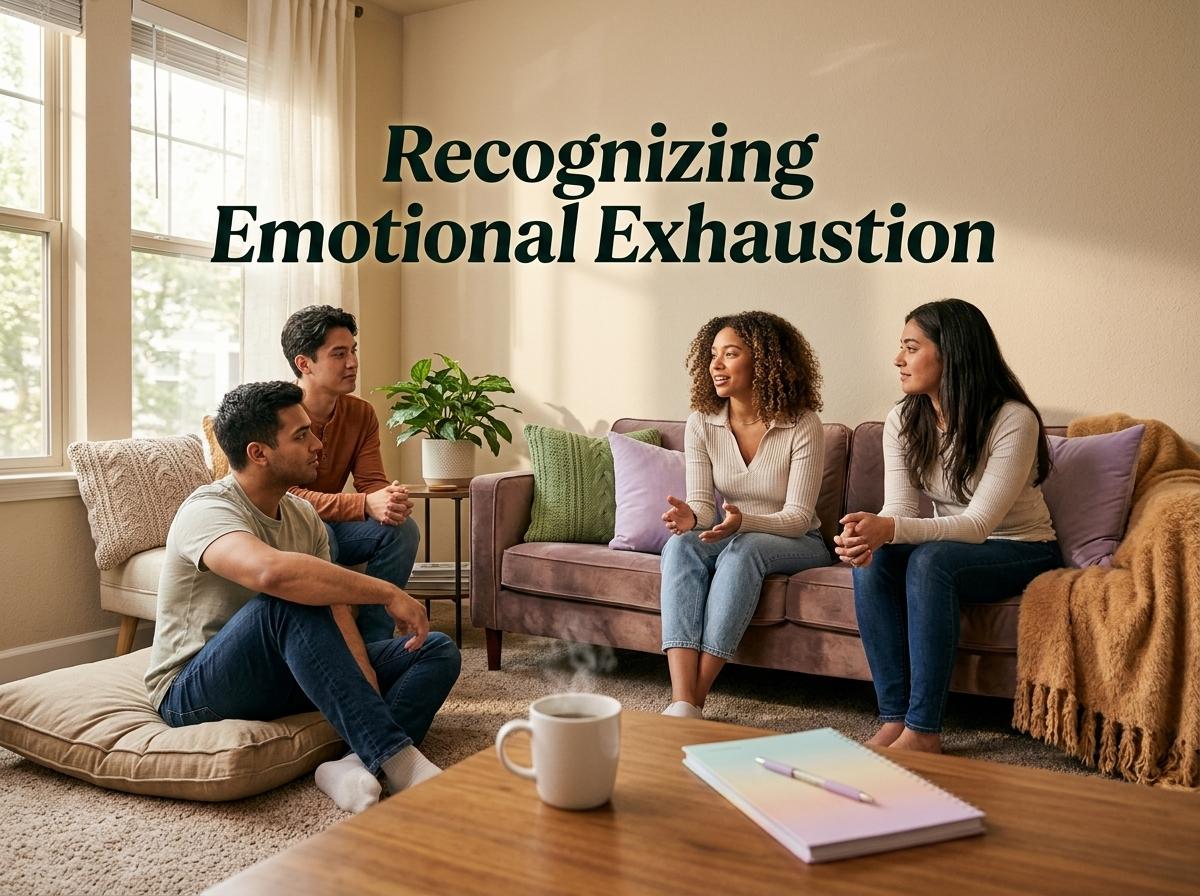
    Recognizing Emotional Exhaustion

    When you notice changes in your mood, body, and relationships, it’s time to take a closer look. These signs might indicate emotional exhaustion that needs addressing.

    Uncovering Mood Changes

    Emotional exhaustion can turn your mood upside down. You might find yourself snapping at loved ones or feeling unusually sad. These shifts can be confusing, making you wonder what’s wrong. It’s important to know that these feelings are a signal from your body. Your mind is telling you it needs care and attention. Paying attention to these changes is the first step to understanding that emotional exhaustion might be affecting you.

    Physical Impacts on the Body

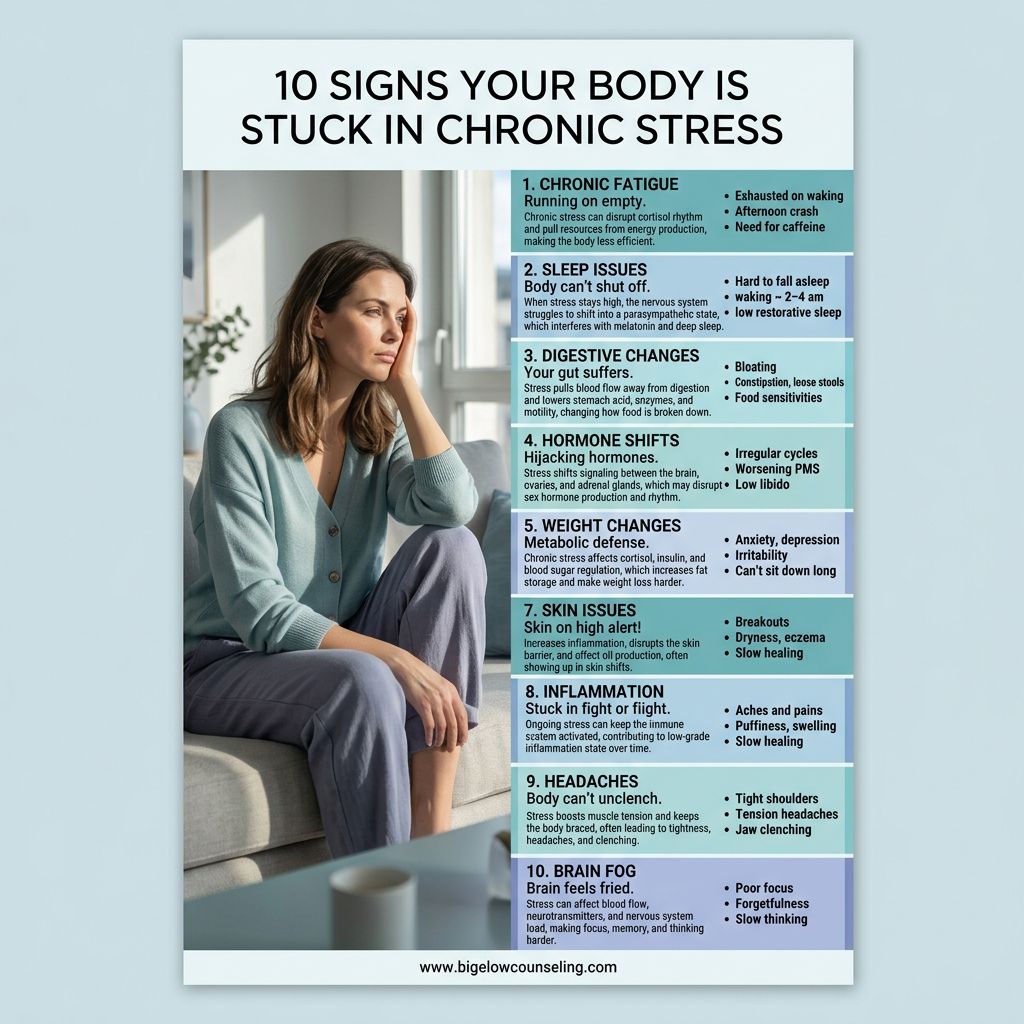
    Feeling emotionally drained often shows up as physical issues too. You might struggle with headaches or feel tired even after a good night’s sleep. These symptoms can make daily tasks feel like climbing a mountain. Listening to your body is crucial. When it tells you something is off, it’s time to consider what might be draining your energy. Taking note of these physical signs can guide you toward seeking the right help.

    Relationship Strain and Communication

    Emotional exhaustion doesn’t just affect you. It can strain your connections with others. Communication becomes harder, leading to misunderstandings. You might find yourself arguing more or feeling distant from those you care about. Recognizing this strain is vital. It’s a chance to reflect and see if emotional exhaustion is playing a part. Addressing these issues can help you find ways to strengthen your relationships.

    Beyond Burnout: The Signs
    Understanding the difference between burnout and other conditions is important. Let’s explore how to distinguish burnout from depression and recognize its impact on your professional life.

    Burnout vs Depression

    Burnout and depression can feel similar, but they’re not the same. Burnout is linked to stress from work or life demands, while depression is a broader mental health condition. Recognizing this distinction helps in addressing the right issue. If you feel overwhelmed by tasks, you might be facing burnout. However, if feelings of worthlessness or hopelessness persist without a clear cause, depression might be a concern. Identifying the right issue is the first step to finding the right support.

    Symptoms of Burnout Explained

    Burnout isn’t just about feeling tired. It involves a mix of mental and physical symptoms. These can include irritability, lack of motivation, and even physical ailments like stomachaches. Understanding these symptoms helps in acknowledging burnout’s presence. Once identified, you can take action to manage these feelings, leading to quicker recovery. Recognizing burnout is crucial for taking steps toward improvement.

    Impact on Professional Life

    Burnout doesn’t only affect personal well-being; it can spill over into your work life. You might notice a decline in productivity or feeling disengaged at work. This lack of motivation can hinder your career progression. Understanding its impact on your professional life is essential. Acknowledging these challenges can help you seek support to regain your focus and enhance your work performance.

    Path to Healing and Support
    Finding the right path to healing is essential when dealing with emotional exhaustion. Let’s explore various support options and self-care plans to help you on your journey.

    EMDR Therapy Palm Beach

    Finding the right therapy is crucial in overcoming emotional exhaustion. EMDR therapy in Palm Beach offers a specialized approach to healing trauma and stress. This therapy helps you process and release negative emotions, leading to better mental health. It’s an effective way to address past trauma that might be contributing to your current state. Seeking EMDR therapy can be a step towards regaining clarity and calmness in your life.

    LGBTQ-Affirming Support in Florida

    Having a supportive environment is vital, especially for the LGBTQ+ community. Finding an LGBTQ-affirming therapist in Palm Beach ensures you receive compassionate care tailored to your needs. This support fosters a safe space for you to express yourself freely and work through challenges. Knowing that you’re understood and accepted can make a significant difference in your healing process.

    Self-Care Plans for Burnout

    Creating a self-care plan is essential in managing burnout. This involves setting aside time for activities that recharge you, like exercise or hobbies. It’s also important to establish boundaries at work and home to prevent overcommitment. Having a structured plan helps in maintaining balance and reducing stress in the long term. Prioritizing self-care can lead to a healthier, more fulfilling life.

    Frequently Asked Questions

    What are the first signs of emotional exhaustion?

    The first signs of emotional exhaustion often include mood swings, lack of motivation, and feeling overwhelmed. You might also notice physical symptoms like headaches or insomnia.

    How can I tell the difference between burnout and depression?

    Burnout is typically related to stress from specific situations like work, while depression is a more pervasive mental health condition affecting various aspects of life. If feelings persist beyond work-related stress, depression might be a concern.

    Can emotional exhaustion affect my relationships?

    Yes, emotional exhaustion can strain relationships by causing communication issues and misunderstandings. It’s important to recognize these signs and seek support to strengthen your connections.

    What therapies are available in Palm Beach for emotional exhaustion?

    In Palm Beach, options like EMDR therapy and LGBTQ-affirming support are available. These therapies provide specialized care to address emotional exhaustion and related issues.

    How can I create a self-care plan for burnout?

    A self-care plan for burnout includes setting boundaries, engaging in activities that recharge you, and prioritizing rest. It’s also helpful to seek support from counseling services to guide you through this process.

  • Emotional Exhaustion: Signs It’s Affecting More Than Your Energy

    Emotional Exhaustion: Signs It’s Affecting More Than Your Energy

    Emotional exhaustion isn’t just feeling tired all the time. It quietly seeps into your body, mood, and relationships, making even small tasks feel overwhelming. Recognizing these signs of burnout beyond low energy can clear the path toward real relief. This guide shines a light on what emotional exhaustion looks like and offers gentle steps to start healing with support from Bigelow Counseling in Palm Beach or online. Ready to feel like yourself again?

    Signs Emotional Exhaustion Affects More Than Energy

    Feeling constantly drained goes beyond just being tired. Emotional exhaustion can manifest in various aspects of life, affecting your physical health, mood, and mental well-being. Recognizing these signs is crucial to finding relief and regaining balance.

    Physical Symptoms Beyond Fatigue

    Emotional exhaustion doesn’t only affect your mind; it can take a toll on your body too. Common symptoms include headaches, stomach issues, and even a weakened immune system. You might find yourself catching colds more often or feeling aches and pains without a clear reason. This is your body’s way of signaling that something’s off.

    Sleep disturbances are another common issue. Difficulty falling asleep or staying asleep can exacerbate feelings of exhaustion. You may also experience changes in appetite, either eating too much or too little. Taking note of these symptoms can help you understand the full impact of emotional exhaustion on your physical health.

    Mood and Mental Health Indicators

    When emotional exhaustion sets in, it often affects your mood and mental state. Feelings of irritability, anxiety, or sadness might become more frequent. You may find it hard to enjoy activities that once brought you joy. This shift in mood can be frustrating and isolating.

    Cognitive functions such as memory and concentration can suffer as well. You might struggle to focus on tasks or forget important details. These mental health indicators are crucial to recognize, as they can be mistaken for other conditions like depression or anxiety. Understanding these signs can help you seek the right kind of support.

    Impact on Relationships and Work

    Emotional exhaustion can also seep into your relationships and professional life, creating strain and affecting performance. Understanding these impacts can guide you toward necessary changes and support.

    Strain in Personal Connections

    When you’re emotionally exhausted, maintaining strong personal relationships can become challenging. You might find yourself withdrawing from loved ones or feeling disconnected. This can lead to misunderstandings and increased tension. It’s important to communicate with those around you about how you’re feeling.

    Friends and family might notice changes in your behavior, which can cause concern. Open, honest conversations can help maintain these connections. Remember, reaching out for support from those who care about you is a crucial step toward healing.

    Decline in Job Performance

    At work, emotional exhaustion can lead to a decline in performance. You might miss deadlines, feel less motivated, or struggle to complete tasks. Colleagues may notice changes in your productivity or engagement. Recognizing these signs early can prevent further burnout and stress.

    Taking breaks and setting boundaries at work can be vital. Discussing your situation with a manager or HR can also lead to accommodations that help you manage your workload better. Prioritizing your well-being is essential for long-term success and satisfaction in your career.

    Steps Toward Recovery and Support

    Addressing emotional exhaustion involves practical steps and seeking the right support. These actions can pave the way for recovery and a return to feeling like yourself.

    Practical Self-Checks and Grounding Skills

    Starting with simple self-checks can make a big difference. Regularly assess how you’re feeling both physically and emotionally. Techniques like deep breathing, mindfulness, and grounding exercises can help manage stress and provide immediate relief.

    Incorporating stress management skills into your daily routine can also be beneficial. Journaling, gentle exercise, and spending time in nature are great ways to recharge. These practices can help maintain balance and reduce the impact of emotional exhaustion on your daily life.

    Seeking Professional Help and Counseling Options 🌱

    If you’re facing persistent symptoms, professional help can be a game-changer. Bigelow Counseling offers a range of services tailored to your needs. Whether you’re interested in trauma therapy in Palm Beach or online therapy in Florida, support is available.

    A therapist can provide strategies and insights to help you manage symptoms and find long-term solutions. Consider exploring LGBTQ+ affirming therapy or couples counseling if these are relevant to your situation. Professional guidance can be a pivotal step toward healing and growth.

    Frequently Asked Questions

    What are the main signs of emotional exhaustion?

    Emotional exhaustion symptoms include constant fatigue, irritability, and difficulty concentrating. Physical signs may involve headaches and sleep disturbances. Recognizing these can help you take action.

    How does emotional exhaustion differ from depression?

    While both involve feelings of fatigue and low mood, emotional exhaustion is often tied to overwhelming stress or burnout. Depression might not have an external cause and includes persistent sadness or loss of interest in activities.

    Can emotional exhaustion affect relationships?

    Yes, it can strain personal connections by causing withdrawal, irritability, or communication issues. Being open with loved ones about your feelings can help maintain strong relationships.

    What steps can I take to manage emotional exhaustion?

    Start with self-checks, mindfulness practices, and setting boundaries. If symptoms persist, seek professional counseling to explore tailored strategies for recovery.

    Is professional help necessary for emotional exhaustion?

    While self-care can alleviate mild symptoms, professional help is recommended if emotional exhaustion significantly impacts daily life. Therapists can offer specialized support and coping strategies.

  • Feeling Drained? 12 Signs of Emotional Exhaustion—and How to Know It’s Time to Get Help

    Feeling Drained? 12 Signs of Emotional Exhaustion—and How to Know It’s Time to Get Help

    Feeling drained isn’t just about needing more sleep. When emotional exhaustion signs start to take over, daily tasks become overwhelming, and joy feels out of reach. This guide breaks down the 12 key signs of burnout and helps you spot the difference between burnout vs depression. Knowing when to get help for burnout can change everything—especially with support from a Palm Beach therapist who gets it. Ready for relief? Schedule a free 15-minute consultation with Bigelow Counseling today.

    Recognizing Emotional Exhaustion

    Understanding emotional exhaustion is crucial. It’s more than feeling tired; it’s a deep sense of being overwhelmed. This section guides you to recognize the signs, differentiate burnout from depression, and know when to seek help.

    Common Emotional Exhaustion Signs

    Emotional exhaustion can sneak up on you. It might start with feeling constantly tired despite getting enough sleep. You may notice your patience running thin, even with loved ones. Over time, you might feel detached from activities you once enjoyed. Another sign could be unexplained physical symptoms like headaches or stomachaches. These are just a few signs indicating your body and mind are asking for a break.

    Often, emotional exhaustion comes with a sense of dread about daily tasks. You might find yourself avoiding responsibilities or feeling trapped. This isn’t just about having a bad day; it’s a persistent feeling that doesn’t go away. It’s important to acknowledge these signs early. Recognizing them can be the first step toward healing. Learn more about emotional exhaustion and how to address it.

    Burnout vs Depression: Key Differences

    It’s easy to confuse burnout with depression. While they share similarities, knowing the difference is vital. Burnout is often related to overwork or stress in specific areas of life, like your job. It typically involves feeling overwhelmed and emotionally drained but can improve with rest and lifestyle changes.

    In contrast, depression is a more pervasive mental health condition. It affects how you feel, think, and handle daily activities. Unlike burnout, depression can persist regardless of circumstances and often requires professional treatment. If you’re unsure whether you’re dealing with burnout or depression, seeking guidance from a qualified therapist can be beneficial. They can help clarify and guide you towards the right support.

    When to Get Help for Burnout

    Knowing when to seek help is crucial. If you find that rest or time off doesn’t relieve your symptoms, it might be time to reach out. Persistent feelings of hopelessness, changes in appetite, or difficulty concentrating can indicate the need for professional support. You don’t have to navigate this alone.

    Consider consulting a therapist if emotional exhaustion affects your personal or work life significantly. A therapist can provide strategies to manage stress and build resilience. It’s not just about coping; it’s about reclaiming the joy and energy in your life. Explore when to seek help for burnout to understand how therapy can support you.

    Seeking Support and Relief

    Taking steps to address emotional exhaustion can lead to significant relief. Learn practical steps to ease the burden, discover the benefits of therapy, and explore EMDR therapy’s potential in Palm Beach.

    First Steps to Relieve Emotional Exhaustion

    Taking small steps can make a big difference. Start by acknowledging how you feel. It’s okay to admit you’re struggling. Set aside time for activities that rejuvenate you, whether it’s a hobby, exercise, or simply resting. Prioritize self-care by setting boundaries at work and in social settings.

    Connecting with friends or loved ones can also provide support. Sharing your feelings can lighten the load. If these steps don’t seem enough, consider reaching out for professional help. Therapy can provide you with tools and coping strategies tailored to your needs. It’s about finding what works for you and taking active steps toward recovery.

    Benefits of Therapy and Counseling

    Therapy offers numerous benefits, including a safe space to express your feelings without judgment. A therapist can help you develop coping mechanisms tailored to your situation. They can guide you in understanding the root causes of your exhaustion and suggest practical solutions.

    Therapy isn’t just for crisis situations. It’s a proactive step towards maintaining mental wellness. It can offer new perspectives and strategies to prevent future burnout. Whether it’s individual counseling or group therapy, the goal is to support you in achieving a balanced and fulfilling life. Explore the benefits of therapy in managing emotional exhaustion.

    Exploring EMDR Therapy in Palm Beach

    EMDR therapy is a powerful tool for processing trauma. It’s designed to help your brain reprocess traumatic experiences, reducing their emotional impact. This type of therapy is not just for trauma survivors; it can also help those facing anxiety or stress-related issues.

    In Palm Beach, EMDR therapy is available for those seeking this specialized support. It works by helping you process memories and reducing their negative hold on your life. If you’ve tried other therapies without success, EMDR might offer the breakthrough you need. Consider reaching out to a Palm Beach therapist to explore this option further.

    Personalized Counseling Services

    At Bigelow Counseling, personalized support is a priority. Discover services like LGBTQ-affirming therapy, executive coaching, and online therapy options to suit your needs.

    LGBTQ Affirming Therapist in Palm Beach

    Finding an LGBTQ-affirming therapist can make all the difference. It’s vital to have a space where you feel understood and supported. At Bigelow Counseling, therapists specialize in providing inclusive and affirming therapy for LGBTQ+ clients. This support can focus on identity-related concerns, relationship challenges, or general mental health.

    An affirming therapist can help navigate the unique challenges you face while celebrating your identity and strengths. It’s about creating a safe environment where you can be yourself without fear of judgment. Whether you’re dealing with specific issues or seeking general support, an LGBTQ-affirming therapist in Palm Beach is here to help.

    Executive Coaching for Burnout

    Executive coaching is designed for professionals facing burnout or career plateauing. It offers strategies to navigate workplace challenges and enhance personal development. Coaching sessions focus on setting goals, improving leadership skills, and boosting overall job satisfaction.

    For those feeling stuck in their careers, executive coaching provides a path to rediscover passion and purpose. It’s about aligning your professional life with your personal goals and values. Whether you’re managing a team or striving for a work-life balance, executive coaching can offer the clarity and direction you need.

    Online Therapy Across Florida 🌟

    Online therapy offers flexibility and accessibility. It’s a convenient option for those unable to attend in-person sessions or who prefer the comfort of home. At Bigelow Counseling, online therapy is available across Florida, making professional support more accessible.

    With online therapy, you can connect with a therapist via video call, allowing for the same level of engagement as in-person sessions. This option ensures you receive the support you need, no matter where you are. It’s about ensuring everyone has access to quality mental health care, regardless of location.

    Frequently Asked Questions

    What are the top signs of emotional exhaustion?

    Emotional exhaustion often presents as chronic fatigue, irritability, and detachment from activities you once loved. It may also include physical symptoms like headaches and a persistent sense of dread.

    How can I tell the difference between burnout and depression?

    Burnout typically relates to stress from specific areas, like work, and improves with rest. Depression is a more pervasive condition affecting various aspects of life, often requiring professional treatment.

    When should I seek help for burnout?

    If you find that rest doesn’t relieve your symptoms or if emotional exhaustion significantly impacts your life, it’s time to seek professional help. Therapy can provide the tools needed to manage and recover from burnout.

    What is EMDR therapy, and how can it help me?

    EMDR therapy helps process traumatic experiences, reducing their emotional impact. It’s particularly beneficial for trauma survivors but can also help with anxiety and stress.

    Can I access therapy services online in Florida?

    Yes, Bigelow Counseling offers online therapy across Florida, allowing you to connect with a therapist via video call from the comfort of your home. This ensures quality mental health support is accessible wherever you are.

  • Feeling Drained? Signs of Emotional Exhaustion and When to Reach Out for Support

    Feeling Drained? Signs of Emotional Exhaustion and When to Reach Out for Support

    Feeling drained doesn’t just mean being tired after a long day—it can signal emotional exhaustion creeping in. Recognizing the signs of burnout before it deepens can protect your well-being and peace of mind. This guide explores how to spot emotional exhaustion, understand its difference from depression, and know when to get help with a trusted Palm Beach therapist. Ready to feel like yourself again? Schedule a session with Bigelow Counseling—online or in-person in Palm Beach. New clients welcome. For more information on emotional exhaustion, check out this resource.

    Recognizing Emotional Exhaustion

    Understanding emotional exhaustion is the first step on your path to recovery. It’s crucial to know the signs before they take a larger toll on your mental health.

    Common Signs of Burnout

    Feeling constantly tired, withdrawing from social interactions, and losing interest in activities you once enjoyed are typical signs of burnout. You may also experience irritability and feel overwhelmed by daily tasks. These feelings aren’t just in your head—they’re your body’s way of signaling that it’s time to slow down. According to Healthline, emotional exhaustion can impact your physical health, leading to issues like headaches and sleep disturbances.

    If you notice these symptoms, take them seriously. Ignoring them can lead to more severe health problems. It’s not just about managing stress; it’s about maintaining your well-being and staying connected to the things that matter most to you.

    Burnout vs Depression: Key Differences

    While burnout and depression may share some symptoms, like feeling down and losing interest, they differ significantly. Burnout is typically linked to external factors like work stress and can often be remedied by changing your environment or workload. Depression, however, is a more pervasive condition that affects every aspect of life and requires professional intervention.

    Understanding these differences helps you determine the right type of support. If you’re unsure, a consultation with a professional can provide clarity. This distinction is crucial for finding the most effective path to recovery. The Mayo Clinic offers further insight into these differences.

    Impact of Chronic Stress

    Chronic stress doesn’t just affect your mind; it can take a toll on your body, too. It can lead to anxiety, depression, and physical health issues like high blood pressure. The longer you let stress build up, the harder it becomes to break free.

    Recognizing the symptoms of chronic stress early can prevent long-term damage and lead to more effective management strategies. Engaging in activities that promote relaxation, such as mindfulness or exercise, can be beneficial. The key is to address stress before it becomes a chronic issue.

    When to Seek Help

    Recognizing when to reach out for help is vital for maintaining your mental health. It’s not a sign of weakness but a step towards healing.

    Knowing When to Get Help

    If you find yourself unable to perform daily tasks or feeling persistently unhappy, it might be time to seek professional help. Recognizing this need early can save you from prolonged distress. It’s important to listen to your body and mind. They often tell you when it’s time to reach out for support.

    Don’t wait for things to worsen. Reaching out to a Palm Beach therapist can be the first step toward feeling better and reclaiming your life.

    Benefits of Professional Support

    Professional support can offer you tailored strategies to manage stress and improve mental health. Therapists can help you develop coping mechanisms and provide a safe space to express your feelings. This support is invaluable in navigating complex emotions and situations.

    When you’re struggling, having someone to guide you can make all the difference. Professional help can lead to significant improvements in your overall well-being.

    Palm Beach Counselor Services

    Palm Beach offers a variety of counseling services tailored to meet your needs, from individual therapy to specialized support for trauma. Engaging with a local counselor means you’re not alone in this journey.

    Services in this area are designed to provide comprehensive support, ensuring you have access to the resources needed for healing. Whether you’re dealing with anxiety, depression, or relationship issues, there’s help available.

    Supportive Counseling Options

    Exploring different counseling options can help you find the right fit for your needs.

    EMDR Therapy Florida

    EMDR therapy is a powerful tool for those dealing with trauma. It helps process traumatic memories and reduce their lingering effects. This therapy can be life-changing for those who have struggled to find relief through other means.

    In Florida, many therapists specialize in EMDR, offering a clear path to recovery. If trauma has been holding you back, this therapy might be the solution you’ve been seeking.

    LGBTQ Affirming Counseling

    Finding a counselor who understands and supports LGBTQ+ issues is essential. Affirming counseling provides a safe space for exploration and acceptance, crucial for mental health and personal growth.

    For those in the LGBTQ+ community, having a supportive counselor can make a significant difference. It ensures that your unique needs and experiences are understood and addressed.

    Couples Counseling Palm Beach 🌈

    Couples counseling can help improve communication and resolve conflicts within relationships. It’s an opportunity to strengthen bonds and address issues that may be causing tension.

    In Palm Beach, couples counseling is available to support relationships in all stages. Whether you’re facing minor disagreements or significant challenges, professional support can guide you toward a healthier relationship.

    Frequently Asked Questions

    What are the first signs of emotional exhaustion?

    The first signs often include feeling constantly tired, irritable, and overwhelmed by daily responsibilities. It’s important to recognize these early to prevent further mental health issues.

    How can I differentiate between burnout and depression?

    Burnout is usually linked to external stressors and may improve with changes in those areas. Depression is more pervasive, affecting all aspects of life and requiring professional treatment.

    What should I do if I suspect I’m experiencing chronic stress?

    If you suspect chronic stress, it’s crucial to seek support. Professional help can guide you in developing effective coping strategies and improving your mental health.

    Home

  • Emotional Exhaustion: Clear Signs You’re Running on Empty—and When to Get Help

    Emotional Exhaustion: Clear Signs You’re Running on Empty—and When to Get Help

    Feeling drained without a clear reason can sneak up fast, leaving you numb and overwhelmed. Emotional exhaustion wears down your spirit, making daily tasks feel like climbing a mountain. Recognizing the signs of burnout before it deepens can change everything. This guide will help spot those warning signals and share when to seek therapy, including specialized options like EMDR therapy Palm Beach offers. Ready to start feeling steadier and supported? For more information, you can read about how to cope with emotional exhaustion here.

    Recognizing Emotional Exhaustion

    Emotional exhaustion creeps up slowly, often making you feel worn out before you realize it. Knowing the signs can help you take action before burnout fully sets in.

    Common Signs of Burnout

    Burnout is more than just feeling tired. You might notice changes in your mood, like increased irritability and sadness. Physical signs include headaches and stomach issues. Emotionally, you may feel detached from others and lack motivation. Even simple tasks can feel overwhelming. If these signs sound familiar, it might be time to consider changes in your routine or seek support. Burnout affects many people, but recognizing it early can prevent more serious issues.

    Burnout vs Depression

    Burnout and depression share some symptoms, but they’re not the same. Burnout usually links to specific stressors like work or caregiving. Depression, however, is a more persistent feeling of sadness and hopelessness. Understanding the difference is crucial. If you suspect you’re facing depression, talking to a professional can be a helpful step. They can guide you toward the right treatment and support. Knowing which you’re dealing with can help you find the best path forward.

    When to Seek Therapy

    Therapy can provide valuable support when you’re feeling overwhelmed. If signs of burnout don’t improve or you feel hopeless, it’s time to consider reaching out. Therapy offers a safe space to explore your feelings and develop coping strategies. It can also help you gain insight into what’s causing your stress. Seeking therapy early can prevent burnout from worsening and help you regain control over your life. Don’t wait until you’re completely drained to seek help.

    Simple Steps for Relief

    Taking simple steps can help relieve emotional exhaustion and prevent burnout from getting worse. Let’s explore some practical strategies.

    Practicing Stress Management

    Managing stress is essential to preventing burnout. Start by identifying what’s causing your stress and try to minimize these triggers. You can practice deep breathing exercises or take short breaks during your day to relax. Physical activity, like walking or yoga, can also help reduce stress levels. Incorporating relaxation techniques into your routine can make a noticeable difference in how you feel.

    Finding a Safe Space for Expression

    Talking about your feelings with someone you trust can be incredibly therapeutic. Find a safe space where you can express yourself without judgment. This might be with a friend, family member, or therapist. Sharing your thoughts can help you process emotions and gain perspective. It’s important to feel heard and understood, especially when you’re experiencing emotional exhaustion.

    Recover from Burnout

    Recovering from burnout takes time and patience. Start by setting realistic goals for yourself and prioritize self-care. Rest is crucial, so ensure you’re getting enough sleep. Reevaluate your commitments and learn to say no when necessary. Remember, recovery is a gradual process, but each step you take is a move toward feeling better.

    Professional Support Options

    Professional support can be an essential part of overcoming emotional exhaustion. Let’s look at some specialized therapy options available.

    EMDR Therapy Palm Beach

    EMDR therapy is a powerful tool for processing trauma. Available in Palm Beach, it helps people work through traumatic memories and reduce stress. This therapy focuses on eye movements to process negative emotions. It’s effective for those who find traditional talk therapy challenging. EMDR can help you move past trauma and feel more at ease.

    LGBTQ Affirming Therapy Florida

    For those in the LGBTQ+ community, finding affirming therapy is important. In Florida, you can find therapists who understand the unique challenges faced by LGBTQ+ individuals. These professionals provide a supportive environment where you can explore identity-related issues. Affirming therapy helps you feel accepted and supported in your journey.

    Online Therapy Across Florida

    Online therapy offers flexibility and accessibility for those who prefer remote sessions. Across Florida, you can connect with licensed therapists from the comfort of home. This option is great for busy professionals or those with mobility issues. Online therapy provides the same quality care as in-person sessions but with added convenience.

    Frequently Asked Questions

    What are the first signs of emotional exhaustion?
    The first signs of emotional exhaustion often include feelings of overwhelm, constant fatigue, and a lack of motivation. You might also experience mood swings and increased irritability.

    How is burnout different from depression?
    Burnout is typically linked to specific stressors and involves feeling detached and overwhelmed. Depression is a more pervasive feeling of sadness and hopelessness that persists over time.

    When should I consider seeking therapy?
    Consider seeking therapy if symptoms of burnout persist despite efforts to manage stress, or if feelings of hopelessness and despair are present. Therapy can provide tools and support to navigate these challenges.

    What is EMDR therapy and who benefits from it?
    EMDR therapy is a technique used to process and reduce the impact of traumatic memories. It benefits individuals who have experienced trauma and struggle to overcome its effects.

    Can online therapy be as effective as in-person therapy?
    Yes, online therapy offers the same quality of care as traditional sessions. It provides flexibility and accessibility, making it an effective option for many people in need of support.

  • 7 Signs Burnout Is Affecting Your Mental Health (And What To Do Next)

    7 Signs Burnout Is Affecting Your Mental Health (And What To Do Next)

    Burnout doesn’t just make you tired—it quietly chips away at your mental health. When chronic stress and emotional exhaustion pile up, it’s easy to mistake burnout for depression or anxiety. Knowing the key signs of burnout can stop this cycle before it takes over your life. Let’s explore how burnout symptoms show up and what steps you can take toward healing with LGBTQ affirming therapy in Palm Beach or online across Florida. Ready to feel like yourself again?

    Recognizing Burnout Symptoms

    When you notice burnout creeping in, it’s important to identify it early. Understanding emotional exhaustion, chronic stress, and anxiety can help you take the next steps toward recovery.

    Identifying Emotional Exhaustion

    Emotional exhaustion can feel like you’re running on empty. You might find that you have less patience or feel overwhelmed by daily tasks. This isn’t just being tired; it’s a deeper depletion of your emotional resources. Think about the last time you felt truly refreshed. If it’s been a while, emotional exhaustion might be at play.

    Emotional exhaustion often shows up in your interactions with others. You may withdraw from social situations or feel detached from your friends and family. It’s not unusual to feel irritable or snap at others without understanding why. Recognizing these patterns is key to reclaiming your energy and well-being.

    Chronic Stress vs. Normal Stress

    Understanding the difference between chronic stress and normal stress is crucial. Normal stress is temporary and often related to specific events. Chronic stress, however, persists over time. It can stem from ongoing situations like work pressure or personal challenges. If stress feels like it’s part of your daily routine, it’s time to address it.

    Unlike normal stress, chronic stress can lead to more significant health issues, including burnout. It affects your sleep, mood, and physical health. If you’re constantly feeling on edge or unable to relax, you’re likely experiencing chronic stress. Identifying this can be the first step in finding relief.

    Anxiety and Burnout Signs

    Burnout and anxiety often go hand-in-hand. It’s common to feel anxious when you’re burned out, but it’s important to differentiate between the two. Anxiety can cause restlessness, a racing heart, and persistent worry. Burnout, on the other hand, tends to manifest as exhaustion and detachment.

    To pinpoint whether anxiety is a result of burnout, consider how your symptoms have evolved. If they intensify with work-related stress, burnout might be the underlying issue. These signs indicate it’s time to explore supportive resources that can help restore balance.

    The Impact on Mental Health

    Burnout can deeply affect your mental health, making it essential to understand how it differs from depression. Work stress can further complicate your well-being, especially if you identify with the LGBTQ community.

    Burnout vs Depression: Key Differences

    Burnout and depression share similarities but are distinct in their impacts. Burnout is usually linked to external factors like work, while depression can persist regardless of circumstances. Understanding these differences helps in seeking appropriate support.

    Depression often involves feelings of hopelessness and a lack of interest in activities. Burnout, however, is characterized by exhaustion and reduced performance. Recognizing these distinctions is crucial for seeking the right help and finding effective strategies for recovery.

    How Work Stress Affects Well-being

    Work stress is a significant contributor to burnout. It affects your mental and physical health, leading to sleep issues, irritability, and reduced concentration. When work stress becomes overwhelming, it’s critical to acknowledge its impact and take steps to manage it.

    A supportive work environment and healthy boundaries are essential for maintaining well-being. If you find that work stress is affecting your health, it’s time to consider strategies like therapy or coaching to regain control over your life.

    Importance of LGBTQ Affirming Therapy

    For those in the LGBTQ community, affirming therapy is vital. It offers a safe space to explore unique challenges and stresses that may contribute to burnout. This type of therapy acknowledges and supports your identity, fostering a healing environment.

    LGBTQ affirming therapy provides specialized support that can address both personal and cultural stressors. It’s an opportunity to connect with therapists who understand and respect your experiences, helping you navigate challenges with confidence and resilience.

    Steps Toward Recovery

    Taking steps to recover from burnout is essential. Exploring therapy options like EMDR in Florida, executive coaching, and counseling in Palm Beach can guide you on your path to healing.

    Exploring EMDR Therapy in Florida

    EMDR (Eye Movement Desensitization and Reprocessing) therapy is an effective option for coping with burnout and trauma. It helps process distressing memories, reducing their lingering impact on your daily life. If past experiences contribute to your current burnout, EMDR can be particularly beneficial.

    This therapy can alleviate symptoms by targeting the root cause of stress. As you work through challenging memories, you can expect to feel more at ease and less burdened by burnout. EMDR provides a structured approach to healing, offering relief and renewed energy.

    Benefits of Executive Coaching for Burnout

    Executive coaching offers strategic support for overcoming burnout, especially for professionals. It focuses on work-life balance, stress management, and enhancing personal effectiveness. If career challenges contribute to burnout, coaching provides tailored strategies to navigate them.

    Coaching helps you set achievable goals and develop skills to manage stress effectively. It’s a proactive step toward reclaiming control over your professional life and preventing future burnout. With guidance from a coach, you can foster a healthier relationship with work.

    Seeking Counseling in Palm Beach 🌈

    Counseling provides a supportive space to explore and address burnout. In Palm Beach, you’ll find inclusive environments that cater to diverse needs, including those of the LGBTQ community. Counseling helps you understand the sources of burnout and develop coping strategies.

    Through counseling, you can gain insights into your experiences and build resilience. It’s an opportunity to work with professionals who understand your challenges and support your journey toward recovery. Whether in-person or online, counseling offers the guidance you need to heal.

    Frequently Asked Questions

    What are the first signs of burnout?

    The initial signs of burnout often include feelings of exhaustion, irritability, and detachment from daily activities. You might also notice a decrease in performance and increased cynicism about your work or responsibilities.

    How is burnout different from stress?

    While stress is a reaction to specific demands, burnout is a state of chronic stress that leads to emotional exhaustion and reduced motivation. Stress can be temporary, but burnout is more prolonged and requires intentional recovery efforts.

    Can burnout lead to depression?

    Yes, prolonged burnout can increase the risk of depression. Both share symptoms such as fatigue and disinterest, but depression also includes persistent feelings of hopelessness and worthlessness, which burnout alone does not.

    How can LGBTQ affirming therapy help with burnout?

    LGBTQ affirming therapy provides a safe space to explore identity-related challenges and stressors without judgment. This supportive environment helps individuals address burnout while acknowledging and validating their unique experiences.

    What role does EMDR therapy play in treating burnout?

    EMDR therapy helps process traumatic memories that may contribute to burnout. By addressing these memories, EMDR reduces their emotional impact, leading to decreased stress and improved mental health.

    Home