Tag: communication skills for couples

  • Rebuilding Connection: Couples Counseling for Communication, Trust, and Emotional Distance

    Rebuilding Connection: Couples Counseling for Communication, Trust, and Emotional Distance

    Communication cracks, trust slips away, and emotional distance grows like a silent wall between you and your partner. These struggles don’t have to define your relationship. Couples counseling offers a supportive path to rebuild connection, improve communication skills for couples, and restore emotional intimacy. Bigelow Counseling provides an affirming, trauma-informed space tailored for busy professionals and LGBTQ+ couples ready to heal. Ready to reconnect? Schedule a couples counseling consultation with Bigelow Counseling—book online or contact the team to get started today.

    Repairing Communication Breakdowns

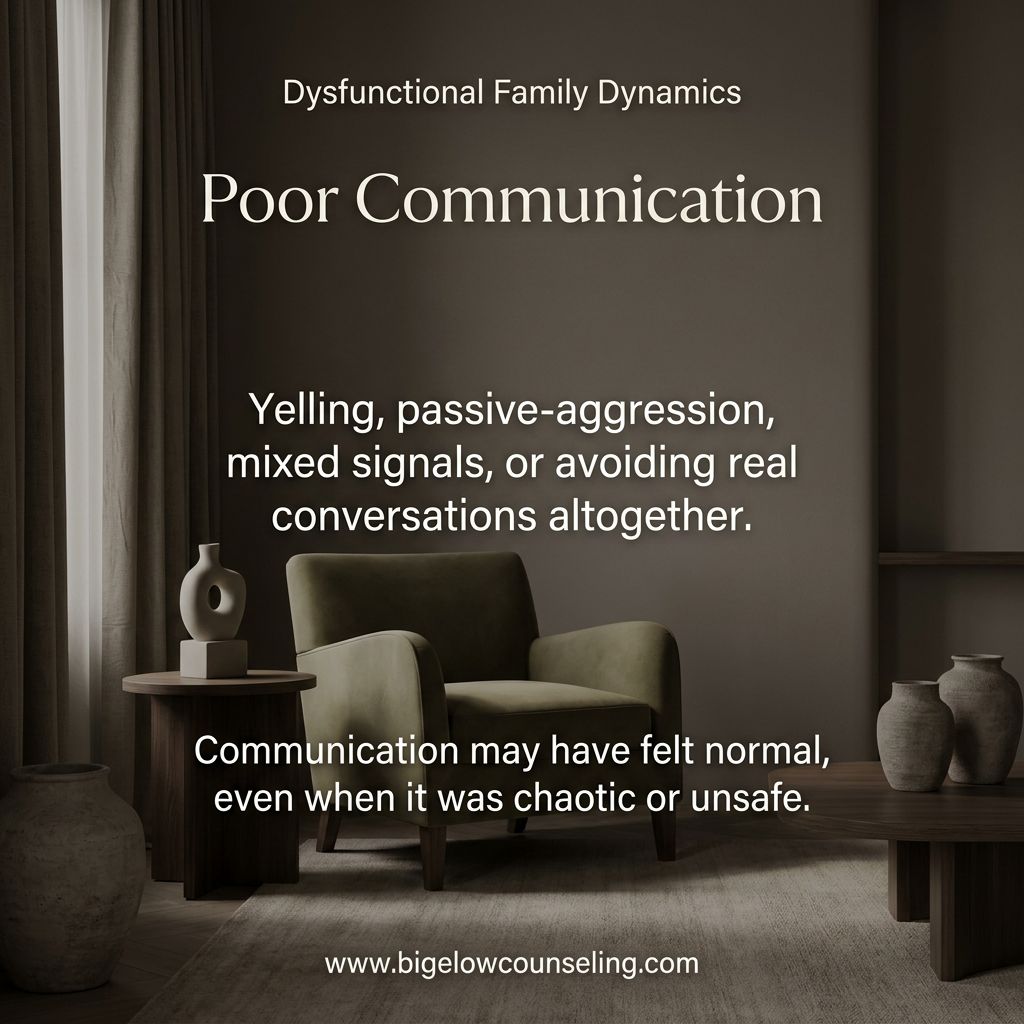
    Effective communication is the foundation of any strong relationship. When words get tangled, relationships suffer. Bigelow Counseling provides the tools you need to connect with your partner again.

    Improving Communication Skills

    Clear communication can transform your relationship. It isn’t just about talking but truly understanding each other. At Bigelow Counseling, you learn new ways to express feelings and listen actively. This can involve practicing empathy and patience in conversations. By respecting each other’s perspectives, you create a more nurturing space for dialogue. It’s not only about solving problems but also about sharing daily experiences.

    Imagine being able to say, “I feel hurt when…” without fear. This openness can deepen the bond between you and your partner. Many couples find that with guidance, they talk more openly about things they once avoided. The skills you develop here are tools you’ll use every day, strengthening the connection with your partner.

    Conflict Resolution for Couples

    Arguments are a natural part of relationships, but how you handle them makes all the difference. Learning to resolve conflicts peacefully can bring you closer. At Bigelow Counseling, you discover how to face disagreements without escalating tension. This might mean taking a pause before responding or learning to articulate your needs more clearly.

    Consider replacing blame with understanding, “I see why you felt that way” rather than “You always do this.” Such shifts in conversation can alter the course of your relationship. Couples who master conflict resolution find that they argue less and enjoy each other more. The goal is not to avoid conflict but to handle it positively.

    Rebuilding Trust in a Relationship
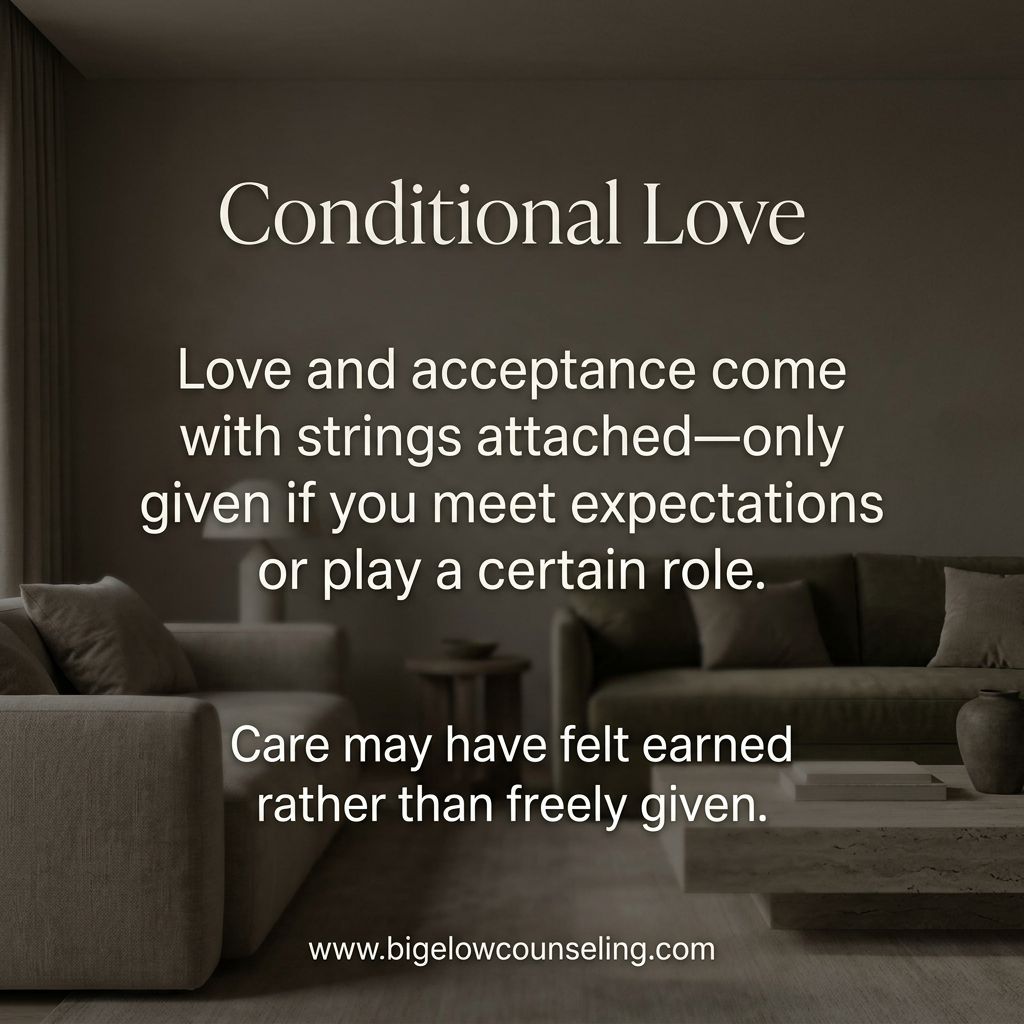
    Trust is crucial for a healthy relationship. When broken, it takes time and effort to restore. With the right support, trust can be rebuilt, bringing partners closer than before.

    Healing After Infidelity

    Infidelity can shatter trust, leaving partners hurt and confused. Healing involves more than just moving past the incident. It starts with honesty and a willingness to forgive. At Bigelow Counseling, couples learn to rebuild trust step by step. This process often begins with open conversations about feelings and expectations.

    It’s crucial to set boundaries and understand each other’s needs moving forward. Healing might seem daunting, but many couples find a renewed commitment to their relationship through counseling. They discover that while infidelity changed their relationship, it also became a turning point for deeper understanding and connection.

    Trauma-Informed Couples Therapy

    Trauma impacts relationships in various ways, often creating barriers that seem insurmountable. Trauma-informed therapy considers these unique challenges. At Bigelow Counseling, the approach is gentle and understanding, aimed at healing both partners. This type of therapy acknowledges past hurts that may affect current dynamics.

    By addressing these issues, couples can work towards a healthier relationship. The process involves recognizing and respecting each other’s trauma, leading to more compassion and patience. Couples often find that they not only heal but also grow together, fortifying their bond.

    Restoring Emotional Intimacy
    Emotional intimacy is the heart of any loving relationship. Over time, it can fade, but it can also be revived. Bigelow Counseling offers a space to rekindle that closeness.

    Safe Space Counseling

    A safe and welcoming environment is essential for couples to explore their emotional needs. Bigelow Counseling provides just that, especially for LGBTQ+ partners seeking inclusive support. Here, you’re free to express your true self without judgment.

    The sessions focus on understanding each other’s emotional languages. Couples learn to support one another’s emotional needs, creating a more intimate connection. This safe space is where many couples rediscover the joy of being emotionally close.

    EMDR Trauma Therapy Florida

    EMDR trauma therapy is a powerful tool for couples dealing with traumatic experiences. It helps process painful memories that might be affecting your relationship. At Bigelow Counseling, EMDR is used to address these deep-seated issues, allowing couples to move forward.

    This therapy involves reprocessing traumatic memories in a controlled setting, reducing their emotional impact. Couples who undergo EMDR often find that their relationship strengthens as they release past burdens. It’s about healing together, creating a future where both partners feel understood and cherished.

    Frequently Asked Questions

    What is couples counseling, and how can it help us?

    Couples counseling involves working with a therapist to address relationship issues. It helps improve communication, resolve conflicts, and rebuild trust, strengthening the bond between partners.

    Can counseling help after infidelity?

    Yes, counseling can guide couples through the healing process after infidelity. It focuses on rebuilding trust, setting new boundaries, and fostering open communication for a healthier relationship.

    What is trauma-informed therapy?

    Trauma-informed therapy considers past traumas that may impact the relationship. It provides a supportive environment for partners to understand and address these issues together, promoting healing and growth.

    How does EMDR therapy work for couples?

    EMDR therapy helps process traumatic memories that may affect the relationship. It involves controlled reprocessing of memories, reducing their emotional impact, and allowing couples to move forward positively.

    Is Bigelow Counseling LGBTQ+ friendly?

    Yes, Bigelow Counseling offers a safe, affirming space for LGBTQ+ partners. The practice is dedicated to providing inclusive support tailored to diverse needs and experiences.
  • Breaking the Cycle: Couples Counseling for Repeating Arguments and Emotional Distance

    Breaking the Cycle: Couples Counseling for Repeating Arguments and Emotional Distance

    Repeating the same arguments can make distance grow faster than anyone expects. When emotions shut down, trust and closeness slip away, leaving partners stuck in a painful loop. Couples counseling Palm Beach at Bigelow Counseling offers a trauma‑informed, LGBTQ+ affirming space where proven methods like EFT and Gottman therapy help stop the same fight and rebuild connection. Ready to pause the pattern? Book a free 15‑minute consultation today and take the first step toward healing.

    Understanding Recurring Conflicts

    Falling into the same arguments can make it hard to feel close to your partner. Let’s explore why these arguments repeat and how they cause emotional distance.

    Why Arguments Repeat

    Arguments often repeat because of unresolved issues. You might feel like you’re going in circles, bringing up the same points without resolution. This happens when underlying concerns are not addressed. Imagine trying to fix a leaky faucet without finding the source. That’s what unresolved arguments feel like. When these issues linger, they keep popping up, leading to frustration.

    Communication habits also contribute to this cycle. If you and your partner are stuck in the same way of arguing, it’s tough to break free. Maybe you both raise your voices or shut down instead of talking it through. These patterns become automatic, making it difficult to see things differently. Shifting these habits can open up new ways to connect.

    Emotional Distance in Relationships

    Emotional distance creeps in when arguments seem endless. Over time, you might feel like you’re living separate lives even under the same roof. This gap can make it hard to share, understand, or support each other. It’s like standing on opposite sides of a chasm, unable to reach each other.

    When emotions shut down, trust begins to erode. Without trust, every interaction feels like another opportunity to hurt each other. This makes it hard to let your guard down, deepening the distance. But with the right tools, you can start to rebuild that bridge of understanding and warmth.

    Healing with Bigelow Counseling

    Breaking out of this painful cycle requires a fresh approach. Bigelow Counseling offers methods that don’t just treat the symptoms but get to the heart of the issue.

    EFT Couples Therapy Explained

    Emotion-Focused Therapy (EFT) is all about getting to the root of your emotions. It helps you understand the deeper feelings driving your actions. EFT gives you and your partner a safe space to express these emotions without judgment. This process can transform how you see each other, turning conflict into connection.

    EFT works by helping you identify negative patterns in your interactions. Once you see these patterns, you can work together to change them. Imagine replacing defensive reactions with understanding. This shift can bring profound changes, making your relationship feel more secure and loving.

    Gottman Method for Lasting Change

    The Gottman Method focuses on building a solid foundation for your relationship. It offers tools to improve communication and strengthen your bond. This approach is about fostering respect and affection, even when you disagree.

    Gottman-trained therapists guide you in recognizing what’s going right in your relationship. By focusing on your strengths, you can build resilience against conflict. This method emphasizes the importance of friendship and shared goals, helping you navigate challenges more effectively.

    EMDR for Relationship Triggers

    EMDR is a powerful technique to address specific triggers in your relationship. These triggers often stem from past experiences. EMDR helps you process these memories so they no longer affect your present interactions.

    By reducing the emotional charge of these triggers, EMDR can improve your relationship. It allows you to approach situations with a clear mind, reducing reactivity. This can lead to more calm and productive conversations with your partner.

    Rebuilding Connection and Trust

    Rebuilding trust and connection takes time and effort, but it’s possible with the right support. Let’s explore how communication skills, a safe space, and trust can help you rebuild intimacy.

    Communication Skills for Couples

    Effective communication is key to breaking the cycle of repeating arguments. Learning new ways to express yourself can change how you relate to each other. Techniques like active listening and empathy can transform your conversations.

    When you focus on truly hearing each other, misunderstandings decrease. This shift can make discussions more productive and less adversarial. By prioritizing understanding, you create a space where both partners feel valued and heard.

    Creating a Safe Space

    A safe space is essential for open and honest communication. It’s about creating an environment where both partners can speak their minds without fear. This means respecting boundaries and being willing to listen.

    When both partners feel safe, they are more likely to share their true feelings. This openness can lead to deeper understanding and greater closeness. It’s about building a foundation of trust where vulnerability is seen as a strength, not a weakness.

    Rebuild Trust and Intimacy

    Rebuilding trust starts with small steps. Consistency and honesty are key. By showing up for each other in meaningful ways, you can begin to rebuild that trust. It’s about proving to each other that you are committed to the relationship.

    Intimacy grows when trust is present. As you work on rebuilding trust, you’ll find that closeness naturally follows. This renewed connection can make your relationship feel more fulfilling and joyful.

    Frequently Asked Questions

    What makes EFT effective for couples?

    EFT focuses on emotions, helping couples understand and express their feelings more clearly. This can transform how partners react to each other, fostering deeper connections.

    How does the Gottman Method improve relationships?

    The Gottman Method offers tools to enhance communication and relationship satisfaction. By focusing on respect and shared goals, it helps couples navigate conflicts more effectively.

    Can EMDR really help with relationship triggers?

    Yes, EMDR helps process past experiences that trigger present reactions. By reducing the emotional charge of these triggers, it can lead to calmer, more constructive interactions.

  • Breaking the Cycle: Couples Counseling for Repeating Arguments and Emotional Distance

    Breaking the Cycle: Couples Counseling for Repeating Arguments and Emotional Distance

    Repeating arguments and emotional distance can quietly erode even the strongest relationships. When conversations turn into the same fights, it’s easy to feel stuck and distant from the person who matters most. Couples counseling Palm Beach offers a way to break this cycle, rebuild trust, and bring back the closeness that once felt natural. Ready to feel close again? Book a free 15-minute consult with Bigelow Counseling—online or in Palm Beach—and take the first step toward connection today.

    Understanding Repeating Arguments

    Repeating arguments can feel like a never-ending loop, leaving partners frustrated and disconnected. To move forward, it’s crucial to understand what triggers these conflicts.

    Identifying Common Triggers

    Every couple has unique triggers causing repetitive arguments. Some common factors include differing communication styles, unmet emotional needs, or unresolved past issues. These can surface during everyday interactions, often when least expected. Understanding these triggers can help you anticipate and navigate conflicts more effectively.

    Taking note of when these arguments occur can be enlightening. Is it during stressful times or after specific events? Recognizing these patterns is the first step toward change. By identifying triggers, you can start addressing the root causes rather than getting caught in the same cycle.

    Patterns in Communication Breakdown

    Communication breakdowns are often at the heart of repeating arguments. Misunderstandings can lead to feelings of being ignored or unappreciated. This cycle can create emotional distance if not addressed.

    Consider how you and your partner communicate. Are there certain words or tones that escalate conflicts? Sometimes, it’s not about what is said, but how it’s said. By examining these patterns, you can learn more productive ways to express feelings and needs. A shift in communication can transform repetitive arguments into opportunities for growth and understanding.

    Rebuilding Trust and Emotional Closeness

    Once you identify the causes of conflict, the next step is rebuilding trust and emotional closeness.

    Steps to Heal Relationship Disconnection

    Healing from emotional disconnection requires patience and effort from both partners. Here are some steps to guide you:

    1. Open Communication: Share feelings honestly while listening without judgment.

    2. Quality Time: Spend uninterrupted time together to reinforce your bond.

    3. Reflect and Adjust: Regularly check in on each other’s needs and expectations.

    By focusing on these areas, you can reconnect on a deeper level. Consistent efforts in these directions can lead to meaningful change, bringing back the closeness you desire.

    Repair After Conflict with Empathy

    After a conflict, empathy plays a crucial role in repairing the relationship. Understanding your partner’s perspective can ease tensions and foster compassion.

    When conflicts arise, pause to consider what your partner might be feeling. This shift in perspective can defuse arguments and open the door to resolution. Practicing empathy helps partners see each other not as adversaries, but as allies working toward the same goal: a loving, supportive relationship.

    Inclusive and Affirming Counseling

    Bigelow Counseling offers a welcoming space for all, ensuring that every couple feels supported and understood.

    Safe Space for LGBTQ+ Partners

    Feeling safe and accepted is vital for every relationship. At Bigelow Counseling, we provide an inclusive environment for LGBTQ+ partners. Understanding the unique challenges faced by these couples is key to offering effective support.

    Our specialized therapists are trained to address issues specific to LGBTQ+ relationships. By offering a safe space, we empower couples to explore their concerns openly, leading to stronger, more resilient partnerships.

    Trauma-Informed and EMDR Therapy Options

    For those dealing with trauma, finding the right therapeutic approach is essential. Bigelow Counseling offers trauma-informed care, including EMDR therapy, to assist in processing past experiences.

    EMDR (Eye Movement Desensitization and Reprocessing) is a powerful tool for healing trauma. It helps individuals process distressing memories and reduce their emotional impact. Our therapists guide you through the process, ensuring a supportive and healing journey.

    Frequently Asked Questions

    What causes repeating arguments in relationships?

    Repeating arguments often stem from unresolved issues, communication breakdowns, or unmet emotional needs. Identifying these triggers can help in addressing them effectively.

    How can couples rebuild emotional closeness?

    Couples can rebuild emotional closeness by communicating openly, spending quality time together, and routinely reflecting on each other’s needs.

    What is EMDR therapy, and how does it help?

    EMDR therapy is a trauma-focused treatment that helps individuals process and heal from traumatic experiences. It is effective in reducing the emotional impact of distressing memories.

    How can empathy repair relationships after conflict?

    Empathy allows partners to understand each other’s perspectives, fostering compassion and easing tensions, which is crucial for conflict resolution.

    Why is a safe space important for LGBTQ+ couples?

    A safe space ensures that LGBTQ+ couples feel accepted and understood, allowing them to explore their relationship dynamics openly and without fear of judgment.