Tag: compassion fatigue

  • Feeling Drained? Signs You May Be Experiencing Burnout—and How Therapy Can Help You Reclaim Your Spark

    Feeling Drained? Signs You May Be Experiencing Burnout—and How Therapy Can Help You Reclaim Your Spark

    Burnout sneaks up slowly, leaving you drained even after a full night’s rest. If you’re noticing signs of burnout like constant exhaustion, irritability, or feeling disconnected from work and life, you’re not alone—and your feelings are valid. Therapy for burnout at Bigelow Counseling can help you find balance again, restore your energy, and reconnect with what truly matters. Ready to take the first step toward feeling like yourself again? Learn more about burnout prevention and recovery and reach out to Bigelow Counseling to schedule your first session.

    Recognizing Burnout Signs

    Burnout can affect anyone, and recognizing it early can help you regain control. Let’s explore the common symptoms and the impact it has on daily life.

    Common Burnout Symptoms

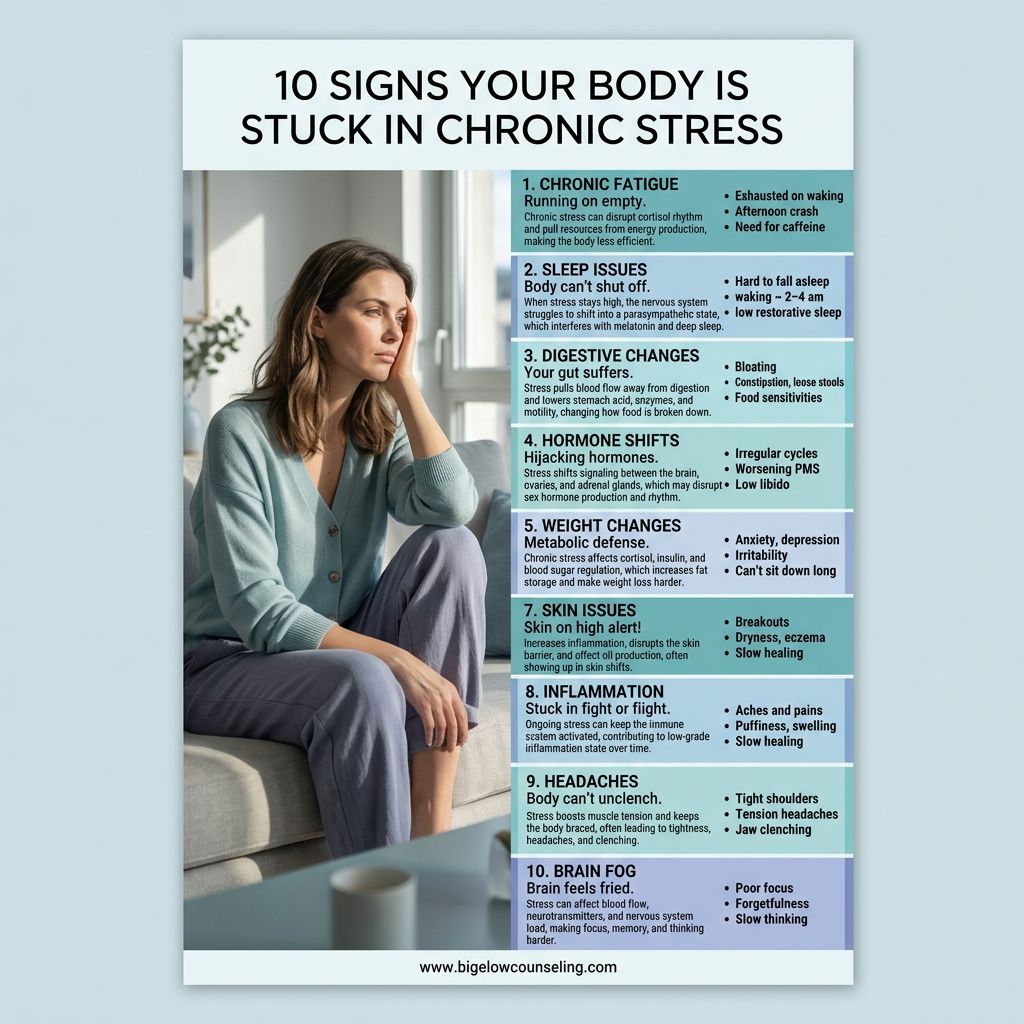
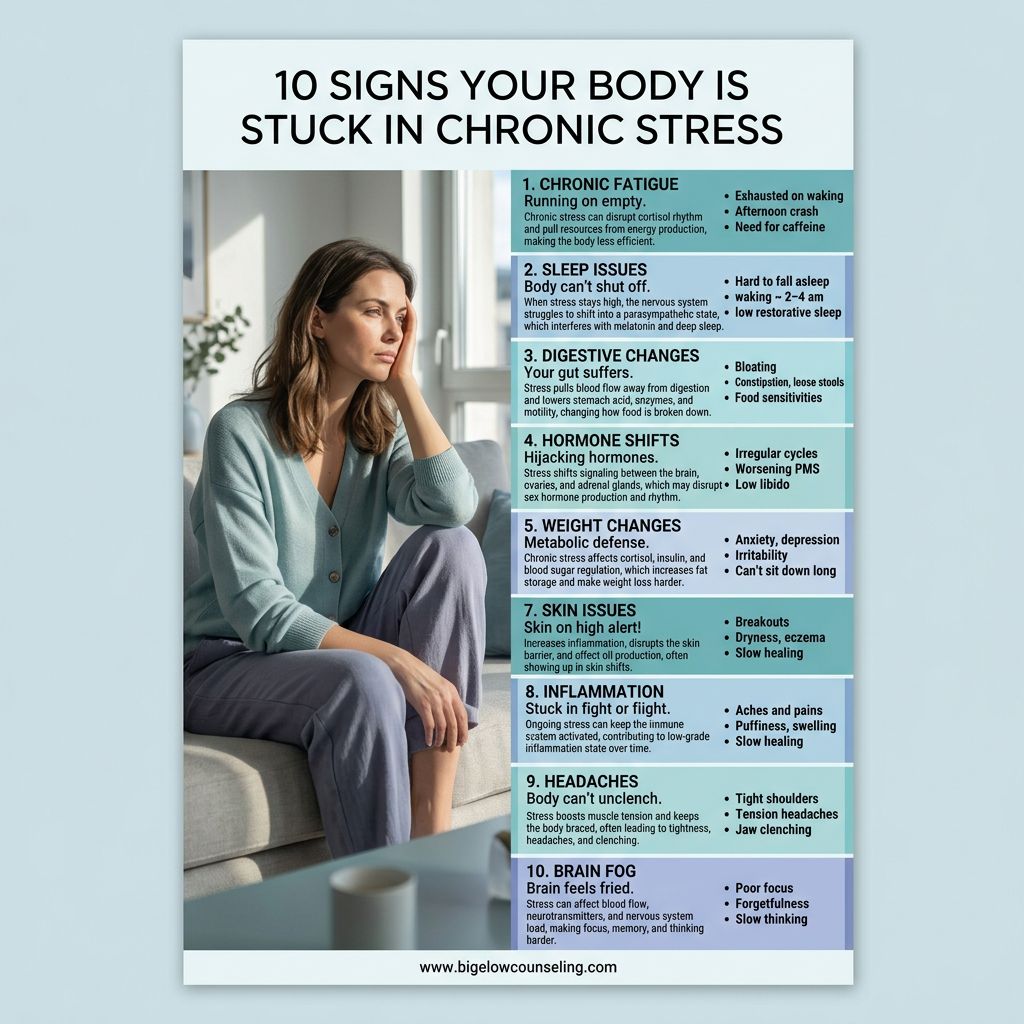
    Burnout often manifests through exhaustion. You might feel tired even after sleeping. You could also experience irritability, and small tasks may seem overwhelming. Feeling disconnected from work and personal life is another sign. It’s not just about being tired; it’s a physical and emotional drain.

    Another symptom is a lack of motivation. You might find it hard to start or finish tasks. Even things you used to enjoy can feel like chores. This isn’t just about work; it can affect hobbies and social activities too. Physical symptoms like headaches or stomach issues can also appear.

    Burnout can sneak up on you, often starting small and growing over time. It’s important to listen to your body and mind. Recognizing these signs early can help you seek the right support before it becomes overwhelming.

    Understanding What Is Burnout

    Burnout is more than just stress. It’s a state of emotional, physical, and mental exhaustion caused by prolonged stress. Unlike stress, which is temporary, burnout is a chronic condition. It can make you feel helpless, trapped, and beyond caring.

    Burnout affects people in various situations. It’s common among professionals, caregivers, and anyone in high-stress environments. The feeling of being constantly overwhelmed can lead to a sense of failure and self-doubt. It can affect every area of your life, not just work.

    Understanding burnout is the first step in managing it. Knowing that it’s a recognized condition can be reassuring. It means you’re not alone, and there is help available. Awareness is the key to preventing it from taking over your life.

    Impact on Daily Life

    The effects of burnout extend beyond feelings of exhaustion. You might notice changes in eating or sleeping habits. Relationships can suffer, as irritability and withdrawal become more common. It can also affect job performance, leading to more stress and anxiety.

    Burnout can impact your health. Chronic stress can lead to issues like heart disease, high blood pressure, and mental health conditions like depression and anxiety. It’s a serious condition, and its impact on daily life can be profound.

    Being aware of how burnout affects daily life is crucial. It can motivate you to make changes and seek help. Remember, the earlier you address it, the better your chances of recovery and reclaiming your life.

    Therapy as a Burnout Solution

    Addressing burnout requires more than just rest. Therapy can be an effective solution. Let’s explore how stress management counseling and other therapeutic options can help you.

    Benefits of Stress Management Counseling

    Stress management counseling provides tools to handle stress effectively. It helps you develop coping strategies tailored to your needs. This type of therapy focuses on identifying stressors and finding ways to manage them.

    Counseling sessions can offer a safe space to express feelings and concerns. A therapist can guide you in setting boundaries and prioritizing self-care. Over time, you’ll learn to manage stress in a way that fits your lifestyle and goals.

    The benefits of stress management counseling are profound. It can lead to improved mental health, better relationships, and enhanced work performance. By addressing stress proactively, you gain control over your life and reduce the risk of burnout.

    EMDR Therapy in Palm Beach

    EMDR (Eye Movement Desensitization and Reprocessing) therapy is a specialized treatment for trauma. It can also be effective for those experiencing burnout related to traumatic stress. In Palm Beach, EMDR therapy is available to help you process and release these stressors.

    This therapy involves guided eye movements to help reprocess traumatic memories. It’s a structured approach that can resolve the distress that contributes to burnout. By targeting these memories, EMDR therapy can alleviate symptoms and promote healing.

    In Palm Beach, EMDR therapy provides a targeted approach to managing burnout. It offers a path to recovery by addressing the root causes of stress and trauma. This tailored therapy can be a vital part of your burnout recovery plan.

    LGBTQ+ Affirming Therapist Support

    For members of the LGBTQ+ community, finding an affirming therapist is crucial. Burnout can be exacerbated by societal pressures and lack of support. An affirming therapist understands these unique challenges and provides a safe, supportive environment.

    An LGBTQ+ affirming therapist in Palm Beach will tailor support to your specific needs. They provide a space where you can express yourself freely and work through challenges. This support can be a lifeline for those facing burnout.

    Having a therapist who understands your experiences can make a significant difference. It ensures you’re receiving care that respects and acknowledges your identity. This personalized support is essential in managing burnout effectively.

    Personalized Recovery Plans

    Creating a recovery plan is important for overcoming burnout. Let’s explore options like executive coaching, work-life balance tips, and online therapy that can aid in your recovery.

    Executive Coaching for Burnout

    Executive coaching can be a powerful tool for professionals experiencing burnout. It focuses on personal and professional development, helping you regain direction and motivation. A coach works with you to set goals and develop strategies to achieve them.

    This type of coaching is particularly beneficial for those feeling stuck in their careers. It addresses issues like work-life balance and career advancement. By working with an executive coach, you can identify barriers to success and find ways to overcome them.

    Executive coaching offers tailored support for professional burnout recovery. It’s about more than just work; it’s about aligning your career with your values and goals. The personalized approach helps you regain control and find fulfillment in your work life.

    Work-Life Balance Tips

    Maintaining a healthy work-life balance is crucial for preventing burnout. Here are some tips to help you achieve it:

    1. Set Boundaries: Define clear limits between work and personal time. This can help you recharge and avoid burnout.

    2. Prioritize Self-Care: Make time for activities that promote relaxation and well-being. This includes exercise, hobbies, and rest.

    3. Manage Your Time: Use tools and techniques to organize tasks efficiently. Prioritizing tasks can reduce stress and increase productivity.

    Implementing these tips can support your overall well-being. They help you manage stress and prevent it from becoming overwhelming. A balanced approach to work and personal life is key to long-term health and happiness.

    Online Therapy in Florida

    Online therapy offers convenient access to support for those experiencing burnout. In Florida, this option provides flexibility and accessibility, making it easier to fit therapy into your life.

    Virtual sessions offer the same level of care as in-person ones. They allow you to connect with a therapist from the comfort of your home. This convenience can be particularly beneficial for those with busy schedules or transportation challenges.

    Online therapy provides a modern solution for mental health care. It ensures you receive the support you need without added stress. In Florida, this option makes therapy more accessible and adaptable to your lifestyle.

    Frequently Asked Questions

    What are the first signs of burnout?

    Burnout often starts with feelings of exhaustion and lack of motivation. You might also notice irritability and a sense of disconnection from your work and personal life.

    How can therapy help with burnout?

    Therapy provides tools and strategies to manage stress and address the root causes of burnout. It offers a safe space to explore your feelings and develop coping mechanisms.

    What is EMDR therapy, and how does it help with burnout?

    EMDR therapy is a treatment for trauma that can also address burnout related to traumatic stress. It involves guided eye movements to reprocess distressing memories, reducing their impact on your well-being.

    Why is finding an LGBTQ+ affirming therapist important?

    An affirming therapist provides a supportive and understanding environment. They tailor their approach to meet the unique needs of LGBTQ+ individuals, offering care that respects your identity.

    Can online therapy be as effective as in-person sessions?

    Yes, online therapy offers the same level of care and support as in-person sessions. It provides flexibility and convenience, making it easier to access mental health resources.

  • Running on Empty? What Self-Compassion Really Looks Like

    Running on Empty? What Self-Compassion Really Looks Like

    Running on empty feels like carrying the weight of the world on your shoulders with no pause button in sight. When burnout creeps in, self-compassion isn’t about grand gestures—it’s the small, kind moments you give yourself to keep going. In this post, you’ll find simple ways to practice self-kindness that fit your real life and hear how Bigelow Counseling in Palm Beach can support your burnout recovery with care that meets you where you are. If you’re ready to start healing, keep reading. Learn more about managing compassion fatigue here.

    Understanding Burnout and Overwhelm

    Burnout doesn’t discriminate, touching all professions and walks of life. Recognizing its signs early can be your first step towards recovery.

    Signs You’re Running on Empty

    Feeling tired all the time? Struggling to find joy in activities you once loved? These might be signs of burnout. When every task feels like a mountain, it’s your body telling you it needs rest. Even simple tasks can seem overwhelming, and it’s easy to feel trapped in a never-ending cycle of fatigue. If you notice these signs, it’s time to pause and listen to your body.

    Burnout can also affect your relationships. You might find yourself snapping at loved ones or withdrawing from social activities. Emotional exhaustion can make it hard to connect with others. But recognizing these signs early can help you take control and seek the support you need.

    Normalizing Burnout in Daily Life

    Burnout is more common than you might think. Many people feel ashamed or isolated, believing they must push through without showing weakness. But understanding that burnout is a shared experience can help normalize it. Accepting that it’s okay not to be okay is a powerful first step towards healing.

    Talking about burnout openly can break down the stigma. Sharing experiences with others can offer comfort and new perspectives. Remember, you’re not alone. Many have walked this path and found their way back to balance and peace.

    The Role of Palm Beach Counseling

    Counseling can be a lifeline when dealing with burnout. At Bigelow Counseling, the focus is on personalized care. Whether you’re dealing with stress, anxiety, or depression, professional support can make all the difference. Palm Beach counseling offers a safe space to explore your feelings and find your way back to yourself.

    Our therapists understand the unique pressures you face and provide guidance tailored to your needs. They offer tools and techniques to help you manage stress and rebuild resilience. Reaching out for help is a courageous step toward a healthier, happier you.

    Practicing Self-Compassion

    Self-compassion is about treating yourself with the same kindness you’d offer a friend. It’s a practice that can transform the way you handle stress and setbacks.

    Simple Self-Kindness Techniques

    Start with small acts of self-kindness. Take a moment each day to appreciate something about yourself. These moments of gratitude can shift your mindset from negative to positive. Write down three things you’re grateful for or proud of each day.

    Another simple technique is to set boundaries. Saying no to additional demands can protect your energy and time. Prioritize activities that nurture you and let go of those that drain you. Remember, it’s okay to put yourself first sometimes.

    Mindfulness for Stress Management

    Mindfulness is a powerful tool for stress management. It helps you stay present and reduce anxiety about the future or regrets about the past. Begin with just five minutes a day. Focus on your breath and let your thoughts pass without judgment.

    Mindfulness can also improve your emotional resilience. It teaches you to observe your thoughts and feelings without being overwhelmed by them. As you practice mindfulness, you’ll find it easier to navigate stressful situations with a calm and clear mind.

    Building Resilience with Self-Compassion

    Resilience isn’t about never falling; it’s about how you get back up. Self-compassion can be your greatest ally in this journey. It helps you bounce back from setbacks with greater ease and self-understanding.

    Practice self-compassion by being gentle with yourself when things go wrong. Instead of criticizing yourself, acknowledge your efforts and remind yourself that mistakes are part of growth. Building resilience takes time and patience, but with self-compassion, you’ll find strength you didn’t know you had.

    Bigelow Counseling: Your Partner in Healing

    Bigelow Counseling is here to support you on your journey to recovery. Our tailored therapy options are designed to meet your unique needs.

    Tailored Therapy Options

    Whether you’re dealing with anxiety, depression, or past trauma, our therapy options are tailored to help you heal. We offer various approaches, including EMDR trauma therapy, to address your specific challenges. Therapy is not one-size-fits-all; it’s a personal journey, and we’re here to guide you every step of the way.

    Each session is designed to empower you, providing tools and strategies to navigate life’s challenges. Our therapists work with you to create a plan that aligns with your goals and healing process.

    LGBTQ+ Affirming and Trauma-Informed Care

    At Bigelow Counseling, inclusivity is at the core of our practice. We offer an affirming environment for the LGBTQ+ community, ensuring that everyone feels welcome and understood. Our trauma-informed care approach prioritizes your safety and comfort, creating a supportive space for healing.

    Our therapists are experienced in LGBTQ+ issues and committed to providing compassionate, understanding care. Whether you’re navigating identity questions or seeking support for trauma, we’re here to help.

    Flexible Online Therapy in Florida

    We understand that life is busy, which is why we offer flexible online therapy options. Whether you’re in Palm Beach or elsewhere in Florida, you can access the care you need from the comfort of your home. Online therapy in Florida makes it easier than ever to fit sessions into your schedule.

    Our online platform is secure and easy to use, ensuring that your privacy is protected. It’s a convenient way to prioritize your mental health without the stress of commuting.

    Frequently Asked Questions

    What are the early signs of burnout?

    Early signs include chronic fatigue, reduced performance, irritability, and feelings of helplessness. Recognizing these signs can help you seek support before burnout worsens.

    How can self-compassion help with burnout?

    Self-compassion involves treating yourself with kindness, reducing self-criticism, and acknowledging your efforts. It can improve resilience and help you recover from burnout.

    What therapy options does Bigelow Counseling offer?

    We offer a wide range of therapies, including individual counseling, couples counseling, and EMDR trauma therapy. Each option is tailored to meet your specific needs.

    Is online therapy as effective as in-person sessions?

    Yes, online therapy offers the same level of care and effectiveness as in-person sessions. It provides flexibility and convenience, making it easier to access mental health support.

    How can mindfulness reduce stress?

    Mindfulness helps you stay present and aware, reducing anxiety about past or future events. It improves emotional regulation, helping you handle stress more effectively.

  • Rest or Push Through? How to Listen to Your Body and Mind

    Rest or Push Through? How to Listen to Your Body and Mind

    Feeling drained but pushing through like it’s the only option? Many people confuse being tired with real burnout, missing the crucial signs you need rest. This post helps you spot when your body and mind are asking for a pause instead of more effort. Keep reading to learn how to protect your well-being with smart stress management tips—and find out how Bigelow Counseling supports your healing and balance in Palm Beach and beyond.

    Recognizing the Need for Rest

    It’s essential to understand when your body is signaling a need for rest. Recognizing these signs helps safeguard your mental and physical well-being. Let’s explore the symptoms that might indicate you need to pause and recharge.

    Signs You Need Rest

    When you’re constantly feeling exhausted, it might be more than just a busy week. You may notice you’re not sleeping well, even when you have the time. Your appetite might change, or you might feel irritable without any clear reason. These are all signs you need rest.

    Your body sends signals when it’s time to slow down. If you’re experiencing headaches or getting sick more often, it’s a sign your immune system is stressed. Listen to these signals to avoid further strain. Ignoring them can lead to more serious issues down the road, such as burnout or chronic fatigue.

    Remember, rest is not a luxury. It’s a necessity for maintaining a healthy life. A short break can improve your focus and energy levels. Don’t wait until you’re completely drained to take some time off. By acknowledging the signs early, you can take proactive steps to restore your balance.

    Burnout vs. Tired

    Many people confuse being tired with burnout, but they’re not the same. Tiredness is a temporary state that improves with rest. Burnout is more severe and doesn’t go away with a good night’s sleep.

    Burnout happens when stress becomes overwhelming. You might feel detached from your work or lose interest in activities you once enjoyed. It can cause emotional exhaustion and a sense of hopelessness. In contrast, tiredness usually resolves after adequate rest.

    Understanding the difference helps you take the right steps. If you’re facing burnout, it’s time to seek support, like counseling or coaching. Bigelow Counseling is here to help you navigate through such challenges, offering support tailored to your needs.

    Strategies for Stress Management

    Now that we’ve covered the signs, let’s discuss strategies for managing stress effectively. Knowing when to rest versus when to push through is crucial for maintaining your well-being and productivity.

    When to Rest vs. Push Through

    Deciding between resting or pushing through can be tough. If your body feels heavy and you’re struggling to concentrate, rest might be the better choice. On the other hand, if you’re experiencing mild fatigue, a little push can sometimes help you finish tasks and then rest properly.

    Think of rest and effort as a balancing act. Rest when your body needs it, but don’t use it as an excuse to avoid tasks. If you feel slightly tired, try breaking tasks into smaller parts and tackling them one at a time. This approach can help you manage your workload without overwhelming yourself.

    When you sense genuine fatigue, prioritize rest. Even a short nap can rejuvenate your energy. For more on understanding resilience, you can check out this informative article.

    Self-Care and Boundaries

    Establishing self-care routines and boundaries is vital for stress management. Self-care isn’t just about treating yourself to something nice. It’s about making choices that protect your health and happiness.

    Set boundaries to prevent burnout. This might mean turning off work emails after hours or saying no to extra responsibilities when you’re at capacity. Protecting your time and energy is crucial for long-term wellness.

    Engaging in activities that bring joy and relaxation is also vital. Whether it’s reading, walking, or simply meditating, these activities recharge your spirit. For more insights on balancing rest and effort, explore this discussion.

    Supportive Counseling and Coaching

    If you’re struggling to manage stress on your own, consider seeking professional support. Counseling and coaching can provide guidance tailored to your unique challenges and goals.

    LGBTQ Affirming Counseling

    Finding an affirming space can make a world of difference, especially when exploring personal struggles. Bigelow Counseling offers a safe and supportive environment for the LGBTQ+ community. Our counselors understand the unique challenges you may face and are here to help you navigate them with compassion.

    In therapy, you can explore your identity and work through any issues in a judgment-free space. This type of support can be empowering, helping you build resilience and self-acceptance. Remember, seeking help is a sign of strength. You’re taking an important step toward healing and growth.

    Professional Coaching Palm Beach

    For professionals facing burnout or career stagnation, executive coaching can be a game-changer. Bigelow Counseling provides coaching designed to reignite your passion and drive. Our coaches work with you to identify goals, overcome obstacles, and achieve professional success.

    This tailored approach helps you develop skills and strategies to thrive in your career. Whether it’s enhancing leadership abilities or managing work-life balance, coaching offers valuable insights and support. Gain the tools you need to excel in your field while maintaining your well-being.

    Frequently Asked Questions

    How do I know if I need more rest?

    Listen to your body. If you’re constantly tired, irritable, or experiencing physical symptoms like headaches, you likely need more rest.

    What’s the difference between burnout and being tired?

    Tiredness resolves with rest, while burnout is more severe and doesn’t improve with sleep. Burnout involves emotional exhaustion and loss of interest.

    How can I manage stress effectively?

    Balance rest and effort, establish self-care routines, and set boundaries. Consider professional support if stress becomes overwhelming.

    What is LGBTQ affirming counseling?

    It’s counseling in a safe, supportive space for LGBTQ+ individuals. It helps explore identity and issues without judgment.

    How can executive coaching help with career challenges?

    Coaching provides tailored guidance to overcome obstacles, improve skills, and achieve goals, helping you thrive professionally.

  • Stress vs. Burnout: How to Spot the Shift—and What to Do Next

    Stress vs. Burnout: How to Spot the Shift—and What to Do Next

    Stress can feel like part of everyday life, but when it lingers and deepens, it may be burnout knocking on your door. Knowing the signs of burnout helps you catch the shift before it takes over your energy and joy. In this post, you’ll learn how to spot the difference between stress vs burnout and what practical steps you can take next. Ready for support? Contact Bigelow Counseling to book a session or a no-pressure consultation—online or in person in Palm Beach.

    Understanding Stress vs. Burnout

    Feeling overwhelmed by daily tasks is common, but it’s crucial to distinguish between regular stress and burnout. Each has different causes and effects on your well-being.

    Common Stressors and Their Impact

    Daily stressors can come from work deadlines, family responsibilities, or financial worries. They often cause temporary worry or frustration. When these pressures stack up, they can lead to anxiety or trouble sleeping. Although stress can be intense, it typically subsides once the situation resolves. For instance, preparing for a big presentation might keep you up at night, but relief follows once it’s over.

    Yet, when stress becomes relentless, it might signal a deeper problem. Stress leads to burnout when it feels constant and unsolvable. Unlike short-term stress, burnout doesn’t fade with a night’s rest or a weekend break. Understanding these stressors can help you manage them better and prevent burnout from creeping in.

    Identifying Burnout Symptoms

    Burnout goes beyond feeling tired; it’s a state of emotional, physical, and mental exhaustion. It can result from prolonged stress, especially from work. People experiencing burnout often feel detached and cynical. They might question their abilities or lose interest in tasks they once enjoyed. These feelings can lead to decreased productivity and a sense of hopelessness.

    If you’re noticing these signs, it’s essential to address them. Ignoring burnout symptoms can impact your health and relationships. Recognizing burnout is the first step toward reclaiming your energy and enthusiasm. By identifying these signs early, you can take measures to restore balance in your life.

    Recognizing the Shift to Burnout

    As stress transitions to burnout, the changes can be subtle yet significant. Knowing what to watch for helps you intervene early.

    Early Warning Signs of Burnout

    Burnout doesn’t happen overnight. It starts with small changes, like feeling drained or resentful. You might also notice a drop in performance or a lack of motivation. If work tasks feel pointless or overwhelming, these could be early signs. Other indicators include neglecting self-care or feeling trapped in a situation.

    Catching these signs early can prevent burnout from taking a more severe toll. Most people think they need to push through these feelings, but acknowledging them is key. Listening to your body and mind can guide you toward healthier habits and prevent escalation.

    The Role of Chronic Stress

    Chronic stress is a significant contributor to burnout. When stressors never seem to end, they wear down your resilience. This constant pressure can affect both mental and physical health. Unlike acute stress, which is brief, chronic stress feels inescapable. It can lead to burnout by intensifying feelings of fatigue and frustration.

    Managing chronic stress involves identifying persistent stressors and finding ways to cope. It’s not just about reducing stress but also building resilience. Learning to prioritize and setting boundaries can make a big difference in how stress impacts your life.

    Next Steps for Burnout Relief

    If you’re facing burnout, there are actionable steps you can take to find relief and regain control.

    Practical Coping Strategies

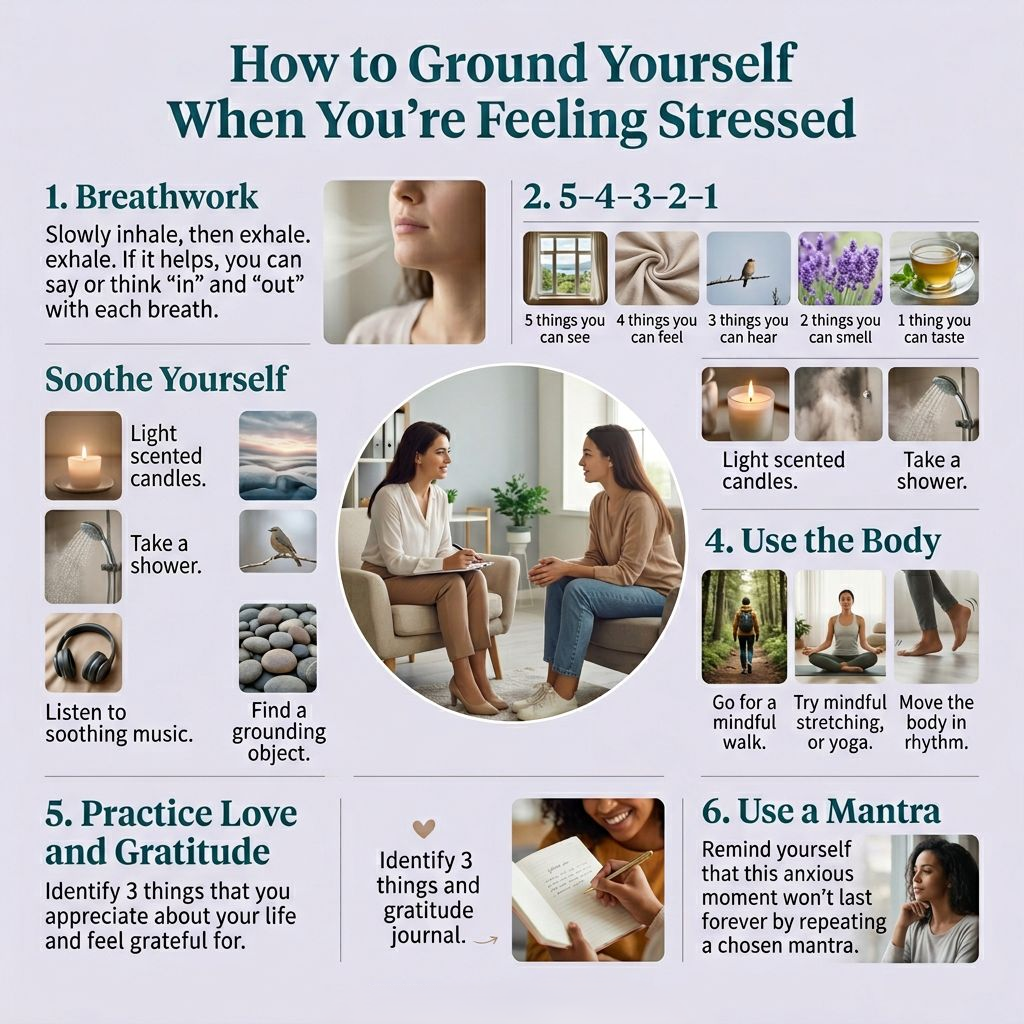
    Addressing burnout starts with practical changes. Begin by setting realistic goals and breaking tasks into manageable steps. This approach can reduce feelings of overwhelm. Creating a balanced schedule that includes downtime is also crucial. Practicing mindfulness or engaging in hobbies can help calm your mind and rejuvenate your spirit.

    Additionally, physical activity can be a powerful stress reliever. Even a short walk can boost your mood and energy levels. Remember, small changes can lead to significant improvements. By incorporating these strategies, you can gradually restore balance and reduce burnout’s grip on your life.

    Seeking Professional Support in Palm Beach

    Sometimes, self-help isn’t enough, and seeking professional support becomes necessary. A therapist can provide guidance and coping strategies tailored to your needs. If you’re in Palm Beach, consider connecting with Bigelow Counseling. The team offers a safe space for discussing your challenges and finding solutions. Whether through individual therapy or coaching, professional support can be invaluable in your recovery journey.

    Investing in your mental health is a step toward a brighter future. The longer you wait, the harder it can be to overcome burnout. Reach out for help and take the first step in your healing journey.

    Frequently Asked Questions

    What are the main differences between stress and burnout?

    Stress is typically short-term and often linked to a specific situation. Burnout is more severe, resulting from prolonged stress, leading to exhaustion and a loss of motivation.

    How can I tell if I’m experiencing burnout?

    Signs of burnout include feeling fatigued, cynical, and detached. A drop in productivity and interest in activities you once enjoyed are also common indicators.

    What are some effective burnout recovery strategies?

    Effective strategies include setting realistic goals, practicing mindfulness, and ensuring a balanced schedule. Seeking professional help can also provide personalized support and guidance.

    How does chronic stress lead to burnout?

    Chronic stress wears down your resilience over time. When stressors feel unending, they contribute to physical and mental exhaustion, eventually leading to burnout.

    Where can I find professional burnout support in Palm Beach?

    Bigelow Counseling, based in Palm Beach, offers therapy and coaching tailored to individuals experiencing burnout. They provide a supportive environment to help you navigate your challenges.

    Home

  • From Stressed to Burned Out: How to Spot the Shift (and What to Do Next)

    From Stressed to Burned Out: How to Spot the Shift (and What to Do Next)

    Stress feels like part of daily life, but when does it cross into burnout? Recognizing the signs of burnout early can protect your body, mind, and spirit before exhaustion takes over. In this post, you’ll learn how to tell the difference between stress vs burnout and what steps to take next. Ready to feel like yourself again? Keep reading to find practical ways to reset and get supportive help from Bigelow Counseling.

    Understanding Stress vs Burnout

    Stress and burnout may feel similar, but they differ in significant ways. Understanding these differences is crucial for knowing how to address each effectively and regain your balance.

    Key Differences Explained

    Stress is a common reaction to external pressures. It can make you feel anxious or overwhelmed, yet it often acts as a motivator. For example, the pressure to meet a deadline can push you to work harder. However, when stress becomes chronic and unmanageable, it may lead to burnout.

    Burnout, on the other hand, is a state of emotional, physical, and mental exhaustion caused by prolonged stress. It makes everything seem bleak and can drain your motivation. Unlike stress, burnout leaves you feeling helpless and devoid of any energy. Recognizing these differences helps in taking the right steps towards recovery.

    Recognizing Stress and Burnout

    Identifying whether you’re experiencing stress or burnout is essential. Stress tends to come and go, depending on the situation. You may feel tense or irritable but can usually manage these feelings with short breaks or exercise. In contrast, burnout is more persistent and doesn’t improve with typical stress-management techniques. It can lead to a sense of hopelessness and disengagement from work or other activities.

    Early Warning Signs

    Early recognition of stress and burnout symptoms can prevent long-term effects. Knowing what to look for allows you to take action before reaching the point of exhaustion.

    Physical and Emotional Indicators

    Physical signs of stress include headaches, muscle tension, and fatigue. Emotionally, you might feel anxious or easily frustrated. These symptoms can usually be managed with relaxation techniques or by taking time to recharge.

    Burnout adds another layer of complexity. You might experience chronic fatigue, insomnia, and frequent illnesses due to a weakened immune system. Emotionally, burnout can lead to feelings of cynicism, detachment, and a lack of achievement. If these symptoms persist, it may be time to seek professional help.

    Behavioral Red Flags

    Behavioral changes can also signal stress or burnout. Under stress, you might notice lapses in concentration or become more forgetful. You may also see changes in your eating or sleeping habits. On the other hand, burnout might lead to withdrawing from responsibilities, isolating from friends and family, or using food, drugs, or alcohol to cope.

    Recognizing these behavioral shifts is key to understanding your mental state. If you’re noticing consistent changes, consider reaching out for support from a mental health professional.

    Steps to Recovery

    Once you’ve identified the signs of stress or burnout, taking steps towards recovery is crucial. There are effective strategies that can help you regain balance and improve well-being.

    Effective Strategies for Relief

    1. Prioritize Rest: Ensure you get enough sleep and take regular breaks. Allow yourself time to recharge physically and mentally.

    2. Practice Mindfulness: Engaging in mindfulness or meditation can help reduce stress and improve focus. It allows you to be present and more aware of your feelings.

    3. Connect with Others: Reach out to friends, family, or support groups. Talking about your feelings can provide relief and perspective.

    4. Physical Activity: Incorporate exercise into your routine. Physical activity can boost your mood and energy levels.

    5. Set Boundaries: Learn to say no when necessary. Protect your time and energy by setting limits on your commitments.

    Seeking Professional Burnout Help

    If stress or burnout feels overwhelming, seeking professional help is a proactive step. Therapists in Palm Beach can offer personalized strategies to manage stress and address burnout symptoms. Working with an experienced therapist can provide the tools needed to navigate these challenges.

    At Bigelow Counseling, you have access to compassionate guides who specialize in stress management, LGBTQ+ affirming therapy, and executive coaching for burnout. Whether you’re dealing with work-related stress or personal challenges, the right support can make all the difference.

    Remember, recognizing stress and burnout is the first step towards reclaiming your well-being. By understanding these states and seeking help when needed, you can pave the way for a healthier, more balanced life.

  • Stress vs. Burnout: 8 Signs It’s Time to Pause and Get Support

    Stress vs. Burnout: 8 Signs It’s Time to Pause and Get Support

    Stress can feel like just part of your daily grind until it sneaks past a line you didn’t see coming. When chronic stress shifts into burnout, the signs aren’t always obvious—but they can take a serious toll on your mind and body. Knowing the difference between stress vs burnout can protect your well-being and help you take the right steps before exhaustion takes over. Ready to spot the signs and find support? Let’s explore what burnout looks like and how Bigelow Counseling can guide your next move. For more information, you can also check out this resource on burnout.

    Recognizing Stress vs. Burnout

    Feeling overwhelmed? You’re not alone. Many people struggle to tell the difference between stress and burnout. Understanding this difference is key to maintaining your well-being and preventing further mental and physical strain.

    Key Signs of Burnout

    Burnout often creeps up without warning. It’s more than feeling tired after a busy week. Look out for signs like chronic fatigue, detachment from work, and decreased productivity. You might also experience sleep issues or a lack of motivation. It’s important to pay attention to these indicators. Most people think burnout just means being tired, but it’s more about how persistent and pervasive these feelings are.

    Understanding Emotional Exhaustion

    Emotional exhaustion is a major component of burnout. It’s when stress drains you mentally, making even simple tasks feel monumental. You might feel trapped or helpless, and it’s hard to see a way out. This exhaustion often leads to feelings of cynicism or detachment. People typically think they can push through, but ignoring emotional exhaustion can worsen the situation.

    Workplace Burnout Indicators

    Workplace burnout is common, especially in high-pressure environments. Watch for signs like irritability, reduced performance, or feelings of inadequacy. You might dread going to work, feel disconnected from colleagues, or notice a decline in creativity. Burnout is not just about working long hours; it’s about how the work environment affects your mental health.

    Steps to Recovery

    Recognizing burnout is the first step. Now let’s talk about recovery. You can take actionable steps to heal and regain your energy.

    Practical Burnout Prevention Tips

    Prevention is key. Start by setting realistic goals and prioritizing tasks. Take regular breaks throughout your day to recharge. Simple changes like these can make a big difference. Incorporate activities you enjoy into your routine, and don’t forget the importance of sleep and nutrition. When you proactively manage stress, you’re less likely to fall into burnout.

    Effective Boundaries and Self-Care

    Setting boundaries is crucial. Learn to say no and protect your time. Self-care isn’t selfish; it’s necessary. Engage in activities that rejuvenate you, whether that’s reading, walking, or meditation. Remember, taking care of yourself allows you to be more present and effective in other areas of your life.

    Healing from Trauma

    If trauma contributes to your burnout, seek specialized support. Healing from trauma is possible, and therapies like EMDR can be highly effective. It’s important to process traumatic experiences in a safe environment. You’re not alone—help is available. Bigelow Counseling offers EMDR therapy, which can be a great step in healing.

    Support and Resources

    Recovery from burnout is more successful with support. Explore resources that can aid your journey.

    Benefits of Executive Coaching

    Executive coaching can help you navigate work-related challenges. It provides guidance on improving leadership skills, managing stress, and achieving career goals. This support can lead to increased job satisfaction and performance. If you’re facing burnout at work, consider the benefits of professional coaching.

    Finding an LGBTQ+ Affirming Therapist

    It’s vital to have a therapist who understands your unique needs. An affirming therapist creates a safe space, free of judgment, where you can explore your concerns. This support is especially important for LGBTQ+ individuals facing stress or burnout. For those in Florida, finding an LGBTQ+ affirming therapist can make all the difference.

    Accessing Online Therapy in Florida

    Online therapy offers flexibility and convenience. It’s a great option if you’re balancing a busy schedule or if in-person sessions aren’t feasible. You can access professional support from the comfort of your home. Explore how online therapy in Florida can fit into your life and support your recovery journey.

    Reaching out for support is a strength, not a weakness. You deserve to feel better and live a fulfilling life. Remember, the longer you wait, the more challenging recovery can become. Take the first step today and explore the resources available to you.