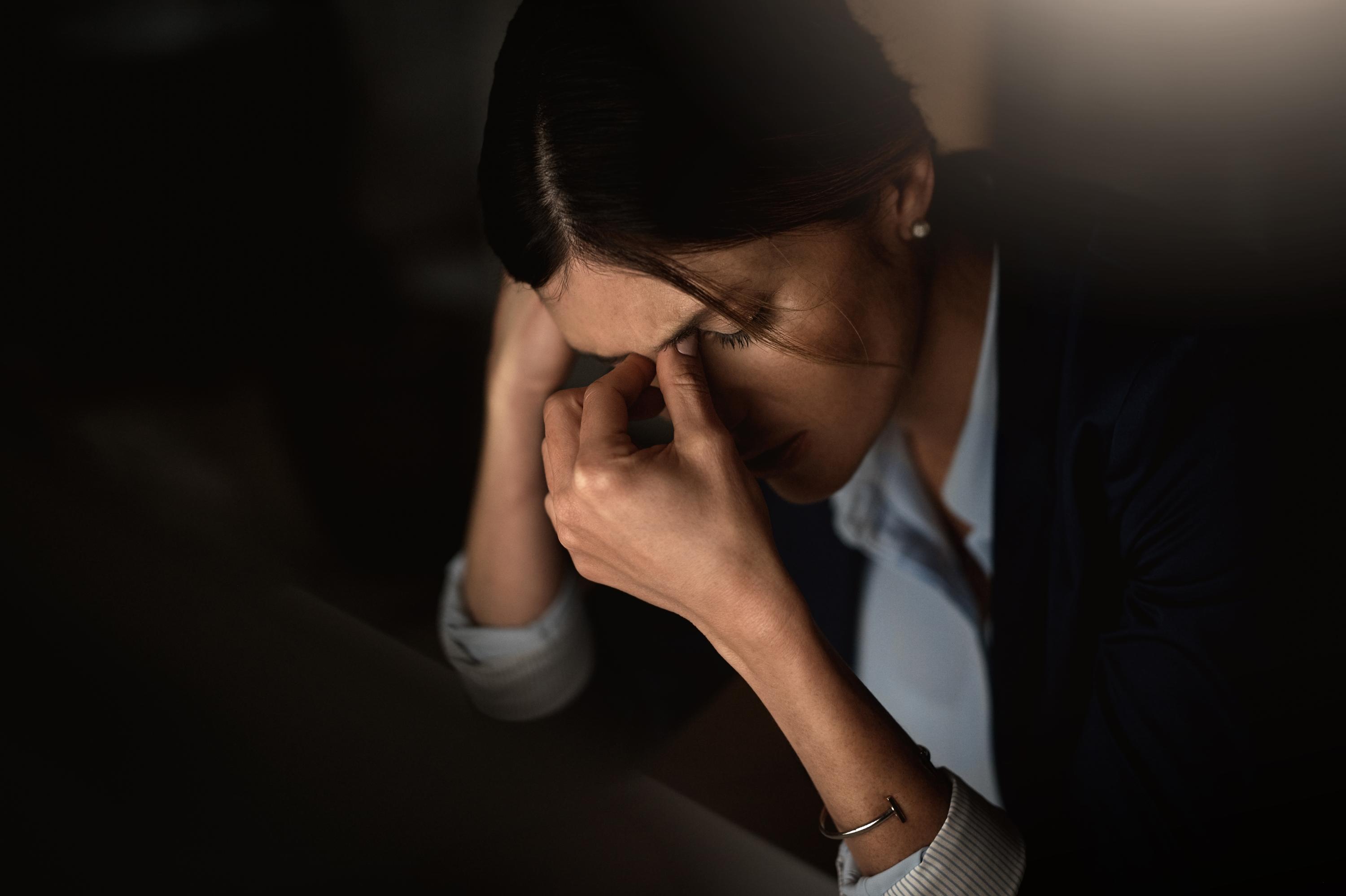
Burnout sneaks up when you least expect it—maybe you’re dragging through your day, feeling drained even after rest. Those signs of burnout don’t have to become your new normal. At Bigelow Counseling, we guide you through counseling for stress and therapy for burnout that fits your life. Ready to feel like yourself again? Keep reading to find out how to spot burnout symptoms early and start your path to recovery.
Recognizing Burnout Symptoms
Feeling overwhelmed and exhausted can signal burnout. Recognizing these signs early is crucial to regaining balance and energy in your life.
Common Signs of Burnout
When you’re facing burnout, your body and mind send signals. You might feel constantly tired, even after getting enough sleep. You may notice a lack of motivation to tackle tasks you once enjoyed. Irritability and difficulty concentrating can also be red flags. It’s like a fog that clouds your thoughts and feelings. Catching these signs means you can take steps to improve your well-being.
Burnout doesn’t just affect your mood. It can impact your physical health, too. Headaches, stomach issues, and changes in sleep patterns are common. These symptoms can build over time, making daily life harder to manage. Understanding these signals lets you seek help before burnout takes a deeper toll.
Why Burnout Happens
Burnout often stems from prolonged stress. When demands at work, home, or within yourself become too much, your body struggles to cope. The pressure can feel unending, leaving you feeling stuck in a cycle of stress. This process doesn’t happen overnight. It builds as stressors accumulate.
Sometimes, burnout occurs because of a mismatch between your values and your current situation. You might feel that your efforts aren’t recognized, leading to frustration. Recognizing these causes helps you make changes that align with your needs and values.
Impact on Daily Life
Burnout can sneak into every part of your life. Tasks that were once simple may feel overwhelming. Relationships might suffer as irritability and withdrawal take over. You may find it hard to maintain social connections, which can add to feelings of isolation.
This stress can make it challenging to enjoy things you once loved. Your quality of life diminishes, and it’s hard to see a way forward. Recognizing this impact is a crucial step in deciding to seek help and make changes.
Therapy for Burnout Recovery

Recovering from burnout requires more than just rest. Therapy offers tools and support to rebuild balance and resilience in your life.
Benefits of Counseling for Stress
Counseling provides a safe space to explore your feelings. A therapist can help you identify the root causes of your stress. They offer strategies to manage stressors and develop healthier coping mechanisms. By addressing these issues, you can start to feel more in control and less overwhelmed.
Through counseling, you gain insights into your triggers and response patterns. This awareness allows you to make informed decisions about changes that can improve your life. It’s about creating a toolkit for managing stress more effectively.
How Bigelow Counseling Can Help
At Bigelow Counseling, we offer personalized support to help you navigate burnout. Our therapists understand the unique challenges you face. We provide a range of services to fit your needs, from individual counseling to life coaching.
Our compassionate team helps you explore your experiences and set realistic goals. Through therapy, you can find ways to rediscover what brings you joy and purpose. Learn more about how Bigelow Counseling supports recovery from burnout.
EMDR Therapy in Palm Beach
EMDR therapy is a powerful tool for addressing trauma-related burnout. At Bigelow Counseling, we offer this specialized therapy to help you process traumatic experiences. EMDR can reduce the emotional impact of memories that contribute to stress and burnout.
This therapy involves guided sessions where you focus on processing certain thoughts and feelings. It can help you break free from the grip of past traumas. Consider EMDR as part of your path to recovery with a Palm Beach therapist.
Steps to Feel Better

Taking steps toward recovery involves making changes in your daily life. Here’s how you can start feeling better.
Setting Boundaries at Work
Establishing clear boundaries at work is crucial. Start by identifying tasks that drain your energy. Communicate your limits to colleagues and supervisors. Prioritizing your tasks can help you regain control over your workload.
Make time for breaks throughout your day. This practice helps recharge your energy and improve focus. Remember, balancing work with rest is key to preventing burnout.
Finding Compassion Fatigue Support
If you’re in a caregiving role, compassion fatigue can add to burnout. Finding support from others who understand your experience is vital. Join groups or communities that offer empathy and advice. Sharing your challenges can lighten the emotional load.
Consider seeking professional support to address compassion fatigue. Therapy can guide you through managing these feelings and preventing them from affecting your well-being.
Seeking Online Therapy in Florida
Online therapy offers a convenient way to access support from home. It’s a flexible option that fits into your schedule. Whether you’re in Palm Beach or anywhere in Florida, you can connect with a therapist who understands your needs.
Online therapy allows you to explore your feelings in a comfortable setting. It’s an effective way to work on recovery from burnout with guidance from experienced professionals.
Frequently Asked Questions
What are common signs of burnout?
Burnout often includes chronic fatigue, lack of motivation, irritability, and difficulty concentrating. Physical symptoms like headaches and sleep disturbances are also common.
Why does burnout happen?
Burnout usually results from prolonged stress and a mismatch between personal values and work or life demands. It accumulates over time as stressors build up.
How can therapy help with burnout recovery?
Therapy offers strategies to manage stress, understand triggers, and develop healthier coping mechanisms. It provides support and guidance tailored to your needs.
What is EMDR therapy, and how does it help with burnout?
EMDR therapy helps process traumatic experiences contributing to burnout. It reduces the emotional impact of memories, offering a path to recovery.
Can I access therapy for burnout online in Florida?
Yes, online therapy is available and offers a convenient way to receive support from anywhere in Florida. It’s flexible and fits into your schedule.