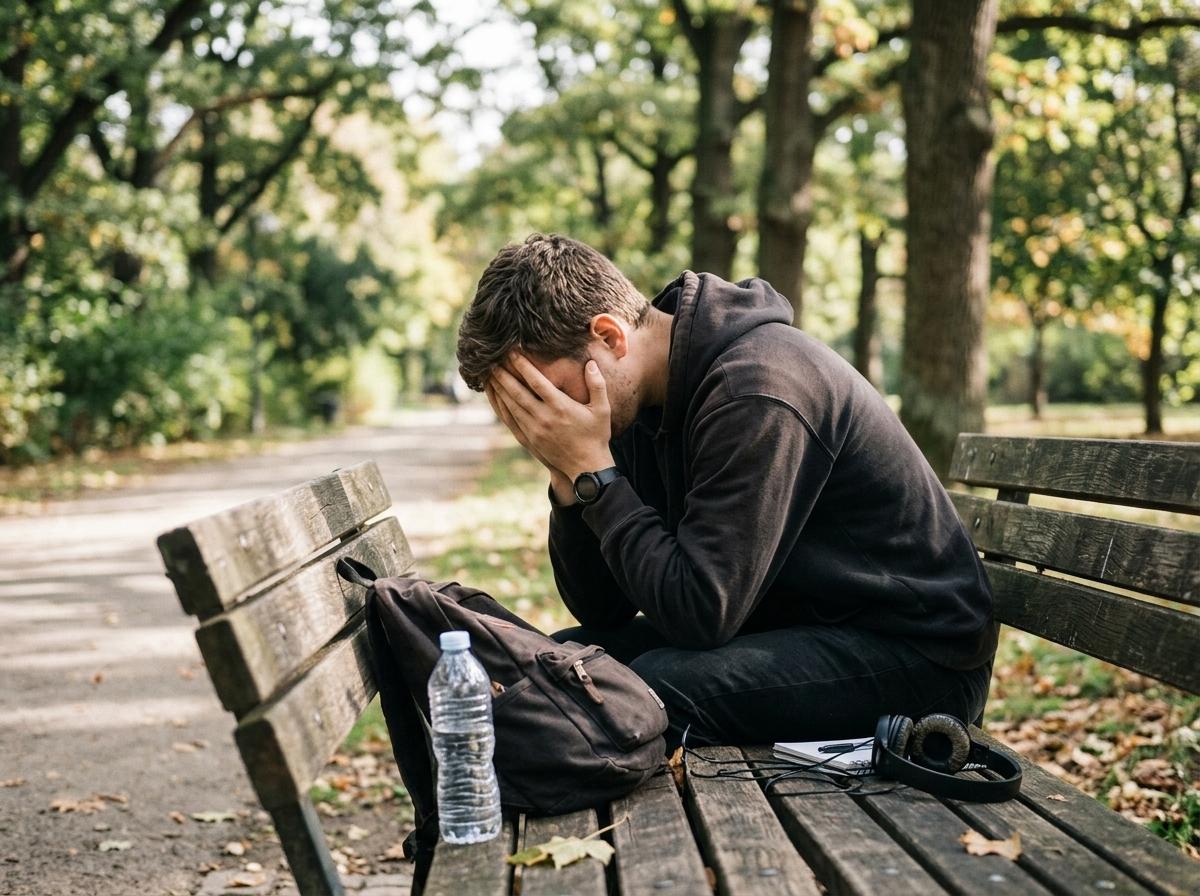
Burnout doesn’t just make you tired—it quietly chips away at your mental health. When chronic stress and emotional exhaustion pile up, it’s easy to mistake burnout for depression or anxiety. Knowing the key signs of burnout can stop this cycle before it takes over your life. Let’s explore how burnout symptoms show up and what steps you can take toward healing with LGBTQ affirming therapy in Palm Beach or online across Florida. Ready to feel like yourself again?
Recognizing Burnout Symptoms
When you notice burnout creeping in, it’s important to identify it early. Understanding emotional exhaustion, chronic stress, and anxiety can help you take the next steps toward recovery.
Identifying Emotional Exhaustion
Emotional exhaustion can feel like you’re running on empty. You might find that you have less patience or feel overwhelmed by daily tasks. This isn’t just being tired; it’s a deeper depletion of your emotional resources. Think about the last time you felt truly refreshed. If it’s been a while, emotional exhaustion might be at play.
Emotional exhaustion often shows up in your interactions with others. You may withdraw from social situations or feel detached from your friends and family. It’s not unusual to feel irritable or snap at others without understanding why. Recognizing these patterns is key to reclaiming your energy and well-being.
Chronic Stress vs. Normal Stress
Understanding the difference between chronic stress and normal stress is crucial. Normal stress is temporary and often related to specific events. Chronic stress, however, persists over time. It can stem from ongoing situations like work pressure or personal challenges. If stress feels like it’s part of your daily routine, it’s time to address it.
Unlike normal stress, chronic stress can lead to more significant health issues, including burnout. It affects your sleep, mood, and physical health. If you’re constantly feeling on edge or unable to relax, you’re likely experiencing chronic stress. Identifying this can be the first step in finding relief.
Anxiety and Burnout Signs
Burnout and anxiety often go hand-in-hand. It’s common to feel anxious when you’re burned out, but it’s important to differentiate between the two. Anxiety can cause restlessness, a racing heart, and persistent worry. Burnout, on the other hand, tends to manifest as exhaustion and detachment.
To pinpoint whether anxiety is a result of burnout, consider how your symptoms have evolved. If they intensify with work-related stress, burnout might be the underlying issue. These signs indicate it’s time to explore supportive resources that can help restore balance.
The Impact on Mental Health

Burnout can deeply affect your mental health, making it essential to understand how it differs from depression. Work stress can further complicate your well-being, especially if you identify with the LGBTQ community.
Burnout vs Depression: Key Differences
Burnout and depression share similarities but are distinct in their impacts. Burnout is usually linked to external factors like work, while depression can persist regardless of circumstances. Understanding these differences helps in seeking appropriate support.
Depression often involves feelings of hopelessness and a lack of interest in activities. Burnout, however, is characterized by exhaustion and reduced performance. Recognizing these distinctions is crucial for seeking the right help and finding effective strategies for recovery.
How Work Stress Affects Well-being
Work stress is a significant contributor to burnout. It affects your mental and physical health, leading to sleep issues, irritability, and reduced concentration. When work stress becomes overwhelming, it’s critical to acknowledge its impact and take steps to manage it.
A supportive work environment and healthy boundaries are essential for maintaining well-being. If you find that work stress is affecting your health, it’s time to consider strategies like therapy or coaching to regain control over your life.
Importance of LGBTQ Affirming Therapy
For those in the LGBTQ community, affirming therapy is vital. It offers a safe space to explore unique challenges and stresses that may contribute to burnout. This type of therapy acknowledges and supports your identity, fostering a healing environment.
LGBTQ affirming therapy provides specialized support that can address both personal and cultural stressors. It’s an opportunity to connect with therapists who understand and respect your experiences, helping you navigate challenges with confidence and resilience.
Steps Toward Recovery

Taking steps to recover from burnout is essential. Exploring therapy options like EMDR in Florida, executive coaching, and counseling in Palm Beach can guide you on your path to healing.
Exploring EMDR Therapy in Florida
EMDR (Eye Movement Desensitization and Reprocessing) therapy is an effective option for coping with burnout and trauma. It helps process distressing memories, reducing their lingering impact on your daily life. If past experiences contribute to your current burnout, EMDR can be particularly beneficial.
This therapy can alleviate symptoms by targeting the root cause of stress. As you work through challenging memories, you can expect to feel more at ease and less burdened by burnout. EMDR provides a structured approach to healing, offering relief and renewed energy.
Benefits of Executive Coaching for Burnout
Executive coaching offers strategic support for overcoming burnout, especially for professionals. It focuses on work-life balance, stress management, and enhancing personal effectiveness. If career challenges contribute to burnout, coaching provides tailored strategies to navigate them.
Coaching helps you set achievable goals and develop skills to manage stress effectively. It’s a proactive step toward reclaiming control over your professional life and preventing future burnout. With guidance from a coach, you can foster a healthier relationship with work.
Seeking Counseling in Palm Beach 🌈
Counseling provides a supportive space to explore and address burnout. In Palm Beach, you’ll find inclusive environments that cater to diverse needs, including those of the LGBTQ community. Counseling helps you understand the sources of burnout and develop coping strategies.
Through counseling, you can gain insights into your experiences and build resilience. It’s an opportunity to work with professionals who understand your challenges and support your journey toward recovery. Whether in-person or online, counseling offers the guidance you need to heal.
Frequently Asked Questions
What are the first signs of burnout?
The initial signs of burnout often include feelings of exhaustion, irritability, and detachment from daily activities. You might also notice a decrease in performance and increased cynicism about your work or responsibilities.
How is burnout different from stress?
While stress is a reaction to specific demands, burnout is a state of chronic stress that leads to emotional exhaustion and reduced motivation. Stress can be temporary, but burnout is more prolonged and requires intentional recovery efforts.
Can burnout lead to depression?
Yes, prolonged burnout can increase the risk of depression. Both share symptoms such as fatigue and disinterest, but depression also includes persistent feelings of hopelessness and worthlessness, which burnout alone does not.
How can LGBTQ affirming therapy help with burnout?
LGBTQ affirming therapy provides a safe space to explore identity-related challenges and stressors without judgment. This supportive environment helps individuals address burnout while acknowledging and validating their unique experiences.
What role does EMDR therapy play in treating burnout?
EMDR therapy helps process traumatic memories that may contribute to burnout. By addressing these memories, EMDR reduces their emotional impact, leading to decreased stress and improved mental health.