
Tag: counseling near me

  • EMDR Therapy Explained: What It Is, How It Works, and Who May Benefit

    EMDR Therapy Explained: What It Is, How It Works, and Who May Benefit

    EMDR therapy often feels like a mystery, especially when anxiety, depression, or trauma weigh heavy. Knowing what is EMDR and how EMDR works can open doors to healing that might have seemed out of reach. At Bigelow Counseling, EMDR Palm Beach specialists offer trauma therapy tailored to your unique story, creating a safe space for growth and recovery. Feeling ready to heal with support that meets you where you are? Schedule a free 15-minute consultation to explore if EMDR fits your path forward.

    Understanding EMDR Therapy

    EMDR therapy offers a unique approach to healing by focusing on the way memories are stored and processed. Let’s explore what this therapy entails and how it can benefit you.

    Eye Movement Desensitization and Reprocessing

    Eye Movement Desensitization and Reprocessing, or EMDR, is a form of therapy that helps people heal from trauma or distressing life experiences. Unlike traditional talk therapy, EMDR uses eye movements or other types of bilateral stimulation to help the brain process and integrate traumatic memories. This method is effective for many individuals because it allows the brain to process painful memories and reduce their impact. The American Psychological Association recognizes it as an effective treatment for PTSD.

    How EMDR Works

    EMDR therapy involves eight phases, each designed to address aspects of trauma. Initially, the therapist gathers your history and prepares you for the process. During the desensitization phase, eye movements help process disturbing memories. This technique is thought to reduce the emotional impact of traumatic memories by changing how these memories are stored in the brain. Research from the National Institutes of Health supports the effectiveness of EMDR in treating PTSD, showcasing its potential to bring relief and healing.

    EMDR Benefits

    The benefits of EMDR therapy are significant and diverse. It can reduce the symptoms of PTSD, lessen anxiety, and even enhance self-esteem. Clients often report feeling lighter and more at peace after sessions. Additionally, EMDR can lead to quicker recovery compared to traditional therapy methods, making it a valuable option for those seeking timely relief. The therapy not only tackles trauma but also empowers individuals, fostering growth and a renewed sense of hope.

    Who Can Benefit from EMDR
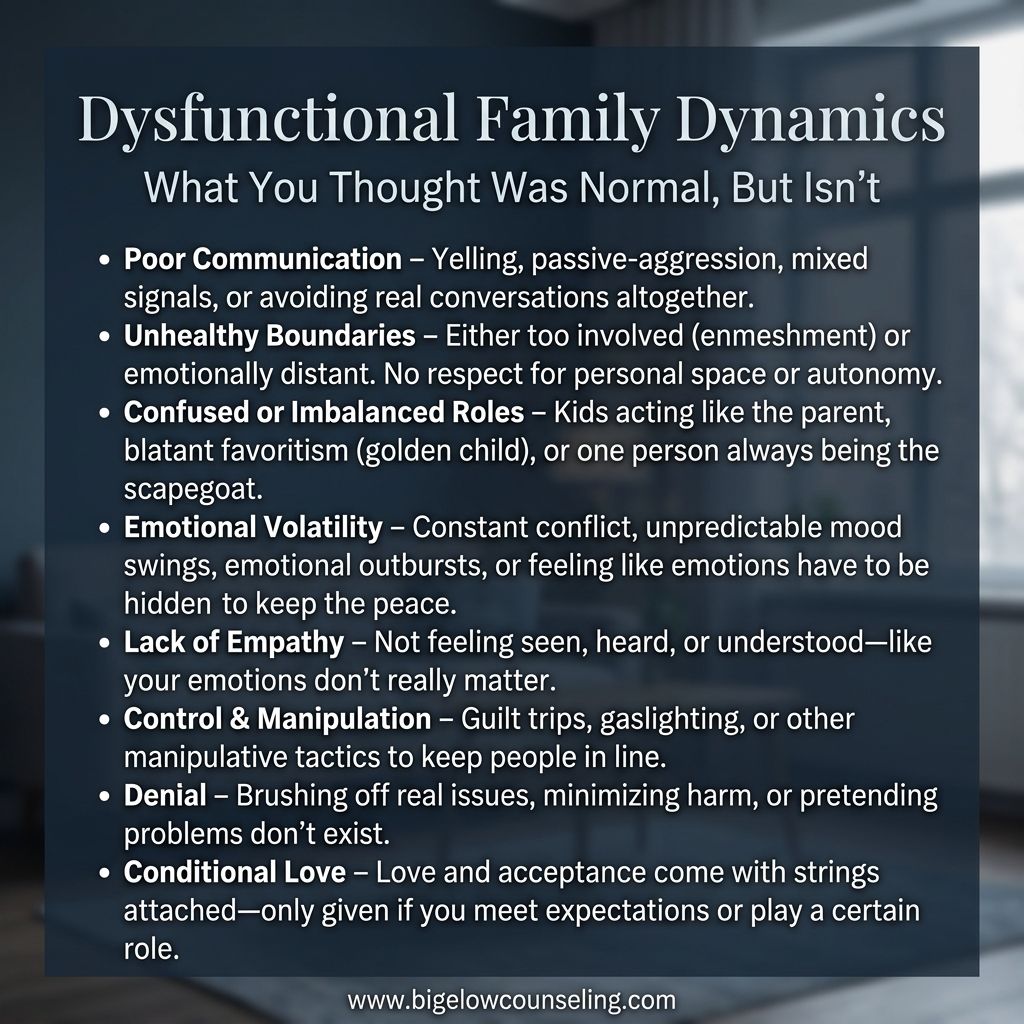
    EMDR therapy is not just for trauma survivors; it offers healing potential for various individuals facing emotional challenges.

    Trauma Survivors and PTSD

    Trauma survivors, especially those with PTSD, can greatly benefit from EMDR therapy. It provides a structured way to process traumatic memories, reducing their intensity and helping individuals regain control over their lives. By reprocessing these memories in a safe environment, you can find relief from the symptoms that have been holding you back. The Cleveland Clinic highlights EMDR as an effective tool for overcoming trauma.

    Anxiety and Depression Relief

    Beyond trauma, EMDR can be a powerful tool for those dealing with anxiety and depression. It works by addressing the underlying causes and helping reframe negative thought patterns. This therapy can reduce the severity of symptoms and provide a clearer path to recovery. For many, it offers a chance to break free from the cycle of anxiety and depression and discover a more fulfilling way of living.

    LGBTQ Affirming Therapy

    Bigelow Counseling is committed to providing a safe and supportive space for the LGBTQ+ community. EMDR therapy can address unique challenges faced by LGBTQ+ individuals, including the impact of discrimination and identity struggles. Our approach ensures that therapy is affirming and inclusive, allowing you to heal in an environment where you feel understood and accepted.

    EMDR Therapy at Bigelow Counseling
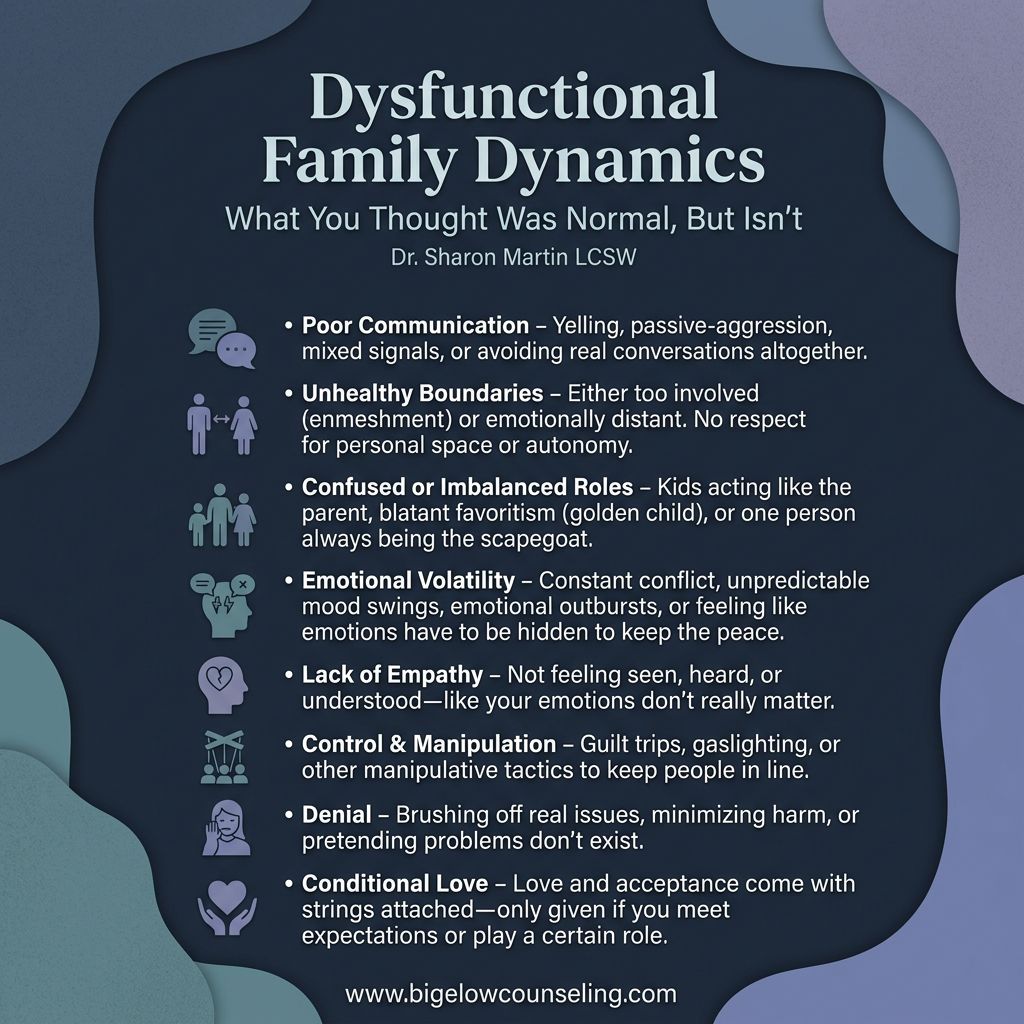
    At Bigelow Counseling, we offer an empathetic approach to EMDR therapy, tailored to meet your individual needs.

    Personalized Trauma Therapy Palm Beach

    Our therapists in Palm Beach specialize in crafting personalized trauma therapy plans. Each session is designed to meet your unique needs and goals, providing a safe space to explore and heal from past traumas. Our personalized approach ensures that you receive the best care possible, with therapy sessions tailored to your individual journey.

    Compassionate and Safe Space Therapy

    We pride ourselves on creating a warm and welcoming environment for everyone. Our therapists are trained to provide compassionate care, ensuring that your therapy experience is both effective and supportive. Whether you’re dealing with trauma, anxiety, or depression, you’ll find a safe space to explore your feelings and work towards healing.

    Booking Your Free Consultation

    Curious if EMDR therapy is right for you? At Bigelow Counseling, we offer a free 15-minute consultation to help you explore your options and determine the best path forward. This initial conversation is an opportunity to discuss your needs and learn more about our approach, allowing you to make an informed decision about your therapy journey. The longer you wait, the longer it takes to find relief and healing.

    Frequently Asked Questions

    What is EMDR therapy?

    EMDR therapy is a treatment that uses eye movements to help the brain process and integrate traumatic memories, reducing their emotional impact.

    How does EMDR work?

    EMDR involves eight phases, using eye movements to reprocess disturbing memories, helping to change how these memories are stored in the brain.

    Who can benefit from EMDR therapy?

    EMDR is beneficial for trauma survivors, those with PTSD, and individuals experiencing anxiety or depression. It’s also affirming therapy for the LGBTQ+ community.

    Is EMDR effective for anxiety and depression?

    Yes, EMDR can address the underlying causes of anxiety and depression, helping to reframe negative thought patterns and reduce symptoms.

    How can I start EMDR therapy at Bigelow Counseling?

    You can start by booking a free 15-minute consultation with us to discuss your needs and explore if EMDR therapy is a good fit for you.


  • Rest or Push Through? How to Listen to Your Body and Mind

    Rest or Push Through? How to Listen to Your Body and Mind

    Feeling drained but pushing through like it’s the only option? Many people confuse being tired with real burnout, missing the crucial signs you need rest. This post helps you spot when your body and mind are asking for a pause instead of more effort. Keep reading to learn how to protect your well-being with smart stress management tips—and find out how Bigelow Counseling supports your healing and balance in Palm Beach and beyond.

    Recognizing the Need for Rest

    It’s essential to understand when your body is signaling a need for rest. Recognizing these signs helps safeguard your mental and physical well-being. Let’s explore the symptoms that might indicate you need to pause and recharge.

    Signs You Need Rest

    When you’re constantly feeling exhausted, it might be more than just a busy week. You may notice you’re not sleeping well, even when you have the time. Your appetite might change, or you might feel irritable without any clear reason. These are all signs you need rest.

    Your body sends signals when it’s time to slow down. If you’re experiencing headaches or getting sick more often, it’s a sign your immune system is stressed. Listen to these signals to avoid further strain. Ignoring them can lead to more serious issues down the road, such as burnout or chronic fatigue.

    Remember, rest is not a luxury. It’s a necessity for maintaining a healthy life. A short break can improve your focus and energy levels. Don’t wait until you’re completely drained to take some time off. By acknowledging the signs early, you can take proactive steps to restore your balance.

    Burnout vs. Tired

    Many people confuse being tired with burnout, but they’re not the same. Tiredness is a temporary state that improves with rest. Burnout is more severe and doesn’t go away with a good night’s sleep.

    Burnout happens when stress becomes overwhelming. You might feel detached from your work or lose interest in activities you once enjoyed. It can cause emotional exhaustion and a sense of hopelessness. In contrast, tiredness usually resolves after adequate rest.

    Understanding the difference helps you take the right steps. If you’re facing burnout, it’s time to seek support, like counseling or coaching. Bigelow Counseling is here to help you navigate through such challenges, offering support tailored to your needs.

    Strategies for Stress Management

    Now that we’ve covered the signs, let’s discuss strategies for managing stress effectively. Knowing when to rest versus when to push through is crucial for maintaining your well-being and productivity.

    When to Rest vs. Push Through

    Deciding between resting or pushing through can be tough. If your body feels heavy and you’re struggling to concentrate, rest might be the better choice. On the other hand, if you’re experiencing mild fatigue, a little push can sometimes help you finish tasks and then rest properly.

    Think of rest and effort as a balancing act. Rest when your body needs it, but don’t use it as an excuse to avoid tasks. If you feel slightly tired, try breaking tasks into smaller parts and tackling them one at a time. This approach can help you manage your workload without overwhelming yourself.

    When you sense genuine fatigue, prioritize rest. Even a short nap can rejuvenate your energy. For more on understanding resilience, you can check out this informative article.

    Self-Care and Boundaries

    Establishing self-care routines and boundaries is vital for stress management. Self-care isn’t just about treating yourself to something nice. It’s about making choices that protect your health and happiness.

    Set boundaries to prevent burnout. This might mean turning off work emails after hours or saying no to extra responsibilities when you’re at capacity. Protecting your time and energy is crucial for long-term wellness.

    Engaging in activities that bring joy and relaxation is also vital. Whether it’s reading, walking, or simply meditating, these activities recharge your spirit. For more insights on balancing rest and effort, explore this discussion.

    Supportive Counseling and Coaching

    If you’re struggling to manage stress on your own, consider seeking professional support. Counseling and coaching can provide guidance tailored to your unique challenges and goals.

    LGBTQ Affirming Counseling

    Finding an affirming space can make a world of difference, especially when exploring personal struggles. Bigelow Counseling offers a safe and supportive environment for the LGBTQ+ community. Our counselors understand the unique challenges you may face and are here to help you navigate them with compassion.

    In therapy, you can explore your identity and work through any issues in a judgment-free space. This type of support can be empowering, helping you build resilience and self-acceptance. Remember, seeking help is a sign of strength. You’re taking an important step toward healing and growth.

    Professional Coaching Palm Beach

    For professionals facing burnout or career stagnation, executive coaching can be a game-changer. Bigelow Counseling provides coaching designed to reignite your passion and drive. Our coaches work with you to identify goals, overcome obstacles, and achieve professional success.

    This tailored approach helps you develop skills and strategies to thrive in your career. Whether it’s enhancing leadership abilities or managing work-life balance, coaching offers valuable insights and support. Gain the tools you need to excel in your field while maintaining your well-being.

    Frequently Asked Questions

    How do I know if I need more rest?

    Listen to your body. If you’re constantly tired, irritable, or experiencing physical symptoms like headaches, you likely need more rest.

    What’s the difference between burnout and being tired?

    Tiredness resolves with rest, while burnout is more severe and doesn’t improve with sleep. Burnout involves emotional exhaustion and loss of interest.

    How can I manage stress effectively?

    Balance rest and effort, establish self-care routines, and set boundaries. Consider professional support if stress becomes overwhelming.

    What is LGBTQ affirming counseling?

    It’s counseling in a safe, supportive space for LGBTQ+ individuals. It helps explore identity and issues without judgment.

    How can executive coaching help with career challenges?

    Coaching provides tailored guidance to overcome obstacles, improve skills, and achieve goals, helping you thrive professionally.