Tag: EMDR therapy Florida

  • How Trauma Shapes Trust, Confidence, and Everyday Reactions—and How to Heal

    How Trauma Shapes Trust, Confidence, and Everyday Reactions—and How to Heal

    Trauma changes how trust feels, how confidence looks, and how everyday moments unfold—often in ways that seem confusing or frustrating. When reactions like hypervigilance, withdrawal, or people-pleasing take over, it’s not personal; it’s survival. This post shares how trauma therapy Palm Beach clients find balance again, explaining common patterns and offering tools to calm your nervous system and rebuild confidence after trauma. Ready to explore a path toward feeling safer? Learn more about the effects of trauma.

    Understanding Trauma’s Impact

    Trauma leaves deep impressions on trust and self-confidence, altering daily interactions. Understanding these impacts can guide steps toward healing.

    How Trauma Affects Trust

    Trauma can make trust feel elusive. You might find yourself second-guessing others’ intentions or feeling anxious in relationships. This protective mechanism is rooted in past experiences. You aren’t alone; many experience these challenges. Acknowledging this is the first step.

    Learning to trust again takes time. It involves small steps and patience with yourself. You might start with low-stakes interactions, gradually building up confidence. Professional guidance can offer support on this journey. Explore insights on trust, safety, and control.

    Rebuild Confidence After Trauma

    Trauma often shakes self-belief. You may doubt your abilities or worry excessively about others’ opinions. Confidence can feel like a distant memory. But rebuilding is possible and begins with self-awareness.

    Celebrate small victories to regain self-assurance. Focus on your strengths and achievements. Journaling can be a powerful tool, helping you track progress and recognize patterns. Support from a counselor can further aid in rebuilding confidence.

    Hypervigilance and Anxiety Explained

    Hypervigilance is a common response to trauma. It’s the feeling of being on constant alert, as if danger lurks around every corner. This response stems from past experiences, where vigilance was necessary for survival. Although it’s protective, it can become exhausting.

    Techniques such as mindfulness can help ease anxiety. By grounding yourself in the present, you can reduce the intensity of anxious thoughts. Therapists skilled in trauma therapy can provide personalized strategies to manage these feelings. For more, see how trauma changes your brain and body.

    Navigating Common Reactions

    Common reactions to trauma include fight, flight, freeze, and fawn. Understanding these responses can help normalize your experiences and guide healing.

    Fight, Flight, Freeze, Fawn Responses

    These survival responses are your body’s way of protecting you from perceived threats. Understanding each one can aid in recognizing your patterns and reactions.

    When faced with stress, your body may instinctively choose to confront (fight), escape (flight), remain still (freeze), or appease (fawn). Each reaction serves a purpose. Recognizing them can help in managing situations more effectively. Awareness is key to change. Check for more details on common reactions to trauma.

    Attachment Wounds and Healing

    Trauma can affect your attachment style, influencing relationships. You might fear abandonment or crave constant reassurance. Healing involves understanding these patterns and their roots.

    Therapy provides a space to explore attachment wounds. By recognizing patterns, you can work toward healthier relationships. Building secure attachments is possible with effort and guidance from a caring professional.

    Boundaries After Trauma

    Setting boundaries is vital for healing. Trauma can blur personal limits, making it hard to say no or prioritize self-care. Establishing boundaries supports emotional well-being.

    Start by identifying areas in your life needing boundaries. Practice asserting your needs gently but firmly. With time, setting boundaries becomes easier, fostering healthier relationships and self-respect.

    Tools and Healing Options

    Healing from trauma involves tools and support that address both mind and body. Understanding these options can empower your journey.

    EMDR Therapy Florida

    Eye Movement Desensitization and Reprocessing (EMDR) is a powerful therapy for trauma. It helps process traumatic memories, reducing their hold on you. Clients often report feeling lighter and more in control after sessions.

    EMDR sessions involve guided eye movements while recalling distressing events. This method helps rewire the brain’s response to trauma. It’s a transformative experience for many, offering relief where other therapies may have struggled. Learn more about EMDR Therapy.

    Nervous System Regulation Techniques

    Regulating your nervous system is crucial. Techniques like deep breathing, meditation, and gentle movement can help calm your body’s stress response.

    Incorporate these practices into your daily routine. Small moments of mindfulness can make a significant difference. They offer a sense of control and peace, aiding in long-term healing.

    Couples Counseling for Trust Issues

    Trauma can strain relationships, but couples counseling offers hope. Working with a therapist can help rebuild trust and improve communication.

    Counseling sessions provide a safe space to explore feelings and patterns. Through guided discussions, couples can learn to understand each other better and strengthen their bond. This process fosters a healthier relationship and personal growth.

    Frequently Asked Questions

    What is EMDR therapy and how does it help with trauma?

    EMDR therapy involves guided eye movements to help process traumatic memories. This method rewires the brain’s response, reducing the emotional hold of these memories. Many find it effective for relieving trauma symptoms.

    How can I rebuild trust in relationships after trauma?

    Start by acknowledging your feelings and taking small steps toward trusting again. Professional guidance can support this process. Couples counseling can also provide a structured approach to rebuilding trust.

    What are the fight, flight, freeze, and fawn responses?

    These are survival responses to perceived threats. They include confronting (fight), escaping (flight), staying still (freeze), or appeasing (fawn). Understanding these can help manage your reactions better.

    How can I set boundaries after experiencing trauma?

    Identify areas needing boundaries and practice asserting your needs. Start small and gradually expand your boundaries. This practice supports emotional well-being and fosters healthier relationships.

    What are some techniques for nervous system regulation?

    Techniques include deep breathing, meditation, and gentle movement. These practices help calm your body’s stress response and can be integrated into your daily routine for long-term benefits.


  • Feeling Drained? Signs of Emotional Exhaustion and When to Reach Out for Support

    Feeling Drained? Signs of Emotional Exhaustion and When to Reach Out for Support

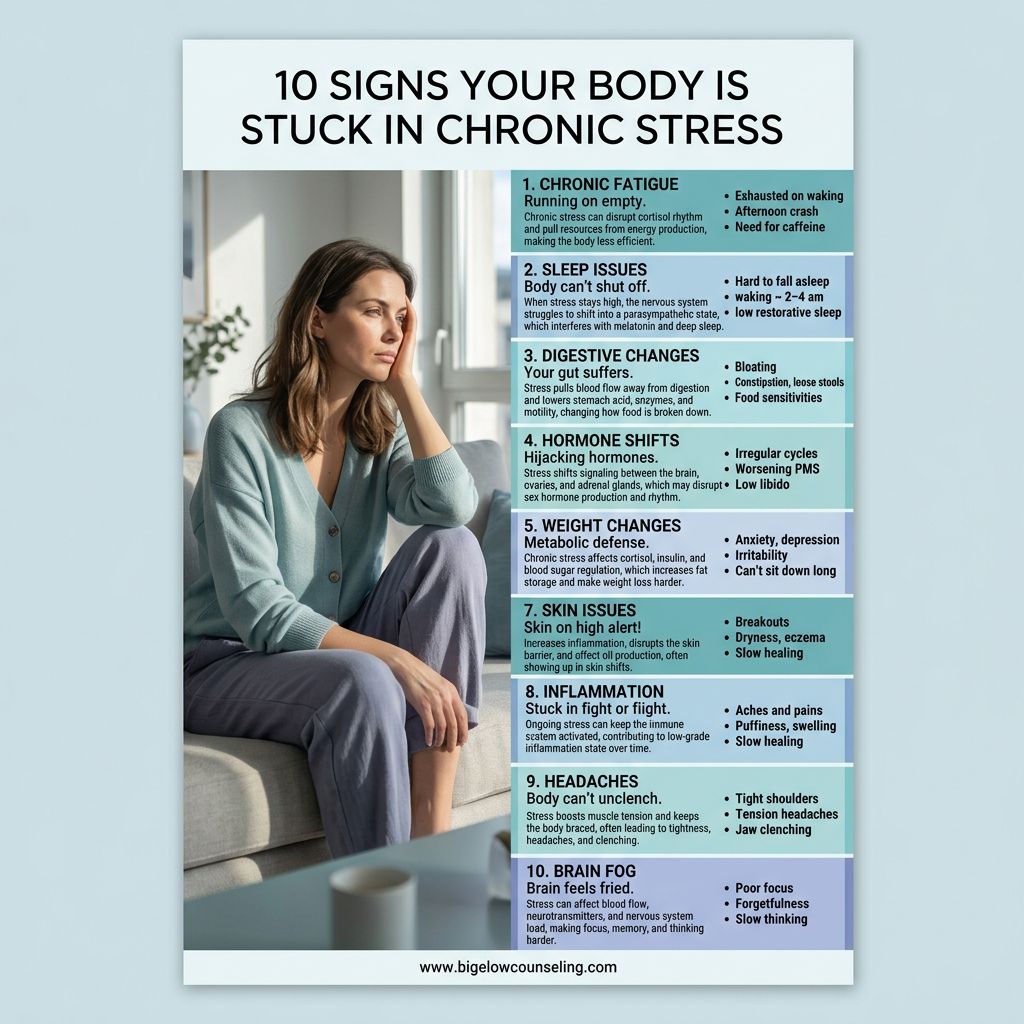
    Feeling drained doesn’t just mean being tired after a long day—it can signal emotional exhaustion creeping in. Recognizing the signs of burnout before it deepens can protect your well-being and peace of mind. This guide explores how to spot emotional exhaustion, understand its difference from depression, and know when to get help with a trusted Palm Beach therapist. Ready to feel like yourself again? Schedule a session with Bigelow Counseling—online or in-person in Palm Beach. New clients welcome. For more information on emotional exhaustion, check out this resource.

    Recognizing Emotional Exhaustion

    Understanding emotional exhaustion is the first step on your path to recovery. It’s crucial to know the signs before they take a larger toll on your mental health.

    Common Signs of Burnout

    Feeling constantly tired, withdrawing from social interactions, and losing interest in activities you once enjoyed are typical signs of burnout. You may also experience irritability and feel overwhelmed by daily tasks. These feelings aren’t just in your head—they’re your body’s way of signaling that it’s time to slow down. According to Healthline, emotional exhaustion can impact your physical health, leading to issues like headaches and sleep disturbances.

    If you notice these symptoms, take them seriously. Ignoring them can lead to more severe health problems. It’s not just about managing stress; it’s about maintaining your well-being and staying connected to the things that matter most to you.

    Burnout vs Depression: Key Differences

    While burnout and depression may share some symptoms, like feeling down and losing interest, they differ significantly. Burnout is typically linked to external factors like work stress and can often be remedied by changing your environment or workload. Depression, however, is a more pervasive condition that affects every aspect of life and requires professional intervention.

    Understanding these differences helps you determine the right type of support. If you’re unsure, a consultation with a professional can provide clarity. This distinction is crucial for finding the most effective path to recovery. The Mayo Clinic offers further insight into these differences.

    Impact of Chronic Stress

    Chronic stress doesn’t just affect your mind; it can take a toll on your body, too. It can lead to anxiety, depression, and physical health issues like high blood pressure. The longer you let stress build up, the harder it becomes to break free.

    Recognizing the symptoms of chronic stress early can prevent long-term damage and lead to more effective management strategies. Engaging in activities that promote relaxation, such as mindfulness or exercise, can be beneficial. The key is to address stress before it becomes a chronic issue.

    When to Seek Help

    Recognizing when to reach out for help is vital for maintaining your mental health. It’s not a sign of weakness but a step towards healing.

    Knowing When to Get Help

    If you find yourself unable to perform daily tasks or feeling persistently unhappy, it might be time to seek professional help. Recognizing this need early can save you from prolonged distress. It’s important to listen to your body and mind. They often tell you when it’s time to reach out for support.

    Don’t wait for things to worsen. Reaching out to a Palm Beach therapist can be the first step toward feeling better and reclaiming your life.

    Benefits of Professional Support

    Professional support can offer you tailored strategies to manage stress and improve mental health. Therapists can help you develop coping mechanisms and provide a safe space to express your feelings. This support is invaluable in navigating complex emotions and situations.

    When you’re struggling, having someone to guide you can make all the difference. Professional help can lead to significant improvements in your overall well-being.

    Palm Beach Counselor Services

    Palm Beach offers a variety of counseling services tailored to meet your needs, from individual therapy to specialized support for trauma. Engaging with a local counselor means you’re not alone in this journey.

    Services in this area are designed to provide comprehensive support, ensuring you have access to the resources needed for healing. Whether you’re dealing with anxiety, depression, or relationship issues, there’s help available.

    Supportive Counseling Options

    Exploring different counseling options can help you find the right fit for your needs.

    EMDR Therapy Florida

    EMDR therapy is a powerful tool for those dealing with trauma. It helps process traumatic memories and reduce their lingering effects. This therapy can be life-changing for those who have struggled to find relief through other means.

    In Florida, many therapists specialize in EMDR, offering a clear path to recovery. If trauma has been holding you back, this therapy might be the solution you’ve been seeking.

    LGBTQ Affirming Counseling

    Finding a counselor who understands and supports LGBTQ+ issues is essential. Affirming counseling provides a safe space for exploration and acceptance, crucial for mental health and personal growth.

    For those in the LGBTQ+ community, having a supportive counselor can make a significant difference. It ensures that your unique needs and experiences are understood and addressed.

    Couples Counseling Palm Beach 🌈

    Couples counseling can help improve communication and resolve conflicts within relationships. It’s an opportunity to strengthen bonds and address issues that may be causing tension.

    In Palm Beach, couples counseling is available to support relationships in all stages. Whether you’re facing minor disagreements or significant challenges, professional support can guide you toward a healthier relationship.

    Frequently Asked Questions

    What are the first signs of emotional exhaustion?

    The first signs often include feeling constantly tired, irritable, and overwhelmed by daily responsibilities. It’s important to recognize these early to prevent further mental health issues.

    How can I differentiate between burnout and depression?

    Burnout is usually linked to external stressors and may improve with changes in those areas. Depression is more pervasive, affecting all aspects of life and requiring professional treatment.

    What should I do if I suspect I’m experiencing chronic stress?

    If you suspect chronic stress, it’s crucial to seek support. Professional help can guide you in developing effective coping strategies and improving your mental health.

    Home

  • Ready for Change? What to Expect from Individual Counseling at Bigelow Counseling

    Ready for Change? What to Expect from Individual Counseling at Bigelow Counseling

    Starting individual counseling in Palm Beach can feel like stepping into the unknown. The path ahead might seem unclear, especially when seeking trauma-informed counseling or LGBTQ+ affirming support. At Bigelow Counseling, sessions focus on clear goals and practical tools tailored to your needs, whether exploring EMDR therapy Florida or managing anxiety and depression. Take the next step toward change—schedule an individual counseling session or a brief consultation with Bigelow Counseling today.

    Starting Your Therapy Journey

    Initiating your therapy path with Bigelow Counseling opens doors to understanding and growth. You might wonder what sessions entail or how they flow. Let’s delve into these aspects for clarity and confidence.

    What to Expect in Sessions

    Each session is a safe space tailored to your needs. Your therapist will start by understanding your concerns and what you hope to achieve. This isn’t just a talk; it’s a guided interaction to explore feelings and thoughts. Most sessions last around 50 minutes, providing a focused time to address your goals.

    Therapy is a collaborative effort. You and your therapist will work as a team, adjusting strategies as needed. This ensures that your sessions remain relevant and effective. Over time, you’ll find yourself building skills to manage challenges outside the therapy room. This partnership is key to making lasting change in your life.

    Flow of Individual Counseling

    The process of individual counseling is like a journey, with each session building on the last. Initially, your therapist will guide you through setting clear, achievable goals. This helps in structuring future sessions to focus on what’s most important to you.

    As you progress, sessions will adapt to your evolving needs. This flexibility is crucial, as it allows you to tackle immediate concerns while still covering long-term objectives. Remember, your progress might not always be linear, and that’s perfectly normal. The aim is to keep moving forward, learning and growing along the way.

    Booking Your First Session

    Ready to take the first step? Booking a session at Bigelow Counseling is straightforward. Simply reach out via phone or their website to schedule a time that works for you. It’s important to choose a therapist you feel comfortable with, so don’t hesitate to ask questions during your initial contact.

    Starting therapy is a significant step toward personal growth, and having professional support can make this journey smoother. Whether you’re dealing with anxiety, depression, or just seeking to improve your life, reaching out is the first step to positive change.

    Inclusive, Affirming Environment

    Creating an inclusive and affirming environment is a cornerstone of Bigelow Counseling. This ensures every client feels safe and respected, particularly those from the LGBTQ+ community who seek a supportive space.

    LGBTQ+ Affirming Therapists

    Bigelow Counseling is proud to offer therapists who are not just accepting but affirming of LGBTQ+ identities. This means your therapist understands the unique challenges you might face and provides support that acknowledges these experiences. This affirming approach is vital in creating a space where you can be yourself fully.

    Your identity is respected and celebrated, making it easier to address other concerns you might have. This supportive environment fosters a sense of belonging and acceptance, crucial for effective therapy. Here, you are more than just a client; you are a valued individual whose experiences matter.

    Trauma-Informed Counseling Approach

    A trauma-informed approach is essential for those who have experienced past traumas. At Bigelow Counseling, therapists are trained to recognize the impact of trauma and integrate this understanding into each session. This means creating a safe, respectful space where you feel understood and supported.

    Trauma-informed counseling goes beyond talking about past experiences. It involves developing coping strategies and resilience to move forward. This approach is crucial for healing, as it empowers you to address trauma in a way that feels safe and constructive.

    Tools for Personal Growth

    Therapy is a powerful tool for personal development. By using specific techniques, you can address various challenges effectively, paving the way for growth and healing.

    EMDR and Trauma Healing

    Eye Movement Desensitization and Reprocessing (EMDR) is a therapy technique used to address trauma. It’s designed to help you process and integrate traumatic memories, reducing their emotional impact. This method is especially useful for those who feel stuck because of past experiences.

    EMDR sessions at Bigelow Counseling focus on identifying triggers and working through them in a safe environment. This allows you to process trauma without feeling overwhelmed. Over time, you’ll notice a decrease in distress related to past events, paving the way for a more peaceful life.

    CBT and Anxiety Therapy Techniques

    Cognitive Behavioral Therapy (CBT) is a well-known method used to treat anxiety. It involves identifying negative thought patterns and replacing them with healthier ones. This technique is practical, focusing on present issues and how to manage them effectively.

    During sessions, you’ll learn strategies to handle anxiety-provoking situations. This might include breathing exercises, mindfulness, or other tools to keep anxiety in check. CBT empowers you to face challenges with confidence, improving your overall mental well-being.

    Frequently Asked Questions

    What should I bring to my first therapy session?

    Bring an open mind and any questions you have for your therapist. It’s helpful to think about what you want to achieve through therapy, but no preparation is necessary beyond that.

    How long does it take to see progress in therapy?

    Progress varies for each individual. Some notice changes after a few sessions, while others may take longer. The key is consistency and openness to the process.

    Is therapy confidential?

    Yes, therapy at Bigelow Counseling is confidential. Your privacy is respected and protected, allowing you to share openly and honestly.

    Can I switch therapists if I’m not comfortable?

    Absolutely. It’s important to feel comfortable with your therapist. If you feel a change is needed, Bigelow Counseling can assist in matching you with someone who might be a better fit.

    What if I can’t afford therapy?

    Discuss your financial situation with the counseling center. They may offer sliding scale fees or payment plans to make therapy more accessible.

  • 7 Signs Burnout Is Affecting Your Mental Health (And What To Do Next)

    7 Signs Burnout Is Affecting Your Mental Health (And What To Do Next)

    Burnout doesn’t just make you tired—it quietly chips away at your mental health. When chronic stress and emotional exhaustion pile up, it’s easy to mistake burnout for depression or anxiety. Knowing the key signs of burnout can stop this cycle before it takes over your life. Let’s explore how burnout symptoms show up and what steps you can take toward healing with LGBTQ affirming therapy in Palm Beach or online across Florida. Ready to feel like yourself again?

    Recognizing Burnout Symptoms

    When you notice burnout creeping in, it’s important to identify it early. Understanding emotional exhaustion, chronic stress, and anxiety can help you take the next steps toward recovery.

    Identifying Emotional Exhaustion

    Emotional exhaustion can feel like you’re running on empty. You might find that you have less patience or feel overwhelmed by daily tasks. This isn’t just being tired; it’s a deeper depletion of your emotional resources. Think about the last time you felt truly refreshed. If it’s been a while, emotional exhaustion might be at play.

    Emotional exhaustion often shows up in your interactions with others. You may withdraw from social situations or feel detached from your friends and family. It’s not unusual to feel irritable or snap at others without understanding why. Recognizing these patterns is key to reclaiming your energy and well-being.

    Chronic Stress vs. Normal Stress

    Understanding the difference between chronic stress and normal stress is crucial. Normal stress is temporary and often related to specific events. Chronic stress, however, persists over time. It can stem from ongoing situations like work pressure or personal challenges. If stress feels like it’s part of your daily routine, it’s time to address it.

    Unlike normal stress, chronic stress can lead to more significant health issues, including burnout. It affects your sleep, mood, and physical health. If you’re constantly feeling on edge or unable to relax, you’re likely experiencing chronic stress. Identifying this can be the first step in finding relief.

    Anxiety and Burnout Signs

    Burnout and anxiety often go hand-in-hand. It’s common to feel anxious when you’re burned out, but it’s important to differentiate between the two. Anxiety can cause restlessness, a racing heart, and persistent worry. Burnout, on the other hand, tends to manifest as exhaustion and detachment.

    To pinpoint whether anxiety is a result of burnout, consider how your symptoms have evolved. If they intensify with work-related stress, burnout might be the underlying issue. These signs indicate it’s time to explore supportive resources that can help restore balance.

    The Impact on Mental Health

    Burnout can deeply affect your mental health, making it essential to understand how it differs from depression. Work stress can further complicate your well-being, especially if you identify with the LGBTQ community.

    Burnout vs Depression: Key Differences

    Burnout and depression share similarities but are distinct in their impacts. Burnout is usually linked to external factors like work, while depression can persist regardless of circumstances. Understanding these differences helps in seeking appropriate support.

    Depression often involves feelings of hopelessness and a lack of interest in activities. Burnout, however, is characterized by exhaustion and reduced performance. Recognizing these distinctions is crucial for seeking the right help and finding effective strategies for recovery.

    How Work Stress Affects Well-being

    Work stress is a significant contributor to burnout. It affects your mental and physical health, leading to sleep issues, irritability, and reduced concentration. When work stress becomes overwhelming, it’s critical to acknowledge its impact and take steps to manage it.

    A supportive work environment and healthy boundaries are essential for maintaining well-being. If you find that work stress is affecting your health, it’s time to consider strategies like therapy or coaching to regain control over your life.

    Importance of LGBTQ Affirming Therapy

    For those in the LGBTQ community, affirming therapy is vital. It offers a safe space to explore unique challenges and stresses that may contribute to burnout. This type of therapy acknowledges and supports your identity, fostering a healing environment.

    LGBTQ affirming therapy provides specialized support that can address both personal and cultural stressors. It’s an opportunity to connect with therapists who understand and respect your experiences, helping you navigate challenges with confidence and resilience.

    Steps Toward Recovery

    Taking steps to recover from burnout is essential. Exploring therapy options like EMDR in Florida, executive coaching, and counseling in Palm Beach can guide you on your path to healing.

    Exploring EMDR Therapy in Florida

    EMDR (Eye Movement Desensitization and Reprocessing) therapy is an effective option for coping with burnout and trauma. It helps process distressing memories, reducing their lingering impact on your daily life. If past experiences contribute to your current burnout, EMDR can be particularly beneficial.

    This therapy can alleviate symptoms by targeting the root cause of stress. As you work through challenging memories, you can expect to feel more at ease and less burdened by burnout. EMDR provides a structured approach to healing, offering relief and renewed energy.

    Benefits of Executive Coaching for Burnout

    Executive coaching offers strategic support for overcoming burnout, especially for professionals. It focuses on work-life balance, stress management, and enhancing personal effectiveness. If career challenges contribute to burnout, coaching provides tailored strategies to navigate them.

    Coaching helps you set achievable goals and develop skills to manage stress effectively. It’s a proactive step toward reclaiming control over your professional life and preventing future burnout. With guidance from a coach, you can foster a healthier relationship with work.

    Seeking Counseling in Palm Beach 🌈

    Counseling provides a supportive space to explore and address burnout. In Palm Beach, you’ll find inclusive environments that cater to diverse needs, including those of the LGBTQ community. Counseling helps you understand the sources of burnout and develop coping strategies.

    Through counseling, you can gain insights into your experiences and build resilience. It’s an opportunity to work with professionals who understand your challenges and support your journey toward recovery. Whether in-person or online, counseling offers the guidance you need to heal.

    Frequently Asked Questions

    What are the first signs of burnout?

    The initial signs of burnout often include feelings of exhaustion, irritability, and detachment from daily activities. You might also notice a decrease in performance and increased cynicism about your work or responsibilities.

    How is burnout different from stress?

    While stress is a reaction to specific demands, burnout is a state of chronic stress that leads to emotional exhaustion and reduced motivation. Stress can be temporary, but burnout is more prolonged and requires intentional recovery efforts.

    Can burnout lead to depression?

    Yes, prolonged burnout can increase the risk of depression. Both share symptoms such as fatigue and disinterest, but depression also includes persistent feelings of hopelessness and worthlessness, which burnout alone does not.

    How can LGBTQ affirming therapy help with burnout?

    LGBTQ affirming therapy provides a safe space to explore identity-related challenges and stressors without judgment. This supportive environment helps individuals address burnout while acknowledging and validating their unique experiences.

    What role does EMDR therapy play in treating burnout?

    EMDR therapy helps process traumatic memories that may contribute to burnout. By addressing these memories, EMDR reduces their emotional impact, leading to decreased stress and improved mental health.

    Home

  • Inclusive Counseling: What It Offers LGBTQ+ Adults Seeking a Safer Space in Palm Beach

    Inclusive Counseling: What It Offers LGBTQ+ Adults Seeking a Safer Space in Palm Beach

    Finding a truly safe space for your story can feel impossible when many places miss the mark. If you’ve struggled to find LGBTQ+ counseling in Palm Beach that feels welcoming and real, you’re not alone. Inclusive counseling offers a place where your identity is honored and your experiences met with understanding—creating room to heal and grow. At Bigelow Counseling, we’re ready to walk alongside you in that safe space. For more insights on creating safety for LGBTQ+ clients and its essential role in therapy, explore this resource.

    Benefits of Inclusive Counseling

    Inclusive counseling opens doors to a supportive environment where every story is valued. Let’s explore how this approach can be a cornerstone for personal growth.

    Creating a Safe Space

    Finding a safe space matters, especially in therapy. It’s where you feel seen and heard. Bigelow Counseling offers just that: a welcoming place for all identities. Here, you won’t face judgment. Instead, you’ll find acceptance. Imagine a room where you can talk freely. That’s what safe space therapy is about. You’re not just another client; you’re a person with unique experiences.

    You might wonder how it feels to be in such a space. Picture walking into a session where your therapist gets you. They understand the layers of your identity. This comfort lets you open up more easily. Most people think therapy is intimidating, but a safe space changes that perception. It becomes a place where healing begins. Ready to feel at home in therapy?

    Affirming Therapist Support

    Having an affirming therapist can make all the difference. They’re there to support you, not judge. At Bigelow Counseling, therapists respect your journey. They know the importance of affirming your experiences. When you share your story, they listen deeply. You’ll feel understood and valued.

    Think of it this way: therapy without affirmation can feel hollow. But with an affirming therapist, you gain a partner in your journey. They’re there to celebrate your victories and support you in challenges. This relationship is built on trust and respect. The longer you wait to find this support, the longer you miss out on these benefits. Isn’t it time to experience this level of care?

    Building Trust in Therapy

    Trust is key in any therapeutic relationship. Without it, progress stalls. At Bigelow Counseling, building trust is a priority. This starts from your very first session. Therapists work to earn your trust, not demand it. They create an environment where you feel safe to be yourself.

    Ever felt hesitant to open up? You’re not alone. Many worry about vulnerability. But in a trusted space, sharing becomes easier. You’ll find that the more you trust, the more you gain from therapy. Trust allows for deeper exploration and healing. Are you ready to experience therapy built on trust?

    Specialized LGBTQ+ Counseling Services

    Offering specialized services ensures every client receives care tailored to their needs. Let’s delve into what makes LGBTQ+ counseling unique and beneficial.

    Trauma-Informed Counseling Techniques

    Trauma-informed counseling is essential for many. It recognizes the impact of trauma on your life. At Bigelow Counseling, therapists use techniques that respect your past. They understand how trauma can shape your experiences. This approach is not just about addressing trauma but also about recognizing resilience.

    You might think trauma is too big to overcome. But with the right support, healing is possible. Trauma-informed techniques help you feel safe and understood. Your therapist guides you through your healing journey, respecting your pace. This isn’t just therapy; it’s a partnership in recovery. Curious about how this can change your life?

    EMDR Therapy Florida

    EMDR therapy is a powerful tool for trauma recovery. It stands for Eye Movement Desensitization and Reprocessing. This method is effective in easing traumatic memories. At Bigelow Counseling, EMDR helps clients move past their trauma. It’s not just about revisiting the past; it’s about finding peace.

    Consider the freedom of a life where trauma no longer controls you. EMDR provides that chance. It’s a structured process but one that respects your needs. The therapy is about more than just sitting and talking. It’s a journey toward healing. Many find relief after just a few sessions. Is EMDR the right step for you?

    Trans and Queer-Affirming Care

    Trans and queer-affirming care is crucial for the LGBTQ+ community. It’s about more than acceptance; it’s about celebration. At Bigelow Counseling, therapists provide care that respects your identity. They understand the nuances of trans and queer experiences. This isn’t just support; it’s empowerment.

    Imagine therapy where you don’t have to explain your identity. Instead, you focus on your goals and healing. Trans and queer-affirming care makes this possible. It’s a space where your identity is not just accepted but embraced. This approach challenges the idea that therapy is one-size-fits-all. Are you ready for care that truly fits you?

    Booking Your First Session

    Taking the step to book a session is empowering. Here’s what to expect and how to make the most of your counseling experience.

    Exploring Confidential Counseling Options

    Confidential counseling is a cornerstone of effective therapy. It ensures your privacy is respected. At Bigelow Counseling, confidentiality is guaranteed. You can share your story without fear. This trust is vital for honest conversations.

    Some worry about privacy in therapy. But at Bigelow Counseling, confidentiality is a given. It allows you to explore your thoughts freely. Knowing your sessions are private encourages openness. This is where real progress happens. Ready to explore this safe space?

    Online Therapy Across Florida

    Online therapy offers convenience without compromising quality. At Bigelow Counseling, you can access therapy from anywhere in Florida. This flexibility suits busy lives. You get the same compassionate care, just through a screen.

    Most people think in-person is the only way. But online therapy breaks that mold. It’s just as effective and more accessible. You can fit therapy into your schedule without travel stress. Imagine achieving your goals from the comfort of your home. Why not try this convenient option?

    Flexible Scheduling and Consultations 🌈

    Scheduling shouldn’t be a barrier to therapy. At Bigelow Counseling, flexibility is a priority. You can find times that work for you. This ensures therapy fits seamlessly into your life.

    Ever felt therapy is too rigid? Not here. With flexible scheduling, you have control. It’s about making therapy work for you. Consultations are also available to discuss your needs. This initial step helps tailor your therapy journey. Isn’t it time to make therapy work on your terms?

    Home

  • How to Know When Stress Is Turning Into Burnout (And What to Do Next)

    How to Know When Stress Is Turning Into Burnout (And What to Do Next)

    Stress can feel like part of your daily grind, but when does it cross into full-blown burnout? Recognizing the signs of burnout early—especially emotional exhaustion—is key to stopping it before it takes over your life. This guide breaks down stress vs burnout so you can spot warning signs, try simple resets, and know when to reach out for professional burnout help. If these signs feel familiar, you don’t have to carry it alone. Schedule a confidential consultation with Bigelow Counseling—online across Florida or in-person in Palm Beach—to create a plan that fits you.

    Recognizing Stress vs Burnout

    Understanding how stress transforms into burnout is crucial. Stress may be temporary, but burnout sticks around longer and feels more intense.

    Key Differences Explained

    Stress often feels like a rush of energy. You might feel overwhelmed, but there’s hope you’ll overcome it. Burnout, however, is an extended state of mental and physical exhaustion. It can make you feel detached and unable to cope. Stress might make you more alert, but burnout dulls your senses, leaving you feeling empty and demotivated.

    Stress vs burnout is not just about how long you’ve been feeling tired. It’s about the quality of that tiredness. If you’re feeling like you’re just going through the motions, it’s time to pay attention. More than 50% of workers experience burnout, according to a 2021 survey. Recognizing these differences can help you take the right steps to reclaim your well-being.

    Early Warning Signs

    Catching burnout early can make all the difference. Look for signs like chronic fatigue, difficulty concentrating, and irritability. These symptoms creep in gradually, making it easy to ignore them until they’re severe. You might also notice changes in sleeping patterns or increased illnesses due to weakened immunity.

    Feeling disengaged or cynical at work can also be an indicator. When you notice these patterns, it’s crucial to take action. Most people think a vacation will solve everything, but without addressing the root cause, the relief is temporary. Keep an eye out for these signs to know when to take a step back and reassess your needs.

    Emotional Exhaustion Indicators

    Emotional exhaustion is a key player in burnout. You might feel like you have no energy left for family, friends, or even yourself. Small tasks feel impossible, and you struggle to find joy in activities you once loved. If getting out of bed feels like a monumental task, it’s a red flag.

    This kind of exhaustion goes beyond physical fatigue. It affects your motivation and outlook on life. You’re not alone in this. Many have felt the same way, and with the right support, you can find your way back to feeling like yourself. Remember, recognizing emotional exhaustion is a brave first step.

    Practical Steps to Address Burnout

    Let’s dive into actionable ways to tackle burnout. Recognizing the problem is only the beginning.

    Simple Self-Checks and Resets

    Start by checking in with yourself regularly. Ask simple questions like, “How am I feeling today?” or “What do I need right now?” These self-checks help you stay connected with your mental state. Try incorporating short breaks into your day. Even five minutes of mindful breathing can reset your mind.

    Most people think they need a major life change to feel better, but small shifts can make a huge impact. Consider keeping a journal to track your mood and energy levels. This can offer insights and highlight patterns. These self-care practices aren’t just feel-good activities. They’re essential for maintaining mental health.

    Professional Burnout Help Options

    Sometimes, self-care isn’t enough. That’s when professional support becomes invaluable. Therapists can offer tools and strategies tailored to your situation. They help you understand underlying causes and work towards long-term solutions. Online resources like HelpGuide provide information on how to access therapy.

    If you’re unsure where to start, Bigelow Counseling offers personalized sessions both in-person and online. They focus on creating a safe, understanding environment to explore your feelings. Professional help is not a sign of weakness. It’s a proactive step towards reclaiming your life.

    How to Recover from Burnout

    Recovering from burnout takes time, but it is possible. Begin by setting boundaries to protect your time and energy. Say no to new commitments without guilt. Reintroduce activities that bring you joy and relaxation. This could be as simple as a daily walk or a hobby you’ve put on hold.

    Connecting with others is also crucial. Share your experiences with friends or join support groups. Engaging in community can provide comfort and perspective. Recovery isn’t linear, so be patient with yourself. The longer you wait to address burnout, the deeper it can root itself. But with consistent effort, you can regain your balance and vitality.

    Seeking Professional Support

    Finding the right support is crucial for your recovery journey. Let’s explore options that align with your needs.

    Benefits of Palm Beach Counseling

    Choosing Palm Beach counseling means you’re investing in personalized care. The team at Bigelow Counseling understands the unique stressors of the Palm Beach community. They offer tailored strategies to help you overcome burnout effectively.

    Whether you prefer face-to-face sessions or telehealth counseling, their flexible options ensure you get the support you need when you need it. They focus on helping you heal and restore a sense of purpose in your life.

    Choosing an LGBTQ+ Affirming Therapist

    For the LGBTQ+ community, finding an affirming therapist can make a world of difference. Bigelow Counseling provides a safe space where you can be your true self without fear of judgment. They specialize in addressing challenges specific to LGBTQ+ individuals, offering empathy and understanding.

    When choosing a therapist, look for someone who respects and validates your identity. This supportive environment fosters genuine healing and growth, empowering you to tackle burnout with confidence.

    EMDR Therapy and Executive Coaching Options

    Bigelow Counseling offers EMDR therapy in Florida for trauma survivors. This effective treatment can help process traumatic events and reduce related stress. It’s a powerful tool for those who have experienced deep emotional exhaustion linked to past experiences.

    For professionals, executive coaching in Palm Beach can target workplace burnout. Coaching sessions focus on overcoming career challenges, improving performance, and finding fulfillment in your work. This combined approach offers comprehensive support, addressing both personal and professional aspects of your life.

    In summary, recognizing and addressing burnout proactively is key to reclaiming your well-being. Whether through self-care or professional guidance, you can find your way back to balance. Remember, you’re not alone on this journey. Reach out to supportive resources like Bigelow Counseling to begin your path to recovery.