Tag: Florida online therapy

  • How to Tell When Stress Has Turned Into Burnout—And Real Steps to Recover

    How to Tell When Stress Has Turned Into Burnout—And Real Steps to Recover

    Stress feels familiar, but burnout is something else entirely. When exhaustion drags on and motivation fades, it’s time to check in with yourself using a clear burnout symptoms checklist. Learn how to spot the signs of burnout before it takes over, then take real steps toward chronic stress relief and workplace burnout recovery. Bigelow Counseling offers compassionate support tailored to your needs—book a free 15-minute consultation today for personalized care in Palm Beach or online across Florida. Learn more about burnout signs and recovery here.

    Recognizing Stress vs Burnout

    Stress is common, but recognizing when it morphs into burnout is crucial. Understanding this distinction helps in taking the right steps toward recovery.

    Common Signs of Burnout

    Burnout can sneak up on you. It often starts with constant fatigue. You might feel drained even after a full night’s sleep. Feeling detached from your work is another red flag. You may notice a lack of motivation or a sense of hopelessness about your job. These feelings can lead to decreased performance and satisfaction. Physical symptoms like headaches or stomach issues might also appear. Recognizing these signs early can help you take action before burnout fully takes over. Learn more about burnout signs.

    Burnout Symptoms Checklist

    A checklist can help you gauge where you stand. Do you feel exhausted all the time? Are you cynical or critical at work? Have you become irritable with coworkers or clients? If yes, you might be experiencing burnout. Assess your feelings about work: do you dread going in each day? Pay attention to physical symptoms like changes in sleep patterns or appetite. This checklist can be a starting point to understand if stress has turned into burnout. Don’t ignore these signs—they are your body’s way of calling for help. For more detailed insights, refer to the Mayo Clinic’s guide.

    Impact of Chronic Stress

    Chronic stress can lead to serious health issues if left unchecked. It affects your mental health, causing anxiety and depression. Over time, you might face physical problems like heart disease or high blood pressure. Constant stress makes it hard to concentrate, affecting productivity and increasing errors at work. It also strains personal relationships, as irritability may lead to conflicts. Recognizing these impacts early can help in taking corrective steps. Understanding the consequences allows you to prioritize your well-being.

    Real Steps to Recovery
    Once you recognize burnout, it’s vital to shift toward recovery. Tackling burnout involves both self-awareness and practical actions.

    Practical Self-Checks

    Regular checks help you stay aware of your mental and physical state. Take a moment each day to assess your stress levels. Are you feeling overwhelmed? Rate your mood and energy on a scale from 1 to 10. Reflect on any physical symptoms, like tension headaches or trouble sleeping. By noting these daily, you can track patterns and triggers. This awareness is the first step to managing stress. You’re not alone in feeling this way—acknowledging it is empowering.

    Chronic Stress Relief Techniques

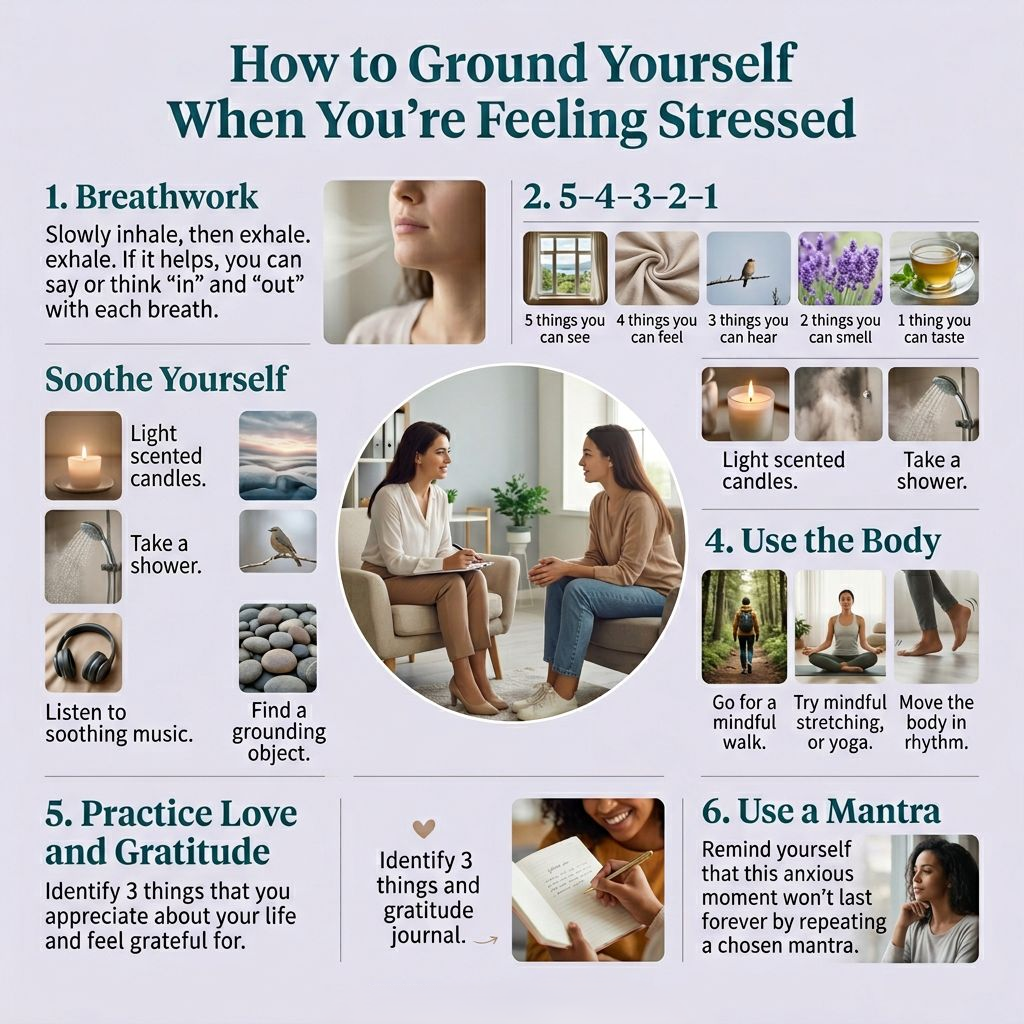
    Finding relief from chronic stress is essential. Start by incorporating deep breathing exercises into your routine. Try taking slow, deep breaths for five minutes. This simple act can reduce stress immediately. Physical activity is another powerful tool: a 30-minute walk can clear your mind and boost your mood. Meditation or yoga can also be beneficial, helping you find balance and calmness. Practicing these techniques regularly can significantly reduce stress levels over time. Learn more about effective techniques here.

    Workplace Burnout Recovery

    Recovering from burnout in the workplace starts with open communication. Talk to your supervisor about your workload and how you’re feeling. They might help adjust your responsibilities or provide additional support. Establishing boundaries is also important. Set clear limits on work hours and stick to them. Taking regular breaks during the day can prevent fatigue. Practicing these habits can create a healthier work environment and reduce the risk of burnout. Remember, taking care of yourself is not a luxury—it’s a necessity for lasting success.

    Seeking Professional Support

    When self-help isn’t enough, professional support is a valuable resource. Therapy provides a safe space to explore feelings and develop coping strategies.

    Benefits of Palm Beach Counseling

    Palm Beach Counseling offers personalized support tailored to individual needs. Experienced therapists provide guidance through life’s challenges, helping you find purpose and healing. Whether dealing with stress, anxiety, or relationship issues, counseling can help. The practice emphasizes a compassionate and empowering approach, promoting personal growth. By seeking professional support, you take an important step toward recovery and well-being.

    LGBTQ Affirming Therapy Options

    For LGBTQ+ individuals, finding an affirming therapist is crucial. Palm Beach Counseling offers a supportive environment where all identities are respected. Therapy sessions cover a range of issues, from identity exploration to relationship challenges. The focus is on understanding and acceptance, creating a safe space for growth. Specialized support ensures you receive the care you need, tailored to your unique experience. This affirming approach fosters healing and empowerment.

    Trauma Therapy EMDR in Florida

    Trauma can deeply impact mental health, but EMDR therapy offers hope. This technique helps process traumatic memories, reducing their emotional impact. In Palm Beach, experienced therapists provide EMDR therapy tailored to individual needs. The sessions aim to resolve past traumas and improve overall well-being. By addressing trauma directly, EMDR therapy helps you move forward with confidence. This method supports healing and opens the door to a brighter future.

    Frequently Asked Questions

    What are the first signs of burnout?
    Burnout often begins with persistent exhaustion, a lack of motivation, and feelings of cynicism about your job. Physical symptoms like headaches or altered sleep patterns may also appear.

    How can I distinguish stress from burnout?
    Stress is usually temporary and situational, while burnout is chronic and persistent. Burnout includes a sense of hopelessness and detachment from your work, leading to decreased performance.

    What are effective ways to manage chronic stress?
    Incorporating deep breathing exercises, regular physical activity, and mindfulness practices like meditation can significantly reduce stress levels. Establishing a routine and setting boundaries at work are also beneficial strategies.

    How does EMDR therapy work for trauma?
    EMDR therapy helps reprocess traumatic memories, reducing their emotional charge. This therapy involves guided eye movements or other stimuli to facilitate processing, promoting healing and emotional recovery.

    Why is LGBTQ affirming therapy important?
    LGBTQ affirming therapy provides a safe and supportive space where all identities are respected. It addresses unique challenges faced by LGBTQ+ individuals, promoting understanding, acceptance, and personal growth.
  • Feeling Drained? Signs of Emotional Exhaustion and When to Seek Help

    Feeling Drained? Signs of Emotional Exhaustion and When to Seek Help

    Feeling drained goes beyond just being tired—it can signal emotional exhaustion quietly taking over. Recognizing the signs of burnout early helps prevent deeper struggles with anxiety or depression. This post outlines key signs of emotional exhaustion and when to seek therapy, guiding steps toward relief and renewed energy. Book a free 15-minute consultation with Bigelow Counseling, your trusted Palm Beach therapist, to start finding balance and support tailored just for you.

    Recognizing Emotional Exhaustion

    Emotional exhaustion can feel like a heavy weight on your mind and body. Knowing how to spot the signs early is key to preventing it from taking over.

    Common Signs of Burnout

    Burnout often sneaks up on you, showing up as constant fatigue, irritability, or feeling detached. You might notice changes in sleep patterns or a lack of motivation. These signs can affect your relationships and work life. Many people think they’re just stressed, but these symptoms can be more than that. Remember, most people don’t realize they’re burnt out until it starts impacting everyday life. If you’re feeling overwhelmed by these signs, it might be time to seek support.

    Stress vs. Burnout: Key Differences

    Stress is usually short-lived, linked to a specific task or event. Burnout, on the other hand, is a prolonged state of mental and emotional exhaustion. It’s like running on empty without knowing why. You might find stress can sometimes motivate you, but burnout tends to leave you feeling helpless. Understanding this difference helps in finding the right coping strategies and professional support.

    Coping with Overwhelm

    Feeling overwhelmed is not unusual, but there are ways to manage it. Start by prioritizing tasks and setting boundaries. Taking regular breaks can also help reset your mind. Consider simple activities like deep breathing or short walks to help you regain focus. Most people assume pushing through is best, but taking small steps back can actually help you move forward more effectively.

    Seeking Professional Help

    Once you recognize burnout, the next step is knowing when professional help is needed.

    When to Seek Therapy

    Therapy can be a crucial step if burnout feels unmanageable. If you’re struggling to perform daily tasks or your mood affects your relationships, seeking therapy might be beneficial. Professional support can provide tools to handle stress and prevent burnout from worsening. Therapy offers a safe space to explore your feelings and develop coping strategies tailored to you.

    Benefits of LGBTQ Affirming Therapy

    Finding a therapist who understands your unique identity can be comforting. LGBTQ affirming therapy creates a safe space for you to express yourself openly. It focuses on your specific experiences and challenges, ensuring you feel supported and heard. This type of therapy can be vital for your mental health, helping you navigate life’s challenges while being true to yourself.

    Understanding EMDR Trauma Therapy

    For those dealing with trauma, EMDR (Eye Movement Desensitization and Reprocessing) therapy is an option. It helps process traumatic memories in a safe, structured environment. This therapy aims to reduce the emotional impact of trauma, enabling you to move forward. It can be particularly effective in helping you regain control over your life and emotions.

    Finding the Right Support

    Finding support suited to your needs is crucial for healing and growth.

    Florida Online Therapy Options

    Online therapy offers flexibility and access to professional support from the comfort of your home. It’s a convenient option for those with busy schedules or who prefer a remote setting. This mode of therapy is just as effective and provides a wide range of services to address your needs.

    Executive Coaching in Palm Beach

    If work stress is a concern, executive coaching can help you regain your footing. It focuses on professional growth, decision-making, and stress management. Coaching provides guidance to navigate workplace challenges, helping you regain direction and motivation in your career.

    Booking a Consultation with Bigelow Counseling

    Ready to take the first step toward balance? Bigelow Counseling offers personalized sessions tailored to your unique needs. Whether you’re dealing with burnout, seeking LGBTQ support, or looking for professional coaching, they provide a nurturing environment to help you thrive. Explore your options and book a consultation to start your journey towards healing and purpose.

    Frequently Asked Questions

    What are the first signs of emotional exhaustion?

    Emotional exhaustion often begins with chronic fatigue, irritability, and a lack of motivation. These symptoms can gradually affect daily life and relationships, indicating a need for support.

    How is burnout different from regular stress?

    While stress is typically linked to a specific event and can be short-lived, burnout is a prolonged state of emotional exhaustion. It often leaves you feeling helpless and detached from daily activities.

    Why is LGBTQ affirming therapy important?

    LGBTQ affirming therapy offers a safe, supportive space tailored to your unique experiences. It ensures your identity is respected and understood, providing essential support for mental health and well-being.

    Home

  • Counseling for Burnout: Signs, Causes, and Support That Helps You Heal

    Counseling for Burnout: Signs, Causes, and Support That Helps You Heal

    Burnout doesn’t just sneak up—it can feel like a heavy fog that drains energy and joy. Recognizing burnout signs and understanding what causes this exhaustion is the first step to reclaiming balance. Counseling for burnout at Bigelow Counseling offers personalized support, from EMDR therapy to executive coaching, designed to help steady your mind and body. Ready to feel steady again? Schedule a confidential consultation with Bigelow Counseling—available in-person in Palm Beach or online across Florida. For more information on burnout signs, causes, and recovery, visit this resource.

    Understanding Burnout

    Burnout can feel all-consuming, but understanding it is the first step to overcoming it. Recognizing the signs and the reasons behind burnout can empower you to take control and find relief.

    Key Burnout Symptoms

    Burnout manifests through various symptoms. You might notice feeling drained even after sleep or experiencing a lack of enthusiasm for activities you once enjoyed. Often, it includes persistent fatigue, irritability, and a sense of detachment from work or personal life.

    Physical symptoms are also common. Headaches, muscle tension, and changes in sleep patterns can all signal burnout. Emotionally, you might feel trapped or helpless, leading to anxiety or depression. These signs indicate your body and mind are overwhelmed, highlighting a need for self-care and support.

    Common Burnout Causes

    Several factors contribute to burnout. High stress from work, particularly with unclear expectations or lack of control, is a major culprit. This stress can be compounded by personal circumstances, such as family demands or financial pressures.

    A lack of balance between work and personal life can deepen burnout. When leisure and relaxation take a back seat, stress builds. Additionally, personality traits like perfectionism can drive you to push too hard, leading to exhaustion. Recognizing these causes can help you start making changes to reduce burnout.

    The Role of Counseling

    Counseling offers a way to tackle burnout by addressing its symptoms and root causes. It provides a supportive environment where you can explore your feelings and develop strategies to manage stress.

    Effective Support for Burnout

    Counseling for burnout focuses on restoring balance and building resilience. During sessions, you’ll learn techniques to manage stress and set healthy boundaries. Therapy can help you identify thought patterns that contribute to feeling overwhelmed and work on changing them.

    Support isn’t just about talking. It’s about actionable steps to improve your well-being. By setting realistic goals and adjusting your perspective, you can begin to feel more in control. Counseling provides a space to reflect and regroup, crucial for burnout recovery.

    EMDR Therapy Benefits

    Eye Movement Desensitization and Reprocessing (EMDR) is a powerful tool for those dealing with burnout, especially when linked to past trauma. This therapy helps process distressing memories, reducing their impact on your current life.

    EMDR involves focusing on traumatic memories while following a therapist’s guided eye movements. This process helps the brain reprocess these memories, diminishing their emotional charge. For burnout, this can mean less anxiety and a greater sense of calm. It’s a valuable option for those seeking deep, effective healing.

    Finding Support at Bigelow Counseling

    Bigelow Counseling provides a wide range of services tailored to your needs. With a focus on inclusivity and personalized care, it’s a place where you can find the support that fits you.

    LGBTQ-Affirming Therapy

    Bigelow Counseling offers a supportive environment for the LGBTQ+ community. Affirmative therapy addresses specific challenges faced by LGBTQ+ individuals, such as discrimination and identity issues, ensuring you feel understood and safe.

    Therapists are trained to provide compassionate support, helping you navigate personal and societal pressures. This inclusive approach ensures that therapy is a space where you can explore your identity without fear of judgment, fostering a path to healing and growth.

    Executive Coaching for Burnout 😊

    For professionals facing burnout, executive coaching at Bigelow Counseling is a valuable resource. Coaching focuses on enhancing your work-life balance, improving communication skills, and managing workplace stress.

    Through tailored sessions, you’ll develop strategies to overcome challenges and set achievable career goals. This support helps you regain confidence and motivation, essential for moving forward in your professional life. By addressing burnout at its source, coaching empowers you to thrive at work and beyond.

    Frequently Asked Questions

    What are the first signs of burnout?

    Burnout often begins with feelings of exhaustion and decreased enthusiasm for activities. You might also experience irritability and a sense of detachment from your work or personal life.

    How can counseling help with burnout?

    Counseling provides a space to process feelings and develop stress management strategies. It helps you set healthy boundaries and identify thought patterns that contribute to burnout, offering a path to recovery.

    What is EMDR therapy and how does it address burnout?

    EMDR therapy helps reprocess traumatic memories that exacerbate burnout. By reducing the emotional impact of these memories, EMDR can alleviate anxiety and promote a sense of calm.

    Is therapy at Bigelow Counseling inclusive for LGBTQ+ individuals?

    Yes, Bigelow Counseling offers LGBTQ-affirming therapy, providing a safe space to explore identity and address challenges unique to the LGBTQ+ community.

    Can executive coaching really help with professional burnout?

    Absolutely. Executive coaching focuses on improving work-life balance and stress management, helping professionals regain confidence and move forward in their careers.

    Home