Tag: LGBTQ affirming therapy

  • When Memories Feel Current: How EMDR Helps the Brain Stand Down

    When Memories Feel Current: How EMDR Helps the Brain Stand Down

    Flashbacks, panic in the body, and intrusive memories can make the past feel like it’s happening right now. When memories feel current, it’s hard to find calm or safety. EMDR therapy offers a way to ease that intense pull by helping the brain process those memories differently. For those in Palm Beach and beyond, Bigelow Counseling provides trauma-informed, LGBTQ-affirming care designed to guide you toward feeling safer in the present. Ready to take the next step? Learn more about the effectiveness of this approach here.

    Understanding EMDR Therapy

    EMDR therapy is a powerful tool for addressing the impact of traumatic memories. This method helps people process past experiences that feel overwhelmingly present.

    How EMDR Works

    EMDR, short for Eye Movement Desensitization and Reprocessing, uses specific eye movements to assist the brain in organizing and processing traumatic memories. Unlike traditional talk therapy, it doesn’t require extensive discussion about the traumatic event. Instead, clients focus on specific eye movements while recalling distressing memories, which helps the brain reframe these experiences. This process can make the memories feel less intense and more manageable over time.

    Eye Movement Desensitization and Reprocessing Explained

    EMDR therapy involves eight distinct phases. These phases help clients prepare, process, and re-evaluate their traumatic memories. In the early stages, therapists work with clients to identify specific memories and emotions to target. The middle phases involve using eye movements or other bilateral stimulation, which assists in reprocessing. Finally, the therapy helps clients incorporate new insights gained during the sessions into their daily lives. The ultimate goal is to reduce the emotional charge associated with traumatic memories.

    Benefits of EMDR Therapy

    EMDR is known for its effectiveness in reducing symptoms of PTSD, anxiety, and other trauma-related challenges. Many people experience significant relief after just a few sessions. The therapy’s structured approach provides a sense of safety and control for clients. In addition, EMDR has been found to be particularly beneficial for those who have not responded to other therapeutic approaches. By helping to reprocess memories, EMDR enables individuals to live more fully in the present.

    Addressing Present-Feeling Memories

    When memories feel current, it can disrupt daily life. EMDR therapy offers strategies to manage these overwhelming experiences.

    Managing Flashbacks and Triggers

    Flashbacks can feel like reliving a traumatic event. EMDR helps change how the brain stores these memories, making them less likely to intrude on daily life. By focusing on specific eye movements, clients can begin to separate past from present, which reduces the frequency and intensity of flashbacks. In addition, therapists equip clients with tools to manage triggers, empowering them to reclaim their peace of mind.

    Reducing Intrusive Memories and Nightmares

    Intrusive memories and nightmares can disrupt sleep and create constant anxiety. EMDR therapy targets these distressing symptoms by altering how the mind processes traumatic events. During sessions, clients follow guided eye movements while recalling distressing memories, which helps transform how these memories are stored in the brain. This process often leads to a reduction in both the frequency and intensity of nightmares and intrusive thoughts, allowing for a more peaceful mind and restful sleep.

    EMDR for Body-Based Trauma Symptoms

    Trauma isn’t just a mental experience; it affects the body too. EMDR therapy can help alleviate physical symptoms associated with trauma, such as tension and panic attacks. Through reprocessing traumatic memories, the body learns to respond differently, easing physical tension and reducing the likelihood of panic responses. Clients often report feeling more relaxed and in control of their bodies after engaging in EMDR sessions.

    Finding Safe, Affirming Care

    Choosing the right therapeutic environment is crucial for effective healing. Bigelow Counseling offers a supportive space for everyone seeking care.

    LGBTQ Affirming Therapy in Palm Beach

    Finding a therapist who understands and supports your identity is essential. Bigelow Counseling is dedicated to providing LGBTQ-affirming therapy, offering a safe and welcoming environment for all individuals. Our therapists are experienced in addressing issues unique to the LGBTQ community, ensuring you receive compassionate and informed care. Whether you’re dealing with trauma, anxiety, or relationship challenges, our team is here to support your journey to healing.

    Secure Telehealth Options Across Florida

    Accessing quality mental health care should be convenient and comfortable. Bigelow Counseling offers secure telehealth options to clients across Florida, allowing you to engage in therapy from the comfort of your home. Our virtual sessions are conducted with the same level of professionalism and care as in-person meetings, ensuring that distance doesn’t impede your healing journey. With flexible scheduling and easy access, telehealth makes it easier than ever to prioritize your mental well-being.

    Scheduling Your EMDR Consultation Today

    Taking the first step toward healing can be daunting, but it doesn’t have to be. At Bigelow Counseling, we’re here to help you navigate this journey with ease. Whether you’re new to therapy or seeking a new approach, scheduling a consultation is a simple way to explore how EMDR therapy can benefit you. Our experienced team will guide you through the process, addressing any concerns and crafting a personalized plan to support your healing goals.

    Frequently Asked Questions

    What is EMDR therapy most effective for?

    EMDR therapy is particularly effective for treating PTSD, anxiety, and trauma-related symptoms. It helps reprocess distressing memories, reducing their emotional impact over time.

    How many EMDR sessions are typically needed?

    The number of sessions varies based on individual needs, but many people experience significant improvement after 6 to 12 sessions. Progress depends on the complexity of the trauma and individual response to therapy.

    Can EMDR help with anxiety and panic attacks?

    Yes, EMDR can be beneficial for those experiencing anxiety and panic attacks. By reprocessing traumatic memories, clients often find relief from anxiety symptoms and gain greater control over their emotional responses.

    Is EMDR therapy safe for everyone?

    While EMDR is generally safe, it’s important to work with a trained therapist who can assess your individual needs and guide you through the process safely. Some people may need additional support or modifications to the standard protocol.

    How does telehealth for EMDR work?

    Telehealth for EMDR involves conducting sessions through a secure video platform. Therapists guide clients through the EMDR process virtually, ensuring that therapy is accessible regardless of location.
    Home

  • When the Past Shows Up Today: How Trauma Shapes Reactions, Relationships, and Confidence

    When the Past Shows Up Today: How Trauma Shapes Reactions, Relationships, and Confidence

    Past wounds often sneak into today’s moments, shaping reactions and shaking confidence without warning. Trauma triggers can silently strain relationships and cloud your sense of self. Understanding how these old patterns influence current feelings is the first step toward healing from trauma. This post explores trauma responses and offers guidance on finding support through EMDR therapy Palm Beach and other compassionate care options at Bigelow Counseling. Ready for steadier days and stronger connections? Book a confidential session today. For more insights, visit this page.

    Understanding Trauma Triggers

    Knowing how past experiences influence current reactions is crucial. It helps you identify patterns and seek healing.

    Past Experiences Driving Present Reactions

    Your past experiences can sneak into present moments, affecting how you react today. Trauma can shape your responses to situations without you even realizing it. Minor events might trigger intense emotions like fear or anger. For example, a sudden loud noise could remind you of an upsetting incident from years ago, leading to a heightened response.

    Understanding these connections can reduce confusion. It can help you see that your reactions are not random but linked to earlier events. Recognizing these patterns is the first step toward healing. It allows you to approach situations with more awareness, leading to calmer responses over time. Learn more about trauma’s effects here.

    Trauma Responses in Daily Life

    Trauma often manifests in everyday life through various responses. You may notice yourself avoiding certain places or activities. This avoidance is a common reaction to prevent triggering memories or emotions tied to past events. It’s your mind’s way of protecting you from discomfort.

    Some people experience heightened alertness, constantly scanning for danger. This can lead to stress and tiredness, even in safe environments. It’s important to recognize these reactions as part of your trauma response. Acknowledging them is a step toward finding peace and control in your daily life.

    Impact on Anxiety and Depression

    Trauma can contribute to anxiety and depression, affecting your well-being. You might feel anxious without understanding why, as past experiences trigger unease. This can result in overthinking or constant worry about future events.

    Depression might also creep in, making everyday activities feel overwhelming. Trauma can create a sense of hopelessness, impacting your mood and outlook. Understanding this link allows you to address these feelings directly. Recognizing how past trauma relates to current anxiety or depression is vital for moving toward healing and stability.

    Relationships and Attachment

    Trauma doesn’t just affect you; it can strain your relationships, too. Understanding this impact is key to healing.

    Trauma’s Effect on Relationships

    Your trauma can create barriers in relationships. Fear of vulnerability might make you keep others at a distance. This fear stems from past experiences where trust was broken. You might also find it challenging to communicate openly, fearing judgment or misunderstanding.

    These barriers can lead to misunderstandings and conflicts with loved ones. Recognizing these patterns can help you work on them. It’s a way to start rebuilding trust and openness in your relationships. Knowing how trauma affects your connections can guide you toward more meaningful interactions.

    Rebuilding Trust and Communication

    Rebuilding trust takes time and effort. Start by being honest about your feelings and needs. Share your challenges with loved ones to foster understanding. This openness can pave the way for better communication.

    Listening is equally important. Encourage open dialogue where both parties feel heard. This mutual respect helps strengthen the bond. With patience and effort, you can move past the effects of trauma and build healthier, more supportive relationships.

    Queer Therapist Palm Beach Support

    For those in the LGBTQ+ community, finding supportive therapy is crucial. A queer therapist in Palm Beach can offer affirming care, understanding your unique experiences. This support helps you navigate challenges without fear of judgment.

    Working with a therapist who appreciates your identity can make a significant difference. They provide a safe space to explore your feelings and experiences. This understanding and support can be vital in your healing journey, fostering confidence and growth.

    Confidence and Healing Options

    Healing from trauma opens doors to rebuilding confidence. Here’s how you can start your journey to self-assurance.

    Rebuilding Confidence After Trauma

    Trauma can shake your self-esteem, leaving you doubting your abilities. To rebuild confidence, it helps to focus on small achievements. Setting and achieving goals, no matter how minor, can boost your self-worth.

    Positive self-talk is another tool. Challenge negative thoughts with affirming statements about your strengths. This shift in mindset encourages self-belief. Over time, these practices help restore your confidence, allowing you to face challenges with greater assurance.

    EMDR Therapy Palm Beach and Beyond

    Eye Movement Desensitization and Reprocessing (EMDR) is a powerful trauma therapy available in Palm Beach. It helps process traumatic memories, reducing their emotional charge. This therapy involves guided eye movements to help your brain reprocess trauma.

    Clients often find a significant decrease in distressing symptoms. EMDR can lead to a more peaceful mind, offering relief from past trauma. It’s a valuable option for those seeking healing and a return to daily life without the burden of past experiences.

    LGBTQ Affirming Therapy and Support 🏳️‍🌈

    Finding a therapist who understands LGBTQ+ issues is crucial. Affirming therapy acknowledges your identity, providing supportive care tailored to your needs. This approach helps create a welcoming environment where you can explore your feelings freely.

    Supportive therapy nurtures your growth and self-acceptance. It encourages you to embrace your identity with pride, fostering a sense of belonging. This support is invaluable in building confidence and resilience, allowing you to thrive in all areas of life.

    Frequently Asked Questions

    How do past experiences influence present reactions?

    Past experiences can trigger emotional responses to current situations. Understanding these connections helps you manage reactions more effectively.

    What are common trauma responses in daily life?

    Common responses include avoidance of certain places, heightened alertness, and stress. Recognizing these patterns aids in finding peace and control.

    How can trauma affect relationships?

    Trauma can cause fear of vulnerability, leading to communication barriers. Acknowledging these effects helps in rebuilding trust and openness.

    What is EMDR therapy, and how does it help?

    EMDR therapy helps reprocess traumatic memories, reducing their emotional impact. It’s a valuable option for those seeking relief from past trauma.

    Why is LGBTQ affirming therapy important?

    Affirming therapy provides supportive care tailored to LGBTQ+ needs. It fosters growth, self-acceptance, and a sense of belonging.

    Home

  • How to Tell When Stress Has Turned Into Burnout—And Real Steps to Recover

    How to Tell When Stress Has Turned Into Burnout—And Real Steps to Recover

    Stress feels familiar, but burnout is something else entirely. When exhaustion drags on and motivation fades, it’s time to check in with yourself using a clear burnout symptoms checklist. Learn how to spot the signs of burnout before it takes over, then take real steps toward chronic stress relief and workplace burnout recovery. Bigelow Counseling offers compassionate support tailored to your needs—book a free 15-minute consultation today for personalized care in Palm Beach or online across Florida. Learn more about burnout signs and recovery here.

    Recognizing Stress vs Burnout

    Stress is common, but recognizing when it morphs into burnout is crucial. Understanding this distinction helps in taking the right steps toward recovery.

    Common Signs of Burnout

    Burnout can sneak up on you. It often starts with constant fatigue. You might feel drained even after a full night’s sleep. Feeling detached from your work is another red flag. You may notice a lack of motivation or a sense of hopelessness about your job. These feelings can lead to decreased performance and satisfaction. Physical symptoms like headaches or stomach issues might also appear. Recognizing these signs early can help you take action before burnout fully takes over. Learn more about burnout signs.

    Burnout Symptoms Checklist

    A checklist can help you gauge where you stand. Do you feel exhausted all the time? Are you cynical or critical at work? Have you become irritable with coworkers or clients? If yes, you might be experiencing burnout. Assess your feelings about work: do you dread going in each day? Pay attention to physical symptoms like changes in sleep patterns or appetite. This checklist can be a starting point to understand if stress has turned into burnout. Don’t ignore these signs—they are your body’s way of calling for help. For more detailed insights, refer to the Mayo Clinic’s guide.

    Impact of Chronic Stress

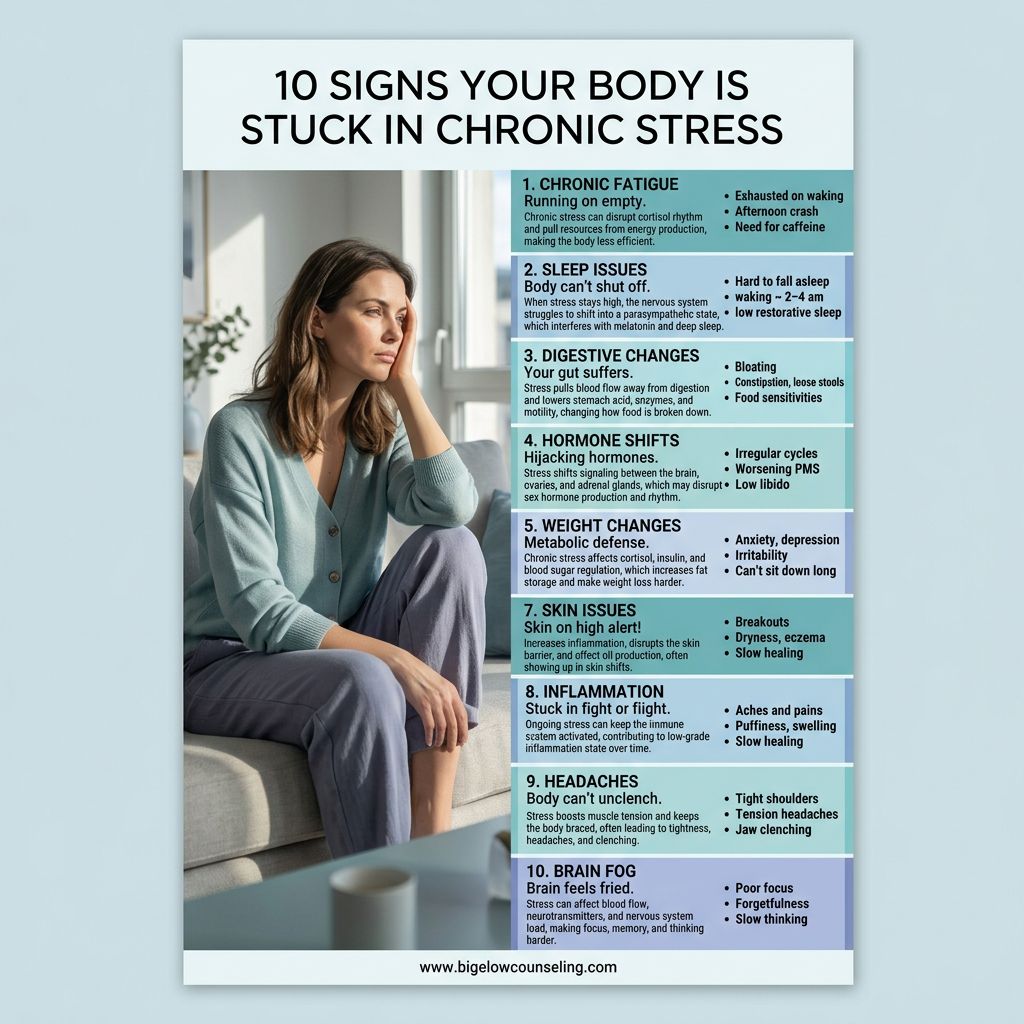
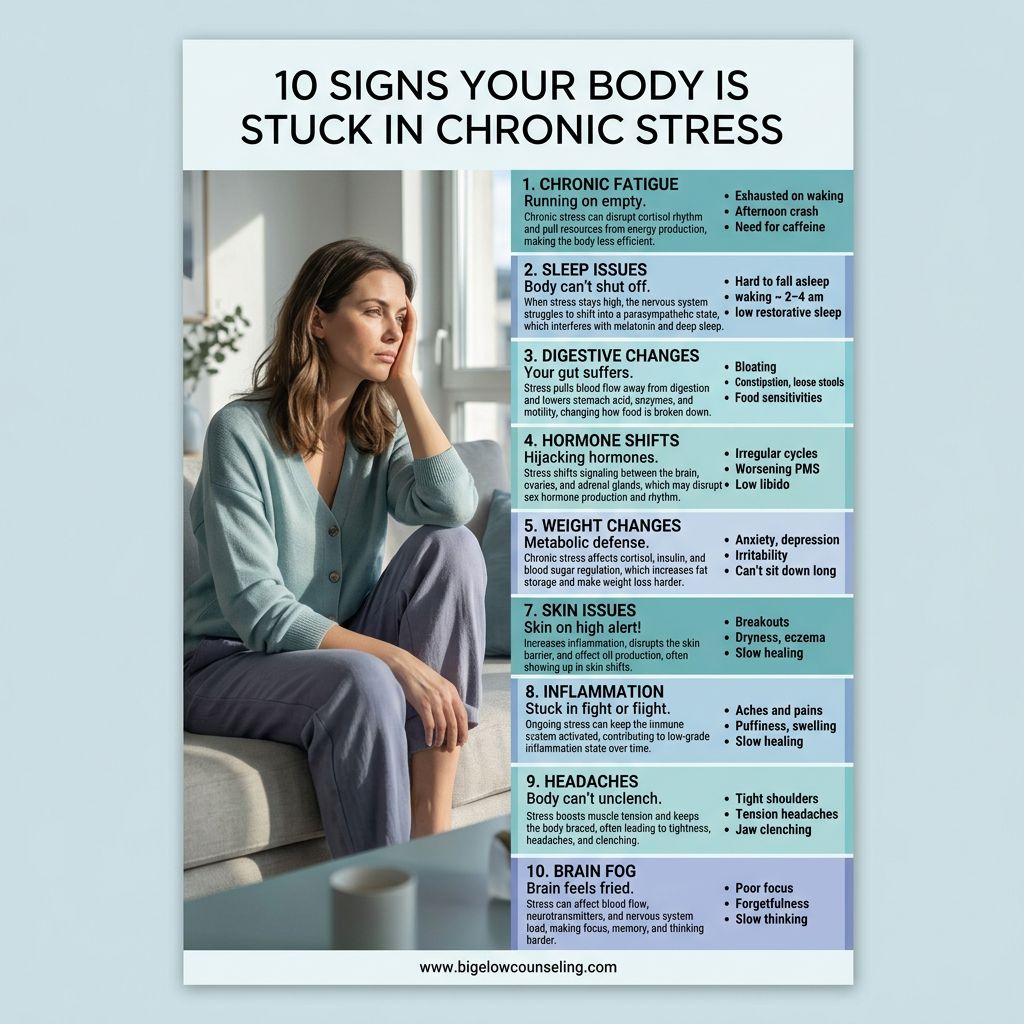
    Chronic stress can lead to serious health issues if left unchecked. It affects your mental health, causing anxiety and depression. Over time, you might face physical problems like heart disease or high blood pressure. Constant stress makes it hard to concentrate, affecting productivity and increasing errors at work. It also strains personal relationships, as irritability may lead to conflicts. Recognizing these impacts early can help in taking corrective steps. Understanding the consequences allows you to prioritize your well-being.

    Real Steps to Recovery

    Once you recognize burnout, it’s vital to shift toward recovery. Tackling burnout involves both self-awareness and practical actions.

    Practical Self-Checks

    Regular checks help you stay aware of your mental and physical state. Take a moment each day to assess your stress levels. Are you feeling overwhelmed? Rate your mood and energy on a scale from 1 to 10. Reflect on any physical symptoms, like tension headaches or trouble sleeping. By noting these daily, you can track patterns and triggers. This awareness is the first step to managing stress. You’re not alone in feeling this way—acknowledging it is empowering.

    Chronic Stress Relief Techniques

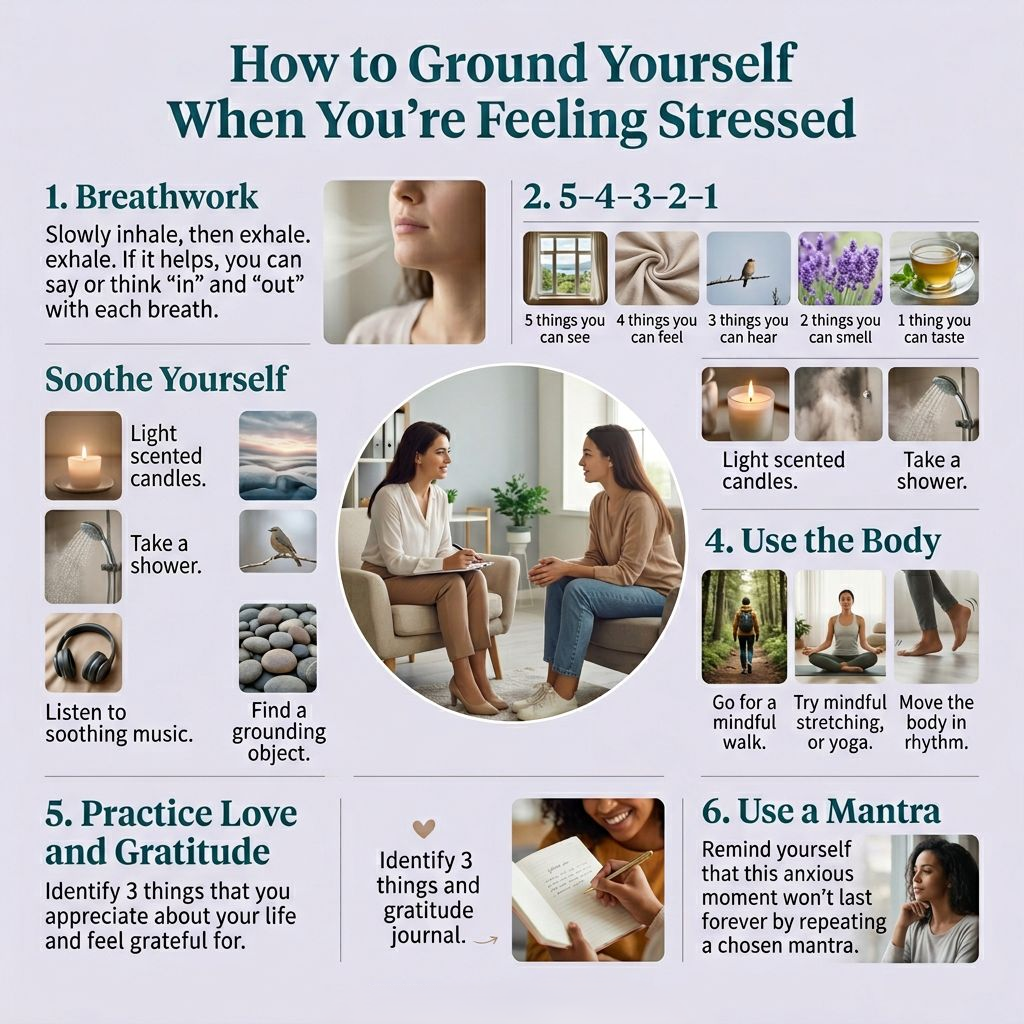
    Finding relief from chronic stress is essential. Start by incorporating deep breathing exercises into your routine. Try taking slow, deep breaths for five minutes. This simple act can reduce stress immediately. Physical activity is another powerful tool: a 30-minute walk can clear your mind and boost your mood. Meditation or yoga can also be beneficial, helping you find balance and calmness. Practicing these techniques regularly can significantly reduce stress levels over time. Learn more about effective techniques here.

    Workplace Burnout Recovery

    Recovering from burnout in the workplace starts with open communication. Talk to your supervisor about your workload and how you’re feeling. They might help adjust your responsibilities or provide additional support. Establishing boundaries is also important. Set clear limits on work hours and stick to them. Taking regular breaks during the day can prevent fatigue. Practicing these habits can create a healthier work environment and reduce the risk of burnout. Remember, taking care of yourself is not a luxury—it’s a necessity for lasting success.

    Seeking Professional Support

    When self-help isn’t enough, professional support is a valuable resource. Therapy provides a safe space to explore feelings and develop coping strategies.

    Benefits of Palm Beach Counseling

    Palm Beach Counseling offers personalized support tailored to individual needs. Experienced therapists provide guidance through life’s challenges, helping you find purpose and healing. Whether dealing with stress, anxiety, or relationship issues, counseling can help. The practice emphasizes a compassionate and empowering approach, promoting personal growth. By seeking professional support, you take an important step toward recovery and well-being.

    LGBTQ Affirming Therapy Options

    For LGBTQ+ individuals, finding an affirming therapist is crucial. Palm Beach Counseling offers a supportive environment where all identities are respected. Therapy sessions cover a range of issues, from identity exploration to relationship challenges. The focus is on understanding and acceptance, creating a safe space for growth. Specialized support ensures you receive the care you need, tailored to your unique experience. This affirming approach fosters healing and empowerment.

    Trauma Therapy EMDR in Florida

    Trauma can deeply impact mental health, but EMDR therapy offers hope. This technique helps process traumatic memories, reducing their emotional impact. In Palm Beach, experienced therapists provide EMDR therapy tailored to individual needs. The sessions aim to resolve past traumas and improve overall well-being. By addressing trauma directly, EMDR therapy helps you move forward with confidence. This method supports healing and opens the door to a brighter future.

    Frequently Asked Questions

    What are the first signs of burnout?
    Burnout often begins with persistent exhaustion, a lack of motivation, and feelings of cynicism about your job. Physical symptoms like headaches or altered sleep patterns may also appear.

    How can I distinguish stress from burnout?
    Stress is usually temporary and situational, while burnout is chronic and persistent. Burnout includes a sense of hopelessness and detachment from your work, leading to decreased performance.

    What are effective ways to manage chronic stress?
    Incorporating deep breathing exercises, regular physical activity, and mindfulness practices like meditation can significantly reduce stress levels. Establishing a routine and setting boundaries at work are also beneficial strategies.

    How does EMDR therapy work for trauma?
    EMDR therapy helps reprocess traumatic memories, reducing their emotional charge. This therapy involves guided eye movements or other stimuli to facilitate processing, promoting healing and emotional recovery.

    Why is LGBTQ affirming therapy important?
    LGBTQ affirming therapy provides a safe and supportive space where all identities are respected. It addresses unique challenges faced by LGBTQ+ individuals, promoting understanding, acceptance, and personal growth.

  • Feeling Drained? Signs of Emotional Exhaustion and When to Seek Help

    Feeling Drained? Signs of Emotional Exhaustion and When to Seek Help

    Feeling drained goes beyond just being tired—it can signal emotional exhaustion quietly taking over. Recognizing the signs of burnout early helps prevent deeper struggles with anxiety or depression. This post outlines key signs of emotional exhaustion and when to seek therapy, guiding steps toward relief and renewed energy. Book a free 15-minute consultation with Bigelow Counseling, your trusted Palm Beach therapist, to start finding balance and support tailored just for you.

    Recognizing Emotional Exhaustion

    Emotional exhaustion can feel like a heavy weight on your mind and body. Knowing how to spot the signs early is key to preventing it from taking over.

    Common Signs of Burnout

    Burnout often sneaks up on you, showing up as constant fatigue, irritability, or feeling detached. You might notice changes in sleep patterns or a lack of motivation. These signs can affect your relationships and work life. Many people think they’re just stressed, but these symptoms can be more than that. Remember, most people don’t realize they’re burnt out until it starts impacting everyday life. If you’re feeling overwhelmed by these signs, it might be time to seek support.

    Stress vs. Burnout: Key Differences

    Stress is usually short-lived, linked to a specific task or event. Burnout, on the other hand, is a prolonged state of mental and emotional exhaustion. It’s like running on empty without knowing why. You might find stress can sometimes motivate you, but burnout tends to leave you feeling helpless. Understanding this difference helps in finding the right coping strategies and professional support.

    Coping with Overwhelm

    Feeling overwhelmed is not unusual, but there are ways to manage it. Start by prioritizing tasks and setting boundaries. Taking regular breaks can also help reset your mind. Consider simple activities like deep breathing or short walks to help you regain focus. Most people assume pushing through is best, but taking small steps back can actually help you move forward more effectively.

    Seeking Professional Help

    Once you recognize burnout, the next step is knowing when professional help is needed.

    When to Seek Therapy

    Therapy can be a crucial step if burnout feels unmanageable. If you’re struggling to perform daily tasks or your mood affects your relationships, seeking therapy might be beneficial. Professional support can provide tools to handle stress and prevent burnout from worsening. Therapy offers a safe space to explore your feelings and develop coping strategies tailored to you.

    Benefits of LGBTQ Affirming Therapy

    Finding a therapist who understands your unique identity can be comforting. LGBTQ affirming therapy creates a safe space for you to express yourself openly. It focuses on your specific experiences and challenges, ensuring you feel supported and heard. This type of therapy can be vital for your mental health, helping you navigate life’s challenges while being true to yourself.

    Understanding EMDR Trauma Therapy

    For those dealing with trauma, EMDR (Eye Movement Desensitization and Reprocessing) therapy is an option. It helps process traumatic memories in a safe, structured environment. This therapy aims to reduce the emotional impact of trauma, enabling you to move forward. It can be particularly effective in helping you regain control over your life and emotions.

    Finding the Right Support

    Finding support suited to your needs is crucial for healing and growth.

    Florida Online Therapy Options

    Online therapy offers flexibility and access to professional support from the comfort of your home. It’s a convenient option for those with busy schedules or who prefer a remote setting. This mode of therapy is just as effective and provides a wide range of services to address your needs.

    Executive Coaching in Palm Beach

    If work stress is a concern, executive coaching can help you regain your footing. It focuses on professional growth, decision-making, and stress management. Coaching provides guidance to navigate workplace challenges, helping you regain direction and motivation in your career.

    Booking a Consultation with Bigelow Counseling

    Ready to take the first step toward balance? Bigelow Counseling offers personalized sessions tailored to your unique needs. Whether you’re dealing with burnout, seeking LGBTQ support, or looking for professional coaching, they provide a nurturing environment to help you thrive. Explore your options and book a consultation to start your journey towards healing and purpose.

    Frequently Asked Questions

    What are the first signs of emotional exhaustion?

    Emotional exhaustion often begins with chronic fatigue, irritability, and a lack of motivation. These symptoms can gradually affect daily life and relationships, indicating a need for support.

    How is burnout different from regular stress?

    While stress is typically linked to a specific event and can be short-lived, burnout is a prolonged state of emotional exhaustion. It often leaves you feeling helpless and detached from daily activities.

    Why is LGBTQ affirming therapy important?

    LGBTQ affirming therapy offers a safe, supportive space tailored to your unique experiences. It ensures your identity is respected and understood, providing essential support for mental health and well-being.

    Home

  • Stress or Burnout? 8 Clear Signs It’s Time to Reset

    Stress or Burnout? 8 Clear Signs It’s Time to Reset

    Stress feels like part of the daily grind, but when does it cross into burnout? Recognizing the difference can protect your energy and relationships before everything feels overwhelming. This guide breaks down clear signs of burnout and offers practical steps to reclaim balance. Ready to spot the shift from chronic stress to emotional exhaustion? Keep reading to find out when it’s time to reset and how Bigelow Counseling in Palm Beach can support your path forward.

    For more information, you can read about the signs of burnout.

    Stress vs Burnout: Key Differences

    Understanding the difference between everyday stress and burnout is crucial for maintaining a healthy balance in life. While stress can be a normal part of life, prolonged exposure can lead to burnout, which requires more intensive intervention. Let’s explore the distinctions.

    Understanding Everyday Stress

    Stress is a common response to life’s demands. It can actually be a good motivator, pushing you to meet deadlines or tackle challenges. You might feel your heart racing before a big presentation, but this feeling typically subsides once the task is complete. Stress is temporary, and with effective coping strategies, its impact can be minimized.

    However, chronic stress can wear you down over time. When stress becomes a constant companion, it may begin to affect your health, mood, and productivity. Recognizing how stress feels and managing it through techniques like exercise or meditation is key to preventing its escalation.

    Recognizing Workplace Burnout

    Burnout is more than just a bad day at work. It’s a state of emotional, physical, and mental exhaustion caused by prolonged and excessive stress. In the workplace, you might notice a lack of motivation, reduced performance, and a sense of dread about going to work. Burnout doesn’t fade with a weekend break; it requires more substantial changes.

    People experiencing burnout often feel detached or cynical towards their work. This condition is not just about working long hours but about feeling overwhelmed and undervalued. If your job is affecting your personal life and well-being, it may be time to take a closer look at your work environment and responsibilities.

    Emotional Exhaustion and Its Impact

    Emotional exhaustion is a core component of burnout. It’s when stress depletes your emotional resources, leaving you feeling drained and incapable of coping with daily demands. This exhaustion can lead to feelings of hopelessness and defeat.

    Physically, you might struggle with sleep issues or frequent illnesses. Emotionally, you may feel detached or numb, impacting relationships and social interactions. If these signs resonate with you, it might be time to consider professional help to reclaim energy and enthusiasm for life.

    Signs of Burnout: What to Watch For

    Being aware of the warning signs of burnout can help you intervene early. Burnout doesn’t happen overnight, and its symptoms can vary. Here’s what to keep an eye out for in terms of emotional and physical red flags.

    Emotional and Physical Red Flags

    Burnout often manifests as persistent fatigue, despite getting enough rest. You may also experience emotional symptoms such as irritability, sadness, or a sense of apathy. These feelings can be accompanied by physical symptoms like headaches, stomach issues, or changes in appetite.

    Chronic stress can lead to a weakened immune system, making you more susceptible to illnesses. If you’re frequently feeling low or unwell, it might be an indication that stress is turning into burnout. Recognizing these signs early can help you take steps to address them before they escalate.

    Behavioral Changes in Daily Life

    Behavioral shifts are common indicators of burnout. You might find yourself withdrawing from social activities or losing interest in hobbies you once enjoyed. Productivity at work or home may decline, and you might rely on unhealthy coping mechanisms like alcohol or junk food.

    These changes can also impact personal relationships, leading to misunderstandings or conflicts. If your daily routine is affected by these behaviors, it’s important to assess the underlying stressors and seek support to make positive changes.

    Anxiety and Depression Indicators

    Burnout can be closely linked to anxiety and depression. Persistent feelings of worry, fear, or sadness can be overwhelming. You might notice a constant sense of unease or find it difficult to concentrate or make decisions.

    If these symptoms are interfering with your daily life, it’s essential to seek professional help. Addressing burnout-related mental health issues early can prevent them from worsening and help you regain control and clarity.

    Recovery Steps and Support

    Once burnout is identified, taking steps towards recovery is crucial. It’s not just about removing stressors, but also about rebuilding your resilience and finding support.

    Resetting Your Nervous System

    Resetting your nervous system can help restore balance. Activities like yoga, deep breathing exercises, and mindfulness meditation are effective ways to calm your mind and body. These practices can help reduce stress levels and improve your overall well-being.

    Engaging in regular physical activity is another powerful stress reliever. Even a short walk can boost endorphins and improve your mood. Prioritize self-care to support your mental and physical health as you navigate recovery.

    Setting Boundaries and Finding Rest

    Establishing healthy boundaries is vital for preventing future burnout. Learn to say no to additional responsibilities that overwhelm you. Prioritize activities that bring joy and relaxation, and ensure you have downtime to recharge.

    Adequate rest is essential for recovery. Create a bedtime routine that promotes restful sleep and limits screen time before bed. Allow yourself time to unwind and reflect on positive experiences to foster a sense of calm.

    Seeking Therapy and Professional Help

    Professional support can be invaluable in recovering from burnout. Therapy provides a safe space to explore feelings and develop coping strategies. Bigelow Counseling offers LGBTQ affirming therapy and specialized trauma therapy tailored to your needs.

    Therapists can help you understand the root causes of burnout and work with you to develop a personalized recovery plan. Seeking help is a proactive step towards healing and empowerment.

    Frequently Asked Questions

    What is the main difference between stress and burnout?

    Stress is a temporary response to demands, while burnout is long-term exhaustion and detachment due to prolonged stress. Burnout requires deeper intervention and recovery.

    What are some common physical signs of burnout?

    Physical signs include persistent fatigue, headaches, and changes in appetite. Frequent illnesses may also indicate a weakened immune system due to chronic stress.

    How can therapy help with burnout?

    Therapy provides tools to manage stress and burnout. It helps identify underlying causes, develop coping strategies, and support mental health recovery.

    Home

  • When Life Feels Overwhelming: How Personalized Individual Counseling Brings Clarity and Calm

    When Life Feels Overwhelming: How Personalized Individual Counseling Brings Clarity and Calm

    When everyday stress feels like too much, it’s normal to feel stuck in a fog of overwhelm. Personalized individual counseling offers a clear path to reduce anxiety, manage burnout, and heal from trauma with care that fits your unique story. From EMDR trauma therapy to LGBTQ affirming support, Bigelow Counseling in Palm Beach provides a safe place to regain calm and clarity. Ready for support that meets real life? Schedule a free 15-minute consultation today.

    Understanding Overwhelm

    Recognizing the Signs

    Feeling overwhelmed can sneak up on you. It often starts with small stressors stacking up: a tough day at work, followed by a restless night, and suddenly, everything feels like too much. You might notice you’re more irritable, have trouble focusing, or feel unusually tired. These are all signals that your mind and body are asking for help. Understanding these signs is the first step in addressing the overwhelm.

    You don’t have to navigate these feelings alone. Awareness of these signs helps you take action before stress spirals out of control. Recognizing when you need support is crucial. It’s about acknowledging your limits and seeking guidance to restore balance in your life.

    Why Feeling Overwhelmed is Normal

    Life throws unexpected challenges, and it’s normal to feel overwhelmed from time to time. You might think you’re the only one struggling, but most people experience similar feelings. This doesn’t mean you’re failing; it means you’re human. Understanding that feeling overwhelmed is common can be comforting and validating.

    Acknowledging that everyone faces these moments helps you see that seeking support is a strength, not a weakness. This realization opens the door to exploring how personalized individual counseling can help you manage stress and find clarity. It’s about moving from feeling stuck to feeling supported.

    Benefits of Personalized Counseling

    Reducing Stress with Therapy

    Therapy is a powerful tool to reduce stress. With personalized individual counseling, you receive tailored support that addresses your unique needs. Whether it’s anxiety, depression, or burnout, therapy offers strategies to help you cope. You learn to manage your thoughts and emotions, leading to a calmer state of mind.

    Counseling provides a safe space to talk about your experiences. This can lead to breakthroughs and insights that help you move forward. By working with a therapist, you gain practical skills to handle stress in everyday life. It’s about empowering you to take control and improve your well-being.

    EMDR: A Path to Healing

    Eye Movement Desensitization and Reprocessing (EMDR) is a technique that helps process trauma. This therapy is designed to help you heal from past experiences that continue to affect you. EMDR focuses on changing how your brain stores traumatic memories, reducing their impact on your daily life.

    With the guidance of a trained therapist, EMDR sessions can bring relief from the emotional weight of trauma. This process helps clear the way for healing and growth. It’s a path that offers hope for those who feel trapped by their past. EMDR allows you to reclaim your life and move forward with confidence.

    Finding the Right Support

    Affirming Care for All

    Finding a therapist who understands and respects your identity is vital. Bigelow Counseling offers a supportive environment for everyone, including the LGBTQ community. Affirming care means you receive therapy that acknowledges your experiences and provides a space where you feel seen and heard.

    This inclusive approach ensures that your unique needs are met. Whether you’re dealing with identity-related stress or seeking support for life’s challenges, affirming care offers a compassionate and understanding space to explore your feelings and find solutions.

    Booking Your Consultation Today 🌟

    The path to healing starts with a single step. Scheduling a consultation is your opportunity to explore how personalized counseling can benefit you. This initial meeting is designed to assess your needs and match you with the right therapist. It’s an easy and accessible way to begin your journey toward greater well-being.

    Taking this step shows a commitment to yourself and your mental health. It’s about prioritizing your needs and taking action. The longer you wait, the harder it can be to overcome the challenges you’re facing. Booking a consultation is a proactive move toward finding the support you need.

    Frequently Asked Questions

    What can I expect from my first counseling session?

    Your first session is about getting to know your therapist and discussing your goals. You’ll have the opportunity to share your concerns and what you’d like to achieve through therapy. This session helps your therapist understand your needs and plan your personalized treatment.

    How does EMDR therapy work?

    EMDR therapy uses specific techniques to help your brain process traumatic memories. This involves guided eye movements or other forms of bilateral stimulation. The goal is to reduce the emotional impact of these memories, allowing you to heal and move forward in your life.

    Is therapy confidential?

    Yes, therapy is confidential. Your therapist is bound by professional ethics to keep your information private. There are exceptions, such as if there’s a risk of harm, but these are explained at your first session. Confidentiality ensures you can speak openly and honestly.

    How do I know if I need counseling?

    If you’re feeling overwhelmed, stressed, or struggling to cope, counseling can help. Therapy is beneficial for anyone looking to improve their mental health, manage emotions, or address specific challenges. If you’re unsure, consider scheduling a consultation to discuss your needs.

    What types of therapy does Bigelow Counseling offer?

    Bigelow Counseling offers a range of therapies, including personalized individual counseling, EMDR trauma therapy, couples counseling, and executive coaching. Each type of therapy is tailored to meet your specific needs, providing support for a variety of mental health and personal growth goals.