Emotional exhaustion shows up in more ways than just feeling tired. It can cloud your mood, blur your focus, strain your relationships, and even affect your body’s health. Recognizing these signs of burnout is the first step to finding balance again. This post breaks down nine key signs emotional exhaustion affects more than energy—and how Bigelow Counseling in Palm Beach and online across Florida can help you reclaim your well-being. Feeling stretched thin? Book a free 15-minute consultation today. Learn more about emotional exhaustion.
Emotional Exhaustion and Mood
When emotional exhaustion sets in, your mood can become a rollercoaster ride. It affects how you feel and react to everyday situations, which can be quite draining.
Irritability and Frustration
Feeling irritable or frustrated? These are common signs that exhaustion is creeping into your life. It often starts small, like snapping at loved ones over minor issues. These mood swings might seem trivial but can quickly escalate, disrupting daily life.
This irritability often spills over into work and social interactions. For many, it’s like carrying a heavy weight that seems to grow with each interaction. Recognizing these patterns is crucial. Once identified, you can start taking steps to alleviate the burden. WebMD outlines more about burnout symptoms here.
Anxiety and Burnout Symptoms
Anxiety often pairs with exhaustion, creating a cycle that’s hard to break. It may feel like your mind is constantly racing, unable to find peace. This anxiety can manifest as a tightness in your chest or a feeling of being overwhelmed by even simple tasks.
Burnout symptoms, such as anxiety, can be pervasive. They undermine your confidence and leave you questioning your abilities. Identifying these feelings early can help prevent further emotional strain. If anxiety is hindering your day-to-day, addressing it with professional help can make a world of difference.
Depression and Exhaustion
Exhaustion often leads to feelings of depression. The energy drain impacts your ability to engage in activities you once enjoyed. This can create a cycle of withdrawing from social circles and feeling isolated.
Depression and exhaustion feed off each other, making it hard to see a way out. It’s essential to recognize how deeply these feelings can affect you. Acknowledging this connection is the first step toward healing and regaining control.
Impact on Focus and Work
Exhaustion doesn’t stop at moods; it seeps into focus and productivity. Feeling scattered or unmotivated might indicate it’s time to reassess your mental health.
Memory and Motivation Loss
Struggling to remember tasks or losing motivation can be signs of mental fatigue. It’s like trying to function through a fog, where every step feels uncertain and heavy. These symptoms can impede work performance and personal goals.
Memory lapses might seem minor initially, but they accumulate over time, leading to bigger issues. Reclaiming your focus is possible by addressing these underlying issues through therapeutic approaches.
Workplace Burnout Help
Burnout at work can be overwhelming. It often starts with minor stressors that gradually become unbearable. Feeling constantly tired and disinterested in tasks are telltale signs it’s time to seek help.
Addressing workplace burnout is crucial. Professional guidance can help navigate these challenges, offering strategies to manage stress and regain balance. Find more tips on coping with burnout.
Executive Coaching for Burnout
Executive coaching offers targeted support for professionals battling burnout. It’s about more than just coping; it’s about thriving in your work environment. This approach focuses on developing skills to manage stress effectively and achieve career goals.
For those feeling stuck, executive coaching provides a roadmap to rediscover passion and drive in their careers. It’s a proactive step toward long-term success and well-being.
Strain on Relationships
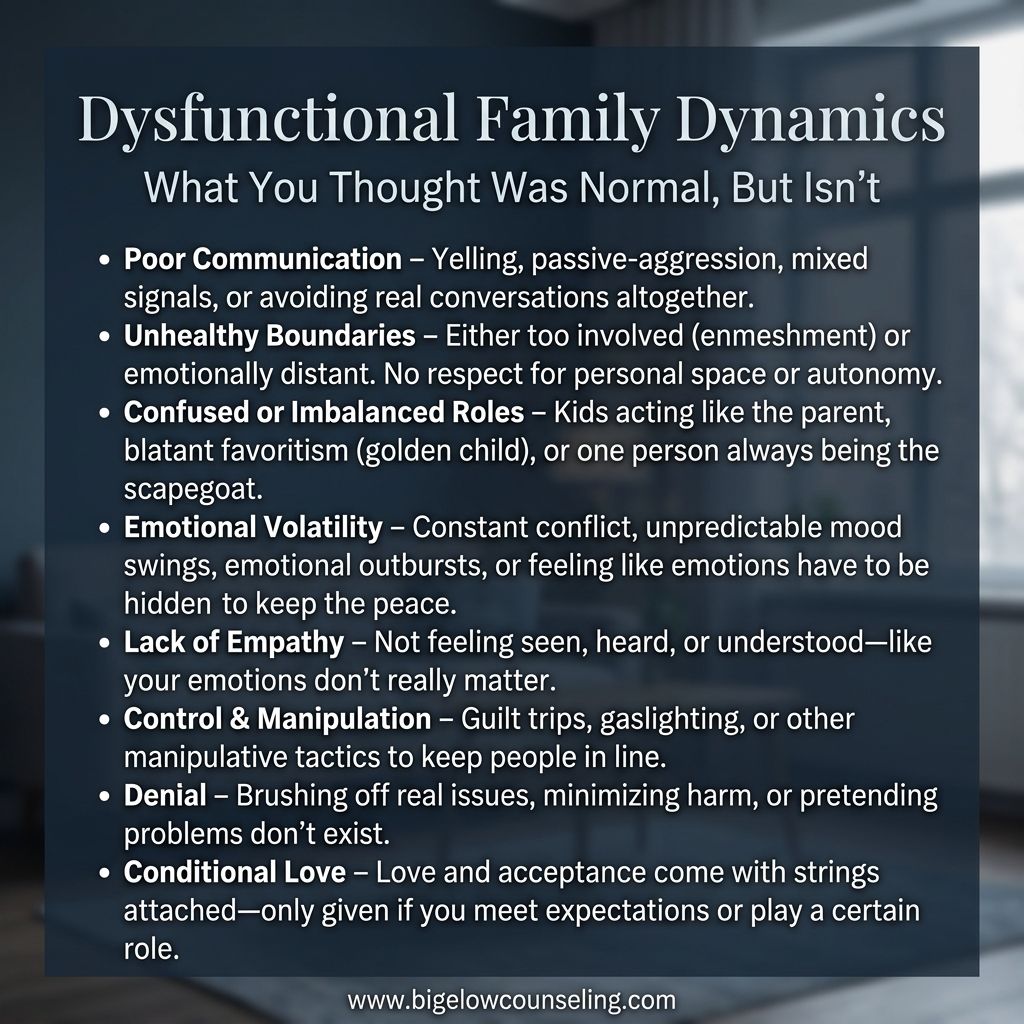
Exhaustion doesn’t just affect you; it impacts those around you. Your relationships may feel the strain, leading to tension and misunderstandings.
Stress and Relationship Issues
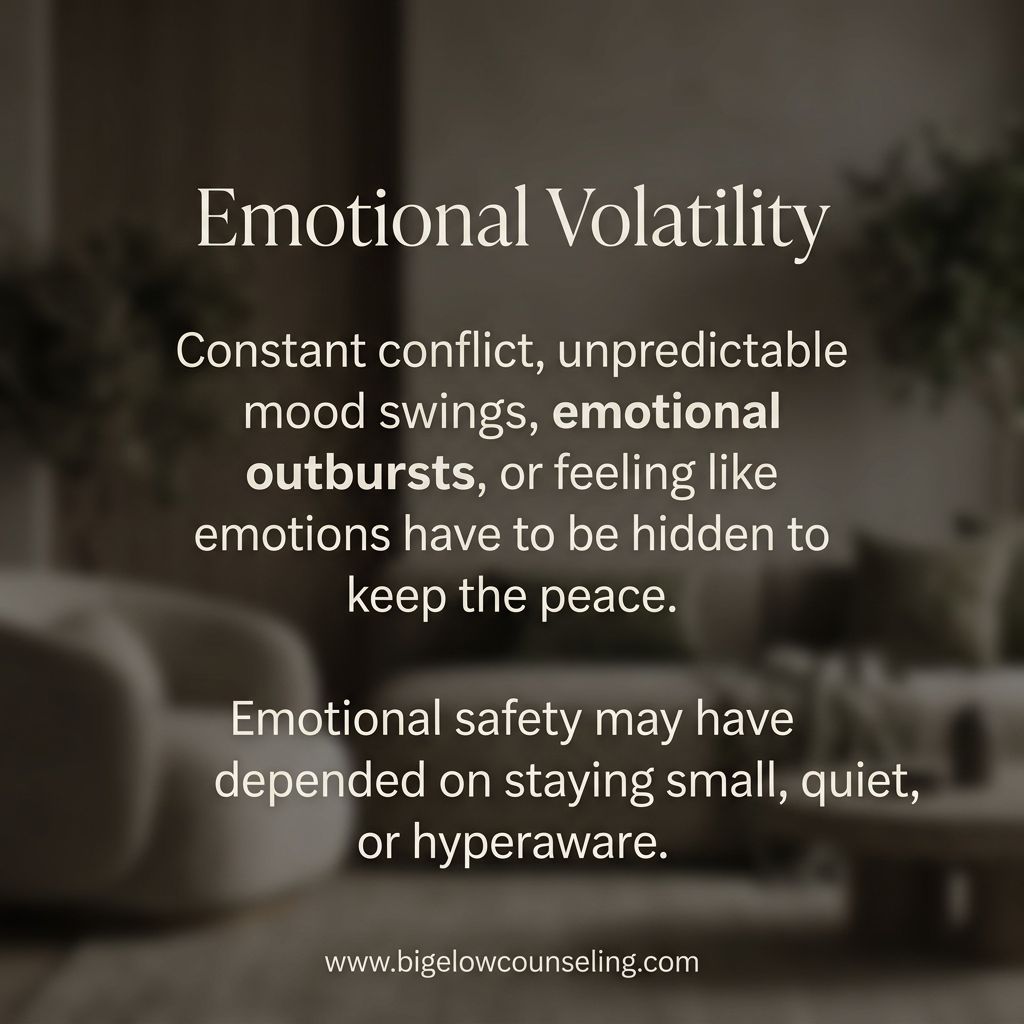
Stress can create friction in relationships. Small disagreements might escalate into bigger conflicts, creating a cycle of tension. Understanding how stress affects your interactions is crucial to preventing disputes.
Addressing stress in relationships involves open communication and mutual understanding. Professional counseling can facilitate these conversations and help restore harmony.
Compassion Fatigue in Couples
Compassion fatigue occurs when you’re too exhausted to support your partner. It can lead to feelings of detachment and resentment. Recognizing these signs is essential to maintaining a healthy relationship.
Couples counseling provides tools to manage compassion fatigue. It helps rebuild connection and understanding, ensuring both partners feel supported and valued.
Couples Counseling Palm Beach
In Palm Beach, couples counseling is readily available to those feeling the strain. It offers a safe space to explore issues and find solutions together. This support can rejuvenate relationships, bringing back joy and closeness.
Taking the step to seek counseling shows commitment to each other. It demonstrates a willingness to work through challenges and build a stronger, healthier partnership.
Frequently Asked Questions
What are the signs of emotional exhaustion?
Emotional exhaustion can manifest as irritability, anxiety, depression, memory loss, and lack of motivation. It’s important to recognize these signs early to seek appropriate help.
How does emotional exhaustion affect relationships?
It can cause stress and tension, leading to frequent arguments and misunderstandings. Addressing these issues through counseling can help restore balance and connection.
Can therapy help with workplace burnout?
Yes, therapy can provide strategies to manage stress and improve work-life balance. Executive coaching, in particular, targets career-related burnout and helps professionals regain focus and motivation.
What is compassion fatigue in relationships?
Compassion fatigue occurs when you are too emotionally drained to support your partner. It can lead to detachment and requires attention to rebuild closeness in the relationship.
Where can I find couples counseling in Palm Beach?
Bigelow Counseling offers couples counseling in Palm Beach, providing a supportive space to address relationship challenges and improve communication.