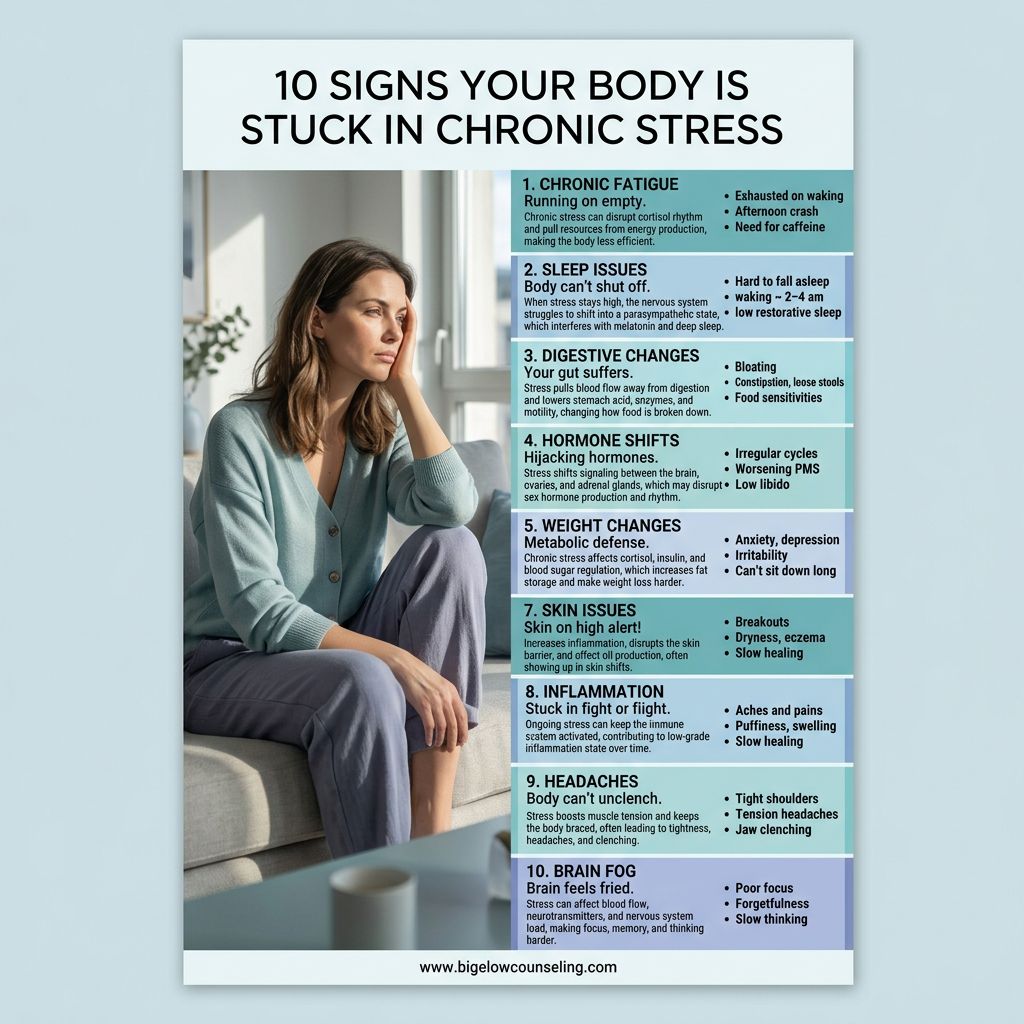
Stress feels familiar, but burnout is something else entirely. When exhaustion drags on and motivation fades, it’s time to check in with yourself using a clear burnout symptoms checklist. Learn how to spot the signs of burnout before it takes over, then take real steps toward chronic stress relief and workplace burnout recovery. Bigelow Counseling offers compassionate support tailored to your needs—book a free 15-minute consultation today for personalized care in Palm Beach or online across Florida. Learn more about burnout signs and recovery here.
Recognizing Stress vs Burnout
Stress is common, but recognizing when it morphs into burnout is crucial. Understanding this distinction helps in taking the right steps toward recovery.
Common Signs of Burnout
Burnout can sneak up on you. It often starts with constant fatigue. You might feel drained even after a full night’s sleep. Feeling detached from your work is another red flag. You may notice a lack of motivation or a sense of hopelessness about your job. These feelings can lead to decreased performance and satisfaction. Physical symptoms like headaches or stomach issues might also appear. Recognizing these signs early can help you take action before burnout fully takes over. Learn more about burnout signs.
Burnout Symptoms Checklist
A checklist can help you gauge where you stand. Do you feel exhausted all the time? Are you cynical or critical at work? Have you become irritable with coworkers or clients? If yes, you might be experiencing burnout. Assess your feelings about work: do you dread going in each day? Pay attention to physical symptoms like changes in sleep patterns or appetite. This checklist can be a starting point to understand if stress has turned into burnout. Don’t ignore these signs—they are your body’s way of calling for help. For more detailed insights, refer to the Mayo Clinic’s guide.
Impact of Chronic Stress
Chronic stress can lead to serious health issues if left unchecked. It affects your mental health, causing anxiety and depression. Over time, you might face physical problems like heart disease or high blood pressure. Constant stress makes it hard to concentrate, affecting productivity and increasing errors at work. It also strains personal relationships, as irritability may lead to conflicts. Recognizing these impacts early can help in taking corrective steps. Understanding the consequences allows you to prioritize your well-being.
Real Steps to Recovery
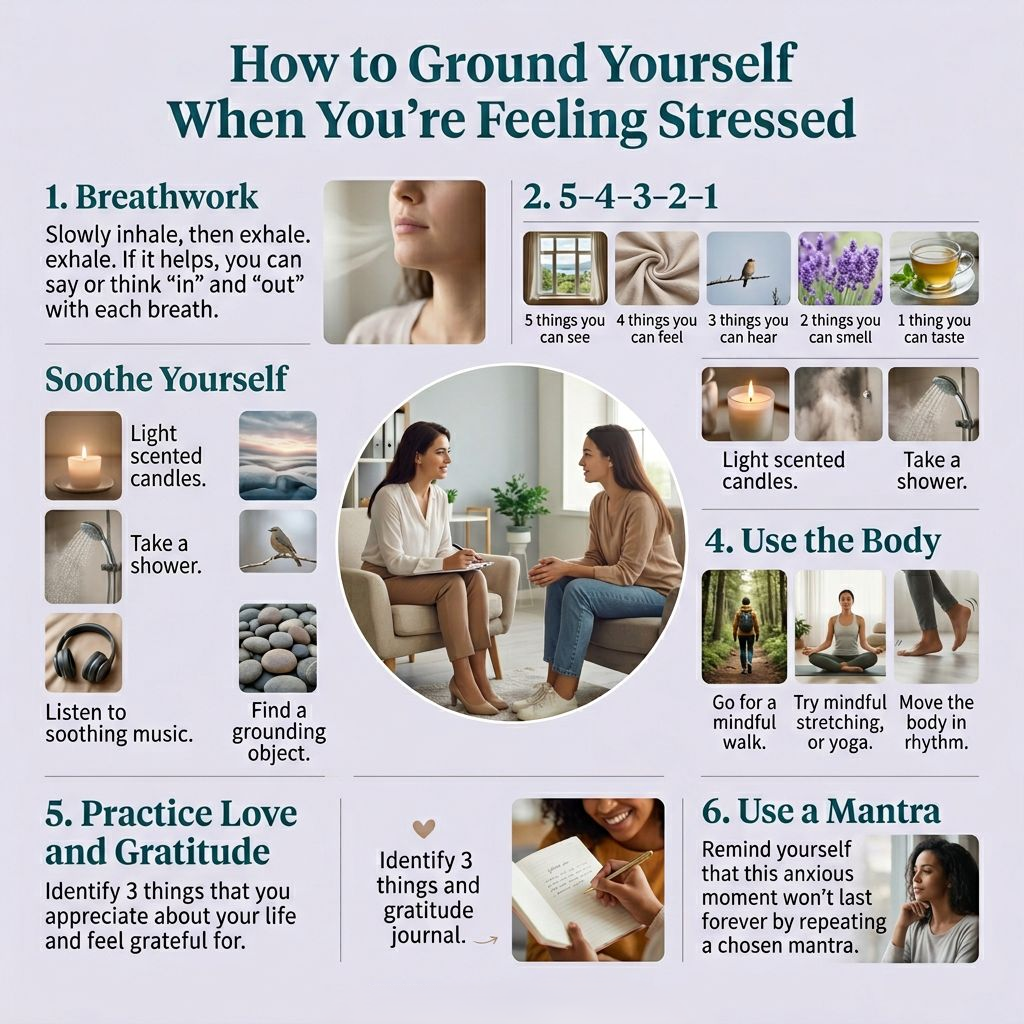
Once you recognize burnout, it’s vital to shift toward recovery. Tackling burnout involves both self-awareness and practical actions.
Practical Self-Checks
Regular checks help you stay aware of your mental and physical state. Take a moment each day to assess your stress levels. Are you feeling overwhelmed? Rate your mood and energy on a scale from 1 to 10. Reflect on any physical symptoms, like tension headaches or trouble sleeping. By noting these daily, you can track patterns and triggers. This awareness is the first step to managing stress. You’re not alone in feeling this way—acknowledging it is empowering.
Chronic Stress Relief Techniques
Finding relief from chronic stress is essential. Start by incorporating deep breathing exercises into your routine. Try taking slow, deep breaths for five minutes. This simple act can reduce stress immediately. Physical activity is another powerful tool: a 30-minute walk can clear your mind and boost your mood. Meditation or yoga can also be beneficial, helping you find balance and calmness. Practicing these techniques regularly can significantly reduce stress levels over time. Learn more about effective techniques here.
Workplace Burnout Recovery
Recovering from burnout in the workplace starts with open communication. Talk to your supervisor about your workload and how you’re feeling. They might help adjust your responsibilities or provide additional support. Establishing boundaries is also important. Set clear limits on work hours and stick to them. Taking regular breaks during the day can prevent fatigue. Practicing these habits can create a healthier work environment and reduce the risk of burnout. Remember, taking care of yourself is not a luxury—it’s a necessity for lasting success.
Seeking Professional Support
When self-help isn’t enough, professional support is a valuable resource. Therapy provides a safe space to explore feelings and develop coping strategies.
Benefits of Palm Beach Counseling
Palm Beach Counseling offers personalized support tailored to individual needs. Experienced therapists provide guidance through life’s challenges, helping you find purpose and healing. Whether dealing with stress, anxiety, or relationship issues, counseling can help. The practice emphasizes a compassionate and empowering approach, promoting personal growth. By seeking professional support, you take an important step toward recovery and well-being.
LGBTQ Affirming Therapy Options
For LGBTQ+ individuals, finding an affirming therapist is crucial. Palm Beach Counseling offers a supportive environment where all identities are respected. Therapy sessions cover a range of issues, from identity exploration to relationship challenges. The focus is on understanding and acceptance, creating a safe space for growth. Specialized support ensures you receive the care you need, tailored to your unique experience. This affirming approach fosters healing and empowerment.
Trauma Therapy EMDR in Florida
Trauma can deeply impact mental health, but EMDR therapy offers hope. This technique helps process traumatic memories, reducing their emotional impact. In Palm Beach, experienced therapists provide EMDR therapy tailored to individual needs. The sessions aim to resolve past traumas and improve overall well-being. By addressing trauma directly, EMDR therapy helps you move forward with confidence. This method supports healing and opens the door to a brighter future.
Frequently Asked Questions
What are the first signs of burnout?
Burnout often begins with persistent exhaustion, a lack of motivation, and feelings of cynicism about your job. Physical symptoms like headaches or altered sleep patterns may also appear.
How can I distinguish stress from burnout?
Stress is usually temporary and situational, while burnout is chronic and persistent. Burnout includes a sense of hopelessness and detachment from your work, leading to decreased performance.
What are effective ways to manage chronic stress?
Incorporating deep breathing exercises, regular physical activity, and mindfulness practices like meditation can significantly reduce stress levels. Establishing a routine and setting boundaries at work are also beneficial strategies.
How does EMDR therapy work for trauma?
EMDR therapy helps reprocess traumatic memories, reducing their emotional charge. This therapy involves guided eye movements or other stimuli to facilitate processing, promoting healing and emotional recovery.
Why is LGBTQ affirming therapy important?
LGBTQ affirming therapy provides a safe and supportive space where all identities are respected. It addresses unique challenges faced by LGBTQ+ individuals, promoting understanding, acceptance, and personal growth.