Tag: mental health support

  • Feeling Drained? Signs of Emotional Exhaustion and When to Reach Out for Support

    Feeling Drained? Signs of Emotional Exhaustion and When to Reach Out for Support

    Feeling drained doesn’t just mean being tired after a long day—it can signal emotional exhaustion creeping in. Recognizing the signs of burnout before it deepens can protect your well-being and peace of mind. This guide explores how to spot emotional exhaustion, understand its difference from depression, and know when to get help with a trusted Palm Beach therapist. Ready to feel like yourself again? Schedule a session with Bigelow Counseling—online or in-person in Palm Beach. New clients welcome. For more information on emotional exhaustion, check out this resource.

    Recognizing Emotional Exhaustion

    Understanding emotional exhaustion is the first step on your path to recovery. It’s crucial to know the signs before they take a larger toll on your mental health.

    Common Signs of Burnout

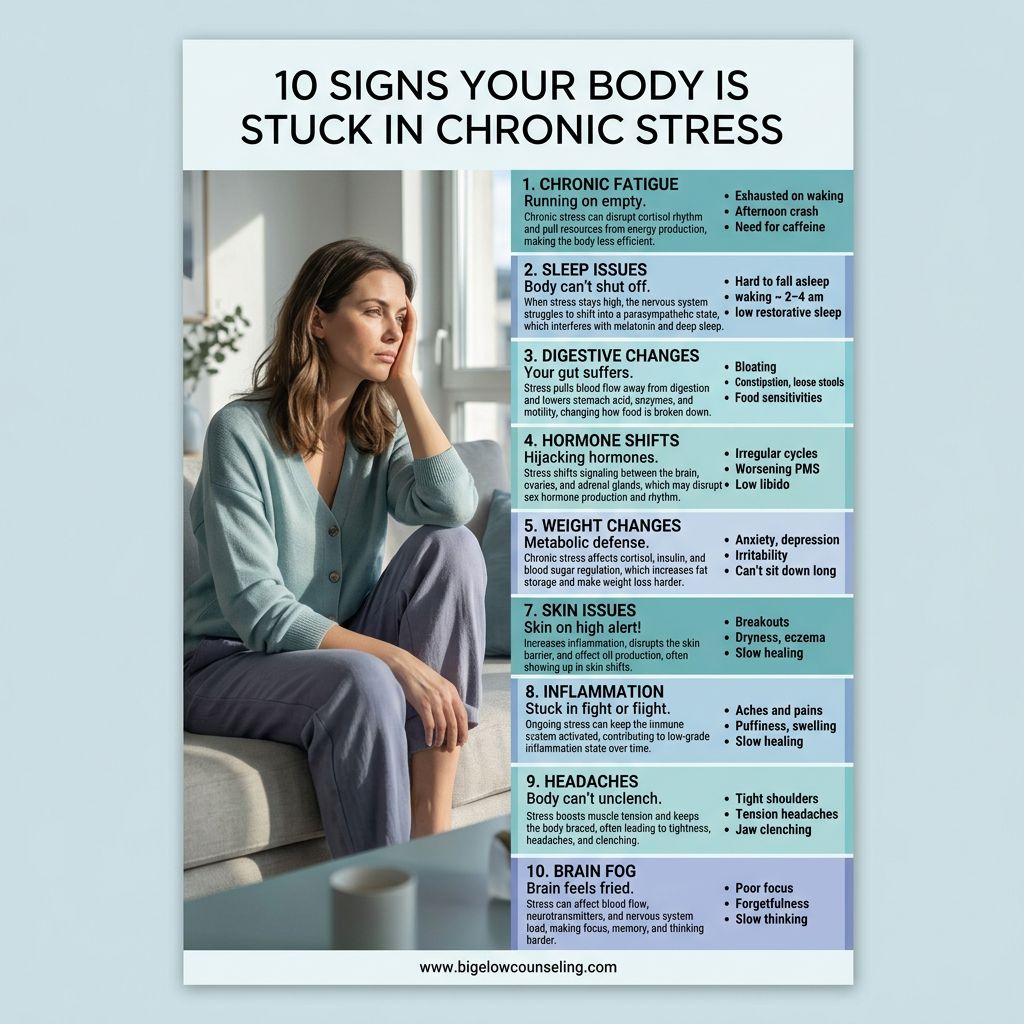
    Feeling constantly tired, withdrawing from social interactions, and losing interest in activities you once enjoyed are typical signs of burnout. You may also experience irritability and feel overwhelmed by daily tasks. These feelings aren’t just in your head—they’re your body’s way of signaling that it’s time to slow down. According to Healthline, emotional exhaustion can impact your physical health, leading to issues like headaches and sleep disturbances.

    If you notice these symptoms, take them seriously. Ignoring them can lead to more severe health problems. It’s not just about managing stress; it’s about maintaining your well-being and staying connected to the things that matter most to you.

    Burnout vs Depression: Key Differences

    While burnout and depression may share some symptoms, like feeling down and losing interest, they differ significantly. Burnout is typically linked to external factors like work stress and can often be remedied by changing your environment or workload. Depression, however, is a more pervasive condition that affects every aspect of life and requires professional intervention.

    Understanding these differences helps you determine the right type of support. If you’re unsure, a consultation with a professional can provide clarity. This distinction is crucial for finding the most effective path to recovery. The Mayo Clinic offers further insight into these differences.

    Impact of Chronic Stress

    Chronic stress doesn’t just affect your mind; it can take a toll on your body, too. It can lead to anxiety, depression, and physical health issues like high blood pressure. The longer you let stress build up, the harder it becomes to break free.

    Recognizing the symptoms of chronic stress early can prevent long-term damage and lead to more effective management strategies. Engaging in activities that promote relaxation, such as mindfulness or exercise, can be beneficial. The key is to address stress before it becomes a chronic issue.

    When to Seek Help

    Recognizing when to reach out for help is vital for maintaining your mental health. It’s not a sign of weakness but a step towards healing.

    Knowing When to Get Help

    If you find yourself unable to perform daily tasks or feeling persistently unhappy, it might be time to seek professional help. Recognizing this need early can save you from prolonged distress. It’s important to listen to your body and mind. They often tell you when it’s time to reach out for support.

    Don’t wait for things to worsen. Reaching out to a Palm Beach therapist can be the first step toward feeling better and reclaiming your life.

    Benefits of Professional Support

    Professional support can offer you tailored strategies to manage stress and improve mental health. Therapists can help you develop coping mechanisms and provide a safe space to express your feelings. This support is invaluable in navigating complex emotions and situations.

    When you’re struggling, having someone to guide you can make all the difference. Professional help can lead to significant improvements in your overall well-being.

    Palm Beach Counselor Services

    Palm Beach offers a variety of counseling services tailored to meet your needs, from individual therapy to specialized support for trauma. Engaging with a local counselor means you’re not alone in this journey.

    Services in this area are designed to provide comprehensive support, ensuring you have access to the resources needed for healing. Whether you’re dealing with anxiety, depression, or relationship issues, there’s help available.

    Supportive Counseling Options

    Exploring different counseling options can help you find the right fit for your needs.

    EMDR Therapy Florida

    EMDR therapy is a powerful tool for those dealing with trauma. It helps process traumatic memories and reduce their lingering effects. This therapy can be life-changing for those who have struggled to find relief through other means.

    In Florida, many therapists specialize in EMDR, offering a clear path to recovery. If trauma has been holding you back, this therapy might be the solution you’ve been seeking.

    LGBTQ Affirming Counseling

    Finding a counselor who understands and supports LGBTQ+ issues is essential. Affirming counseling provides a safe space for exploration and acceptance, crucial for mental health and personal growth.

    For those in the LGBTQ+ community, having a supportive counselor can make a significant difference. It ensures that your unique needs and experiences are understood and addressed.

    Couples Counseling Palm Beach 🌈

    Couples counseling can help improve communication and resolve conflicts within relationships. It’s an opportunity to strengthen bonds and address issues that may be causing tension.

    In Palm Beach, couples counseling is available to support relationships in all stages. Whether you’re facing minor disagreements or significant challenges, professional support can guide you toward a healthier relationship.

    Frequently Asked Questions

    What are the first signs of emotional exhaustion?

    The first signs often include feeling constantly tired, irritable, and overwhelmed by daily responsibilities. It’s important to recognize these early to prevent further mental health issues.

    How can I differentiate between burnout and depression?

    Burnout is usually linked to external stressors and may improve with changes in those areas. Depression is more pervasive, affecting all aspects of life and requiring professional treatment.

    What should I do if I suspect I’m experiencing chronic stress?

    If you suspect chronic stress, it’s crucial to seek support. Professional help can guide you in developing effective coping strategies and improving your mental health.

    Home

  • Counseling vs Coaching: Which Type of Support Fits the Goal?

    Counseling vs Coaching: Which Type of Support Fits the Goal?

    Counseling and coaching often get mixed up, but choosing the right kind of support can change everything. Whether facing anxiety, relationship struggles, or career hurdles, knowing the difference between therapy vs coaching helps match goals to the best path forward. This guide breaks down counseling vs coaching so you can find the right fit and take the next step with a Palm Beach counselor or life coach who truly understands your needs. Ready to align support with goals? Schedule a consultation with Bigelow Counseling—online or in Palm Beach—to create a plan that fits today’s needs and tomorrow’s vision.

    Understanding the Differences

    Choosing between counseling and coaching can be key in achieving personal and professional goals. Here’s a closer look at each to guide your decision.

    Counseling vs Coaching Explained

    Counseling and coaching serve unique purposes. Counseling often digs into past experiences to help you understand and work through emotional challenges like anxiety or depression. It’s a safe space to heal and grow. Coaching, on the other hand, looks to the future. It helps you set and achieve goals, be it personal or professional. Think of it as a partnership where you and your coach work together to unlock potential and overcome barriers.

    Whether you want to resolve emotional issues or reach new heights in your career, understanding these distinctions is crucial. Each approach offers valuable tools to help you succeed. Finding the right fit can mean the difference between feeling stuck and moving forward with confidence.

    Therapy vs Coaching: Key Distinctions

    Therapy and coaching both aim to improve lives, but they do so in different ways. Therapy often involves in-depth exploration of emotional and psychological struggles. It’s about healing and finding peace. Coaches, however, focus on growth and achievement. They help you map out a path to reach specific goals, be it in your career or personal life.

    Therapists are typically licensed professionals trained to handle mental health issues, while coaches may not always have such credentials. They focus more on motivation and strategy. Knowing these distinctions can help you decide which path aligns with your needs and aspirations.

    When to Choose Counseling or Coaching

    Deciding whether to pursue counseling or coaching depends on your personal needs. If emotional healing is your goal, counseling may be the right choice. It’s ideal for those dealing with trauma, anxiety, or depression. For those looking to make strides in their career or personal life, coaching could be more suitable. It’s perfect for goal setting, accountability, and professional growth.

    Consider your current challenges and aspirations. Do you need healing or motivation? By identifying your primary focus, you can choose the support that will help you thrive.

    Matching Goals to Support

    Once you know the differences, it becomes easier to match your goals with the right support. Whether healing from trauma or aiming for professional growth, there’s a path tailored for you.

    Healing and Trauma Recovery

    If past experiences weigh heavy, counseling can offer relief. Using methods like EMDR trauma therapy, therapists help you process and heal. This approach can lift the burden of trauma, enabling you to move forward with a lighter heart. Healing isn’t just about understanding your past; it’s about reclaiming your future and living with purpose.

    Therapy offers a safe environment to explore and overcome emotional pain. It’s a journey toward rediscovery and empowerment, providing the tools you need to heal and thrive.

    Professional Growth and Career Advancements

    For those seeking to climb the career ladder or break free from stagnation, coaching is a valuable ally. Professional growth often requires setting clear goals and finding ways to achieve them. A coach acts as a guide, helping you navigate workplace challenges and unlock potential.

    Whether you aim to advance in your current role or pivot to a new career, coaching provides the clarity and motivation needed. With a focus on actionable steps, coaching transforms ambitions into achievements.

    Improving Relationships and Personal Well-being

    Strengthening relationships and enhancing personal well-being often starts with self-awareness. Counseling can address interpersonal conflicts and improve communication skills, paving the way for healthier relationships. It’s about understanding yourself and others better.

    Whether you’re dealing with family dynamics or seeking to improve romantic relationships, counseling offers insights and strategies to foster harmony and connection. It’s a path to personal growth and stronger, more fulfilling relationships.

    Choosing the Right Provider

    Selecting the right provider is crucial in your journey to growth and healing. Here’s what to consider to make the best choice.

    Personalized Counseling and Coaching Services

    A tailored approach ensures that your unique needs are met. Bigelow Counseling offers personalized services, from individual therapy to life coaching. Each session is crafted to focus on what matters most to you. This personalized attention can make all the difference in achieving your goals.

    Whether you seek therapy for trauma or coaching for career advancement, having a provider who understands your needs can lead to successful outcomes. It’s about finding a partner in your journey towards growth.

    LGBTQ+ Affirming and Inclusive Care

    Inclusivity matters when choosing a provider. Bigelow Counseling offers LGBTQ+ affirming therapy and inclusive care. It’s important to feel seen and understood, especially when navigating personal challenges.

    Finding a compassionate and accepting environment is crucial for effective therapy and coaching. This care ensures that everyone, regardless of their identity, can access support that meets their needs.

    Online and In-Person Options in Florida 🌈

    Flexibility is key when selecting a provider. Bigelow Counseling offers both online and in-person options in Palm Beach, Florida. This accessibility ensures you can receive support in a way that fits your lifestyle. Whether you prefer face-to-face interaction or the convenience of virtual sessions, options are available to meet your needs.

    Having the choice between online and in-person sessions can enhance your experience, making it easier to integrate support into your daily routine.

    Frequently Asked Questions

    What is the difference between counseling and coaching?

    Counseling focuses on emotional and psychological healing, often dealing with past trauma and emotional challenges. Coaching, however, is about setting and achieving future goals, focusing on motivation and strategy.

    How do I know if I need a therapist or a coach?

    Consider your current needs. If you’re dealing with emotional issues like anxiety or trauma, a therapist may be more suitable. For setting and achieving personal or career goals, a coach would be beneficial.

    What services does Bigelow Counseling offer?

    Bigelow Counseling provides a range of services including individual counseling, couples counseling, EMDR trauma therapy, and life and executive coaching, all tailored to meet client needs.

    Can I receive therapy online with Bigelow Counseling?

    Yes, Bigelow Counseling offers online therapy options, making it convenient for clients to receive support from any location in Florida.

    Is Bigelow Counseling LGBTQ+ friendly?

    Absolutely, Bigelow Counseling offers LGBTQ+ affirming therapy, ensuring a welcoming and supportive environment for all clients.

    By understanding the distinctions between counseling and coaching, and considering your personal goals, you’ll be better equipped to choose the right support. Whether healing, growing, or thriving, the right path awaits.

    Home

  • Stress or Burnout? 8 Clear Signs It’s Time to Reset

    Stress or Burnout? 8 Clear Signs It’s Time to Reset

    Stress feels like part of the daily grind, but when does it cross into burnout? Recognizing the difference can protect your energy and relationships before everything feels overwhelming. This guide breaks down clear signs of burnout and offers practical steps to reclaim balance. Ready to spot the shift from chronic stress to emotional exhaustion? Keep reading to find out when it’s time to reset and how Bigelow Counseling in Palm Beach can support your path forward.

    For more information, you can read about the signs of burnout.

    Stress vs Burnout: Key Differences

    Understanding the difference between everyday stress and burnout is crucial for maintaining a healthy balance in life. While stress can be a normal part of life, prolonged exposure can lead to burnout, which requires more intensive intervention. Let’s explore the distinctions.

    Understanding Everyday Stress

    Stress is a common response to life’s demands. It can actually be a good motivator, pushing you to meet deadlines or tackle challenges. You might feel your heart racing before a big presentation, but this feeling typically subsides once the task is complete. Stress is temporary, and with effective coping strategies, its impact can be minimized.

    However, chronic stress can wear you down over time. When stress becomes a constant companion, it may begin to affect your health, mood, and productivity. Recognizing how stress feels and managing it through techniques like exercise or meditation is key to preventing its escalation.

    Recognizing Workplace Burnout

    Burnout is more than just a bad day at work. It’s a state of emotional, physical, and mental exhaustion caused by prolonged and excessive stress. In the workplace, you might notice a lack of motivation, reduced performance, and a sense of dread about going to work. Burnout doesn’t fade with a weekend break; it requires more substantial changes.

    People experiencing burnout often feel detached or cynical towards their work. This condition is not just about working long hours but about feeling overwhelmed and undervalued. If your job is affecting your personal life and well-being, it may be time to take a closer look at your work environment and responsibilities.

    Emotional Exhaustion and Its Impact

    Emotional exhaustion is a core component of burnout. It’s when stress depletes your emotional resources, leaving you feeling drained and incapable of coping with daily demands. This exhaustion can lead to feelings of hopelessness and defeat.

    Physically, you might struggle with sleep issues or frequent illnesses. Emotionally, you may feel detached or numb, impacting relationships and social interactions. If these signs resonate with you, it might be time to consider professional help to reclaim energy and enthusiasm for life.

    Signs of Burnout: What to Watch For

    Being aware of the warning signs of burnout can help you intervene early. Burnout doesn’t happen overnight, and its symptoms can vary. Here’s what to keep an eye out for in terms of emotional and physical red flags.

    Emotional and Physical Red Flags

    Burnout often manifests as persistent fatigue, despite getting enough rest. You may also experience emotional symptoms such as irritability, sadness, or a sense of apathy. These feelings can be accompanied by physical symptoms like headaches, stomach issues, or changes in appetite.

    Chronic stress can lead to a weakened immune system, making you more susceptible to illnesses. If you’re frequently feeling low or unwell, it might be an indication that stress is turning into burnout. Recognizing these signs early can help you take steps to address them before they escalate.

    Behavioral Changes in Daily Life

    Behavioral shifts are common indicators of burnout. You might find yourself withdrawing from social activities or losing interest in hobbies you once enjoyed. Productivity at work or home may decline, and you might rely on unhealthy coping mechanisms like alcohol or junk food.

    These changes can also impact personal relationships, leading to misunderstandings or conflicts. If your daily routine is affected by these behaviors, it’s important to assess the underlying stressors and seek support to make positive changes.

    Anxiety and Depression Indicators

    Burnout can be closely linked to anxiety and depression. Persistent feelings of worry, fear, or sadness can be overwhelming. You might notice a constant sense of unease or find it difficult to concentrate or make decisions.

    If these symptoms are interfering with your daily life, it’s essential to seek professional help. Addressing burnout-related mental health issues early can prevent them from worsening and help you regain control and clarity.

    Recovery Steps and Support

    Once burnout is identified, taking steps towards recovery is crucial. It’s not just about removing stressors, but also about rebuilding your resilience and finding support.

    Resetting Your Nervous System

    Resetting your nervous system can help restore balance. Activities like yoga, deep breathing exercises, and mindfulness meditation are effective ways to calm your mind and body. These practices can help reduce stress levels and improve your overall well-being.

    Engaging in regular physical activity is another powerful stress reliever. Even a short walk can boost endorphins and improve your mood. Prioritize self-care to support your mental and physical health as you navigate recovery.

    Setting Boundaries and Finding Rest

    Establishing healthy boundaries is vital for preventing future burnout. Learn to say no to additional responsibilities that overwhelm you. Prioritize activities that bring joy and relaxation, and ensure you have downtime to recharge.

    Adequate rest is essential for recovery. Create a bedtime routine that promotes restful sleep and limits screen time before bed. Allow yourself time to unwind and reflect on positive experiences to foster a sense of calm.

    Seeking Therapy and Professional Help

    Professional support can be invaluable in recovering from burnout. Therapy provides a safe space to explore feelings and develop coping strategies. Bigelow Counseling offers LGBTQ affirming therapy and specialized trauma therapy tailored to your needs.

    Therapists can help you understand the root causes of burnout and work with you to develop a personalized recovery plan. Seeking help is a proactive step towards healing and empowerment.

    Frequently Asked Questions

    What is the main difference between stress and burnout?

    Stress is a temporary response to demands, while burnout is long-term exhaustion and detachment due to prolonged stress. Burnout requires deeper intervention and recovery.

    What are some common physical signs of burnout?

    Physical signs include persistent fatigue, headaches, and changes in appetite. Frequent illnesses may also indicate a weakened immune system due to chronic stress.

    How can therapy help with burnout?

    Therapy provides tools to manage stress and burnout. It helps identify underlying causes, develop coping strategies, and support mental health recovery.

    Home

  • Running on Empty? What Self-Compassion Really Looks Like

    Running on Empty? What Self-Compassion Really Looks Like

    Running on empty feels like carrying the weight of the world on your shoulders with no pause button in sight. When burnout creeps in, self-compassion isn’t about grand gestures—it’s the small, kind moments you give yourself to keep going. In this post, you’ll find simple ways to practice self-kindness that fit your real life and hear how Bigelow Counseling in Palm Beach can support your burnout recovery with care that meets you where you are. If you’re ready to start healing, keep reading. Learn more about managing compassion fatigue here.

    Understanding Burnout and Overwhelm

    Burnout doesn’t discriminate, touching all professions and walks of life. Recognizing its signs early can be your first step towards recovery.

    Signs You’re Running on Empty

    Feeling tired all the time? Struggling to find joy in activities you once loved? These might be signs of burnout. When every task feels like a mountain, it’s your body telling you it needs rest. Even simple tasks can seem overwhelming, and it’s easy to feel trapped in a never-ending cycle of fatigue. If you notice these signs, it’s time to pause and listen to your body.

    Burnout can also affect your relationships. You might find yourself snapping at loved ones or withdrawing from social activities. Emotional exhaustion can make it hard to connect with others. But recognizing these signs early can help you take control and seek the support you need.

    Normalizing Burnout in Daily Life

    Burnout is more common than you might think. Many people feel ashamed or isolated, believing they must push through without showing weakness. But understanding that burnout is a shared experience can help normalize it. Accepting that it’s okay not to be okay is a powerful first step towards healing.

    Talking about burnout openly can break down the stigma. Sharing experiences with others can offer comfort and new perspectives. Remember, you’re not alone. Many have walked this path and found their way back to balance and peace.

    The Role of Palm Beach Counseling

    Counseling can be a lifeline when dealing with burnout. At Bigelow Counseling, the focus is on personalized care. Whether you’re dealing with stress, anxiety, or depression, professional support can make all the difference. Palm Beach counseling offers a safe space to explore your feelings and find your way back to yourself.

    Our therapists understand the unique pressures you face and provide guidance tailored to your needs. They offer tools and techniques to help you manage stress and rebuild resilience. Reaching out for help is a courageous step toward a healthier, happier you.

    Practicing Self-Compassion

    Self-compassion is about treating yourself with the same kindness you’d offer a friend. It’s a practice that can transform the way you handle stress and setbacks.

    Simple Self-Kindness Techniques

    Start with small acts of self-kindness. Take a moment each day to appreciate something about yourself. These moments of gratitude can shift your mindset from negative to positive. Write down three things you’re grateful for or proud of each day.

    Another simple technique is to set boundaries. Saying no to additional demands can protect your energy and time. Prioritize activities that nurture you and let go of those that drain you. Remember, it’s okay to put yourself first sometimes.

    Mindfulness for Stress Management

    Mindfulness is a powerful tool for stress management. It helps you stay present and reduce anxiety about the future or regrets about the past. Begin with just five minutes a day. Focus on your breath and let your thoughts pass without judgment.

    Mindfulness can also improve your emotional resilience. It teaches you to observe your thoughts and feelings without being overwhelmed by them. As you practice mindfulness, you’ll find it easier to navigate stressful situations with a calm and clear mind.

    Building Resilience with Self-Compassion

    Resilience isn’t about never falling; it’s about how you get back up. Self-compassion can be your greatest ally in this journey. It helps you bounce back from setbacks with greater ease and self-understanding.

    Practice self-compassion by being gentle with yourself when things go wrong. Instead of criticizing yourself, acknowledge your efforts and remind yourself that mistakes are part of growth. Building resilience takes time and patience, but with self-compassion, you’ll find strength you didn’t know you had.

    Bigelow Counseling: Your Partner in Healing

    Bigelow Counseling is here to support you on your journey to recovery. Our tailored therapy options are designed to meet your unique needs.

    Tailored Therapy Options

    Whether you’re dealing with anxiety, depression, or past trauma, our therapy options are tailored to help you heal. We offer various approaches, including EMDR trauma therapy, to address your specific challenges. Therapy is not one-size-fits-all; it’s a personal journey, and we’re here to guide you every step of the way.

    Each session is designed to empower you, providing tools and strategies to navigate life’s challenges. Our therapists work with you to create a plan that aligns with your goals and healing process.

    LGBTQ+ Affirming and Trauma-Informed Care

    At Bigelow Counseling, inclusivity is at the core of our practice. We offer an affirming environment for the LGBTQ+ community, ensuring that everyone feels welcome and understood. Our trauma-informed care approach prioritizes your safety and comfort, creating a supportive space for healing.

    Our therapists are experienced in LGBTQ+ issues and committed to providing compassionate, understanding care. Whether you’re navigating identity questions or seeking support for trauma, we’re here to help.

    Flexible Online Therapy in Florida

    We understand that life is busy, which is why we offer flexible online therapy options. Whether you’re in Palm Beach or elsewhere in Florida, you can access the care you need from the comfort of your home. Online therapy in Florida makes it easier than ever to fit sessions into your schedule.

    Our online platform is secure and easy to use, ensuring that your privacy is protected. It’s a convenient way to prioritize your mental health without the stress of commuting.

    Frequently Asked Questions

    What are the early signs of burnout?

    Early signs include chronic fatigue, reduced performance, irritability, and feelings of helplessness. Recognizing these signs can help you seek support before burnout worsens.

    How can self-compassion help with burnout?

    Self-compassion involves treating yourself with kindness, reducing self-criticism, and acknowledging your efforts. It can improve resilience and help you recover from burnout.

    What therapy options does Bigelow Counseling offer?

    We offer a wide range of therapies, including individual counseling, couples counseling, and EMDR trauma therapy. Each option is tailored to meet your specific needs.

    Is online therapy as effective as in-person sessions?

    Yes, online therapy offers the same level of care and effectiveness as in-person sessions. It provides flexibility and convenience, making it easier to access mental health support.

    How can mindfulness reduce stress?

    Mindfulness helps you stay present and aware, reducing anxiety about past or future events. It improves emotional regulation, helping you handle stress more effectively.