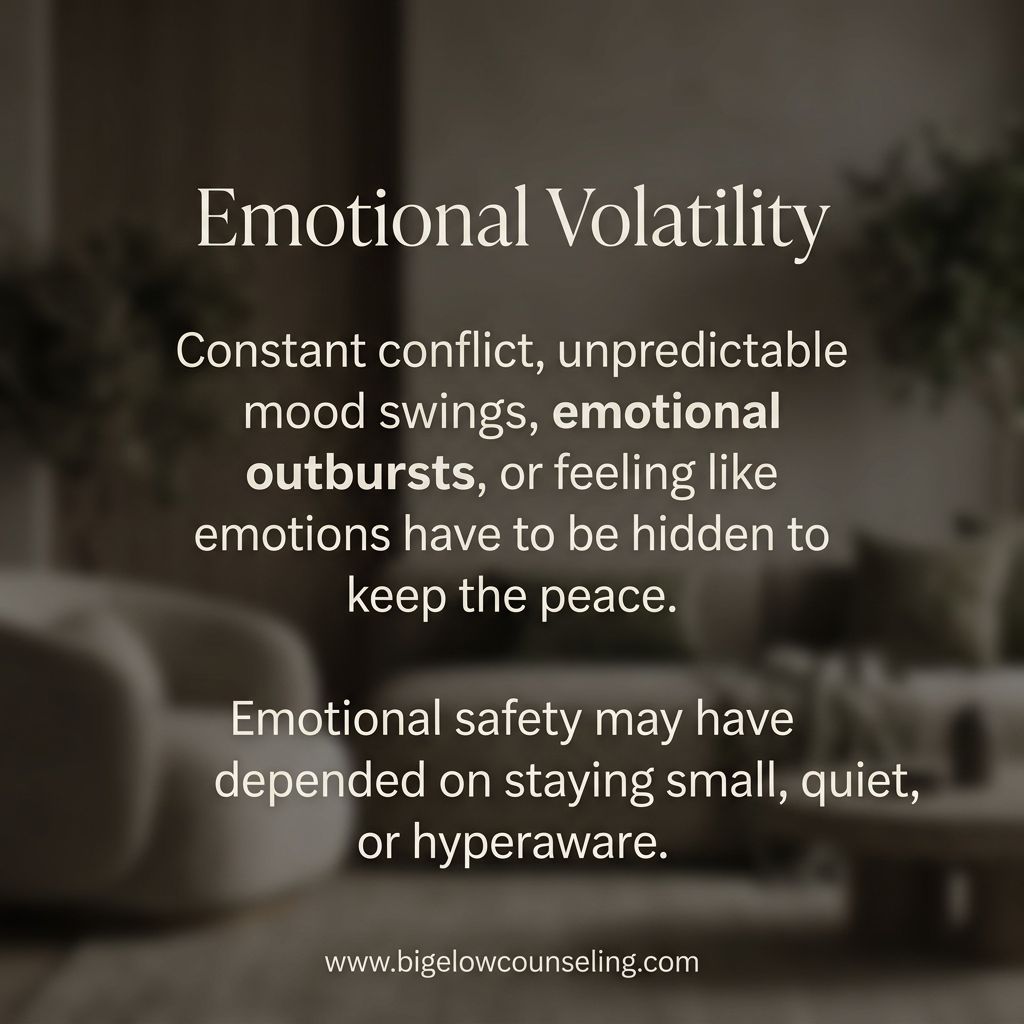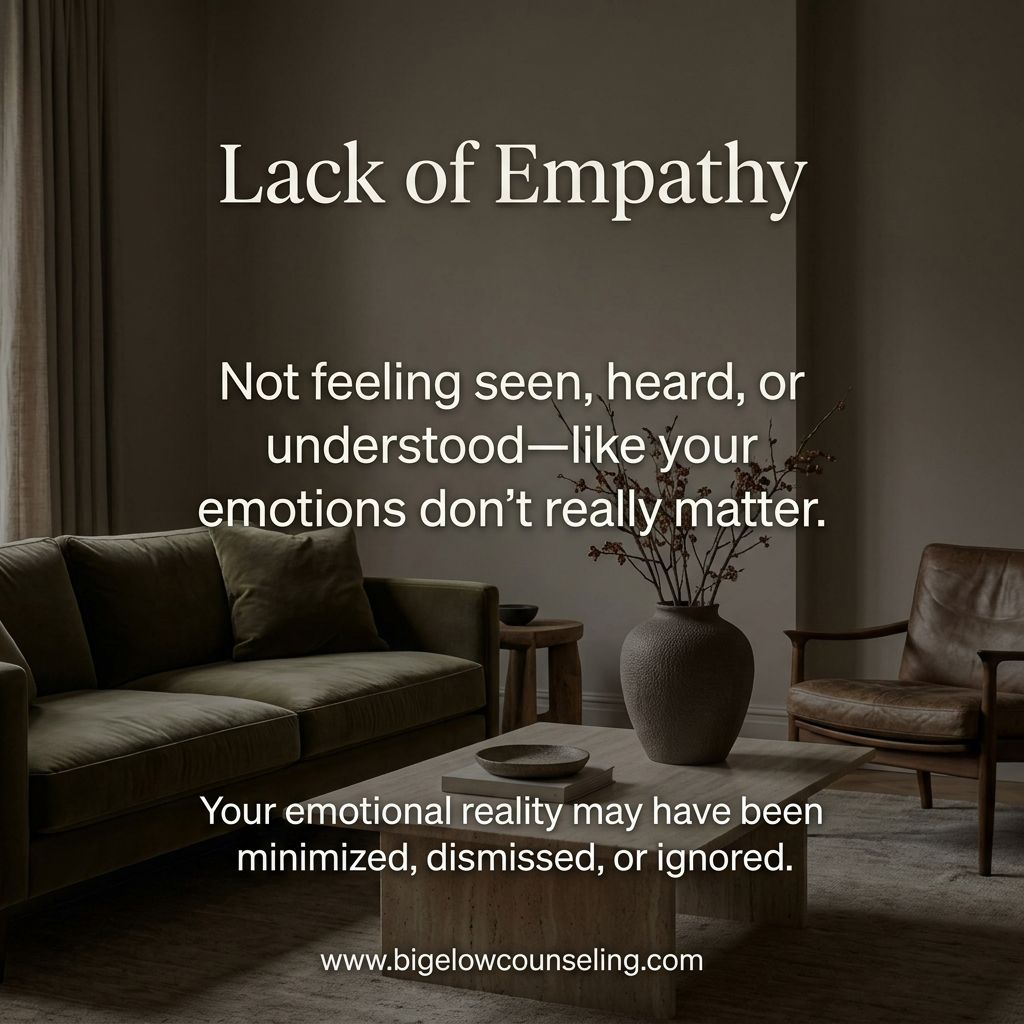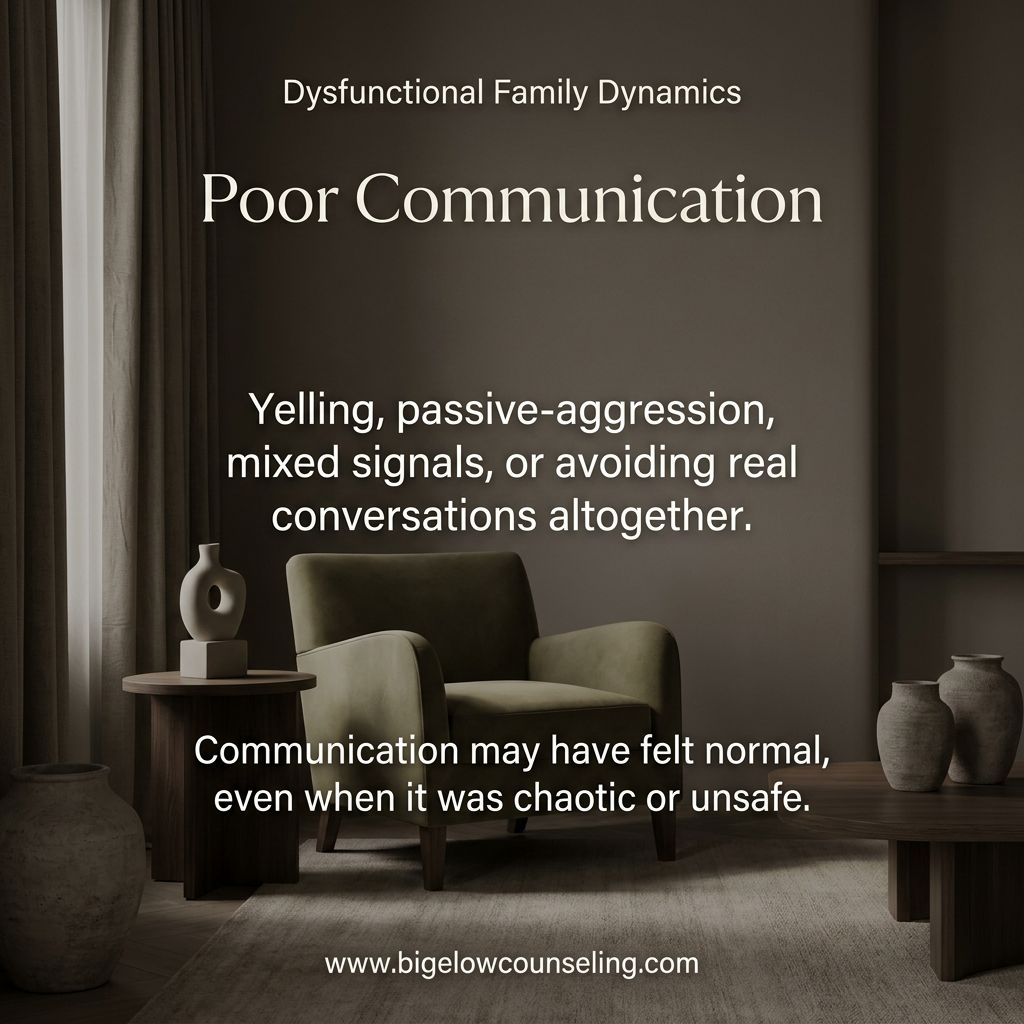
Trauma doesn’t just belong to the past—it quietly shapes how people react to everyday stress, affects confidence, and even rewires relationships. Those sudden triggers and feelings of self-doubt aren’t flaws; they’re signals from a nervous system still trying to feel safe. Understanding these patterns opens the door to healing through trauma therapy Palm Beach trusts, including EMDR and supportive counseling. Ready for steadier days and stronger connections? Book a free 15-minute consult with Bigelow Counseling—available in-person in Palm Beach and via secure telehealth across Florida. For more on how trauma can affect the brain and body, click here.
Understanding Trauma’s Impact
Day-to-Day Reactions
Trauma can influence reactions in surprising ways. Everyday situations might evoke intense feelings or sudden anxiety. These responses are not a reflection of character, but rather, they are signals from the brain. The brain, conditioned by past trauma, can perceive danger even when it’s not present. This heightened state of alertness is common in trauma survivors. By recognizing these reactions, you can begin to understand their roots.
Sometimes, even small stressors can feel overwhelming, leading to reactions that seem disproportionate. This can manifest as irritability, sudden sadness, or withdrawal. It’s important to know that these responses are part of the body’s way of keeping you safe. By learning about these patterns, you can take the first step toward managing them. Read more about common reactions to trauma.
Confidence and Self-Doubt
Trauma often impacts self-image and confidence. You might find yourself doubting your abilities or feeling unworthy. These feelings are deeply rooted in past experiences that have shaped how you view yourself. It’s not uncommon to feel trapped in a cycle of negative self-talk.
Rebuilding confidence after trauma is possible. By working with a therapist, you can start to challenge these beliefs. Over time, you can learn to appreciate your strengths and embrace self-compassion. This healing journey not only boosts confidence but also helps in nurturing a more positive self-image.
Relationship Patterns and Cycles
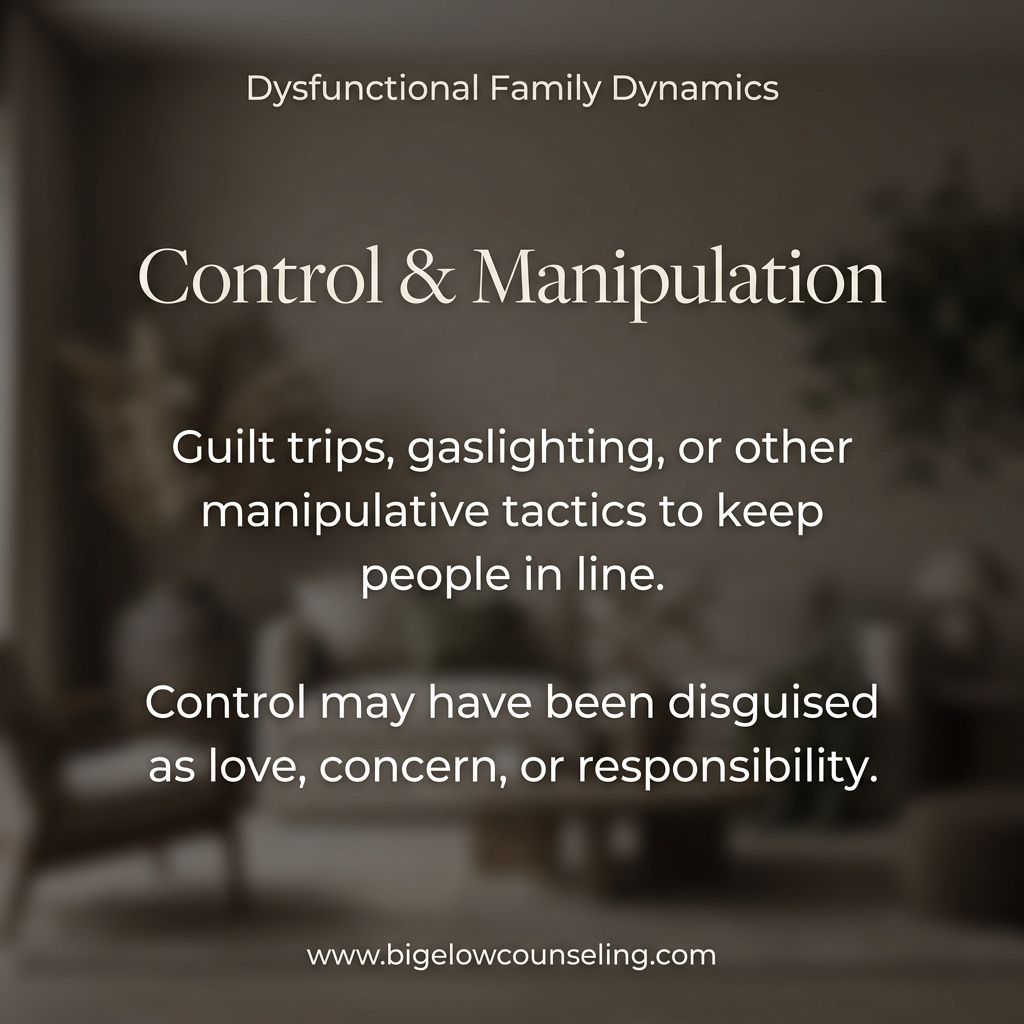
Trauma can create cycles in relationships that are hard to break. You might notice patterns of conflict or withdrawal. These cycles often stem from attachment wounds or past experiences that affect how you relate to others. Understanding these patterns is crucial for healthier relationships.
Breaking these cycles involves recognizing triggers and learning new ways to communicate and connect. Therapy can offer tools and insights to help navigate these challenges. By addressing these patterns, you can foster stronger, more fulfilling relationships. Learn more about the effects of trauma on relationships.
Healing with Professional Support
EMDR and Trauma Therapy
Eye Movement Desensitization and Reprocessing (EMDR) is a powerful tool for trauma recovery. It helps the brain process traumatic memories differently, reducing their emotional charge. With guidance from an EMDR therapist in Florida, you can reframe these memories, making them less distressing.
EMDR has been shown to be effective for PTSD and other trauma-related issues. It involves guided eye movements that help the brain integrate and heal. This therapy offers hope for those who feel stuck in their trauma. By engaging in EMDR, you can find relief and regain control over your emotional responses. Discover how EMDR can aid in trauma recovery.
Counseling in Palm Beach
In Palm Beach, counseling provides a supportive space for healing. Whether you’re dealing with trauma, relationship issues, or anxiety, professional support can make a difference. Licensed therapists offer personalized approaches to meet your unique needs.
Counseling sessions can help you explore emotions, identify patterns, and develop coping strategies. This process fosters personal growth and emotional resilience. By investing in therapy, you can move toward a healthier and more balanced life.
Online Therapy and Telehealth Options
Telehealth brings therapy to your fingertips. With online options, you can access support from the comfort of your home. This flexibility is ideal for those with busy schedules or who prefer privacy.
Online therapy offers the same level of care as in-person sessions. Through secure video calls, therapists provide guidance and support, making it convenient for anyone across Florida. This accessibility ensures that help is available when you need it most. Learn more about online therapy options.
Building a Supportive Future

Practical Steps for Healing
Healing from trauma involves practical steps. Start by recognizing triggers and learning how to manage them. Practice mindfulness and grounding techniques to stay present. These tools can help reduce anxiety and improve emotional regulation.
Consider joining support groups or workshops where you can share experiences and learn from others. Engaging in self-care activities like exercise or journaling can also promote healing. By taking these steps, you create a strong foundation for recovery.
Finding the Right Therapist
Finding a therapist who understands your needs is crucial. Look for someone experienced in trauma-informed care and who offers a supportive, non-judgmental environment. Consider their approach and whether it aligns with your goals.
It’s important to feel comfortable and understood in your sessions. A good therapist will work collaboratively with you, offering guidance and insights tailored to your journey. Invest time in finding the right fit for a successful therapeutic relationship.
Scheduling Your First Consultation 🌟
Taking the step to schedule a consultation can feel empowering. It’s an opportunity to discuss your concerns and explore therapy options. During the consultation, you can ask questions and determine if the therapist is the right match for you.
Many find that starting therapy brings a sense of relief and hope. It’s the beginning of a journey toward healing and personal growth. Don’t hesitate to reach out and take that first step.
Frequently Asked Questions
What is EMDR therapy and how does it work?
EMDR is a form of therapy that uses guided eye movements to help the brain process traumatic memories. It reduces the emotional impact of these memories and promotes healing.
How can trauma affect daily life?
Trauma can influence everyday reactions, making small stressors feel overwhelming. It can also impact confidence and relationships, leading to patterns that are hard to break.
Is online therapy as effective as in-person sessions?
Yes, online therapy can be just as effective. It offers flexibility and accessibility, allowing you to receive support from wherever you are, with the same level of care and professionalism.