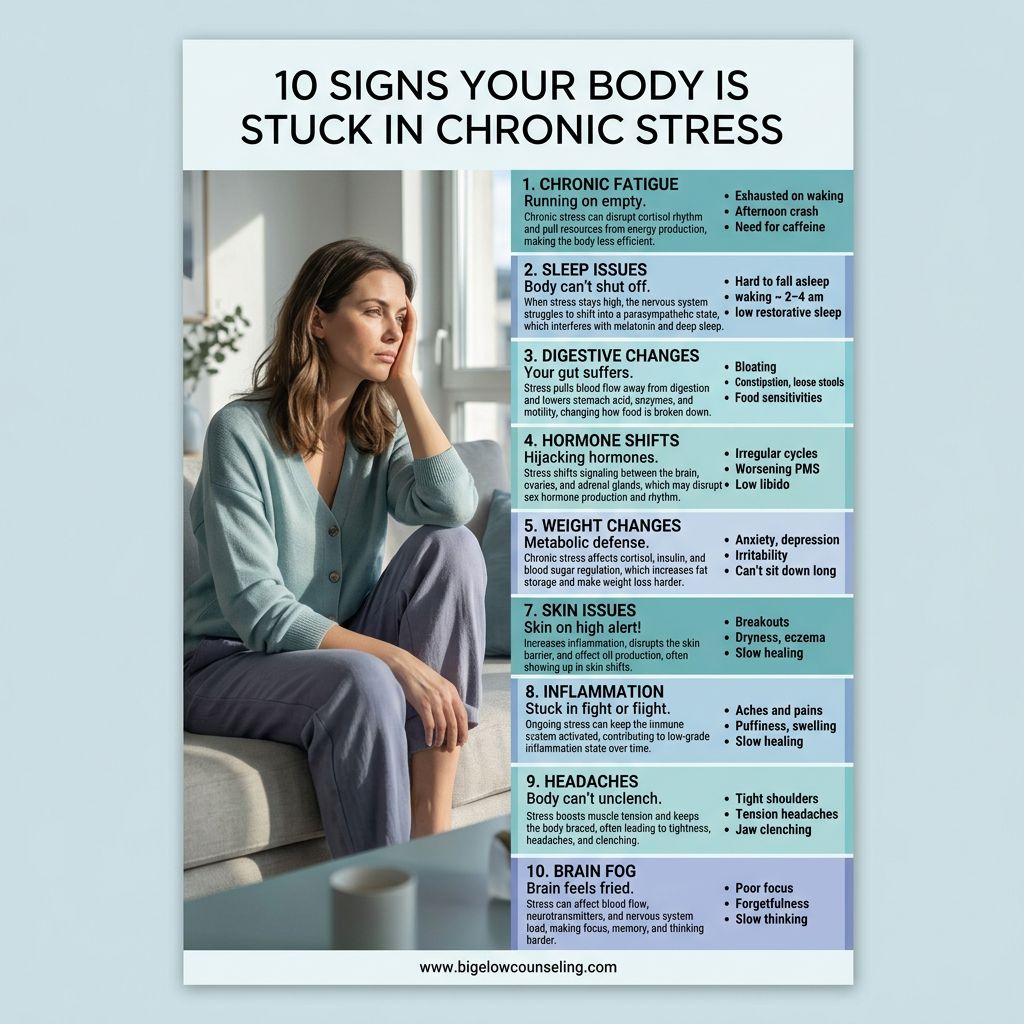
Stress feels like part of the daily grind, but when does it cross into burnout? Recognizing the difference can protect your energy and relationships before everything feels overwhelming. This guide breaks down clear signs of burnout and offers practical steps to reclaim balance. Ready to spot the shift from chronic stress to emotional exhaustion? Keep reading to find out when it’s time to reset and how Bigelow Counseling in Palm Beach can support your path forward.
For more information, you can read about the signs of burnout.
Stress vs Burnout: Key Differences
Understanding the difference between everyday stress and burnout is crucial for maintaining a healthy balance in life. While stress can be a normal part of life, prolonged exposure can lead to burnout, which requires more intensive intervention. Let’s explore the distinctions.
Understanding Everyday Stress
Stress is a common response to life’s demands. It can actually be a good motivator, pushing you to meet deadlines or tackle challenges. You might feel your heart racing before a big presentation, but this feeling typically subsides once the task is complete. Stress is temporary, and with effective coping strategies, its impact can be minimized.
However, chronic stress can wear you down over time. When stress becomes a constant companion, it may begin to affect your health, mood, and productivity. Recognizing how stress feels and managing it through techniques like exercise or meditation is key to preventing its escalation.
Recognizing Workplace Burnout
Burnout is more than just a bad day at work. It’s a state of emotional, physical, and mental exhaustion caused by prolonged and excessive stress. In the workplace, you might notice a lack of motivation, reduced performance, and a sense of dread about going to work. Burnout doesn’t fade with a weekend break; it requires more substantial changes.
People experiencing burnout often feel detached or cynical towards their work. This condition is not just about working long hours but about feeling overwhelmed and undervalued. If your job is affecting your personal life and well-being, it may be time to take a closer look at your work environment and responsibilities.
Emotional Exhaustion and Its Impact
Emotional exhaustion is a core component of burnout. It’s when stress depletes your emotional resources, leaving you feeling drained and incapable of coping with daily demands. This exhaustion can lead to feelings of hopelessness and defeat.
Physically, you might struggle with sleep issues or frequent illnesses. Emotionally, you may feel detached or numb, impacting relationships and social interactions. If these signs resonate with you, it might be time to consider professional help to reclaim energy and enthusiasm for life.
Signs of Burnout: What to Watch For

Being aware of the warning signs of burnout can help you intervene early. Burnout doesn’t happen overnight, and its symptoms can vary. Here’s what to keep an eye out for in terms of emotional and physical red flags.
Emotional and Physical Red Flags
Burnout often manifests as persistent fatigue, despite getting enough rest. You may also experience emotional symptoms such as irritability, sadness, or a sense of apathy. These feelings can be accompanied by physical symptoms like headaches, stomach issues, or changes in appetite.
Chronic stress can lead to a weakened immune system, making you more susceptible to illnesses. If you’re frequently feeling low or unwell, it might be an indication that stress is turning into burnout. Recognizing these signs early can help you take steps to address them before they escalate.
Behavioral Changes in Daily Life
Behavioral shifts are common indicators of burnout. You might find yourself withdrawing from social activities or losing interest in hobbies you once enjoyed. Productivity at work or home may decline, and you might rely on unhealthy coping mechanisms like alcohol or junk food.
These changes can also impact personal relationships, leading to misunderstandings or conflicts. If your daily routine is affected by these behaviors, it’s important to assess the underlying stressors and seek support to make positive changes.
Anxiety and Depression Indicators
Burnout can be closely linked to anxiety and depression. Persistent feelings of worry, fear, or sadness can be overwhelming. You might notice a constant sense of unease or find it difficult to concentrate or make decisions.
If these symptoms are interfering with your daily life, it’s essential to seek professional help. Addressing burnout-related mental health issues early can prevent them from worsening and help you regain control and clarity.
Recovery Steps and Support

Once burnout is identified, taking steps towards recovery is crucial. It’s not just about removing stressors, but also about rebuilding your resilience and finding support.
Resetting Your Nervous System
Resetting your nervous system can help restore balance. Activities like yoga, deep breathing exercises, and mindfulness meditation are effective ways to calm your mind and body. These practices can help reduce stress levels and improve your overall well-being.
Engaging in regular physical activity is another powerful stress reliever. Even a short walk can boost endorphins and improve your mood. Prioritize self-care to support your mental and physical health as you navigate recovery.
Setting Boundaries and Finding Rest
Establishing healthy boundaries is vital for preventing future burnout. Learn to say no to additional responsibilities that overwhelm you. Prioritize activities that bring joy and relaxation, and ensure you have downtime to recharge.
Adequate rest is essential for recovery. Create a bedtime routine that promotes restful sleep and limits screen time before bed. Allow yourself time to unwind and reflect on positive experiences to foster a sense of calm.
Seeking Therapy and Professional Help
Professional support can be invaluable in recovering from burnout. Therapy provides a safe space to explore feelings and develop coping strategies. Bigelow Counseling offers LGBTQ affirming therapy and specialized trauma therapy tailored to your needs.
Therapists can help you understand the root causes of burnout and work with you to develop a personalized recovery plan. Seeking help is a proactive step towards healing and empowerment.
Frequently Asked Questions
What is the main difference between stress and burnout?
Stress is a temporary response to demands, while burnout is long-term exhaustion and detachment due to prolonged stress. Burnout requires deeper intervention and recovery.
What are some common physical signs of burnout?
Physical signs include persistent fatigue, headaches, and changes in appetite. Frequent illnesses may also indicate a weakened immune system due to chronic stress.
How can therapy help with burnout?
Therapy provides tools to manage stress and burnout. It helps identify underlying causes, develop coping strategies, and support mental health recovery.