Tag: Palm Beach therapist

  • Stress vs. Burnout: How to Spot the Switch—and What Support Helps

    Stress vs. Burnout: How to Spot the Switch—and What Support Helps

    Stress can feel like part of daily life, but when does it tip into burnout? Spotting the signs of burnout early—like emotional exhaustion or constant overwhelm—can protect your well-being before things spiral. This guide walks through clear differences between stress vs burnout and offers practical steps for workplace stress recovery. Those ready to move beyond burnout can find personalized support with a therapist at Bigelow Counseling, including LGBTQ+ affirming therapy and EMDR in Palm Beach. Book a free 15-minute consultation today to start a burnout recovery plan tailored just for you. Learn more about the signs of burnout here.

    Spotting Stress vs. Burnout

    Identifying when stress becomes burnout is crucial for your mental health. Understanding the signs early on can help you take action before it becomes overwhelming.

    Recognizing Signs of Burnout

    Burnout is more than just feeling stressed. It’s a state of physical and emotional exhaustion. You might feel drained, unable to cope, and lacking motivation. These feelings can lead to decreased performance at work or in daily tasks. It’s essential to recognize that burnout doesn’t happen overnight. It builds up over time, often starting with subtle signs like a lack of energy or a negative outlook. If you’ve noticed these signs, it might be time to take a step back and assess your current situation. Learn more about burnout signs and symptoms.

    Understanding Emotional Exhaustion

    Emotional exhaustion is a key component of burnout. It happens when you feel emotionally drained and unable to handle demands. This can affect your relationships and overall well-being. You might find yourself easily irritated or feeling hopeless. These feelings often lead to a sense of detachment from others and a loss of life satisfaction. By acknowledging these emotions, you can begin to address the root causes and seek support. Explore strategies to combat emotional exhaustion.

    Practical Self-Checks and Relief Steps
    Taking proactive steps can help you manage stress and prevent burnout. Simple checks and effective strategies can make a world of difference.

    Simple Self-Assessments

    To see where you stand, conduct a quick self-check. Ask yourself: Do I often feel overwhelmed? Do I struggle to find joy in activities I used to enjoy? Acknowledging your emotional state is the first step towards recovery. Keeping a journal can help track your mood and identify triggers. Reflect on your work-life balance and consider if there are areas where you can make adjustments. This awareness can guide you in making necessary changes to reduce stress levels. Check out how self-assessments can inform stress management.

    Effective Burnout Recovery Plan

    Recovering from burnout requires a thoughtful plan. Start by setting realistic goals and prioritizing self-care. Ensure you get enough rest and engage in activities that recharge your energy. Consider professional help if needed; talking to a therapist can provide valuable insights and coping strategies. Break tasks into smaller, manageable steps, and celebrate small victories to maintain motivation. Remember, recovery is a journey. By taking these steps, you can regain control and improve your mental health. Discover more about burnout recovery plans.

    Personalized Support at Bigelow Counseling

    Bigelow Counseling offers personalized support to help you navigate through stress and burnout. Our services cater to a diverse range of needs, ensuring you find the right path to healing.

    Comprehensive Therapy Services

    Our team provides a variety of therapeutic services, including individual counseling and EMDR trauma therapy. We focus on creating a safe space for everyone, especially the LGBTQ+ community. Our therapists are experienced in handling various emotional and mental health challenges, offering tailored solutions to promote healing and growth. Whether you’re dealing with anxiety, depression, or workplace stress, we are here to support you. Learn about our comprehensive therapy services in Palm Beach.

    Booking a Consultation with a Palm Beach Therapist 🌟

    Ready to take the first step towards recovery? Book a consultation with one of our compassionate therapists. We offer a free 15-minute consultation to understand your needs and tailor a plan for you. Our services are designed to provide support and guidance, helping you overcome challenges and achieve personal growth. Don’t wait to get the help you need. Start your journey to wellness today and take control of your mental health. Schedule a consultation with a therapist in Palm Beach.

    Frequently Asked Questions

    What is the main difference between stress and burnout?

    Stress is often temporary and related to specific tasks or situations, while burnout is a chronic state of emotional and physical exhaustion that requires more comprehensive intervention.

    How can I tell if I’m experiencing emotional exhaustion?

    Signs of emotional exhaustion include feeling drained, a lack of motivation, and difficulty handling daily demands. It often leads to a sense of detachment and reduced satisfaction in life.

    What are some effective ways to recover from burnout?

    Recovery involves setting realistic goals, prioritizing self-care, and seeking professional support when needed. Breaking tasks into smaller steps and celebrating small victories can also help maintain motivation.

    How can Bigelow Counseling help with my mental health needs?

    Bigelow Counseling offers personalized therapy services tailored to your specific needs. Our experienced therapists provide support for a range of issues, including anxiety, depression, and trauma.

    Is there a consultation fee at Bigelow Counseling?

    We offer a free 15-minute consultation to understand your needs and tailor a plan that suits your journey towards healing and growth.

  • 7 Signs Your Anxiety Is More Than Everyday Stress (and What Helps)

    7 Signs Your Anxiety Is More Than Everyday Stress (and What Helps)

    Feeling stuck in worry that won’t switch off? When anxiety crosses the line from normal stress, it can start to affect sleep, focus, and relationships. Knowing the signs of anxiety disorder helps you take steps toward relief with tools like grounding techniques and breathing exercises. Bigelow Counseling offers compassionate support tailored to your needs—ready for steadier days? Book a free 15-minute consultation or an anxiety-focused session today. More information about how to know when anxiety is becoming more than everyday stress.

    Recognizing Anxiety Beyond Everyday Stress

    Anxiety is part of life, but when does it become more than just stress? Understanding the difference is crucial. Here are ways anxiety can go beyond everyday stress.

    Constant Worry and Racing Thoughts

    Do you often find yourself stuck in loops of worry that just won’t quit? Your mind might be racing with thoughts that seem endless. This overwhelming worry could indicate an anxiety disorder rather than typical stress. Most people think stress is the same as anxiety, but anxiety often involves persistent worry that disrupts daily activities. It’s not just having concerns; it’s about feeling like your mind won’t let you rest.

    With anxiety, the mind can feel like it’s on a constant roller coaster. This relentless cycle can make it hard to concentrate on tasks, affecting work and relationships. Knowing when your worry becomes more than stress is essential for seeking the right help. If you find it hard to switch off these racing thoughts, it might be time to reach out for support.

    Insomnia and Anxiety: A Vicious Cycle

    Ever notice how anxiety can rob you of a good night’s sleep? Insomnia often goes hand in hand with anxiety, creating a cycle hard to break. Anxiety can lead to sleepless nights, which in turn heightens anxiety. It’s a frustrating loop that many people experience.

    Sleep deprivation can exacerbate symptoms of anxiety, making it feel like you’re stuck in a never-ending cycle. Lack of sleep affects your mood, making you more irritable and less able to handle daily stressors. Recognizing this pattern is the first step toward finding relief. Understanding how insomnia and anxiety are connected helps you take action to improve both your sleep and your anxiety levels.

    Irritability and Anxiety: A Hidden Link

    Do you feel on edge more often than not? Irritability is a common but less talked about sign of anxiety. It’s easy to dismiss this as just having a bad day, but frequent irritability might be a signal of underlying anxiety issues. Feeling constantly annoyed or easily upset can wear you down.

    Anxiety can make small problems seem bigger, leading to a short temper or snappy responses. This can strain relationships, creating tension between you and your loved ones. If you notice this pattern, it might be time to consider whether anxiety is at play. Addressing irritability as a symptom of anxiety can improve your interactions and help restore balance in your life.

    Effective Solutions for Managing Anxiety

    Recognizing anxiety is just the first step. Finding ways to manage it effectively can help you regain control. Let’s explore some practical solutions.

    Grounding Techniques and Breathing Exercises

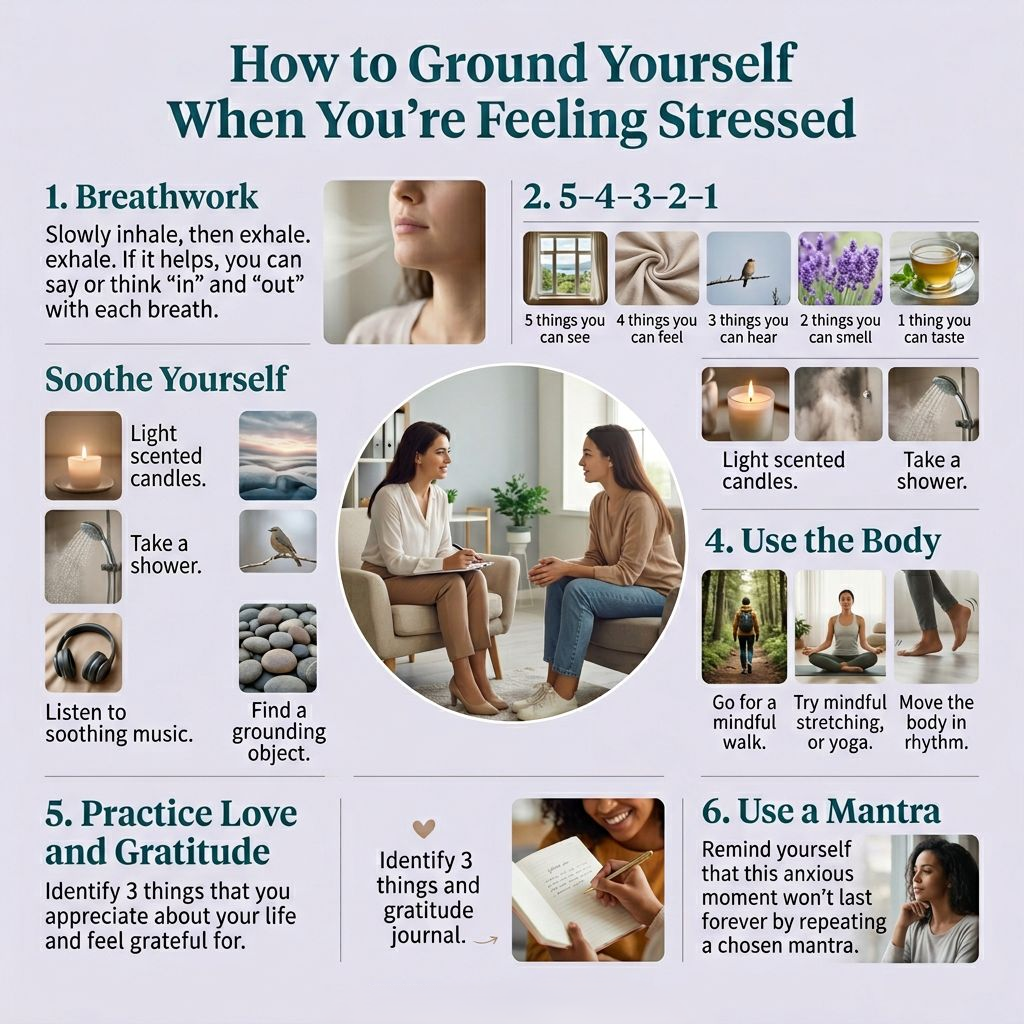
    Feeling anxious? Grounding techniques and breathing exercises can be powerful tools to calm your mind. These practices help you stay present and reduce feelings of panic. Simple exercises, like counting breaths or focusing on physical sensations, can help anchor your thoughts.

    When anxiety feels overwhelming, using these tools can provide immediate relief. It’s about retraining your mind to focus on the present moment rather than spiraling into worry. Regular practice can help reduce overall anxiety levels, giving you more control over your emotions and reactions.

    EMDR for Anxiety and Trauma-Informed Care

    Have you heard of EMDR? It’s a therapeutic technique often used for trauma but can be beneficial for anxiety too. EMDR helps reprocess distressing memories, reducing their emotional impact. This can be particularly helpful if your anxiety is linked to past experiences.

    Trauma-informed care recognizes the impact of trauma on mental health, offering a supportive approach to healing. It provides a safe space to explore these issues without judgment. Considering EMDR as a treatment option can be a game-changer for those struggling with anxiety linked to trauma.

    When to Seek Therapy for Anxiety

    Knowing when to seek therapy for anxiety is crucial. If anxiety interferes with daily life, it might be time to reach out for professional help. Therapy offers a supportive environment to explore your feelings and develop coping strategies.

    Seeking therapy isn’t just for severe cases. Even mild anxiety can benefit from professional guidance. Therapists can provide personalized tools and insights to manage anxiety effectively. If you’re questioning whether therapy is right for you, consider how anxiety impacts your life. Taking the step to seek help can open doors to a healthier, more balanced life.

    Supportive Counseling Options

    Bigelow Counseling offers a range of supportive counseling options tailored to your needs. From individual therapy to specialized services, there’s something for everyone.

    LGBTQ+ Affirming Therapy and Queer Therapist Palm Beach

    Looking for a safe space to explore your identity? LGBTQ+ affirming therapy provides supportive care tailored to the unique challenges of the community. A queer therapist in Palm Beach understands these issues and offers a non-judgmental space for healing.

    This therapy focuses on acceptance and understanding, helping you navigate challenges related to your identity. It’s about creating a supportive environment where you can be your true self without fear of discrimination. Seeking LGBTQ+ affirming therapy can be a positive step toward mental well-being.

    Online Therapy Florida and Mental Health Counseling Palm Beach

    Need convenient therapy options? Online therapy in Florida offers flexibility and accessibility, making it easier to fit into your schedule. Mental health counseling in Palm Beach provides professional support with a local touch.

    Whether you’re dealing with anxiety, stress, or other mental health issues, these services ensure you receive the care you need. Online therapy is especially beneficial for those with busy lifestyles or mobility issues. It’s about making mental health support reachable for everyone, no matter the circumstances.

    Couples Counseling Anxiety and Executive Coaching for Stress

    Struggling with relationship stress? Couples counseling can address anxiety within relationships, helping improve communication and connection. It’s about working together to create a healthier dynamic.

    For professionals, executive coaching for stress offers targeted support to manage workplace challenges. This type of coaching helps you develop skills to handle stress effectively, promoting both personal and professional growth. These services aim to provide a comprehensive approach to managing anxiety in all areas of life.

    🌈💬✨

    Frequently Asked Questions

    What are the signs of an anxiety disorder?

    Anxiety disorders often involve persistent worry, racing thoughts, insomnia, and irritability. These symptoms disrupt daily life and go beyond typical stress responses.

    Can anxiety cause insomnia?

    Yes, anxiety and insomnia are closely linked. Anxiety can make it difficult to fall asleep or stay asleep, creating a cycle that worsens anxiety symptoms.

    What is EMDR therapy, and how does it help anxiety?

    EMDR therapy helps reprocess distressing memories, reducing their emotional impact. It’s beneficial for anxiety linked to past trauma, providing relief by addressing underlying issues.

    When should I seek therapy for anxiety?

    Consider therapy if anxiety interferes with daily activities or causes significant distress. Therapy offers a supportive space to explore your feelings and develop coping strategies.

    What is LGBTQ+ affirming therapy?

    LGBTQ+ affirming therapy provides supportive care tailored to the unique challenges of the community. It focuses on acceptance and understanding, creating a safe space for healing.

  • Feeling Drained? 12 Signs of Emotional Exhaustion—and How to Know It’s Time to Get Help

    Feeling Drained? 12 Signs of Emotional Exhaustion—and How to Know It’s Time to Get Help

    Feeling drained isn’t just about needing more sleep. When emotional exhaustion signs start to take over, daily tasks become overwhelming, and joy feels out of reach. This guide breaks down the 12 key signs of burnout and helps you spot the difference between burnout vs depression. Knowing when to get help for burnout can change everything—especially with support from a Palm Beach therapist who gets it. Ready for relief? Schedule a free 15-minute consultation with Bigelow Counseling today.

    Recognizing Emotional Exhaustion

    Understanding emotional exhaustion is crucial. It’s more than feeling tired; it’s a deep sense of being overwhelmed. This section guides you to recognize the signs, differentiate burnout from depression, and know when to seek help.

    Common Emotional Exhaustion Signs

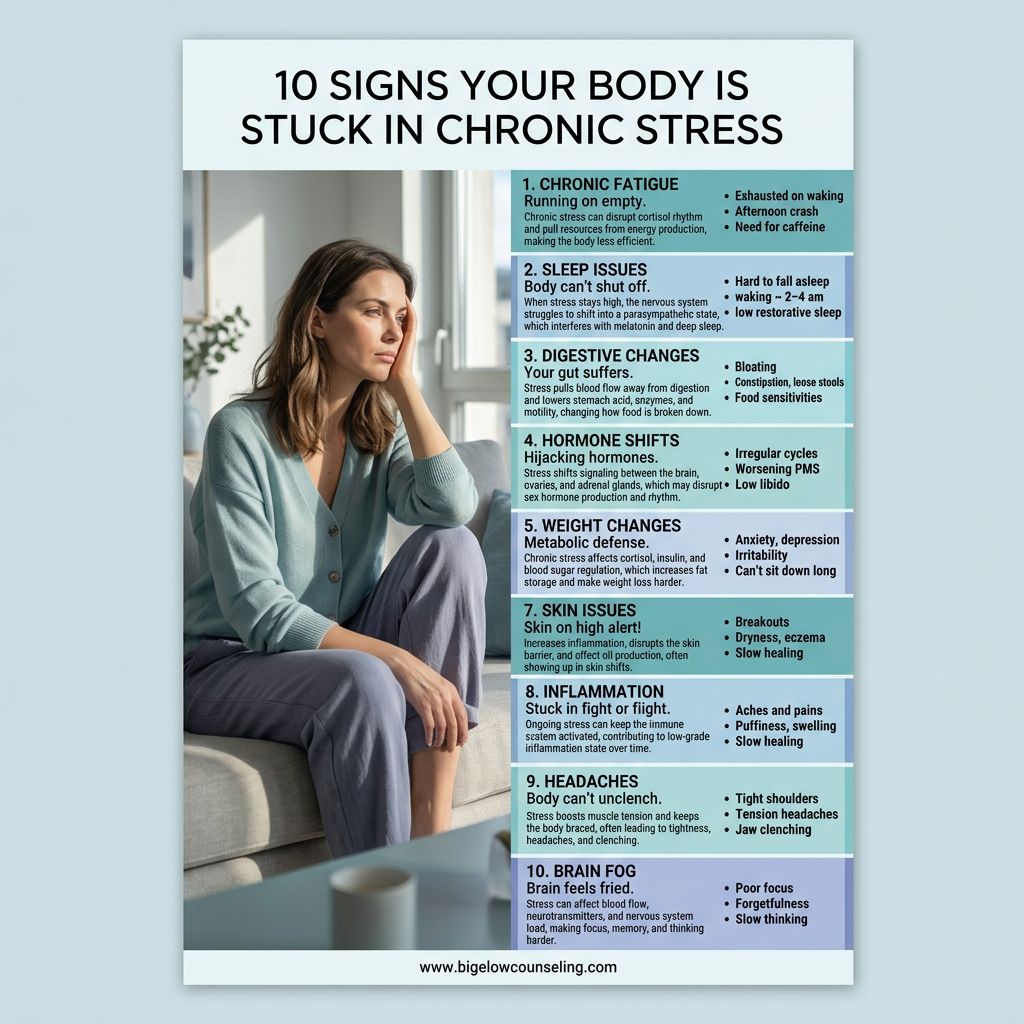
    Emotional exhaustion can sneak up on you. It might start with feeling constantly tired despite getting enough sleep. You may notice your patience running thin, even with loved ones. Over time, you might feel detached from activities you once enjoyed. Another sign could be unexplained physical symptoms like headaches or stomachaches. These are just a few signs indicating your body and mind are asking for a break.

    Often, emotional exhaustion comes with a sense of dread about daily tasks. You might find yourself avoiding responsibilities or feeling trapped. This isn’t just about having a bad day; it’s a persistent feeling that doesn’t go away. It’s important to acknowledge these signs early. Recognizing them can be the first step toward healing. Learn more about emotional exhaustion and how to address it.

    Burnout vs Depression: Key Differences

    It’s easy to confuse burnout with depression. While they share similarities, knowing the difference is vital. Burnout is often related to overwork or stress in specific areas of life, like your job. It typically involves feeling overwhelmed and emotionally drained but can improve with rest and lifestyle changes.

    In contrast, depression is a more pervasive mental health condition. It affects how you feel, think, and handle daily activities. Unlike burnout, depression can persist regardless of circumstances and often requires professional treatment. If you’re unsure whether you’re dealing with burnout or depression, seeking guidance from a qualified therapist can be beneficial. They can help clarify and guide you towards the right support.

    When to Get Help for Burnout

    Knowing when to seek help is crucial. If you find that rest or time off doesn’t relieve your symptoms, it might be time to reach out. Persistent feelings of hopelessness, changes in appetite, or difficulty concentrating can indicate the need for professional support. You don’t have to navigate this alone.

    Consider consulting a therapist if emotional exhaustion affects your personal or work life significantly. A therapist can provide strategies to manage stress and build resilience. It’s not just about coping; it’s about reclaiming the joy and energy in your life. Explore when to seek help for burnout to understand how therapy can support you.

    Seeking Support and Relief

    Taking steps to address emotional exhaustion can lead to significant relief. Learn practical steps to ease the burden, discover the benefits of therapy, and explore EMDR therapy’s potential in Palm Beach.

    First Steps to Relieve Emotional Exhaustion

    Taking small steps can make a big difference. Start by acknowledging how you feel. It’s okay to admit you’re struggling. Set aside time for activities that rejuvenate you, whether it’s a hobby, exercise, or simply resting. Prioritize self-care by setting boundaries at work and in social settings.

    Connecting with friends or loved ones can also provide support. Sharing your feelings can lighten the load. If these steps don’t seem enough, consider reaching out for professional help. Therapy can provide you with tools and coping strategies tailored to your needs. It’s about finding what works for you and taking active steps toward recovery.

    Benefits of Therapy and Counseling

    Therapy offers numerous benefits, including a safe space to express your feelings without judgment. A therapist can help you develop coping mechanisms tailored to your situation. They can guide you in understanding the root causes of your exhaustion and suggest practical solutions.

    Therapy isn’t just for crisis situations. It’s a proactive step towards maintaining mental wellness. It can offer new perspectives and strategies to prevent future burnout. Whether it’s individual counseling or group therapy, the goal is to support you in achieving a balanced and fulfilling life. Explore the benefits of therapy in managing emotional exhaustion.

    Exploring EMDR Therapy in Palm Beach

    EMDR therapy is a powerful tool for processing trauma. It’s designed to help your brain reprocess traumatic experiences, reducing their emotional impact. This type of therapy is not just for trauma survivors; it can also help those facing anxiety or stress-related issues.

    In Palm Beach, EMDR therapy is available for those seeking this specialized support. It works by helping you process memories and reducing their negative hold on your life. If you’ve tried other therapies without success, EMDR might offer the breakthrough you need. Consider reaching out to a Palm Beach therapist to explore this option further.

    Personalized Counseling Services

    At Bigelow Counseling, personalized support is a priority. Discover services like LGBTQ-affirming therapy, executive coaching, and online therapy options to suit your needs.

    LGBTQ Affirming Therapist in Palm Beach

    Finding an LGBTQ-affirming therapist can make all the difference. It’s vital to have a space where you feel understood and supported. At Bigelow Counseling, therapists specialize in providing inclusive and affirming therapy for LGBTQ+ clients. This support can focus on identity-related concerns, relationship challenges, or general mental health.

    An affirming therapist can help navigate the unique challenges you face while celebrating your identity and strengths. It’s about creating a safe environment where you can be yourself without fear of judgment. Whether you’re dealing with specific issues or seeking general support, an LGBTQ-affirming therapist in Palm Beach is here to help.

    Executive Coaching for Burnout

    Executive coaching is designed for professionals facing burnout or career plateauing. It offers strategies to navigate workplace challenges and enhance personal development. Coaching sessions focus on setting goals, improving leadership skills, and boosting overall job satisfaction.

    For those feeling stuck in their careers, executive coaching provides a path to rediscover passion and purpose. It’s about aligning your professional life with your personal goals and values. Whether you’re managing a team or striving for a work-life balance, executive coaching can offer the clarity and direction you need.

    Online Therapy Across Florida 🌟

    Online therapy offers flexibility and accessibility. It’s a convenient option for those unable to attend in-person sessions or who prefer the comfort of home. At Bigelow Counseling, online therapy is available across Florida, making professional support more accessible.

    With online therapy, you can connect with a therapist via video call, allowing for the same level of engagement as in-person sessions. This option ensures you receive the support you need, no matter where you are. It’s about ensuring everyone has access to quality mental health care, regardless of location.

    Frequently Asked Questions

    What are the top signs of emotional exhaustion?

    Emotional exhaustion often presents as chronic fatigue, irritability, and detachment from activities you once loved. It may also include physical symptoms like headaches and a persistent sense of dread.

    How can I tell the difference between burnout and depression?

    Burnout typically relates to stress from specific areas, like work, and improves with rest. Depression is a more pervasive condition affecting various aspects of life, often requiring professional treatment.

    When should I seek help for burnout?

    If you find that rest doesn’t relieve your symptoms or if emotional exhaustion significantly impacts your life, it’s time to seek professional help. Therapy can provide the tools needed to manage and recover from burnout.

    What is EMDR therapy, and how can it help me?

    EMDR therapy helps process traumatic experiences, reducing their emotional impact. It’s particularly beneficial for trauma survivors but can also help with anxiety and stress.

    Can I access therapy services online in Florida?

    Yes, Bigelow Counseling offers online therapy across Florida, allowing you to connect with a therapist via video call from the comfort of your home. This ensures quality mental health support is accessible wherever you are.

  • Feeling Drained? Signs of Emotional Exhaustion and When to Reach Out for Support

    Feeling Drained? Signs of Emotional Exhaustion and When to Reach Out for Support

    Feeling drained doesn’t just mean being tired after a long day—it can signal emotional exhaustion creeping in. Recognizing the signs of burnout before it deepens can protect your well-being and peace of mind. This guide explores how to spot emotional exhaustion, understand its difference from depression, and know when to get help with a trusted Palm Beach therapist. Ready to feel like yourself again? Schedule a session with Bigelow Counseling—online or in-person in Palm Beach. New clients welcome. For more information on emotional exhaustion, check out this resource.

    Recognizing Emotional Exhaustion

    Understanding emotional exhaustion is the first step on your path to recovery. It’s crucial to know the signs before they take a larger toll on your mental health.

    Common Signs of Burnout

    Feeling constantly tired, withdrawing from social interactions, and losing interest in activities you once enjoyed are typical signs of burnout. You may also experience irritability and feel overwhelmed by daily tasks. These feelings aren’t just in your head—they’re your body’s way of signaling that it’s time to slow down. According to Healthline, emotional exhaustion can impact your physical health, leading to issues like headaches and sleep disturbances.

    If you notice these symptoms, take them seriously. Ignoring them can lead to more severe health problems. It’s not just about managing stress; it’s about maintaining your well-being and staying connected to the things that matter most to you.

    Burnout vs Depression: Key Differences

    While burnout and depression may share some symptoms, like feeling down and losing interest, they differ significantly. Burnout is typically linked to external factors like work stress and can often be remedied by changing your environment or workload. Depression, however, is a more pervasive condition that affects every aspect of life and requires professional intervention.

    Understanding these differences helps you determine the right type of support. If you’re unsure, a consultation with a professional can provide clarity. This distinction is crucial for finding the most effective path to recovery. The Mayo Clinic offers further insight into these differences.

    Impact of Chronic Stress

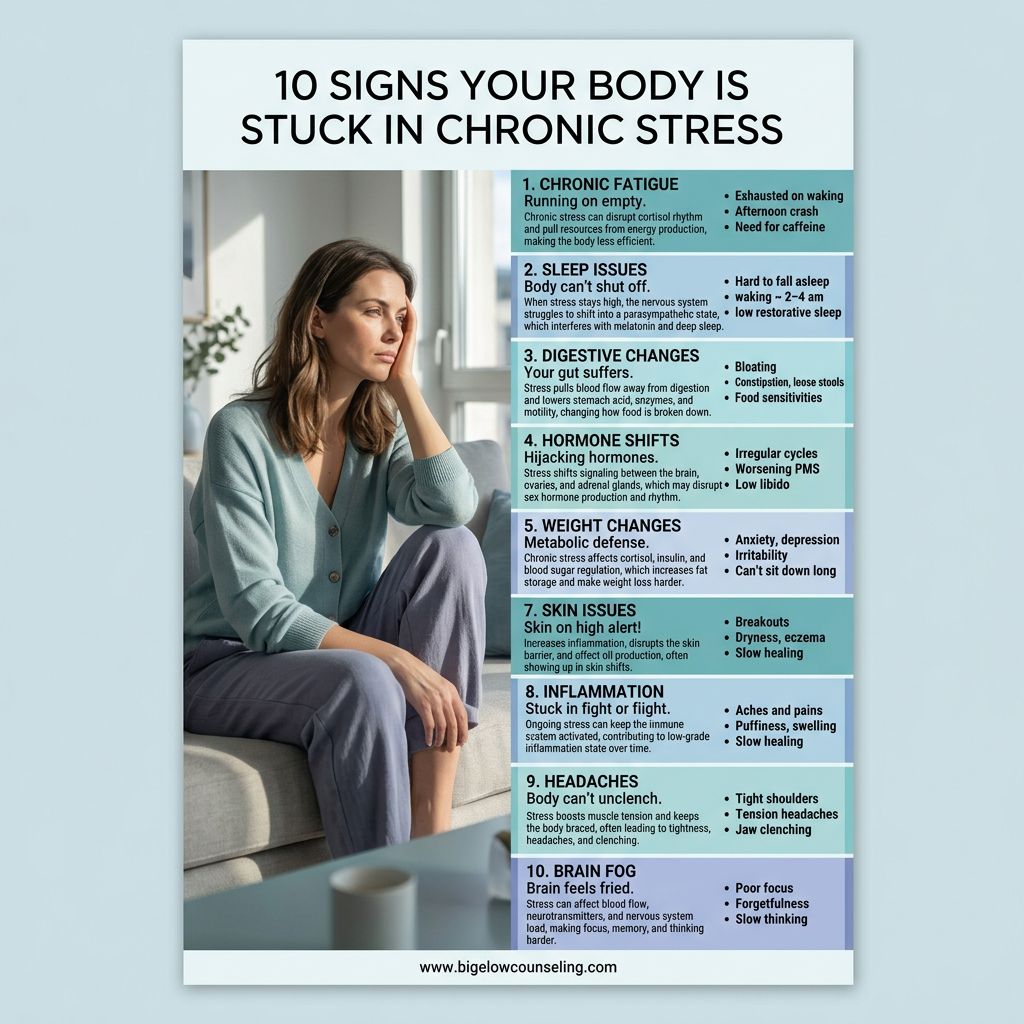
    Chronic stress doesn’t just affect your mind; it can take a toll on your body, too. It can lead to anxiety, depression, and physical health issues like high blood pressure. The longer you let stress build up, the harder it becomes to break free.

    Recognizing the symptoms of chronic stress early can prevent long-term damage and lead to more effective management strategies. Engaging in activities that promote relaxation, such as mindfulness or exercise, can be beneficial. The key is to address stress before it becomes a chronic issue.

    When to Seek Help

    Recognizing when to reach out for help is vital for maintaining your mental health. It’s not a sign of weakness but a step towards healing.

    Knowing When to Get Help

    If you find yourself unable to perform daily tasks or feeling persistently unhappy, it might be time to seek professional help. Recognizing this need early can save you from prolonged distress. It’s important to listen to your body and mind. They often tell you when it’s time to reach out for support.

    Don’t wait for things to worsen. Reaching out to a Palm Beach therapist can be the first step toward feeling better and reclaiming your life.

    Benefits of Professional Support

    Professional support can offer you tailored strategies to manage stress and improve mental health. Therapists can help you develop coping mechanisms and provide a safe space to express your feelings. This support is invaluable in navigating complex emotions and situations.

    When you’re struggling, having someone to guide you can make all the difference. Professional help can lead to significant improvements in your overall well-being.

    Palm Beach Counselor Services

    Palm Beach offers a variety of counseling services tailored to meet your needs, from individual therapy to specialized support for trauma. Engaging with a local counselor means you’re not alone in this journey.

    Services in this area are designed to provide comprehensive support, ensuring you have access to the resources needed for healing. Whether you’re dealing with anxiety, depression, or relationship issues, there’s help available.

    Supportive Counseling Options

    Exploring different counseling options can help you find the right fit for your needs.

    EMDR Therapy Florida

    EMDR therapy is a powerful tool for those dealing with trauma. It helps process traumatic memories and reduce their lingering effects. This therapy can be life-changing for those who have struggled to find relief through other means.

    In Florida, many therapists specialize in EMDR, offering a clear path to recovery. If trauma has been holding you back, this therapy might be the solution you’ve been seeking.

    LGBTQ Affirming Counseling

    Finding a counselor who understands and supports LGBTQ+ issues is essential. Affirming counseling provides a safe space for exploration and acceptance, crucial for mental health and personal growth.

    For those in the LGBTQ+ community, having a supportive counselor can make a significant difference. It ensures that your unique needs and experiences are understood and addressed.

    Couples Counseling Palm Beach 🌈

    Couples counseling can help improve communication and resolve conflicts within relationships. It’s an opportunity to strengthen bonds and address issues that may be causing tension.

    In Palm Beach, couples counseling is available to support relationships in all stages. Whether you’re facing minor disagreements or significant challenges, professional support can guide you toward a healthier relationship.

    Frequently Asked Questions

    What are the first signs of emotional exhaustion?

    The first signs often include feeling constantly tired, irritable, and overwhelmed by daily responsibilities. It’s important to recognize these early to prevent further mental health issues.

    How can I differentiate between burnout and depression?

    Burnout is usually linked to external stressors and may improve with changes in those areas. Depression is more pervasive, affecting all aspects of life and requiring professional treatment.

    What should I do if I suspect I’m experiencing chronic stress?

    If you suspect chronic stress, it’s crucial to seek support. Professional help can guide you in developing effective coping strategies and improving your mental health.

    Home

  • Counseling vs. Coaching: How to Choose the Right Kind of Support in Palm Beach

    Counseling vs. Coaching: How to Choose the Right Kind of Support in Palm Beach

    Choosing between counseling and coaching can feel like standing at a crossroads without a clear sign. Many people in Palm Beach face this same challenge when seeking support for anxiety, depression, trauma, or career hurdles. Understanding the key differences helps find the right fit—whether it’s trauma therapy EMDR, couples counseling, or executive coaching. This guide breaks down counseling vs coaching so the next step feels clear and manageable. Ready to explore what suits your needs best? Learn more about the differences here.

    Understanding Counseling vs. Coaching

    Navigating the choice between counseling and coaching can be easier when you understand their core differences. Each offers unique benefits tailored to distinct needs and goals.

    Key Differences Explained

    Counseling often addresses emotional and psychological issues. It’s a space for exploring thoughts and feelings, often focusing on past events impacting the present. Therapists offer support for issues like anxiety, trauma, and relationship challenges. Coaching, in contrast, focuses on setting and achieving goals. Coaches help you harness strengths and tackle personal or professional hurdles. They guide you toward future aspirations. Both counseling and coaching can complement each other well, providing a comprehensive support system. For more insights on counseling and coaching differences, visit here.

    When to Choose Therapy

    Therapy is ideal if you’re dealing with emotional pain or mental health concerns. It offers a supportive environment to work through depression, anxiety, or trauma. Therapists can provide tools to help manage symptoms and improve mental health. Therapy can be a long-term commitment but offers deep healing. If your goals include emotional recovery or understanding past experiences, counseling is likely the best fit. Exploring common questions about therapy can also be beneficial.

    When Coaching Fits Best

    Coaching is suited for those looking to make specific changes in personal or professional life. Whether you’re facing career stagnation or want to enhance leadership skills, a coach can guide you. Coaching sessions focus on setting clear goals and developing actionable plans. This approach is usually short-term, with a strong emphasis on results. For those seeking growth or clarity without delving into past issues, coaching may be more appropriate. You can explore more about the differences and benefits here.

    Assessing Your Needs

    Identifying your needs is key to choosing the right support. A self-assessment can clarify whether therapy or coaching aligns better with your goals.

    Self-Assessment Checklist

    To determine the best fit, ask yourself these questions: Are you feeling stuck emotionally or mentally? Is there trauma or anxiety you need to address? If yes, counseling might be best. Are you clear about what you want to achieve but need guidance to get there? Coaching could be the answer. Reflect on what you need from the support you seek. This clarity can direct you to the right professional.

    Examples of Session Goals

    In therapy, goals might include managing anxiety, processing trauma, or improving relationships. For instance, if you’re dealing with trauma, an objective could be reducing triggers using EMDR. In coaching, goals are often specific and measurable, such as improving public speaking or transitioning to a new career. Setting clear objectives helps track progress and stay motivated.

    Combining Services for Best Outcomes

    Sometimes, the best approach involves both counseling and coaching. For instance, therapy can help address emotional barriers, while coaching can provide strategies to reach personal goals. Combining services ensures comprehensive support. This dual approach can be particularly effective for professionals or those with complex needs.

    Bigelow Counseling Specialties

    Bigelow Counseling in Palm Beach offers a range of specialized services, each tailored to different needs.

    Individual and Couples Therapy

    Bigelow Counseling provides personalized therapy for individuals and couples. Whether you’re dealing with anxiety, depression, or relationship issues, experienced therapists offer support. They create a safe space to explore emotions and build healthier relationships. Couples therapy focuses on communication and trust, helping partners reconnect and strengthen bonds.

    Trauma Therapy with EMDR

    For trauma survivors, EMDR is a powerful tool offered at Bigelow Counseling. This therapy helps process traumatic memories, reducing their emotional impact. It’s particularly effective for PTSD and trauma-related anxiety. Clients can work through past experiences without being overwhelmed by them, leading to improved mental health.

    Life and Executive Coaching in Palm Beach

    For those seeking personal or professional growth, Bigelow Counseling offers life and executive coaching. Life coaching focuses on achieving personal goals, while executive coaching supports career advancement. Clients learn to leverage strengths, overcome obstacles, and reach their full potential. Coaching sessions are tailored to individual aspirations, providing a clear path forward.

    Frequently Asked Questions

    What is the main difference between counseling and coaching?

    Counseling focuses on emotional healing and exploring past issues, while coaching is oriented towards achieving specific future goals.

    When should I consider therapy instead of coaching?

    Consider therapy if you’re dealing with mental health issues like anxiety, depression, or trauma that need deep exploration and healing.

    Can I combine counseling and coaching?

    Yes, combining both can address emotional needs through counseling while using coaching to achieve personal or professional goals.

    How does EMDR help in trauma therapy?

    EMDR aids in processing traumatic memories, reducing their negative impact and helping individuals cope with past experiences.

    What makes Bigelow Counseling unique?

    Bigelow Counseling offers specialized support in trauma, LGBTQ+ issues, and professional coaching, creating a safe and inclusive space for all clients.

  • How to Tell When Stress Has Turned Into Burnout—And Real Steps to Recover

    How to Tell When Stress Has Turned Into Burnout—And Real Steps to Recover

    Stress feels familiar, but burnout is something else entirely. When exhaustion drags on and motivation fades, it’s time to check in with yourself using a clear burnout symptoms checklist. Learn how to spot the signs of burnout before it takes over, then take real steps toward chronic stress relief and workplace burnout recovery. Bigelow Counseling offers compassionate support tailored to your needs—book a free 15-minute consultation today for personalized care in Palm Beach or online across Florida. Learn more about burnout signs and recovery here.

    Recognizing Stress vs Burnout

    Stress is common, but recognizing when it morphs into burnout is crucial. Understanding this distinction helps in taking the right steps toward recovery.

    Common Signs of Burnout

    Burnout can sneak up on you. It often starts with constant fatigue. You might feel drained even after a full night’s sleep. Feeling detached from your work is another red flag. You may notice a lack of motivation or a sense of hopelessness about your job. These feelings can lead to decreased performance and satisfaction. Physical symptoms like headaches or stomach issues might also appear. Recognizing these signs early can help you take action before burnout fully takes over. Learn more about burnout signs.

    Burnout Symptoms Checklist

    A checklist can help you gauge where you stand. Do you feel exhausted all the time? Are you cynical or critical at work? Have you become irritable with coworkers or clients? If yes, you might be experiencing burnout. Assess your feelings about work: do you dread going in each day? Pay attention to physical symptoms like changes in sleep patterns or appetite. This checklist can be a starting point to understand if stress has turned into burnout. Don’t ignore these signs—they are your body’s way of calling for help. For more detailed insights, refer to the Mayo Clinic’s guide.

    Impact of Chronic Stress

    Chronic stress can lead to serious health issues if left unchecked. It affects your mental health, causing anxiety and depression. Over time, you might face physical problems like heart disease or high blood pressure. Constant stress makes it hard to concentrate, affecting productivity and increasing errors at work. It also strains personal relationships, as irritability may lead to conflicts. Recognizing these impacts early can help in taking corrective steps. Understanding the consequences allows you to prioritize your well-being.

    Real Steps to Recovery

    Once you recognize burnout, it’s vital to shift toward recovery. Tackling burnout involves both self-awareness and practical actions.

    Practical Self-Checks

    Regular checks help you stay aware of your mental and physical state. Take a moment each day to assess your stress levels. Are you feeling overwhelmed? Rate your mood and energy on a scale from 1 to 10. Reflect on any physical symptoms, like tension headaches or trouble sleeping. By noting these daily, you can track patterns and triggers. This awareness is the first step to managing stress. You’re not alone in feeling this way—acknowledging it is empowering.

    Chronic Stress Relief Techniques

    Finding relief from chronic stress is essential. Start by incorporating deep breathing exercises into your routine. Try taking slow, deep breaths for five minutes. This simple act can reduce stress immediately. Physical activity is another powerful tool: a 30-minute walk can clear your mind and boost your mood. Meditation or yoga can also be beneficial, helping you find balance and calmness. Practicing these techniques regularly can significantly reduce stress levels over time. Learn more about effective techniques here.

    Workplace Burnout Recovery

    Recovering from burnout in the workplace starts with open communication. Talk to your supervisor about your workload and how you’re feeling. They might help adjust your responsibilities or provide additional support. Establishing boundaries is also important. Set clear limits on work hours and stick to them. Taking regular breaks during the day can prevent fatigue. Practicing these habits can create a healthier work environment and reduce the risk of burnout. Remember, taking care of yourself is not a luxury—it’s a necessity for lasting success.

    Seeking Professional Support

    When self-help isn’t enough, professional support is a valuable resource. Therapy provides a safe space to explore feelings and develop coping strategies.

    Benefits of Palm Beach Counseling

    Palm Beach Counseling offers personalized support tailored to individual needs. Experienced therapists provide guidance through life’s challenges, helping you find purpose and healing. Whether dealing with stress, anxiety, or relationship issues, counseling can help. The practice emphasizes a compassionate and empowering approach, promoting personal growth. By seeking professional support, you take an important step toward recovery and well-being.

    LGBTQ Affirming Therapy Options

    For LGBTQ+ individuals, finding an affirming therapist is crucial. Palm Beach Counseling offers a supportive environment where all identities are respected. Therapy sessions cover a range of issues, from identity exploration to relationship challenges. The focus is on understanding and acceptance, creating a safe space for growth. Specialized support ensures you receive the care you need, tailored to your unique experience. This affirming approach fosters healing and empowerment.

    Trauma Therapy EMDR in Florida

    Trauma can deeply impact mental health, but EMDR therapy offers hope. This technique helps process traumatic memories, reducing their emotional impact. In Palm Beach, experienced therapists provide EMDR therapy tailored to individual needs. The sessions aim to resolve past traumas and improve overall well-being. By addressing trauma directly, EMDR therapy helps you move forward with confidence. This method supports healing and opens the door to a brighter future.

    Frequently Asked Questions

    What are the first signs of burnout?
    Burnout often begins with persistent exhaustion, a lack of motivation, and feelings of cynicism about your job. Physical symptoms like headaches or altered sleep patterns may also appear.

    How can I distinguish stress from burnout?
    Stress is usually temporary and situational, while burnout is chronic and persistent. Burnout includes a sense of hopelessness and detachment from your work, leading to decreased performance.

    What are effective ways to manage chronic stress?
    Incorporating deep breathing exercises, regular physical activity, and mindfulness practices like meditation can significantly reduce stress levels. Establishing a routine and setting boundaries at work are also beneficial strategies.

    How does EMDR therapy work for trauma?
    EMDR therapy helps reprocess traumatic memories, reducing their emotional charge. This therapy involves guided eye movements or other stimuli to facilitate processing, promoting healing and emotional recovery.

    Why is LGBTQ affirming therapy important?
    LGBTQ affirming therapy provides a safe and supportive space where all identities are respected. It addresses unique challenges faced by LGBTQ+ individuals, promoting understanding, acceptance, and personal growth.

  • Feeling Drained? Signs of Emotional Exhaustion and When to Seek Help

    Feeling Drained? Signs of Emotional Exhaustion and When to Seek Help

    Feeling drained goes beyond just being tired—it can signal emotional exhaustion quietly taking over. Recognizing the signs of burnout early helps prevent deeper struggles with anxiety or depression. This post outlines key signs of emotional exhaustion and when to seek therapy, guiding steps toward relief and renewed energy. Book a free 15-minute consultation with Bigelow Counseling, your trusted Palm Beach therapist, to start finding balance and support tailored just for you.

    Recognizing Emotional Exhaustion

    Emotional exhaustion can feel like a heavy weight on your mind and body. Knowing how to spot the signs early is key to preventing it from taking over.

    Common Signs of Burnout

    Burnout often sneaks up on you, showing up as constant fatigue, irritability, or feeling detached. You might notice changes in sleep patterns or a lack of motivation. These signs can affect your relationships and work life. Many people think they’re just stressed, but these symptoms can be more than that. Remember, most people don’t realize they’re burnt out until it starts impacting everyday life. If you’re feeling overwhelmed by these signs, it might be time to seek support.

    Stress vs. Burnout: Key Differences

    Stress is usually short-lived, linked to a specific task or event. Burnout, on the other hand, is a prolonged state of mental and emotional exhaustion. It’s like running on empty without knowing why. You might find stress can sometimes motivate you, but burnout tends to leave you feeling helpless. Understanding this difference helps in finding the right coping strategies and professional support.

    Coping with Overwhelm

    Feeling overwhelmed is not unusual, but there are ways to manage it. Start by prioritizing tasks and setting boundaries. Taking regular breaks can also help reset your mind. Consider simple activities like deep breathing or short walks to help you regain focus. Most people assume pushing through is best, but taking small steps back can actually help you move forward more effectively.

    Seeking Professional Help

    Once you recognize burnout, the next step is knowing when professional help is needed.

    When to Seek Therapy

    Therapy can be a crucial step if burnout feels unmanageable. If you’re struggling to perform daily tasks or your mood affects your relationships, seeking therapy might be beneficial. Professional support can provide tools to handle stress and prevent burnout from worsening. Therapy offers a safe space to explore your feelings and develop coping strategies tailored to you.

    Benefits of LGBTQ Affirming Therapy

    Finding a therapist who understands your unique identity can be comforting. LGBTQ affirming therapy creates a safe space for you to express yourself openly. It focuses on your specific experiences and challenges, ensuring you feel supported and heard. This type of therapy can be vital for your mental health, helping you navigate life’s challenges while being true to yourself.

    Understanding EMDR Trauma Therapy

    For those dealing with trauma, EMDR (Eye Movement Desensitization and Reprocessing) therapy is an option. It helps process traumatic memories in a safe, structured environment. This therapy aims to reduce the emotional impact of trauma, enabling you to move forward. It can be particularly effective in helping you regain control over your life and emotions.

    Finding the Right Support

    Finding support suited to your needs is crucial for healing and growth.

    Florida Online Therapy Options

    Online therapy offers flexibility and access to professional support from the comfort of your home. It’s a convenient option for those with busy schedules or who prefer a remote setting. This mode of therapy is just as effective and provides a wide range of services to address your needs.

    Executive Coaching in Palm Beach

    If work stress is a concern, executive coaching can help you regain your footing. It focuses on professional growth, decision-making, and stress management. Coaching provides guidance to navigate workplace challenges, helping you regain direction and motivation in your career.

    Booking a Consultation with Bigelow Counseling

    Ready to take the first step toward balance? Bigelow Counseling offers personalized sessions tailored to your unique needs. Whether you’re dealing with burnout, seeking LGBTQ support, or looking for professional coaching, they provide a nurturing environment to help you thrive. Explore your options and book a consultation to start your journey towards healing and purpose.

    Frequently Asked Questions

    What are the first signs of emotional exhaustion?

    Emotional exhaustion often begins with chronic fatigue, irritability, and a lack of motivation. These symptoms can gradually affect daily life and relationships, indicating a need for support.

    How is burnout different from regular stress?

    While stress is typically linked to a specific event and can be short-lived, burnout is a prolonged state of emotional exhaustion. It often leaves you feeling helpless and detached from daily activities.

    Why is LGBTQ affirming therapy important?

    LGBTQ affirming therapy offers a safe, supportive space tailored to your unique experiences. It ensures your identity is respected and understood, providing essential support for mental health and well-being.

    Home

  • How to Choose an LGBTQ+ Affirming Therapist: A Practical Guide for Adults in Palm Beach

    How to Choose an LGBTQ+ Affirming Therapist: A Practical Guide for Adults in Palm Beach

    Finding a therapist who truly gets what it means to be LGBTQ+ can feel overwhelming. Not every counselor offers that safe, nonjudgmental space needed to explore identity or heal from trauma. This guide breaks down how to spot an LGBTQ+ affirming therapist, what questions matter, and signs that show whether a therapist fits your needs. Ready for an affirming space? Book a free 15-minute consultation with Bigelow Counseling—online or in Palm Beach—to explore fit and next steps.

    Understanding LGBTQ+ Affirming Therapy

    Finding a therapist who supports LGBTQ+ individuals can be challenging but incredibly rewarding. Let’s explore why affirming therapy matters.

    What Affirming Means

    An affirming therapist recognizes and respects your identity. They celebrate who you are and support your journey without bias. This approach fosters a trusting therapeutic relationship. You can discuss your experiences openly, knowing your therapist values your uniqueness. Affirming therapy goes beyond acceptance. It actively supports your identity in every conversation. This focus ensures you feel seen and heard.

    Importance of Trauma-Informed Care

    Experiencing trauma can leave lasting effects. A trauma-informed therapist understands this impact. They create an environment where you feel secure, supporting healing at your pace. Trauma-informed care considers past experiences. It avoids re-traumatization by using sensitive approaches. This care is crucial, especially if you’ve experienced discrimination or rejection. A trauma-informed therapist helps you navigate these complexities with compassion.

    Creating a Safe Space

    Safety in therapy allows for honest exploration of your thoughts and feelings. A safe space means you don’t have to hide parts of yourself. It’s essential for growth and healing. A therapist who offers a safe space respects your boundaries and listens actively. They create an environment where you can express yourself freely. This setting promotes self-discovery and empowerment.

    Finding the Right Therapist

    Finding the right therapist involves asking key questions and recognizing both positive and negative signs. Let’s dive into what you should know.

    Key Questions to Ask

    When meeting potential therapists, asking the right questions can clarify their fit. Consider inquiring about their experience with LGBTQ+ clients. Understanding their therapeutic approach is also crucial. You might ask: “How do you support LGBTQ+ clients?” or “What is your experience with queer-affirming counseling?” These questions help gauge their competence.

    Green and Red Flags

    Green flags indicate a therapist who aligns with your needs. They include using inclusive language and demonstrating cultural competence. A therapist who respects your pronouns and identity is key. Conversely, red flags signal caution. These might be dismissive language or lack of understanding about LGBTQ+ issues. If a therapist avoids discussing identity, it might not be the right fit.

    Assessing the Fit

    Assessing the fit means evaluating how comfortable you feel with the therapist. Do you feel understood and respected? These feelings are essential for effective therapy. It’s important to trust your instincts. If something feels off, it’s okay to seek another therapist. Finding someone who meets your needs can greatly enhance your healing journey.

    Connecting with Bigelow Counseling

    Bigelow Counseling offers specialized support for the LGBTQ+ community. Discover more about their services tailored to your needs.

    Services Offered in Palm Beach

    Bigelow Counseling provides a range of services in Palm Beach. They focus on personalized individual counseling, EMDR trauma therapy, and couples counseling. These services cater to diverse needs, ensuring comprehensive support. Their experienced team is dedicated to helping you navigate life’s challenges with confidence.

    Online Therapy Options

    For those who prefer remote sessions, Bigelow Counseling offers online therapy options. This flexibility allows you to access support from the comfort of your home. Online therapy provides the same level of care as in-person sessions. It’s an excellent option for those balancing busy schedules or living outside Palm Beach.

    Booking Your Consultation

    Ready to begin your journey with Bigelow Counseling? Booking a consultation is the next step. This initial meeting helps determine if their services align with your needs. Take a step towards finding a supportive and affirming therapist. Your mental health and well-being are worth it.

    Frequently Asked Questions

    What makes a therapist LGBTQ+ affirming?

    A therapist who is LGBTQ+ affirming respects and supports your identity. They use inclusive language and have experience with LGBTQ+ clients, ensuring a safe and welcoming environment for all discussions.

    Why is trauma-informed care important?

    Trauma-informed care recognizes the impact of trauma on individuals. It ensures therapy is conducted in a manner sensitive to past experiences, avoiding re-traumatization and promoting healing.

    How can I tell if a therapist is a good fit?

    Feeling comfortable and understood by your therapist is key. Look for someone who respects your identity and listens actively. Trust your instincts—if you feel uneasy, consider exploring other options.

    What services does Bigelow Counseling offer?

    Bigelow Counseling offers personalized individual counseling, EMDR trauma therapy, and couples counseling in Palm Beach. They also provide online therapy options for flexible access to their services.

    How do I book a consultation with Bigelow Counseling?

    To book a consultation, visit Bigelow Counseling’s website or contact their office directly. This initial meeting helps assess your needs and determine the best therapeutic approach for you.

    Home

  • Stress vs. Burnout: Spot the Shift and Find Support That Works

    Stress vs. Burnout: Spot the Shift and Find Support That Works

    Stress feels like part of daily life, but when it crosses into burnout, everything changes. Recognizing the signs of burnout can be tricky when chronic stress blurs the lines. This post unpacks stress vs burnout and points toward support that truly helps, from individual counseling to EMDR trauma therapy and executive coaching. Feeling stretched thin or fully burned out? Book a confidential session with Bigelow Counseling in Palm Beach or online. New client openings are available—take the first step toward relief and renewal today.

    Recognizing Stress vs. Burnout

    Understanding Stress and Burnout

    Stress is a common experience, but when it turns into burnout, it demands attention. Stress can serve as motivation, pushing you to meet deadlines or tackle challenges. In contrast, burnout leaves you feeling depleted and detached. It’s crucial to identify this shift to seek timely help. When stress becomes overwhelming, understanding the difference is key to finding the right support.

    Identifying Burnout Symptoms

    Burnout is more than just tiredness; it’s emotional, physical, and mental exhaustion. You might notice a lack of motivation or feel cynical about work. Tasks that were once simple may now seem insurmountable. If you’ve lost enthusiasm for activities you once loved, these could be signs of burnout. Acknowledging these symptoms is the first step to reclaiming your well-being.

    Chronic Stress Warning Signs

    Chronic stress can creep up slowly. Unlike short-term stress, which is temporary, chronic stress persists, affecting your health. You might experience frequent headaches, sleep disturbances, or irritability. Your body might be signaling for help, and it’s important to listen. Chronic stress can lead to burnout if left unchecked, so recognizing these signs can guide you toward the support you need.

    Effective Support Options

    Individual and Couples Counseling

    Therapy offers a space to explore stress and burnout in a safe environment. Individual counseling helps you address personal challenges, while couples counseling focuses on relationship dynamics. You don’t have to navigate these issues alone. Speaking with a therapist can provide new perspectives and coping strategies. It’s about finding clarity and rebuilding connections with yourself and others.

    EMDR Trauma Therapy Benefits

    EMDR therapy is a powerful tool for those processing trauma. It helps reframe traumatic memories, allowing you to heal and move forward. This therapy is particularly beneficial if past events contribute to your current stress. By addressing the root causes, you can reduce their impact on your daily life. EMDR offers a path to relief, empowering you to reclaim control.

    Executive Coaching for Professionals

    For professionals facing workplace burnout, executive coaching offers targeted support. It helps you set goals and overcome career obstacles. Coaching provides a structured approach to rediscovering passion in your work. Whether you’re feeling stuck or seeking growth, this personalized guidance can reignite your motivation. It’s about transforming challenges into opportunities for success.

    Finding Help in Palm Beach and Online

    LGBTQ+ Affirming Therapy

    Therapy should be a space where everyone feels safe and understood. LGBTQ+ affirming therapy provides support in an inclusive environment. Whether you’re dealing with identity-related stress or seeking personal growth, finding a therapist who respects and understands your journey can make a difference. Embrace therapy that celebrates diversity and promotes healing.

    Online Therapy Across Florida

    Geography shouldn’t limit access to quality therapy. Online sessions bring support to you, wherever you are in Florida. This flexibility allows you to fit therapy into your life without compromising your schedule. Online therapy is just as effective as in-person sessions, offering convenience without sacrificing connection. It’s therapy that adapts to your needs, ensuring you can access help when you need it most.

    Booking a Session with Bigelow Counseling 🚀

    If stress or burnout feels overwhelming, it’s time to take action. Bigelow Counseling offers a range of services, from individual counseling to executive coaching. With a focus on personalized care, their team helps you navigate life’s challenges. Don’t wait for stress to escalate; reach out today and begin your journey to healing.

    Frequently Asked Questions

    What are the main differences between stress and burnout?

    Stress is often temporary and tied to specific events, while burnout is a state of chronic exhaustion. Burnout involves emotional, mental, and physical fatigue, often leading to a loss of motivation and decreased performance.

    How can I tell if I’m experiencing burnout?

    Signs of burnout include feeling drained, cynical, and detached from work. You might also notice a lack of satisfaction and increased irritability. If these symptoms persist, it’s important to seek help from a professional.

    Is online therapy as effective as in-person sessions?

    Yes, online therapy is equally effective. It offers the same level of support and guidance as traditional sessions, with the added convenience of accessing therapy from your own space.

    Who can benefit from executive coaching?

    Professionals experiencing career stagnation or workplace challenges can benefit from executive coaching. It provides structured guidance to overcome obstacles and achieve career goals, helping you to regain direction and motivation.

    What is EMDR therapy, and who should consider it?

    EMDR (Eye Movement Desensitization and Reprocessing) is a therapy used to treat trauma. It’s ideal for those whose past experiences impact their current well-being. EMDR helps process and reframe traumatic memories, fostering healing and recovery.

  • When Trauma Still Runs the Day: How EMDR Therapy Helps You Reclaim Your Life

    When Trauma Still Runs the Day: How EMDR Therapy Helps You Reclaim Your Life

    Trauma can sneak into your daily life in ways you might not expect—flashbacks at work, sudden triggers, or that constant knot of anxiety. When these moments keep showing up, they can make it hard to feel like yourself. EMDR therapy offers a gentle, proven way to reprocess those memories so they lose their hold. Keep reading to find out how EMDR Palm Beach clients are reclaiming calm and control, and how you can take the first step toward healing from trauma today.

    Understanding Trauma’s Impact

    Trauma impacts not just your mind but your entire daily life. It can alter how you feel, think, and even interact with the world. The effects of trauma often remain hidden, manifesting in unexpected ways. But understanding these signs is the first step toward healing.

    Daily Life with Unprocessed Trauma

    Unprocessed trauma can seep into your daily routine. You might find yourself reacting strongly to minor stressors or struggling to concentrate at work. These responses aren’t just in your head; they’re rooted in past experiences that haven’t been fully dealt with. You may feel like you’re on edge, constantly waiting for something bad to happen. This can be exhausting, leaving you drained and disconnected from the present moment.

    Many people think they have to just push through these feelings, but doing so without support can make the symptoms worse over time. Instead, acknowledging these experiences and seeking help can open the door to healing. Recognizing that these behaviors are linked to past trauma can help you find healthier ways to cope.

    Recognizing Flashbacks and Triggers

    Flashbacks and triggers are common indicators of unprocessed trauma. A flashback can make you feel as if you’re reliving the traumatic event, while a trigger is a reminder that sets off a strong emotional response. These can be tied to sights, sounds, or even smells that remind you of the past.

    Being aware of what triggers these responses is crucial. If you notice certain situations causing overwhelming reactions, it might be time to consider professional support. Understanding your triggers allows you to prepare and manage your reactions more effectively. With the right help, you can learn to reduce the power these triggers have over your life.

    Anxiety and Trauma Responses

    Anxiety is often intertwined with trauma. It can manifest as constant worry, restlessness, or even physical symptoms like a racing heart. These anxiety responses are the body’s way of staying alert to potential threats, a survival mechanism gone into overdrive.

    Unfortunately, this heightened state can disrupt everyday life, making tasks seem insurmountable and keeping you from feeling truly relaxed. Therapy can help by providing strategies to calm the mind and body, ultimately reducing anxiety and its grip on your life. Remember, you don’t have to navigate this alone.

    How EMDR Therapy Works

    EMDR therapy can be a transformative experience, offering a path to process trauma in a safe environment. By engaging both brain and body, it helps you reframe traumatic memories, reducing their emotional charge.

    Eye Movement Desensitization and Reprocessing

    EMDR stands for Eye Movement Desensitization and Reprocessing, a method designed to assist your brain in processing trauma. During sessions, you focus on distressing memories while following a therapist’s hand movements with your eyes. This dual attention allows the brain to process and store these memories differently. Research shows that EMDR can significantly reduce symptoms of PTSD and anxiety.

    The process might seem unusual, yet it’s grounded in neurological principles that help untangle the hold trauma has on you. Many find relief after just a few sessions, as memories lose their intensity and become less triggering.

    What to Expect in Sessions

    Your first EMDR session will involve discussing your history and current concerns with your therapist. This helps create a roadmap for your healing journey. As sessions progress, you’ll focus on specific memories while engaging in guided eye movements or other forms of bilateral stimulation.

    This approach is generally short-term, with many clients seeing improvements in as few as six to twelve sessions. Each session is crafted to ensure you feel safe and supported throughout the process. You are in control, with the therapist guiding you gently toward healing.

    EMDR for PTSD and Anxiety

    EMDR is widely recognized as an effective treatment for PTSD and anxiety. It helps by altering how traumatic memories are stored in the brain. Those with PTSD often experience intense flashbacks and anxiety, but EMDR can reduce these symptoms significantly.

    According to the American Psychological Association, EMDR therapy is a recommended treatment for PTSD. It offers a structured approach that targets the root of the trauma rather than just managing symptoms. This means lasting change, not just temporary relief.

    Healing with Bigelow Counseling

    At Bigelow Counseling, we understand the journey to healing is personal and unique. Our commitment is to provide a supportive environment where you can explore your experiences and move toward a more fulfilling life.

    Trauma Counseling Florida Options

    In Florida, trauma counseling is available to help address the lasting effects of trauma in a compassionate setting. Our team is dedicated to supporting you through this process, using methods like EMDR to facilitate transformation. Whether in-person in Palm Beach or through online EMDR across Florida, our services are accessible and tailored to your needs.

    LGBTQ+ Affirming Therapy in Palm Beach

    We are proud to offer LGBTQ+ affirming therapy, creating a safe and inclusive space for all. Our therapists are trained to understand and support the unique challenges faced by LGBTQ+ individuals. By providing specialized care, we ensure that everyone feels seen, heard, and respected.

    Scheduling Your EMDR Consultation

    Taking the first step toward healing is often the hardest. At Bigelow Counseling, we make the process simple. Start by reaching out to schedule your EMDR consultation. Our team is here to walk alongside you from the very beginning, offering guidance and support every step of the way.

    Frequently Asked Questions

    What is EMDR therapy used for?

    EMDR therapy is primarily used to treat PTSD, anxiety, and other trauma-related symptoms. It helps reprocess traumatic memories, reducing their emotional impact.

    How long does EMDR therapy take?

    The duration of EMDR therapy varies, but many clients experience improvement in 6 to 12 sessions. Each session is focused on your individual needs and pace.

    Is EMDR therapy effective for anxiety?

    Yes, EMDR therapy can be effective for anxiety by addressing the underlying trauma that contributes to anxious feelings. It helps by processing memories differently, reducing their emotional charge.

    Can EMDR be done online?

    Yes, EMDR can be conducted online. At Bigelow Counseling, we offer virtual sessions to ensure accessibility and convenience for all clients in Florida.

    What makes therapy LGBTQ+ affirming?

    LGBTQ+ affirming therapy acknowledges and respects the unique experiences of LGBTQ+ individuals. It provides a safe, supportive environment where clients can explore their identities and challenges without fear of judgment.