Tag: queer-affirming therapist Palm Beach

  • Stuck in the Same Fight? Couples Counseling for Repeating Arguments and Emotional Distance

    Stuck in the Same Fight? Couples Counseling for Repeating Arguments and Emotional Distance

    Repeating arguments in relationships can feel like running in circles—each fight hitting the same points without real resolution. When emotional distance in marriage grows, it’s easy to feel stuck and unsure how to reconnect. Couples counseling Palm Beach at Bigelow Counseling offers expert guidance using proven methods like EFT couples therapy and the Gottman Method counseling to rebuild trust and improve relationship communication skills. Ready to stop the same argument and feel close again? Book a complimentary 15-minute consult today.

    Understanding Repeating Arguments

    If you find yourself in the same argument repeatedly, it may feel like you’re stuck. Let’s explore why this happens and how to move forward.

    Why Conflicts Repeat

    Repeating arguments often stem from unaddressed issues. These issues may be deeply rooted in misunderstandings or unmet needs. When partners don’t address the core of the problem, conflicts tend to resurface. Many couples think they are arguing about the same thing when, in reality, it’s the same feelings of being unheard or unappreciated that keep coming up. To break this cycle, identify the underlying emotions and needs driving the conflict. This awareness is the first step toward resolution.

    The Impact of Emotional Distance

    Emotional distance in marriage can make conflicts feel insurmountable. When partners feel disconnected, it’s easy for small disagreements to spiral into major arguments. Emotional distance can create feelings of loneliness and misunderstanding, making it hard to see each other’s perspectives. This distance can grow if not addressed, leading to further isolation. Reconnecting through intentional conversations and quality time can help bridge the gap, fostering a sense of closeness and understanding.

    Recognizing Attachment Patterns

    Understanding your attachment patterns can shed light on repeating arguments. Attachment styles, formed during childhood, influence how you relate to your partner. For example, if you have an anxious attachment, you might fear abandonment, leading to clinginess or frequent arguments about closeness. Recognizing these patterns allows you to address them consciously. Couples can work together to create a more secure attachment, reducing the frequency of repetitive conflicts.

    Evidence-Based Counseling Approaches
    Bigelow Counseling uses science-backed methods to help couples understand and overcome their conflicts.

    Emotionally Focused Therapy (EFT)

    Emotionally Focused Therapy (EFT) focuses on strengthening the emotional bond between partners. It helps couples identify and express their emotional needs, leading to a deeper connection. In EFT, partners learn to communicate their feelings effectively, reducing misunderstandings. This approach is beneficial as it addresses the emotions underlying conflicts, not just the surface-level issues. Many couples find that EFT helps them reconnect and resolve long-standing issues.

    The Gottman Method Explained

    The Gottman Method provides practical tools for managing conflict. This approach emphasizes building a strong foundation of friendship and respect. Couples learn to turn toward each other, improving communication and understanding. The Gottman Method also includes techniques for calming down during arguments, which can prevent escalation. By fostering a culture of appreciation, couples can transform how they handle disagreements.

    Trauma-Informed EMDR Benefits

    Trauma-informed EMDR therapy can be pivotal for couples dealing with past trauma. EMDR helps process traumatic memories, reducing their impact on present relationships. This approach is particularly helpful for partners who find that past experiences trigger current conflicts. By addressing trauma, EMDR can help couples build a healthier, more supportive relationship dynamic. It’s an empowering step toward healing and growth.

    Rebuilding Trust and Closeness
    Building trust and closeness takes time and effort, but the rewards are worth it. Let’s explore how to begin this journey.

    Repair After Conflict

    Repairing after conflict is crucial for rebuilding trust. It’s essential to acknowledge hurt feelings and take responsibility for your actions. Apologizing sincerely and discussing how to avoid similar issues in the future can strengthen your bond. Most people find that repairing after a conflict creates a sense of safety and trust. It’s a chance to learn and grow together, turning challenges into opportunities for connection.

    Developing Relationship Communication Skills

    Effective communication skills are key to preventing and resolving conflicts. Couples can learn specific techniques to express their thoughts and feelings clearly. Active listening is a vital skill, ensuring that both partners feel heard and understood. Practicing these skills regularly can lead to more productive discussions and a stronger relationship. The ability to communicate effectively can transform how you relate to your partner, making conflicts less frequent and more manageable.

    Scheduling Your Complimentary Consultation

    If you’re ready to take the first step toward a healthier relationship, consider booking a consultation with Bigelow Counseling. A complimentary consultation is a great opportunity to explore how counseling can help you and your partner. You’ll gain insights into your relationship dynamics and learn about the evidence-based approaches available. Don’t wait to start your journey toward a more fulfilling and connected partnership.

    Frequently Asked Questions

    What causes repeating arguments in relationships?

    Repeating arguments often arise from unresolved issues and unmet emotional needs. Identifying and addressing these core issues can help break the cycle.

    How does emotional distance affect marriage?

    Emotional distance can lead to feelings of loneliness and misunderstanding, making conflicts more intense. Reconnecting through communication and quality time can help bridge this gap.

    What is the Gottman Method?

    The Gottman Method offers practical tools for managing conflicts, focusing on friendship, respect, and effective communication to improve relationship dynamics.

    How does EMDR therapy help relationships?

    EMDR therapy helps process past traumas, reducing their impact on current relationships. This can lead to healthier dynamics and improved conflict resolution.

    What is a complimentary consultation with Bigelow Counseling?

    A complimentary consultation is an opportunity to explore counseling options and gain insights into your relationship dynamics, starting your journey toward a stronger partnership.
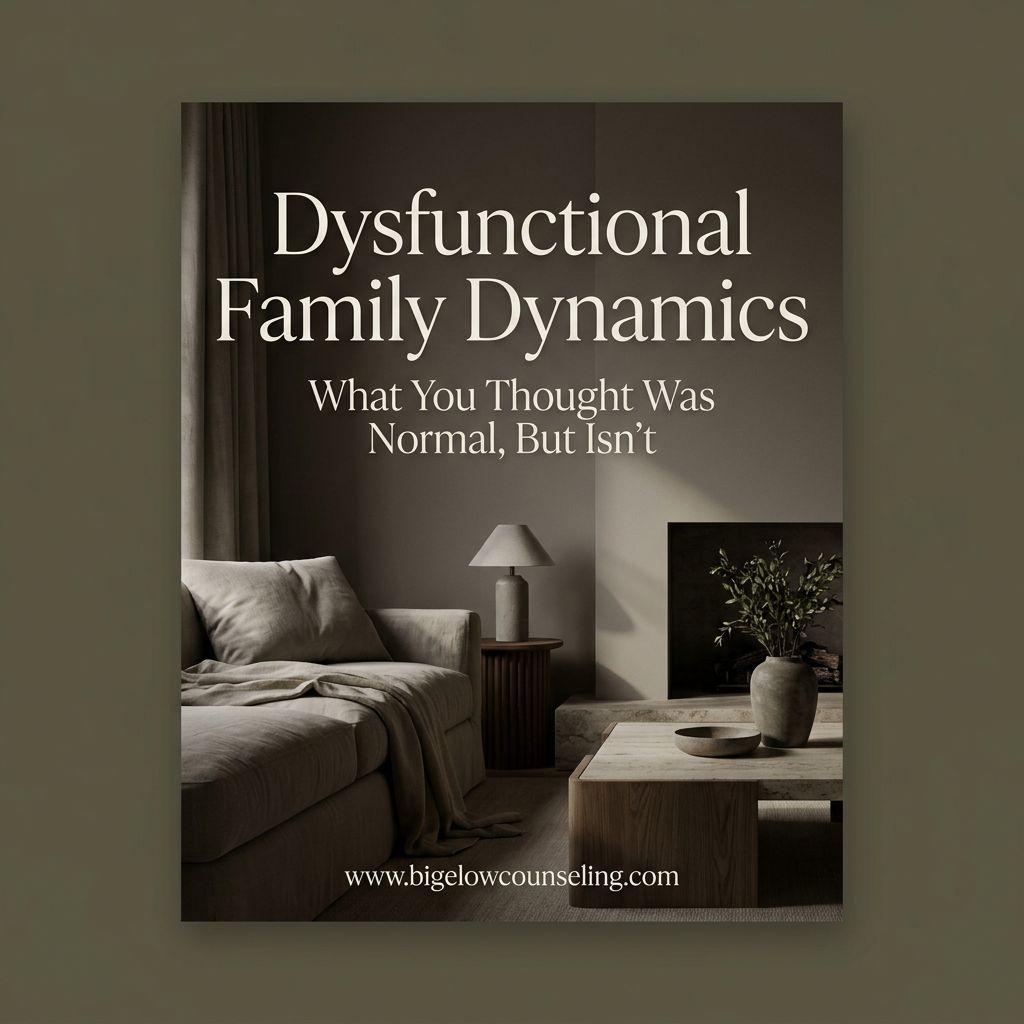
  • Rebuilding Connection: Couples Counseling for Communication, Distance, and Trust Repair in Palm Beach

    Rebuilding Connection: Couples Counseling for Communication, Distance, and Trust Repair in Palm Beach

    Communication breakdown, emotional distance, and trust wounds don’t fix themselves. Couples counseling Palm Beach offers a clear path to rebuild what feels lost. Through proven approaches tailored for all couples, including LGBTQ+ partners and busy professionals, Bigelow Counseling creates a safe, judgment-free space to improve communication, heal distance, and repair trust after infidelity. Ready to reconnect? Book a complimentary 15-minute consultation today and take the first step toward healing.

    Book a consultation

    Improve Communication in Relationships

    Effective communication is the backbone of any healthy relationship. Without it, misunderstandings can pile up, creating tension and distance. Couples counseling in Palm Beach helps you to build these skills, offering tools to foster open dialogue and understanding.

    Effective Communication Tools

    The journey to better communication begins with the right tools. Counselors use approaches like the Gottman Method to guide discussions. This method focuses on enhancing respect, affection, and closeness between partners. You’ll also learn about active listening, a crucial skill where you fully engage with what your partner says, reflecting back their thoughts to show understanding. These sessions often involve practical exercises like role-playing to help you apply techniques in real-world situations.

    One example of effective communication is the use of “I” statements instead of “you” statements. Instead of saying, “You never listen,” try, “I feel unheard when I talk about my day.” This shift reduces defensiveness and promotes empathy. Remember, even small changes can have a big impact on how you connect with your partner. By investing in these tools, you’re setting the foundation for a more harmonious relationship.

    Overcoming Emotional Distance in Marriage

    Emotional distance can creep into relationships, leaving partners feeling isolated. It often stems from unresolved conflicts or unmet emotional needs. The good news is that with the right support, you can bridge this gap.

    Counseling sessions provide a space to explore the roots of emotional distance. You may uncover patterns that contributed to the drift, such as busy schedules or past grievances. Therapists often use techniques like Emotionally Focused Therapy (EFT) to help partners tune into each other’s emotions. This method encourages empathy and understanding, allowing couples to reconnect on a deeper level.

    An essential part of overcoming distance is rebuilding emotional safety. This involves creating an environment where both partners feel secure in expressing themselves without fear of judgment. With guidance, you can learn to prioritize each other, rediscovering the connection that brought you together in the first place.

    Rebuild Intimacy and Trust

    Rebuilding intimacy and trust after a breach is challenging but possible. It requires time, patience, and a willingness to work together. Bigelow Counseling provides a supportive environment to navigate this delicate process.

    Repair Trust After Infidelity

    Infidelity can shatter trust, leaving a profound impact on a relationship. Yet, many couples recover and emerge stronger with the right support. The first step is acknowledging the hurt and establishing a commitment to healing.

    Therapists guide you through open conversations where both partners can express their feelings and concerns. This process often involves setting clear boundaries and expectations moving forward. Rebuilding trust also means being transparent in actions and words, creating a new foundation of honesty.

    It’s important to remember that healing takes time. Trust isn’t rebuilt overnight, but with consistent effort, it’s possible to regain the closeness and security you once shared. The key is remaining committed to the process, even when it feels difficult.

    Betrayal Recovery Counseling

    Betrayal leaves deep wounds that require careful attention. Whether it’s a breach of trust or another form of betrayal, recovery counseling offers structured support to address these challenges.

    In these sessions, you’ll explore the emotions surrounding the betrayal, including anger, hurt, and grief. The aim is to process these feelings in a safe space, allowing for healing and understanding. Counselors also help partners develop coping strategies to manage triggers and prevent future breaches.

    An integral part of recovery is forgiveness—not as a rushed process, but as a gradual journey towards letting go of resentment. With guidance, couples can find a way forward, rebuilding not just their relationship but also their individual sense of peace and security.

    LGBTQ+ Couples Therapy in Palm Beach

    Bigelow Counseling is committed to providing inclusive and affirming support for all couples. We understand that LGBTQ+ partners face unique challenges and we’re here to help.

    Queer-Affirming Therapist Approach

    Our queer-affirming therapists offer a welcoming environment where you can express your true self without judgment. We focus on understanding the specific dynamics and stressors that LGBTQ+ couples might face, ensuring that your therapy is tailored to your needs.

    Therapists incorporate culturally competent practices, acknowledging and respecting your identity and experiences. Whether dealing with societal pressures or internal relationship dynamics, you’re supported every step of the way.

    Safe Space Counseling for All 🌈

    Creating a safe space is essential for effective therapy. At Bigelow Counseling, we ensure that all couples feel comfortable and accepted. Whether you’re exploring relationship dynamics, addressing past traumas, or aiming to strengthen your connection, our therapists are here to support you.

    Our practice emphasizes respect and empathy, providing a judgment-free zone where you can work through challenges and celebrate your strengths. Together, we strive to build a community where all identities are honored and valued.

    Frequently Asked Questions

    What is the Gottman Method?

    The Gottman Method is a therapeutic approach that enhances relationship satisfaction through improving communication and resolving conflicts. It focuses on building affection, respect, and understanding between partners.

    How does counseling help rebuild trust after infidelity?

    Counseling helps by providing a structured environment to express feelings, establish new boundaries, and promote transparency. It involves open dialogue and strategies to restore honesty and emotional safety in the relationship.

    Is LGBTQ+ couples therapy different from regular therapy?

    Yes, LGBTQ+ couples therapy addresses specific challenges faced by LGBTQ+ partners, offering culturally competent and affirming support to ensure therapy is relevant and supportive of their unique experiences.