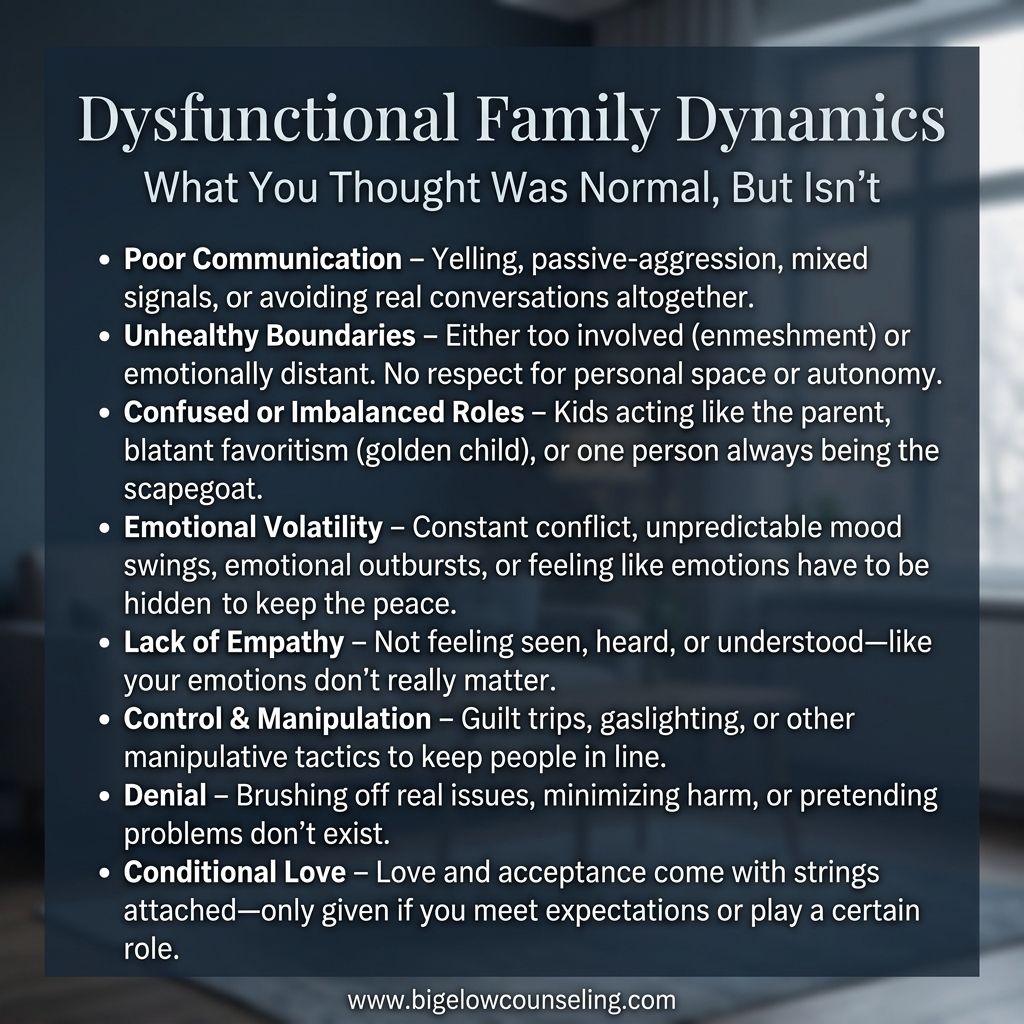
Trauma changes how trust feels, how confidence looks, and how everyday moments unfold—often in ways that seem confusing or frustrating. When reactions like hypervigilance, withdrawal, or people-pleasing take over, it’s not personal; it’s survival. This post shares how trauma therapy Palm Beach clients find balance again, explaining common patterns and offering tools to calm your nervous system and rebuild confidence after trauma. Ready to explore a path toward feeling safer? Learn more about the effects of trauma.
Understanding Trauma’s Impact
Trauma leaves deep impressions on trust and self-confidence, altering daily interactions. Understanding these impacts can guide steps toward healing.
How Trauma Affects Trust
Trauma can make trust feel elusive. You might find yourself second-guessing others’ intentions or feeling anxious in relationships. This protective mechanism is rooted in past experiences. You aren’t alone; many experience these challenges. Acknowledging this is the first step.
Learning to trust again takes time. It involves small steps and patience with yourself. You might start with low-stakes interactions, gradually building up confidence. Professional guidance can offer support on this journey. Explore insights on trust, safety, and control.
Rebuild Confidence After Trauma
Trauma often shakes self-belief. You may doubt your abilities or worry excessively about others’ opinions. Confidence can feel like a distant memory. But rebuilding is possible and begins with self-awareness.
Celebrate small victories to regain self-assurance. Focus on your strengths and achievements. Journaling can be a powerful tool, helping you track progress and recognize patterns. Support from a counselor can further aid in rebuilding confidence.
Hypervigilance and Anxiety Explained
Hypervigilance is a common response to trauma. It’s the feeling of being on constant alert, as if danger lurks around every corner. This response stems from past experiences, where vigilance was necessary for survival. Although it’s protective, it can become exhausting.
Techniques such as mindfulness can help ease anxiety. By grounding yourself in the present, you can reduce the intensity of anxious thoughts. Therapists skilled in trauma therapy can provide personalized strategies to manage these feelings. For more, see how trauma changes your brain and body.
Navigating Common Reactions

Common reactions to trauma include fight, flight, freeze, and fawn. Understanding these responses can help normalize your experiences and guide healing.
Fight, Flight, Freeze, Fawn Responses
These survival responses are your body’s way of protecting you from perceived threats. Understanding each one can aid in recognizing your patterns and reactions.
When faced with stress, your body may instinctively choose to confront (fight), escape (flight), remain still (freeze), or appease (fawn). Each reaction serves a purpose. Recognizing them can help in managing situations more effectively. Awareness is key to change. Check for more details on common reactions to trauma.
Attachment Wounds and Healing
Trauma can affect your attachment style, influencing relationships. You might fear abandonment or crave constant reassurance. Healing involves understanding these patterns and their roots.
Therapy provides a space to explore attachment wounds. By recognizing patterns, you can work toward healthier relationships. Building secure attachments is possible with effort and guidance from a caring professional.
Boundaries After Trauma
Setting boundaries is vital for healing. Trauma can blur personal limits, making it hard to say no or prioritize self-care. Establishing boundaries supports emotional well-being.
Start by identifying areas in your life needing boundaries. Practice asserting your needs gently but firmly. With time, setting boundaries becomes easier, fostering healthier relationships and self-respect.
Tools and Healing Options
Healing from trauma involves tools and support that address both mind and body. Understanding these options can empower your journey.
EMDR Therapy Florida
Eye Movement Desensitization and Reprocessing (EMDR) is a powerful therapy for trauma. It helps process traumatic memories, reducing their hold on you. Clients often report feeling lighter and more in control after sessions.
EMDR sessions involve guided eye movements while recalling distressing events. This method helps rewire the brain’s response to trauma. It’s a transformative experience for many, offering relief where other therapies may have struggled. Learn more about EMDR Therapy.
Nervous System Regulation Techniques
Regulating your nervous system is crucial. Techniques like deep breathing, meditation, and gentle movement can help calm your body’s stress response.
Incorporate these practices into your daily routine. Small moments of mindfulness can make a significant difference. They offer a sense of control and peace, aiding in long-term healing.
Couples Counseling for Trust Issues
Trauma can strain relationships, but couples counseling offers hope. Working with a therapist can help rebuild trust and improve communication.
Counseling sessions provide a safe space to explore feelings and patterns. Through guided discussions, couples can learn to understand each other better and strengthen their bond. This process fosters a healthier relationship and personal growth.
Frequently Asked Questions
What is EMDR therapy and how does it help with trauma?
EMDR therapy involves guided eye movements to help process traumatic memories. This method rewires the brain’s response, reducing the emotional hold of these memories. Many find it effective for relieving trauma symptoms.
How can I rebuild trust in relationships after trauma?
Start by acknowledging your feelings and taking small steps toward trusting again. Professional guidance can support this process. Couples counseling can also provide a structured approach to rebuilding trust.
What are the fight, flight, freeze, and fawn responses?
These are survival responses to perceived threats. They include confronting (fight), escaping (flight), staying still (freeze), or appeasing (fawn). Understanding these can help manage your reactions better.
How can I set boundaries after experiencing trauma?
Identify areas needing boundaries and practice asserting your needs. Start small and gradually expand your boundaries. This practice supports emotional well-being and fosters healthier relationships.
What are some techniques for nervous system regulation?
Techniques include deep breathing, meditation, and gentle movement. These practices help calm your body’s stress response and can be integrated into your daily routine for long-term benefits.