Tag: rebuilding confidence after trauma

  • When the Past Shows Up Today: How Trauma Shapes Trust, Confidence, and Everyday Reactions—And How to Heal

    When the Past Shows Up Today: How Trauma Shapes Trust, Confidence, and Everyday Reactions—And How to Heal

    Trauma doesn’t just stay in the past—it quietly reshapes how trust is built, how confidence grows, and how everyday moments feel. When those old wounds trigger unexpected reactions, it can leave anyone feeling stuck or unsure. Trauma therapy Palm Beach offers a way to calm that nervous system and rebuild what was lost. Ready to feel safer, calmer, and more confident? Booking a consult with Bigelow Counseling helps take the next step toward healing.

    Trauma’s Impact on Trust and Confidence

    Trauma affects how you perceive and interact with the world, especially when it comes to trust and confidence. Understanding these changes is the first step toward healing.

    Understanding Trauma and Trust Issues

    Trauma can make trusting others incredibly difficult. Those who have experienced trauma might find themselves questioning the intentions of those around them. It becomes challenging to let your guard down when past experiences have been painful. This lack of trust can extend to relationships, work, and even self-perception. Recognizing these feelings as part of a trauma response is crucial. It’s not about being closed off; it’s a protective mechanism.

    This protective mechanism can make forming new connections a daunting task. You might find yourself building walls that are hard to tear down. Therapy can help break these barriers by providing a safe space to explore these feelings. With time and the right support, trust can be rebuilt. When you take a step to understand and work through these issues, you’re paving the way to healthier relationships.

    Rebuilding Confidence After Trauma

    Rebuilding confidence after experiencing trauma is possible. You deserve to feel self-assured and capable in your everyday life. Trauma can leave you doubting your abilities and questioning your worth. These feelings can be overwhelming, but there’s hope. Through targeted therapy and self-awareness, you can reconnect with your strengths.

    Start by acknowledging small victories. Each step you take toward healing is significant. Trauma therapy Palm Beach offers tools to help you recognize and celebrate these wins. As you progress, you’ll notice a shift. Confidence grows when you feel supported and understood. It’s about reclaiming your narrative and understanding that past experiences don’t define your future. This journey of rebuilding confidence is## Trauma’s Impact on Trust and Confidence

    When trauma lingers, it can silently influence how trust and confidence develop in your life.

    Understanding Trauma and Trust Issues

    Trauma often rewires the way you think about trust. You may find it harder to rely on others. It can feel like your safety net has vanished. This is because previous experiences might have taught your brain to expect betrayal or disappointment.

    Sometimes, trusting someone new feels risky or impossible. You might question if others have your best interests at heart. This can affect relationships, making it a challenge to connect deeply with others. By recognizing these patterns, you can start to shift your mindset. Understanding that your reactions are normal can be the first step toward healing.

    Rebuilding Confidence After Trauma

    Regaining confidence is possible even after trauma. It starts with small victories. Each time you face a fear or accomplish a goal, your confidence grows a little more. This process might feel slow at times but it’s important to celebrate each step forward.

    Therapy can provide tools to help you rebuild. It might involve exploring past experiences to understand current feelings. With support, you can start to see yourself as resilient. Confidence is about believing in your ability to navigate life’s challenges. By focusing on your strengths, you gradually rebuild a sense of self-worth.

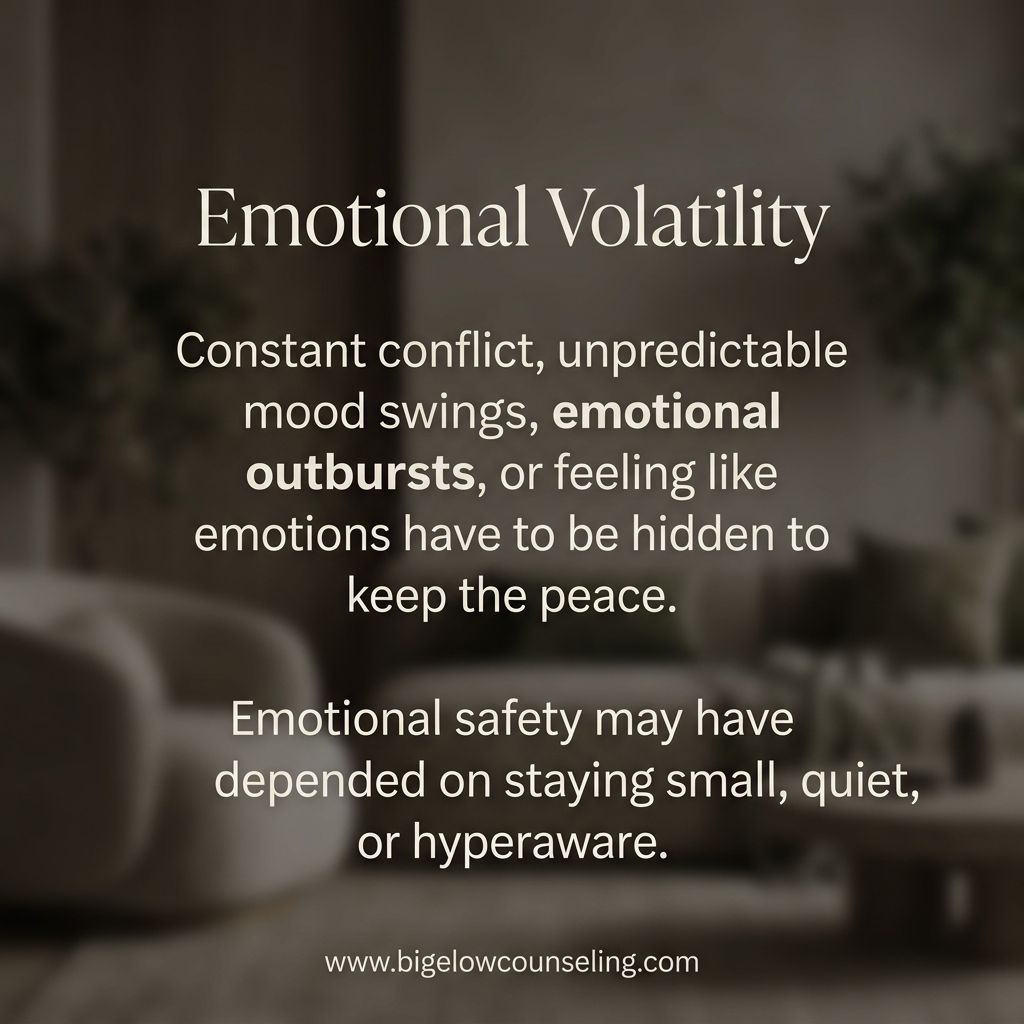
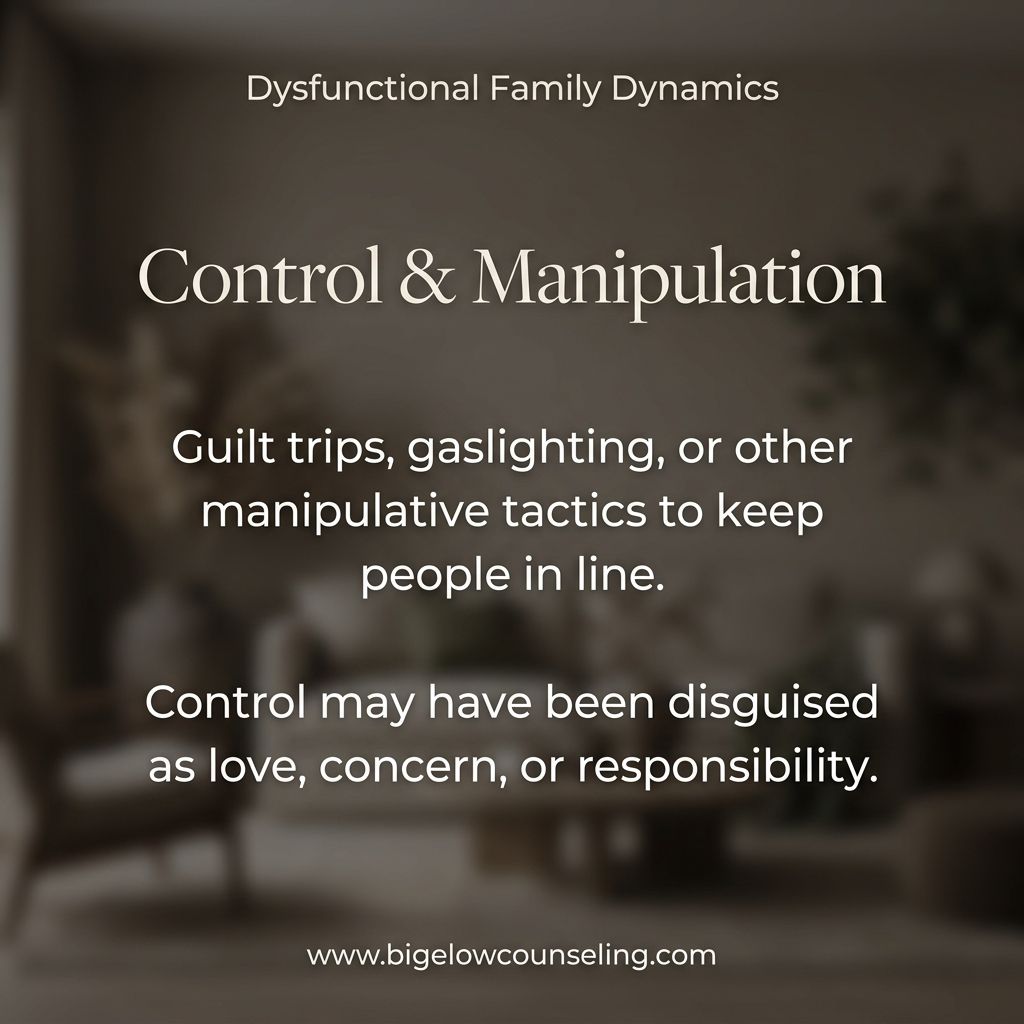
    Everyday Reactions and Nervous System
    Daily life can become overwhelming when past trauma affects your nervous system. But you can find ways to manage.

    Identifying Trauma Triggers in Adulthood

    Triggers can be anything that reminds you of past trauma. They might be sounds, places, or even certain types of interactions. Identifying these triggers is crucial. Once you know what sets off your anxiety or stress, you can begin to manage your responses.

    Being caught off guard by a trigger can make you feel powerless. But declaring what affects you is a step toward regaining control. Remember, triggers are not just in your head. They are real and can affect how you feel physically and emotionally. Awareness is the first step in reducing their power.

    Strategies for Nervous System Regulation

    Regulating your nervous system is about finding balance. Techniques such as deep breathing and mindfulness can help. These methods calm your body and mind, reducing the intensity of your reactions.

    Regular practice of these techniques can make a big difference. Over time, they can retrain your nervous system to respond more calmly. This empowers you to face situations that might have seemed daunting before. By focusing on these small changes, you can build resilience and improve your overall well-being.

    Healing with Professional Support
    With the right support, healing becomes a journey filled with hope and growth.

    Exploring EMDR Therapy Palm Beach

    EMDR therapy in Palm Beach offers a way to process trauma effectively. This technique helps you reframe disturbing memories. It uses guided eye movements to change how your brain stores those memories. This can reduce the emotional charge they hold.

    Clients often find relief after a few sessions. EMDR is known for its ability to bring quick, lasting results. It helps in reducing the distress associated with traumatic memories. By working with a professional therapist, you can explore this option and see if it fits your needs.

    Benefits of LGBTQ-Affirming Therapy in Florida

    Finding a therapist who understands your unique experiences can make all the difference. LGBTQ-affirming therapy provides a safe space where you can be yourself. This type of therapy acknowledges the specific challenges faced by the LGBTQ+ community.

    Having a supportive environment allows for authentic healing. It encourages open expression without fear of judgment. This supportive approach helps you explore your identity and experiences freely. With an understanding therapist, your journey toward healing becomes more empowering and affirming.

    Frequently Asked Questions

    What is trauma therapy and how does it help?
    Trauma therapy helps individuals process and heal from past traumatic experiences. It provides tools to manage emotions and reduce distress. This type of therapy can improve daily functioning and well-being by addressing the root causes of trauma.

    How does EMDR therapy work for trauma?
    EMDR therapy uses guided eye movements to help reprocess traumatic memories. It changes how these memories are stored in the brain, reducing their emotional impact. Many find it effective in providing relief from trauma-related distress.

    Why is LGBTQ-affirming therapy important?
    LGBTQ-affirming therapy acknowledges the unique challenges faced by the LGBTQ+ community. It provides a safe space for individuals to explore their identity and experiences without judgment. This supportive approach fosters healing and personal growth.
  • When the Past Shows Up Today: How Trauma Shapes Reactions, Relationships, and Confidence

    When the Past Shows Up Today: How Trauma Shapes Reactions, Relationships, and Confidence

    Past wounds often sneak into today’s moments, shaping reactions and shaking confidence without warning. Trauma triggers can silently strain relationships and cloud your sense of self. Understanding how these old patterns influence current feelings is the first step toward healing from trauma. This post explores trauma responses and offers guidance on finding support through EMDR therapy Palm Beach and other compassionate care options at Bigelow Counseling. Ready for steadier days and stronger connections? Book a confidential session today. For more insights, visit this page.

    Understanding Trauma Triggers

    Knowing how past experiences influence current reactions is crucial. It helps you identify patterns and seek healing.

    Past Experiences Driving Present Reactions

    Your past experiences can sneak into present moments, affecting how you react today. Trauma can shape your responses to situations without you even realizing it. Minor events might trigger intense emotions like fear or anger. For example, a sudden loud noise could remind you of an upsetting incident from years ago, leading to a heightened response.

    Understanding these connections can reduce confusion. It can help you see that your reactions are not random but linked to earlier events. Recognizing these patterns is the first step toward healing. It allows you to approach situations with more awareness, leading to calmer responses over time. Learn more about trauma’s effects here.

    Trauma Responses in Daily Life

    Trauma often manifests in everyday life through various responses. You may notice yourself avoiding certain places or activities. This avoidance is a common reaction to prevent triggering memories or emotions tied to past events. It’s your mind’s way of protecting you from discomfort.

    Some people experience heightened alertness, constantly scanning for danger. This can lead to stress and tiredness, even in safe environments. It’s important to recognize these reactions as part of your trauma response. Acknowledging them is a step toward finding peace and control in your daily life.

    Impact on Anxiety and Depression

    Trauma can contribute to anxiety and depression, affecting your well-being. You might feel anxious without understanding why, as past experiences trigger unease. This can result in overthinking or constant worry about future events.

    Depression might also creep in, making everyday activities feel overwhelming. Trauma can create a sense of hopelessness, impacting your mood and outlook. Understanding this link allows you to address these feelings directly. Recognizing how past trauma relates to current anxiety or depression is vital for moving toward healing and stability.

    Relationships and Attachment

    Trauma doesn’t just affect you; it can strain your relationships, too. Understanding this impact is key to healing.

    Trauma’s Effect on Relationships

    Your trauma can create barriers in relationships. Fear of vulnerability might make you keep others at a distance. This fear stems from past experiences where trust was broken. You might also find it challenging to communicate openly, fearing judgment or misunderstanding.

    These barriers can lead to misunderstandings and conflicts with loved ones. Recognizing these patterns can help you work on them. It’s a way to start rebuilding trust and openness in your relationships. Knowing how trauma affects your connections can guide you toward more meaningful interactions.

    Rebuilding Trust and Communication

    Rebuilding trust takes time and effort. Start by being honest about your feelings and needs. Share your challenges with loved ones to foster understanding. This openness can pave the way for better communication.

    Listening is equally important. Encourage open dialogue where both parties feel heard. This mutual respect helps strengthen the bond. With patience and effort, you can move past the effects of trauma and build healthier, more supportive relationships.

    Queer Therapist Palm Beach Support

    For those in the LGBTQ+ community, finding supportive therapy is crucial. A queer therapist in Palm Beach can offer affirming care, understanding your unique experiences. This support helps you navigate challenges without fear of judgment.

    Working with a therapist who appreciates your identity can make a significant difference. They provide a safe space to explore your feelings and experiences. This understanding and support can be vital in your healing journey, fostering confidence and growth.

    Confidence and Healing Options

    Healing from trauma opens doors to rebuilding confidence. Here’s how you can start your journey to self-assurance.

    Rebuilding Confidence After Trauma

    Trauma can shake your self-esteem, leaving you doubting your abilities. To rebuild confidence, it helps to focus on small achievements. Setting and achieving goals, no matter how minor, can boost your self-worth.

    Positive self-talk is another tool. Challenge negative thoughts with affirming statements about your strengths. This shift in mindset encourages self-belief. Over time, these practices help restore your confidence, allowing you to face challenges with greater assurance.

    EMDR Therapy Palm Beach and Beyond

    Eye Movement Desensitization and Reprocessing (EMDR) is a powerful trauma therapy available in Palm Beach. It helps process traumatic memories, reducing their emotional charge. This therapy involves guided eye movements to help your brain reprocess trauma.

    Clients often find a significant decrease in distressing symptoms. EMDR can lead to a more peaceful mind, offering relief from past trauma. It’s a valuable option for those seeking healing and a return to daily life without the burden of past experiences.

    LGBTQ Affirming Therapy and Support 🏳️‍🌈

    Finding a therapist who understands LGBTQ+ issues is crucial. Affirming therapy acknowledges your identity, providing supportive care tailored to your needs. This approach helps create a welcoming environment where you can explore your feelings freely.

    Supportive therapy nurtures your growth and self-acceptance. It encourages you to embrace your identity with pride, fostering a sense of belonging. This support is invaluable in building confidence and resilience, allowing you to thrive in all areas of life.

    Frequently Asked Questions

    How do past experiences influence present reactions?

    Past experiences can trigger emotional responses to current situations. Understanding these connections helps you manage reactions more effectively.

    What are common trauma responses in daily life?

    Common responses include avoidance of certain places, heightened alertness, and stress. Recognizing these patterns aids in finding peace and control.

    How can trauma affect relationships?

    Trauma can cause fear of vulnerability, leading to communication barriers. Acknowledging these effects helps in rebuilding trust and openness.

    What is EMDR therapy, and how does it help?

    EMDR therapy helps reprocess traumatic memories, reducing their emotional impact. It’s a valuable option for those seeking relief from past trauma.

    Why is LGBTQ affirming therapy important?

    Affirming therapy provides supportive care tailored to LGBTQ+ needs. It fosters growth, self-acceptance, and a sense of belonging.

    Home