
Emotional exhaustion isn’t just feeling tired all the time. It quietly seeps into your body, mood, and relationships, making even small tasks feel overwhelming. Recognizing these signs of burnout beyond low energy can clear the path toward real relief. This guide shines a light on what emotional exhaustion looks like and offers gentle steps to start healing with support from Bigelow Counseling in Palm Beach or online. Ready to feel like yourself again?
Signs Emotional Exhaustion Affects More Than Energy
Feeling constantly drained goes beyond just being tired. Emotional exhaustion can manifest in various aspects of life, affecting your physical health, mood, and mental well-being. Recognizing these signs is crucial to finding relief and regaining balance.
Physical Symptoms Beyond Fatigue
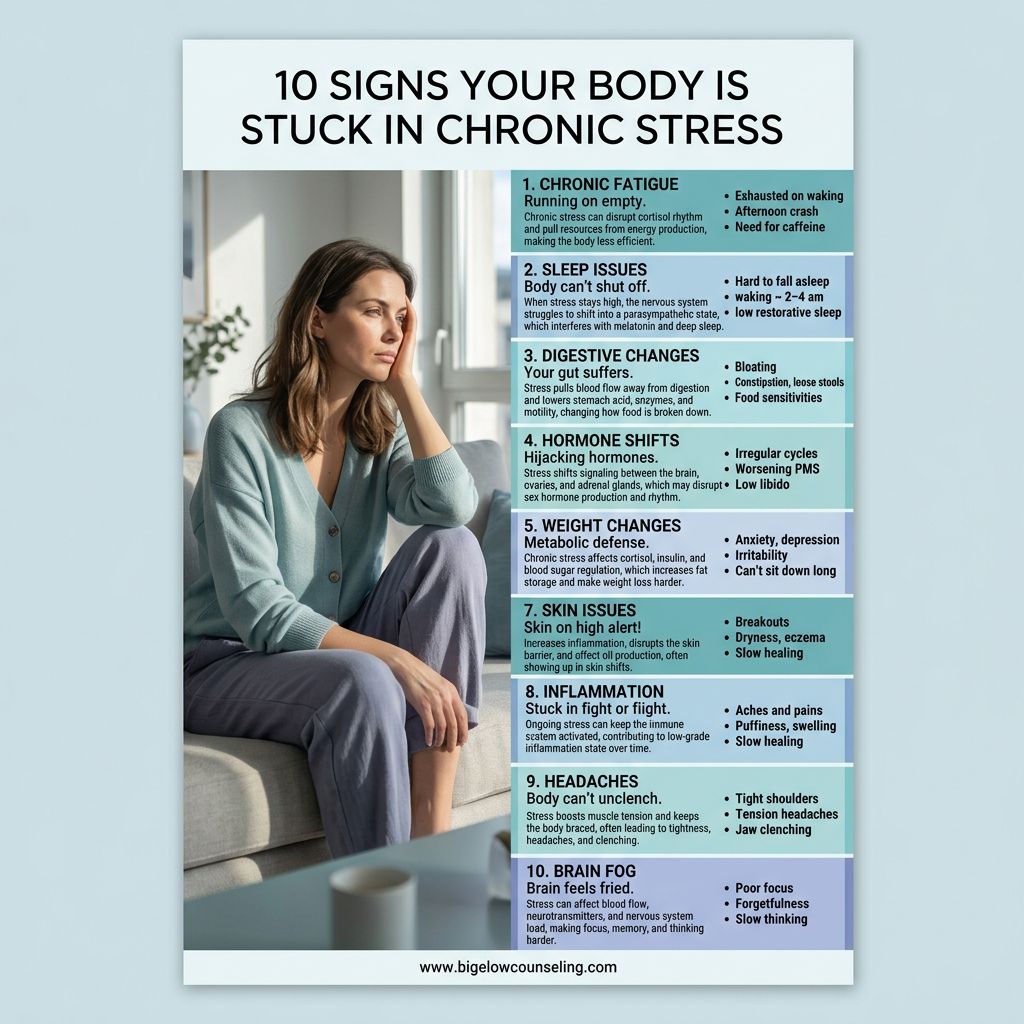
Emotional exhaustion doesn’t only affect your mind; it can take a toll on your body too. Common symptoms include headaches, stomach issues, and even a weakened immune system. You might find yourself catching colds more often or feeling aches and pains without a clear reason. This is your body’s way of signaling that something’s off.
Sleep disturbances are another common issue. Difficulty falling asleep or staying asleep can exacerbate feelings of exhaustion. You may also experience changes in appetite, either eating too much or too little. Taking note of these symptoms can help you understand the full impact of emotional exhaustion on your physical health.
Mood and Mental Health Indicators
When emotional exhaustion sets in, it often affects your mood and mental state. Feelings of irritability, anxiety, or sadness might become more frequent. You may find it hard to enjoy activities that once brought you joy. This shift in mood can be frustrating and isolating.
Cognitive functions such as memory and concentration can suffer as well. You might struggle to focus on tasks or forget important details. These mental health indicators are crucial to recognize, as they can be mistaken for other conditions like depression or anxiety. Understanding these signs can help you seek the right kind of support.
Impact on Relationships and Work
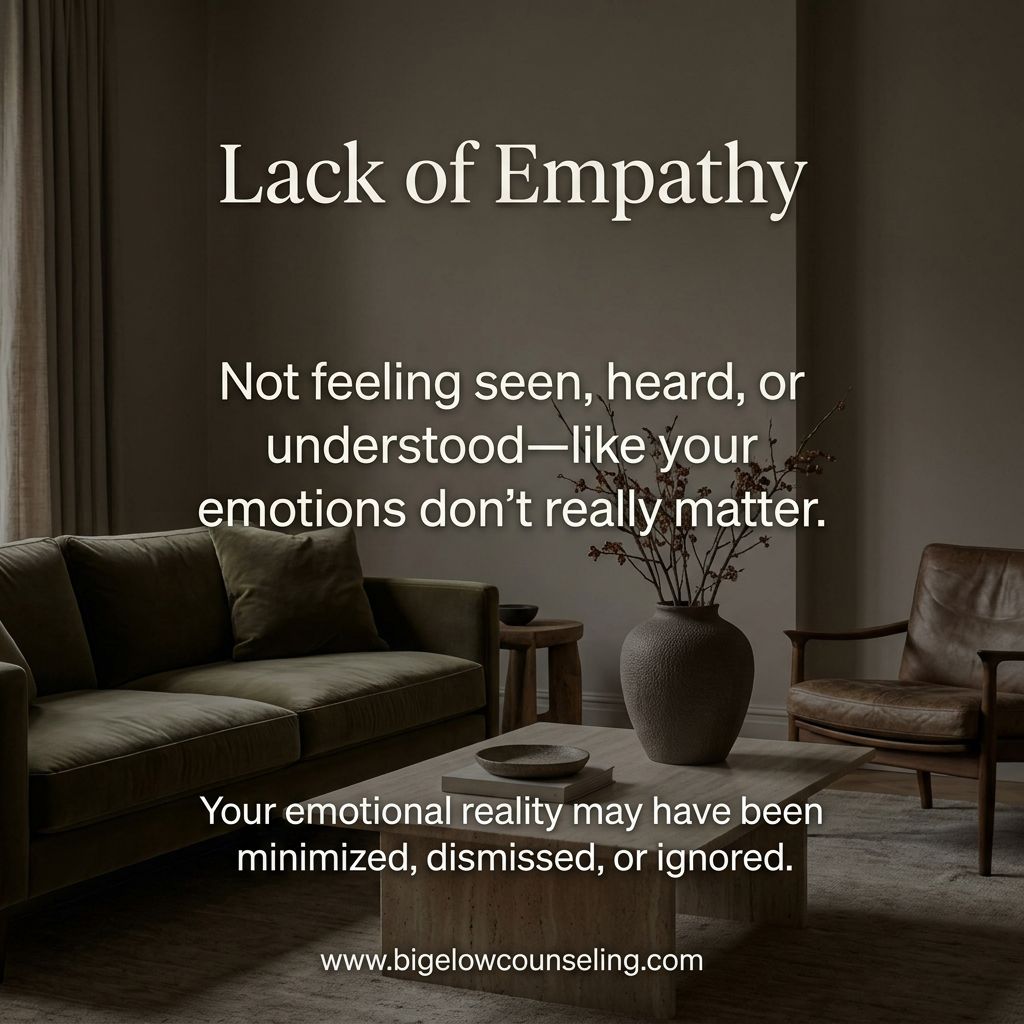
Emotional exhaustion can also seep into your relationships and professional life, creating strain and affecting performance. Understanding these impacts can guide you toward necessary changes and support.
Strain in Personal Connections
When you’re emotionally exhausted, maintaining strong personal relationships can become challenging. You might find yourself withdrawing from loved ones or feeling disconnected. This can lead to misunderstandings and increased tension. It’s important to communicate with those around you about how you’re feeling.
Friends and family might notice changes in your behavior, which can cause concern. Open, honest conversations can help maintain these connections. Remember, reaching out for support from those who care about you is a crucial step toward healing.
Decline in Job Performance
At work, emotional exhaustion can lead to a decline in performance. You might miss deadlines, feel less motivated, or struggle to complete tasks. Colleagues may notice changes in your productivity or engagement. Recognizing these signs early can prevent further burnout and stress.
Taking breaks and setting boundaries at work can be vital. Discussing your situation with a manager or HR can also lead to accommodations that help you manage your workload better. Prioritizing your well-being is essential for long-term success and satisfaction in your career.
Steps Toward Recovery and Support
Addressing emotional exhaustion involves practical steps and seeking the right support. These actions can pave the way for recovery and a return to feeling like yourself.
Practical Self-Checks and Grounding Skills
Starting with simple self-checks can make a big difference. Regularly assess how you’re feeling both physically and emotionally. Techniques like deep breathing, mindfulness, and grounding exercises can help manage stress and provide immediate relief.
Incorporating stress management skills into your daily routine can also be beneficial. Journaling, gentle exercise, and spending time in nature are great ways to recharge. These practices can help maintain balance and reduce the impact of emotional exhaustion on your daily life.
Seeking Professional Help and Counseling Options 🌱
If you’re facing persistent symptoms, professional help can be a game-changer. Bigelow Counseling offers a range of services tailored to your needs. Whether you’re interested in trauma therapy in Palm Beach or online therapy in Florida, support is available.
A therapist can provide strategies and insights to help you manage symptoms and find long-term solutions. Consider exploring LGBTQ+ affirming therapy or couples counseling if these are relevant to your situation. Professional guidance can be a pivotal step toward healing and growth.
Frequently Asked Questions
What are the main signs of emotional exhaustion?
Emotional exhaustion symptoms include constant fatigue, irritability, and difficulty concentrating. Physical signs may involve headaches and sleep disturbances. Recognizing these can help you take action.
How does emotional exhaustion differ from depression?
While both involve feelings of fatigue and low mood, emotional exhaustion is often tied to overwhelming stress or burnout. Depression might not have an external cause and includes persistent sadness or loss of interest in activities.
Can emotional exhaustion affect relationships?
Yes, it can strain personal connections by causing withdrawal, irritability, or communication issues. Being open with loved ones about your feelings can help maintain strong relationships.
What steps can I take to manage emotional exhaustion?
Start with self-checks, mindfulness practices, and setting boundaries. If symptoms persist, seek professional counseling to explore tailored strategies for recovery.
Is professional help necessary for emotional exhaustion?
While self-care can alleviate mild symptoms, professional help is recommended if emotional exhaustion significantly impacts daily life. Therapists can offer specialized support and coping strategies.