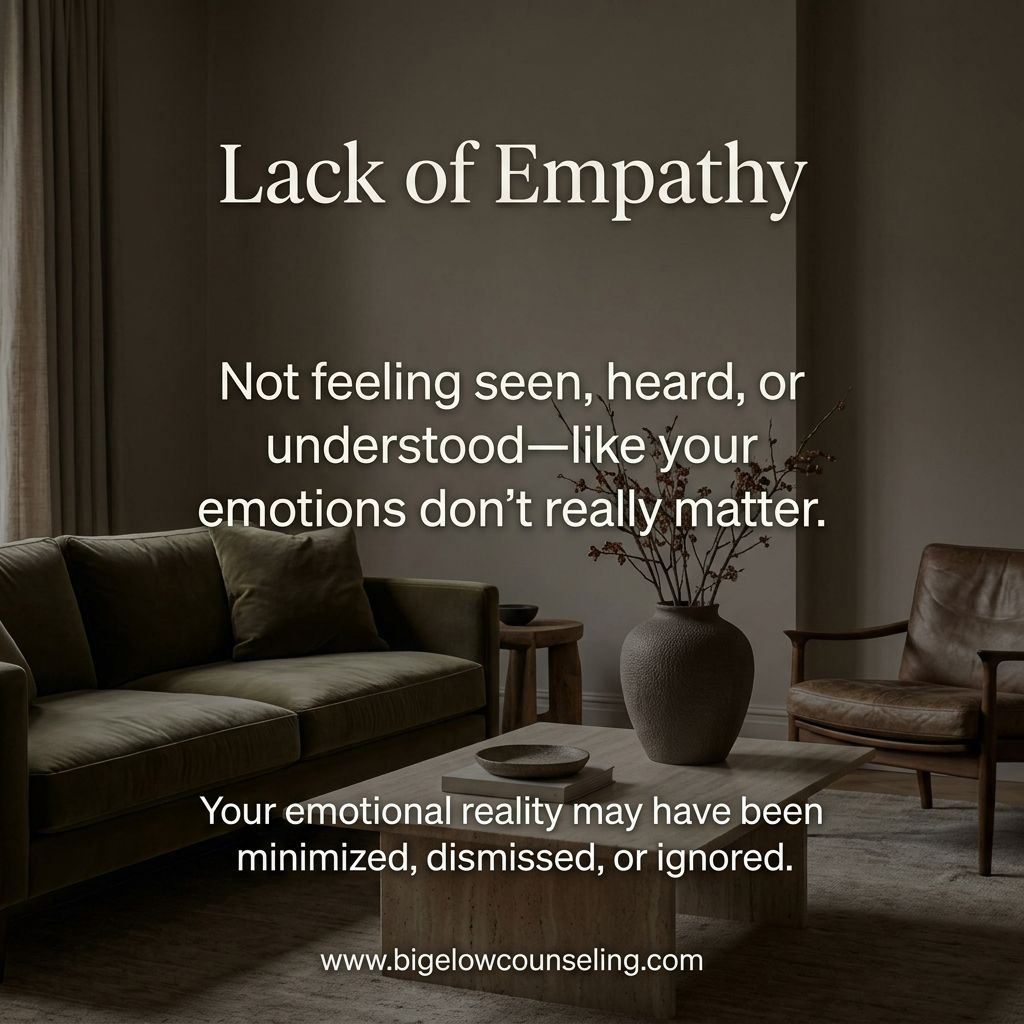
Trauma changes the way trust and confidence show up in daily life, often in ways that feel confusing and overwhelming. Everyday triggers can spark reactions that seem out of control, leaving a sense of disconnection from others and yourself. Understanding these trauma responses in adults opens a path toward healing—through approaches like EMDR therapy Palm Beach, clients are finding real relief and rebuilding trust. Ready for grounded support? Schedule a confidential consultation with Bigelow Counseling—virtual or in the Palm Beach office.
Impact of Trauma on Trust and Confidence
Trauma can deeply affect how you trust and feel confident in yourself. It can make simple interactions feel like a maze. Let’s explore this further.
Trauma and Trust Challenges
Trauma can leave you feeling unsure about who to trust. Even with people you once felt close to, it might seem like a barrier has formed. You might second-guess intentions or worry about being hurt again. This isn’t unusual. Many people find that past traumas create a lens through which they see current relationships. This affects not only personal connections but also how you engage with the world.
Building trust again takes time and effort. It’s about finding safe spaces and people with whom you can slowly rebuild confidence. Knowing that this struggle is common can be a relief. You’re not alone in how you feel, and support is available to help navigate these challenges.
Trauma Responses in Adults
Trauma responses can show up in various ways, often when least expected. You might notice overreactions to small stressors or feel disconnected during conversations. These are typical signs of trauma, not personal failings. Such responses are your mind’s way of protecting you from perceived threats.
Recognizing these responses is the first step toward managing them. Awareness can help you reclaim control over your reactions. Support from a therapist can provide strategies to handle these challenges more effectively.
Rebuilding Trust After Trauma
Rebuilding trust takes time, but it’s possible. Start by trusting yourself and acknowledging your feelings. Small steps can lead to significant changes. Try to engage in activities that make you feel safe and supported.
Consider reaching out for professional help. A therapist can guide you through the process of rebuilding trust. They can offer insights and tools to strengthen your confidence in interactions. Remember, healing is a journey, not a destination.
Navigating Daily Triggers and Reactions
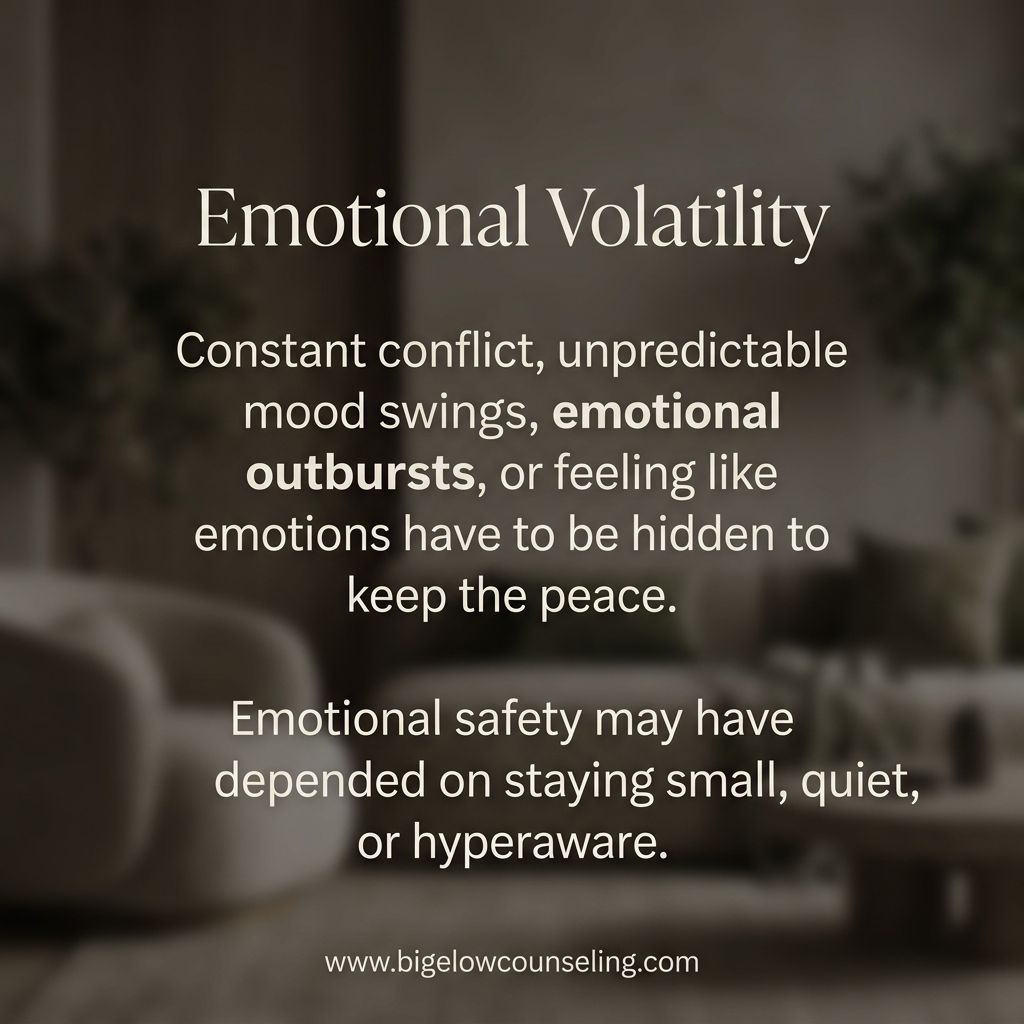
Daily triggers can feel overwhelming, but understanding them can reduce their power. Learning to navigate these reactions is crucial for healing.
Hypervigilance and Trauma
Hypervigilance keeps you on high alert, always scanning for threats. This can be exhausting and lead to anxiety. It’s a common response to trauma that aims to protect you but often results in more stress.
Recognizing this pattern can be empowering. It lets you know that your mind is trying to help, even if it feels like the opposite. Techniques like mindfulness and grounding exercises can help reduce hypervigilance. These practices allow you to focus on the present, easing the constant need to be alert.
People-Pleasing Trauma Response
People-pleasing often emerges as a way to prevent conflict or rejection. It can lead to ignoring your own needs in favor of others’. This response is rooted in a fear of further trauma or loss. It’s common among trauma survivors who learned to prioritize others’ happiness over their own safety.
Awareness is key to changing this pattern. Try setting small boundaries and gradually build up your confidence. Therapy can provide support and tools to assert your needs without fear.
Attachment Wounds in Adults
Attachment wounds from trauma can impact how you connect with others. They can manifest as fear of abandonment or difficulty in forming close relationships. These wounds are often deep-seated, affecting your sense of security with loved ones.
Healing involves understanding these patterns and seeking help to address them. Therapy offers a space to work through attachment issues and build healthier connections. It’s about finding and nurturing relationships that support your growth.
Paths to Healing and Support
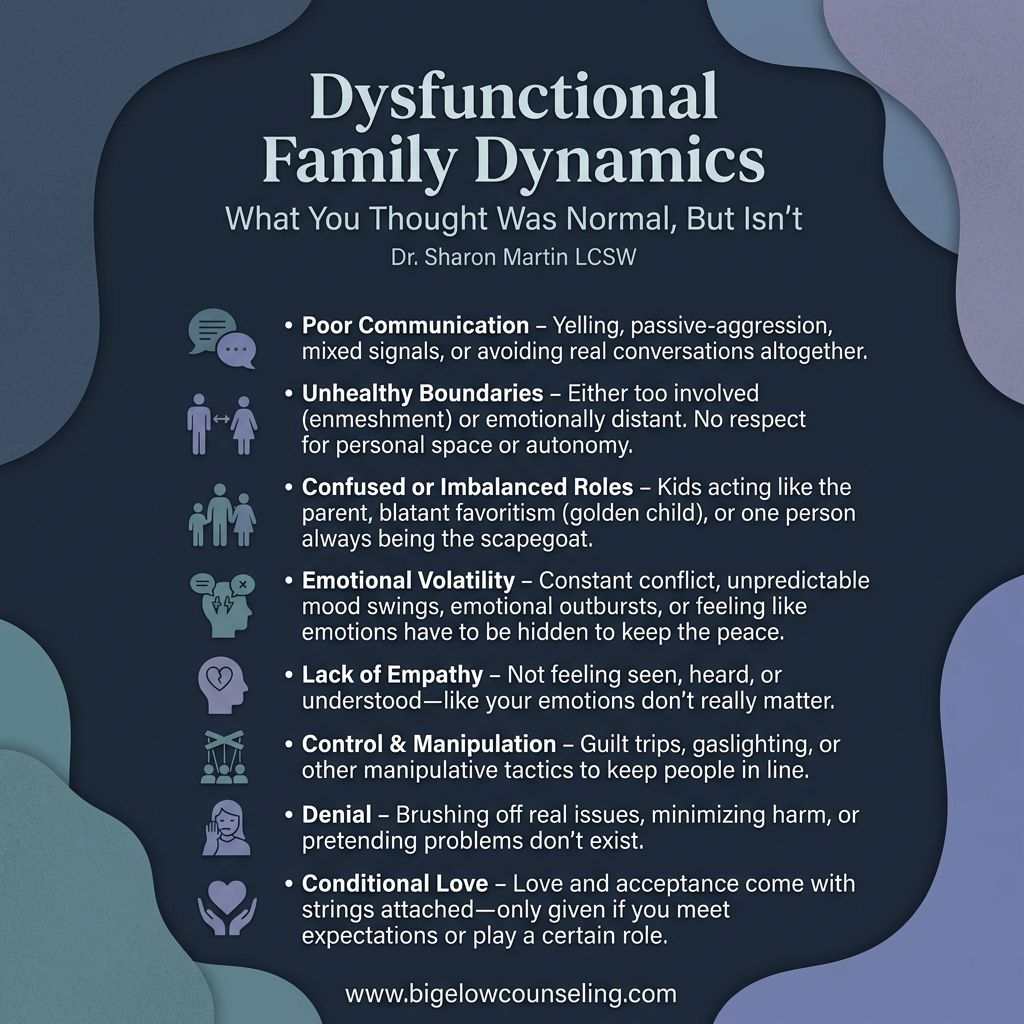
Healing from trauma is possible with the right support. Various therapies can guide you toward recovery and newfound resilience.
EMDR Therapy Palm Beach
EMDR therapy is a powerful option for trauma healing. It helps process traumatic memories and reduce their emotional impact. Many clients find relief through this approach, gaining a sense of control over their reactions. Explore EMDR therapy in Palm Beach to find out how it can support your healing journey.
LGBTQ Affirming Therapy Palm Beach
Finding a therapist who understands and supports your identity is crucial. LGBTQ affirming therapy in Palm Beach offers a safe space to explore trauma without judgment. This specialized support can help you feel seen and validated, fostering a deeper healing experience.
Counseling for Professionals and Executive Coaching Palm Beach
For professionals, balancing work and personal challenges can be tough, especially when dealing with trauma. Counseling and executive coaching can help navigate these pressures. These services focus on personal growth and career advancement, providing tools to overcome workplace challenges and achieve professional goals.
Frequently Asked Questions
What is hypervigilance, and how does it relate to trauma?
Hypervigilance is an enhanced state of awareness where you constantly scan for threats. It’s a common trauma response and aims to protect you from potential danger. However, it can lead to anxiety and exhaustion.
How can therapy help with people-pleasing behaviors?
Therapy provides strategies to recognize and change people-pleasing patterns. It helps build confidence in setting boundaries and prioritizing your needs without fear of conflict or rejection.
What is EMDR therapy, and how does it work?
EMDR therapy helps process traumatic memories using guided eye movements. This reduces the emotional charge of these memories, allowing you to heal and feel more in control.
Why is it important to find LGBTQ affirming therapy?
LGBTQ affirming therapy ensures that your identity is respected and understood. It provides a supportive environment where you can explore trauma and healing without fear of judgment.
What benefits can executive coaching offer professionals dealing with trauma?
Executive coaching helps professionals balance career and personal challenges. It supports personal growth and career advancement, offering tools to manage workplace pressures effectively.