Past wounds often sneak into today’s moments, shaping reactions and shaking confidence without warning. Trauma triggers can silently strain relationships and cloud your sense of self. Understanding how these old patterns influence current feelings is the first step toward healing from trauma. This post explores trauma responses and offers guidance on finding support through EMDR therapy Palm Beach and other compassionate care options at Bigelow Counseling. Ready for steadier days and stronger connections? Book a confidential session today. For more insights, visit this page.
Understanding Trauma Triggers
Knowing how past experiences influence current reactions is crucial. It helps you identify patterns and seek healing.
Past Experiences Driving Present Reactions
Your past experiences can sneak into present moments, affecting how you react today. Trauma can shape your responses to situations without you even realizing it. Minor events might trigger intense emotions like fear or anger. For example, a sudden loud noise could remind you of an upsetting incident from years ago, leading to a heightened response.
Understanding these connections can reduce confusion. It can help you see that your reactions are not random but linked to earlier events. Recognizing these patterns is the first step toward healing. It allows you to approach situations with more awareness, leading to calmer responses over time. Learn more about trauma’s effects here.
Trauma Responses in Daily Life
Trauma often manifests in everyday life through various responses. You may notice yourself avoiding certain places or activities. This avoidance is a common reaction to prevent triggering memories or emotions tied to past events. It’s your mind’s way of protecting you from discomfort.
Some people experience heightened alertness, constantly scanning for danger. This can lead to stress and tiredness, even in safe environments. It’s important to recognize these reactions as part of your trauma response. Acknowledging them is a step toward finding peace and control in your daily life.
Impact on Anxiety and Depression
Trauma can contribute to anxiety and depression, affecting your well-being. You might feel anxious without understanding why, as past experiences trigger unease. This can result in overthinking or constant worry about future events.
Depression might also creep in, making everyday activities feel overwhelming. Trauma can create a sense of hopelessness, impacting your mood and outlook. Understanding this link allows you to address these feelings directly. Recognizing how past trauma relates to current anxiety or depression is vital for moving toward healing and stability.
Relationships and Attachment
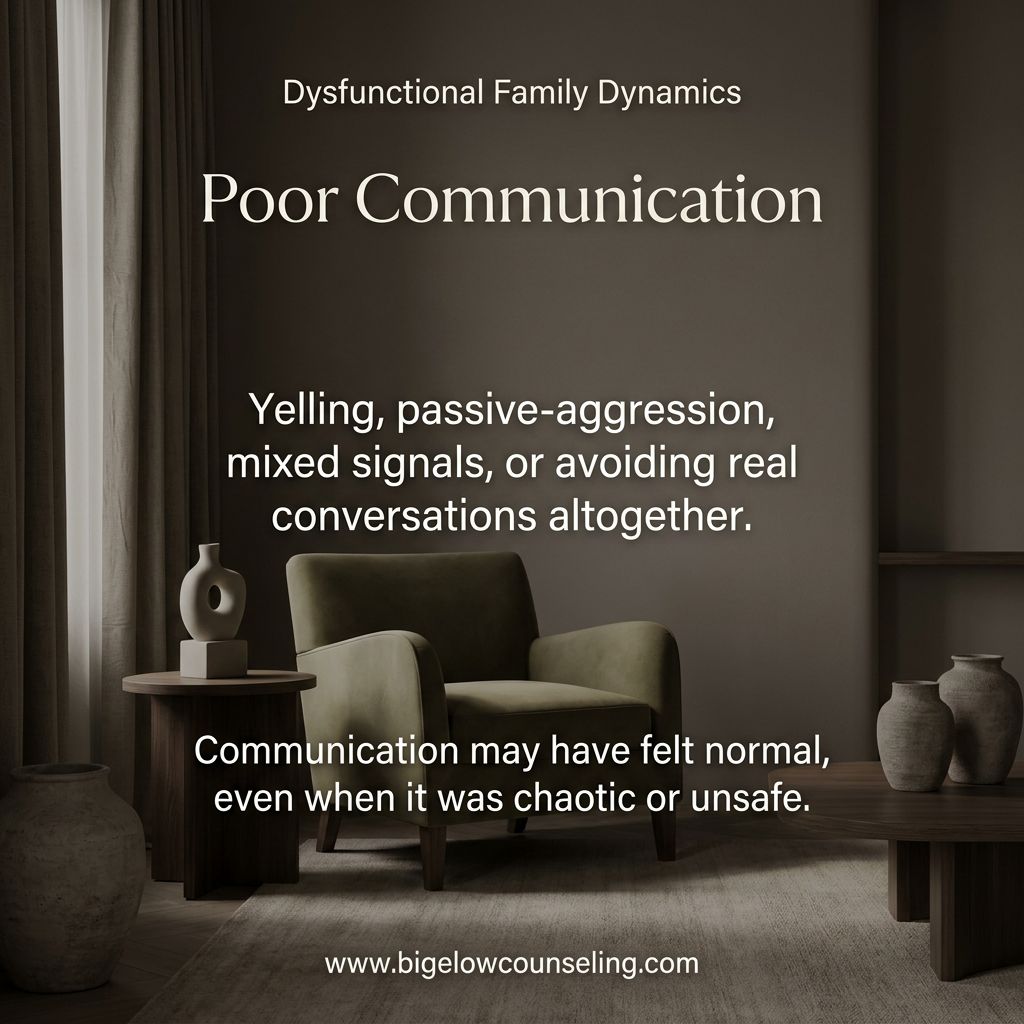
Trauma doesn’t just affect you; it can strain your relationships, too. Understanding this impact is key to healing.
Trauma’s Effect on Relationships
Your trauma can create barriers in relationships. Fear of vulnerability might make you keep others at a distance. This fear stems from past experiences where trust was broken. You might also find it challenging to communicate openly, fearing judgment or misunderstanding.
These barriers can lead to misunderstandings and conflicts with loved ones. Recognizing these patterns can help you work on them. It’s a way to start rebuilding trust and openness in your relationships. Knowing how trauma affects your connections can guide you toward more meaningful interactions.
Rebuilding Trust and Communication
Rebuilding trust takes time and effort. Start by being honest about your feelings and needs. Share your challenges with loved ones to foster understanding. This openness can pave the way for better communication.
Listening is equally important. Encourage open dialogue where both parties feel heard. This mutual respect helps strengthen the bond. With patience and effort, you can move past the effects of trauma and build healthier, more supportive relationships.
Queer Therapist Palm Beach Support
For those in the LGBTQ+ community, finding supportive therapy is crucial. A queer therapist in Palm Beach can offer affirming care, understanding your unique experiences. This support helps you navigate challenges without fear of judgment.
Working with a therapist who appreciates your identity can make a significant difference. They provide a safe space to explore your feelings and experiences. This understanding and support can be vital in your healing journey, fostering confidence and growth.
Confidence and Healing Options

Healing from trauma opens doors to rebuilding confidence. Here’s how you can start your journey to self-assurance.
Rebuilding Confidence After Trauma
Trauma can shake your self-esteem, leaving you doubting your abilities. To rebuild confidence, it helps to focus on small achievements. Setting and achieving goals, no matter how minor, can boost your self-worth.
Positive self-talk is another tool. Challenge negative thoughts with affirming statements about your strengths. This shift in mindset encourages self-belief. Over time, these practices help restore your confidence, allowing you to face challenges with greater assurance.
EMDR Therapy Palm Beach and Beyond
Eye Movement Desensitization and Reprocessing (EMDR) is a powerful trauma therapy available in Palm Beach. It helps process traumatic memories, reducing their emotional charge. This therapy involves guided eye movements to help your brain reprocess trauma.
Clients often find a significant decrease in distressing symptoms. EMDR can lead to a more peaceful mind, offering relief from past trauma. It’s a valuable option for those seeking healing and a return to daily life without the burden of past experiences.
LGBTQ Affirming Therapy and Support 🏳️🌈
Finding a therapist who understands LGBTQ+ issues is crucial. Affirming therapy acknowledges your identity, providing supportive care tailored to your needs. This approach helps create a welcoming environment where you can explore your feelings freely.
Supportive therapy nurtures your growth and self-acceptance. It encourages you to embrace your identity with pride, fostering a sense of belonging. This support is invaluable in building confidence and resilience, allowing you to thrive in all areas of life.
Frequently Asked Questions
How do past experiences influence present reactions?
Past experiences can trigger emotional responses to current situations. Understanding these connections helps you manage reactions more effectively.
What are common trauma responses in daily life?
Common responses include avoidance of certain places, heightened alertness, and stress. Recognizing these patterns aids in finding peace and control.
How can trauma affect relationships?
Trauma can cause fear of vulnerability, leading to communication barriers. Acknowledging these effects helps in rebuilding trust and openness.
What is EMDR therapy, and how does it help?
EMDR therapy helps reprocess traumatic memories, reducing their emotional impact. It’s a valuable option for those seeking relief from past trauma.
Why is LGBTQ affirming therapy important?
Affirming therapy provides supportive care tailored to LGBTQ+ needs. It fosters growth, self-acceptance, and a sense of belonging.