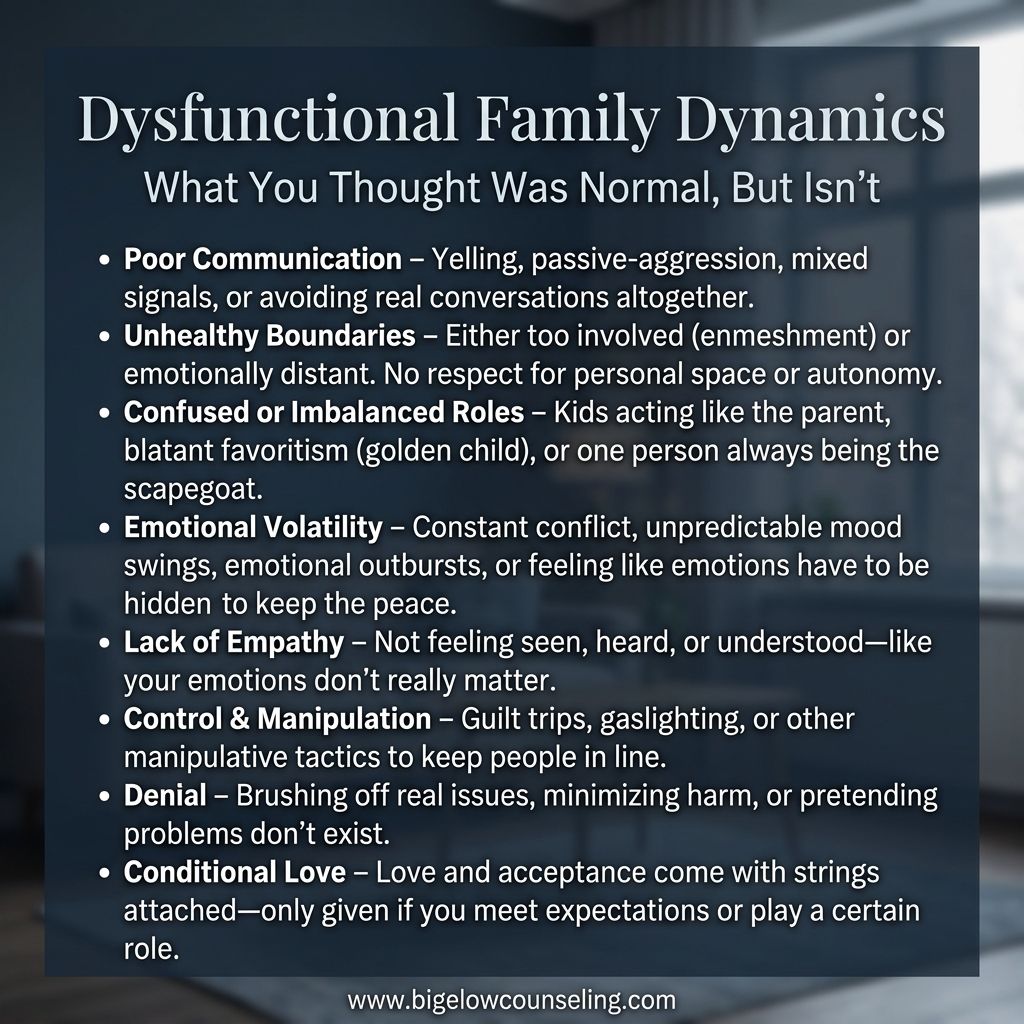
Trauma doesn’t just stay in the past—it quietly reshapes how trust is built, how confidence grows, and how everyday moments feel. When those old wounds trigger unexpected reactions, it can leave anyone feeling stuck or unsure. Trauma therapy Palm Beach offers a way to calm that nervous system and rebuild what was lost. Ready to feel safer, calmer, and more confident? Booking a consult with Bigelow Counseling helps take the next step toward healing.
Trauma’s Impact on Trust and Confidence
Trauma affects how you perceive and interact with the world, especially when it comes to trust and confidence. Understanding these changes is the first step toward healing.
Understanding Trauma and Trust Issues
Trauma can make trusting others incredibly difficult. Those who have experienced trauma might find themselves questioning the intentions of those around them. It becomes challenging to let your guard down when past experiences have been painful. This lack of trust can extend to relationships, work, and even self-perception. Recognizing these feelings as part of a trauma response is crucial. It’s not about being closed off; it’s a protective mechanism.
This protective mechanism can make forming new connections a daunting task. You might find yourself building walls that are hard to tear down. Therapy can help break these barriers by providing a safe space to explore these feelings. With time and the right support, trust can be rebuilt. When you take a step to understand and work through these issues, you’re paving the way to healthier relationships.
Rebuilding Confidence After Trauma
Rebuilding confidence after experiencing trauma is possible. You deserve to feel self-assured and capable in your everyday life. Trauma can leave you doubting your abilities and questioning your worth. These feelings can be overwhelming, but there’s hope. Through targeted therapy and self-awareness, you can reconnect with your strengths.
Start by acknowledging small victories. Each step you take toward healing is significant. Trauma therapy Palm Beach offers tools to help you recognize and celebrate these wins. As you progress, you’ll notice a shift. Confidence grows when you feel supported and understood. It’s about reclaiming your narrative and understanding that past experiences don’t define your future. This journey of rebuilding confidence is## Trauma’s Impact on Trust and Confidence
When trauma lingers, it can silently influence how trust and confidence develop in your life.
Understanding Trauma and Trust Issues
Trauma often rewires the way you think about trust. You may find it harder to rely on others. It can feel like your safety net has vanished. This is because previous experiences might have taught your brain to expect betrayal or disappointment.
Sometimes, trusting someone new feels risky or impossible. You might question if others have your best interests at heart. This can affect relationships, making it a challenge to connect deeply with others. By recognizing these patterns, you can start to shift your mindset. Understanding that your reactions are normal can be the first step toward healing.
Rebuilding Confidence After Trauma
Regaining confidence is possible even after trauma. It starts with small victories. Each time you face a fear or accomplish a goal, your confidence grows a little more. This process might feel slow at times but it’s important to celebrate each step forward.
Therapy can provide tools to help you rebuild. It might involve exploring past experiences to understand current feelings. With support, you can start to see yourself as resilient. Confidence is about believing in your ability to navigate life’s challenges. By focusing on your strengths, you gradually rebuild a sense of self-worth.
Everyday Reactions and Nervous System

Daily life can become overwhelming when past trauma affects your nervous system. But you can find ways to manage.
Identifying Trauma Triggers in Adulthood
Triggers can be anything that reminds you of past trauma. They might be sounds, places, or even certain types of interactions. Identifying these triggers is crucial. Once you know what sets off your anxiety or stress, you can begin to manage your responses.
Being caught off guard by a trigger can make you feel powerless. But declaring what affects you is a step toward regaining control. Remember, triggers are not just in your head. They are real and can affect how you feel physically and emotionally. Awareness is the first step in reducing their power.
Strategies for Nervous System Regulation
Regulating your nervous system is about finding balance. Techniques such as deep breathing and mindfulness can help. These methods calm your body and mind, reducing the intensity of your reactions.
Regular practice of these techniques can make a big difference. Over time, they can retrain your nervous system to respond more calmly. This empowers you to face situations that might have seemed daunting before. By focusing on these small changes, you can build resilience and improve your overall well-being.
Healing with Professional Support

With the right support, healing becomes a journey filled with hope and growth.
Exploring EMDR Therapy Palm Beach
EMDR therapy in Palm Beach offers a way to process trauma effectively. This technique helps you reframe disturbing memories. It uses guided eye movements to change how your brain stores those memories. This can reduce the emotional charge they hold.
Clients often find relief after a few sessions. EMDR is known for its ability to bring quick, lasting results. It helps in reducing the distress associated with traumatic memories. By working with a professional therapist, you can explore this option and see if it fits your needs.
Benefits of LGBTQ-Affirming Therapy in Florida
Finding a therapist who understands your unique experiences can make all the difference. LGBTQ-affirming therapy provides a safe space where you can be yourself. This type of therapy acknowledges the specific challenges faced by the LGBTQ+ community.
Having a supportive environment allows for authentic healing. It encourages open expression without fear of judgment. This supportive approach helps you explore your identity and experiences freely. With an understanding therapist, your journey toward healing becomes more empowering and affirming.
Frequently Asked Questions
What is trauma therapy and how does it help?
Trauma therapy helps individuals process and heal from past traumatic experiences. It provides tools to manage emotions and reduce distress. This type of therapy can improve daily functioning and well-being by addressing the root causes of trauma.
How does EMDR therapy work for trauma?
EMDR therapy uses guided eye movements to help reprocess traumatic memories. It changes how these memories are stored in the brain, reducing their emotional impact. Many find it effective in providing relief from trauma-related distress.
Why is LGBTQ-affirming therapy important?
LGBTQ-affirming therapy acknowledges the unique challenges faced by the LGBTQ+ community. It provides a safe space for individuals to explore their identity and experiences without judgment. This supportive approach fosters healing and personal growth.