Author: Lia Bigelow

  • How to Know When Stress Has Become Burnout (and What to Do Next)

    How to Know When Stress Has Become Burnout (and What to Do Next)

    Stress can feel like part of everyday life, but when does it cross the line into burnout? Knowing how to spot the signs of burnout is key to protecting your well-being before exhaustion takes over. This post breaks down how to know stress vs burnout, offers a simple checklist to recognize warning signs, and shares first steps toward relief. For personalized support, Bigelow Counseling in Palm Beach and online stands ready to help with counseling, EMDR, and coaching tailored to your needs. For more information on burnout signs and recovery, check out this resource.

    Understanding Stress and Burnout

    Stress and burnout, though related, affect your body and mind in distinct ways. Recognizing these differences can help you take the proper steps to manage them effectively.

    Everyday Stress vs. True Burnout

    Stress is a common experience, often resulting from daily demands. It can motivate you to meet goals, but when it becomes chronic, it turns harmful. Burnout, on the other hand, is a state of emotional, physical, and mental exhaustion caused by prolonged, excessive stress. Unlike regular stress, burnout leaves you feeling helpless, hopeless, and disillusioned. Where stress is about too much, burnout is about not enough — not enough motivation, energy, or care left.

    Chronic Stress Warning Signs

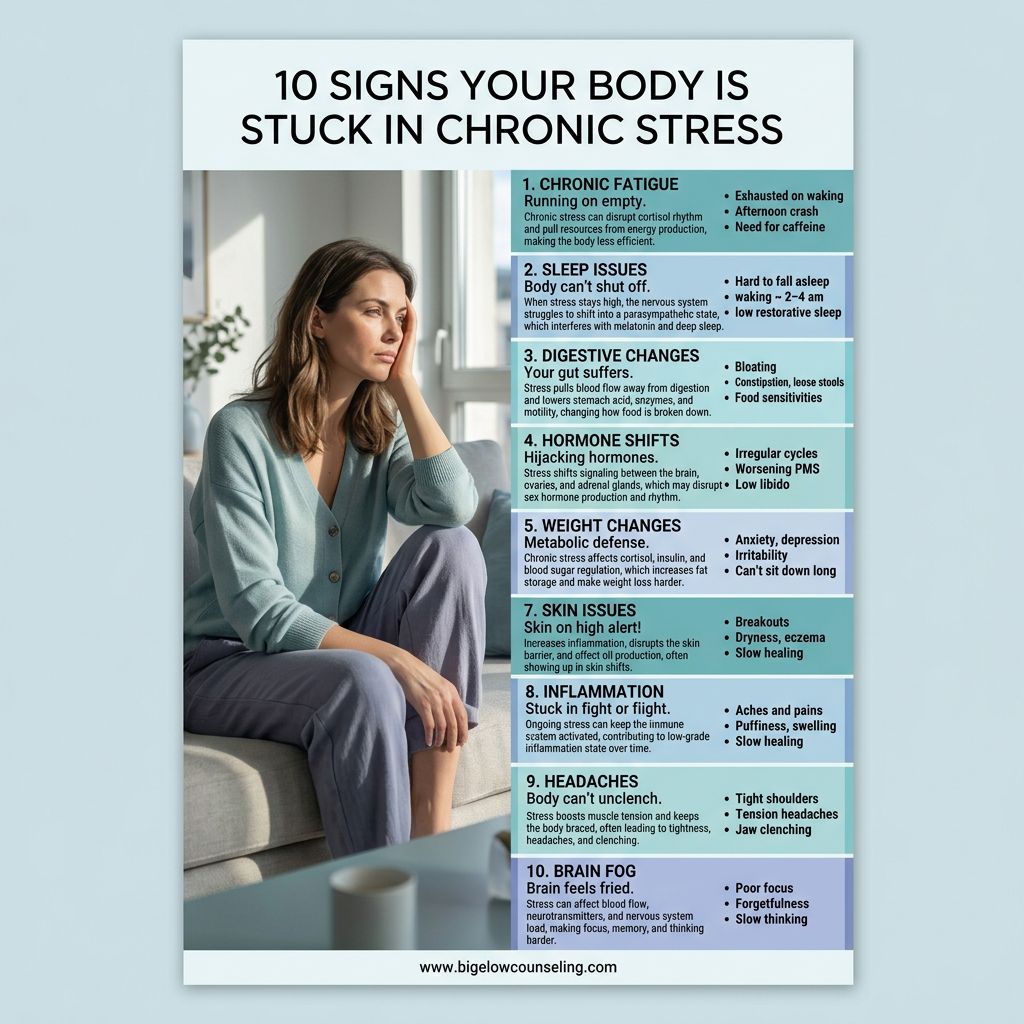
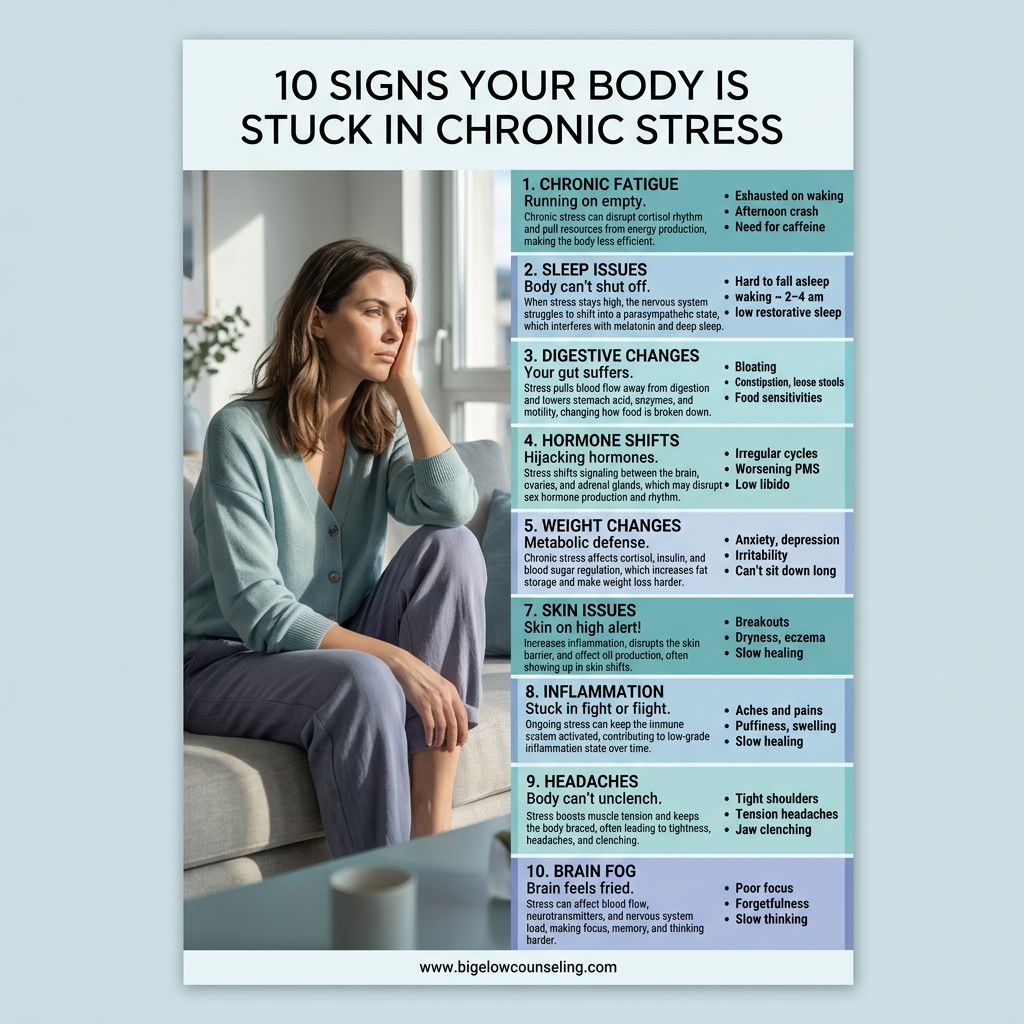
    Chronic stress wears you down over time. It’s often marked by physical symptoms like headaches, upset stomach, and sleep problems. You might feel anxious, irritable, or overwhelmed. If left unchecked, chronic stress can lead to burnout. Pay attention to persistent signs, such as loss of interest in activities, feeling trapped, and increased cynicism. These may indicate that stress has gone beyond its limits and is affecting your overall well-being.

    Burnout Symptoms and Stages

    Burnout doesn’t happen overnight. It creeps in through stages, starting with mild symptoms like exhaustion and progressing to more severe states of detachment and feeling ineffective. You may notice a drop in performance, increased forgetfulness, or an inability to concentrate. As burnout deepens, emotional numbness and a sense of failure can take over. Recognizing these stages early can prevent further decline and lead to recovery. For a comprehensive look into these symptoms, refer to WebMD’s guide.

    Practical Self-Checks and Relief Steps
    Understanding the signs of burnout is just the first step. Next, you need practical tools to assess your situation and begin recovery.

    Stress vs. Burnout Checklist

    Use a checklist to evaluate whether you’re dealing with stress or have crossed into burnout. Here are some questions to consider:

    1. Do you feel constantly overwhelmed or irritable?

    2. Are you losing interest in activities you once enjoyed?

    3. Is your sleep disrupted, or do you feel fatigued despite resting?

    4. Are you experiencing frequent headaches or muscle pain?

    5. Have you become more cynical or detached from your work or relationships?

    If you answered “yes” to several of these questions, you might be experiencing burnout rather than simple stress.

    First Steps for Burnout Recovery

    Recovering from burnout starts with acknowledging its presence. Prioritize rest and self-care, setting boundaries to protect your time and energy. Simplify your commitments, focus on activities that rejuvenate you, and reach out for support from friends or professionals. Remember, recovery is a gradual process, and small, consistent steps can lead to significant improvements.

    Creating Your Burnout Recovery Plan

    Crafting a personalized recovery plan can guide you back to well-being. Start by identifying the sources of your stress and consider how they can be managed or mitigated. Set achievable goals, such as taking regular breaks or practicing mindfulness. Incorporating healthy habits like exercise and balanced nutrition is crucial. A structured plan can give you a sense of control and purpose as you work toward recovery.

    Seeking Professional Support
    Sometimes, professional guidance is essential to overcome burnout. Expert help can offer personalized strategies and interventions tailored to your needs.

    EMDR Therapy in Palm Beach

    For those dealing with trauma-related burnout, EMDR therapy offers effective relief. This therapy helps process traumatic memories and reduce their impact on your current emotional state. If you’re in Palm Beach, EMDR therapy can be a powerful tool in your recovery journey.

    LGBTQ Affirming Therapy Options

    If you identify as LGBTQ+, finding a therapist who understands your unique experiences is vital. LGBTQ affirming therapy provides a safe space to explore stressors specific to your identity. In Palm Beach, inclusive therapy options are available to support you through challenges and help build resilience.

    Executive Coaching for Burnout Relief

    Professionals experiencing workplace burnout may benefit from executive coaching. This type of support focuses on career-related stress and can guide you in setting boundaries, improving work-life balance, and achieving professional goals. In Palm Beach, coaching services are tailored to help you find fulfillment and prevent future burnout.

    Frequently Asked Questions

    What are the main signs of burnout?

    Burnout shows up as emotional exhaustion, cynicism, and reduced performance. You may feel detached, lack motivation, and experience physical symptoms like fatigue and headaches.

    How is burnout different from stress?

    Stress involves feeling pressured by demands, often temporarily. Burnout occurs when stress becomes chronic, leading to emotional, mental, and physical exhaustion.

    Can burnout be prevented?

    Yes, by managing stress through healthy habits, setting boundaries, and seeking support. Recognizing early signs and taking proactive steps can prevent burnout.

    What therapies help with burnout?

    Therapies like EMDR, cognitive-behavioral therapy, and mindfulness-based interventions can effectively manage and reduce burnout symptoms.

    Is executive coaching useful for workplace burnout?

    Yes, executive coaching is beneficial for addressing career-related stressors, improving work-life balance, and setting professional goals to prevent burnout.

  • LGBTQ+ Affirming Therapy: What a Safe Space Should Feel Like

    LGBTQ+ Affirming Therapy: What a Safe Space Should Feel Like

    Finding a truly safe space for LGBTQ+ affirming therapy can feel like searching for a needle in a haystack. Anxiety about starting counseling often comes from not knowing what a supportive environment should look or feel like. This guide breaks down what makes safe space therapy different and how Bigelow Counseling in Palm Beach offers the kind of inclusive counseling that honors every part of you. Ready for a space where every part of you belongs? Connect with Bigelow Counseling to schedule a confidential consultation—available in person in Palm Beach and online across Florida.

    Understanding LGBTQ+ Affirming Therapy

    Finding a safe and supportive environment is crucial when seeking therapy. LGBTQ+ affirming therapy offers a space where you can feel accepted for who you are.

    Hallmarks of Affirming Care

    Affirming care involves creating a welcoming environment for all identities. Your therapist should respect and validate your experiences. This means acknowledging your unique challenges and celebrating your identity. Therapists trained in affirming care will use inclusive language and practices, making sure you feel heard and understood. They focus on building trust, which is key to effective therapy.

    Another aspect of affirming care is the therapist’s commitment to understanding LGBTQ+ issues. This includes staying informed about current challenges and triumphs within the community. You deserve a therapist who continuously learns and grows alongside you, providing insights and empathy.

    Safe Space Therapy Essentials

    A safe space is one where you can express yourself without fear of judgment. In therapy, this means having a counselor who listens actively and responds with empathy. Your sessions should be confidential, allowing you to speak openly about your thoughts and feelings.

    Therapists who create safe spaces prioritize your comfort. They ask about your preferred pronouns and respect your boundaries. This attention to detail builds a foundation of trust, making therapy a place where true healing can occur. Creating such a space is about more than just words; it’s about fostering genuine connections.

    Benefits of Inclusive Counseling

    Inclusive counseling offers a myriad of benefits, particularly for those who have felt marginalized or misunderstood in other settings. It provides a path to healing and self-discovery.

    Reducing Anxiety in Sessions

    Feeling anxious about therapy is common, but inclusive counseling can ease these worries. By offering a non-judgmental environment, therapists help you relax and open up. When you know you’re accepted as you are, it’s easier to share your thoughts and experiences.

    Reducing anxiety starts with the therapist’s approach. They should provide reassurance and encouragement, helping you feel safe. This support makes it possible to tackle difficult topics without fear. Over time, you may find that your anxiety lessens, allowing you to engage more deeply in the process.

    Supporting Queer Couples and Individuals

    Queer couples and individuals often face unique challenges. Inclusive counseling acknowledges these and offers tailored support. Whether you’re navigating relationship dynamics or personal identity, affirming therapy can help.

    For couples, therapy provides a space to explore communication and connection. A skilled therapist guides you through conflicts and helps strengthen your bond. For individuals, therapy is a chance to understand yourself better. It’s about finding clarity and confidence in your identity.

    Connecting with Bigelow Counseling

    Bigelow Counseling offers a haven for those seeking affirming therapy. Their services cater to individuals, couples, and professionals, both in-person and online.

    In-Person and Online Options

    Located in Palm Beach, Bigelow Counseling provides flexible options to meet your needs. You can visit their welcoming office or connect online from anywhere in Florida. This flexibility ensures you receive support in the way that’s most comfortable for you, fitting therapy into your life seamlessly.

    Their online services are designed to replicate the warmth and connection of in-person sessions. This accessibility means you can start your healing journey from the comfort of your home.

    Schedule Your Consultation

    Ready to take the next step? Scheduling a consultation with Bigelow Counseling is simple. This initial meeting lets you discuss your needs and explore how their services can support you. The team is dedicated to creating a personalized plan that honors your unique journey. Don’t wait to find the support you deserve.

    Frequently Asked Questions

    What is LGBTQ+ affirming therapy?

    LGBTQ+ affirming therapy is a therapeutic approach that respects and validates the identities and experiences of LGBTQ+ individuals. It focuses on creating a supportive and inclusive environment where clients feel accepted and understood.

    How can therapy help reduce anxiety for LGBTQ+ individuals?

    Therapy provides a safe space to explore and understand anxiety triggers. For LGBTQ+ individuals, having a therapist who acknowledges and validates their experiences can significantly reduce anxiety and create a sense of calm and acceptance.

    What should I expect in my first session with a queer-affirming therapist?

    In your first session, you can expect to discuss your goals and any concerns you have about therapy. An affirming therapist will listen without judgment, respect your identity, and work to create a comfortable and trusting environment from the outset.

    Are online therapy sessions as effective as in-person ones?

    Online therapy, when conducted by a qualified therapist, can be just as effective as in-person sessions. It offers the same level of support and confidentiality, with the added convenience of accessing services from your preferred location.

    How do I know if a therapist is truly inclusive?

    A truly inclusive therapist will use affirming language, respect your identity, and show a genuine understanding of LGBTQ+ issues. They should be willing to continue learning and adapting their practices to best support you.

  • Stuck in the Same Fight? Couples Counseling for Repeating Arguments and Emotional Distance

    Stuck in the Same Fight? Couples Counseling for Repeating Arguments and Emotional Distance

    Repeating arguments in relationships can feel like running in circles—each fight hitting the same points without real resolution. When emotional distance in marriage grows, it’s easy to feel stuck and unsure how to reconnect. Couples counseling Palm Beach at Bigelow Counseling offers expert guidance using proven methods like EFT couples therapy and the Gottman Method counseling to rebuild trust and improve relationship communication skills. Ready to stop the same argument and feel close again? Book a complimentary 15-minute consult today.

    Understanding Repeating Arguments

    If you find yourself in the same argument repeatedly, it may feel like you’re stuck. Let’s explore why this happens and how to move forward.

    Why Conflicts Repeat

    Repeating arguments often stem from unaddressed issues. These issues may be deeply rooted in misunderstandings or unmet needs. When partners don’t address the core of the problem, conflicts tend to resurface. Many couples think they are arguing about the same thing when, in reality, it’s the same feelings of being unheard or unappreciated that keep coming up. To break this cycle, identify the underlying emotions and needs driving the conflict. This awareness is the first step toward resolution.

    The Impact of Emotional Distance

    Emotional distance in marriage can make conflicts feel insurmountable. When partners feel disconnected, it’s easy for small disagreements to spiral into major arguments. Emotional distance can create feelings of loneliness and misunderstanding, making it hard to see each other’s perspectives. This distance can grow if not addressed, leading to further isolation. Reconnecting through intentional conversations and quality time can help bridge the gap, fostering a sense of closeness and understanding.

    Recognizing Attachment Patterns

    Understanding your attachment patterns can shed light on repeating arguments. Attachment styles, formed during childhood, influence how you relate to your partner. For example, if you have an anxious attachment, you might fear abandonment, leading to clinginess or frequent arguments about closeness. Recognizing these patterns allows you to address them consciously. Couples can work together to create a more secure attachment, reducing the frequency of repetitive conflicts.

    Evidence-Based Counseling Approaches

    Bigelow Counseling uses science-backed methods to help couples understand and overcome their conflicts.

    Emotionally Focused Therapy (EFT)

    Emotionally Focused Therapy (EFT) focuses on strengthening the emotional bond between partners. It helps couples identify and express their emotional needs, leading to a deeper connection. In EFT, partners learn to communicate their feelings effectively, reducing misunderstandings. This approach is beneficial as it addresses the emotions underlying conflicts, not just the surface-level issues. Many couples find that EFT helps them reconnect and resolve long-standing issues.

    The Gottman Method Explained

    The Gottman Method provides practical tools for managing conflict. This approach emphasizes building a strong foundation of friendship and respect. Couples learn to turn toward each other, improving communication and understanding. The Gottman Method also includes techniques for calming down during arguments, which can prevent escalation. By fostering a culture of appreciation, couples can transform how they handle disagreements.

    Trauma-Informed EMDR Benefits

    Trauma-informed EMDR therapy can be pivotal for couples dealing with past trauma. EMDR helps process traumatic memories, reducing their impact on present relationships. This approach is particularly helpful for partners who find that past experiences trigger current conflicts. By addressing trauma, EMDR can help couples build a healthier, more supportive relationship dynamic. It’s an empowering step toward healing and growth.

    Rebuilding Trust and Closeness

    Building trust and closeness takes time and effort, but the rewards are worth it. Let’s explore how to begin this journey.

    Repair After Conflict

    Repairing after conflict is crucial for rebuilding trust. It’s essential to acknowledge hurt feelings and take responsibility for your actions. Apologizing sincerely and discussing how to avoid similar issues in the future can strengthen your bond. Most people find that repairing after a conflict creates a sense of safety and trust. It’s a chance to learn and grow together, turning challenges into opportunities for connection.

    Developing Relationship Communication Skills

    Effective communication skills are key to preventing and resolving conflicts. Couples can learn specific techniques to express their thoughts and feelings clearly. Active listening is a vital skill, ensuring that both partners feel heard and understood. Practicing these skills regularly can lead to more productive discussions and a stronger relationship. The ability to communicate effectively can transform how you relate to your partner, making conflicts less frequent and more manageable.

    Scheduling Your Complimentary Consultation

    If you’re ready to take the first step toward a healthier relationship, consider booking a consultation with Bigelow Counseling. A complimentary consultation is a great opportunity to explore how counseling can help you and your partner. You’ll gain insights into your relationship dynamics and learn about the evidence-based approaches available. Don’t wait to start your journey toward a more fulfilling and connected partnership.

    Frequently Asked Questions

    What causes repeating arguments in relationships?

    Repeating arguments often arise from unresolved issues and unmet emotional needs. Identifying and addressing these core issues can help break the cycle.

    How does emotional distance affect marriage?

    Emotional distance can lead to feelings of loneliness and misunderstanding, making conflicts more intense. Reconnecting through communication and quality time can help bridge this gap.

    What is the Gottman Method?

    The Gottman Method offers practical tools for managing conflicts, focusing on friendship, respect, and effective communication to improve relationship dynamics.

    How does EMDR therapy help relationships?

    EMDR therapy helps process past traumas, reducing their impact on current relationships. This can lead to healthier dynamics and improved conflict resolution.

    What is a complimentary consultation with Bigelow Counseling?

    A complimentary consultation is an opportunity to explore counseling options and gain insights into your relationship dynamics, starting your journey toward a stronger partnership.

  • Talk, Listen, Reconnect: Couples Counseling for Communication Problems and Emotional Distance

    Talk, Listen, Reconnect: Couples Counseling for Communication Problems and Emotional Distance

    Communication problems in relationships often start small but can quickly lead to emotional distance in marriage. When conversations turn into misunderstandings or silence, couples risk losing their connection. Couples counseling Palm Beach offers a safe space to heal communication breakdowns, rebuild trust and intimacy, and find practical tools that bring partners back together. Ready to reconnect? Schedule a 15-minute consultation with Bigelow Counseling to explore goals and next steps. For more insights on improving communication, click here.

    Reconnecting Through Couples Counseling

    Communication is the foundation of a strong relationship. Yet, misunderstandings can create rifts. Couples counseling helps bridge these gaps, fostering better understanding and connection.

    Understanding Communication Barriers

    Sometimes, the way we talk can lead to conflict instead of clarity. Many couples face this hurdle, often feeling unheard. In counseling, you’ll learn about common pitfalls in communication, such as assumptions or lack of active listening. These sessions provide strategies to improve how you express and receive thoughts and feelings. By practicing these techniques, you can transform the way you communicate with your partner, paving the way for a more harmonious relationship.

    Over time, old habits like interrupting or shutting down can be replaced with new, healthier ones. Imagine conversations where both of you feel respected and valued. This change doesn’t happen overnight, but with commitment, it is possible. You’ll discover that small shifts in your dialogue can lead to big improvements in your relationship.

    Addressing Emotional Distance in Relationships

    When partners feel emotionally distant, it can seem like you’re living separate lives. This gap can be filled with doubt and loneliness. Counseling addresses this by fostering emotional closeness. You’ll explore underlying issues and learn to express emotions more openly. This process involves recognizing and validating each other’s feelings, which rebuilds intimacy and trust.

    As you work through these sessions, you’ll notice that the emotional walls start to crumble. The distance that once seemed insurmountable becomes bridgeable. You’ll develop a deeper understanding of each other, which nurtures a sense of togetherness. This journey not only reconnects you but empowers your relationship with renewed energy and hope.

    The Bigelow Counseling Approach

    Effective counseling requires a thoughtful approach. Bigelow Counseling offers personalized strategies that cater to your unique needs, emphasizing compassion and understanding.

    Trauma-Informed and LGBTQ+ Affirming Care

    Bigelow Counseling ensures all clients feel safe and respected. Trauma-informed care means recognizing past experiences that may affect current dynamics. This understanding helps tailor sessions to address specific needs and sensitivities. Meanwhile, LGBTQ+ affirming care guarantees a supportive environment for all identities. Everyone deserves a space where they can be authentic without judgment.

    This inclusive approach fosters a sense of belonging and security. As a result, you can focus entirely on healing and growth. By feeling acknowledged and accepted, meaningful progress becomes achievable.

    Evidence-Based Methods for Couples

    Using proven techniques like the Gottman method or emotionally focused therapy, Bigelow Counseling guides couples toward effective solutions. These methods are not just theories; they’re backed by research and real-world success. They provide tools for improving communication, resolving conflict, and enhancing emotional bonds.

    Through structured exercises and discussions, these methods strengthen relationships. You’ll learn to approach challenges with empathy and understanding. As you apply these techniques, you’ll find that your interactions become more positive and supportive. This evidence-based approach ensures that you’re not just talking about problems but actively working towards solutions.

    Booking Your Path to Connection

    Taking the first step toward counseling can feel daunting. However, the benefits of starting this journey far outweigh the hesitation.

    Scheduling in Palm Beach or Online

    Bigelow Counseling offers flexible options to fit your needs, whether in-person in Palm Beach or through secure online sessions. This accessibility ensures that no matter your location or schedule, you can prioritize your relationship’s health. Online sessions are convenient, allowing you to engage in therapy from the comfort of your home.

    Preparing for Your First Consultation

    Your first session is an opportunity to set goals and outline your path forward. It’s a time to express concerns and hopes for counseling. Arriving prepared enhances the experience. Consider what you want to achieve and any specific issues you wish to address. This preparation maximizes the effectiveness of your sessions, setting a strong foundation for progress.

    Frequently Asked Questions

    What are common communication barriers in relationships?

    Communication barriers often include assumptions, lack of active listening, and misinterpretations. These can lead to misunderstandings and conflict. By identifying these barriers, couples can work to overcome them through counseling.

    How does counseling address emotional distance in a relationship?

    Counseling helps partners express emotions openly and understand each other better. This process rebuilds trust and intimacy, closing the emotional gap and fostering a stronger connection.

    What methods does Bigelow Counseling use?

    Bigelow Counseling uses evidence-based methods like the Gottman method and emotionally focused therapy. These approaches provide tools for improving communication, resolving conflict, and enhancing emotional intimacy.

    Can anyone benefit from trauma-informed and LGBTQ+ affirming care?

    Yes, trauma-informed care is beneficial for anyone with past experiences affecting their relationship. LGBTQ+ affirming care ensures a supportive environment for all identities, promoting healing and growth.

    Are online counseling sessions as effective as in-person ones?

    Online sessions can be just as effective, offering the same quality of therapy with added convenience. They allow flexibility and accessibility, ensuring you can participate from anywhere.

  • LGBTQ+ Affirming Therapy: How a Safe, Supportive Space Should Feel

    LGBTQ+ Affirming Therapy: How a Safe, Supportive Space Should Feel

    Safe therapy spaces for LGBTQ+ individuals are rare gems. Many hesitate to start therapy because past experiences left them feeling misunderstood or unseen. LGBTQ+ affirming therapy offers a different kind of care—one where your identity is not just accepted but celebrated. This post will show how such a space feels and why Bigelow Counseling in Palm Beach stands out with trauma-informed, trans-affirming support. Ready to find a safe place to heal? Check out this guide to putting affirming care into practice.

    Understanding LGBTQ+ Affirming Therapy

    What Is LGBTQ+ Affirming Therapy?

    LGBTQ+ affirming therapy is a therapeutic approach that honors and celebrates the unique identities of LGBTQ+ individuals. This type of therapy ensures that your therapist acknowledges your experiences and respects them. Affirming therapists are trained to understand the challenges you might face. They help you explore your identity and provide support without judgment. This allows you to focus on healing and growth in a supportive environment.

    Benefits of a Safe Therapy Space

    A safe therapy space offers more than just comfort; it offers security and acceptance. When you enter a safe space, you can be yourself without fear. This setting allows you to open up about your experiences and emotions freely. A supportive environment encourages healing by providing validation and empathy. It can also reduce stress and anxiety, helping you to focus on your personal journey.

    Finding Your Affirming Therapist in Palm Beach

    Finding the right therapist is crucial for effective healing. In Palm Beach, Bigelow Counseling offers specialized support for LGBTQ+ individuals. They provide a nurturing environment where your identity is celebrated. Here, therapists are experienced in addressing the unique needs of the LGBTQ+ community. This ensures that you receive care tailored to your specific circumstances, fostering a deeper sense of belonging and acceptance.

    Specialized Support at Bigelow Counseling

    EMDR Trauma Therapy: How It Works

    EMDR trauma therapy is a powerful tool for healing. It helps process traumatic memories by using eye movements to stimulate the brain. This method can reduce the emotional impact of trauma and promote healing. At Bigelow Counseling, therapists are skilled in EMDR, providing you with the support needed to address trauma symptoms effectively. By working through past experiences, you can find relief and move towards a brighter future.

    Trans-Affirming Counseling and Care

    Trans-affirming counseling is essential for those navigating gender identity. This type of care acknowledges and supports your journey. At Bigelow Counseling, therapists offer guidance and understanding, helping you explore your identity without fear. They provide a safe space to discuss your experiences, ensuring that your voice is heard and valued. This support fosters confidence and empowerment, allowing you to embrace your true self.

    Couples Counseling for LGBTQ Relationships

    Relationships can be complex, especially in the LGBTQ community. Couples counseling at Bigelow Counseling focuses on strengthening bonds and improving communication. Therapists understand the unique challenges LGBTQ couples face and offer strategies to overcome them. By providing a safe and supportive environment, you and your partner can work through issues and build a healthier, more fulfilling relationship.

    Encouraging Your First Step

    Overcoming Hesitation: Seeking Queer Therapy in Florida

    Starting therapy can be daunting, but taking that first step is crucial. Many hesitate due to past experiences or fear of judgment. However, finding a supportive therapist can change everything. In Florida, queer therapy offers a safe and accepting environment. At Bigelow Counseling, therapists are dedicated to providing empathetic care, helping you overcome hesitation and begin your healing journey.

    Scheduling Your Free Consultation

    Taking action is the first step towards change. Scheduling a free consultation at Bigelow Counseling is an easy way to explore your options. This initial meeting allows you to discuss your needs and determine if the therapist is the right fit for you. By committing to this small step, you open the door to personalized support and a brighter future.

    Experience Inclusive Counseling and Life Coaching 🌈

    Inclusive counseling and life coaching offer personalized support for personal and professional growth. At Bigelow Counseling, therapists are experienced in addressing diverse needs. Whether you’re seeking therapy or coaching, you’ll find a supportive environment that celebrates your identity. By engaging with these services, you can achieve healing and discover new possibilities in your life.

    Frequently Asked Questions

    What is LGBTQ+ affirming therapy?

    LGBTQ+ affirming therapy is a therapeutic approach that celebrates and supports LGBTQ+ identities. It ensures that therapists understand and respect your experiences, providing a safe and affirming space for healing.

    How does EMDR therapy work for trauma?

    EMDR therapy helps process traumatic memories by using eye movements to stimulate the brain. This method reduces the emotional impact of trauma, allowing for healing and relief from symptoms.

    Why is a safe therapy space important for LGBTQ+ individuals?

    A safe therapy space allows LGBTQ+ individuals to be themselves without fear. It offers validation and empathy, reducing stress and anxiety, and fostering healing and personal growth.

    What can I expect from a free consultation at Bigelow Counseling?

    A free consultation at Bigelow Counseling provides an opportunity to discuss your needs and determine if their therapists are the right fit. It is a step towards receiving personalized and supportive care.

    How can couples counseling benefit LGBTQ relationships?

    Couples counseling for LGBTQ relationships focuses on improving communication and strengthening bonds. It addresses the unique challenges faced by LGBTQ couples, fostering healthier and more fulfilling relationships.

  • Counseling vs. Coaching: How to Choose the Right Kind of Support

    Counseling vs. Coaching: How to Choose the Right Kind of Support

    Choosing between counseling and coaching can feel overwhelming when each promises support but serves different needs. Sorting through therapy vs coaching often leaves questions about which path truly fits your current life challenges or goals. This guide makes counseling vs coaching clear, helping map the right kind of support tailored to healing, clarity, or career growth. Ready to find the right fit? Book a 15-minute consultation with Bigelow Counseling in Palm Beach or online across Florida.

    Understanding Counseling and Coaching

    Exploring the differences between counseling and coaching helps you make informed choices about your support needs.

    Key Differences Explained

    Counseling and coaching serve distinct purposes. Counseling often focuses on helping you heal from past trauma or manage mental health issues like anxiety and depression. It’s a therapeutic process led by licensed professionals. Coaching, on the other hand, is about guiding you towards future goals, such as career growth or personal development. Coaches facilitate a forward-looking approach, empowering you to take actionable steps.

    Knowing which approach suits you involves considering your current situation. If you’re dealing with emotional pain or mental health concerns, counseling might be the path to choose. When your aim is to reach specific goals or overcome professional challenges, coaching could be more beneficial. Understanding these nuances guides you toward the right choice for your journey.

    Benefits of Each Approach

    Both counseling and coaching offer unique benefits. Counseling provides a safe space to explore feelings and work through emotional challenges. It helps in addressing deep-rooted issues, offering long-term healing. People often find relief and clarity through counseling, feeling more grounded in their day-to-day lives.

    Coaching, meanwhile, is action-oriented. It supports you in mapping out clear steps toward achieving your aspirations. Coaches are there to motivate and hold you accountable, making sure you stay on track. This approach is especially helpful if you’re looking to enhance career prospects or personal skills. The tailored guidance keeps you focused on success.

    What is EMDR Therapy?

    EMDR Therapy (Eye Movement Desensitization and Reprocessing) is a specialized form of therapy that targets trauma. It uses specific eye movements to process and resolve traumatic memories. This method is highly effective for those struggling with past events that impact their present life.

    In Palm Beach, EMDR Therapy is available for individuals seeking to address trauma. It’s a structured approach that helps alleviate distress and promotes healing. If trauma is affecting your daily life, EMDR could be a vital part of your recovery journey. This therapy is about moving forward into a life less burdened by past pain.

    Choosing the Right Support

    Selecting the appropriate support can transform how you experience personal and professional challenges.

    How to Decide: Counseling or Coaching?

    Deciding between counseling and coaching involves understanding your current needs. If emotional healing is a priority, consider counseling. It offers a therapeutic outlet to explore and resolve feelings. Licensed counselors guide you through this process, ensuring you feel supported.

    Conversely, if your focus is on achieving specific goals, coaching might be the way to go. Coaches provide strategies and motivation to help you move forward. Think about where you need the most help: healing or achieving? This clarity will help in choosing the right support.

    Tailored Support for Your Needs

    Your journey is unique, and your support should be too. Bigelow Counseling offers tailored services that cater to individual needs. Whether you’re seeking emotional healing or goal achievement, there are options available. From personalized counseling to structured coaching, the support is designed to fit your life.

    Tailored approaches mean you get specific assistance, ensuring that your journey is as effective as possible. This personalized focus helps you make the most of your sessions, leading to better outcomes. It’s about finding what works for you and sticking with it.

    Consultation Options in Palm Beach and Online

    Exploring your support options is easy with consultation services. Bigelow Counseling offers both in-person and online consultations. This flexibility means you can find support no matter where you are in Florida. Booking a consultation is a straightforward step towards finding the right path.

    Talking with a professional can clarify which service suits you best. Whether it’s counseling or coaching, consultations offer insight into how you can proceed. This step is all about ensuring you feel confident in your choice of support.

    Specialized Counseling and Coaching Services

    Bigelow Counseling provides specialized services to meet diverse needs, ensuring that everyone finds the right support.

    LGBTQ Affirming and Trauma Therapy

    Finding an affirming space is crucial for many in the LGBTQ+ community. Bigelow Counseling offers specialized support tailored to these needs. This includes therapy for identity-related issues and trauma. Feeling understood and accepted is a key part of therapy.

    Trauma therapy, including EMDR, is available for those who have experienced past distress. This specialized focus helps in processing and overcoming traumatic events. The goal is to create a safe environment where healing can occur naturally and effectively.

    Couples and Executive Coaching

    Relationships and professional growth are often intertwined with personal well-being. Bigelow Counseling provides couples counseling to enhance relationships and rebuild trust. This service is designed for couples who want to improve communication and connection.

    Executive coaching is also available for those facing career challenges. Whether you’re looking to advance or are experiencing workplace stress, coaching provides strategies for success. This support is about reaching your professional potential while maintaining personal balance.

    Online Therapy and Support Across Florida

    Accessibility is important when seeking support. Bigelow Counseling offers online therapy services throughout Florida. This means you can receive guidance and support without leaving home. Online services provide flexibility and convenience, making it easier to fit therapy into your life.

    Online support ensures that no matter where you are, help is just a click away. Whether you’re dealing with personal challenges or seeking professional growth, online therapy makes it possible to get the support you need.

    Frequently Asked Questions

    What is the difference between counseling and coaching?

    Counseling focuses on healing emotional and mental health issues, while coaching is about achieving specific future goals. Counseling offers therapeutic support, whereas coaching provides guidance and motivation for action.

    How do I know if I should choose counseling or coaching?

    Consider your current needs. If you’re dealing with emotional distress, counseling might be appropriate. If you’re aiming for specific personal or professional goals, coaching could be more suitable.

    What is EMDR therapy, and who can benefit from it?

    EMDR therapy is a specialized form of trauma therapy that uses eye movements to resolve traumatic memories. It is beneficial for individuals seeking to overcome past trauma and its effects on their present life.

    Can counseling and coaching be done online?

    Yes, Bigelow Counseling offers online therapy and coaching services across Florida. This allows you to receive support from the comfort of your home.

    Are there specialized services for the LGBTQ+ community?

    Bigelow Counseling provides LGBTQ affirming therapy, focusing on identity-related issues and trauma. This ensures a supportive and understanding environment for healing and growth.

  • Feeling Drained? 12 Signs of Emotional Exhaustion—and How to Know It’s Time to Get Help

    Feeling Drained? 12 Signs of Emotional Exhaustion—and How to Know It’s Time to Get Help

    Feeling drained isn’t just about needing more sleep. When emotional exhaustion signs start to take over, daily tasks become overwhelming, and joy feels out of reach. This guide breaks down the 12 key signs of burnout and helps you spot the difference between burnout vs depression. Knowing when to get help for burnout can change everything—especially with support from a Palm Beach therapist who gets it. Ready for relief? Schedule a free 15-minute consultation with Bigelow Counseling today.

    Recognizing Emotional Exhaustion

    Understanding emotional exhaustion is crucial. It’s more than feeling tired; it’s a deep sense of being overwhelmed. This section guides you to recognize the signs, differentiate burnout from depression, and know when to seek help.

    Common Emotional Exhaustion Signs

    Emotional exhaustion can sneak up on you. It might start with feeling constantly tired despite getting enough sleep. You may notice your patience running thin, even with loved ones. Over time, you might feel detached from activities you once enjoyed. Another sign could be unexplained physical symptoms like headaches or stomachaches. These are just a few signs indicating your body and mind are asking for a break.

    Often, emotional exhaustion comes with a sense of dread about daily tasks. You might find yourself avoiding responsibilities or feeling trapped. This isn’t just about having a bad day; it’s a persistent feeling that doesn’t go away. It’s important to acknowledge these signs early. Recognizing them can be the first step toward healing. Learn more about emotional exhaustion and how to address it.

    Burnout vs Depression: Key Differences

    It’s easy to confuse burnout with depression. While they share similarities, knowing the difference is vital. Burnout is often related to overwork or stress in specific areas of life, like your job. It typically involves feeling overwhelmed and emotionally drained but can improve with rest and lifestyle changes.

    In contrast, depression is a more pervasive mental health condition. It affects how you feel, think, and handle daily activities. Unlike burnout, depression can persist regardless of circumstances and often requires professional treatment. If you’re unsure whether you’re dealing with burnout or depression, seeking guidance from a qualified therapist can be beneficial. They can help clarify and guide you towards the right support.

    When to Get Help for Burnout

    Knowing when to seek help is crucial. If you find that rest or time off doesn’t relieve your symptoms, it might be time to reach out. Persistent feelings of hopelessness, changes in appetite, or difficulty concentrating can indicate the need for professional support. You don’t have to navigate this alone.

    Consider consulting a therapist if emotional exhaustion affects your personal or work life significantly. A therapist can provide strategies to manage stress and build resilience. It’s not just about coping; it’s about reclaiming the joy and energy in your life. Explore when to seek help for burnout to understand how therapy can support you.

    Seeking Support and Relief

    Taking steps to address emotional exhaustion can lead to significant relief. Learn practical steps to ease the burden, discover the benefits of therapy, and explore EMDR therapy’s potential in Palm Beach.

    First Steps to Relieve Emotional Exhaustion

    Taking small steps can make a big difference. Start by acknowledging how you feel. It’s okay to admit you’re struggling. Set aside time for activities that rejuvenate you, whether it’s a hobby, exercise, or simply resting. Prioritize self-care by setting boundaries at work and in social settings.

    Connecting with friends or loved ones can also provide support. Sharing your feelings can lighten the load. If these steps don’t seem enough, consider reaching out for professional help. Therapy can provide you with tools and coping strategies tailored to your needs. It’s about finding what works for you and taking active steps toward recovery.

    Benefits of Therapy and Counseling

    Therapy offers numerous benefits, including a safe space to express your feelings without judgment. A therapist can help you develop coping mechanisms tailored to your situation. They can guide you in understanding the root causes of your exhaustion and suggest practical solutions.

    Therapy isn’t just for crisis situations. It’s a proactive step towards maintaining mental wellness. It can offer new perspectives and strategies to prevent future burnout. Whether it’s individual counseling or group therapy, the goal is to support you in achieving a balanced and fulfilling life. Explore the benefits of therapy in managing emotional exhaustion.

    Exploring EMDR Therapy in Palm Beach

    EMDR therapy is a powerful tool for processing trauma. It’s designed to help your brain reprocess traumatic experiences, reducing their emotional impact. This type of therapy is not just for trauma survivors; it can also help those facing anxiety or stress-related issues.

    In Palm Beach, EMDR therapy is available for those seeking this specialized support. It works by helping you process memories and reducing their negative hold on your life. If you’ve tried other therapies without success, EMDR might offer the breakthrough you need. Consider reaching out to a Palm Beach therapist to explore this option further.

    Personalized Counseling Services

    At Bigelow Counseling, personalized support is a priority. Discover services like LGBTQ-affirming therapy, executive coaching, and online therapy options to suit your needs.

    LGBTQ Affirming Therapist in Palm Beach

    Finding an LGBTQ-affirming therapist can make all the difference. It’s vital to have a space where you feel understood and supported. At Bigelow Counseling, therapists specialize in providing inclusive and affirming therapy for LGBTQ+ clients. This support can focus on identity-related concerns, relationship challenges, or general mental health.

    An affirming therapist can help navigate the unique challenges you face while celebrating your identity and strengths. It’s about creating a safe environment where you can be yourself without fear of judgment. Whether you’re dealing with specific issues or seeking general support, an LGBTQ-affirming therapist in Palm Beach is here to help.

    Executive Coaching for Burnout

    Executive coaching is designed for professionals facing burnout or career plateauing. It offers strategies to navigate workplace challenges and enhance personal development. Coaching sessions focus on setting goals, improving leadership skills, and boosting overall job satisfaction.

    For those feeling stuck in their careers, executive coaching provides a path to rediscover passion and purpose. It’s about aligning your professional life with your personal goals and values. Whether you’re managing a team or striving for a work-life balance, executive coaching can offer the clarity and direction you need.

    Online Therapy Across Florida 🌟

    Online therapy offers flexibility and accessibility. It’s a convenient option for those unable to attend in-person sessions or who prefer the comfort of home. At Bigelow Counseling, online therapy is available across Florida, making professional support more accessible.

    With online therapy, you can connect with a therapist via video call, allowing for the same level of engagement as in-person sessions. This option ensures you receive the support you need, no matter where you are. It’s about ensuring everyone has access to quality mental health care, regardless of location.

    Frequently Asked Questions

    What are the top signs of emotional exhaustion?

    Emotional exhaustion often presents as chronic fatigue, irritability, and detachment from activities you once loved. It may also include physical symptoms like headaches and a persistent sense of dread.

    How can I tell the difference between burnout and depression?

    Burnout typically relates to stress from specific areas, like work, and improves with rest. Depression is a more pervasive condition affecting various aspects of life, often requiring professional treatment.

    When should I seek help for burnout?

    If you find that rest doesn’t relieve your symptoms or if emotional exhaustion significantly impacts your life, it’s time to seek professional help. Therapy can provide the tools needed to manage and recover from burnout.

    What is EMDR therapy, and how can it help me?

    EMDR therapy helps process traumatic experiences, reducing their emotional impact. It’s particularly beneficial for trauma survivors but can also help with anxiety and stress.

    Can I access therapy services online in Florida?

    Yes, Bigelow Counseling offers online therapy across Florida, allowing you to connect with a therapist via video call from the comfort of your home. This ensures quality mental health support is accessible wherever you are.

  • When Memories Feel Current: How EMDR Helps the Brain Stand Down

    When Memories Feel Current: How EMDR Helps the Brain Stand Down

    Flashbacks, panic in the body, and intrusive memories can make the past feel like it’s happening right now. When memories feel current, it’s hard to find calm or safety. EMDR therapy offers a way to ease that intense pull by helping the brain process those memories differently. For those in Palm Beach and beyond, Bigelow Counseling provides trauma-informed, LGBTQ-affirming care designed to guide you toward feeling safer in the present. Ready to take the next step? Learn more about the effectiveness of this approach here.

    Understanding EMDR Therapy

    EMDR therapy is a powerful tool for addressing the impact of traumatic memories. This method helps people process past experiences that feel overwhelmingly present.

    How EMDR Works

    EMDR, short for Eye Movement Desensitization and Reprocessing, uses specific eye movements to assist the brain in organizing and processing traumatic memories. Unlike traditional talk therapy, it doesn’t require extensive discussion about the traumatic event. Instead, clients focus on specific eye movements while recalling distressing memories, which helps the brain reframe these experiences. This process can make the memories feel less intense and more manageable over time.

    Eye Movement Desensitization and Reprocessing Explained

    EMDR therapy involves eight distinct phases. These phases help clients prepare, process, and re-evaluate their traumatic memories. In the early stages, therapists work with clients to identify specific memories and emotions to target. The middle phases involve using eye movements or other bilateral stimulation, which assists in reprocessing. Finally, the therapy helps clients incorporate new insights gained during the sessions into their daily lives. The ultimate goal is to reduce the emotional charge associated with traumatic memories.

    Benefits of EMDR Therapy

    EMDR is known for its effectiveness in reducing symptoms of PTSD, anxiety, and other trauma-related challenges. Many people experience significant relief after just a few sessions. The therapy’s structured approach provides a sense of safety and control for clients. In addition, EMDR has been found to be particularly beneficial for those who have not responded to other therapeutic approaches. By helping to reprocess memories, EMDR enables individuals to live more fully in the present.

    Addressing Present-Feeling Memories

    When memories feel current, it can disrupt daily life. EMDR therapy offers strategies to manage these overwhelming experiences.

    Managing Flashbacks and Triggers

    Flashbacks can feel like reliving a traumatic event. EMDR helps change how the brain stores these memories, making them less likely to intrude on daily life. By focusing on specific eye movements, clients can begin to separate past from present, which reduces the frequency and intensity of flashbacks. In addition, therapists equip clients with tools to manage triggers, empowering them to reclaim their peace of mind.

    Reducing Intrusive Memories and Nightmares

    Intrusive memories and nightmares can disrupt sleep and create constant anxiety. EMDR therapy targets these distressing symptoms by altering how the mind processes traumatic events. During sessions, clients follow guided eye movements while recalling distressing memories, which helps transform how these memories are stored in the brain. This process often leads to a reduction in both the frequency and intensity of nightmares and intrusive thoughts, allowing for a more peaceful mind and restful sleep.

    EMDR for Body-Based Trauma Symptoms

    Trauma isn’t just a mental experience; it affects the body too. EMDR therapy can help alleviate physical symptoms associated with trauma, such as tension and panic attacks. Through reprocessing traumatic memories, the body learns to respond differently, easing physical tension and reducing the likelihood of panic responses. Clients often report feeling more relaxed and in control of their bodies after engaging in EMDR sessions.

    Finding Safe, Affirming Care

    Choosing the right therapeutic environment is crucial for effective healing. Bigelow Counseling offers a supportive space for everyone seeking care.

    LGBTQ Affirming Therapy in Palm Beach

    Finding a therapist who understands and supports your identity is essential. Bigelow Counseling is dedicated to providing LGBTQ-affirming therapy, offering a safe and welcoming environment for all individuals. Our therapists are experienced in addressing issues unique to the LGBTQ community, ensuring you receive compassionate and informed care. Whether you’re dealing with trauma, anxiety, or relationship challenges, our team is here to support your journey to healing.

    Secure Telehealth Options Across Florida

    Accessing quality mental health care should be convenient and comfortable. Bigelow Counseling offers secure telehealth options to clients across Florida, allowing you to engage in therapy from the comfort of your home. Our virtual sessions are conducted with the same level of professionalism and care as in-person meetings, ensuring that distance doesn’t impede your healing journey. With flexible scheduling and easy access, telehealth makes it easier than ever to prioritize your mental well-being.

    Scheduling Your EMDR Consultation Today

    Taking the first step toward healing can be daunting, but it doesn’t have to be. At Bigelow Counseling, we’re here to help you navigate this journey with ease. Whether you’re new to therapy or seeking a new approach, scheduling a consultation is a simple way to explore how EMDR therapy can benefit you. Our experienced team will guide you through the process, addressing any concerns and crafting a personalized plan to support your healing goals.

    Frequently Asked Questions

    What is EMDR therapy most effective for?

    EMDR therapy is particularly effective for treating PTSD, anxiety, and trauma-related symptoms. It helps reprocess distressing memories, reducing their emotional impact over time.

    How many EMDR sessions are typically needed?

    The number of sessions varies based on individual needs, but many people experience significant improvement after 6 to 12 sessions. Progress depends on the complexity of the trauma and individual response to therapy.

    Can EMDR help with anxiety and panic attacks?

    Yes, EMDR can be beneficial for those experiencing anxiety and panic attacks. By reprocessing traumatic memories, clients often find relief from anxiety symptoms and gain greater control over their emotional responses.

    Is EMDR therapy safe for everyone?

    While EMDR is generally safe, it’s important to work with a trained therapist who can assess your individual needs and guide you through the process safely. Some people may need additional support or modifications to the standard protocol.

    How does telehealth for EMDR work?

    Telehealth for EMDR involves conducting sessions through a secure video platform. Therapists guide clients through the EMDR process virtually, ensuring that therapy is accessible regardless of location.

    Home

  • When the Past Echoes in the Present: How Trauma Shapes Reactions, Confidence, and Relationships—and What Heals

    When the Past Echoes in the Present: How Trauma Shapes Reactions, Confidence, and Relationships—and What Heals

    Trauma doesn’t just belong to the past—it quietly shapes how people react to everyday stress, affects confidence, and even rewires relationships. Those sudden triggers and feelings of self-doubt aren’t flaws; they’re signals from a nervous system still trying to feel safe. Understanding these patterns opens the door to healing through trauma therapy Palm Beach trusts, including EMDR and supportive counseling. Ready for steadier days and stronger connections? Book a free 15-minute consult with Bigelow Counseling—available in-person in Palm Beach and via secure telehealth across Florida. For more on how trauma can affect the brain and body, click here.

    Understanding Trauma’s Impact

    Day-to-Day Reactions

    Trauma can influence reactions in surprising ways. Everyday situations might evoke intense feelings or sudden anxiety. These responses are not a reflection of character, but rather, they are signals from the brain. The brain, conditioned by past trauma, can perceive danger even when it’s not present. This heightened state of alertness is common in trauma survivors. By recognizing these reactions, you can begin to understand their roots.

    Sometimes, even small stressors can feel overwhelming, leading to reactions that seem disproportionate. This can manifest as irritability, sudden sadness, or withdrawal. It’s important to know that these responses are part of the body’s way of keeping you safe. By learning about these patterns, you can take the first step toward managing them. Read more about common reactions to trauma.

    Confidence and Self-Doubt

    Trauma often impacts self-image and confidence. You might find yourself doubting your abilities or feeling unworthy. These feelings are deeply rooted in past experiences that have shaped how you view yourself. It’s not uncommon to feel trapped in a cycle of negative self-talk.

    Rebuilding confidence after trauma is possible. By working with a therapist, you can start to challenge these beliefs. Over time, you can learn to appreciate your strengths and embrace self-compassion. This healing journey not only boosts confidence but also helps in nurturing a more positive self-image.

    Relationship Patterns and Cycles

    Trauma can create cycles in relationships that are hard to break. You might notice patterns of conflict or withdrawal. These cycles often stem from attachment wounds or past experiences that affect how you relate to others. Understanding these patterns is crucial for healthier relationships.

    Breaking these cycles involves recognizing triggers and learning new ways to communicate and connect. Therapy can offer tools and insights to help navigate these challenges. By addressing these patterns, you can foster stronger, more fulfilling relationships. Learn more about the effects of trauma on relationships.

    Healing with Professional Support

    EMDR and Trauma Therapy

    Eye Movement Desensitization and Reprocessing (EMDR) is a powerful tool for trauma recovery. It helps the brain process traumatic memories differently, reducing their emotional charge. With guidance from an EMDR therapist in Florida, you can reframe these memories, making them less distressing.

    EMDR has been shown to be effective for PTSD and other trauma-related issues. It involves guided eye movements that help the brain integrate and heal. This therapy offers hope for those who feel stuck in their trauma. By engaging in EMDR, you can find relief and regain control over your emotional responses. Discover how EMDR can aid in trauma recovery.

    Counseling in Palm Beach

    In Palm Beach, counseling provides a supportive space for healing. Whether you’re dealing with trauma, relationship issues, or anxiety, professional support can make a difference. Licensed therapists offer personalized approaches to meet your unique needs.

    Counseling sessions can help you explore emotions, identify patterns, and develop coping strategies. This process fosters personal growth and emotional resilience. By investing in therapy, you can move toward a healthier and more balanced life.

    Online Therapy and Telehealth Options

    Telehealth brings therapy to your fingertips. With online options, you can access support from the comfort of your home. This flexibility is ideal for those with busy schedules or who prefer privacy.

    Online therapy offers the same level of care as in-person sessions. Through secure video calls, therapists provide guidance and support, making it convenient for anyone across Florida. This accessibility ensures that help is available when you need it most. Learn more about online therapy options.

    Building a Supportive Future

    Practical Steps for Healing

    Healing from trauma involves practical steps. Start by recognizing triggers and learning how to manage them. Practice mindfulness and grounding techniques to stay present. These tools can help reduce anxiety and improve emotional regulation.

    Consider joining support groups or workshops where you can share experiences and learn from others. Engaging in self-care activities like exercise or journaling can also promote healing. By taking these steps, you create a strong foundation for recovery.

    Finding the Right Therapist

    Finding a therapist who understands your needs is crucial. Look for someone experienced in trauma-informed care and who offers a supportive, non-judgmental environment. Consider their approach and whether it aligns with your goals.

    It’s important to feel comfortable and understood in your sessions. A good therapist will work collaboratively with you, offering guidance and insights tailored to your journey. Invest time in finding the right fit for a successful therapeutic relationship.

    Scheduling Your First Consultation 🌟

    Taking the step to schedule a consultation can feel empowering. It’s an opportunity to discuss your concerns and explore therapy options. During the consultation, you can ask questions and determine if the therapist is the right match for you.

    Many find that starting therapy brings a sense of relief and hope. It’s the beginning of a journey toward healing and personal growth. Don’t hesitate to reach out and take that first step.

    Frequently Asked Questions

    What is EMDR therapy and how does it work?
    EMDR is a form of therapy that uses guided eye movements to help the brain process traumatic memories. It reduces the emotional impact of these memories and promotes healing.

    How can trauma affect daily life?
    Trauma can influence everyday reactions, making small stressors feel overwhelming. It can also impact confidence and relationships, leading to patterns that are hard to break.

    Is online therapy as effective as in-person sessions?
    Yes, online therapy can be just as effective. It offers flexibility and accessibility, allowing you to receive support from wherever you are, with the same level of care and professionalism.

  • Stress vs. Burnout: 8 Signs It’s Time to Reset and Get Support

    Stress vs. Burnout: 8 Signs It’s Time to Reset and Get Support

    Stress can feel like a constant background noise, but when it turns into burnout, everything changes. Recognizing the signs of burnout helps protect your well-being before emotional exhaustion takes over. This guide breaks down key differences between stress vs burnout and shows when it’s time to reach out for support. Feeling stretched thin or running on empty? Schedule an appointment with Bigelow Counseling—online across Florida or in-person in Palm Beach. Get matched with a licensed therapist or executive coach and take the first step today. For more insights, check out this helpful resource.

    Understanding Stress vs Burnout

    Stress and burnout are often mentioned together, but they’re not the same. Stress usually comes and goes, while burnout feels like a deep, unending exhaustion. Let’s explore the differences.

    Everyday Stress vs Clinical Burnout

    Stress is a part of daily life. You might feel it when you’re under pressure at work or dealing with personal issues. It’s temporary and can even motivate you to get things done. But when stress becomes overwhelming and doesn’t go away, it can turn into burnout. Imagine carrying a heavy backpack all the time. At first, you manage, but over time, it gets too much to bear.

    Burnout is a state where stress becomes chronic and leads to emotional and physical exhaustion. You might feel detached, lose motivation, or struggle to find joy in activities you once loved. It’s more than just a bad day or week. It’s a long-term issue that affects your overall well-being.

    Recognizing Burnout Symptoms

    Identifying burnout is crucial for your mental health. Common signs include feeling tired all the time, having a negative outlook, and feeling like you’re not accomplishing anything. You might also notice changes in your sleep patterns or experience headaches and stomach issues. If these symptoms persist, it’s essential to take action.

    Understanding these signs can help you catch burnout early. When you know what to look for, you can take steps to address the root causes. It’s important to listen to your body and mind. Learn more about signs of burnout.

    Chronic Stress and Emotional Exhaustion

    Chronic stress can lead to emotional exhaustion, which is a key component of burnout. When stress is ongoing, it drains your emotional reserves, leaving you feeling empty and overwhelmed. You might find it hard to cope with even minor challenges, and your productivity at work might suffer.

    Addressing chronic stress involves finding ways to manage it effectively. This could mean setting boundaries, practicing relaxation techniques, or seeking professional help. The longer you let stress linger, the harder it is to overcome emotional exhaustion. That’s why it’s crucial to tackle it head-on and make changes that support your mental health.

    Identifying Signs of Burnout

    Recognizing burnout involves noticing changes in both your physical and mental health. Let’s delve into how burnout can impact different areas of your life.

    Physical and Mental Symptoms

    Burnout affects your body and mind. Physically, you might experience fatigue, headaches, or changes in appetite. Mentally, you could feel detached or cynical, with a constant sense of dread about work or daily tasks. These symptoms can make it tough to focus and perform well.

    It’s important to pay attention to these signs and understand that they are not just temporary setbacks. They can significantly impact your quality of life, making it hard to find joy or motivation in everyday activities. Explore more about burnout symptoms.

    Impact on Daily Life and Work

    Burnout doesn’t just stay at work; it spills into your personal life. You might find it difficult to enjoy hobbies, spend time with loved ones, or even get out of bed in the morning. It can lead to strained relationships and decreased job performance, which only adds to the stress.

    When burnout affects your daily life, it’s time to seek help. Reaching out to a professional can provide the support and tools you need to regain control. Remember, seeking help is not a sign of weakness; it’s a step towards reclaiming your life.

    Emotional Exhaustion and Workplace Burnout

    Workplace burnout is a common issue, especially in high-pressure environments. It involves feeling emotionally drained and unable to meet the demands of your job. You might feel like you’re always behind or that your efforts aren’t appreciated, leading to frustration and hopelessness.

    If you’re experiencing workplace burnout, talking to a counselor or coach can help. They can provide strategies to manage stress and improve your work-life balance. It’s essential to address these feelings early to prevent lasting damage to your career and well-being.

    Seeking Support and Finding Relief

    Finding support is crucial when dealing with burnout. Professional guidance can help you navigate the challenges and find relief. Let’s explore different support options available.

    Counseling for Professionals and LGBTQ+ Individuals

    Counseling offers a safe space to explore your feelings and develop coping strategies. It’s especially beneficial for professionals facing high stress or individuals within the LGBTQ+ community who may face unique challenges. A supportive counselor understands your needs and works with you to find solutions.

    In Palm Beach, Bigelow Counseling provides specialized support for these groups. Whether you’re facing workplace challenges or seeking an affirming therapist, counseling can be a valuable resource in overcoming burnout.

    The Role of Executive Coaching in Palm Beach

    Executive coaching focuses on professional growth and overcoming workplace obstacles. It’s ideal for those feeling stuck or looking to advance their careers. A coach helps you identify goals, develop skills, and create a plan for success. This personalized support can reignite your passion and boost your confidence.

    In Palm Beach, executive coaching is a popular choice for professionals seeking to enhance their careers. It’s a proactive step towards achieving your professional goals while managing stress effectively.

    Online Therapy and EMDR Therapy in Florida 🌟

    Online therapy offers convenience and accessibility, allowing you to connect with a therapist from the comfort of your home. It’s a flexible option for those with busy schedules or who prefer remote sessions. EMDR therapy is another effective approach, particularly for trauma survivors. It helps process traumatic memories and reduce their impact.

    In Florida, online therapy and EMDR therapy are available at Bigelow Counseling. These services provide a comprehensive approach to mental health, ensuring you receive the support you need to overcome burnout and thrive.

    Frequently Asked Questions

    What are the early signs of burnout?
    Early signs of burnout include feeling constantly tired, losing motivation, and experiencing negative thoughts. You might also notice changes in your sleep patterns and appetite.

    How can I manage stress to prevent burnout?
    Managing stress involves setting boundaries, practicing relaxation techniques, and seeking support when needed. It’s essential to find balance and prioritize self-care to prevent burnout.

    Is online therapy effective for burnout?
    Yes, online therapy is an effective option for treating burnout. It provides access to professional support from the comfort of your home, making it a convenient choice for many.

    Can executive coaching help with workplace burnout?
    Executive coaching can be beneficial for those experiencing workplace burnout. It focuses on professional development and offers strategies to manage stress and improve work-life balance.

    Why is counseling important for LGBTQ+ individuals?
    Counseling provides a supportive and affirming space for LGBTQ+ individuals to explore their unique challenges. It helps address issues like discrimination, identity, and mental health, promoting overall well-being.