Author: Lia Bigelow

  • Emotional Exhaustion: Clear Signs You’re Running on Empty—and When to Get Help

    Emotional Exhaustion: Clear Signs You’re Running on Empty—and When to Get Help

    Feeling drained without a clear reason can sneak up fast, leaving you numb and overwhelmed. Emotional exhaustion wears down your spirit, making daily tasks feel like climbing a mountain. Recognizing the signs of burnout before it deepens can change everything. This guide will help spot those warning signals and share when to seek therapy, including specialized options like EMDR therapy Palm Beach offers. Ready to start feeling steadier and supported? For more information, you can read about how to cope with emotional exhaustion here.

    Recognizing Emotional Exhaustion

    Emotional exhaustion creeps up slowly, often making you feel worn out before you realize it. Knowing the signs can help you take action before burnout fully sets in.

    Common Signs of Burnout

    Burnout is more than just feeling tired. You might notice changes in your mood, like increased irritability and sadness. Physical signs include headaches and stomach issues. Emotionally, you may feel detached from others and lack motivation. Even simple tasks can feel overwhelming. If these signs sound familiar, it might be time to consider changes in your routine or seek support. Burnout affects many people, but recognizing it early can prevent more serious issues.

    Burnout vs Depression

    Burnout and depression share some symptoms, but they’re not the same. Burnout usually links to specific stressors like work or caregiving. Depression, however, is a more persistent feeling of sadness and hopelessness. Understanding the difference is crucial. If you suspect you’re facing depression, talking to a professional can be a helpful step. They can guide you toward the right treatment and support. Knowing which you’re dealing with can help you find the best path forward.

    When to Seek Therapy

    Therapy can provide valuable support when you’re feeling overwhelmed. If signs of burnout don’t improve or you feel hopeless, it’s time to consider reaching out. Therapy offers a safe space to explore your feelings and develop coping strategies. It can also help you gain insight into what’s causing your stress. Seeking therapy early can prevent burnout from worsening and help you regain control over your life. Don’t wait until you’re completely drained to seek help.

    Simple Steps for Relief

    Taking simple steps can help relieve emotional exhaustion and prevent burnout from getting worse. Let’s explore some practical strategies.

    Practicing Stress Management

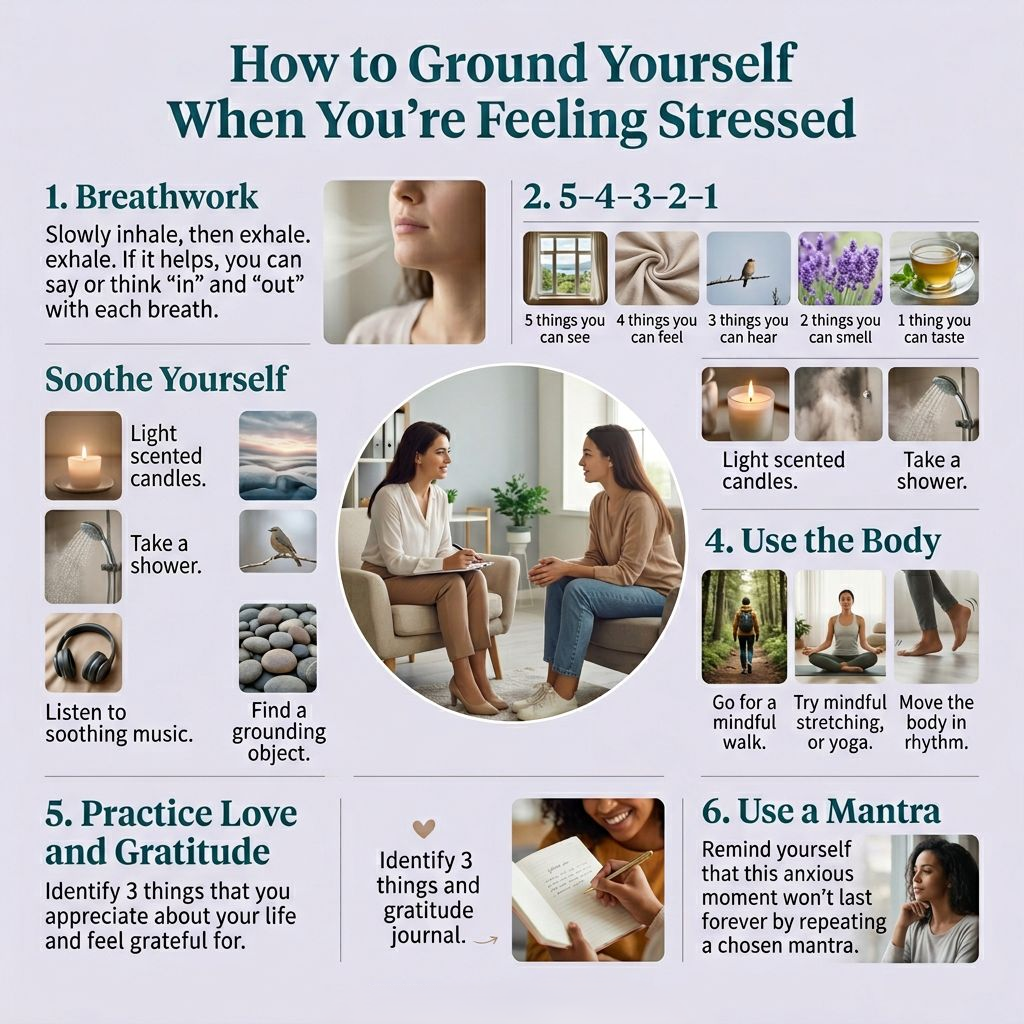
    Managing stress is essential to preventing burnout. Start by identifying what’s causing your stress and try to minimize these triggers. You can practice deep breathing exercises or take short breaks during your day to relax. Physical activity, like walking or yoga, can also help reduce stress levels. Incorporating relaxation techniques into your routine can make a noticeable difference in how you feel.

    Finding a Safe Space for Expression

    Talking about your feelings with someone you trust can be incredibly therapeutic. Find a safe space where you can express yourself without judgment. This might be with a friend, family member, or therapist. Sharing your thoughts can help you process emotions and gain perspective. It’s important to feel heard and understood, especially when you’re experiencing emotional exhaustion.

    Recover from Burnout

    Recovering from burnout takes time and patience. Start by setting realistic goals for yourself and prioritize self-care. Rest is crucial, so ensure you’re getting enough sleep. Reevaluate your commitments and learn to say no when necessary. Remember, recovery is a gradual process, but each step you take is a move toward feeling better.

    Professional Support Options

    Professional support can be an essential part of overcoming emotional exhaustion. Let’s look at some specialized therapy options available.

    EMDR Therapy Palm Beach

    EMDR therapy is a powerful tool for processing trauma. Available in Palm Beach, it helps people work through traumatic memories and reduce stress. This therapy focuses on eye movements to process negative emotions. It’s effective for those who find traditional talk therapy challenging. EMDR can help you move past trauma and feel more at ease.

    LGBTQ Affirming Therapy Florida

    For those in the LGBTQ+ community, finding affirming therapy is important. In Florida, you can find therapists who understand the unique challenges faced by LGBTQ+ individuals. These professionals provide a supportive environment where you can explore identity-related issues. Affirming therapy helps you feel accepted and supported in your journey.

    Online Therapy Across Florida

    Online therapy offers flexibility and accessibility for those who prefer remote sessions. Across Florida, you can connect with licensed therapists from the comfort of home. This option is great for busy professionals or those with mobility issues. Online therapy provides the same quality care as in-person sessions but with added convenience.

    Frequently Asked Questions

    What are the first signs of emotional exhaustion?
    The first signs of emotional exhaustion often include feelings of overwhelm, constant fatigue, and a lack of motivation. You might also experience mood swings and increased irritability.

    How is burnout different from depression?
    Burnout is typically linked to specific stressors and involves feeling detached and overwhelmed. Depression is a more pervasive feeling of sadness and hopelessness that persists over time.

    When should I consider seeking therapy?
    Consider seeking therapy if symptoms of burnout persist despite efforts to manage stress, or if feelings of hopelessness and despair are present. Therapy can provide tools and support to navigate these challenges.

    What is EMDR therapy and who benefits from it?
    EMDR therapy is a technique used to process and reduce the impact of traumatic memories. It benefits individuals who have experienced trauma and struggle to overcome its effects.

    Can online therapy be as effective as in-person therapy?
    Yes, online therapy offers the same quality of care as traditional sessions. It provides flexibility and accessibility, making it an effective option for many people in need of support.
  • When the Past Shows Up Today: How Trauma Shapes Reactions, Relationships, and Confidence

    When the Past Shows Up Today: How Trauma Shapes Reactions, Relationships, and Confidence

    Past wounds often sneak into today’s moments, shaping reactions and shaking confidence without warning. Trauma triggers can silently strain relationships and cloud your sense of self. Understanding how these old patterns influence current feelings is the first step toward healing from trauma. This post explores trauma responses and offers guidance on finding support through EMDR therapy Palm Beach and other compassionate care options at Bigelow Counseling. Ready for steadier days and stronger connections? Book a confidential session today. For more insights, visit this page.

    Understanding Trauma Triggers

    Knowing how past experiences influence current reactions is crucial. It helps you identify patterns and seek healing.

    Past Experiences Driving Present Reactions

    Your past experiences can sneak into present moments, affecting how you react today. Trauma can shape your responses to situations without you even realizing it. Minor events might trigger intense emotions like fear or anger. For example, a sudden loud noise could remind you of an upsetting incident from years ago, leading to a heightened response.

    Understanding these connections can reduce confusion. It can help you see that your reactions are not random but linked to earlier events. Recognizing these patterns is the first step toward healing. It allows you to approach situations with more awareness, leading to calmer responses over time. Learn more about trauma’s effects here.

    Trauma Responses in Daily Life

    Trauma often manifests in everyday life through various responses. You may notice yourself avoiding certain places or activities. This avoidance is a common reaction to prevent triggering memories or emotions tied to past events. It’s your mind’s way of protecting you from discomfort.

    Some people experience heightened alertness, constantly scanning for danger. This can lead to stress and tiredness, even in safe environments. It’s important to recognize these reactions as part of your trauma response. Acknowledging them is a step toward finding peace and control in your daily life.

    Impact on Anxiety and Depression

    Trauma can contribute to anxiety and depression, affecting your well-being. You might feel anxious without understanding why, as past experiences trigger unease. This can result in overthinking or constant worry about future events.

    Depression might also creep in, making everyday activities feel overwhelming. Trauma can create a sense of hopelessness, impacting your mood and outlook. Understanding this link allows you to address these feelings directly. Recognizing how past trauma relates to current anxiety or depression is vital for moving toward healing and stability.

    Relationships and Attachment

    Trauma doesn’t just affect you; it can strain your relationships, too. Understanding this impact is key to healing.

    Trauma’s Effect on Relationships

    Your trauma can create barriers in relationships. Fear of vulnerability might make you keep others at a distance. This fear stems from past experiences where trust was broken. You might also find it challenging to communicate openly, fearing judgment or misunderstanding.

    These barriers can lead to misunderstandings and conflicts with loved ones. Recognizing these patterns can help you work on them. It’s a way to start rebuilding trust and openness in your relationships. Knowing how trauma affects your connections can guide you toward more meaningful interactions.

    Rebuilding Trust and Communication

    Rebuilding trust takes time and effort. Start by being honest about your feelings and needs. Share your challenges with loved ones to foster understanding. This openness can pave the way for better communication.

    Listening is equally important. Encourage open dialogue where both parties feel heard. This mutual respect helps strengthen the bond. With patience and effort, you can move past the effects of trauma and build healthier, more supportive relationships.

    Queer Therapist Palm Beach Support

    For those in the LGBTQ+ community, finding supportive therapy is crucial. A queer therapist in Palm Beach can offer affirming care, understanding your unique experiences. This support helps you navigate challenges without fear of judgment.

    Working with a therapist who appreciates your identity can make a significant difference. They provide a safe space to explore your feelings and experiences. This understanding and support can be vital in your healing journey, fostering confidence and growth.

    Confidence and Healing Options

    Healing from trauma opens doors to rebuilding confidence. Here’s how you can start your journey to self-assurance.

    Rebuilding Confidence After Trauma

    Trauma can shake your self-esteem, leaving you doubting your abilities. To rebuild confidence, it helps to focus on small achievements. Setting and achieving goals, no matter how minor, can boost your self-worth.

    Positive self-talk is another tool. Challenge negative thoughts with affirming statements about your strengths. This shift in mindset encourages self-belief. Over time, these practices help restore your confidence, allowing you to face challenges with greater assurance.

    EMDR Therapy Palm Beach and Beyond

    Eye Movement Desensitization and Reprocessing (EMDR) is a powerful trauma therapy available in Palm Beach. It helps process traumatic memories, reducing their emotional charge. This therapy involves guided eye movements to help your brain reprocess trauma.

    Clients often find a significant decrease in distressing symptoms. EMDR can lead to a more peaceful mind, offering relief from past trauma. It’s a valuable option for those seeking healing and a return to daily life without the burden of past experiences.

    LGBTQ Affirming Therapy and Support 🏳️‍🌈

    Finding a therapist who understands LGBTQ+ issues is crucial. Affirming therapy acknowledges your identity, providing supportive care tailored to your needs. This approach helps create a welcoming environment where you can explore your feelings freely.

    Supportive therapy nurtures your growth and self-acceptance. It encourages you to embrace your identity with pride, fostering a sense of belonging. This support is invaluable in building confidence and resilience, allowing you to thrive in all areas of life.

    Frequently Asked Questions

    How do past experiences influence present reactions?

    Past experiences can trigger emotional responses to current situations. Understanding these connections helps you manage reactions more effectively.

    What are common trauma responses in daily life?

    Common responses include avoidance of certain places, heightened alertness, and stress. Recognizing these patterns aids in finding peace and control.

    How can trauma affect relationships?

    Trauma can cause fear of vulnerability, leading to communication barriers. Acknowledging these effects helps in rebuilding trust and openness.

    What is EMDR therapy, and how does it help?

    EMDR therapy helps reprocess traumatic memories, reducing their emotional impact. It’s a valuable option for those seeking relief from past trauma.

    Why is LGBTQ affirming therapy important?

    Affirming therapy provides supportive care tailored to LGBTQ+ needs. It fosters growth, self-acceptance, and a sense of belonging.

    Home

  • How to Tell When Stress Has Turned Into Burnout—And Real Steps to Recover

    How to Tell When Stress Has Turned Into Burnout—And Real Steps to Recover

    Stress feels familiar, but burnout is something else entirely. When exhaustion drags on and motivation fades, it’s time to check in with yourself using a clear burnout symptoms checklist. Learn how to spot the signs of burnout before it takes over, then take real steps toward chronic stress relief and workplace burnout recovery. Bigelow Counseling offers compassionate support tailored to your needs—book a free 15-minute consultation today for personalized care in Palm Beach or online across Florida. Learn more about burnout signs and recovery here.

    Recognizing Stress vs Burnout

    Stress is common, but recognizing when it morphs into burnout is crucial. Understanding this distinction helps in taking the right steps toward recovery.

    Common Signs of Burnout

    Burnout can sneak up on you. It often starts with constant fatigue. You might feel drained even after a full night’s sleep. Feeling detached from your work is another red flag. You may notice a lack of motivation or a sense of hopelessness about your job. These feelings can lead to decreased performance and satisfaction. Physical symptoms like headaches or stomach issues might also appear. Recognizing these signs early can help you take action before burnout fully takes over. Learn more about burnout signs.

    Burnout Symptoms Checklist

    A checklist can help you gauge where you stand. Do you feel exhausted all the time? Are you cynical or critical at work? Have you become irritable with coworkers or clients? If yes, you might be experiencing burnout. Assess your feelings about work: do you dread going in each day? Pay attention to physical symptoms like changes in sleep patterns or appetite. This checklist can be a starting point to understand if stress has turned into burnout. Don’t ignore these signs—they are your body’s way of calling for help. For more detailed insights, refer to the Mayo Clinic’s guide.

    Impact of Chronic Stress

    Chronic stress can lead to serious health issues if left unchecked. It affects your mental health, causing anxiety and depression. Over time, you might face physical problems like heart disease or high blood pressure. Constant stress makes it hard to concentrate, affecting productivity and increasing errors at work. It also strains personal relationships, as irritability may lead to conflicts. Recognizing these impacts early can help in taking corrective steps. Understanding the consequences allows you to prioritize your well-being.

    Real Steps to Recovery

    Once you recognize burnout, it’s vital to shift toward recovery. Tackling burnout involves both self-awareness and practical actions.

    Practical Self-Checks

    Regular checks help you stay aware of your mental and physical state. Take a moment each day to assess your stress levels. Are you feeling overwhelmed? Rate your mood and energy on a scale from 1 to 10. Reflect on any physical symptoms, like tension headaches or trouble sleeping. By noting these daily, you can track patterns and triggers. This awareness is the first step to managing stress. You’re not alone in feeling this way—acknowledging it is empowering.

    Chronic Stress Relief Techniques

    Finding relief from chronic stress is essential. Start by incorporating deep breathing exercises into your routine. Try taking slow, deep breaths for five minutes. This simple act can reduce stress immediately. Physical activity is another powerful tool: a 30-minute walk can clear your mind and boost your mood. Meditation or yoga can also be beneficial, helping you find balance and calmness. Practicing these techniques regularly can significantly reduce stress levels over time. Learn more about effective techniques here.

    Workplace Burnout Recovery

    Recovering from burnout in the workplace starts with open communication. Talk to your supervisor about your workload and how you’re feeling. They might help adjust your responsibilities or provide additional support. Establishing boundaries is also important. Set clear limits on work hours and stick to them. Taking regular breaks during the day can prevent fatigue. Practicing these habits can create a healthier work environment and reduce the risk of burnout. Remember, taking care of yourself is not a luxury—it’s a necessity for lasting success.

    Seeking Professional Support

    When self-help isn’t enough, professional support is a valuable resource. Therapy provides a safe space to explore feelings and develop coping strategies.

    Benefits of Palm Beach Counseling

    Palm Beach Counseling offers personalized support tailored to individual needs. Experienced therapists provide guidance through life’s challenges, helping you find purpose and healing. Whether dealing with stress, anxiety, or relationship issues, counseling can help. The practice emphasizes a compassionate and empowering approach, promoting personal growth. By seeking professional support, you take an important step toward recovery and well-being.

    LGBTQ Affirming Therapy Options

    For LGBTQ+ individuals, finding an affirming therapist is crucial. Palm Beach Counseling offers a supportive environment where all identities are respected. Therapy sessions cover a range of issues, from identity exploration to relationship challenges. The focus is on understanding and acceptance, creating a safe space for growth. Specialized support ensures you receive the care you need, tailored to your unique experience. This affirming approach fosters healing and empowerment.

    Trauma Therapy EMDR in Florida

    Trauma can deeply impact mental health, but EMDR therapy offers hope. This technique helps process traumatic memories, reducing their emotional impact. In Palm Beach, experienced therapists provide EMDR therapy tailored to individual needs. The sessions aim to resolve past traumas and improve overall well-being. By addressing trauma directly, EMDR therapy helps you move forward with confidence. This method supports healing and opens the door to a brighter future.

    Frequently Asked Questions

    What are the first signs of burnout?
    Burnout often begins with persistent exhaustion, a lack of motivation, and feelings of cynicism about your job. Physical symptoms like headaches or altered sleep patterns may also appear.

    How can I distinguish stress from burnout?
    Stress is usually temporary and situational, while burnout is chronic and persistent. Burnout includes a sense of hopelessness and detachment from your work, leading to decreased performance.

    What are effective ways to manage chronic stress?
    Incorporating deep breathing exercises, regular physical activity, and mindfulness practices like meditation can significantly reduce stress levels. Establishing a routine and setting boundaries at work are also beneficial strategies.

    How does EMDR therapy work for trauma?
    EMDR therapy helps reprocess traumatic memories, reducing their emotional charge. This therapy involves guided eye movements or other stimuli to facilitate processing, promoting healing and emotional recovery.

    Why is LGBTQ affirming therapy important?
    LGBTQ affirming therapy provides a safe and supportive space where all identities are respected. It addresses unique challenges faced by LGBTQ+ individuals, promoting understanding, acceptance, and personal growth.

  • What LGBTQ+ Affirming Therapy Offers Adults Seeking Safer Support

    What LGBTQ+ Affirming Therapy Offers Adults Seeking Safer Support

    Many adults searching for safe, inclusive support feel misunderstood and unseen. LGBTQ+ affirming therapy offers a trauma-informed space where healing goes beyond just words. This kind of care helps process minority stress, build resilience, and grow with acceptance. For those in Palm Beach or anywhere in Florida, Bigelow Counseling stands out as a trusted choice for compassionate, queer therapist Palm Beach clients can count on. Ready for safer support? Book a no-pressure 15-minute consultation today.

    Creating Safer Spaces for Healing

    Understanding LGBTQ+ Affirming Therapy

    Feeling safe and validated is essential in therapy. LGBTQ+ affirming therapy provides a supportive environment where you can explore your identity without fear. This type of therapy recognizes the unique challenges faced by LGBTQ+ individuals, offering a compassionate space for growth. You can share your experiences and receive guidance to overcome personal hurdles. This trusted space helps you embrace your true self with confidence.

    This therapy isn’t just about talking; it’s about feeling understood. By focusing on your specific needs, it nurtures your mental well-being. Whether you’re dealing with anxiety, depression, or identity-related concerns, having a therapist who truly gets it makes all the difference. The benefits are profound: reduced stress, increased resilience, and a stronger sense of self. You deserve to feel at home in your own skin, and affirming therapy can help you get there.

    Trauma-Informed Care for Minority Stress

    Living as an LGBTQ+ person often comes with unique stresses. Trauma-informed care addresses these, helping you heal from past hurts. This approach respects your experiences and supports your healing journey by recognizing the impact of minority stress on mental health. By focusing on safety, choice, and collaboration, it creates a therapeutic environment where you can thrive.

    Understanding and processing trauma is vital. This type of care doesn’t just focus on symptoms; it digs deeper to address underlying issues. With the right support, you can build resilience and find new ways to cope with challenges. This empowers you to move forward, reclaiming control over your life. Strong support networks make all the difference, and trauma-informed care is designed with that in mind.

    Safe and Inclusive Support in Florida

    Finding a supportive therapy space in Florida can be daunting. Bigelow Counseling offers a safe haven for LGBTQ+ individuals seeking guidance. Whether in Palm Beach or anywhere in Florida, this practice provides the inclusive environment you need. Having a therapist who understands your journey is crucial. It means working with someone who respects your identity and celebrates diversity.

    This inclusive support extends beyond individual sessions. It’s about building trust and creating a community where everyone feels welcome. By choosing a therapist committed to inclusivity, you ensure that your therapy journey is empowering and affirming. The right support helps you face life’s challenges with confidence, knowing you’re not alone.

    Personalized Counseling and Growth

    Individual and Couples Counseling Options

    Therapy isn’t one-size-fits-all. Bigelow Counseling offers personalized counseling tailored to your needs. Whether you’re seeking individual support or couples counseling, there’s something for everyone. Individual sessions focus on personal growth, helping you navigate life’s ups and downs. Couples counseling strengthens relationships, improving communication and trust.

    Navigating relationship challenges can be tough. That’s where couples counseling comes in. By fostering open communication, it helps you and your partner reconnect. You’ll learn new ways to support each other and build a stronger bond. For individuals, personal counseling provides a safe space to explore your thoughts and feelings, paving the way for growth. With the right support, healing and connection are within reach.

    EMDR Trauma Therapy and Executive Coaching

    For those dealing with trauma, EMDR therapy offers a powerful solution. This specialized approach targets trauma-related symptoms, providing relief and healing. It helps you process past events and move forward with renewed strength. EMDR is effective for many, offering a path to recovery that’s both supportive and transformative.

    Beyond trauma therapy, Bigelow Counseling offers executive coaching. This service is perfect for professionals facing workplace challenges or career stagnation. Coaching provides guidance and clarity, helping you overcome obstacles and achieve your goals. Whether you’re looking to advance in your career or find balance, executive coaching offers the support you need to succeed.

    Online and Palm Beach Therapy Services

    Flexibility is key in today’s world. Bigelow Counseling offers both online and in-person services in Palm Beach. This ensures you can access the support you need, wherever you are in Florida. Online therapy breaks down barriers, making it easier to connect with a therapist who understands your journey.

    Choosing the right therapy option can make all the difference. Whether you prefer face-to-face sessions or the convenience of online therapy, there’s a solution for you. This flexibility ensures that you can engage in meaningful therapy without added stress. Your mental health matters, and having options helps you prioritize it effectively.

    Book Your Consultation Today

    Connect with a Queer Therapist in Palm Beach

    Ready to take the first step towards healing? Connecting with a queer therapist in Palm Beach is easy. Bigelow Counseling offers a welcoming environment where you can start your journey to better mental health. A therapist who truly understands your needs can make all the difference.

    Secure Your Spot with Bigelow Counseling

    Don’t wait to begin your therapy journey. Securing a spot with Bigelow Counseling ensures you receive the support you deserve. With a focus on inclusivity and understanding, this practice is dedicated to helping you thrive. Reach out today and secure your place in a supportive community.

    Embrace a Positive, Supportive Path 🏳️‍🌈

    Embracing a positive path starts with the right support. Bigelow Counseling offers the guidance you need to navigate life’s challenges. Whether you’re seeking individual counseling, couples therapy, or executive coaching, there’s a space for you. Choose to embrace a supportive journey and find the healing you deserve.

    Frequently Asked Questions

    What is LGBTQ+ affirming therapy?

    LGBTQ+ affirming therapy is a supportive approach that respects and celebrates diverse identities. It provides a safe space for LGBTQ+ individuals to explore their thoughts, feelings, and experiences without judgment.

    How does trauma-informed care help with minority stress?

    Trauma-informed care addresses the unique stresses faced by minority groups. It focuses on safety, choice, and collaboration, helping individuals heal from past traumas and build resilience against ongoing stress.

    Can I access therapy services online in Florida?

    Yes, Bigelow Counseling offers online therapy services throughout Florida. This ensures you can receive the support you need, no matter your location, providing flexibility and convenience.

    What are the benefits of couples counseling?

    Couples counseling improves communication and strengthens relationships. It helps partners reconnect, resolve conflicts, and build a stronger, more supportive bond.

    Is executive coaching available for professionals?

    Yes, Bigelow Counseling offers executive coaching for professionals seeking career guidance. This service helps you overcome workplace challenges and achieve your career goals with confidence.

  • EMDR Therapy Explained: A Gentle Path to Processing Trauma

    EMDR Therapy Explained: A Gentle Path to Processing Trauma

    Trauma doesn’t have to stay stuck in the past or control your life. EMDR therapy Palm Beach offers a gentle, proven way to process painful memories without feeling overwhelmed. Understanding what to expect during Eye Movement Desensitization and Reprocessing can ease worries and open the door to healing. Bigelow Counseling’s trauma-informed team is here to support every step toward relief and growth. Ready for relief? Schedule a free 15-minute consultation to explore how EMDR fits your journey—online or in Palm Beach. For more information on how EMDR works, visit this resource.

    Understanding EMDR Therapy

    Eye Movement Desensitization and Reprocessing (EMDR) might sound complex, but it’s actually a straightforward process designed to help people heal from trauma. Let’s break it down so you can see how this approach might be the key to your healing journey.

    What is EMDR Therapy?

    EMDR therapy is a type of psychotherapy that targets traumatic memories. It helps reprocess these memories, reducing their emotional impact. This therapy is especially helpful for those with PTSD. During sessions, you’ll focus on specific thoughts or memories while a therapist guides your eye movements. This process helps your brain reframe how it processes these memories. This shift can lead to significant emotional relief and more balanced mental health. EMDR is gaining recognition for its effectiveness; you can learn more about its benefits here.

    How EMDR Works

    The principle behind EMDR is simple: by focusing on a traumatic memory while following a therapist’s instructions for eye movement, your brain activates its natural healing process. This allows you to process and store the memory differently, reducing its power over your emotions. Imagine your brain as a filing cabinet: EMDR helps you sort and refile those troubling memories into healthier places. This reorganization is similar to how sleep processes emotions. More insights on the mechanics of EMDR can be found at EMDR Institute.

    EMDR Benefits for Trauma

    One of the biggest benefits of EMDR therapy is that it doesn’t require you to talk in detail about your trauma. This makes it accessible for those who find talking about their experiences too painful. Many people start to feel better after just a few sessions. It’s also versatile: EMDR is used not only for PTSD but also for anxiety, depression, and other mental health challenges. This adaptability makes it a valuable tool in trauma therapy near you.

    What to Expect in EMDR Sessions

    Knowing what to expect can ease any apprehension about starting EMDR therapy. Each session is structured and aims to create a safe environment for healing. Let’s explore the phases you’ll go through and the type of support you can expect from your therapist.

    EMDR Phases Explained

    EMDR therapy consists of eight phases, each with a specific focus. First, your therapist will gather your history and set up treatment goals. Then, they’ll help you understand the EMDR process and prepare you for the sessions. During the reprocessing phases, you’ll focus on specific thoughts while following visual cues from your therapist. The final phases involve evaluating your progress and planning future sessions. Each phase is designed to ensure a safe and effective healing experience. For a detailed breakdown of these phases, check out this guide.

    Building Trust with Your Therapist

    Trust is crucial in any therapeutic relationship, especially in trauma therapy. Your therapist is there to ensure you feel comfortable and supported throughout the process. Open communication is key: share your concerns and feelings, and don’t hesitate to ask questions. This will help create a partnership where you feel safe and understood. The longer you build this trust, the more effective your therapy will be.

    Creating a Safe Healing Space

    A safe space is essential for effective healing. Your therapist will work to create an environment where you feel comfortable and secure. This includes both the physical setting and the emotional atmosphere. Feeling safe allows you to explore difficult memories without fear. It also empowers you to fully engage with the healing process. Remember, your therapist is there to guide and support you every step of the way.

    Finding the Right Support

    Choosing the right therapist can make all the difference in your healing journey. Here’s how to find an EMDR therapist in Palm Beach who aligns with your needs and values.

    Choosing an EMDR Therapist Palm Beach

    Selecting the right professional involves considering their experience, approach, and how comfortable you feel with them. Look for a therapist with specific experience in EMDR and trauma therapy. Personal recommendations or online reviews can also provide insights. Most importantly, choose someone you feel comfortable working with. Having the right EMDR therapist in Palm Beach can significantly enhance your therapeutic journey.

    LGBTQ Affirming and BIPOC Inclusive Care

    At Bigelow Counseling, inclusivity is a priority. We understand the unique challenges faced by the LGBTQ+ and BIPOC communities. Our team is committed to providing affirming and supportive care. This means respecting and addressing your specific experiences and needs. Engaging with a therapist who understands your background and identity can make therapy more effective and comfortable.

    Scheduling Your Consultation 🌈✨

    Taking the first step toward healing can be daunting. That’s why Bigelow Counseling offers a free 15-minute consultation. This gives you a chance to ask questions, express concerns, and see if EMDR therapy is right for you. Whether online or in Palm Beach, scheduling a consultation is easy and can be the start of your journey to relief and growth. Remember, the sooner you take this step, the sooner you can start healing.

    Frequently Asked Questions

    What does an EMDR session look like?

    An EMDR session typically involves discussing your memories while following specific visual cues from your therapist. The aim is to help your brain reprocess these memories, reducing their emotional impact.

    Is EMDR only for PTSD?

    No, EMDR is not just for PTSD. It’s also effective for treating anxiety, depression, and other mental health issues. Its adaptability makes it a versatile tool in therapy.

    How many EMDR sessions will I need?

    The number of sessions varies from person to person. Some people experience relief after a few sessions, while others may require more. Your therapist will work with you to determine your specific needs and goals.

  • Feeling Drained? Signs of Emotional Exhaustion and When to Seek Help

    Feeling Drained? Signs of Emotional Exhaustion and When to Seek Help

    Feeling drained goes beyond just being tired—it can signal emotional exhaustion quietly taking over. Recognizing the signs of burnout early helps prevent deeper struggles with anxiety or depression. This post outlines key signs of emotional exhaustion and when to seek therapy, guiding steps toward relief and renewed energy. Book a free 15-minute consultation with Bigelow Counseling, your trusted Palm Beach therapist, to start finding balance and support tailored just for you.

    Recognizing Emotional Exhaustion

    Emotional exhaustion can feel like a heavy weight on your mind and body. Knowing how to spot the signs early is key to preventing it from taking over.

    Common Signs of Burnout

    Burnout often sneaks up on you, showing up as constant fatigue, irritability, or feeling detached. You might notice changes in sleep patterns or a lack of motivation. These signs can affect your relationships and work life. Many people think they’re just stressed, but these symptoms can be more than that. Remember, most people don’t realize they’re burnt out until it starts impacting everyday life. If you’re feeling overwhelmed by these signs, it might be time to seek support.

    Stress vs. Burnout: Key Differences

    Stress is usually short-lived, linked to a specific task or event. Burnout, on the other hand, is a prolonged state of mental and emotional exhaustion. It’s like running on empty without knowing why. You might find stress can sometimes motivate you, but burnout tends to leave you feeling helpless. Understanding this difference helps in finding the right coping strategies and professional support.

    Coping with Overwhelm

    Feeling overwhelmed is not unusual, but there are ways to manage it. Start by prioritizing tasks and setting boundaries. Taking regular breaks can also help reset your mind. Consider simple activities like deep breathing or short walks to help you regain focus. Most people assume pushing through is best, but taking small steps back can actually help you move forward more effectively.

    Seeking Professional Help

    Once you recognize burnout, the next step is knowing when professional help is needed.

    When to Seek Therapy

    Therapy can be a crucial step if burnout feels unmanageable. If you’re struggling to perform daily tasks or your mood affects your relationships, seeking therapy might be beneficial. Professional support can provide tools to handle stress and prevent burnout from worsening. Therapy offers a safe space to explore your feelings and develop coping strategies tailored to you.

    Benefits of LGBTQ Affirming Therapy

    Finding a therapist who understands your unique identity can be comforting. LGBTQ affirming therapy creates a safe space for you to express yourself openly. It focuses on your specific experiences and challenges, ensuring you feel supported and heard. This type of therapy can be vital for your mental health, helping you navigate life’s challenges while being true to yourself.

    Understanding EMDR Trauma Therapy

    For those dealing with trauma, EMDR (Eye Movement Desensitization and Reprocessing) therapy is an option. It helps process traumatic memories in a safe, structured environment. This therapy aims to reduce the emotional impact of trauma, enabling you to move forward. It can be particularly effective in helping you regain control over your life and emotions.

    Finding the Right Support

    Finding support suited to your needs is crucial for healing and growth.

    Florida Online Therapy Options

    Online therapy offers flexibility and access to professional support from the comfort of your home. It’s a convenient option for those with busy schedules or who prefer a remote setting. This mode of therapy is just as effective and provides a wide range of services to address your needs.

    Executive Coaching in Palm Beach

    If work stress is a concern, executive coaching can help you regain your footing. It focuses on professional growth, decision-making, and stress management. Coaching provides guidance to navigate workplace challenges, helping you regain direction and motivation in your career.

    Booking a Consultation with Bigelow Counseling

    Ready to take the first step toward balance? Bigelow Counseling offers personalized sessions tailored to your unique needs. Whether you’re dealing with burnout, seeking LGBTQ support, or looking for professional coaching, they provide a nurturing environment to help you thrive. Explore your options and book a consultation to start your journey towards healing and purpose.

    Frequently Asked Questions

    What are the first signs of emotional exhaustion?

    Emotional exhaustion often begins with chronic fatigue, irritability, and a lack of motivation. These symptoms can gradually affect daily life and relationships, indicating a need for support.

    How is burnout different from regular stress?

    While stress is typically linked to a specific event and can be short-lived, burnout is a prolonged state of emotional exhaustion. It often leaves you feeling helpless and detached from daily activities.

    Why is LGBTQ affirming therapy important?

    LGBTQ affirming therapy offers a safe, supportive space tailored to your unique experiences. It ensures your identity is respected and understood, providing essential support for mental health and well-being.

    Home

  • Bridging the Silence: Couples Counseling for Communication Problems and Emotional Distance

    Bridging the Silence: Couples Counseling for Communication Problems and Emotional Distance

    Communication problems in relationships and emotional distance in marriage often grow quietly, leaving couples feeling stuck and unheard. When arguments turn into silence or shutdowns, rebuilding trust and intimacy can seem impossible. Couples counseling Palm Beach at Bigelow Counseling offers a trauma-informed, LGBTQ affirming space where partners learn tools like active listening skills for couples and conflict resolution for couples, guiding them toward connection and understanding. Ready to reconnect and feel like a team again? Schedule a couples counseling consultation with Bigelow Counseling—available in person in Palm Beach or secure online across Florida. Book online or call today to get started.

    Rebuilding Communication and Trust

    Rebuilding trust and connection in a relationship is a journey that requires patience. Couples counseling offers tools to heal emotional distance and communication issues.

    Healing Emotional Distance in Marriage

    When communication breaks down, emotional distance can grow. It might feel like you’re living with a roommate instead of a partner. The key is understanding why this distance happens. Many couples find themselves stuck in a cycle of silence and misunderstandings. This happens when arguments lead to shutdowns or stonewalling. These behaviors can create walls between partners. Through counseling, you can learn how to break down these walls. Therapists help you explore the root causes of emotional distance. You’ll learn how to express your feelings in ways that bring you closer.

    Tools for Conflict Resolution

    Couples often need practical tools to navigate conflicts. Imagine being able to discuss difficult topics without it turning into a fight. Conflict resolution skills can make this possible. In therapy, you’ll discover new ways to approach disagreements. This includes understanding each other’s perspectives and finding common ground. With the right guidance, you can turn conflicts into opportunities for growth. This process fosters a deeper connection and helps rebuild trust.

    Active Listening Skills for Couples

    Listening is more than just hearing words. It’s about truly understanding your partner’s perspective. Active listening is a powerful tool in couples counseling. It involves giving full attention to your partner and responding thoughtfully. This skill helps you feel heard and valued. During sessions, you’ll practice these techniques to improve your communication. As you become better listeners, your relationship can transform. You’ll find that conversations become more productive and meaningful.

    Inclusive and Affirming Care

    Creating a safe space for all couples, regardless of their background, is essential. Affirming care ensures everyone feels respected and understood.

    Safe Space Counseling LGBTQ+

    Everyone deserves a place where they feel accepted. Bigelow Counseling provides a welcoming environment for LGBTQ+ couples. Here, you can discuss your unique challenges without fear of judgment. This supportive space is crucial for building trust and connection. You’ll work with therapists who understand and affirm your experiences. This specialized care helps you address issues specific to your relationship dynamics.

    Trauma-Informed Couples Therapy

    Trauma can impact relationships in profound ways. Understanding its effects is key to healing. Trauma-informed therapy acknowledges past experiences and their influence on present relationships. This approach offers a compassionate framework for processing trauma together. By recognizing and addressing these factors, couples can work towards healing. Counseling provides the tools to navigate these complexities with empathy and care.

    Queer Couples Counseling

    Queer couples face unique challenges that deserve attention and respect. Specialized counseling addresses these needs with sensitivity and expertise. It provides a platform to explore identity, communication, and relationship dynamics. In this affirming environment, couples can openly discuss their experiences. This support fosters understanding and strengthens bonds.

    Comprehensive Therapy Approaches

    Different therapeutic approaches offer various ways to address relationship challenges. From structured techniques to trauma-focused interventions, there are many paths to healing.

    EFT and Gottman Method Therapies

    Emotionally Focused Therapy (EFT) and the Gottman Method are evidence-based approaches for couples. EFT focuses on emotional bonding and attachment. It helps partners recognize and change negative patterns. The Gottman Method emphasizes trust and commitment through researched strategies. Together, these therapies offer a comprehensive toolkit for relationship repair.

    EMDR for Relationship Trauma

    Eye Movement Desensitization and Reprocessing (EMDR) is effective for trauma-related issues. It helps individuals process distressing memories that impact relationships. By addressing these past events, couples can move forward with a fresh perspective. EMDR therapy promotes healing and reduces the hold of trauma on present interactions.

    Relationship Coaching for Professionals

    Busy professionals often juggle demanding careers and personal lives. Relationship coaching provides strategies to balance these aspects effectively. It focuses on communication, time management, and prioritizing relationship goals. Coaching sessions offer practical advice tailored to your unique situation. This support helps maintain a healthy work-life balance and strengthens your partnership.

    🌟💬❤️

    Frequently Asked Questions

    How can couples counseling help with communication problems?

    Couples counseling provides tools and techniques to improve communication. Therapists guide partners in understanding each other’s perspectives and expressing feelings effectively. This process helps break down barriers and fosters a deeper connection.

    What is the difference between EFT and the Gottman Method?

    EFT focuses on emotional bonding and identifying negative patterns in relationships. The Gottman Method emphasizes building trust and commitment through researched strategies. Both approaches offer valuable insights and tools for relationship repair.

    How does trauma-informed therapy work for couples?

    Trauma-informed therapy recognizes the impact of past experiences on current relationships. It provides a compassionate framework to process trauma together. This approach helps couples navigate these complexities with empathy and understanding.

  • What to Expect from LGBTQ+ Affirming Therapy: Safety, Respect, and Real Progress

    What to Expect from LGBTQ+ Affirming Therapy: Safety, Respect, and Real Progress

    LGBTQ+ affirming therapy in Palm Beach offers a space where safety and respect come first. Many who seek queer-friendly therapists worry about being misunderstood or judged, which can make starting therapy feel daunting. This kind of counseling focuses on real progress by honoring your identity and addressing trauma with care, including specialized approaches like EMDR. Ready to feel seen and supported? Booking a session with Bigelow Counseling could be the next step toward healing.

    Understanding LGBTQ+ Affirming Therapy

    LGBTQ+ affirming therapy in Palm Beach offers a unique approach to counseling, prioritizing a safe and respectful environment. This form of therapy ensures that your identity is acknowledged and valued. Let’s explore what makes this therapy essential for many seeking supportive care.

    Creating a Safe and Respectful Space

    Imagine entering a room where you instantly feel understood. In affirming therapy, therapists work diligently to establish trust from the beginning. They aim to create an atmosphere where you feel comfortable sharing your thoughts and experiences. Most individuals who seek therapy worry about judgment, but here, your story is met with empathy and respect. They focus on what truly matters: your well-being and progress.

    Meeting You Where You Are

    Therapists believe in starting from where you are. This means acknowledging your current feelings and experiences without pressure to be anywhere else. The goal is to support you in your journey, whether you’re exploring your identity, dealing with personal struggles, or seeking growth. By recognizing where you are now, therapy can become a powerful tool for change.

    Respecting Names and Pronouns

    Names and pronouns are vital expressions of identity. In an affirming therapy setting, honoring these is a fundamental practice. Therapists make it a priority to use the pronouns and names you identify with, reinforcing your dignity and identity. This small act fosters a sense of belonging and acceptance, crucial for effective therapy.

    Techniques in Trauma-Informed Care

    In therapy, understanding trauma and using specialized techniques plays a crucial role in healing. Trauma-informed care approaches, like EMDR, are designed to help you process and overcome traumatic experiences in a safe environment.

    EMDR for Trauma Recovery

    EMDR, or Eye Movement Desensitization and Reprocessing, is a method used to aid trauma recovery. This technique involves guided eye movements to help your brain process traumatic memories. It’s a targeted approach that can help reduce the distress caused by past events. For many, EMDR offers a path to healing that feels both safe and empowering.

    Evidence-Based Approaches for Healing

    Therapists often use evidence-based methods to ensure effective treatment. These approaches are backed by research and designed to provide real results. They include techniques such as cognitive-behavioral therapy, which helps reshape negative thinking patterns. By using proven strategies, therapy can address a wide range of issues, from anxiety to depression.

    Intersectional Identity Considerations

    Acknowledging the complexity of intersectional identities is essential in therapy. This involves understanding how various aspects of identity, such as race, gender, and sexual orientation, interact and influence your experiences. Therapists take these factors into account to offer care that is truly personalized and inclusive.

    Booking Your First Therapy Session

    Taking the step to book a therapy session can be both exciting and nerve-wracking. Knowing what to expect can ease anxiety and prepare you for a positive experience.

    What to Expect from Your Therapist

    Your therapist is there to listen without judgment. They will ask questions to understand your needs and goals, helping to tailor the sessions to your unique situation. Expect them to be supportive, understanding, and focused on your progress. This approach ensures that you feel both seen and heard throughout your journey.

    How to Begin Your Counseling Journey

    Starting therapy is a straightforward process. Begin by reaching out to a therapy practice, like Bigelow Counseling, to schedule your first session. During this initial meeting, you’ll discuss your goals and what you hope to achieve. It’s an opportunity to establish a connection and determine if the therapist is the right fit for you.

    Options for In-Person or Online Sessions

    Therapy sessions can be conducted in-person or online, offering flexibility to meet your needs. In-person sessions provide a traditional setting, while online sessions offer convenience and accessibility. Both options ensure you receive the support you need, no matter your circumstances.

    Frequently Asked Questions

    What is LGBTQ+ affirming therapy?

    LGBTQ+ affirming therapy is a specialized approach to counseling that respects and validates LGBTQ+ identities. It provides a supportive environment where clients can explore their experiences without fear of judgment.

    How does EMDR help with trauma?

    EMDR helps process traumatic memories through guided eye movements, reducing the distress associated with these memories. It is an effective technique for many individuals seeking trauma recovery.

    Can I choose between in-person and online therapy sessions?

    Yes, many therapists offer both in-person and online sessions to accommodate different preferences and needs. This flexibility allows you to choose the setting that works best for you.

    How do therapists respect names and pronouns?

    Therapists make it a priority to use the names and pronouns you identify with, reinforcing your dignity and identity. This practice is fundamental in creating a supportive and respectful environment.

    What should I expect in my first therapy session?

    In your first session, expect your therapist to ask questions to understand your needs and goals. They will provide a supportive, non-judgmental space for you to share your experiences and begin your journey toward healing.

  • When the Past Shows Up Today: How Trauma Shapes Reactions and Relationships

    When the Past Shows Up Today: How Trauma Shapes Reactions and Relationships

    Trauma often shows up in ways that feel confusing or overwhelming, shaping how you react and connect with others. These unseen forces can create patterns in relationships that leave you feeling stuck or misunderstood. Understanding trauma and relationships opens the door to healing, with EMDR therapy Palm Beach and trauma counseling Palm Beach offering real paths forward. Ready to feel safer in body and relationships? Book a free 15-minute consultation with Bigelow Counseling today. For more insights, check out how traumas create negative patterns in relationships here.

    How Trauma Shapes Our Reactions

    Understanding how trauma affects us is crucial to healing. It can deeply influence our interactions, often without us realizing it.

    Recognizing Trauma Triggers

    Trauma triggers are like invisible buttons that set off strong reactions. These reactions can feel overwhelming. For instance, a particular smell or sound might suddenly bring back memories of a past event. This is because our brains store memories in ways that can surprise us later. Research shows that these triggers can affect our mood and behavior. Understanding what sets you off is the first step toward managing these reactions.

    Being aware of your triggers allows you to prepare for them. This preparation can take many forms. You might practice deep breathing or plan to remove yourself from a triggering situation. Whatever the approach, knowing what affects you helps in regaining control.

    The Impact on Communication

    Trauma can alter how you communicate. It might make you more defensive or overly cautious. This change happens because trauma affects the part of the brain that handles emotions and reactions. In conversations, you might find yourself shutting down or feeling misunderstood. These reactions are common and often linked to past experiences.

    Improving communication starts with recognizing these patterns. Acknowledging these changes can help you express yourself more clearly. Sharing your feelings with others allows them to understand your perspective. Over time, this can lead to more fulfilling interactions.

    Navigating Attachment Wounds

    Attachment wounds are emotional injuries from past relationships. They can show up as fear of abandonment or difficulty trusting others. These wounds stem from early experiences, often in childhood. When ignored, they can lead to recurring relationship issues.

    Healing attachment wounds involves understanding their origins. Reflecting on past relationships can offer insights into current behaviors. This reflection helps you identify patterns and make conscious efforts to change them. Over time, you can build stronger, more secure connections.

    Healing Through EMDR and Counseling

    Healing from trauma is possible. EMDR and counseling offer effective ways to process and move past difficult experiences.

    Understanding EMDR Therapy Palm Beach

    EMDR, or Eye Movement Desensitization and Reprocessing, is a therapy specifically for trauma. It helps your brain reprocess traumatic memories so they lose their grip on your emotions. In Palm Beach, EMDR therapy offers a structured way to address these issues. Sessions involve guided eye movements that help your brain work through stuck memories.

    Many find EMDR to be a powerful tool. It doesn’t require you to talk extensively about the trauma, which can be relieving. Instead, it focuses on processing the memory in a new way. This approach can lead to significant reductions in symptoms like anxiety and depression.

    Trauma Counseling in Florida

    Trauma counseling is another path to healing. It provides a safe space to explore your experiences. In Florida, counselors use various techniques, including talk therapy and cognitive behavioral approaches. These methods help you understand how trauma affects your daily life.

    Counselors work with you to develop coping strategies. These strategies include mindfulness practices and other grounding techniques. Over time, these tools can make a noticeable difference in how you handle stress. Finding the right counselor in Florida can set you on a path toward recovery.

    LGBTQ+ Affirming Therapy

    For the LGBTQ+ community, affirming therapy is crucial. It provides a supportive environment where you can explore your identity without judgment. Many in the LGBTQ+ community face unique challenges, including discrimination and family rejection. These experiences add layers to existing traumas.

    Affirming therapy offers a space to discuss these issues openly. Therapists in Palm Beach specialize in providing support tailored to your needs. This approach validates your experiences and helps you cope with external pressures. Over time, it can foster a greater sense of self-acceptance and resilience.

    Rebuilding Trust and Communication

    Rebuilding trust and improving communication are key to healthy relationships. These elements are often affected by past traumas but can be restored with effort and time.

    Boundaries and Trauma

    Setting boundaries is essential when dealing with trauma. Boundaries create a sense of safety and control. They allow you to protect yourself from situations that might be harmful or triggering. Trauma often makes it difficult to establish or maintain these limits.

    Learning to set boundaries involves recognizing your needs. It requires clear communication and the willingness to assert yourself. Over time, this practice can improve your relationships and overall well-being. It also empowers you to take charge of your interactions.

    Trust Rebuilding Strategies

    Trust is fragile, especially when trauma is involved. Rebuilding it takes time and patience. It often starts with small steps, like being consistent in your actions and words. This consistency helps others see your commitment to change.

    Another strategy involves open communication. Sharing your feelings and listening to others fosters mutual understanding. Trust grows when both parties feel heard and respected. Over time, these efforts can repair damaged relationships.

    Couples Counseling Palm Beach 🌈

    Couples counseling offers a way to address relationship issues head-on. In Palm Beach, couples counseling focuses on improving communication and resolving conflicts. It provides a neutral space where both partners can express their concerns.

    Counselors guide you through exercises that enhance empathy and understanding. These sessions often lead to breakthroughs in how you relate to each other. For LGBTQ+ couples, specialized counseling acknowledges and addresses unique challenges. This approach ensures that all aspects of your relationship are considered.

    Frequently Asked Questions

    What are trauma triggers?
    Trauma triggers are stimuli that evoke strong reactions due to past traumatic experiences. They can be sights, sounds, or smells that remind you of the trauma. Recognizing triggers helps in managing your responses.

    How effective is EMDR therapy for trauma?
    EMDR therapy is highly effective for many individuals. It helps reprocess traumatic memories, reducing their emotional impact. This therapy can significantly decrease symptoms like anxiety and depression.

    Why is affirming therapy important for the LGBTQ+ community?
    Affirming therapy provides a supportive space for LGBTQ+ individuals. It addresses unique challenges like discrimination and identity exploration. This therapy fosters acceptance and resilience, promoting overall mental well-being.

  • Counseling vs Coaching: Which Type of Support Fits the Goal?

    Counseling vs Coaching: Which Type of Support Fits the Goal?

    Counseling and coaching often get mixed up, but choosing the right kind of support can change everything. Whether facing anxiety, relationship struggles, or career hurdles, knowing the difference between therapy vs coaching helps match goals to the best path forward. This guide breaks down counseling vs coaching so you can find the right fit and take the next step with a Palm Beach counselor or life coach who truly understands your needs. Ready to align support with goals? Schedule a consultation with Bigelow Counseling—online or in Palm Beach—to create a plan that fits today’s needs and tomorrow’s vision.

    Understanding the Differences

    Choosing between counseling and coaching can be key in achieving personal and professional goals. Here’s a closer look at each to guide your decision.

    Counseling vs Coaching Explained

    Counseling and coaching serve unique purposes. Counseling often digs into past experiences to help you understand and work through emotional challenges like anxiety or depression. It’s a safe space to heal and grow. Coaching, on the other hand, looks to the future. It helps you set and achieve goals, be it personal or professional. Think of it as a partnership where you and your coach work together to unlock potential and overcome barriers.

    Whether you want to resolve emotional issues or reach new heights in your career, understanding these distinctions is crucial. Each approach offers valuable tools to help you succeed. Finding the right fit can mean the difference between feeling stuck and moving forward with confidence.

    Therapy vs Coaching: Key Distinctions

    Therapy and coaching both aim to improve lives, but they do so in different ways. Therapy often involves in-depth exploration of emotional and psychological struggles. It’s about healing and finding peace. Coaches, however, focus on growth and achievement. They help you map out a path to reach specific goals, be it in your career or personal life.

    Therapists are typically licensed professionals trained to handle mental health issues, while coaches may not always have such credentials. They focus more on motivation and strategy. Knowing these distinctions can help you decide which path aligns with your needs and aspirations.

    When to Choose Counseling or Coaching

    Deciding whether to pursue counseling or coaching depends on your personal needs. If emotional healing is your goal, counseling may be the right choice. It’s ideal for those dealing with trauma, anxiety, or depression. For those looking to make strides in their career or personal life, coaching could be more suitable. It’s perfect for goal setting, accountability, and professional growth.

    Consider your current challenges and aspirations. Do you need healing or motivation? By identifying your primary focus, you can choose the support that will help you thrive.

    Matching Goals to Support

    Once you know the differences, it becomes easier to match your goals with the right support. Whether healing from trauma or aiming for professional growth, there’s a path tailored for you.

    Healing and Trauma Recovery

    If past experiences weigh heavy, counseling can offer relief. Using methods like EMDR trauma therapy, therapists help you process and heal. This approach can lift the burden of trauma, enabling you to move forward with a lighter heart. Healing isn’t just about understanding your past; it’s about reclaiming your future and living with purpose.

    Therapy offers a safe environment to explore and overcome emotional pain. It’s a journey toward rediscovery and empowerment, providing the tools you need to heal and thrive.

    Professional Growth and Career Advancements

    For those seeking to climb the career ladder or break free from stagnation, coaching is a valuable ally. Professional growth often requires setting clear goals and finding ways to achieve them. A coach acts as a guide, helping you navigate workplace challenges and unlock potential.

    Whether you aim to advance in your current role or pivot to a new career, coaching provides the clarity and motivation needed. With a focus on actionable steps, coaching transforms ambitions into achievements.

    Improving Relationships and Personal Well-being

    Strengthening relationships and enhancing personal well-being often starts with self-awareness. Counseling can address interpersonal conflicts and improve communication skills, paving the way for healthier relationships. It’s about understanding yourself and others better.

    Whether you’re dealing with family dynamics or seeking to improve romantic relationships, counseling offers insights and strategies to foster harmony and connection. It’s a path to personal growth and stronger, more fulfilling relationships.

    Choosing the Right Provider

    Selecting the right provider is crucial in your journey to growth and healing. Here’s what to consider to make the best choice.

    Personalized Counseling and Coaching Services

    A tailored approach ensures that your unique needs are met. Bigelow Counseling offers personalized services, from individual therapy to life coaching. Each session is crafted to focus on what matters most to you. This personalized attention can make all the difference in achieving your goals.

    Whether you seek therapy for trauma or coaching for career advancement, having a provider who understands your needs can lead to successful outcomes. It’s about finding a partner in your journey towards growth.

    LGBTQ+ Affirming and Inclusive Care

    Inclusivity matters when choosing a provider. Bigelow Counseling offers LGBTQ+ affirming therapy and inclusive care. It’s important to feel seen and understood, especially when navigating personal challenges.

    Finding a compassionate and accepting environment is crucial for effective therapy and coaching. This care ensures that everyone, regardless of their identity, can access support that meets their needs.

    Online and In-Person Options in Florida 🌈

    Flexibility is key when selecting a provider. Bigelow Counseling offers both online and in-person options in Palm Beach, Florida. This accessibility ensures you can receive support in a way that fits your lifestyle. Whether you prefer face-to-face interaction or the convenience of virtual sessions, options are available to meet your needs.

    Having the choice between online and in-person sessions can enhance your experience, making it easier to integrate support into your daily routine.

    Frequently Asked Questions

    What is the difference between counseling and coaching?

    Counseling focuses on emotional and psychological healing, often dealing with past trauma and emotional challenges. Coaching, however, is about setting and achieving future goals, focusing on motivation and strategy.

    How do I know if I need a therapist or a coach?

    Consider your current needs. If you’re dealing with emotional issues like anxiety or trauma, a therapist may be more suitable. For setting and achieving personal or career goals, a coach would be beneficial.

    What services does Bigelow Counseling offer?

    Bigelow Counseling provides a range of services including individual counseling, couples counseling, EMDR trauma therapy, and life and executive coaching, all tailored to meet client needs.

    Can I receive therapy online with Bigelow Counseling?

    Yes, Bigelow Counseling offers online therapy options, making it convenient for clients to receive support from any location in Florida.

    Is Bigelow Counseling LGBTQ+ friendly?

    Absolutely, Bigelow Counseling offers LGBTQ+ affirming therapy, ensuring a welcoming and supportive environment for all clients.

    By understanding the distinctions between counseling and coaching, and considering your personal goals, you’ll be better equipped to choose the right support. Whether healing, growing, or thriving, the right path awaits.

    Home