Tag: burnout symptoms

  • Stress vs. Burnout: 8 Signs It’s Time to Reset and Get Support

    Stress vs. Burnout: 8 Signs It’s Time to Reset and Get Support

    Stress can feel like a constant background noise, but when it turns into burnout, everything changes. Recognizing the signs of burnout helps protect your well-being before emotional exhaustion takes over. This guide breaks down key differences between stress vs burnout and shows when it’s time to reach out for support. Feeling stretched thin or running on empty? Schedule an appointment with Bigelow Counseling—online across Florida or in-person in Palm Beach. Get matched with a licensed therapist or executive coach and take the first step today. For more insights, check out this helpful resource.

    Understanding Stress vs Burnout

    Stress and burnout are often mentioned together, but they’re not the same. Stress usually comes and goes, while burnout feels like a deep, unending exhaustion. Let’s explore the differences.

    Everyday Stress vs Clinical Burnout

    Stress is a part of daily life. You might feel it when you’re under pressure at work or dealing with personal issues. It’s temporary and can even motivate you to get things done. But when stress becomes overwhelming and doesn’t go away, it can turn into burnout. Imagine carrying a heavy backpack all the time. At first, you manage, but over time, it gets too much to bear.

    Burnout is a state where stress becomes chronic and leads to emotional and physical exhaustion. You might feel detached, lose motivation, or struggle to find joy in activities you once loved. It’s more than just a bad day or week. It’s a long-term issue that affects your overall well-being.

    Recognizing Burnout Symptoms

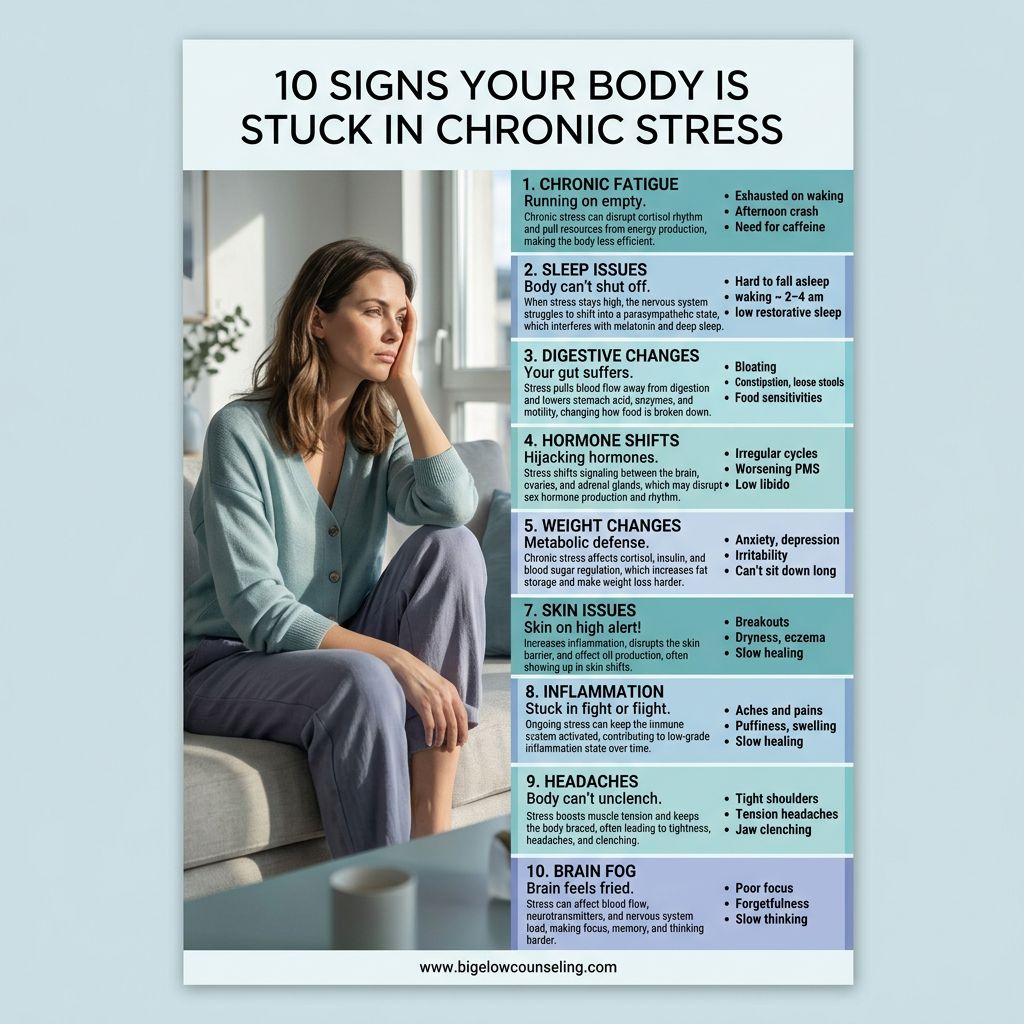
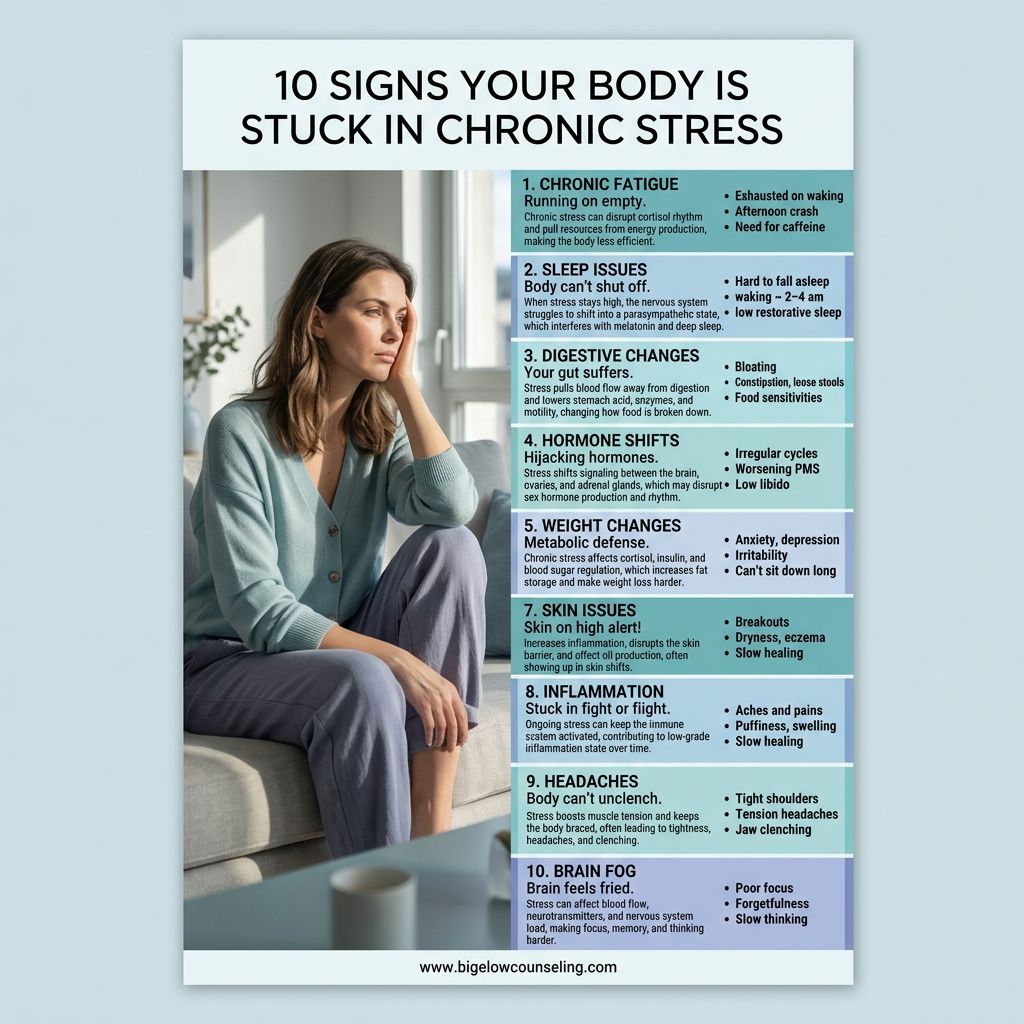
    Identifying burnout is crucial for your mental health. Common signs include feeling tired all the time, having a negative outlook, and feeling like you’re not accomplishing anything. You might also notice changes in your sleep patterns or experience headaches and stomach issues. If these symptoms persist, it’s essential to take action.

    Understanding these signs can help you catch burnout early. When you know what to look for, you can take steps to address the root causes. It’s important to listen to your body and mind. Learn more about signs of burnout.

    Chronic Stress and Emotional Exhaustion

    Chronic stress can lead to emotional exhaustion, which is a key component of burnout. When stress is ongoing, it drains your emotional reserves, leaving you feeling empty and overwhelmed. You might find it hard to cope with even minor challenges, and your productivity at work might suffer.

    Addressing chronic stress involves finding ways to manage it effectively. This could mean setting boundaries, practicing relaxation techniques, or seeking professional help. The longer you let stress linger, the harder it is to overcome emotional exhaustion. That’s why it’s crucial to tackle it head-on and make changes that support your mental health.

    Identifying Signs of Burnout
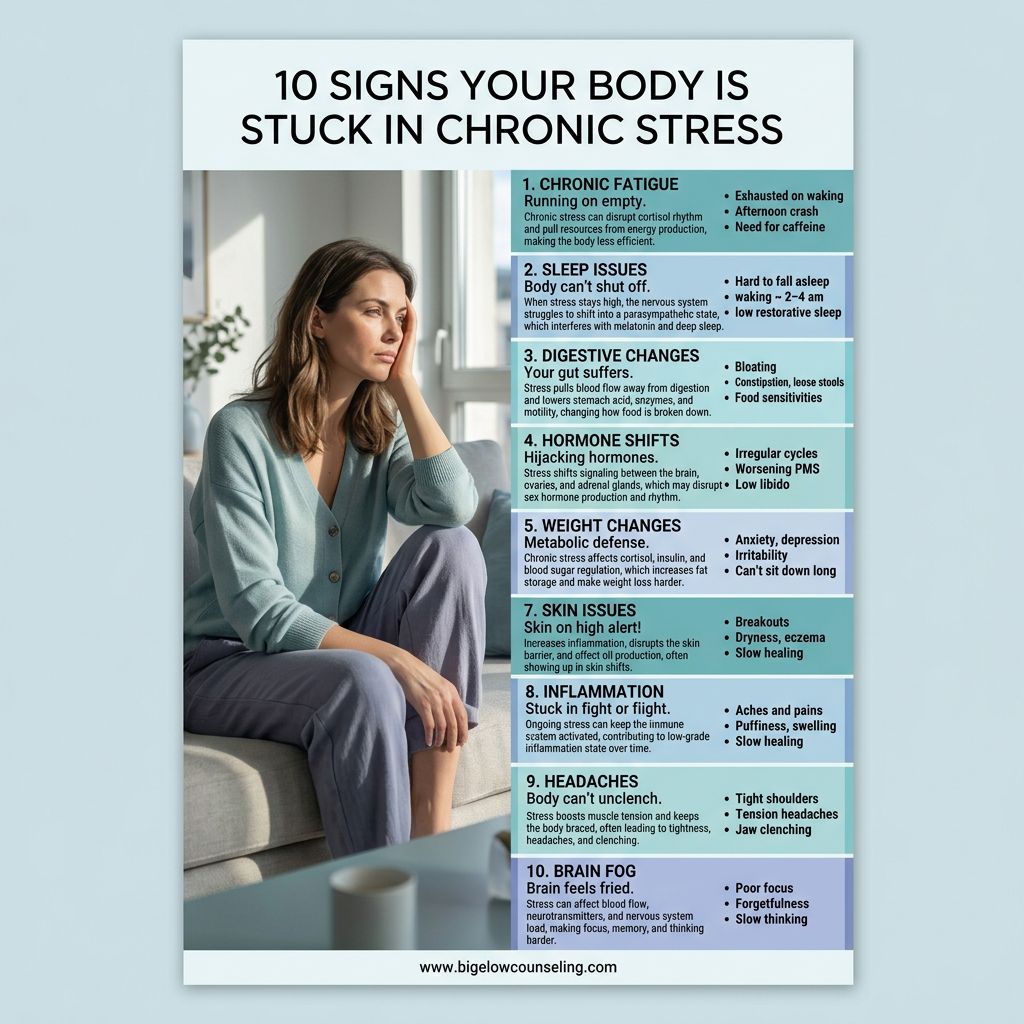
    Recognizing burnout involves noticing changes in both your physical and mental health. Let’s delve into how burnout can impact different areas of your life.

    Physical and Mental Symptoms

    Burnout affects your body and mind. Physically, you might experience fatigue, headaches, or changes in appetite. Mentally, you could feel detached or cynical, with a constant sense of dread about work or daily tasks. These symptoms can make it tough to focus and perform well.

    It’s important to pay attention to these signs and understand that they are not just temporary setbacks. They can significantly impact your quality of life, making it hard to find joy or motivation in everyday activities. Explore more about burnout symptoms.

    Impact on Daily Life and Work

    Burnout doesn’t just stay at work; it spills into your personal life. You might find it difficult to enjoy hobbies, spend time with loved ones, or even get out of bed in the morning. It can lead to strained relationships and decreased job performance, which only adds to the stress.

    When burnout affects your daily life, it’s time to seek help. Reaching out to a professional can provide the support and tools you need to regain control. Remember, seeking help is not a sign of weakness; it’s a step towards reclaiming your life.

    Emotional Exhaustion and Workplace Burnout

    Workplace burnout is a common issue, especially in high-pressure environments. It involves feeling emotionally drained and unable to meet the demands of your job. You might feel like you’re always behind or that your efforts aren’t appreciated, leading to frustration and hopelessness.

    If you’re experiencing workplace burnout, talking to a counselor or coach can help. They can provide strategies to manage stress and improve your work-life balance. It’s essential to address these feelings early to prevent lasting damage to your career and well-being.

    Seeking Support and Finding Relief

    Finding support is crucial when dealing with burnout. Professional guidance can help you navigate the challenges and find relief. Let’s explore different support options available.

    Counseling for Professionals and LGBTQ+ Individuals

    Counseling offers a safe space to explore your feelings and develop coping strategies. It’s especially beneficial for professionals facing high stress or individuals within the LGBTQ+ community who may face unique challenges. A supportive counselor understands your needs and works with you to find solutions.

    In Palm Beach, Bigelow Counseling provides specialized support for these groups. Whether you’re facing workplace challenges or seeking an affirming therapist, counseling can be a valuable resource in overcoming burnout.

    The Role of Executive Coaching in Palm Beach

    Executive coaching focuses on professional growth and overcoming workplace obstacles. It’s ideal for those feeling stuck or looking to advance their careers. A coach helps you identify goals, develop skills, and create a plan for success. This personalized support can reignite your passion and boost your confidence.

    In Palm Beach, executive coaching is a popular choice for professionals seeking to enhance their careers. It’s a proactive step towards achieving your professional goals while managing stress effectively.

    Online Therapy and EMDR Therapy in Florida 🌟

    Online therapy offers convenience and accessibility, allowing you to connect with a therapist from the comfort of your home. It’s a flexible option for those with busy schedules or who prefer remote sessions. EMDR therapy is another effective approach, particularly for trauma survivors. It helps process traumatic memories and reduce their impact.

    In Florida, online therapy and EMDR therapy are available at Bigelow Counseling. These services provide a comprehensive approach to mental health, ensuring you receive the support you need to overcome burnout and thrive.

    Frequently Asked Questions

    What are the early signs of burnout?
    Early signs of burnout include feeling constantly tired, losing motivation, and experiencing negative thoughts. You might also notice changes in your sleep patterns and appetite.

    How can I manage stress to prevent burnout?
    Managing stress involves setting boundaries, practicing relaxation techniques, and seeking support when needed. It’s essential to find balance and prioritize self-care to prevent burnout.

    Is online therapy effective for burnout?
    Yes, online therapy is an effective option for treating burnout. It provides access to professional support from the comfort of your home, making it a convenient choice for many.

    Can executive coaching help with workplace burnout?
    Executive coaching can be beneficial for those experiencing workplace burnout. It focuses on professional development and offers strategies to manage stress and improve work-life balance.

    Why is counseling important for LGBTQ+ individuals?
    Counseling provides a supportive and affirming space for LGBTQ+ individuals to explore their unique challenges. It helps address issues like discrimination, identity, and mental health, promoting overall well-being.


  • How to Know When Stress Has Become Burnout (And What to Do Next)

    How to Know When Stress Has Become Burnout (And What to Do Next)

    Stress feels familiar, but burnout changes the game completely. When your energy drains faster than it fills, and work starts to feel like a heavy weight, it’s time to pay attention. Knowing the difference between burnout vs stress can be the key to finding relief and taking back control. This guide will help spot the signs of burnout and offer clear steps to move forward with support tailored just for you. Ready to feel like yourself again? Book a free 15-minute consultation with Bigelow Counseling—available in-person in Palm Beach or online across Florida.

    Recognizing Burnout vs Stress

    Understanding the difference between stress and burnout can help pinpoint when it’s time to seek help. Let’s dive into how to tell which one you’re experiencing.

    Key Differences Between Stress and Burnout

    Stress is often temporary and linked to specific tasks or events. It might feel overwhelming, but usually, once the task is completed, the stress dissipates. On the other hand, burnout is more persistent. It stems from prolonged stress without adequate recovery time, often leading to emotional exhaustion and a sense of detachment. A key sign of burnout is a feeling of hopelessness about work, something stress alone might not cause.

    Burnout doesn’t just affect your mood; it can impact your physical health too. You might experience headaches or digestive issues. If stress feels like a temporary storm, burnout is the endless winter—cold, unyielding, and draining. Recognizing these differences is crucial to knowing what steps to take next.

    Common Burnout Symptoms

    Burnout manifests in various ways, and knowing the symptoms helps in early identification. A common sign is feeling tired all the time. This isn’t just physical tiredness; it’s emotional and mental exhaustion too. You might find it hard to get motivated for tasks you once enjoyed. Small achievements no longer feel rewarding.

    Irritability and a quick temper become more frequent. You might withdraw from responsibilities or isolate socially. Professionals often report decreased performance and concentration. If these symptoms sound familiar, it might be time to consider that burnout, not just stress, is at play.

    How to Know If It’s Burnout

    Wondering if you’re dealing with burnout? Here are some questions to consider: Do you dread going to work? Have you lost interest in things you used to love? Are you feeling cynical or detached from colleagues? If you answered yes, burnout might be the culprit. Unlike stress, which can fluctuate, burnout lingers and intensifies over time.

    Recognizing these signs can be your first step toward seeking help. The good news? There are effective ways to tackle burnout and regain control over your life.

    Path to Relief and Recovery

    Finding relief starts with acknowledging burnout. Discover effective strategies to help you move forward and regain balance.

    Effective Work Burnout Help

    Work environments often contribute to burnout, but changes can significantly help. Start by setting boundaries. Learn to say no when necessary and prioritize tasks. Time management is key: allocate time for breaks and ensure you have downtime outside of work hours. Talk to your manager about workload adjustments if possible.

    Incorporating stress-relief activities like exercise or hobbies can provide much-needed relaxation. It’s important to remember you’re not alone. Seeking help from a counselor can provide tailored strategies to manage work stress effectively.

    Importance of Anxiety Counseling in Palm Beach

    Anxiety counseling can be a game-changer for those struggling with burnout. In Palm Beach, you have access to experienced counselors who understand the unique challenges of burnout. Counseling provides a safe space to explore feelings and develop coping mechanisms.

    A counselor can help you reframe negative thoughts and build resilience. With personalized guidance, you learn to manage anxiety proactively. It’s not just about managing the symptoms; it’s about transforming your mindset and lifestyle for lasting change.

    Benefits of EMDR Therapy in Palm Beach

    EMDR therapy is a powerful tool for those dealing with trauma and burnout. This therapy helps process and resolve distressing memories, often linked to burnout experiences. In Palm Beach, EMDR-trained therapists guide you through structured sessions, allowing you to work through past events that contribute to present stress.

    EMDR is beneficial because it addresses the root causes of emotional distress. By resolving these, you can reduce feelings of overwhelm and gain a clearer perspective on current challenges. This therapy offers hope and a path to recovery for many dealing with burnout.

    Personalized Support and Next Steps

    Finding the right support is crucial. Discover the options available in Florida to guide you on your path to recovery.

    Choosing a Trauma-Informed Therapist in Florida

    Choosing the right therapist is essential for effective healing. A trauma-informed therapist in Florida can offer the compassionate care needed for deep recovery. These therapists understand the complexities of trauma and its impact on burnout. They create a safe environment where you can openly discuss your experiences.

    A trauma-informed approach ensures that therapy addresses not just symptoms but the underlying trauma causing them. This leads to more effective and holistic healing, allowing you to regain control and move forward with confidence.

    LGBTQ-Friendly Therapist Options in Palm Beach

    For the LGBTQ+ community in Palm Beach, finding a supportive therapist is crucial. LGBTQ-friendly therapists provide a welcoming space where you can be your true self without fear of judgment. They understand the unique challenges faced by the community and tailor their approaches to meet individual needs.

    These therapists offer more than just treatment; they provide empathy and validation. Whether you’re facing burnout or other challenges, their support can be life-changing. Seeking therapy is a brave step toward a healthier, more fulfilled life.

    Executive Coaching for Burnout Relief

    Professionals facing burnout can benefit from executive coaching. This approach combines professional development with personal well-being strategies. Coaches work with you to identify career-related stressors and develop a plan to overcome them. They focus on enhancing skills, boosting confidence, and setting achievable goals.

    Executive coaching is not just about career advancement; it’s about finding balance and fulfillment. By addressing burnout at its source, you can flourish both personally and professionally. Investing in coaching is a step toward a brighter, more balanced future.

    Frequently Asked Questions

    What are the main differences between stress and burnout?

    Stress is often short-term and linked to specific tasks. Burnout is more chronic and leads to emotional exhaustion, reduced performance, and a sense of detachment.

    How can I tell if I am experiencing burnout?

    Signs of burnout include constant exhaustion, lack of motivation, irritability, and feeling detached from work or colleagues.

    What strategies help with work burnout?

    Setting boundaries, prioritizing tasks, and incorporating stress-relief activities are effective strategies. Speaking to a counselor can also provide valuable support and tailored strategies.

    How does anxiety counseling help with burnout?

    Counseling helps reframe negative thoughts and build resilience. It provides tools to manage anxiety and stress, offering a transformative approach to recovery.

    What is EMDR therapy, and how can it help with burnout?

    EMDR therapy helps process distressing memories linked to burnout. It addresses root causes of emotional distress, offering hope and a path to lasting recovery.

  • Stress or Burnout? 8 Clear Signs It’s Time to Reset

    Stress or Burnout? 8 Clear Signs It’s Time to Reset

    Stress feels like part of the daily grind, but when does it cross into burnout? Recognizing the difference can protect your energy and relationships before everything feels overwhelming. This guide breaks down clear signs of burnout and offers practical steps to reclaim balance. Ready to spot the shift from chronic stress to emotional exhaustion? Keep reading to find out when it’s time to reset and how Bigelow Counseling in Palm Beach can support your path forward.

    For more information, you can read about the signs of burnout.

    Stress vs Burnout: Key Differences

    Understanding the difference between everyday stress and burnout is crucial for maintaining a healthy balance in life. While stress can be a normal part of life, prolonged exposure can lead to burnout, which requires more intensive intervention. Let’s explore the distinctions.

    Understanding Everyday Stress

    Stress is a common response to life’s demands. It can actually be a good motivator, pushing you to meet deadlines or tackle challenges. You might feel your heart racing before a big presentation, but this feeling typically subsides once the task is complete. Stress is temporary, and with effective coping strategies, its impact can be minimized.

    However, chronic stress can wear you down over time. When stress becomes a constant companion, it may begin to affect your health, mood, and productivity. Recognizing how stress feels and managing it through techniques like exercise or meditation is key to preventing its escalation.

    Recognizing Workplace Burnout

    Burnout is more than just a bad day at work. It’s a state of emotional, physical, and mental exhaustion caused by prolonged and excessive stress. In the workplace, you might notice a lack of motivation, reduced performance, and a sense of dread about going to work. Burnout doesn’t fade with a weekend break; it requires more substantial changes.

    People experiencing burnout often feel detached or cynical towards their work. This condition is not just about working long hours but about feeling overwhelmed and undervalued. If your job is affecting your personal life and well-being, it may be time to take a closer look at your work environment and responsibilities.

    Emotional Exhaustion and Its Impact

    Emotional exhaustion is a core component of burnout. It’s when stress depletes your emotional resources, leaving you feeling drained and incapable of coping with daily demands. This exhaustion can lead to feelings of hopelessness and defeat.

    Physically, you might struggle with sleep issues or frequent illnesses. Emotionally, you may feel detached or numb, impacting relationships and social interactions. If these signs resonate with you, it might be time to consider professional help to reclaim energy and enthusiasm for life.

    Signs of Burnout: What to Watch For

    Being aware of the warning signs of burnout can help you intervene early. Burnout doesn’t happen overnight, and its symptoms can vary. Here’s what to keep an eye out for in terms of emotional and physical red flags.

    Emotional and Physical Red Flags

    Burnout often manifests as persistent fatigue, despite getting enough rest. You may also experience emotional symptoms such as irritability, sadness, or a sense of apathy. These feelings can be accompanied by physical symptoms like headaches, stomach issues, or changes in appetite.

    Chronic stress can lead to a weakened immune system, making you more susceptible to illnesses. If you’re frequently feeling low or unwell, it might be an indication that stress is turning into burnout. Recognizing these signs early can help you take steps to address them before they escalate.

    Behavioral Changes in Daily Life

    Behavioral shifts are common indicators of burnout. You might find yourself withdrawing from social activities or losing interest in hobbies you once enjoyed. Productivity at work or home may decline, and you might rely on unhealthy coping mechanisms like alcohol or junk food.

    These changes can also impact personal relationships, leading to misunderstandings or conflicts. If your daily routine is affected by these behaviors, it’s important to assess the underlying stressors and seek support to make positive changes.

    Anxiety and Depression Indicators

    Burnout can be closely linked to anxiety and depression. Persistent feelings of worry, fear, or sadness can be overwhelming. You might notice a constant sense of unease or find it difficult to concentrate or make decisions.

    If these symptoms are interfering with your daily life, it’s essential to seek professional help. Addressing burnout-related mental health issues early can prevent them from worsening and help you regain control and clarity.

    Recovery Steps and Support

    Once burnout is identified, taking steps towards recovery is crucial. It’s not just about removing stressors, but also about rebuilding your resilience and finding support.

    Resetting Your Nervous System

    Resetting your nervous system can help restore balance. Activities like yoga, deep breathing exercises, and mindfulness meditation are effective ways to calm your mind and body. These practices can help reduce stress levels and improve your overall well-being.

    Engaging in regular physical activity is another powerful stress reliever. Even a short walk can boost endorphins and improve your mood. Prioritize self-care to support your mental and physical health as you navigate recovery.

    Setting Boundaries and Finding Rest

    Establishing healthy boundaries is vital for preventing future burnout. Learn to say no to additional responsibilities that overwhelm you. Prioritize activities that bring joy and relaxation, and ensure you have downtime to recharge.

    Adequate rest is essential for recovery. Create a bedtime routine that promotes restful sleep and limits screen time before bed. Allow yourself time to unwind and reflect on positive experiences to foster a sense of calm.

    Seeking Therapy and Professional Help

    Professional support can be invaluable in recovering from burnout. Therapy provides a safe space to explore feelings and develop coping strategies. Bigelow Counseling offers LGBTQ affirming therapy and specialized trauma therapy tailored to your needs.

    Therapists can help you understand the root causes of burnout and work with you to develop a personalized recovery plan. Seeking help is a proactive step towards healing and empowerment.

    Frequently Asked Questions

    What is the main difference between stress and burnout?

    Stress is a temporary response to demands, while burnout is long-term exhaustion and detachment due to prolonged stress. Burnout requires deeper intervention and recovery.

    What are some common physical signs of burnout?

    Physical signs include persistent fatigue, headaches, and changes in appetite. Frequent illnesses may also indicate a weakened immune system due to chronic stress.

    How can therapy help with burnout?

    Therapy provides tools to manage stress and burnout. It helps identify underlying causes, develop coping strategies, and support mental health recovery.

    Home

  • Stress vs. Burnout: Spot the Shift and Find Support That Works

    Stress vs. Burnout: Spot the Shift and Find Support That Works

    Stress feels like part of daily life, but when it crosses into burnout, everything changes. Recognizing the signs of burnout can be tricky when chronic stress blurs the lines. This post unpacks stress vs burnout and points toward support that truly helps, from individual counseling to EMDR trauma therapy and executive coaching. Feeling stretched thin or fully burned out? Book a confidential session with Bigelow Counseling in Palm Beach or online. New client openings are available—take the first step toward relief and renewal today.

    Recognizing Stress vs. Burnout

    Understanding Stress and Burnout

    Stress is a common experience, but when it turns into burnout, it demands attention. Stress can serve as motivation, pushing you to meet deadlines or tackle challenges. In contrast, burnout leaves you feeling depleted and detached. It’s crucial to identify this shift to seek timely help. When stress becomes overwhelming, understanding the difference is key to finding the right support.

    Identifying Burnout Symptoms

    Burnout is more than just tiredness; it’s emotional, physical, and mental exhaustion. You might notice a lack of motivation or feel cynical about work. Tasks that were once simple may now seem insurmountable. If you’ve lost enthusiasm for activities you once loved, these could be signs of burnout. Acknowledging these symptoms is the first step to reclaiming your well-being.

    Chronic Stress Warning Signs

    Chronic stress can creep up slowly. Unlike short-term stress, which is temporary, chronic stress persists, affecting your health. You might experience frequent headaches, sleep disturbances, or irritability. Your body might be signaling for help, and it’s important to listen. Chronic stress can lead to burnout if left unchecked, so recognizing these signs can guide you toward the support you need.

    Effective Support Options

    Individual and Couples Counseling

    Therapy offers a space to explore stress and burnout in a safe environment. Individual counseling helps you address personal challenges, while couples counseling focuses on relationship dynamics. You don’t have to navigate these issues alone. Speaking with a therapist can provide new perspectives and coping strategies. It’s about finding clarity and rebuilding connections with yourself and others.

    EMDR Trauma Therapy Benefits

    EMDR therapy is a powerful tool for those processing trauma. It helps reframe traumatic memories, allowing you to heal and move forward. This therapy is particularly beneficial if past events contribute to your current stress. By addressing the root causes, you can reduce their impact on your daily life. EMDR offers a path to relief, empowering you to reclaim control.

    Executive Coaching for Professionals

    For professionals facing workplace burnout, executive coaching offers targeted support. It helps you set goals and overcome career obstacles. Coaching provides a structured approach to rediscovering passion in your work. Whether you’re feeling stuck or seeking growth, this personalized guidance can reignite your motivation. It’s about transforming challenges into opportunities for success.

    Finding Help in Palm Beach and Online

    LGBTQ+ Affirming Therapy

    Therapy should be a space where everyone feels safe and understood. LGBTQ+ affirming therapy provides support in an inclusive environment. Whether you’re dealing with identity-related stress or seeking personal growth, finding a therapist who respects and understands your journey can make a difference. Embrace therapy that celebrates diversity and promotes healing.

    Online Therapy Across Florida

    Geography shouldn’t limit access to quality therapy. Online sessions bring support to you, wherever you are in Florida. This flexibility allows you to fit therapy into your life without compromising your schedule. Online therapy is just as effective as in-person sessions, offering convenience without sacrificing connection. It’s therapy that adapts to your needs, ensuring you can access help when you need it most.

    Booking a Session with Bigelow Counseling 🚀

    If stress or burnout feels overwhelming, it’s time to take action. Bigelow Counseling offers a range of services, from individual counseling to executive coaching. With a focus on personalized care, their team helps you navigate life’s challenges. Don’t wait for stress to escalate; reach out today and begin your journey to healing.

    Frequently Asked Questions

    What are the main differences between stress and burnout?

    Stress is often temporary and tied to specific events, while burnout is a state of chronic exhaustion. Burnout involves emotional, mental, and physical fatigue, often leading to a loss of motivation and decreased performance.

    How can I tell if I’m experiencing burnout?

    Signs of burnout include feeling drained, cynical, and detached from work. You might also notice a lack of satisfaction and increased irritability. If these symptoms persist, it’s important to seek help from a professional.

    Is online therapy as effective as in-person sessions?

    Yes, online therapy is equally effective. It offers the same level of support and guidance as traditional sessions, with the added convenience of accessing therapy from your own space.

    Who can benefit from executive coaching?

    Professionals experiencing career stagnation or workplace challenges can benefit from executive coaching. It provides structured guidance to overcome obstacles and achieve career goals, helping you to regain direction and motivation.

    What is EMDR therapy, and who should consider it?

    EMDR (Eye Movement Desensitization and Reprocessing) is a therapy used to treat trauma. It’s ideal for those whose past experiences impact their current well-being. EMDR helps process and reframe traumatic memories, fostering healing and recovery.

  • Counseling for Burnout: Signs, Causes, and Support That Helps You Heal

    Counseling for Burnout: Signs, Causes, and Support That Helps You Heal

    Burnout doesn’t just sneak up—it can feel like a heavy fog that drains energy and joy. Recognizing burnout signs and understanding what causes this exhaustion is the first step to reclaiming balance. Counseling for burnout at Bigelow Counseling offers personalized support, from EMDR therapy to executive coaching, designed to help steady your mind and body. Ready to feel steady again? Schedule a confidential consultation with Bigelow Counseling—available in-person in Palm Beach or online across Florida. For more information on burnout signs, causes, and recovery, visit this resource.

    Understanding Burnout

    Burnout can feel all-consuming, but understanding it is the first step to overcoming it. Recognizing the signs and the reasons behind burnout can empower you to take control and find relief.

    Key Burnout Symptoms

    Burnout manifests through various symptoms. You might notice feeling drained even after sleep or experiencing a lack of enthusiasm for activities you once enjoyed. Often, it includes persistent fatigue, irritability, and a sense of detachment from work or personal life.

    Physical symptoms are also common. Headaches, muscle tension, and changes in sleep patterns can all signal burnout. Emotionally, you might feel trapped or helpless, leading to anxiety or depression. These signs indicate your body and mind are overwhelmed, highlighting a need for self-care and support.

    Common Burnout Causes

    Several factors contribute to burnout. High stress from work, particularly with unclear expectations or lack of control, is a major culprit. This stress can be compounded by personal circumstances, such as family demands or financial pressures.

    A lack of balance between work and personal life can deepen burnout. When leisure and relaxation take a back seat, stress builds. Additionally, personality traits like perfectionism can drive you to push too hard, leading to exhaustion. Recognizing these causes can help you start making changes to reduce burnout.

    The Role of Counseling

    Counseling offers a way to tackle burnout by addressing its symptoms and root causes. It provides a supportive environment where you can explore your feelings and develop strategies to manage stress.

    Effective Support for Burnout

    Counseling for burnout focuses on restoring balance and building resilience. During sessions, you’ll learn techniques to manage stress and set healthy boundaries. Therapy can help you identify thought patterns that contribute to feeling overwhelmed and work on changing them.

    Support isn’t just about talking. It’s about actionable steps to improve your well-being. By setting realistic goals and adjusting your perspective, you can begin to feel more in control. Counseling provides a space to reflect and regroup, crucial for burnout recovery.

    EMDR Therapy Benefits

    Eye Movement Desensitization and Reprocessing (EMDR) is a powerful tool for those dealing with burnout, especially when linked to past trauma. This therapy helps process distressing memories, reducing their impact on your current life.

    EMDR involves focusing on traumatic memories while following a therapist’s guided eye movements. This process helps the brain reprocess these memories, diminishing their emotional charge. For burnout, this can mean less anxiety and a greater sense of calm. It’s a valuable option for those seeking deep, effective healing.

    Finding Support at Bigelow Counseling

    Bigelow Counseling provides a wide range of services tailored to your needs. With a focus on inclusivity and personalized care, it’s a place where you can find the support that fits you.

    LGBTQ-Affirming Therapy

    Bigelow Counseling offers a supportive environment for the LGBTQ+ community. Affirmative therapy addresses specific challenges faced by LGBTQ+ individuals, such as discrimination and identity issues, ensuring you feel understood and safe.

    Therapists are trained to provide compassionate support, helping you navigate personal and societal pressures. This inclusive approach ensures that therapy is a space where you can explore your identity without fear of judgment, fostering a path to healing and growth.

    Executive Coaching for Burnout 😊

    For professionals facing burnout, executive coaching at Bigelow Counseling is a valuable resource. Coaching focuses on enhancing your work-life balance, improving communication skills, and managing workplace stress.

    Through tailored sessions, you’ll develop strategies to overcome challenges and set achievable career goals. This support helps you regain confidence and motivation, essential for moving forward in your professional life. By addressing burnout at its source, coaching empowers you to thrive at work and beyond.

    Frequently Asked Questions

    What are the first signs of burnout?

    Burnout often begins with feelings of exhaustion and decreased enthusiasm for activities. You might also experience irritability and a sense of detachment from your work or personal life.

    How can counseling help with burnout?

    Counseling provides a space to process feelings and develop stress management strategies. It helps you set healthy boundaries and identify thought patterns that contribute to burnout, offering a path to recovery.

    What is EMDR therapy and how does it address burnout?

    EMDR therapy helps reprocess traumatic memories that exacerbate burnout. By reducing the emotional impact of these memories, EMDR can alleviate anxiety and promote a sense of calm.

    Is therapy at Bigelow Counseling inclusive for LGBTQ+ individuals?

    Yes, Bigelow Counseling offers LGBTQ-affirming therapy, providing a safe space to explore identity and address challenges unique to the LGBTQ+ community.

    Can executive coaching really help with professional burnout?

    Absolutely. Executive coaching focuses on improving work-life balance and stress management, helping professionals regain confidence and move forward in their careers.

    Home

  • 7 Signs You’re Emotionally Overloaded—and Ready for Support

    7 Signs You’re Emotionally Overloaded—and Ready for Support

    Feeling overwhelmed isn’t just stress—it’s a sign your mind and heart need a break. When emotional overload creeps in, it can sneak up quietly, making everyday tasks feel heavy. Recognizing the signs of emotional overload is the first step toward relief and support. Keep reading to learn how to spot these signals and find the help that fits your life with Bigelow Counseling in Palm Beach or online across Florida. Ready to feel lighter? Book a free 15-minute consultation or schedule your first session today.

    Recognizing Emotional Overload

    Understanding when you are emotionally overloaded can be tricky. It often creeps up, turning manageable days into a fog of stress and anxiety. Recognizing the signs is your first step toward finding relief and support.

    Common Signs of Emotional Overload

    Emotional overload can manifest in different ways, and it’s crucial to notice these signals early. You might experience constant fatigue, feeling drained even after a full night’s sleep. Small tasks that were once easy can suddenly feel insurmountable, making you feel stuck.

    Your emotions might also be heightened. You could find yourself reacting more intensely to situations, feeling easily angered or overwhelmed. Physical symptoms, like headaches or stomach aches, can also be signs of emotional stress. If these sound familiar, know that help is available with Bigelow Counseling.

    Feeling Overwhelmed: What to Look For

    Feeling overwhelmed can appear as a persistent sense of anxiety or worry, where your mind races with thoughts you can’t quiet. You might notice a lack of concentration, with your mind wandering when you need to focus. This can make it hard to complete tasks, impacting your daily life.

    You may also feel detached from those around you, avoiding social interactions because they seem too exhausting. This isolation can worsen feelings of loneliness and anxiety. Recognizing these patterns is essential, as they can point to emotional overload.

    Burnout Symptoms and Coping

    Burnout isn’t just about work—it can affect any area of your life. You might feel a lack of motivation or enthusiasm for activities you once enjoyed. This emotional exhaustion can lead to irritability or frustration.

    Coping with burnout involves taking steps to manage stress. Consider incorporating short breaks into your routine, allowing yourself to step back and recharge. Mindfulness practices can also help ground you, providing a moment of calm in a busy day. Sometimes, speaking with a professional can provide the support you need to navigate these feelings.

    Finding the Right Support

    When you’re ready to seek help, finding the right support is crucial. Bigelow Counseling offers a variety of services tailored to meet your needs, whether you’re dealing with anxiety, trauma, or seeking personal growth.

    Seeking Anxiety Support in Palm Beach

    If you’re grappling with anxiety, you’re not alone. Seeking professional support can provide clarity and relief. Bigelow Counseling offers tailored sessions designed to address anxiety’s root causes, helping you develop coping strategies that work in your daily life.

    Anxiety can feel overwhelming, but it’s manageable with the right support. Our therapists in Palm Beach are skilled in helping you navigate these feelings, offering both in-person and online therapy options across Florida. This flexibility ensures you can access the help you need, wherever you are.

    LGBTQ+ Affirming Therapy Options

    Finding a therapist who understands and supports your identity is vital. Bigelow Counseling provides a safe space for LGBTQ+ individuals, focusing on affirming therapy that respects and celebrates your identity.

    Our therapists are experienced in addressing the unique challenges faced by the LGBTQ+ community. Whether you’re dealing with identity-related issues or seeking general support, our team is here to walk with you every step of the way.

    Exploring EMDR Trauma Therapy

    Trauma can feel all-consuming, but you don’t have to face it alone. EMDR trauma therapy is a specialized technique offered at Bigelow Counseling, designed to help process and heal from traumatic experiences.

    This therapy focuses on helping your brain reframe traumatic memories, reducing their emotional impact. If you’ve been trying to handle trauma alone, consider exploring EMDR therapy as a way to find relief and healing.

    Taking the Next Steps

    Taking action can feel daunting, but small steps can lead to significant change. By setting boundaries and prioritizing self-care, you can start building a more balanced life.

    Setting Boundaries for Better Balance

    Healthy boundaries are essential for emotional well-being. Whether it’s at work or in personal relationships, boundaries help protect your energy and mental health. Start by identifying areas in your life that feel overwhelming, then set clear limits.

    You can practice saying “no” without guilt, ensuring you have time to recharge. If you need guidance in setting boundaries, Bigelow Counseling can offer support and strategies to help you maintain balance.

    Compassion Fatigue: Help and Hope

    If you’re always caring for others, you might experience compassion fatigue. This condition can lead to emotional exhaustion, making it hard to care for yourself. Recognizing these signs is crucial for finding relief.

    Support is available through counseling that addresses compassion fatigue directly. By focusing on self-care and professional support, you can regain your energy and passion for helping others.

    Booking a Consultation with Bigelow Counseling

    Ready to take the next step? Booking a consultation with Bigelow Counseling is easy. Our Palm Beach office and online services across Florida offer flexible options to meet your needs. Whether you’re seeking therapy for anxiety, trauma, or simply need someone to talk to, we’re here to help you find healing and purpose.

    Frequently Asked Questions

    What are the signs of emotional overload?
    Emotional overload can include constant fatigue, heightened emotions, and physical symptoms like headaches. You might also feel easily overwhelmed or detached from others.

    How can therapy help with burnout?
    Therapy can provide strategies to manage burnout by helping you develop coping mechanisms and addressing the root causes of stress. Speaking with a professional can offer support and guidance.

    What is EMDR trauma therapy?
    EMDR (Eye Movement Desensitization and Reprocessing) is a therapy designed to help process trauma. It works by re-framing traumatic memories, reducing their emotional impact and promoting healing.

    How do I book a session with Bigelow Counseling?
    You can book a session by contacting our Palm Beach office or scheduling online for telehealth services across Florida. We offer flexible options to fit your needs.

    Is there support for the LGBTQ+ community at Bigelow Counseling?
    Yes, Bigelow Counseling provides a safe and affirming space for LGBTQ+ individuals, with therapists experienced in addressing identity-related issues and offering supportive therapy.

    Home

  • 7 Signs Burnout Is Affecting Your Mental Health (And What To Do Next)

    7 Signs Burnout Is Affecting Your Mental Health (And What To Do Next)

    Burnout doesn’t just make you tired—it quietly chips away at your mental health. When chronic stress and emotional exhaustion pile up, it’s easy to mistake burnout for depression or anxiety. Knowing the key signs of burnout can stop this cycle before it takes over your life. Let’s explore how burnout symptoms show up and what steps you can take toward healing with LGBTQ affirming therapy in Palm Beach or online across Florida. Ready to feel like yourself again?

    Recognizing Burnout Symptoms

    When you notice burnout creeping in, it’s important to identify it early. Understanding emotional exhaustion, chronic stress, and anxiety can help you take the next steps toward recovery.

    Identifying Emotional Exhaustion

    Emotional exhaustion can feel like you’re running on empty. You might find that you have less patience or feel overwhelmed by daily tasks. This isn’t just being tired; it’s a deeper depletion of your emotional resources. Think about the last time you felt truly refreshed. If it’s been a while, emotional exhaustion might be at play.

    Emotional exhaustion often shows up in your interactions with others. You may withdraw from social situations or feel detached from your friends and family. It’s not unusual to feel irritable or snap at others without understanding why. Recognizing these patterns is key to reclaiming your energy and well-being.

    Chronic Stress vs. Normal Stress

    Understanding the difference between chronic stress and normal stress is crucial. Normal stress is temporary and often related to specific events. Chronic stress, however, persists over time. It can stem from ongoing situations like work pressure or personal challenges. If stress feels like it’s part of your daily routine, it’s time to address it.

    Unlike normal stress, chronic stress can lead to more significant health issues, including burnout. It affects your sleep, mood, and physical health. If you’re constantly feeling on edge or unable to relax, you’re likely experiencing chronic stress. Identifying this can be the first step in finding relief.

    Anxiety and Burnout Signs

    Burnout and anxiety often go hand-in-hand. It’s common to feel anxious when you’re burned out, but it’s important to differentiate between the two. Anxiety can cause restlessness, a racing heart, and persistent worry. Burnout, on the other hand, tends to manifest as exhaustion and detachment.

    To pinpoint whether anxiety is a result of burnout, consider how your symptoms have evolved. If they intensify with work-related stress, burnout might be the underlying issue. These signs indicate it’s time to explore supportive resources that can help restore balance.

    The Impact on Mental Health

    Burnout can deeply affect your mental health, making it essential to understand how it differs from depression. Work stress can further complicate your well-being, especially if you identify with the LGBTQ community.

    Burnout vs Depression: Key Differences

    Burnout and depression share similarities but are distinct in their impacts. Burnout is usually linked to external factors like work, while depression can persist regardless of circumstances. Understanding these differences helps in seeking appropriate support.

    Depression often involves feelings of hopelessness and a lack of interest in activities. Burnout, however, is characterized by exhaustion and reduced performance. Recognizing these distinctions is crucial for seeking the right help and finding effective strategies for recovery.

    How Work Stress Affects Well-being

    Work stress is a significant contributor to burnout. It affects your mental and physical health, leading to sleep issues, irritability, and reduced concentration. When work stress becomes overwhelming, it’s critical to acknowledge its impact and take steps to manage it.

    A supportive work environment and healthy boundaries are essential for maintaining well-being. If you find that work stress is affecting your health, it’s time to consider strategies like therapy or coaching to regain control over your life.

    Importance of LGBTQ Affirming Therapy

    For those in the LGBTQ community, affirming therapy is vital. It offers a safe space to explore unique challenges and stresses that may contribute to burnout. This type of therapy acknowledges and supports your identity, fostering a healing environment.

    LGBTQ affirming therapy provides specialized support that can address both personal and cultural stressors. It’s an opportunity to connect with therapists who understand and respect your experiences, helping you navigate challenges with confidence and resilience.

    Steps Toward Recovery

    Taking steps to recover from burnout is essential. Exploring therapy options like EMDR in Florida, executive coaching, and counseling in Palm Beach can guide you on your path to healing.

    Exploring EMDR Therapy in Florida

    EMDR (Eye Movement Desensitization and Reprocessing) therapy is an effective option for coping with burnout and trauma. It helps process distressing memories, reducing their lingering impact on your daily life. If past experiences contribute to your current burnout, EMDR can be particularly beneficial.

    This therapy can alleviate symptoms by targeting the root cause of stress. As you work through challenging memories, you can expect to feel more at ease and less burdened by burnout. EMDR provides a structured approach to healing, offering relief and renewed energy.

    Benefits of Executive Coaching for Burnout

    Executive coaching offers strategic support for overcoming burnout, especially for professionals. It focuses on work-life balance, stress management, and enhancing personal effectiveness. If career challenges contribute to burnout, coaching provides tailored strategies to navigate them.

    Coaching helps you set achievable goals and develop skills to manage stress effectively. It’s a proactive step toward reclaiming control over your professional life and preventing future burnout. With guidance from a coach, you can foster a healthier relationship with work.

    Seeking Counseling in Palm Beach 🌈

    Counseling provides a supportive space to explore and address burnout. In Palm Beach, you’ll find inclusive environments that cater to diverse needs, including those of the LGBTQ community. Counseling helps you understand the sources of burnout and develop coping strategies.

    Through counseling, you can gain insights into your experiences and build resilience. It’s an opportunity to work with professionals who understand your challenges and support your journey toward recovery. Whether in-person or online, counseling offers the guidance you need to heal.

    Frequently Asked Questions

    What are the first signs of burnout?

    The initial signs of burnout often include feelings of exhaustion, irritability, and detachment from daily activities. You might also notice a decrease in performance and increased cynicism about your work or responsibilities.

    How is burnout different from stress?

    While stress is a reaction to specific demands, burnout is a state of chronic stress that leads to emotional exhaustion and reduced motivation. Stress can be temporary, but burnout is more prolonged and requires intentional recovery efforts.

    Can burnout lead to depression?

    Yes, prolonged burnout can increase the risk of depression. Both share symptoms such as fatigue and disinterest, but depression also includes persistent feelings of hopelessness and worthlessness, which burnout alone does not.

    How can LGBTQ affirming therapy help with burnout?

    LGBTQ affirming therapy provides a safe space to explore identity-related challenges and stressors without judgment. This supportive environment helps individuals address burnout while acknowledging and validating their unique experiences.

    What role does EMDR therapy play in treating burnout?

    EMDR therapy helps process traumatic memories that may contribute to burnout. By addressing these memories, EMDR reduces their emotional impact, leading to decreased stress and improved mental health.

    Home

  • Feeling Drained? Signs You May Be Experiencing Burnout—and How Therapy Can Help You Reclaim Your Spark

    Feeling Drained? Signs You May Be Experiencing Burnout—and How Therapy Can Help You Reclaim Your Spark

    Burnout sneaks up slowly, leaving you drained even after a full night’s rest. If you’re noticing signs of burnout like constant exhaustion, irritability, or feeling disconnected from work and life, you’re not alone—and your feelings are valid. Therapy for burnout at Bigelow Counseling can help you find balance again, restore your energy, and reconnect with what truly matters. Ready to take the first step toward feeling like yourself again? Learn more about burnout prevention and recovery and reach out to Bigelow Counseling to schedule your first session.

    Recognizing Burnout Signs

    Burnout can affect anyone, and recognizing it early can help you regain control. Let’s explore the common symptoms and the impact it has on daily life.

    Common Burnout Symptoms

    Burnout often manifests through exhaustion. You might feel tired even after sleeping. You could also experience irritability, and small tasks may seem overwhelming. Feeling disconnected from work and personal life is another sign. It’s not just about being tired; it’s a physical and emotional drain.

    Another symptom is a lack of motivation. You might find it hard to start or finish tasks. Even things you used to enjoy can feel like chores. This isn’t just about work; it can affect hobbies and social activities too. Physical symptoms like headaches or stomach issues can also appear.

    Burnout can sneak up on you, often starting small and growing over time. It’s important to listen to your body and mind. Recognizing these signs early can help you seek the right support before it becomes overwhelming.

    Understanding What Is Burnout

    Burnout is more than just stress. It’s a state of emotional, physical, and mental exhaustion caused by prolonged stress. Unlike stress, which is temporary, burnout is a chronic condition. It can make you feel helpless, trapped, and beyond caring.

    Burnout affects people in various situations. It’s common among professionals, caregivers, and anyone in high-stress environments. The feeling of being constantly overwhelmed can lead to a sense of failure and self-doubt. It can affect every area of your life, not just work.

    Understanding burnout is the first step in managing it. Knowing that it’s a recognized condition can be reassuring. It means you’re not alone, and there is help available. Awareness is the key to preventing it from taking over your life.

    Impact on Daily Life

    The effects of burnout extend beyond feelings of exhaustion. You might notice changes in eating or sleeping habits. Relationships can suffer, as irritability and withdrawal become more common. It can also affect job performance, leading to more stress and anxiety.

    Burnout can impact your health. Chronic stress can lead to issues like heart disease, high blood pressure, and mental health conditions like depression and anxiety. It’s a serious condition, and its impact on daily life can be profound.

    Being aware of how burnout affects daily life is crucial. It can motivate you to make changes and seek help. Remember, the earlier you address it, the better your chances of recovery and reclaiming your life.

    Therapy as a Burnout Solution

    Addressing burnout requires more than just rest. Therapy can be an effective solution. Let’s explore how stress management counseling and other therapeutic options can help you.

    Benefits of Stress Management Counseling

    Stress management counseling provides tools to handle stress effectively. It helps you develop coping strategies tailored to your needs. This type of therapy focuses on identifying stressors and finding ways to manage them.

    Counseling sessions can offer a safe space to express feelings and concerns. A therapist can guide you in setting boundaries and prioritizing self-care. Over time, you’ll learn to manage stress in a way that fits your lifestyle and goals.

    The benefits of stress management counseling are profound. It can lead to improved mental health, better relationships, and enhanced work performance. By addressing stress proactively, you gain control over your life and reduce the risk of burnout.

    EMDR Therapy in Palm Beach

    EMDR (Eye Movement Desensitization and Reprocessing) therapy is a specialized treatment for trauma. It can also be effective for those experiencing burnout related to traumatic stress. In Palm Beach, EMDR therapy is available to help you process and release these stressors.

    This therapy involves guided eye movements to help reprocess traumatic memories. It’s a structured approach that can resolve the distress that contributes to burnout. By targeting these memories, EMDR therapy can alleviate symptoms and promote healing.

    In Palm Beach, EMDR therapy provides a targeted approach to managing burnout. It offers a path to recovery by addressing the root causes of stress and trauma. This tailored therapy can be a vital part of your burnout recovery plan.

    LGBTQ+ Affirming Therapist Support

    For members of the LGBTQ+ community, finding an affirming therapist is crucial. Burnout can be exacerbated by societal pressures and lack of support. An affirming therapist understands these unique challenges and provides a safe, supportive environment.

    An LGBTQ+ affirming therapist in Palm Beach will tailor support to your specific needs. They provide a space where you can express yourself freely and work through challenges. This support can be a lifeline for those facing burnout.

    Having a therapist who understands your experiences can make a significant difference. It ensures you’re receiving care that respects and acknowledges your identity. This personalized support is essential in managing burnout effectively.

    Personalized Recovery Plans

    Creating a recovery plan is important for overcoming burnout. Let’s explore options like executive coaching, work-life balance tips, and online therapy that can aid in your recovery.

    Executive Coaching for Burnout

    Executive coaching can be a powerful tool for professionals experiencing burnout. It focuses on personal and professional development, helping you regain direction and motivation. A coach works with you to set goals and develop strategies to achieve them.

    This type of coaching is particularly beneficial for those feeling stuck in their careers. It addresses issues like work-life balance and career advancement. By working with an executive coach, you can identify barriers to success and find ways to overcome them.

    Executive coaching offers tailored support for professional burnout recovery. It’s about more than just work; it’s about aligning your career with your values and goals. The personalized approach helps you regain control and find fulfillment in your work life.

    Work-Life Balance Tips

    Maintaining a healthy work-life balance is crucial for preventing burnout. Here are some tips to help you achieve it:

    1. Set Boundaries: Define clear limits between work and personal time. This can help you recharge and avoid burnout.

    2. Prioritize Self-Care: Make time for activities that promote relaxation and well-being. This includes exercise, hobbies, and rest.

    3. Manage Your Time: Use tools and techniques to organize tasks efficiently. Prioritizing tasks can reduce stress and increase productivity.

    Implementing these tips can support your overall well-being. They help you manage stress and prevent it from becoming overwhelming. A balanced approach to work and personal life is key to long-term health and happiness.

    Online Therapy in Florida

    Online therapy offers convenient access to support for those experiencing burnout. In Florida, this option provides flexibility and accessibility, making it easier to fit therapy into your life.

    Virtual sessions offer the same level of care as in-person ones. They allow you to connect with a therapist from the comfort of your home. This convenience can be particularly beneficial for those with busy schedules or transportation challenges.

    Online therapy provides a modern solution for mental health care. It ensures you receive the support you need without added stress. In Florida, this option makes therapy more accessible and adaptable to your lifestyle.

    Frequently Asked Questions

    What are the first signs of burnout?

    Burnout often starts with feelings of exhaustion and lack of motivation. You might also notice irritability and a sense of disconnection from your work and personal life.

    How can therapy help with burnout?

    Therapy provides tools and strategies to manage stress and address the root causes of burnout. It offers a safe space to explore your feelings and develop coping mechanisms.

    What is EMDR therapy, and how does it help with burnout?

    EMDR therapy is a treatment for trauma that can also address burnout related to traumatic stress. It involves guided eye movements to reprocess distressing memories, reducing their impact on your well-being.

    Why is finding an LGBTQ+ affirming therapist important?

    An affirming therapist provides a supportive and understanding environment. They tailor their approach to meet the unique needs of LGBTQ+ individuals, offering care that respects your identity.

    Can online therapy be as effective as in-person sessions?

    Yes, online therapy offers the same level of care and support as in-person sessions. It provides flexibility and convenience, making it easier to access mental health resources.

  • Feeling Drained? Signs of Burnout and How Therapy Can Help You Recover

    Feeling Drained? Signs of Burnout and How Therapy Can Help You Recover

    Burnout sneaks up when you least expect it—maybe you’re dragging through your day, feeling drained even after rest. Those signs of burnout don’t have to become your new normal. At Bigelow Counseling, we guide you through counseling for stress and therapy for burnout that fits your life. Ready to feel like yourself again? Keep reading to find out how to spot burnout symptoms early and start your path to recovery.

    Recognizing Burnout Symptoms

    Feeling overwhelmed and exhausted can signal burnout. Recognizing these signs early is crucial to regaining balance and energy in your life.

    Common Signs of Burnout

    When you’re facing burnout, your body and mind send signals. You might feel constantly tired, even after getting enough sleep. You may notice a lack of motivation to tackle tasks you once enjoyed. Irritability and difficulty concentrating can also be red flags. It’s like a fog that clouds your thoughts and feelings. Catching these signs means you can take steps to improve your well-being.

    Burnout doesn’t just affect your mood. It can impact your physical health, too. Headaches, stomach issues, and changes in sleep patterns are common. These symptoms can build over time, making daily life harder to manage. Understanding these signals lets you seek help before burnout takes a deeper toll.

    Why Burnout Happens

    Burnout often stems from prolonged stress. When demands at work, home, or within yourself become too much, your body struggles to cope. The pressure can feel unending, leaving you feeling stuck in a cycle of stress. This process doesn’t happen overnight. It builds as stressors accumulate.

    Sometimes, burnout occurs because of a mismatch between your values and your current situation. You might feel that your efforts aren’t recognized, leading to frustration. Recognizing these causes helps you make changes that align with your needs and values.

    Impact on Daily Life

    Burnout can sneak into every part of your life. Tasks that were once simple may feel overwhelming. Relationships might suffer as irritability and withdrawal take over. You may find it hard to maintain social connections, which can add to feelings of isolation.

    This stress can make it challenging to enjoy things you once loved. Your quality of life diminishes, and it’s hard to see a way forward. Recognizing this impact is a crucial step in deciding to seek help and make changes.

    Therapy for Burnout Recovery

    Recovering from burnout requires more than just rest. Therapy offers tools and support to rebuild balance and resilience in your life.

    Benefits of Counseling for Stress

    Counseling provides a safe space to explore your feelings. A therapist can help you identify the root causes of your stress. They offer strategies to manage stressors and develop healthier coping mechanisms. By addressing these issues, you can start to feel more in control and less overwhelmed.

    Through counseling, you gain insights into your triggers and response patterns. This awareness allows you to make informed decisions about changes that can improve your life. It’s about creating a toolkit for managing stress more effectively.

    How Bigelow Counseling Can Help

    At Bigelow Counseling, we offer personalized support to help you navigate burnout. Our therapists understand the unique challenges you face. We provide a range of services to fit your needs, from individual counseling to life coaching.

    Our compassionate team helps you explore your experiences and set realistic goals. Through therapy, you can find ways to rediscover what brings you joy and purpose. Learn more about how Bigelow Counseling supports recovery from burnout.

    EMDR Therapy in Palm Beach

    EMDR therapy is a powerful tool for addressing trauma-related burnout. At Bigelow Counseling, we offer this specialized therapy to help you process traumatic experiences. EMDR can reduce the emotional impact of memories that contribute to stress and burnout.

    This therapy involves guided sessions where you focus on processing certain thoughts and feelings. It can help you break free from the grip of past traumas. Consider EMDR as part of your path to recovery with a Palm Beach therapist.

    Steps to Feel Better

    Taking steps toward recovery involves making changes in your daily life. Here’s how you can start feeling better.

    Setting Boundaries at Work

    Establishing clear boundaries at work is crucial. Start by identifying tasks that drain your energy. Communicate your limits to colleagues and supervisors. Prioritizing your tasks can help you regain control over your workload.

    Make time for breaks throughout your day. This practice helps recharge your energy and improve focus. Remember, balancing work with rest is key to preventing burnout.

    Finding Compassion Fatigue Support

    If you’re in a caregiving role, compassion fatigue can add to burnout. Finding support from others who understand your experience is vital. Join groups or communities that offer empathy and advice. Sharing your challenges can lighten the emotional load.

    Consider seeking professional support to address compassion fatigue. Therapy can guide you through managing these feelings and preventing them from affecting your well-being.

    Seeking Online Therapy in Florida

    Online therapy offers a convenient way to access support from home. It’s a flexible option that fits into your schedule. Whether you’re in Palm Beach or anywhere in Florida, you can connect with a therapist who understands your needs.

    Online therapy allows you to explore your feelings in a comfortable setting. It’s an effective way to work on recovery from burnout with guidance from experienced professionals.

    Frequently Asked Questions

    What are common signs of burnout?
    Burnout often includes chronic fatigue, lack of motivation, irritability, and difficulty concentrating. Physical symptoms like headaches and sleep disturbances are also common.

    Why does burnout happen?
    Burnout usually results from prolonged stress and a mismatch between personal values and work or life demands. It accumulates over time as stressors build up.

    How can therapy help with burnout recovery?
    Therapy offers strategies to manage stress, understand triggers, and develop healthier coping mechanisms. It provides support and guidance tailored to your needs.

    What is EMDR therapy, and how does it help with burnout?
    EMDR therapy helps process traumatic experiences contributing to burnout. It reduces the emotional impact of memories, offering a path to recovery.

    Can I access therapy for burnout online in Florida?
    Yes, online therapy is available and offers a convenient way to receive support from anywhere in Florida. It’s flexible and fits into your schedule.

  • Stress vs. Burnout: How to Spot the Shift—and What to Do Next

    Stress vs. Burnout: How to Spot the Shift—and What to Do Next

    Stress can feel like part of everyday life, but when it lingers and deepens, it may be burnout knocking on your door. Knowing the signs of burnout helps you catch the shift before it takes over your energy and joy. In this post, you’ll learn how to spot the difference between stress vs burnout and what practical steps you can take next. Ready for support? Contact Bigelow Counseling to book a session or a no-pressure consultation—online or in person in Palm Beach.

    Understanding Stress vs. Burnout

    Feeling overwhelmed by daily tasks is common, but it’s crucial to distinguish between regular stress and burnout. Each has different causes and effects on your well-being.

    Common Stressors and Their Impact

    Daily stressors can come from work deadlines, family responsibilities, or financial worries. They often cause temporary worry or frustration. When these pressures stack up, they can lead to anxiety or trouble sleeping. Although stress can be intense, it typically subsides once the situation resolves. For instance, preparing for a big presentation might keep you up at night, but relief follows once it’s over.

    Yet, when stress becomes relentless, it might signal a deeper problem. Stress leads to burnout when it feels constant and unsolvable. Unlike short-term stress, burnout doesn’t fade with a night’s rest or a weekend break. Understanding these stressors can help you manage them better and prevent burnout from creeping in.

    Identifying Burnout Symptoms

    Burnout goes beyond feeling tired; it’s a state of emotional, physical, and mental exhaustion. It can result from prolonged stress, especially from work. People experiencing burnout often feel detached and cynical. They might question their abilities or lose interest in tasks they once enjoyed. These feelings can lead to decreased productivity and a sense of hopelessness.

    If you’re noticing these signs, it’s essential to address them. Ignoring burnout symptoms can impact your health and relationships. Recognizing burnout is the first step toward reclaiming your energy and enthusiasm. By identifying these signs early, you can take measures to restore balance in your life.

    Recognizing the Shift to Burnout

    As stress transitions to burnout, the changes can be subtle yet significant. Knowing what to watch for helps you intervene early.

    Early Warning Signs of Burnout

    Burnout doesn’t happen overnight. It starts with small changes, like feeling drained or resentful. You might also notice a drop in performance or a lack of motivation. If work tasks feel pointless or overwhelming, these could be early signs. Other indicators include neglecting self-care or feeling trapped in a situation.

    Catching these signs early can prevent burnout from taking a more severe toll. Most people think they need to push through these feelings, but acknowledging them is key. Listening to your body and mind can guide you toward healthier habits and prevent escalation.

    The Role of Chronic Stress

    Chronic stress is a significant contributor to burnout. When stressors never seem to end, they wear down your resilience. This constant pressure can affect both mental and physical health. Unlike acute stress, which is brief, chronic stress feels inescapable. It can lead to burnout by intensifying feelings of fatigue and frustration.

    Managing chronic stress involves identifying persistent stressors and finding ways to cope. It’s not just about reducing stress but also building resilience. Learning to prioritize and setting boundaries can make a big difference in how stress impacts your life.

    Next Steps for Burnout Relief

    If you’re facing burnout, there are actionable steps you can take to find relief and regain control.

    Practical Coping Strategies

    Addressing burnout starts with practical changes. Begin by setting realistic goals and breaking tasks into manageable steps. This approach can reduce feelings of overwhelm. Creating a balanced schedule that includes downtime is also crucial. Practicing mindfulness or engaging in hobbies can help calm your mind and rejuvenate your spirit.

    Additionally, physical activity can be a powerful stress reliever. Even a short walk can boost your mood and energy levels. Remember, small changes can lead to significant improvements. By incorporating these strategies, you can gradually restore balance and reduce burnout’s grip on your life.

    Seeking Professional Support in Palm Beach

    Sometimes, self-help isn’t enough, and seeking professional support becomes necessary. A therapist can provide guidance and coping strategies tailored to your needs. If you’re in Palm Beach, consider connecting with Bigelow Counseling. The team offers a safe space for discussing your challenges and finding solutions. Whether through individual therapy or coaching, professional support can be invaluable in your recovery journey.

    Investing in your mental health is a step toward a brighter future. The longer you wait, the harder it can be to overcome burnout. Reach out for help and take the first step in your healing journey.

    Frequently Asked Questions

    What are the main differences between stress and burnout?

    Stress is typically short-term and often linked to a specific situation. Burnout is more severe, resulting from prolonged stress, leading to exhaustion and a loss of motivation.

    How can I tell if I’m experiencing burnout?

    Signs of burnout include feeling fatigued, cynical, and detached. A drop in productivity and interest in activities you once enjoyed are also common indicators.

    What are some effective burnout recovery strategies?

    Effective strategies include setting realistic goals, practicing mindfulness, and ensuring a balanced schedule. Seeking professional help can also provide personalized support and guidance.

    How does chronic stress lead to burnout?

    Chronic stress wears down your resilience over time. When stressors feel unending, they contribute to physical and mental exhaustion, eventually leading to burnout.

    Where can I find professional burnout support in Palm Beach?

    Bigelow Counseling, based in Palm Beach, offers therapy and coaching tailored to individuals experiencing burnout. They provide a supportive environment to help you navigate your challenges.

    Home