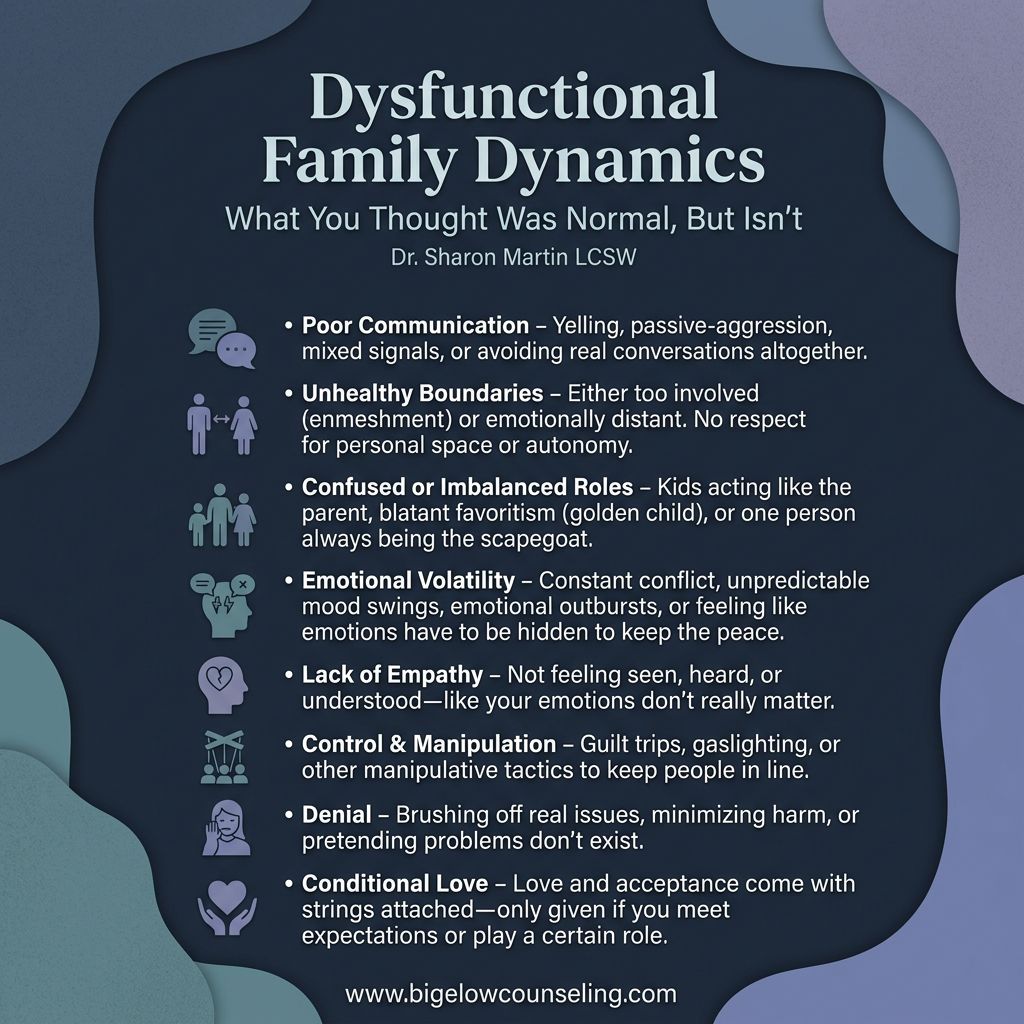
Stress can feel like just part of the daily grind, but when does it cross into burnout? Recognizing the signs of burnout matters, especially when chronic stress starts to drain energy and joy. This guide breaks down stress vs burnout, helping you spot the warning signals before things spiral. Take the first step toward relief with support from Bigelow Counseling, offering counseling in Palm Beach and online tailored to your needs. For more insights, check out this discussion about stress turning into burnout.
Recognizing Stress vs Burnout
Understanding the difference between stress and burnout is key to tackling them effectively. Stress often feels like an overload, but burnout can leave you feeling empty and unmotivated.
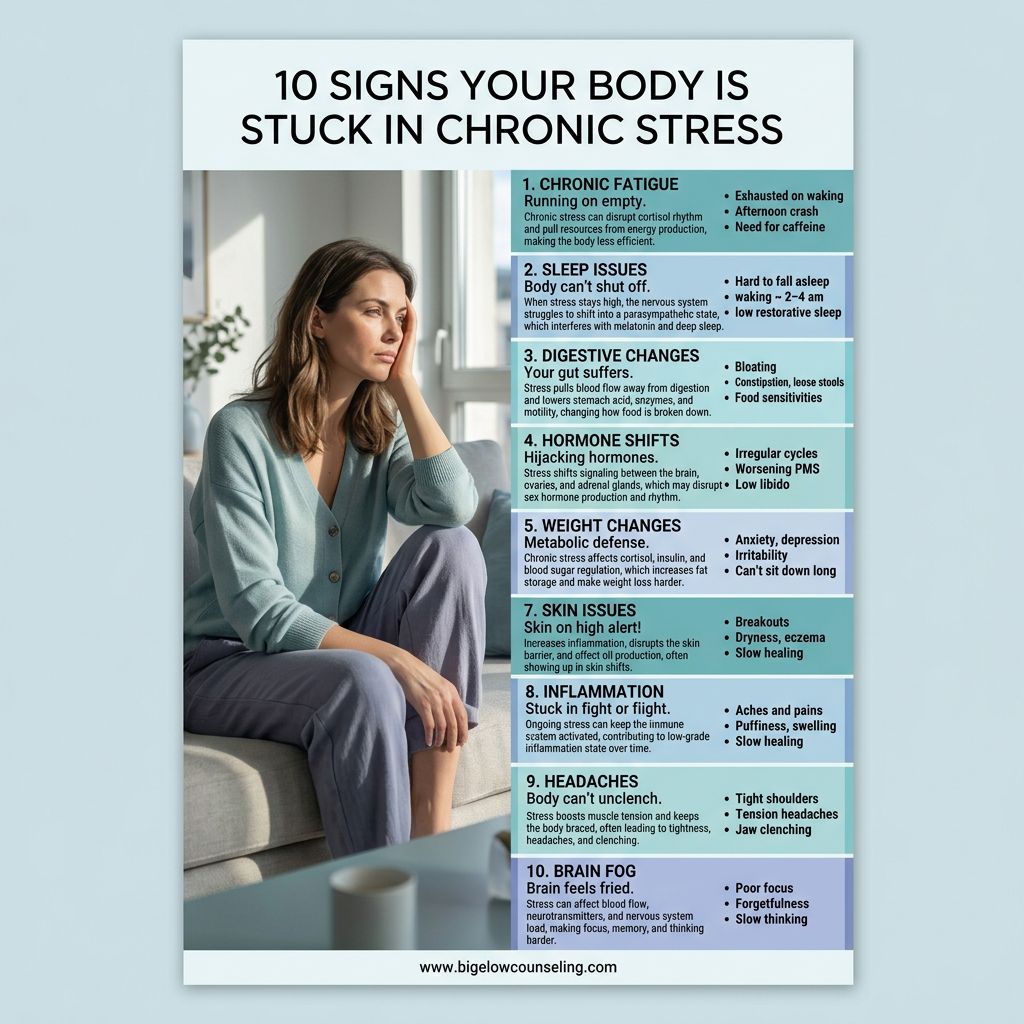
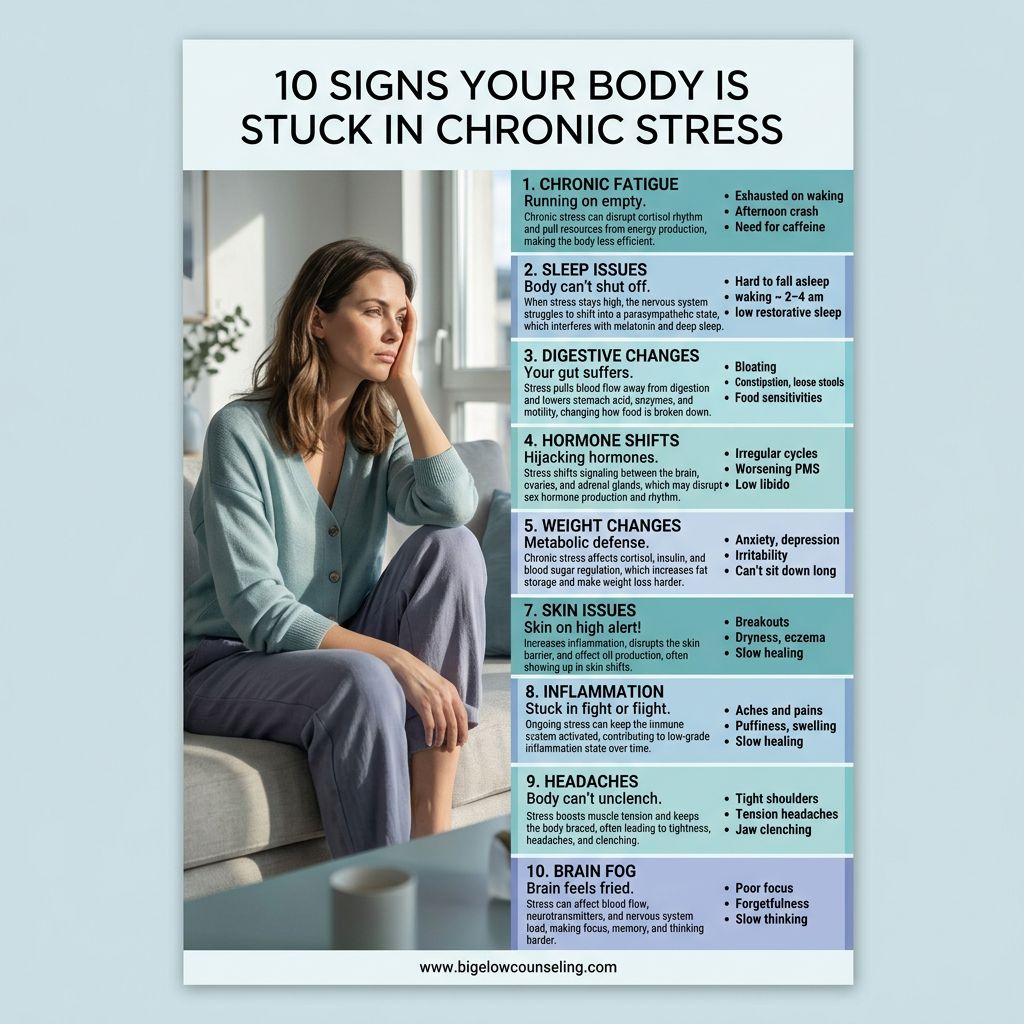
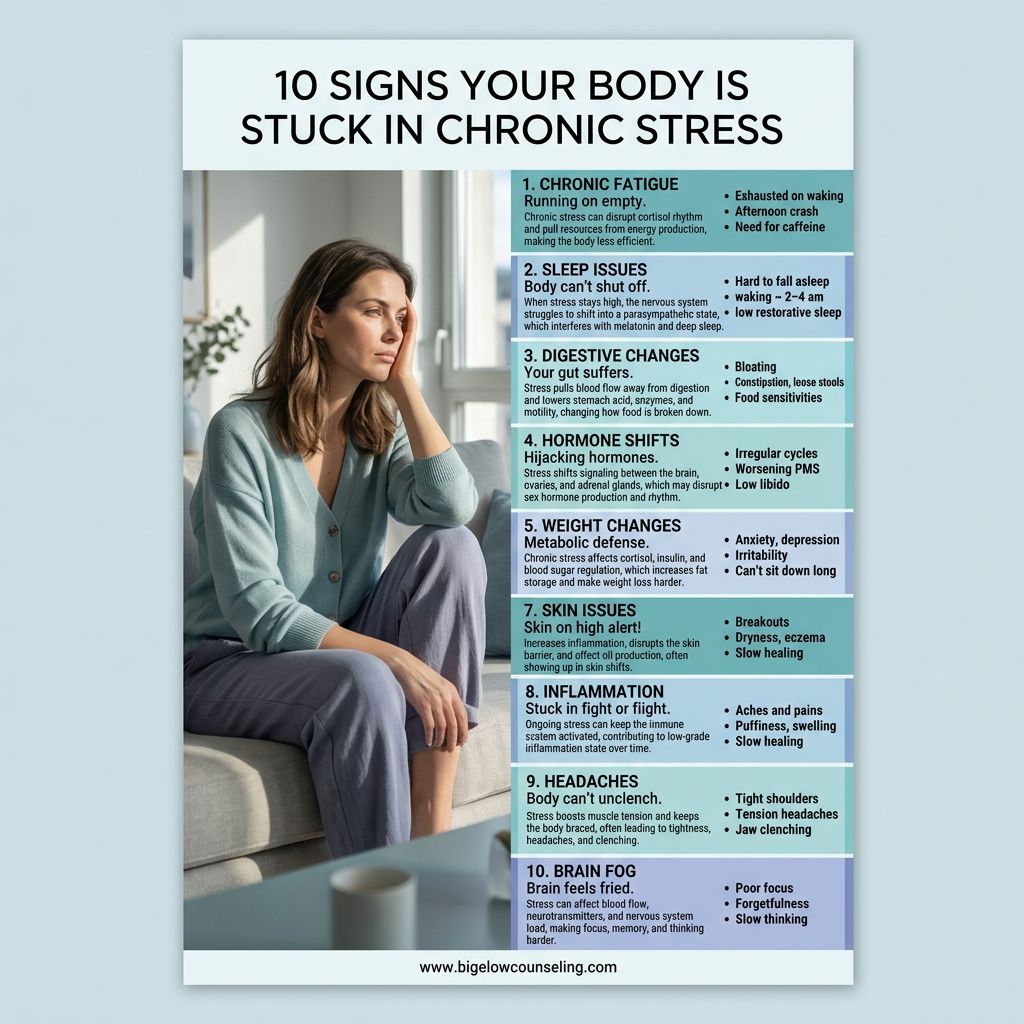
Identifying Chronic Stress Indicators
Chronic stress can sneak up on you. It might start with feeling overwhelmed by daily tasks. You may notice tightness in your muscles or a racing heart. Sleep might become elusive, and you could find yourself more irritable than usual. If you’re constantly worried about work or personal responsibilities, that’s another red flag. This ongoing stress can chip away at your energy and make it tough to concentrate.
You might also experience physical symptoms. These can include headaches or stomach problems. It’s important to catch these signs early. Chronic stress is a signal that your body needs a break. Ignoring it can lead to more serious issues like burnout. By acknowledging these indicators, you can begin taking steps to manage stress before it spirals out of control.
Common Burnout Symptoms
Burnout is more severe than stress. It often results from prolonged stress that hasn’t been addressed. One of the first signs can be a lack of motivation. Tasks that used to excite you may feel like a burden. You might start to feel detached from your work or life in general. This can lead to a sense of hopelessness or cynicism.
Physical symptoms can accompany these feelings. Exhaustion is common, even if you’re getting enough sleep. You might also experience frequent illness as your immune system weakens. With burnout, emotional exhaustion is a major sign. It can make you feel drained and unable to cope. Recognizing these symptoms early can prevent a deeper crisis.
Differences: Stress vs Burnout
Stress and burnout are related but distinct. Stress is about too much: too many pressures that demand too much of you physically and mentally. People under stress can still imagine that if they can just get everything under control, they’ll feel better. Burnout, on the other hand, is about not enough. Being burned out means feeling empty and mentally exhausted, devoid of motivation and beyond caring. People experiencing burnout often don’t see any hope of positive change in their situations.
When stress turns into burnout, it’s a signal that something must change. Burnout symptoms may linger longer and require more comprehensive solutions. Identifying whether you are dealing with stress or burnout helps in choosing the right steps to recovery.
Taking Steps Towards Burnout Recovery

Recovery from burnout involves more than just rest. It’s about changing the patterns that led to the burnout in the first place. Let’s explore some strategies.
Initial Relief Strategies
Starting with small changes can make a big impact. Begin by prioritizing self-care. Incorporate regular breaks into your routine. Spend time doing activities you enjoy, which can help rejuvenate your energy. Exercise is another powerful tool. It releases endorphins and improves mood. Even a short walk can be beneficial.
Another key is setting boundaries. Learn to say no to additional responsibilities that might overwhelm you. Seek out support from friends or family. Sharing how you feel can lighten the load. It’s also wise to reassess your goals. Focus on what truly matters, and let go of unnecessary pressures.
Importance of Professional Support
Professional support can offer guidance when you’re feeling lost. Therapists can help you explore underlying issues contributing to burnout. They provide a space to express feelings that might be hard to share elsewhere. Counseling in Palm Beach can offer strategies tailored to your needs.
A professional can help you develop coping strategies. They can also assist in creating a plan to manage stressors effectively. Knowing you’re not alone can be incredibly comforting. Professional help is a step toward regaining control and finding balance in your life.
Benefits of EMDR Therapy Palm Beach
EMDR Therapy is a powerful tool for those dealing with burnout, especially when it’s rooted in past trauma. It helps by processing these memories and reducing their emotional impact. This therapy can lead to healing and a sense of relief. In Palm Beach, EMDR Therapy is available to those who need it.
During EMDR sessions, therapists guide you through your memories while focusing on external stimuli. This can help integrate and process difficult experiences. Over time, it reduces their hold on your current life. EMDR Therapy can be a path to reclaiming your peace and strength.
Support and Resources Available

Finding the right support is crucial in overcoming burnout. Palm Beach offers a variety of resources to help you on this journey.
Counseling and Life Coaching Palm Beach
Counseling and life coaching can be transformative. They provide insights into patterns that contribute to stress and burnout. With a counselor, you can explore feelings and develop new coping mechanisms. Life coaching focuses on achieving personal goals and finding fulfillment. Bigelow Counseling offers these services, helping you navigate life’s challenges.
LGBTQ Affirming Therapy Options
It’s important to find a therapist who understands your unique experiences. LGBTQ affirming therapy creates a safe space for those in the community. It addresses specific concerns and fosters a sense of belonging. Palm Beach offers specialized support, ensuring everyone feels accepted and understood.
Online Therapy Florida for Flexibility
Online therapy provides flexibility for those with busy schedules or those who prefer remote sessions. It allows you to connect with a therapist from the comfort of your home. This option removes barriers like travel time or distance. If you’re in Florida, online therapy can be a convenient way to access professional support.
Frequently Asked Questions
What are the first signs of burnout?
Early signs of burnout include feeling exhausted, detached from your work, and a lack of motivation. You might also notice a decrease in performance and increased irritability.
Can stress lead to physical health problems?
Yes, chronic stress can lead to physical health issues such as headaches, digestive problems, and weakened immune function, making you more susceptible to illness.
How does EMDR Therapy help with burnout?
EMDR Therapy helps by processing traumatic memories that might contribute to burnout. It reduces the emotional impact of past experiences, leading to healing and relief.
Is online therapy effective?
Yes, online therapy is as effective as in-person sessions for many clients. It offers convenience and accessibility, making it a suitable option for those with busy lifestyles.
How can I differentiate between stress and burnout?
Stress is characterized by too many pressures, while burnout feels like not enough motivation and energy. Burnout often involves emotional exhaustion and a sense of hopelessness.