Tag: counseling Palm Beach

  • Stress or Burnout? 8 Clear Signs It’s Time to Reset

    Stress or Burnout? 8 Clear Signs It’s Time to Reset

    Stress feels like part of the daily grind, but when does it cross into burnout? Recognizing the difference can protect your energy and relationships before everything feels overwhelming. This guide breaks down clear signs of burnout and offers practical steps to reclaim balance. Ready to spot the shift from chronic stress to emotional exhaustion? Keep reading to find out when it’s time to reset and how Bigelow Counseling in Palm Beach can support your path forward.

    For more information, you can read about the signs of burnout.

    Stress vs Burnout: Key Differences

    Understanding the difference between everyday stress and burnout is crucial for maintaining a healthy balance in life. While stress can be a normal part of life, prolonged exposure can lead to burnout, which requires more intensive intervention. Let’s explore the distinctions.

    Understanding Everyday Stress

    Stress is a common response to life’s demands. It can actually be a good motivator, pushing you to meet deadlines or tackle challenges. You might feel your heart racing before a big presentation, but this feeling typically subsides once the task is complete. Stress is temporary, and with effective coping strategies, its impact can be minimized.

    However, chronic stress can wear you down over time. When stress becomes a constant companion, it may begin to affect your health, mood, and productivity. Recognizing how stress feels and managing it through techniques like exercise or meditation is key to preventing its escalation.

    Recognizing Workplace Burnout

    Burnout is more than just a bad day at work. It’s a state of emotional, physical, and mental exhaustion caused by prolonged and excessive stress. In the workplace, you might notice a lack of motivation, reduced performance, and a sense of dread about going to work. Burnout doesn’t fade with a weekend break; it requires more substantial changes.

    People experiencing burnout often feel detached or cynical towards their work. This condition is not just about working long hours but about feeling overwhelmed and undervalued. If your job is affecting your personal life and well-being, it may be time to take a closer look at your work environment and responsibilities.

    Emotional Exhaustion and Its Impact

    Emotional exhaustion is a core component of burnout. It’s when stress depletes your emotional resources, leaving you feeling drained and incapable of coping with daily demands. This exhaustion can lead to feelings of hopelessness and defeat.

    Physically, you might struggle with sleep issues or frequent illnesses. Emotionally, you may feel detached or numb, impacting relationships and social interactions. If these signs resonate with you, it might be time to consider professional help to reclaim energy and enthusiasm for life.

    Signs of Burnout: What to Watch For

    Being aware of the warning signs of burnout can help you intervene early. Burnout doesn’t happen overnight, and its symptoms can vary. Here’s what to keep an eye out for in terms of emotional and physical red flags.

    Emotional and Physical Red Flags

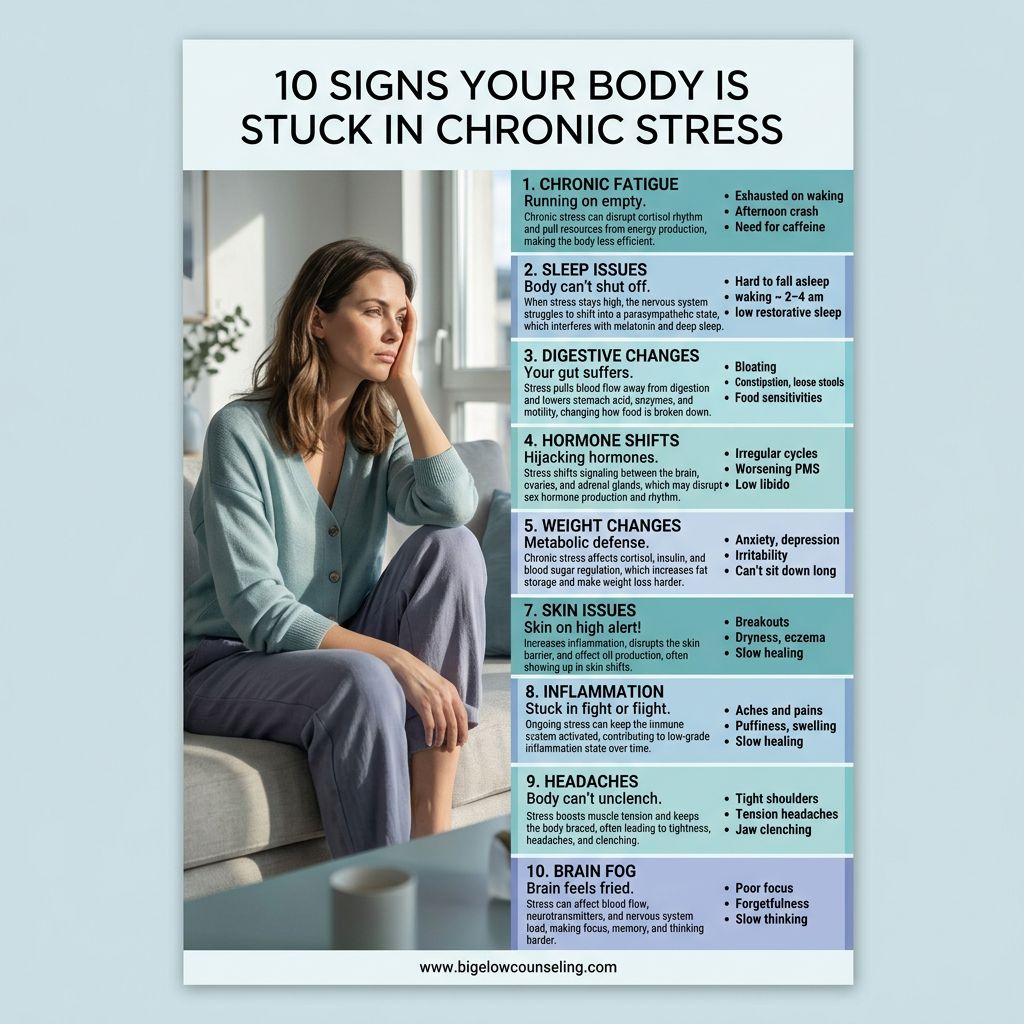
    Burnout often manifests as persistent fatigue, despite getting enough rest. You may also experience emotional symptoms such as irritability, sadness, or a sense of apathy. These feelings can be accompanied by physical symptoms like headaches, stomach issues, or changes in appetite.

    Chronic stress can lead to a weakened immune system, making you more susceptible to illnesses. If you’re frequently feeling low or unwell, it might be an indication that stress is turning into burnout. Recognizing these signs early can help you take steps to address them before they escalate.

    Behavioral Changes in Daily Life

    Behavioral shifts are common indicators of burnout. You might find yourself withdrawing from social activities or losing interest in hobbies you once enjoyed. Productivity at work or home may decline, and you might rely on unhealthy coping mechanisms like alcohol or junk food.

    These changes can also impact personal relationships, leading to misunderstandings or conflicts. If your daily routine is affected by these behaviors, it’s important to assess the underlying stressors and seek support to make positive changes.

    Anxiety and Depression Indicators

    Burnout can be closely linked to anxiety and depression. Persistent feelings of worry, fear, or sadness can be overwhelming. You might notice a constant sense of unease or find it difficult to concentrate or make decisions.

    If these symptoms are interfering with your daily life, it’s essential to seek professional help. Addressing burnout-related mental health issues early can prevent them from worsening and help you regain control and clarity.

    Recovery Steps and Support

    Once burnout is identified, taking steps towards recovery is crucial. It’s not just about removing stressors, but also about rebuilding your resilience and finding support.

    Resetting Your Nervous System

    Resetting your nervous system can help restore balance. Activities like yoga, deep breathing exercises, and mindfulness meditation are effective ways to calm your mind and body. These practices can help reduce stress levels and improve your overall well-being.

    Engaging in regular physical activity is another powerful stress reliever. Even a short walk can boost endorphins and improve your mood. Prioritize self-care to support your mental and physical health as you navigate recovery.

    Setting Boundaries and Finding Rest

    Establishing healthy boundaries is vital for preventing future burnout. Learn to say no to additional responsibilities that overwhelm you. Prioritize activities that bring joy and relaxation, and ensure you have downtime to recharge.

    Adequate rest is essential for recovery. Create a bedtime routine that promotes restful sleep and limits screen time before bed. Allow yourself time to unwind and reflect on positive experiences to foster a sense of calm.

    Seeking Therapy and Professional Help

    Professional support can be invaluable in recovering from burnout. Therapy provides a safe space to explore feelings and develop coping strategies. Bigelow Counseling offers LGBTQ affirming therapy and specialized trauma therapy tailored to your needs.

    Therapists can help you understand the root causes of burnout and work with you to develop a personalized recovery plan. Seeking help is a proactive step towards healing and empowerment.

    Frequently Asked Questions

    What is the main difference between stress and burnout?

    Stress is a temporary response to demands, while burnout is long-term exhaustion and detachment due to prolonged stress. Burnout requires deeper intervention and recovery.

    What are some common physical signs of burnout?

    Physical signs include persistent fatigue, headaches, and changes in appetite. Frequent illnesses may also indicate a weakened immune system due to chronic stress.

    How can therapy help with burnout?

    Therapy provides tools to manage stress and burnout. It helps identify underlying causes, develop coping strategies, and support mental health recovery.


    Home

  • When Trauma Still Runs the Day: How EMDR Therapy Helps You Reclaim Your Life

    When Trauma Still Runs the Day: How EMDR Therapy Helps You Reclaim Your Life

    Trauma can sneak into your daily life in ways you might not expect—flashbacks at work, sudden triggers, or that constant knot of anxiety. When these moments keep showing up, they can make it hard to feel like yourself. EMDR therapy offers a gentle, proven way to reprocess those memories so they lose their hold. Keep reading to find out how EMDR Palm Beach clients are reclaiming calm and control, and how you can take the first step toward healing from trauma today.

    Understanding Trauma’s Impact

    Trauma impacts not just your mind but your entire daily life. It can alter how you feel, think, and even interact with the world. The effects of trauma often remain hidden, manifesting in unexpected ways. But understanding these signs is the first step toward healing.

    Daily Life with Unprocessed Trauma

    Unprocessed trauma can seep into your daily routine. You might find yourself reacting strongly to minor stressors or struggling to concentrate at work. These responses aren’t just in your head; they’re rooted in past experiences that haven’t been fully dealt with. You may feel like you’re on edge, constantly waiting for something bad to happen. This can be exhausting, leaving you drained and disconnected from the present moment.

    Many people think they have to just push through these feelings, but doing so without support can make the symptoms worse over time. Instead, acknowledging these experiences and seeking help can open the door to healing. Recognizing that these behaviors are linked to past trauma can help you find healthier ways to cope.

    Recognizing Flashbacks and Triggers

    Flashbacks and triggers are common indicators of unprocessed trauma. A flashback can make you feel as if you’re reliving the traumatic event, while a trigger is a reminder that sets off a strong emotional response. These can be tied to sights, sounds, or even smells that remind you of the past.

    Being aware of what triggers these responses is crucial. If you notice certain situations causing overwhelming reactions, it might be time to consider professional support. Understanding your triggers allows you to prepare and manage your reactions more effectively. With the right help, you can learn to reduce the power these triggers have over your life.

    Anxiety and Trauma Responses

    Anxiety is often intertwined with trauma. It can manifest as constant worry, restlessness, or even physical symptoms like a racing heart. These anxiety responses are the body’s way of staying alert to potential threats, a survival mechanism gone into overdrive.

    Unfortunately, this heightened state can disrupt everyday life, making tasks seem insurmountable and keeping you from feeling truly relaxed. Therapy can help by providing strategies to calm the mind and body, ultimately reducing anxiety and its grip on your life. Remember, you don’t have to navigate this alone.

    How EMDR Therapy Works

    EMDR therapy can be a transformative experience, offering a path to process trauma in a safe environment. By engaging both brain and body, it helps you reframe traumatic memories, reducing their emotional charge.

    Eye Movement Desensitization and Reprocessing

    EMDR stands for Eye Movement Desensitization and Reprocessing, a method designed to assist your brain in processing trauma. During sessions, you focus on distressing memories while following a therapist’s hand movements with your eyes. This dual attention allows the brain to process and store these memories differently. Research shows that EMDR can significantly reduce symptoms of PTSD and anxiety.

    The process might seem unusual, yet it’s grounded in neurological principles that help untangle the hold trauma has on you. Many find relief after just a few sessions, as memories lose their intensity and become less triggering.

    What to Expect in Sessions

    Your first EMDR session will involve discussing your history and current concerns with your therapist. This helps create a roadmap for your healing journey. As sessions progress, you’ll focus on specific memories while engaging in guided eye movements or other forms of bilateral stimulation.

    This approach is generally short-term, with many clients seeing improvements in as few as six to twelve sessions. Each session is crafted to ensure you feel safe and supported throughout the process. You are in control, with the therapist guiding you gently toward healing.

    EMDR for PTSD and Anxiety

    EMDR is widely recognized as an effective treatment for PTSD and anxiety. It helps by altering how traumatic memories are stored in the brain. Those with PTSD often experience intense flashbacks and anxiety, but EMDR can reduce these symptoms significantly.

    According to the American Psychological Association, EMDR therapy is a recommended treatment for PTSD. It offers a structured approach that targets the root of the trauma rather than just managing symptoms. This means lasting change, not just temporary relief.

    Healing with Bigelow Counseling

    At Bigelow Counseling, we understand the journey to healing is personal and unique. Our commitment is to provide a supportive environment where you can explore your experiences and move toward a more fulfilling life.

    Trauma Counseling Florida Options

    In Florida, trauma counseling is available to help address the lasting effects of trauma in a compassionate setting. Our team is dedicated to supporting you through this process, using methods like EMDR to facilitate transformation. Whether in-person in Palm Beach or through online EMDR across Florida, our services are accessible and tailored to your needs.

    LGBTQ+ Affirming Therapy in Palm Beach

    We are proud to offer LGBTQ+ affirming therapy, creating a safe and inclusive space for all. Our therapists are trained to understand and support the unique challenges faced by LGBTQ+ individuals. By providing specialized care, we ensure that everyone feels seen, heard, and respected.

    Scheduling Your EMDR Consultation

    Taking the first step toward healing is often the hardest. At Bigelow Counseling, we make the process simple. Start by reaching out to schedule your EMDR consultation. Our team is here to walk alongside you from the very beginning, offering guidance and support every step of the way.

    Frequently Asked Questions

    What is EMDR therapy used for?

    EMDR therapy is primarily used to treat PTSD, anxiety, and other trauma-related symptoms. It helps reprocess traumatic memories, reducing their emotional impact.

    How long does EMDR therapy take?

    The duration of EMDR therapy varies, but many clients experience improvement in 6 to 12 sessions. Each session is focused on your individual needs and pace.

    Is EMDR therapy effective for anxiety?

    Yes, EMDR therapy can be effective for anxiety by addressing the underlying trauma that contributes to anxious feelings. It helps by processing memories differently, reducing their emotional charge.

    Can EMDR be done online?

    Yes, EMDR can be conducted online. At Bigelow Counseling, we offer virtual sessions to ensure accessibility and convenience for all clients in Florida.

    What makes therapy LGBTQ+ affirming?

    LGBTQ+ affirming therapy acknowledges and respects the unique experiences of LGBTQ+ individuals. It provides a safe, supportive environment where clients can explore their identities and challenges without fear of judgment.

  • Stress vs. Burnout: How to Spot the Shift—and What to Do Next

    Stress vs. Burnout: How to Spot the Shift—and What to Do Next

    Stress can feel like part of everyday life, but when it lingers and deepens, it may be burnout knocking on your door. Knowing the signs of burnout helps you catch the shift before it takes over your energy and joy. In this post, you’ll learn how to spot the difference between stress vs burnout and what practical steps you can take next. Ready for support? Contact Bigelow Counseling to book a session or a no-pressure consultation—online or in person in Palm Beach.

    Understanding Stress vs. Burnout

    Feeling overwhelmed by daily tasks is common, but it’s crucial to distinguish between regular stress and burnout. Each has different causes and effects on your well-being.

    Common Stressors and Their Impact

    Daily stressors can come from work deadlines, family responsibilities, or financial worries. They often cause temporary worry or frustration. When these pressures stack up, they can lead to anxiety or trouble sleeping. Although stress can be intense, it typically subsides once the situation resolves. For instance, preparing for a big presentation might keep you up at night, but relief follows once it’s over.

    Yet, when stress becomes relentless, it might signal a deeper problem. Stress leads to burnout when it feels constant and unsolvable. Unlike short-term stress, burnout doesn’t fade with a night’s rest or a weekend break. Understanding these stressors can help you manage them better and prevent burnout from creeping in.

    Identifying Burnout Symptoms

    Burnout goes beyond feeling tired; it’s a state of emotional, physical, and mental exhaustion. It can result from prolonged stress, especially from work. People experiencing burnout often feel detached and cynical. They might question their abilities or lose interest in tasks they once enjoyed. These feelings can lead to decreased productivity and a sense of hopelessness.

    If you’re noticing these signs, it’s essential to address them. Ignoring burnout symptoms can impact your health and relationships. Recognizing burnout is the first step toward reclaiming your energy and enthusiasm. By identifying these signs early, you can take measures to restore balance in your life.

    Recognizing the Shift to Burnout

    As stress transitions to burnout, the changes can be subtle yet significant. Knowing what to watch for helps you intervene early.

    Early Warning Signs of Burnout

    Burnout doesn’t happen overnight. It starts with small changes, like feeling drained or resentful. You might also notice a drop in performance or a lack of motivation. If work tasks feel pointless or overwhelming, these could be early signs. Other indicators include neglecting self-care or feeling trapped in a situation.

    Catching these signs early can prevent burnout from taking a more severe toll. Most people think they need to push through these feelings, but acknowledging them is key. Listening to your body and mind can guide you toward healthier habits and prevent escalation.

    The Role of Chronic Stress

    Chronic stress is a significant contributor to burnout. When stressors never seem to end, they wear down your resilience. This constant pressure can affect both mental and physical health. Unlike acute stress, which is brief, chronic stress feels inescapable. It can lead to burnout by intensifying feelings of fatigue and frustration.

    Managing chronic stress involves identifying persistent stressors and finding ways to cope. It’s not just about reducing stress but also building resilience. Learning to prioritize and setting boundaries can make a big difference in how stress impacts your life.

    Next Steps for Burnout Relief

    If you’re facing burnout, there are actionable steps you can take to find relief and regain control.

    Practical Coping Strategies

    Addressing burnout starts with practical changes. Begin by setting realistic goals and breaking tasks into manageable steps. This approach can reduce feelings of overwhelm. Creating a balanced schedule that includes downtime is also crucial. Practicing mindfulness or engaging in hobbies can help calm your mind and rejuvenate your spirit.

    Additionally, physical activity can be a powerful stress reliever. Even a short walk can boost your mood and energy levels. Remember, small changes can lead to significant improvements. By incorporating these strategies, you can gradually restore balance and reduce burnout’s grip on your life.

    Seeking Professional Support in Palm Beach

    Sometimes, self-help isn’t enough, and seeking professional support becomes necessary. A therapist can provide guidance and coping strategies tailored to your needs. If you’re in Palm Beach, consider connecting with Bigelow Counseling. The team offers a safe space for discussing your challenges and finding solutions. Whether through individual therapy or coaching, professional support can be invaluable in your recovery journey.

    Investing in your mental health is a step toward a brighter future. The longer you wait, the harder it can be to overcome burnout. Reach out for help and take the first step in your healing journey.

    Frequently Asked Questions

    What are the main differences between stress and burnout?

    Stress is typically short-term and often linked to a specific situation. Burnout is more severe, resulting from prolonged stress, leading to exhaustion and a loss of motivation.

    How can I tell if I’m experiencing burnout?

    Signs of burnout include feeling fatigued, cynical, and detached. A drop in productivity and interest in activities you once enjoyed are also common indicators.

    What are some effective burnout recovery strategies?

    Effective strategies include setting realistic goals, practicing mindfulness, and ensuring a balanced schedule. Seeking professional help can also provide personalized support and guidance.

    How does chronic stress lead to burnout?

    Chronic stress wears down your resilience over time. When stressors feel unending, they contribute to physical and mental exhaustion, eventually leading to burnout.

    Where can I find professional burnout support in Palm Beach?

    Bigelow Counseling, based in Palm Beach, offers therapy and coaching tailored to individuals experiencing burnout. They provide a supportive environment to help you navigate your challenges.

    Home