Tag: EMDR therapy Palm Beach

  • Stress vs. Burnout: 8 Signs It’s Time to Pause and Get Support

    Stress vs. Burnout: 8 Signs It’s Time to Pause and Get Support

    Stress can feel like just part of your daily grind until it sneaks past a line you didn’t see coming. When chronic stress shifts into burnout, the signs aren’t always obvious—but they can take a serious toll on your mind and body. Knowing the difference between stress vs burnout can protect your well-being and help you take the right steps before exhaustion takes over. Ready to spot the signs and find support? Let’s explore what burnout looks like and how Bigelow Counseling can guide your next move. For more information, you can also check out this resource on burnout.

    Recognizing Stress vs. Burnout

    Feeling overwhelmed? You’re not alone. Many people struggle to tell the difference between stress and burnout. Understanding this difference is key to maintaining your well-being and preventing further mental and physical strain.

    Key Signs of Burnout

    Burnout often creeps up without warning. It’s more than feeling tired after a busy week. Look out for signs like chronic fatigue, detachment from work, and decreased productivity. You might also experience sleep issues or a lack of motivation. It’s important to pay attention to these indicators. Most people think burnout just means being tired, but it’s more about how persistent and pervasive these feelings are.

    Understanding Emotional Exhaustion

    Emotional exhaustion is a major component of burnout. It’s when stress drains you mentally, making even simple tasks feel monumental. You might feel trapped or helpless, and it’s hard to see a way out. This exhaustion often leads to feelings of cynicism or detachment. People typically think they can push through, but ignoring emotional exhaustion can worsen the situation.

    Workplace Burnout Indicators

    Workplace burnout is common, especially in high-pressure environments. Watch for signs like irritability, reduced performance, or feelings of inadequacy. You might dread going to work, feel disconnected from colleagues, or notice a decline in creativity. Burnout is not just about working long hours; it’s about how the work environment affects your mental health.

    Steps to Recovery

    Recognizing burnout is the first step. Now let’s talk about recovery. You can take actionable steps to heal and regain your energy.

    Practical Burnout Prevention Tips

    Prevention is key. Start by setting realistic goals and prioritizing tasks. Take regular breaks throughout your day to recharge. Simple changes like these can make a big difference. Incorporate activities you enjoy into your routine, and don’t forget the importance of sleep and nutrition. When you proactively manage stress, you’re less likely to fall into burnout.

    Effective Boundaries and Self-Care

    Setting boundaries is crucial. Learn to say no and protect your time. Self-care isn’t selfish; it’s necessary. Engage in activities that rejuvenate you, whether that’s reading, walking, or meditation. Remember, taking care of yourself allows you to be more present and effective in other areas of your life.

    Healing from Trauma

    If trauma contributes to your burnout, seek specialized support. Healing from trauma is possible, and therapies like EMDR can be highly effective. It’s important to process traumatic experiences in a safe environment. You’re not alone—help is available. Bigelow Counseling offers EMDR therapy, which can be a great step in healing.

    Support and Resources

    Recovery from burnout is more successful with support. Explore resources that can aid your journey.

    Benefits of Executive Coaching

    Executive coaching can help you navigate work-related challenges. It provides guidance on improving leadership skills, managing stress, and achieving career goals. This support can lead to increased job satisfaction and performance. If you’re facing burnout at work, consider the benefits of professional coaching.

    Finding an LGBTQ+ Affirming Therapist

    It’s vital to have a therapist who understands your unique needs. An affirming therapist creates a safe space, free of judgment, where you can explore your concerns. This support is especially important for LGBTQ+ individuals facing stress or burnout. For those in Florida, finding an LGBTQ+ affirming therapist can make all the difference.

    Accessing Online Therapy in Florida

    Online therapy offers flexibility and convenience. It’s a great option if you’re balancing a busy schedule or if in-person sessions aren’t feasible. You can access professional support from the comfort of your home. Explore how online therapy in Florida can fit into your life and support your recovery journey.

    Reaching out for support is a strength, not a weakness. You deserve to feel better and live a fulfilling life. Remember, the longer you wait, the more challenging recovery can become. Take the first step today and explore the resources available to you.

  • What to Expect in Trauma Therapy—and How EMDR Supports Healing

    What to Expect in Trauma Therapy—and How EMDR Supports Healing

    Trauma therapy can feel overwhelming before you even start. You might wonder what the process involves or if EMDR therapy in Palm Beach really helps with PTSD and anxiety. Let’s clear up those worries and walk through what to expect in trauma therapy, showing how eye movement desensitization and reprocessing supports real healing. Ready to learn how trauma-informed counseling can make a difference?

    Understanding Trauma Therapy

    Before diving into the specifics of trauma therapy, it’s important to know what happens in these sessions and how they help. This section will guide you through the basics of what to expect, reducing any fears or uncertainties you might have.

    What to Expect in Sessions

    When you first arrive for trauma therapy, the atmosphere is welcoming and calm. Your therapist is there to listen and support you as you share your experiences. Sessions are tailored to your needs, ensuring you feel safe and understood.

    During each meeting, you might discuss past events, explore emotions, or practice coping strategies. The therapist helps you uncover patterns and find ways to manage stress. 75% of people report feeling better after a few sessions, which is promising. It’s a step-by-step journey toward healing, with the therapist guiding you at your own pace.

    Trauma therapy isn’t about reliving painful memories. Instead, it’s about understanding them. This approach allows you to process emotions without feeling overwhelmed. Knowing what to expect can make the process less intimidating, so you’re more likely to engage fully.

    Reducing Fear and Stigma

    Many people hesitate to start therapy due to fear or stigma. They worry about being judged or misunderstood. It’s crucial to remember that therapists are trained to provide a non-judgmental space. Your feelings are valid, and seeking help is brave.

    You might think you’re the only one dealing with such challenges, but most people find relief in knowing they’re not alone. Talking about trauma doesn’t make you weak; it shows strength. 60% of individuals find that sharing their story is both freeing and empowering.

    Tackling the stigma surrounding therapy is essential. The more we talk openly, the easier it becomes to ask for help. With increased awareness, therapy becomes a tool for growth rather than something to fear.

    EMDR: A Path to Healing

    Trauma therapy often includes a method called EMDR. This technique is especially successful for those with PTSD or anxiety. Let’s explore how this approach aids in healing and why it’s effective for many people.

    How EMDR Works

    EMDR stands for Eye Movement Desensitization and Reprocessing. It sounds complex, but it’s quite straightforward. During EMDR, you focus on a troubling memory while moving your eyes in a specific pattern. This process helps your brain reprocess the memory, reducing its emotional impact.

    Therapists guide you through each step, ensuring you feel comfortable. Over time, the memory’s power fades, making it easier to cope with. Studies show that 80% of people feel significant improvement after just a few sessions. You might wonder if it’s right for you, but many find it to be a gentle yet effective way to heal.

    This technique is backed by extensive research. Experts at Cleveland Clinic and PTSD specialists recognize its benefits, making it a trusted option for trauma recovery.

    EMDR for PTSD

    PTSD can feel like a heavy burden. It affects daily life, causing stress and anxiety. EMDR offers a way to lighten this load. By addressing the root of the trauma, it helps reduce symptoms and improve well-being.

    Imagine living without constant fear or anxiety. That’s the goal of EMDR. It’s not a quick fix but a path to lasting change. Over time, you may notice a decrease in nightmares, flashbacks, and heightened emotions.

    Most people think trauma is a life sentence, but EMDR challenges this belief. Research from Texas Tech University shows that with consistent therapy, many can regain control of their lives. It’s about reclaiming your story and finding peace.

    Taking the Next Step

    Now that you understand more about trauma therapy and EMDR, it’s time to consider your next move. Whether you’re ready to book a consultation or seek LGBTQ+ affirming care, knowing your options is empowering.

    Booking Your Consultation

    Taking that first step toward healing can feel daunting. Yet, reaching out for help is a powerful decision. Many clients find that scheduling a consultation is the beginning of a transformative journey.

    In Palm Beach, Bigelow Counseling offers personalized sessions both in-person and online across Florida. This flexibility ensures you receive the support you need, no matter your location. You don’t have to face this alone. 70% of clients find comfort in knowing their therapist is just a call away.

    Consider what you need from therapy. Is it support with anxiety? Guidance through trauma recovery steps? Whatever your reason, booking a consultation is your first step toward healing from trauma.

    LGBTQ+ Affirming Care

    Finding a therapist who understands your unique needs is vital, especially for the LGBTQ+ community. At Bigelow Counseling, we provide a safe and inclusive environment where you can be your true self.

    Our therapists specialize in LGBTQ+ affirming therapy, ensuring your experiences are validated and respected. This support helps foster a sense of belonging and acceptance in your healing process.

    Most people think therapy is one-size-fits-all, but it shouldn’t be. Your identity matters, and having a counselor who acknowledges this can make all the difference. The longer you wait, the more distant peace may feel, so consider reaching out today.

    In conclusion, trauma therapy, particularly EMDR, offers a path to reclaiming your life. By taking the first step, you’re choosing a future where healing from trauma is possible. Remember, you’re not alone on this journey, and compassionate support is available whenever you’re ready.

  • Signs You’re Emotionally Overloaded – and What to Do Next

    Signs You’re Emotionally Overloaded – and What to Do Next

    Feeling overwhelmed isn’t just a momentary glitch—it can signal emotional overload taking hold. When stress piles up, it’s easy to miss the signs until burnout symptoms start to affect your daily life. In this post, you’ll learn how to recognize these signs of emotional overload and what practical steps can help you regain balance, including setting boundaries and seeking support through stress management therapy. If this resonates, you don’t have to carry it alone. Connect with Bigelow Counseling for in-person sessions in Palm Beach or secure online sessions for eligible Florida clients. Book an appointment or contact us to get started.

    Recognizing Emotional Overload

    Understanding the signs of emotional overload is the first step toward regaining your balance. It’s crucial to spot these signals early to prevent them from taking over your life.

    Physical and Emotional Signs

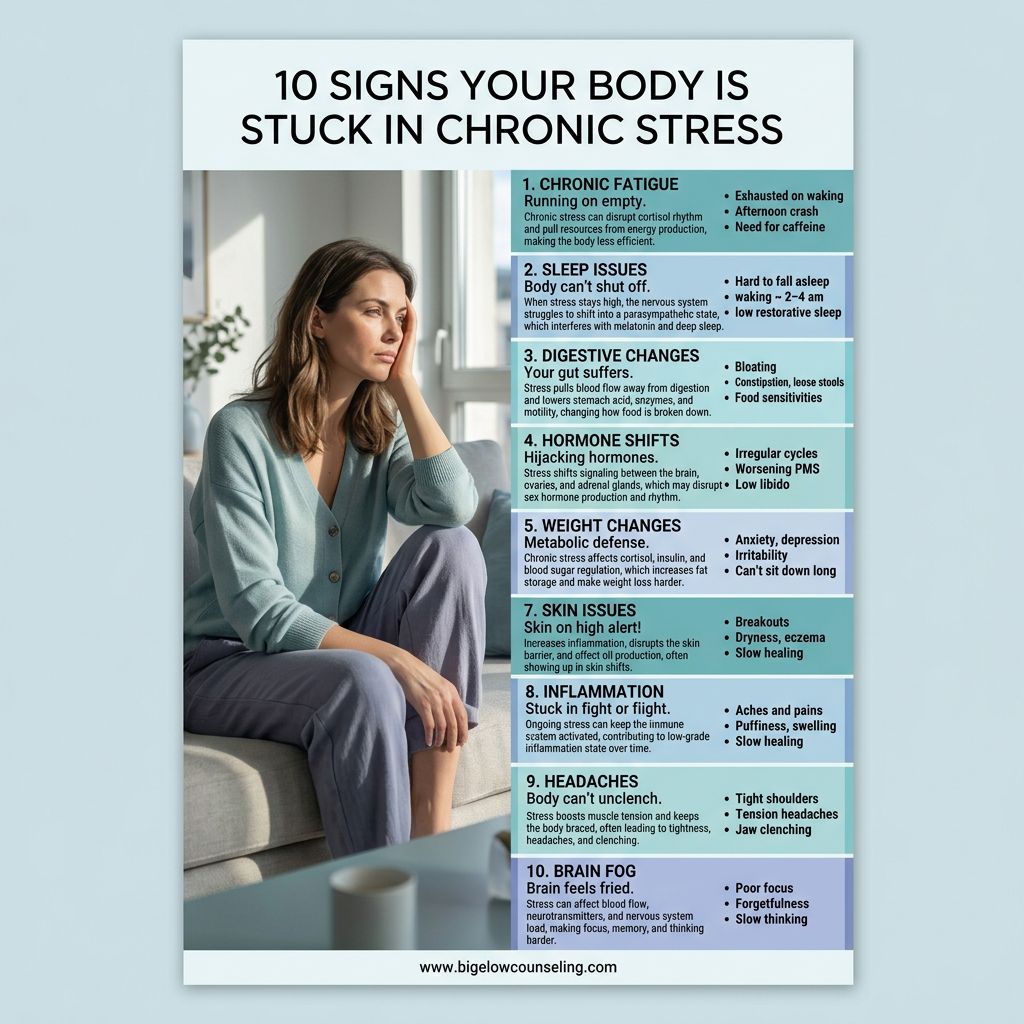
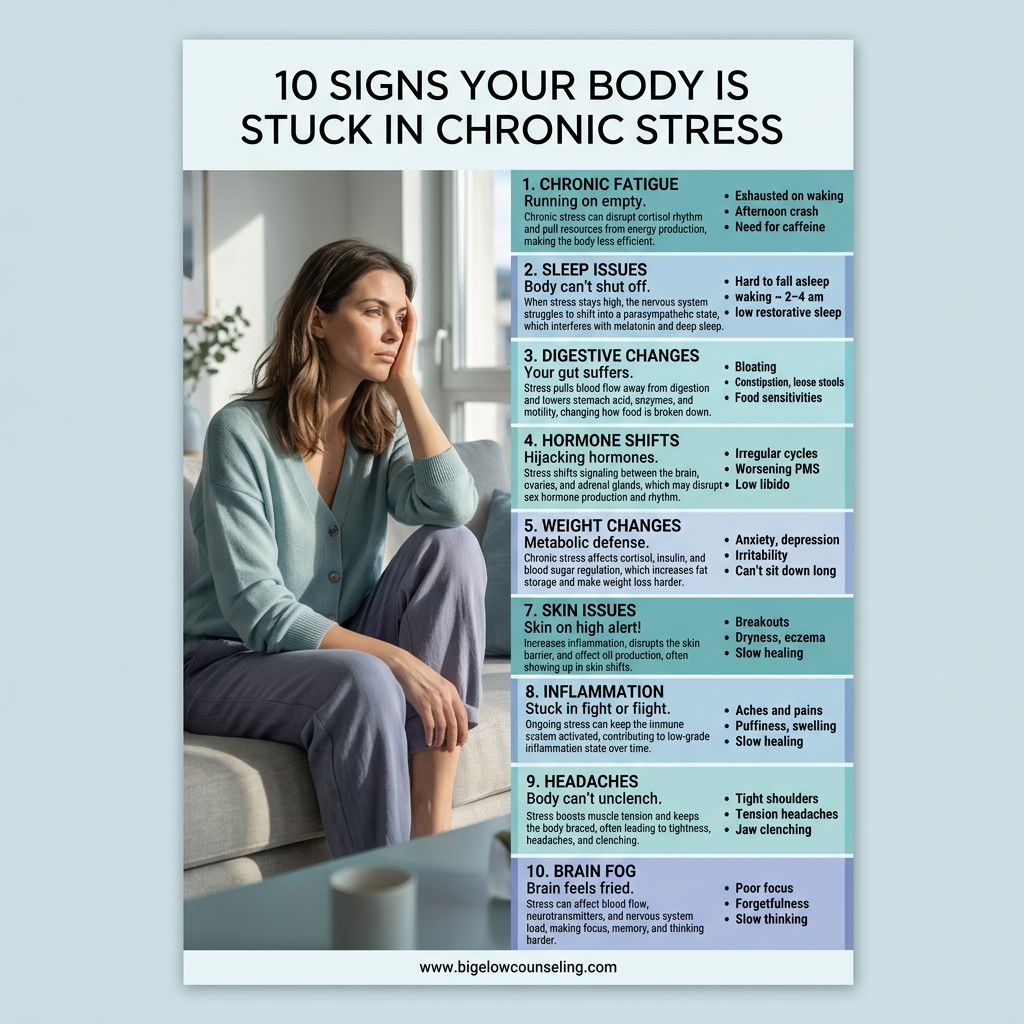
    Your body often sends signals when something isn’t right. You might notice headaches, fatigue, or even stomach issues. These physical symptoms can be a way your body says it’s stressed. On the emotional side, feeling anxious or constantly irritable might become common. You may also find yourself easily frustrated by things that usually wouldn’t bother you. These feelings can build up and affect how you see the world around you.

    Most people think feeling overwhelmed is just about emotions, but it can manifest physically too. You might find your heart racing or sweating excessively even when you’re not exerting yourself. Sleep disturbances are another clue; either you can’t fall asleep, or you wake up too early. Being aware of these signs can help you recognize when you need to take action.

    Impact on Daily Life

    Emotional overload doesn’t just stay in your head—it spills into your everyday life. It might affect your work, relationships, or even the simplest tasks. You may find it hard to focus or keep up with responsibilities. This lack of focus can lead to mistakes, making you feel even more stressed. It becomes a cycle that’s hard to break.

    When stress seeps into your personal life, relationships suffer. You might snap at loved ones without meaning to, or withdraw from social activities. This can create tension, leading to misunderstandings or arguments. If you’re feeling overwhelmed, it’s essential to address these issues before they create lasting damage.

    Practical Steps for Relief

    Once you recognize emotional overload, it’s time to take action. Simple changes can make a big difference in how you feel and function each day.

    Self-Care and Grounding Techniques

    Start by making self-care a priority. This doesn’t have to be complicated. Simple acts like taking a bath, reading, or meditating can help you relax. These moments offer a break from stress and allow your mind to recharge. Grounding techniques, like deep breathing or spending time in nature, can also help calm your mind.

    Here’s a key insight: self-care isn’t selfish—it’s necessary. When you take time for yourself, you’re better equipped to handle stress. Try setting aside at least 10 minutes daily for activities that bring you joy. Remember, small steps can lead to big changes in your mental well-being.

    Establishing Boundaries

    Another vital step is learning how to set boundaries. This means saying no when you need to and not overcommitting yourself. It might feel uncomfortable at first, but boundaries protect your time and energy. They help prevent stress from piling up.

    Think about areas where you feel stretched thin. Are there tasks you can delegate or postpone? Practice clear communication with those around you. Let them know your limits. By doing this, you give yourself the space to breathe and focus on what truly matters.

    Seeking Professional Help

    Sometimes, the best way to manage emotional overload is with support from a professional. They can offer guidance tailored to your needs and help you find clarity.

    When to Consider Counseling

    If you feel stuck or unable to cope, it might be time to seek counseling. A therapist can provide tools to manage stress and explore deeper issues causing emotional overload. Bigelow Counseling offers a safe space for you to share and heal. Many people find that talking to someone who understands makes a world of difference.

    Don’t wait until things get worse. The longer you wait, the more challenging it might become to find relief. Early intervention can prevent more severe outcomes and pave the way for healing.

    EMDR and LGBTQ+ Affirming Therapy

    Specialized therapies like EMDR are available at Bigelow Counseling to help those dealing with past trauma. This approach is particularly effective for those who have experienced significant trauma and need a way to process these experiences safely. It’s a powerful tool for overcoming barriers.

    For the LGBTQ+ community, finding a therapist who understands and affirms your experience is invaluable. Our practice offers LGBTQ+ affirming care, ensuring you feel seen and supported. Being in an environment where you’re accepted can enhance your healing journey.

    Embracing these steps can lead to a healthier and more balanced life. Remember, you’re not alone, and support is always available. Consider reaching out to Bigelow Counseling to explore how therapy might benefit you.