Tag: EMDR therapy Palm Beach

  • When the Past Shows Up Today: How Trauma Shapes Reactions and Relationships

    When the Past Shows Up Today: How Trauma Shapes Reactions and Relationships

    Trauma often shows up in ways that feel confusing or overwhelming, shaping how you react and connect with others. These unseen forces can create patterns in relationships that leave you feeling stuck or misunderstood. Understanding trauma and relationships opens the door to healing, with EMDR therapy Palm Beach and trauma counseling Palm Beach offering real paths forward. Ready to feel safer in body and relationships? Book a free 15-minute consultation with Bigelow Counseling today. For more insights, check out how traumas create negative patterns in relationships here.

    How Trauma Shapes Our Reactions

    Understanding how trauma affects us is crucial to healing. It can deeply influence our interactions, often without us realizing it.

    Recognizing Trauma Triggers

    Trauma triggers are like invisible buttons that set off strong reactions. These reactions can feel overwhelming. For instance, a particular smell or sound might suddenly bring back memories of a past event. This is because our brains store memories in ways that can surprise us later. Research shows that these triggers can affect our mood and behavior. Understanding what sets you off is the first step toward managing these reactions.

    Being aware of your triggers allows you to prepare for them. This preparation can take many forms. You might practice deep breathing or plan to remove yourself from a triggering situation. Whatever the approach, knowing what affects you helps in regaining control.

    The Impact on Communication

    Trauma can alter how you communicate. It might make you more defensive or overly cautious. This change happens because trauma affects the part of the brain that handles emotions and reactions. In conversations, you might find yourself shutting down or feeling misunderstood. These reactions are common and often linked to past experiences.

    Improving communication starts with recognizing these patterns. Acknowledging these changes can help you express yourself more clearly. Sharing your feelings with others allows them to understand your perspective. Over time, this can lead to more fulfilling interactions.

    Navigating Attachment Wounds

    Attachment wounds are emotional injuries from past relationships. They can show up as fear of abandonment or difficulty trusting others. These wounds stem from early experiences, often in childhood. When ignored, they can lead to recurring relationship issues.

    Healing attachment wounds involves understanding their origins. Reflecting on past relationships can offer insights into current behaviors. This reflection helps you identify patterns and make conscious efforts to change them. Over time, you can build stronger, more secure connections.

    Healing Through EMDR and Counseling
    Healing from trauma is possible. EMDR and counseling offer effective ways to process and move past difficult experiences.

    Understanding EMDR Therapy Palm Beach

    EMDR, or Eye Movement Desensitization and Reprocessing, is a therapy specifically for trauma. It helps your brain reprocess traumatic memories so they lose their grip on your emotions. In Palm Beach, EMDR therapy offers a structured way to address these issues. Sessions involve guided eye movements that help your brain work through stuck memories.

    Many find EMDR to be a powerful tool. It doesn’t require you to talk extensively about the trauma, which can be relieving. Instead, it focuses on processing the memory in a new way. This approach can lead to significant reductions in symptoms like anxiety and depression.

    Trauma Counseling in Florida

    Trauma counseling is another path to healing. It provides a safe space to explore your experiences. In Florida, counselors use various techniques, including talk therapy and cognitive behavioral approaches. These methods help you understand how trauma affects your daily life.

    Counselors work with you to develop coping strategies. These strategies include mindfulness practices and other grounding techniques. Over time, these tools can make a noticeable difference in how you handle stress. Finding the right counselor in Florida can set you on a path toward recovery.

    LGBTQ+ Affirming Therapy

    For the LGBTQ+ community, affirming therapy is crucial. It provides a supportive environment where you can explore your identity without judgment. Many in the LGBTQ+ community face unique challenges, including discrimination and family rejection. These experiences add layers to existing traumas.

    Affirming therapy offers a space to discuss these issues openly. Therapists in Palm Beach specialize in providing support tailored to your needs. This approach validates your experiences and helps you cope with external pressures. Over time, it can foster a greater sense of self-acceptance and resilience.

    Rebuilding Trust and Communication
    Rebuilding trust and improving communication are key to healthy relationships. These elements are often affected by past traumas but can be restored with effort and time.

    Boundaries and Trauma

    Setting boundaries is essential when dealing with trauma. Boundaries create a sense of safety and control. They allow you to protect yourself from situations that might be harmful or triggering. Trauma often makes it difficult to establish or maintain these limits.

    Learning to set boundaries involves recognizing your needs. It requires clear communication and the willingness to assert yourself. Over time, this practice can improve your relationships and overall well-being. It also empowers you to take charge of your interactions.

    Trust Rebuilding Strategies

    Trust is fragile, especially when trauma is involved. Rebuilding it takes time and patience. It often starts with small steps, like being consistent in your actions and words. This consistency helps others see your commitment to change.

    Another strategy involves open communication. Sharing your feelings and listening to others fosters mutual understanding. Trust grows when both parties feel heard and respected. Over time, these efforts can repair damaged relationships.

    Couples Counseling Palm Beach 🌈

    Couples counseling offers a way to address relationship issues head-on. In Palm Beach, couples counseling focuses on improving communication and resolving conflicts. It provides a neutral space where both partners can express their concerns.

    Counselors guide you through exercises that enhance empathy and understanding. These sessions often lead to breakthroughs in how you relate to each other. For LGBTQ+ couples, specialized counseling acknowledges and addresses unique challenges. This approach ensures that all aspects of your relationship are considered.

    Frequently Asked Questions

    What are trauma triggers?
    Trauma triggers are stimuli that evoke strong reactions due to past traumatic experiences. They can be sights, sounds, or smells that remind you of the trauma. Recognizing triggers helps in managing your responses.

    How effective is EMDR therapy for trauma?
    EMDR therapy is highly effective for many individuals. It helps reprocess traumatic memories, reducing their emotional impact. This therapy can significantly decrease symptoms like anxiety and depression.

    Why is affirming therapy important for the LGBTQ+ community?
    Affirming therapy provides a supportive space for LGBTQ+ individuals. It addresses unique challenges like discrimination and identity exploration. This therapy fosters acceptance and resilience, promoting overall mental well-being.

  • Stress or Burnout? 8 Clear Signs It’s Time to Reset

    Stress or Burnout? 8 Clear Signs It’s Time to Reset

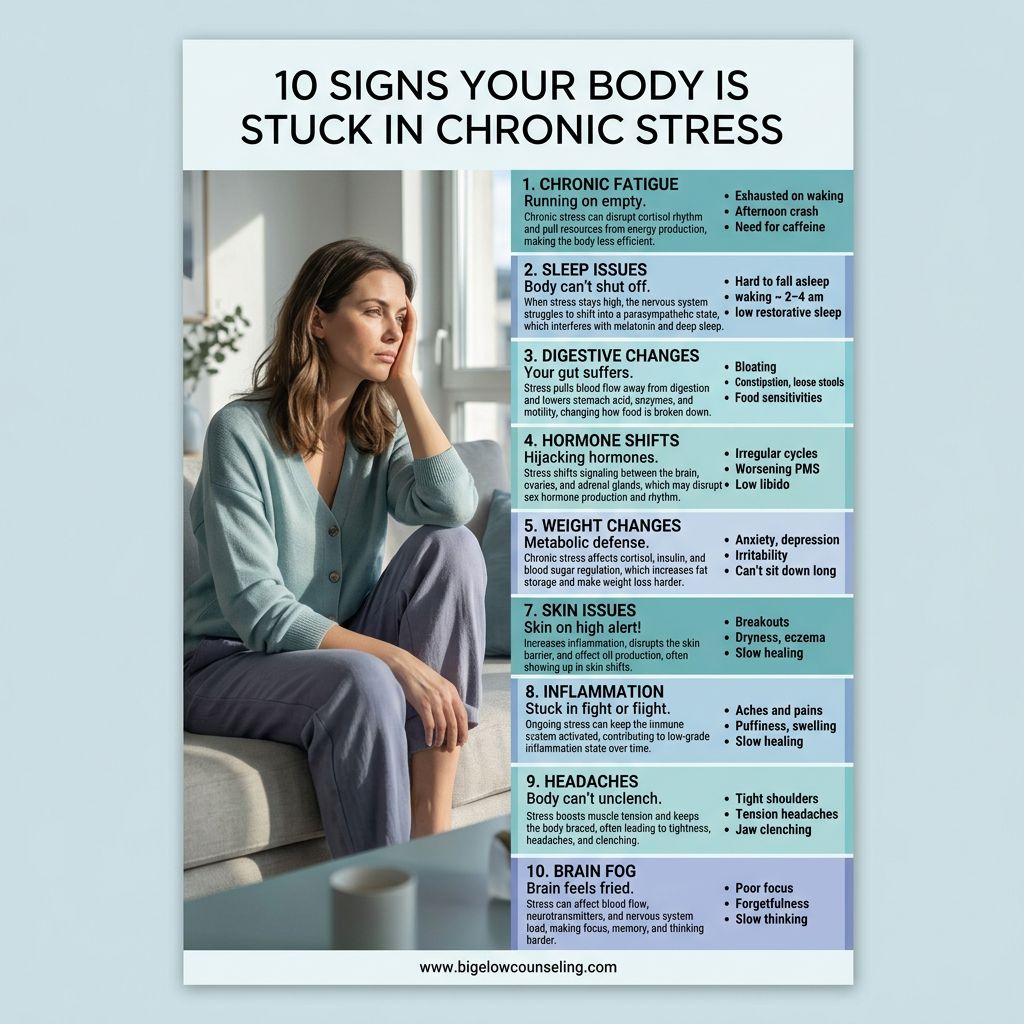
    Stress feels like part of the daily grind, but when does it cross into burnout? Recognizing the difference can protect your energy and relationships before everything feels overwhelming. This guide breaks down clear signs of burnout and offers practical steps to reclaim balance. Ready to spot the shift from chronic stress to emotional exhaustion? Keep reading to find out when it’s time to reset and how Bigelow Counseling in Palm Beach can support your path forward.

    For more information, you can read about the signs of burnout.

    Stress vs Burnout: Key Differences

    Understanding the difference between everyday stress and burnout is crucial for maintaining a healthy balance in life. While stress can be a normal part of life, prolonged exposure can lead to burnout, which requires more intensive intervention. Let’s explore the distinctions.

    Understanding Everyday Stress

    Stress is a common response to life’s demands. It can actually be a good motivator, pushing you to meet deadlines or tackle challenges. You might feel your heart racing before a big presentation, but this feeling typically subsides once the task is complete. Stress is temporary, and with effective coping strategies, its impact can be minimized.

    However, chronic stress can wear you down over time. When stress becomes a constant companion, it may begin to affect your health, mood, and productivity. Recognizing how stress feels and managing it through techniques like exercise or meditation is key to preventing its escalation.

    Recognizing Workplace Burnout

    Burnout is more than just a bad day at work. It’s a state of emotional, physical, and mental exhaustion caused by prolonged and excessive stress. In the workplace, you might notice a lack of motivation, reduced performance, and a sense of dread about going to work. Burnout doesn’t fade with a weekend break; it requires more substantial changes.

    People experiencing burnout often feel detached or cynical towards their work. This condition is not just about working long hours but about feeling overwhelmed and undervalued. If your job is affecting your personal life and well-being, it may be time to take a closer look at your work environment and responsibilities.

    Emotional Exhaustion and Its Impact

    Emotional exhaustion is a core component of burnout. It’s when stress depletes your emotional resources, leaving you feeling drained and incapable of coping with daily demands. This exhaustion can lead to feelings of hopelessness and defeat.

    Physically, you might struggle with sleep issues or frequent illnesses. Emotionally, you may feel detached or numb, impacting relationships and social interactions. If these signs resonate with you, it might be time to consider professional help to reclaim energy and enthusiasm for life.

    Signs of Burnout: What to Watch For

    Being aware of the warning signs of burnout can help you intervene early. Burnout doesn’t happen overnight, and its symptoms can vary. Here’s what to keep an eye out for in terms of emotional and physical red flags.

    Emotional and Physical Red Flags

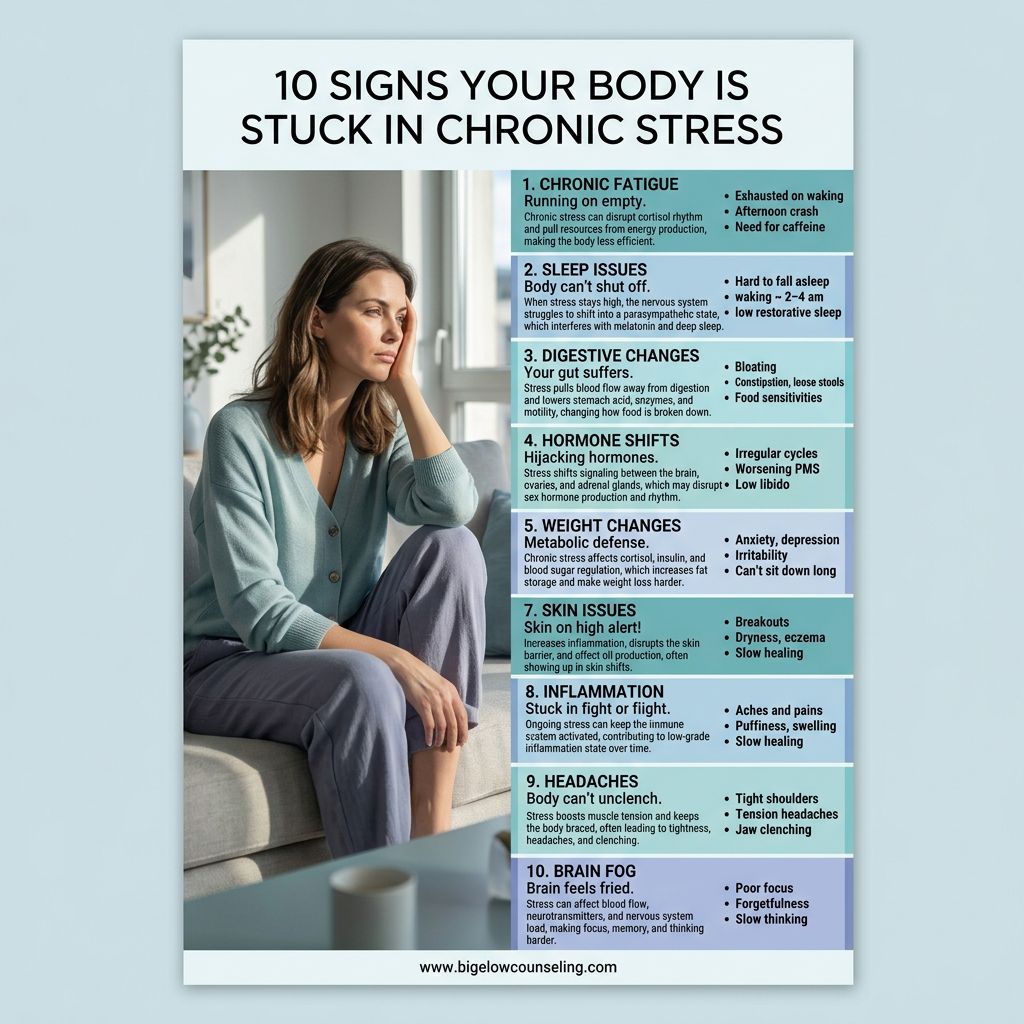
    Burnout often manifests as persistent fatigue, despite getting enough rest. You may also experience emotional symptoms such as irritability, sadness, or a sense of apathy. These feelings can be accompanied by physical symptoms like headaches, stomach issues, or changes in appetite.

    Chronic stress can lead to a weakened immune system, making you more susceptible to illnesses. If you’re frequently feeling low or unwell, it might be an indication that stress is turning into burnout. Recognizing these signs early can help you take steps to address them before they escalate.

    Behavioral Changes in Daily Life

    Behavioral shifts are common indicators of burnout. You might find yourself withdrawing from social activities or losing interest in hobbies you once enjoyed. Productivity at work or home may decline, and you might rely on unhealthy coping mechanisms like alcohol or junk food.

    These changes can also impact personal relationships, leading to misunderstandings or conflicts. If your daily routine is affected by these behaviors, it’s important to assess the underlying stressors and seek support to make positive changes.

    Anxiety and Depression Indicators

    Burnout can be closely linked to anxiety and depression. Persistent feelings of worry, fear, or sadness can be overwhelming. You might notice a constant sense of unease or find it difficult to concentrate or make decisions.

    If these symptoms are interfering with your daily life, it’s essential to seek professional help. Addressing burnout-related mental health issues early can prevent them from worsening and help you regain control and clarity.

    Recovery Steps and Support

    Once burnout is identified, taking steps towards recovery is crucial. It’s not just about removing stressors, but also about rebuilding your resilience and finding support.

    Resetting Your Nervous System

    Resetting your nervous system can help restore balance. Activities like yoga, deep breathing exercises, and mindfulness meditation are effective ways to calm your mind and body. These practices can help reduce stress levels and improve your overall well-being.

    Engaging in regular physical activity is another powerful stress reliever. Even a short walk can boost endorphins and improve your mood. Prioritize self-care to support your mental and physical health as you navigate recovery.

    Setting Boundaries and Finding Rest

    Establishing healthy boundaries is vital for preventing future burnout. Learn to say no to additional responsibilities that overwhelm you. Prioritize activities that bring joy and relaxation, and ensure you have downtime to recharge.

    Adequate rest is essential for recovery. Create a bedtime routine that promotes restful sleep and limits screen time before bed. Allow yourself time to unwind and reflect on positive experiences to foster a sense of calm.

    Seeking Therapy and Professional Help

    Professional support can be invaluable in recovering from burnout. Therapy provides a safe space to explore feelings and develop coping strategies. Bigelow Counseling offers LGBTQ affirming therapy and specialized trauma therapy tailored to your needs.

    Therapists can help you understand the root causes of burnout and work with you to develop a personalized recovery plan. Seeking help is a proactive step towards healing and empowerment.

    Frequently Asked Questions

    What is the main difference between stress and burnout?

    Stress is a temporary response to demands, while burnout is long-term exhaustion and detachment due to prolonged stress. Burnout requires deeper intervention and recovery.

    What are some common physical signs of burnout?

    Physical signs include persistent fatigue, headaches, and changes in appetite. Frequent illnesses may also indicate a weakened immune system due to chronic stress.

    How can therapy help with burnout?

    Therapy provides tools to manage stress and burnout. It helps identify underlying causes, develop coping strategies, and support mental health recovery.

    Home

  • When the Past Shows Up Now: How Trauma Shapes Reactions—and Why Therapy Matters

    When the Past Shows Up Now: How Trauma Shapes Reactions—and Why Therapy Matters

    Trauma doesn’t just stay in the past. It often shows up unexpectedly, shaping how your mind and body react right now. These trauma triggers can spark fight, flight, freeze, or fawn responses, making everyday moments feel overwhelming. Understanding how trauma influences your reactions opens the door to healing through trauma-informed therapy and EMDR therapy in Palm Beach. Ready to feel calmer and more in control? Schedule an introductory consultation with Bigelow Counseling to explore support tailored for you.

    Understanding Trauma’s Impact

    Trauma can profoundly shape how you navigate the world. Exploring how past experiences influence present behaviors is the first step toward healing.

    Trauma Triggers and Responses

    Trauma triggers are reminders of past events that can lead to emotional and physical reactions. These triggers might be sounds, smells, or even specific places. When triggered, your body reacts as if the traumatic event is happening again. This can lead to feelings of anxiety or distress. Understanding these responses helps you manage them better.

    Emotional Flashbacks Explained

    Emotional flashbacks are sudden, intense emotional reactions. They often occur without any clear reason, leaving you feeling overwhelmed. These reactions are tied to past trauma, resurfacing uninvited. By recognizing them, you can take control and reduce their impact. Learning grounding techniques is crucial in navigating these moments.

    Fight, Flight, Freeze, Fawn Reactions

    The fight, flight, freeze, and fawn responses are survival mechanisms. When faced with perceived danger, these reactions activate. Fight means confrontation, flight involves escape, freeze results in immobility, and fawn leads to pleasing behaviors. Recognizing which response you default to can aid in managing stress and improving emotional regulation.

    Healing Through Therapy

    Therapy provides a path to understanding and mitigating trauma’s impact. By seeking professional support, you’re taking a significant step toward a healthier life.

    Trauma-Informed Therapy Benefits

    Trauma-informed therapy acknowledges the impact of trauma on your life. It prioritizes safety and empowerment. This approach helps you process traumatic events without feeling overwhelmed. By focusing on your strengths, it provides tools to navigate daily challenges. It’s a collaborative journey toward healing.

    EMDR Therapy in Palm Beach

    EMDR therapy is a structured approach to processing trauma. It helps reframe traumatic memories, reducing their power over you. In Palm Beach, skilled therapists guide you through this process. By focusing on specific memories, EMDR can help diminish the emotional intensity associated with them. This therapy is effective for many seeking relief from trauma’s grip.

    PTSD and Anxiety Treatment Florida

    In Florida, treating PTSD and anxiety involves personalized approaches. Therapies are tailored to meet individual needs, addressing specific symptoms. This targeted care ensures that treatment aligns with your unique experiences. By engaging in therapy, you’re investing in your mental health, paving the way for lasting peace.

    Finding Support with Bigelow Counseling

    Finding the right support is crucial. At Bigelow Counseling, you discover personalized care designed to meet diverse needs.

    LGBTQ Affirming and Inclusive Care

    Bigelow Counseling offers a safe space for everyone. Specializing in LGBTQ affirming therapy, it provides a supportive environment for all identities. Here, your experiences are validated, and your identity is respected. This inclusive care approach ensures comfort and understanding, fostering a sense of belonging.

    Couples and Executive Coaching Services

    Relationships and careers can present challenges. Couples counseling helps strengthen and restore connections, while executive coaching aids in overcoming professional hurdles. These services offer practical solutions and strategies for growth. By addressing these areas, you enhance both personal and professional aspects of life.

    Telehealth and In-Person Options

    Accessibility is key at Bigelow Counseling. With both telehealth and in-person options, therapy fits seamlessly into your life. Whether you prefer the comfort of home or face-to-face interaction, flexible options are available. This ensures you receive the support you need, when and where you need it.

    Frequently Asked Questions

    What are trauma triggers?

    Trauma triggers are reminders of past traumatic events that can cause emotional or physical reactions. These triggers can be sensory, such as sounds or smells, and may lead to feelings of anxiety or distress.

    How does EMDR therapy work?

    EMDR therapy involves processing traumatic memories to reduce their emotional impact. It uses structured techniques to help reframe these memories, making them less distressing and more manageable over time.

    What is the fight, flight, freeze, fawn response?

    These responses are survival mechanisms activated by perceived danger. They include fighting (confrontation), fleeing (escape), freezing (immobility), and fawning (pleasing behaviors). Understanding your default response helps in emotional regulation.

    Is Bigelow Counseling LGBTQ affirming?

    Yes, Bigelow Counseling provides affirming and inclusive care for the LGBTQ community, ensuring a supportive environment where all identities are respected.

    Can I access therapy remotely?

    Yes, Bigelow Counseling offers telehealth options, allowing you to access therapy from the comfort of your home, ensuring flexibility and convenience in receiving support.

    Home

  • Counseling vs. Coaching: Find the Right Support for Your Goals

    Counseling vs. Coaching: Find the Right Support for Your Goals

    Choosing between counseling and coaching can feel confusing when life throws challenges your way. Whether dealing with anxiety, relationship struggles, or career hurdles, knowing which support fits your goals matters. This guide breaks down counseling vs coaching to help figure out the right path—and how Bigelow Counseling in Palm Beach can walk alongside you. Ready for clarity? Book a 15-minute consult to map the best next step for your healing or growth.

    Understanding Counseling vs. Coaching

    Deciding whether counseling or coaching is right for you starts with understanding their unique roles. Both offer valuable support, yet they serve different needs. Let’s explore how each can aid personal transformation.

    Key Differences Between Counseling and Coaching

    Counseling focuses on healing past wounds. Therapists help you navigate emotional pain, trauma, and mental health challenges. They provide a safe space to explore feelings and behaviors. This process can lead to profound personal insight and healing.

    Coaching, on the other hand, drives forward action. Coaches collaborate with you to set and achieve personal or professional goals. They focus on the present and future, helping you overcome barriers to success. By asking powerful questions, they guide you in finding solutions and reaching your potential.

    How to Choose Counseling or Coaching

    Choosing between counseling and coaching depends on your needs. If emotional healing and mental well-being are priorities, counseling is likely the best fit. Therapists can help you manage anxiety, depression, or past traumas.

    If you’re seeking growth in your career or personal life, coaching could be more suitable. Coaches offer strategies to overcome plateaus and achieve goals. They empower you to move forward with confidence and clarity.

    Benefits of Each Approach

    Counseling offers deep emotional support. Therapists provide tools to manage mental health and resolve past issues. This process can lead to lasting change and a better understanding of yourself.

    Coaching offers motivational support. Coaches help you identify goals and create actionable plans. This process can lead to greater self-awareness and achievement in various life areas.

    Matching Support to Your Goals

    Once you understand the differences, it’s easier to match the right support to your goals. Whether dealing with anxiety or seeking career growth, there’s a path forward.

    Anxiety and Depression Relief Options

    When anxiety or depression feels overwhelming, counseling can provide relief. Therapists offer coping strategies to manage symptoms and improve well-being. Through regular sessions, you can explore underlying causes and work towards a healthier mindset.

    If you’re in Palm Beach, consider Bigelow Counseling for anxiety counseling. Their experienced therapists offer a compassionate space for healing and growth.

    Trauma Healing and EMDR Therapy Palm Beach

    Trauma can leave lasting impacts on your life. EMDR therapy offers a way to process and heal from traumatic experiences. This specialized technique helps reduce the emotional distress linked to past events.

    Bigelow Counseling provides EMDR therapy in Palm Beach. Their skilled therapists support trauma survivors through this effective healing method. It’s a step towards reclaiming your life and moving forward.

    Professional Growth and Executive Coaching Palm Beach

    Feeling stuck in your career? Executive coaching can help. Coaches provide guidance to overcome work challenges and achieve professional goals. They offer insights and strategies to navigate workplace dynamics and career transitions.

    Consider Bigelow Counseling for executive coaching in Palm Beach. Their coaches help professionals unlock potential and drive success in their careers.

    Book Your Path to Clarity

    Ready to take the next step? Finding the right support can be life-changing. Whether through counseling or coaching, clarity and growth are possible.

    Ready for Change? Consult Bigelow Counseling

    Bigelow Counseling is a trusted partner in your journey. Their team of experienced professionals offers personalized support for your needs. From counseling to coaching, they provide a range of services designed to help you thrive.

    Explore LGBTQ Affirming Therapy Palm Beach

    Bigelow Counseling is a supportive space for the LGBTQ+ community. Their therapists offer affirming care that respects and understands diverse identities. It’s a safe environment to explore personal challenges and find healing.

    Couples Counseling and Relationship Repair

    Relationships can face challenges, but couples counseling offers a way to rebuild. Therapists work with partners to improve communication and resolve conflicts. This support can strengthen bonds and foster lasting connection.

    Frequently Asked Questions

    What are the main differences between counseling and coaching?

    Counseling focuses on healing emotional wounds and managing mental health, while coaching centers on achieving personal or professional goals. Counselors help process past experiences, and coaches guide forward action.

    How do I know if I need counseling or coaching?

    Consider your current needs. If emotional healing or mental health support is necessary, counseling might be best. If you’re seeking goal achievement or overcoming a professional plateau, coaching could be more suitable.

    What is EMDR therapy, and how can it help with trauma?

    EMDR therapy is a technique used to process and heal from traumatic experiences. It helps reduce the emotional distress associated with past events, aiding in trauma recovery and improving overall well-being.

    Can coaching help with professional growth?

    Yes, coaching can significantly aid professional growth. Coaches provide strategies to overcome workplace challenges, set goals, and achieve career advancement. It’s a collaborative process focused on empowering success.

    Is Bigelow Counseling LGBTQ+ friendly?

    Absolutely, Bigelow Counseling is committed to providing a supportive and affirming environment for the LGBTQ+ community. Their therapists are trained to understand and respect diverse identities, offering compassionate care.

  • How to Choose an LGBTQ+-Affirming Therapist in Palm Beach: A Step‑by‑Step Guide

    How to Choose an LGBTQ+-Affirming Therapist in Palm Beach: A Step‑by‑Step Guide

    Finding an LGBTQ affirming therapist in Palm Beach shouldn’t feel like searching for a needle in a haystack. Many face the challenge of sorting through options without knowing which therapists truly offer a safe, supportive space. This guide breaks down key steps to spot a trauma-informed, queer-affirming professional who meets your needs. Ready to feel understood and supported? Keep reading to learn how Bigelow Counseling can help with in-person or online sessions tailored just for you.

    Identifying an LGBTQ+-Affirming Therapist

    Finding the right therapist means knowing what qualities to look for. Understanding affirming therapy, the importance of trauma-informed care, and recognizing inclusive practices can guide you.

    Understanding Affirming Therapy

    Affirming therapy means the therapist acknowledges and supports your identity. They provide a space where you feel accepted. Look for signs that the therapist has experience with LGBTQ+ clients. They should use inclusive language on their website and during sessions. An affirming therapist will respect pronouns and listen to your experiences without judgment. This approach helps build a strong foundation for your therapeutic journey.

    Importance of Trauma-Informed Care

    Trauma-informed care is crucial for healing. It prioritizes safety and understanding. Therapists trained in this approach recognize how trauma impacts mental health. They focus on creating a safe environment where you can explore your feelings. This type of care helps you feel secure and offers strategies for managing traumatic memories. It’s essential for anyone, especially those in the LGBTQ+ community, to find a therapist who understands trauma.

    Recognizing Inclusive Practices

    Inclusive practices ensure therapy is welcoming to everyone. Look for therapists who advertise their services as LGBTQ+ friendly. They should participate in ongoing training about diverse identities and issues. Therapists who are part of professional LGBTQ+ networks or have visible support symbols in their office show commitment to inclusivity. These practices create a space where you can fully express yourself.

    Finding the Right Match in Palm Beach

    Now, let’s explore how to find the perfect fit in Palm Beach. Asking the right questions and recognizing red flags can make your search easier.

    Questions to Ask a Therapist

    When meeting a potential therapist, ask questions that matter to you. Inquire about their experience with LGBTQ+ clients. Ask how they handle confidentiality and create a safe space. It’s also important to know how they incorporate trauma-informed care into their practice. These questions help you gauge whether they can meet your needs.

    Red Flags to Watch For

    Be alert to signs that a therapist may not be the right fit. If they dismiss your identity or seem uninterested in LGBTQ+ issues, consider this a warning. A lack of focus on trauma-informed care is also concerning. Trust your instincts. If something feels off, it’s okay to continue your search for someone who better suits your needs.

    Exploring Therapy Options

    Palm Beach offers various therapy options, from individual sessions to group therapy. Consider what format might work best for you. Group therapy can provide community support, while individual sessions offer personalized attention. Online therapy is also available, offering flexibility and comfort. Each option has unique advantages, so think about what feels right for you.

    Building Trust with Your Therapist

    Establishing trust is key to a successful therapy experience. Creating a safe space and understanding the benefits of both online and in-person sessions can enhance your journey.

    Establishing a Safe Space

    A safe space in therapy means feeling free to express yourself fully. Your therapist should actively work to make this happen. They should listen without judgment and encourage open communication. When you feel safe, you can explore deeper issues and make meaningful progress.

    Benefits of Online and In-Person Sessions

    Both online and in-person sessions have their benefits. In-person sessions allow for direct interaction and a change of environment. Online sessions offer convenience and the comfort of your own space. Consider your lifestyle and what makes you feel most at ease. Both options can be effective, so choose what suits you best.

    Scheduling Your First Consultation

    Ready to take the next step? Scheduling a consultation is simple. This first meeting is a chance to see if the therapist is a good match. Discuss your goals and any concerns you have. Remember, the goal is to find someone who supports your journey. Your path to healing starts with this important step.

    Frequently Asked Questions

    How do I know if a therapist is LGBTQ-affirming?
    Look for therapists who mention LGBTQ+ support in their profiles. They should use inclusive language and have experience in LGBTQ+ issues. Be sure to ask about their approach during an initial consultation.

    What is trauma-informed care and why is it important?
    Trauma-informed care focuses on creating a safe and supportive environment. It recognizes the impact of trauma on mental health and helps clients feel secure. This approach is vital for effective healing and progress in therapy.

    Should I choose online or in-person therapy sessions?
    It depends on your needs and preferences. In-person sessions offer direct interaction, while online sessions provide flexibility. Consider what makes you feel most comfortable and what fits best into your lifestyle.

  • When Words Stop, Love Does Not: Couples Counseling for Communication Breakdowns and Emotional Distance

    When Words Stop, Love Does Not: Couples Counseling for Communication Breakdowns and Emotional Distance

    Communication breakdown in relationships can feel like hitting a wall where words just stop. That silence often hides deeper emotional distance, leaving you wondering how to reconnect with your partner. At Bigelow Counseling, we help couples in Palm Beach and across Florida rebuild trust, safety, and real connection using proven approaches like Gottman Method couples therapy and Emotionally Focused Therapy. Ready to feel close again? Let’s explore how counseling can open the door to healing and stronger bonds.

    Understanding Communication Breakdowns

    Communication struggles can leave partners feeling isolated. It’s essential to understand why these breakdowns occur and how they affect relationships.

    Why Communication Breakdowns Happen

    Ever felt like your conversations go in circles? It might be because of stress or unspoken expectations. When daily pressures mount, even small disagreements can become significant hurdles. You might find yourselves arguing over trivial issues instead of addressing the root cause. This is common and can happen to any couple.

    Think about the last time you felt unheard. It likely led to frustration, right? This feeling can snowball, making communication seem impossible. Misunderstandings arise when messages are unclear. Recognizing these patterns is the first step to improving communication. It isn’t about who is right or wrong, but about understanding each other’s perspectives.

    Sometimes, cultural or background differences also play a role. The way you were raised might shape how you express emotions. Recognizing these influences helps in bridging gaps. Remember, communication isn’t just about talking; it’s about connecting on a deeper level.

    Emotional Distance in Relationships

    Emotional distance can feel like a silent barrier. It’s when you feel alone, even when you’re together. This distance might stem from unresolved conflicts or unmet emotional needs. Maybe you’ve stopped sharing your day-to-day experiences or lost interest in each other’s lives. This isn’t uncommon, but it’s crucial to address.

    When emotional distance creeps in, it can lead to loneliness. You might start questioning the relationship’s strength. But it’s essential to understand that this doesn’t mean love is lost. It’s a signal that something needs attention.

    Reflect on the moments when you felt truly connected. What was different then? Often, it’s the little acts of kindness or understanding that bridge the gap. Reintroducing these can help reduce the distance. It’s about rekindling those feelings of closeness and making each other a priority again.

    Reconnecting with Your Partner

    Feeling distant from your partner can be tough. But there’s hope. Small steps can lead to significant changes in how you communicate and connect.

    Improve Communication with Your Partner

    Improving communication starts with listening. Truly listening means giving your partner undivided attention. Put down distractions and focus on what they’re saying. This shows you value their feelings and opinions. When both partners practice active listening, misunderstandings decrease.

    Next, practice expressing your feelings clearly. Instead of saying “You never listen,” try “I feel unheard when…” This shifts the focus from blame to understanding. Open and honest communication can prevent small issues from escalating. Set aside time each week to check in with each other. This dedicated time helps maintain open lines of communication.

    It’s not just about words. Pay attention to non-verbal cues like body language and tone. These often convey more than words can. Recognizing and responding to these cues can strengthen your bond and foster mutual understanding.

    Rebuild Trust and Intimacy

    Trust is the foundation of any strong relationship. Rebuilding it takes time and consistency. Start by acknowledging past mistakes. Apologize sincerely and commit to positive changes. Trust grows when actions align with words.

    Intimacy, both emotional and physical, is another crucial component. Share your thoughts and feelings openly. This vulnerability can deepen your connection. Plan activities together that you both enjoy. Whether it’s a date night or a simple walk, these moments create shared memories.

    Physical touch is another powerful tool. A hug or a gentle touch can convey love and reassurance. Even if things feel tense, a simple gesture can break the ice and pave the way for deeper intimacy.

    Effective Couples Counseling Approaches

    Professional guidance can offer new perspectives and tools. Bigelow Counseling offers proven methods to help couples reconnect and thrive.

    Gottman Method Couples Therapy Palm Beach

    The Gottman Method focuses on strengthening the connection between partners. This approach is based on decades of research and offers practical tools. In Palm Beach, you can access this method to improve your relationship.

    The therapy involves exercises that promote trust and understanding. You’ll learn how to manage conflict constructively and express your needs effectively. By focusing on positive interactions, couples can transform their communication patterns.

    One key aspect is learning to appreciate each other’s strengths. Celebrating small victories together builds a positive foundation. The Gottman Method helps partners rediscover the joy in their relationship and fosters a deeper emotional connection.

    Emotionally Focused Therapy for Couples

    Emotionally Focused Therapy (EFT) is designed to help couples understand their emotional responses. This therapy focuses on the bond between partners and aims to create a secure attachment.

    EFT involves identifying negative patterns and replacing them with positive interactions. You’ll learn to express your emotions in a way that invites empathy, not conflict. This approach helps you see your partner’s perspective and respond with compassion.

    By creating a safe emotional environment, EFT enables couples to heal past wounds. It encourages open communication and emotional sharing, fostering a deeper connection. With EFT, couples can rebuild trust and intimacy, paving the way for a fulfilling relationship.

    Frequently Asked Questions

    How can counseling help with communication breakdowns?

    Counseling provides tools to improve listening and expression. Therapists guide couples in identifying and addressing communication barriers, promoting understanding and connection.

    What if my partner is reluctant to attend therapy?

    It’s common for one partner to be hesitant. Encourage them to try a session and see the benefits firsthand. Sometimes, discussing their concerns with a therapist can ease their apprehensions.

    How long does it take to see results from therapy?

    The duration varies for each couple. Some notice improvements in a few sessions, while others may take longer. Consistency and commitment are key factors in achieving positive outcomes.

    Is couples counseling effective for LGBTQ+ couples?

    Yes, many therapists, like those at Bigelow Counseling, offer LGBTQ+ affirming counseling. It’s crucial to find a therapist experienced in addressing the unique challenges faced by LGBTQ+ couples.

    Can past trauma affect current relationships?

    Yes, past trauma can influence how you relate to your partner. Addressing trauma through specialized therapy, like EMDR, can improve your relationship by reducing its impact on your interactions.

  • Feeling Drained? Signs You May Be Experiencing Burnout—and How Therapy Can Help You Reclaim Your Spark

    Feeling Drained? Signs You May Be Experiencing Burnout—and How Therapy Can Help You Reclaim Your Spark

    Burnout sneaks up slowly, leaving you drained even after a full night’s rest. If you’re noticing signs of burnout like constant exhaustion, irritability, or feeling disconnected from work and life, you’re not alone—and your feelings are valid. Therapy for burnout at Bigelow Counseling can help you find balance again, restore your energy, and reconnect with what truly matters. Ready to take the first step toward feeling like yourself again? Learn more about burnout prevention and recovery and reach out to Bigelow Counseling to schedule your first session.

    Recognizing Burnout Signs

    Burnout can affect anyone, and recognizing it early can help you regain control. Let’s explore the common symptoms and the impact it has on daily life.

    Common Burnout Symptoms

    Burnout often manifests through exhaustion. You might feel tired even after sleeping. You could also experience irritability, and small tasks may seem overwhelming. Feeling disconnected from work and personal life is another sign. It’s not just about being tired; it’s a physical and emotional drain.

    Another symptom is a lack of motivation. You might find it hard to start or finish tasks. Even things you used to enjoy can feel like chores. This isn’t just about work; it can affect hobbies and social activities too. Physical symptoms like headaches or stomach issues can also appear.

    Burnout can sneak up on you, often starting small and growing over time. It’s important to listen to your body and mind. Recognizing these signs early can help you seek the right support before it becomes overwhelming.

    Understanding What Is Burnout

    Burnout is more than just stress. It’s a state of emotional, physical, and mental exhaustion caused by prolonged stress. Unlike stress, which is temporary, burnout is a chronic condition. It can make you feel helpless, trapped, and beyond caring.

    Burnout affects people in various situations. It’s common among professionals, caregivers, and anyone in high-stress environments. The feeling of being constantly overwhelmed can lead to a sense of failure and self-doubt. It can affect every area of your life, not just work.

    Understanding burnout is the first step in managing it. Knowing that it’s a recognized condition can be reassuring. It means you’re not alone, and there is help available. Awareness is the key to preventing it from taking over your life.

    Impact on Daily Life

    The effects of burnout extend beyond feelings of exhaustion. You might notice changes in eating or sleeping habits. Relationships can suffer, as irritability and withdrawal become more common. It can also affect job performance, leading to more stress and anxiety.

    Burnout can impact your health. Chronic stress can lead to issues like heart disease, high blood pressure, and mental health conditions like depression and anxiety. It’s a serious condition, and its impact on daily life can be profound.

    Being aware of how burnout affects daily life is crucial. It can motivate you to make changes and seek help. Remember, the earlier you address it, the better your chances of recovery and reclaiming your life.

    Therapy as a Burnout Solution

    Addressing burnout requires more than just rest. Therapy can be an effective solution. Let’s explore how stress management counseling and other therapeutic options can help you.

    Benefits of Stress Management Counseling

    Stress management counseling provides tools to handle stress effectively. It helps you develop coping strategies tailored to your needs. This type of therapy focuses on identifying stressors and finding ways to manage them.

    Counseling sessions can offer a safe space to express feelings and concerns. A therapist can guide you in setting boundaries and prioritizing self-care. Over time, you’ll learn to manage stress in a way that fits your lifestyle and goals.

    The benefits of stress management counseling are profound. It can lead to improved mental health, better relationships, and enhanced work performance. By addressing stress proactively, you gain control over your life and reduce the risk of burnout.

    EMDR Therapy in Palm Beach

    EMDR (Eye Movement Desensitization and Reprocessing) therapy is a specialized treatment for trauma. It can also be effective for those experiencing burnout related to traumatic stress. In Palm Beach, EMDR therapy is available to help you process and release these stressors.

    This therapy involves guided eye movements to help reprocess traumatic memories. It’s a structured approach that can resolve the distress that contributes to burnout. By targeting these memories, EMDR therapy can alleviate symptoms and promote healing.

    In Palm Beach, EMDR therapy provides a targeted approach to managing burnout. It offers a path to recovery by addressing the root causes of stress and trauma. This tailored therapy can be a vital part of your burnout recovery plan.

    LGBTQ+ Affirming Therapist Support

    For members of the LGBTQ+ community, finding an affirming therapist is crucial. Burnout can be exacerbated by societal pressures and lack of support. An affirming therapist understands these unique challenges and provides a safe, supportive environment.

    An LGBTQ+ affirming therapist in Palm Beach will tailor support to your specific needs. They provide a space where you can express yourself freely and work through challenges. This support can be a lifeline for those facing burnout.

    Having a therapist who understands your experiences can make a significant difference. It ensures you’re receiving care that respects and acknowledges your identity. This personalized support is essential in managing burnout effectively.

    Personalized Recovery Plans

    Creating a recovery plan is important for overcoming burnout. Let’s explore options like executive coaching, work-life balance tips, and online therapy that can aid in your recovery.

    Executive Coaching for Burnout

    Executive coaching can be a powerful tool for professionals experiencing burnout. It focuses on personal and professional development, helping you regain direction and motivation. A coach works with you to set goals and develop strategies to achieve them.

    This type of coaching is particularly beneficial for those feeling stuck in their careers. It addresses issues like work-life balance and career advancement. By working with an executive coach, you can identify barriers to success and find ways to overcome them.

    Executive coaching offers tailored support for professional burnout recovery. It’s about more than just work; it’s about aligning your career with your values and goals. The personalized approach helps you regain control and find fulfillment in your work life.

    Work-Life Balance Tips

    Maintaining a healthy work-life balance is crucial for preventing burnout. Here are some tips to help you achieve it:

    1. Set Boundaries: Define clear limits between work and personal time. This can help you recharge and avoid burnout.

    2. Prioritize Self-Care: Make time for activities that promote relaxation and well-being. This includes exercise, hobbies, and rest.

    3. Manage Your Time: Use tools and techniques to organize tasks efficiently. Prioritizing tasks can reduce stress and increase productivity.

    Implementing these tips can support your overall well-being. They help you manage stress and prevent it from becoming overwhelming. A balanced approach to work and personal life is key to long-term health and happiness.

    Online Therapy in Florida

    Online therapy offers convenient access to support for those experiencing burnout. In Florida, this option provides flexibility and accessibility, making it easier to fit therapy into your life.

    Virtual sessions offer the same level of care as in-person ones. They allow you to connect with a therapist from the comfort of your home. This convenience can be particularly beneficial for those with busy schedules or transportation challenges.

    Online therapy provides a modern solution for mental health care. It ensures you receive the support you need without added stress. In Florida, this option makes therapy more accessible and adaptable to your lifestyle.

    Frequently Asked Questions

    What are the first signs of burnout?

    Burnout often starts with feelings of exhaustion and lack of motivation. You might also notice irritability and a sense of disconnection from your work and personal life.

    How can therapy help with burnout?

    Therapy provides tools and strategies to manage stress and address the root causes of burnout. It offers a safe space to explore your feelings and develop coping mechanisms.

    What is EMDR therapy, and how does it help with burnout?

    EMDR therapy is a treatment for trauma that can also address burnout related to traumatic stress. It involves guided eye movements to reprocess distressing memories, reducing their impact on your well-being.

    Why is finding an LGBTQ+ affirming therapist important?

    An affirming therapist provides a supportive and understanding environment. They tailor their approach to meet the unique needs of LGBTQ+ individuals, offering care that respects your identity.

    Can online therapy be as effective as in-person sessions?

    Yes, online therapy offers the same level of care and support as in-person sessions. It provides flexibility and convenience, making it easier to access mental health resources.

  • EMDR Therapy: Finding Relief When Trauma Still Shapes Your Daily Life

    EMDR Therapy: Finding Relief When Trauma Still Shapes Your Daily Life

    Trauma doesn’t just vanish when the day begins; it sneaks into your thoughts, stealing calm and safety. If flashbacks, anxiety, or constant alertness rule your hours, EMDR therapy in Palm Beach can gently help your brain process these heavy memories. At Bigelow Counseling, we guide you through this proven approach in a way that fits your life and honors your pace. Ready to feel lighter? Let’s take that first step together. Learn more about EMDR Therapy.

    Understanding EMDR Therapy

    It’s crucial to know what EMDR Therapy is and how it can help. This understanding sets the stage for its benefits and process.

    What is EMDR Therapy?

    Eye Movement Desensitization and Reprocessing, or EMDR, is a therapeutic method designed to relieve trauma’s grip on your life. Unlike traditional therapy, it doesn’t focus on talking about your traumatic experiences at great length. Instead, EMDR uses specific eye movements to help your brain process and store distressing memories differently, reducing their emotional impact.

    Imagine your brain as a filing cabinet: sometimes, trauma scatters papers all over, making it hard to find peace. EMDR helps organize these files, so they aren’t constantly in your way. This method is particularly effective for those with PTSD, offering a chance to heal without reliving painful experiences repeatedly. By reprocessing memories, EMDR therapy can lessen flashbacks, anxiety, and other trauma symptoms.

    How EMDR Reduces Trauma Symptoms

    The magic of EMDR lies in its ability to transform how your brain processes trauma. When you endure a traumatic event, your brain often fails to store the memory correctly, leading to ongoing distress and anxiety. EMDR helps by using guided eye movements to reprocess these stuck memories, allowing your mind to heal.

    Through EMDR, these distressing memories become less vivid and emotional, freeing you from their grip. It creates a space for peace, reducing the frequent triggers and flashbacks that disrupt your day-to-day life. Most people believe they have to battle through on their own, but EMDR offers a proven path to relief.

    EMDR Benefits and How It Works

    The benefits of EMDR are numerous. Not only does it help reduce trauma symptoms, but it also fosters a sense of control over your life. The process involves several stages, all focused on altering the way your mind interacts with traumatic memories. This isn’t just for PTSD but also for childhood trauma, anxiety, and more.

    With EMDR, you gain the ability to face life with more confidence. It’s about more than just symptom relief; it’s about reclaiming your life. Most people think they have to relive trauma to heal, but EMDR shows a different way.

    The EMDR Process

    Understanding the EMDR Process can demystify the journey of healing from trauma, offering a clear path toward relief.

    Setting Clear Expectations

    Before beginning EMDR therapy, it’s important to know what to expect. The process is structured yet flexible, designed to meet your individual needs. Sessions typically start with discussing your history and setting goals. Your therapist will guide you through each step, ensuring you feel supported and prepared.

    EMDR therapy is not about diving into the deep end immediately. Instead, it’s about building a trusting relationship and pacing the therapy to match your comfort level. This approach helps create a safe environment for healing. Many people think therapy must be confrontational to work, but EMDR thrives on gentle guidance.

    The EMDR 8-Phase Protocol

    EMDR therapy follows an 8-phase protocol that ensures comprehensive treatment. This structure begins with learning about your history and preparing for the sessions. Once you’re ready, the processing phases begin, where eye movements help reprocess traumatic memories.

    It’s a step-by-step journey: from identifying distressing memories to transforming them into less disturbing ones. This organized method allows for gradual healing, empowering you to face challenges with more resilience. Each phase builds on the last, providing a solid foundation for recovery.

    Healing From Trauma

    Healing from trauma is possible, and EMDR can be a vital part of that journey. By tackling the root of your distress, EMDR helps reduce the symptoms that interfere with your daily life. This therapy isn’t just about coping; it’s about achieving real change.

    You deserve to live without the constant shadow of past trauma. EMDR offers a way to process these memories, allowing you to focus more on the present. The longer you wait, the more entrenched these symptoms can become. Now is the time to pursue healing.

    Start Your EMDR Journey

    Taking the first step toward EMDR therapy can open the door to a new chapter in your life. Whether you’re in Palm Beach or elsewhere in Florida, options are available to suit your needs.

    EMDR Therapy Palm Beach

    In Palm Beach, Bigelow Counseling provides a compassionate space for EMDR therapy. Our experienced therapists are here to guide you, offering personalized support every step of the way. If you’re seeking an LGBTQ+ affirming therapist, you’ll find a welcoming environment here.

    Palm Beach residents have access to tailored trauma therapy designed to fit into their lives. Our approach is inclusive, ensuring everyone feels safe and understood. If you’ve been searching for “EMDR therapist near me,” your journey could start right here.

    Online EMDR Florida

    For those unable to visit in person, online EMDR therapy in Florida is a convenient alternative. Through virtual sessions, you can access the same high-quality care without leaving your home. This flexibility ensures that more people can benefit from this healing process.

    Online therapy is just as effective as in-person sessions, offering a seamless transition into therapy that fits your lifestyle. It’s an opportunity to heal from trauma without the barriers of distance or time constraints.

    Scheduling Your Consultation

    Ready to explore EMDR therapy for yourself? Scheduling a consultation is the next step. Contact Bigelow Counseling to discuss your needs and find a time that works for you. Our team is eager to assist you on this path to healing.

    The opportunity for change is here, and it begins with a simple conversation. Reach out today and take the first step toward feeling better. The path to relief and recovery is within reach, waiting for you to begin.

    Frequently Asked Questions

    What is EMDR Therapy?

    EMDR Therapy, or Eye Movement Desensitization and Reprocessing, is a treatment designed to help people process and heal from traumatic memories. It uses guided eye movements to change how your brain stores these memories, reducing their emotional impact.

    How does EMDR differ from traditional therapy?

    Unlike traditional talk therapy, EMDR focuses on reprocessing traumatic memories through eye movements rather than extensive discussion. This approach can lead to faster resolution of trauma symptoms without reliving the distressing events.

    Can EMDR help with anxiety?

    Yes, EMDR can be effective for anxiety, especially when it’s linked to traumatic experiences. By addressing the root cause of your anxiety, EMDR therapy can reduce symptoms and help you feel more in control of your life.

    Is online EMDR as effective as in-person therapy?

    Online EMDR is just as effective as in-person sessions. It provides the same quality of care and allows for flexibility, making it accessible for people who cannot visit the office physically.

    How do I start EMDR therapy in Palm Beach?

    To start EMDR therapy in Palm Beach, you can contact Bigelow Counseling to schedule a consultation. Our team is ready to guide you through the process and help you begin your journey to recovery.

    Home

  • Feeling Drained? Signs of Burnout and How Therapy Can Help You Recover

    Feeling Drained? Signs of Burnout and How Therapy Can Help You Recover

    Burnout sneaks up when you least expect it—maybe you’re dragging through your day, feeling drained even after rest. Those signs of burnout don’t have to become your new normal. At Bigelow Counseling, we guide you through counseling for stress and therapy for burnout that fits your life. Ready to feel like yourself again? Keep reading to find out how to spot burnout symptoms early and start your path to recovery.

    Recognizing Burnout Symptoms

    Feeling overwhelmed and exhausted can signal burnout. Recognizing these signs early is crucial to regaining balance and energy in your life.

    Common Signs of Burnout

    When you’re facing burnout, your body and mind send signals. You might feel constantly tired, even after getting enough sleep. You may notice a lack of motivation to tackle tasks you once enjoyed. Irritability and difficulty concentrating can also be red flags. It’s like a fog that clouds your thoughts and feelings. Catching these signs means you can take steps to improve your well-being.

    Burnout doesn’t just affect your mood. It can impact your physical health, too. Headaches, stomach issues, and changes in sleep patterns are common. These symptoms can build over time, making daily life harder to manage. Understanding these signals lets you seek help before burnout takes a deeper toll.

    Why Burnout Happens

    Burnout often stems from prolonged stress. When demands at work, home, or within yourself become too much, your body struggles to cope. The pressure can feel unending, leaving you feeling stuck in a cycle of stress. This process doesn’t happen overnight. It builds as stressors accumulate.

    Sometimes, burnout occurs because of a mismatch between your values and your current situation. You might feel that your efforts aren’t recognized, leading to frustration. Recognizing these causes helps you make changes that align with your needs and values.

    Impact on Daily Life

    Burnout can sneak into every part of your life. Tasks that were once simple may feel overwhelming. Relationships might suffer as irritability and withdrawal take over. You may find it hard to maintain social connections, which can add to feelings of isolation.

    This stress can make it challenging to enjoy things you once loved. Your quality of life diminishes, and it’s hard to see a way forward. Recognizing this impact is a crucial step in deciding to seek help and make changes.

    Therapy for Burnout Recovery

    Recovering from burnout requires more than just rest. Therapy offers tools and support to rebuild balance and resilience in your life.

    Benefits of Counseling for Stress

    Counseling provides a safe space to explore your feelings. A therapist can help you identify the root causes of your stress. They offer strategies to manage stressors and develop healthier coping mechanisms. By addressing these issues, you can start to feel more in control and less overwhelmed.

    Through counseling, you gain insights into your triggers and response patterns. This awareness allows you to make informed decisions about changes that can improve your life. It’s about creating a toolkit for managing stress more effectively.

    How Bigelow Counseling Can Help

    At Bigelow Counseling, we offer personalized support to help you navigate burnout. Our therapists understand the unique challenges you face. We provide a range of services to fit your needs, from individual counseling to life coaching.

    Our compassionate team helps you explore your experiences and set realistic goals. Through therapy, you can find ways to rediscover what brings you joy and purpose. Learn more about how Bigelow Counseling supports recovery from burnout.

    EMDR Therapy in Palm Beach

    EMDR therapy is a powerful tool for addressing trauma-related burnout. At Bigelow Counseling, we offer this specialized therapy to help you process traumatic experiences. EMDR can reduce the emotional impact of memories that contribute to stress and burnout.

    This therapy involves guided sessions where you focus on processing certain thoughts and feelings. It can help you break free from the grip of past traumas. Consider EMDR as part of your path to recovery with a Palm Beach therapist.

    Steps to Feel Better

    Taking steps toward recovery involves making changes in your daily life. Here’s how you can start feeling better.

    Setting Boundaries at Work

    Establishing clear boundaries at work is crucial. Start by identifying tasks that drain your energy. Communicate your limits to colleagues and supervisors. Prioritizing your tasks can help you regain control over your workload.

    Make time for breaks throughout your day. This practice helps recharge your energy and improve focus. Remember, balancing work with rest is key to preventing burnout.

    Finding Compassion Fatigue Support

    If you’re in a caregiving role, compassion fatigue can add to burnout. Finding support from others who understand your experience is vital. Join groups or communities that offer empathy and advice. Sharing your challenges can lighten the emotional load.

    Consider seeking professional support to address compassion fatigue. Therapy can guide you through managing these feelings and preventing them from affecting your well-being.

    Seeking Online Therapy in Florida

    Online therapy offers a convenient way to access support from home. It’s a flexible option that fits into your schedule. Whether you’re in Palm Beach or anywhere in Florida, you can connect with a therapist who understands your needs.

    Online therapy allows you to explore your feelings in a comfortable setting. It’s an effective way to work on recovery from burnout with guidance from experienced professionals.

    Frequently Asked Questions

    What are common signs of burnout?
    Burnout often includes chronic fatigue, lack of motivation, irritability, and difficulty concentrating. Physical symptoms like headaches and sleep disturbances are also common.

    Why does burnout happen?
    Burnout usually results from prolonged stress and a mismatch between personal values and work or life demands. It accumulates over time as stressors build up.

    How can therapy help with burnout recovery?
    Therapy offers strategies to manage stress, understand triggers, and develop healthier coping mechanisms. It provides support and guidance tailored to your needs.

    What is EMDR therapy, and how does it help with burnout?
    EMDR therapy helps process traumatic experiences contributing to burnout. It reduces the emotional impact of memories, offering a path to recovery.

    Can I access therapy for burnout online in Florida?
    Yes, online therapy is available and offers a convenient way to receive support from anywhere in Florida. It’s flexible and fits into your schedule.

  • Permission to Pause: How to Slow Down After a Big Celebration—Without the Guilt

    Permission to Pause: How to Slow Down After a Big Celebration—Without the Guilt

    You just wrapped a big celebration, but instead of feeling proud, you’re battling post-event guilt for wanting to rest. Slowing down after a big event can feel like an uphill battle when the world expects you to bounce back instantly. Let’s change that story and explore how you can practice self-care after a big event without the weight of guilt dragging you down. Ready to slow down with support? Book a complimentary 15-minute consultation with a Bigelow Counseling therapist in Palm Beach or online across Florida.

    Normalize Rest After Celebrations

    After a big celebration, finding time to rest might seem like a luxury. Yet, it’s crucial to normalize taking a pause.

    Embrace Post-Event Stillness

    You might think you need to keep up the momentum after a celebration. In reality, resting can be as important as the event itself. By allowing yourself to pause, you give your mind and body a chance to recharge. Imagine the calm that follows when you let go of post-event guilt and simply enjoy the peace of stillness. Most people feel compelled to keep going, but taking a break can lead to greater productivity later.

    Letting Go of Celebration Guilt

    Feeling guilty for resting? You’re not alone. Many people battle with the idea that rest equals laziness. But consider this: rest can be productive too. It helps you process experiences and prepare for future tasks. If you struggle with guilt, remind yourself that everyone deserves downtime. Embrace this perspective to transform guilt into acceptance.

    Simple Strategies to Slow Down

    Finding ways to slow down doesn’t have to be complicated. Here are some simple strategies to ease into post-event relaxation.

    Creating Mindful Recovery Days

    Start by designating specific days as “recovery days.” On these days, focus on activities that encourage relaxation and mindfulness, like taking a leisurely walk or indulging in a favorite hobby. These activities can help you unwind and reset your mind. If you find it hard to relax, try setting small goals to enjoy these moments fully.

    Self-Care After Big Events

    Self-care should be a priority, especially after major events. Whether it’s a long bath or reading a book, self-care helps maintain your mental well-being. Try to incorporate small self-care rituals into your daily routine. It’s not just about pampering; it’s about preserving your mental and emotional health. Remember, your well-being is a long-term investment worth making.

    Professional Support and Next Steps

    Sometimes, managing post-event feelings alone can be overwhelming. That’s where professional support comes in.

    Benefits of Burnout Recovery Counseling

    Burnout recovery counseling provides tools and strategies to manage stress and prevent future burnout. It allows you to explore underlying issues and develop coping mechanisms. This support can be invaluable in maintaining mental balance. When you understand the benefits of counseling, it becomes easier to see it as a proactive step towards healthier living.

    Book Your Palm Beach Therapist Consultation

    If you’re ready to explore counseling, consider booking a consultation with a Palm Beach therapist. Bigelow Counseling offers supportive, inclusive services tailored to your needs. Whether you’re struggling with anxiety, stress, or need LGBTQ+ affirming counseling, a consultation can be the first step towards healing. The longer you wait, the longer it takes to reclaim your peace of mind. Reach out today for a path to wellness.

    Frequently Asked Questions

    Why do I feel guilty after resting?

    Feeling guilty after resting is often due to societal pressure to be constantly productive. However, rest is essential for mental and physical health, allowing you to recharge and be more productive in the long run.

    What are the signs that I need to slow down after an event?

    Signs you need to slow down include feeling overwhelmed, irritable, or exhausted. If you’re struggling to focus or find joy in activities, it’s time to prioritize rest and self-care.

    How can counseling help with post-event stress?

    Counseling provides a safe space to explore feelings and develop strategies for managing stress. A therapist can help you identify patterns contributing to stress and work with you to create a personalized plan for relaxation and recovery.