Tag: LGBTQ+ affirming therapy Palm Beach

  • Beyond Busy: How to Tell When Stress Has Turned Into Burnout

    Beyond Busy: How to Tell When Stress Has Turned Into Burnout

    Stress piles up fast, but when does it cross the line into burnout? Spotting the signs of burnout can feel confusing, especially when emotional exhaustion and chronic stress symptoms blend together. This guide breaks down the difference between burnout vs stress and offers simple ways to check in with yourself. Feeling stretched too thin? Schedule a counseling or coaching consultation with Bigelow Counseling—available in Palm Beach and online across Florida.

    Recognizing Stress vs Burnout

    Distinguishing between stress and burnout is crucial for your mental health. While stress is often short-term and manageable, burnout is a state of emotional and physical exhaustion that feels insurmountable.

    Understanding Chronic Stress Symptoms

    Chronic stress can sneak up on you, but recognizing its symptoms is key. You might experience headaches, muscle tension, or irritability. If stress lingers, it can lead to more severe health problems. For instance, stress might cause sleep disturbances, making you feel tired even after a full night’s rest. Over time, it can impact both your physical and mental health, leading to issues like anxiety or depression. It’s essential to address stress early to prevent these problems from escalating.

    Identifying Signs of Burnout

    Burnout is more than just being tired. Common signs include feeling detached from work or personal responsibilities, and a lack of motivation. You might also notice a sense of failure or self-doubt creeping in. Unlike stress, which can be managed with short breaks or relaxation, burnout often requires more profound changes. An article from Cleveland Clinic highlights that burnout can severely affect job performance and personal relationships. If you suspect you are burned out, it’s crucial to take action and seek support.

    Emotional Exhaustion in Daily Life

    Emotional exhaustion can make even simple tasks feel overwhelming. You might find yourself easily frustrated or unable to concentrate. This exhaustion is a core component of burnout, affecting your ability to function daily. Mayo Clinic defines it as a state where you feel worn out, both mentally and emotionally. Recognizing this is the first step toward recovery, as it often signals the need for a change in lifestyle or professional help.

    Practical Steps for Recovery

    Once you identify stress or burnout, taking action is essential. Effective stress management and recovery strategies can help you regain control of your life and well-being.

    Effective Stress Management Tips

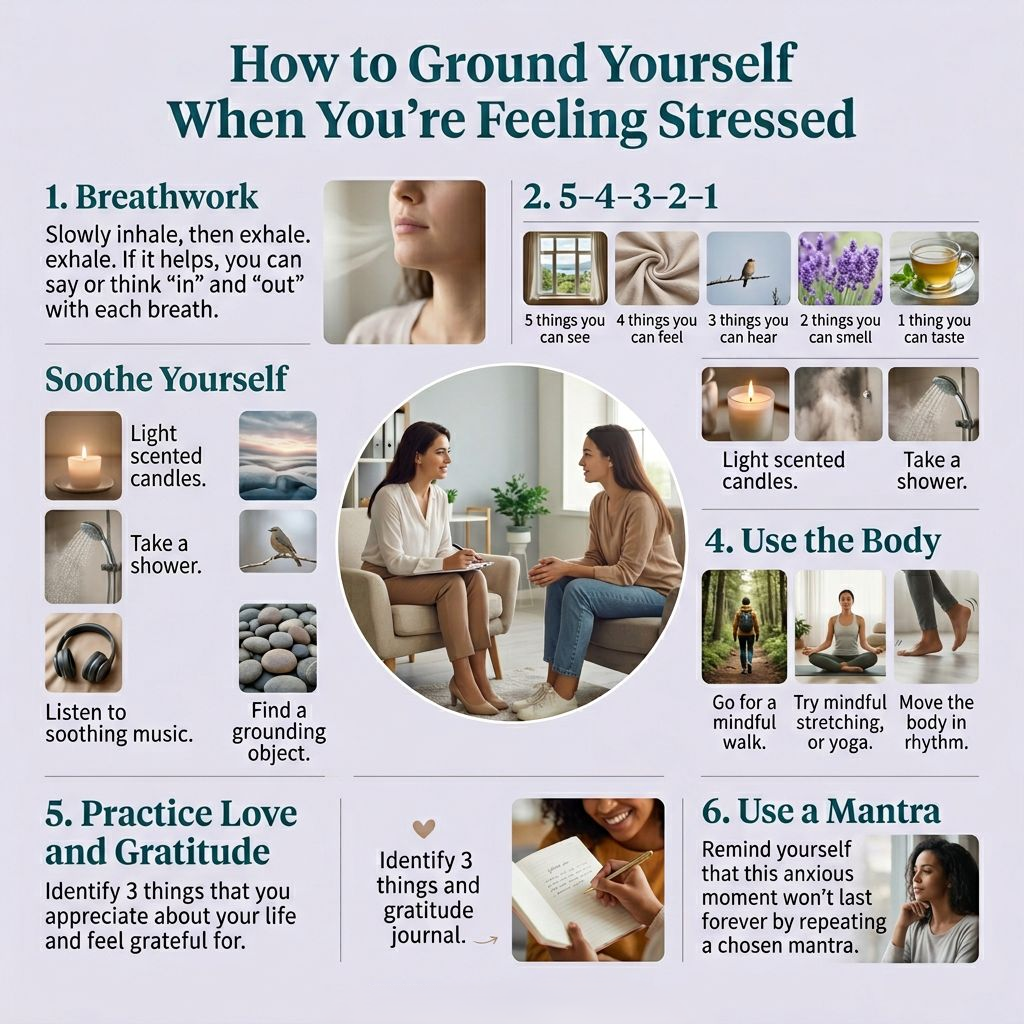
    Managing stress effectively can prevent burnout. Start by prioritizing tasks and setting boundaries with your time. Take regular breaks to recharge, whether through short walks or brief moments of relaxation. Practicing mindfulness or meditation can also help manage stress levels. By focusing on the present moment, you can reduce feelings of overwhelm. Simple activities like deep breathing exercises can significantly impact your stress levels, helping you feel more grounded.

    Strategies to Recover from Burnout

    Recovering from burnout requires more than just a vacation. Begin by reevaluating your workload and making necessary adjustments. Seek activities that bring joy and relaxation back into your life. Consider reaching out to a mental health professional for guidance. MHA National suggests setting realistic goals and gradually increasing your workload only once you’re ready. This gradual approach can help you rebuild your strength without overwhelming yourself.

    Seeking Professional Support

    Sometimes, professional help is needed to navigate the recovery process. Counseling can offer personalized strategies to tackle both stress and burnout. Therapists provide an external perspective, helping you identify underlying causes and develop coping mechanisms. Whether it’s individual therapy or group sessions, professional support can be a turning point in your recovery journey. Don’t hesitate to seek help if you feel stuck or need guidance in managing your mental health.

    Supportive Counseling and Coaching

    Bigelow Counseling offers various services to support your mental health journey, from individual therapy to executive coaching.

    Benefits of LGBTQ+ Affirming Therapy Palm Beach

    LGBTQ+ affirming therapy provides a safe and supportive space for individuals to explore their unique experiences and challenges. This specialized therapy focuses on acceptance and understanding, fostering a sense of belonging. Bigelow Counseling is dedicated to offering inclusive care, ensuring everyone feels heard and respected. This approach can be particularly beneficial for those facing societal pressures or discrimination, offering a pathway to healing and empowerment.

    EMDR Therapy and Trauma Support

    EMDR therapy is a powerful tool for trauma survivors, helping to process and heal from past experiences. This therapy focuses on reducing the emotional distress associated with traumatic memories. It’s a structured approach that encourages the brain to process these memories in a way that promotes healing. For those who have experienced trauma, EMDR can be a transformative experience, enabling them to move forward with their lives.

    Online Therapy and Executive Coaching in Florida

    For those seeking flexibility, online therapy provides accessible support from the comfort of your home. It allows you to connect with a therapist at your convenience, making it easier to prioritize mental health amidst a busy schedule. Executive coaching offers guidance for professionals facing career challenges, helping you set and achieve career goals. By focusing on personal and professional growth, this service can be a catalyst for positive change in your life.

    Frequently Asked Questions

    What is the difference between stress and burnout?

    Stress is a natural response to challenges, typically short-lived and manageable. Burnout, however, is a state of chronic emotional and physical exhaustion that requires significant lifestyle changes to overcome.

    How can I tell if I am burned out?

    Signs of burnout include feeling detached, lack of motivation, and emotional exhaustion. If you feel constantly overwhelmed and unable to cope, you may be experiencing burnout.

    What are some effective stress management techniques?

    Effective techniques include prioritizing tasks, setting boundaries, and practicing mindfulness. Regular breaks and relaxation can also help reduce stress levels.

    How does EMDR therapy help with trauma?

    EMDR therapy processes traumatic memories differently, reducing their emotional impact. This approach helps individuals heal from trauma and move forward with their lives.

    Can online therapy be as effective as in-person sessions?

    Yes, online therapy offers the same level of support and guidance as in-person sessions, providing a convenient and flexible option for those with busy schedules or accessibility concerns.


  • What to Expect from LGBTQ+ Affirming Therapy: Safety, Respect, and Real Progress

    What to Expect from LGBTQ+ Affirming Therapy: Safety, Respect, and Real Progress

    LGBTQ+ affirming therapy in Palm Beach offers a space where safety and respect come first. Many who seek queer-friendly therapists worry about being misunderstood or judged, which can make starting therapy feel daunting. This kind of counseling focuses on real progress by honoring your identity and addressing trauma with care, including specialized approaches like EMDR. Ready to feel seen and supported? Booking a session with Bigelow Counseling could be the next step toward healing.

    Understanding LGBTQ+ Affirming Therapy

    LGBTQ+ affirming therapy in Palm Beach offers a unique approach to counseling, prioritizing a safe and respectful environment. This form of therapy ensures that your identity is acknowledged and valued. Let’s explore what makes this therapy essential for many seeking supportive care.

    Creating a Safe and Respectful Space

    Imagine entering a room where you instantly feel understood. In affirming therapy, therapists work diligently to establish trust from the beginning. They aim to create an atmosphere where you feel comfortable sharing your thoughts and experiences. Most individuals who seek therapy worry about judgment, but here, your story is met with empathy and respect. They focus on what truly matters: your well-being and progress.

    Meeting You Where You Are

    Therapists believe in starting from where you are. This means acknowledging your current feelings and experiences without pressure to be anywhere else. The goal is to support you in your journey, whether you’re exploring your identity, dealing with personal struggles, or seeking growth. By recognizing where you are now, therapy can become a powerful tool for change.

    Respecting Names and Pronouns

    Names and pronouns are vital expressions of identity. In an affirming therapy setting, honoring these is a fundamental practice. Therapists make it a priority to use the pronouns and names you identify with, reinforcing your dignity and identity. This small act fosters a sense of belonging and acceptance, crucial for effective therapy.

    Techniques in Trauma-Informed Care

    In therapy, understanding trauma and using specialized techniques plays a crucial role in healing. Trauma-informed care approaches, like EMDR, are designed to help you process and overcome traumatic experiences in a safe environment.

    EMDR for Trauma Recovery

    EMDR, or Eye Movement Desensitization and Reprocessing, is a method used to aid trauma recovery. This technique involves guided eye movements to help your brain process traumatic memories. It’s a targeted approach that can help reduce the distress caused by past events. For many, EMDR offers a path to healing that feels both safe and empowering.

    Evidence-Based Approaches for Healing

    Therapists often use evidence-based methods to ensure effective treatment. These approaches are backed by research and designed to provide real results. They include techniques such as cognitive-behavioral therapy, which helps reshape negative thinking patterns. By using proven strategies, therapy can address a wide range of issues, from anxiety to depression.

    Intersectional Identity Considerations

    Acknowledging the complexity of intersectional identities is essential in therapy. This involves understanding how various aspects of identity, such as race, gender, and sexual orientation, interact and influence your experiences. Therapists take these factors into account to offer care that is truly personalized and inclusive.

    Booking Your First Therapy Session

    Taking the step to book a therapy session can be both exciting and nerve-wracking. Knowing what to expect can ease anxiety and prepare you for a positive experience.

    What to Expect from Your Therapist

    Your therapist is there to listen without judgment. They will ask questions to understand your needs and goals, helping to tailor the sessions to your unique situation. Expect them to be supportive, understanding, and focused on your progress. This approach ensures that you feel both seen and heard throughout your journey.

    How to Begin Your Counseling Journey

    Starting therapy is a straightforward process. Begin by reaching out to a therapy practice, like Bigelow Counseling, to schedule your first session. During this initial meeting, you’ll discuss your goals and what you hope to achieve. It’s an opportunity to establish a connection and determine if the therapist is the right fit for you.

    Options for In-Person or Online Sessions

    Therapy sessions can be conducted in-person or online, offering flexibility to meet your needs. In-person sessions provide a traditional setting, while online sessions offer convenience and accessibility. Both options ensure you receive the support you need, no matter your circumstances.

    Frequently Asked Questions

    What is LGBTQ+ affirming therapy?

    LGBTQ+ affirming therapy is a specialized approach to counseling that respects and validates LGBTQ+ identities. It provides a supportive environment where clients can explore their experiences without fear of judgment.

    How does EMDR help with trauma?

    EMDR helps process traumatic memories through guided eye movements, reducing the distress associated with these memories. It is an effective technique for many individuals seeking trauma recovery.

    Can I choose between in-person and online therapy sessions?

    Yes, many therapists offer both in-person and online sessions to accommodate different preferences and needs. This flexibility allows you to choose the setting that works best for you.

    How do therapists respect names and pronouns?

    Therapists make it a priority to use the names and pronouns you identify with, reinforcing your dignity and identity. This practice is fundamental in creating a supportive and respectful environment.

    What should I expect in my first therapy session?

    In your first session, expect your therapist to ask questions to understand your needs and goals. They will provide a supportive, non-judgmental space for you to share your experiences and begin your journey toward healing.

  • Life Coaching vs. Counseling: How to Choose What Fits Your Goals

    Life Coaching vs. Counseling: How to Choose What Fits Your Goals

    Choosing between life coaching and counseling can feel like standing at a fork in the road with no clear map. You want support that truly fits your goals—whether that’s healing from past wounds, managing anxiety, or pushing your career forward. Understanding the key differences in life coaching vs counseling helps you find the right path for your unique needs. Not sure which path is right for you? Book a 15-minute consultation, and we’ll help you map your next step—counseling, coaching, or a blend. For more insights, consider exploring this resource.

    Understanding Life Coaching vs. Counseling

    Choosing the right support means knowing what each option offers. Life coaching and counseling serve distinct purposes, aiding you in different ways.

    Key Differences and Approaches

    Life Coaching focuses on growth and future aspirations. Coaches help you set and achieve personal or professional goals. They offer guidance on moving forward, often using goal-setting techniques. On the other hand, Counseling is about healing and understanding past or present issues. Counselors support you in managing mental health, emotions, or trauma. They work on resolving problems affecting your well-being.

    When deciding between them, think about your main need: growth or healing. If you’re aiming for career progress or personal development, life coaching could be your path. For those dealing with anxiety, depression, or trauma, counseling might be more fitting. For further understanding, check out this article.

    Common Misconceptions

    Many people confuse the roles of coaches and counselors. Some think they are interchangeable, but they’re not. Coaching doesn’t replace mental health care. It’s not meant for diagnosing or treating mental health issues. Counselors, however, are trained to handle such concerns. They provide a safe space for exploring emotions and past experiences.

    Another misunderstanding is that counseling always involves long-term commitment. While it can, short-term therapy is also available for specific issues. It’s crucial to choose based on your needs, not assumptions.

    Matching Your Needs to the Right Support

    Finding the right fit is crucial for effective support. Let’s look at how to choose the right professional for your needs.

    How to Choose Coach or Therapist

    Start by identifying your goals. Are you looking to overcome personal challenges or achieve specific goals? If it’s about setting and reaching new targets, a coach might be what you need. They help with personal growth, offering strategies to reach your full potential.

    For issues like past trauma, anxiety, or depression, a therapist can offer the support you need. They provide a space for deep exploration and healing. Before deciding, consider what you hope to achieve. If you’re unsure, a consultation might help clarify your needs. Check out this guide for more insights.

    Tailored Approaches for Your Goals

    Whether you’re leaning towards coaching or counseling, personalized approaches are key. Coaches often use structured programs, focusing on actionable plans for your goals. They help you set milestones and stay on track.

    Counselors, however, tailor sessions to your emotional state and history. They adapt techniques based on your progress and needs. This might involve cognitive-behavioral therapy or EMDR for trauma survivors. Each approach aims to support your journey in a way that benefits you most.

    The Bigelow Counseling Advantage

    At Bigelow Counseling, we provide specialized care tailored to your needs, ensuring you receive the right support.

    Personalized Care in Palm Beach

    Located in Palm Beach, Bigelow Counseling offers a variety of services, from individual sessions to specialized therapies. Our therapists understand the unique needs of the community, providing personalized care for each client. We focus on your healing journey, offering a safe and supportive environment.

    Our services include EMDR trauma therapy, couples counseling, and life coaching, ensuring comprehensive support. If you’re facing work stress or personal challenges, we’re here to help you find a path forward.

    Inclusive and LGBTQ+ Affirming Therapy

    Bigelow Counseling is committed to inclusivity. We offer specialized support for the LGBTQ+ community, providing a safe space for all clients. Our team is experienced in addressing identity-related concerns and offers affirming therapy for all.

    We understand the importance of feeling supported and understood, ensuring every client receives the care they need. Whether you’re seeking therapy for personal growth or healing, we’re here to guide you.

    Frequently Asked Questions

    What is the main difference between life coaching and counseling?

    Life coaching focuses on setting and achieving future goals, while counseling addresses past and present emotional issues. Coaches help with growth, whereas counselors provide support for mental health challenges.

    Can a life coach help with anxiety or depression?

    Life coaches are not trained to treat mental health issues like anxiety or depression. For these concerns, it’s best to see a counselor or therapist who can provide appropriate support.

    Is counseling always a long-term commitment?

    No, counseling can be short-term, depending on your needs. Some issues can be addressed in a few sessions, while others may require longer-term therapy.

    How do I know if I need a coach or a therapist?

    Identify your primary goals. If you’re seeking personal growth or career advancement, consider a coach. For emotional or mental health support, a therapist is more appropriate.

    Are Bigelow Counseling’s services available online?

    Yes, Bigelow Counseling offers online therapy sessions for clients across Florida, making it convenient to receive support from anywhere in the state.

  • 7 Signs You’re Emotionally Overloaded—and Ready for Support

    7 Signs You’re Emotionally Overloaded—and Ready for Support

    Feeling overwhelmed isn’t just stress—it’s a sign your mind and heart need a break. When emotional overload creeps in, it can sneak up quietly, making everyday tasks feel heavy. Recognizing the signs of emotional overload is the first step toward relief and support. Keep reading to learn how to spot these signals and find the help that fits your life with Bigelow Counseling in Palm Beach or online across Florida. Ready to feel lighter? Book a free 15-minute consultation or schedule your first session today.

    Recognizing Emotional Overload

    Understanding when you are emotionally overloaded can be tricky. It often creeps up, turning manageable days into a fog of stress and anxiety. Recognizing the signs is your first step toward finding relief and support.

    Common Signs of Emotional Overload

    Emotional overload can manifest in different ways, and it’s crucial to notice these signals early. You might experience constant fatigue, feeling drained even after a full night’s sleep. Small tasks that were once easy can suddenly feel insurmountable, making you feel stuck.

    Your emotions might also be heightened. You could find yourself reacting more intensely to situations, feeling easily angered or overwhelmed. Physical symptoms, like headaches or stomach aches, can also be signs of emotional stress. If these sound familiar, know that help is available with Bigelow Counseling.

    Feeling Overwhelmed: What to Look For

    Feeling overwhelmed can appear as a persistent sense of anxiety or worry, where your mind races with thoughts you can’t quiet. You might notice a lack of concentration, with your mind wandering when you need to focus. This can make it hard to complete tasks, impacting your daily life.

    You may also feel detached from those around you, avoiding social interactions because they seem too exhausting. This isolation can worsen feelings of loneliness and anxiety. Recognizing these patterns is essential, as they can point to emotional overload.

    Burnout Symptoms and Coping

    Burnout isn’t just about work—it can affect any area of your life. You might feel a lack of motivation or enthusiasm for activities you once enjoyed. This emotional exhaustion can lead to irritability or frustration.

    Coping with burnout involves taking steps to manage stress. Consider incorporating short breaks into your routine, allowing yourself to step back and recharge. Mindfulness practices can also help ground you, providing a moment of calm in a busy day. Sometimes, speaking with a professional can provide the support you need to navigate these feelings.

    Finding the Right Support

    When you’re ready to seek help, finding the right support is crucial. Bigelow Counseling offers a variety of services tailored to meet your needs, whether you’re dealing with anxiety, trauma, or seeking personal growth.

    Seeking Anxiety Support in Palm Beach

    If you’re grappling with anxiety, you’re not alone. Seeking professional support can provide clarity and relief. Bigelow Counseling offers tailored sessions designed to address anxiety’s root causes, helping you develop coping strategies that work in your daily life.

    Anxiety can feel overwhelming, but it’s manageable with the right support. Our therapists in Palm Beach are skilled in helping you navigate these feelings, offering both in-person and online therapy options across Florida. This flexibility ensures you can access the help you need, wherever you are.

    LGBTQ+ Affirming Therapy Options

    Finding a therapist who understands and supports your identity is vital. Bigelow Counseling provides a safe space for LGBTQ+ individuals, focusing on affirming therapy that respects and celebrates your identity.

    Our therapists are experienced in addressing the unique challenges faced by the LGBTQ+ community. Whether you’re dealing with identity-related issues or seeking general support, our team is here to walk with you every step of the way.

    Exploring EMDR Trauma Therapy

    Trauma can feel all-consuming, but you don’t have to face it alone. EMDR trauma therapy is a specialized technique offered at Bigelow Counseling, designed to help process and heal from traumatic experiences.

    This therapy focuses on helping your brain reframe traumatic memories, reducing their emotional impact. If you’ve been trying to handle trauma alone, consider exploring EMDR therapy as a way to find relief and healing.

    Taking the Next Steps

    Taking action can feel daunting, but small steps can lead to significant change. By setting boundaries and prioritizing self-care, you can start building a more balanced life.

    Setting Boundaries for Better Balance

    Healthy boundaries are essential for emotional well-being. Whether it’s at work or in personal relationships, boundaries help protect your energy and mental health. Start by identifying areas in your life that feel overwhelming, then set clear limits.

    You can practice saying “no” without guilt, ensuring you have time to recharge. If you need guidance in setting boundaries, Bigelow Counseling can offer support and strategies to help you maintain balance.

    Compassion Fatigue: Help and Hope

    If you’re always caring for others, you might experience compassion fatigue. This condition can lead to emotional exhaustion, making it hard to care for yourself. Recognizing these signs is crucial for finding relief.

    Support is available through counseling that addresses compassion fatigue directly. By focusing on self-care and professional support, you can regain your energy and passion for helping others.

    Booking a Consultation with Bigelow Counseling

    Ready to take the next step? Booking a consultation with Bigelow Counseling is easy. Our Palm Beach office and online services across Florida offer flexible options to meet your needs. Whether you’re seeking therapy for anxiety, trauma, or simply need someone to talk to, we’re here to help you find healing and purpose.

    Frequently Asked Questions

    What are the signs of emotional overload?
    Emotional overload can include constant fatigue, heightened emotions, and physical symptoms like headaches. You might also feel easily overwhelmed or detached from others.

    How can therapy help with burnout?
    Therapy can provide strategies to manage burnout by helping you develop coping mechanisms and addressing the root causes of stress. Speaking with a professional can offer support and guidance.

    What is EMDR trauma therapy?
    EMDR (Eye Movement Desensitization and Reprocessing) is a therapy designed to help process trauma. It works by re-framing traumatic memories, reducing their emotional impact and promoting healing.

    How do I book a session with Bigelow Counseling?
    You can book a session by contacting our Palm Beach office or scheduling online for telehealth services across Florida. We offer flexible options to fit your needs.

    Is there support for the LGBTQ+ community at Bigelow Counseling?
    Yes, Bigelow Counseling provides a safe and affirming space for LGBTQ+ individuals, with therapists experienced in addressing identity-related issues and offering supportive therapy.

    Home

  • When Couples Counseling Can Help: Strengthening Communication and Rebuilding Trust

    When Couples Counseling Can Help: Strengthening Communication and Rebuilding Trust

    Couples often reach a point where conversations feel like walls instead of bridges. When communication breaks down and trust feels fragile, it’s hard to know where to turn. Couples counseling Palm Beach offers a supportive space to clear the air and rebuild those connections. This post will help you spot when counseling can make a difference and show how Bigelow Counseling stands ready to guide you toward clearer communication and renewed trust. Ready to feel heard again? Keep reading.

    Recognizing When Counseling Helps

    It’s common for couples to wonder if therapy is the right step. Recognizing the signs early can make all the difference. Let’s dive into how counseling can support your relationship.

    Signs Counseling Can Improve Communication

    When words feel like weapons, it’s a signal that your relationship might benefit from professional help. Couples often fall into patterns where they speak but don’t listen. If your conversations turn into arguments more often than not, it might be time to consider therapy. Through counseling, you can develop better ways to express your needs and understand your partner’s feelings.

    Misunderstandings can lead to resentment. If you find yourself assuming the worst about your partner’s intentions, this might be another sign. Therapy can help you break these assumptions and rebuild a more supportive dialogue. Remember, the goal is to communicate, not just exchange words.

    Many couples report feeling stuck. If you feel your relationship has plateaued or you’re having the same fight repeatedly, counseling offers new strategies. It’s about finding a new way forward, one that fosters understanding and connection.

    Identifying Trust Issues in Relationships

    Trust is the foundation of any strong relationship. When it wavers, everything else can crumble. If you’re frequently checking each other’s phones or second-guessing motives, these are red flags. It’s crucial to address these issues before they deepen.

    Betrayal, whether big or small, can scar a relationship. From minor lies to major indiscretions, these moments erode trust. Addressing them with a counselor can provide a safe environment to discuss these feelings and rebuild what was lost.

    Trust issues often stem from past experiences. Whether from childhood or previous relationships, these memories can influence your current partnership. Therapy offers a space to explore these past traumas and understand their impact, allowing you to move forward more confidently.

    Demystifying the Counseling Process

    Understanding what therapy involves can ease apprehensions. Let’s explore what you can expect from couples therapy and the benefits of a trauma-informed approach.

    What to Expect in Couples Therapy

    Couples therapy is about creating a space for honest conversations. You and your partner will learn new ways to communicate that encourage understanding. Sessions are designed to be collaborative, focusing on building skills and strategies to strengthen your relationship.

    Therapists guide you in identifying problematic patterns. By recognizing these, you can work together to change them. It’s not about placing blame but about finding solutions that work for both partners. Over time, you can learn to fight less and connect more.

    Expect to set goals. Therapy is about progress, not perfection. Your therapist will help you outline what you hope to achieve, whether it’s better communication or rebuilding trust. Each session moves you closer to these goals, providing tangible benefits for your relationship.

    The Role of Trauma-Informed Counseling

    Trauma can deeply affect relationships. A trauma-informed approach recognizes this impact and tailors therapy accordingly. It’s about understanding how past experiences influence present behaviors and emotions.

    This type of counseling emphasizes safety and trust. You and your partner can explore sensitive topics in a supportive environment. Therapists use techniques designed to help process trauma, reducing its hold on your current relationship.

    Couples often find that addressing trauma leads to breakthroughs. By understanding how past events shape your present, you can begin to heal and strengthen your bond. It’s about moving forward together, with greater empathy and understanding.

    Bigelow Counseling’s Supportive Approach

    At Bigelow Counseling, we believe in a personalized approach. We tailor our methods to suit each couple’s unique needs, helping you find the solutions that work best for you.

    Personalized Strategies for Relationship Coaching

    Every couple is different. That’s why we customize our methods to fit your specific situation. Our therapists work with you to identify your unique challenges and develop strategies that address them directly.

    We focus on practical solutions. Whether you’re struggling with communication or trust, our tailored approach ensures that you receive the support you need. It’s about creating a plan that aligns with your goals and helps you achieve them effectively.

    Our approach is rooted in empathy and understanding. We strive to create a warm, welcoming environment where you feel comfortable exploring your challenges. Together, we’ll work towards building a stronger, more connected relationship.

    Flexible Sessions for Busy Professionals

    We understand that life can be hectic. That’s why we offer flexible scheduling options to accommodate your busy life. Whether you prefer in-person sessions or online therapy, we make it easy for you to prioritize your relationship.

    Our flexible approach means you can fit therapy into your schedule without added stress. We offer a range of session times to suit your needs, ensuring that you can access the support you need when it’s most convenient for you.

    By providing adaptable options, we make it easier for you to invest in your relationship. The longer you wait, the more the issues can fester. With Bigelow Counseling, you can take the first step towards a stronger, more fulfilling partnership.

    Frequently Asked Questions

    What are the benefits of couples counseling?

    Couples counseling can improve communication, rebuild trust, and strengthen your bond. It provides a safe space to explore challenges and develop strategies for a healthier relationship.

    How can I tell if my relationship needs counseling?

    If you notice frequent arguments, trust issues, or a feeling of being stuck, these can be signs that counseling might help. It’s about identifying patterns that hinder your connection and finding ways to overcome them.

    What should I expect from my first therapy session?

    Your first session will involve setting goals and understanding your relationship dynamics. It’s an opportunity to discuss your challenges and begin developing strategies to address them.

    Home

  • Finding Steady Ground: Personalized Counseling for Anxiety, Depression, and Life Transitions in Palm Beach

    Finding Steady Ground: Personalized Counseling for Anxiety, Depression, and Life Transitions in Palm Beach

    Anxiety and depression can make everyday life feel like quicksand, especially when major changes hit all at once. You don’t have to face this alone: personalized counseling offers a path to steady ground tailored just for you. At Bigelow Counseling in Palm Beach, our trauma-informed, LGBTQ+ affirming care meets you where you are, helping you navigate life’s toughest moments with hope and clarity. Ready to feel more like yourself? Let’s explore how the right support can make all the difference.

    Personalized Counseling for Healing

    Personalized counseling is a journey towards healing and understanding. It’s about finding the right path just for you. Let’s explore how it can help manage anxiety and depression while supporting life transitions.

    Understanding Anxiety and Depression

    Anxiety and depression can affect your daily life in profound ways. It’s like carrying a heavy weight that keeps you from moving forward. Our team at Bigelow Counseling understands this struggle. We offer counseling for anxiety and depression that is tailored to your unique needs. Through compassionate conversations, we work with you to identify triggers and develop coping strategies. Our goal is to provide a safe space where you can freely express your thoughts and feelings. With each session, you gain a clearer understanding of your mental health, empowering you to take control of your life.

    Navigating Life Transitions with Support

    Life transitions can be daunting. Whether it’s a career change, relationship shift, or moving to a new place, these moments can bring about significant stress. At Bigelow Counseling, we help you navigate these changes with confidence. Our life transitions counseling focuses on building resilience and discovering new opportunities. We guide you through the emotions and uncertainties that often accompany these transitions. By fostering a supportive environment, we aim to make this period a time of personal growth and self-discovery.

    LGBTQ+ Affirming and Trauma-Informed Care

    Feeling accepted and understood is vital in counseling. That’s why we offer LGBTQ+ affirming therapy, ensuring you feel welcomed and safe. Our trauma-informed therapy acknowledges past experiences and focuses on healing. We understand the unique challenges faced by the LGBTQ+ community and provide a supportive space to explore these issues. Whether dealing with trauma or seeking general support, our approach is compassionate and non-judgmental. Here, you are free to be yourself and embark on a journey towards healing.

    Specialized Therapies for Growth

    To foster growth, we offer specialized therapies that address specific needs. From trauma recovery to executive coaching, each service is designed to support your journey towards personal and professional development.

    EMDR for Trauma Recovery

    EMDR therapy is a powerful tool for trauma recovery. It’s designed to help you process and heal from past experiences. At Bigelow Counseling, our EMDR sessions focus on reducing the distress associated with traumatic memories. This therapy is particularly effective for those who have experienced significant trauma. By reprocessing negative memories, you can alleviate emotional pain and gain a renewed sense of hope. Our EMDR therapists in Palm Beach are here to guide you through this transformative process.

    Mindfulness-Based and CBT Approaches

    Mindfulness-based therapy and Cognitive Behavioral Therapy (CBT) are effective in addressing a range of mental health concerns. These approaches focus on changing negative thought patterns and promoting a more positive outlook on life. Our CBT therapists in Palm Beach use practical exercises to help you develop healthier coping mechanisms. Mindfulness teaches you to stay present, reducing stress and enhancing well-being. Together, these therapies can empower you to live a more balanced and fulfilling life.

    Executive Coaching for Professionals

    If you’re facing workplace challenges or feeling stuck in your career, executive coaching might be the answer. Our coaching sessions focus on personal and professional growth, helping you overcome obstacles and achieve your goals. We offer executive coaching in Palm Beach tailored to your unique needs. Whether you’re aiming for a promotion or seeking a career change, our coaches provide the guidance and support you need to succeed.

    Connecting with Bigelow Counseling

    Ready to take the first step towards healing? Connecting with Bigelow Counseling is easy. Let’s explore how you can begin your journey with us.

    Scheduling Your First Session

    Scheduling your first counseling session is a simple process. We offer flexible options to accommodate your needs. Our team is here to guide you through the initial steps and answer any questions you may have. This is the beginning of a new chapter in your life, and we’re excited to be a part of it. Whether you’re seeking individual counseling or specialized therapies, we’re ready to support you.

    Online and In-Person Therapy Options

    We understand that life can be busy, and accessing therapy should be convenient. That’s why we offer both online and in-person therapy options. Our online therapy in Florida ensures you can receive support from the comfort of your home. For those who prefer face-to-face interactions, our Palm Beach office provides a welcoming environment for in-person sessions. No matter your preference, we’re committed to providing accessible and effective counseling services.

    Building a Supportive Therapeutic Relationship

    Building a strong therapeutic relationship is at the heart of effective counseling. At Bigelow Counseling, we prioritize trust, empathy, and understanding. Our therapists are dedicated to creating a supportive environment where you feel safe to share and explore. This relationship is the foundation for your healing journey, allowing us to work together towards your personal goals. We’re here to support you every step of the way.

    Embarking on a counseling journey is a courageous step towards healing and growth. Whether you’re dealing with anxiety, depression, or navigating life’s transitions, Bigelow Counseling is here to support you. Reach out to us today and start your path to a healthier, happier you.

  • What EMDR Therapy Can Help With in Trauma Recovery

    What EMDR Therapy Can Help With in Trauma Recovery

    Trauma can leave your mind stuck on painful memories, making everyday moments feel overwhelming. EMDR therapy in Palm Beach offers a way to gently ease those burdens, helping reduce triggers, flashbacks, and anxiety after trauma. In this post, you’ll learn how eye movement desensitization and reprocessing works and what it can support—from PTSD and childhood trauma to grief and minority stress. Ready to take the next step toward healing?

    Understanding EMDR Therapy

    Let’s explore how EMDR can assist you in overcoming trauma. It is a unique approach that helps process painful memories, providing a pathway to healing.

    How EMDR Works

    EMDR stands for Eye Movement Desensitization and Reprocessing. It involves recalling distressing events while focusing on external stimuli like eye movements. This technique can reframe how your brain processes traumatic memories. EMDR is science-backed and can be a powerful tool in reducing the emotional impact of trauma. Many find that it offers relief when other therapies have not.

    During sessions, you work closely with a therapist to guide your progress. The process is structured yet flexible, allowing you to proceed at your pace. This personalized approach makes EMDR suitable for various trauma types. Explore more about EMDR and its effectiveness.

    Benefits of Eye Movement Desensitization

    The main advantage of EMDR is its ability to diminish the intensity of trauma-related symptoms. It can reduce anxiety, flashbacks, and nightmares, promoting emotional stability. By addressing these issues, you gain more control over your reactions and thoughts. This improvement can lead to a better quality of life.

    Imagine waking up free from the weight of past experiences. EMDR helps make this possible, offering a path to clarity and peace. The American Psychological Association highlights its success in treating PTSD and other trauma-related conditions.

    Tailored Support for Trauma

    EMDR therapy is not a one-size-fits-all solution. Each session is designed to meet your specific needs, making it a versatile option. Whether you’re dealing with recent events or long-standing trauma, EMDR can be adapted to your situation. This ensures you receive the most effective care possible.

    A tailored approach means you’re supported at every step. You’re not alone on this journey, and with the right guidance, healing becomes achievable. The National Center for PTSD provides insights into how EMDR supports tailored recovery.

    What EMDR Can Address

    EMDR therapy can help with various trauma-related issues. Discover how it provides relief and support for specific challenges like PTSD and childhood trauma.

    PTSD and Anxiety Relief

    Many people turn to EMDR therapy to find relief from PTSD and anxiety. With EMDR, the overwhelming grip of these conditions can be loosened. This therapy alters how traumatic memories are stored in the brain, reducing their emotional charge. As a result, you may experience fewer triggers and flashbacks.

    The relief from these symptoms can be life-changing. Being free from constant reminders of past trauma allows you to engage more fully in daily life. Learn more about EMDR for PTSD and how it can support your recovery.

    Healing from Childhood Trauma

    Childhood trauma can have lasting effects, impacting both the mind and body. EMDR therapy offers a chance to address these deep-seated issues. By safely processing traumatic memories, you can begin to heal wounds that have lingered for years.

    This healing process can lead to greater self-acceptance and emotional resilience. Imagine the freedom of living without the shadow of past experiences. With EMDR, you can take steps toward that reality.

    Support for Assault Survivors

    For survivors of assault, EMDR therapy provides a compassionate path to healing. It helps reduce the lingering effects of trauma, such as fear and anxiety. EMDR allows you to process your experiences in a safe and controlled environment. This can be empowering, helping you reclaim your sense of safety and self-worth.

    The support offered through EMDR can be pivotal in your recovery journey. With professional guidance, you can work towards rebuilding your life with renewed strength and confidence.

    Starting Your Recovery Journey

    Beginning your EMDR therapy journey can be a significant step toward healing. Let’s discuss what you can expect and how to get started with your recovery.

    Setting Expectations for EMDR

    It’s important to set realistic expectations for your EMDR therapy experience. The process involves multiple sessions, each building on the last. Understand that healing takes time, but each step brings you closer to relief. Your therapist will help you navigate this journey, ensuring you feel supported throughout.

    Being open to the process is key. As you progress, you may notice shifts in your emotional responses, leading to a healthier outlook on life. EMDR provides tools to manage your symptoms effectively, guiding you toward lasting change.

    Confidential Consultations in Palm Beach

    Bigelow Counseling offers confidential consultations to discuss your needs and how EMDR can help. Our experienced therapists are here to guide you through the process with care and understanding. We provide a safe space where you can explore your options without judgment.

    Taking the first step is often the hardest, but reaching out for support is a powerful move toward healing. Our team is ready to support you on this journey.

    Flexible Telehealth Options in Florida

    For those unable to visit in person, we offer flexible telehealth options. This allows you to receive the same quality care from the comfort of your home. It’s a convenient way to access therapy without compromising on support.

    Whether you’re in Palm Beach or elsewhere in Florida, our telehealth services make it easy to begin your EMDR therapy. Connect with us to discuss how we can best meet your needs and start your journey toward healing from trauma.

    By understanding how EMDR therapy works and its benefits, you can take meaningful steps toward recovery. Whether dealing with PTSD, childhood trauma, or other challenges, EMDR offers a path to healing. Reach out to Bigelow Counseling for a confidential consultation and explore how EMDR can support your journey to recovery.

  • When Joy Feels Heavy: Signs You May Need More Support This Season

    When Joy Feels Heavy: Signs You May Need More Support This Season

    Joy during the holidays doesn’t always feel light. If you’re carrying stress, grief, or tension that won’t lift, you’re not alone. Recognizing when you need holiday stress support can change how you move through this season. Let’s explore signs that show it’s time to seek extra help—and how Bigelow Counseling in Palm Beach can walk beside you. If this season feels heavier than it should, reach out today to schedule a confidential consultation—book online or contact our Palm Beach office to get started.

    Recognizing When Joy Feels Heavy

    Holidays can bring cheer, but sometimes they also weigh us down. Understanding how stress manifests in different areas can help you find relief.

    Signs of Holiday Stress

    Feeling overwhelmed by the season? You’re not alone. Many find this time challenging due to increased responsibilities and expectations. The most common signs include fatigue, anxiety, and irritability. It’s easy to dismiss these feelings as part of the holiday hustle, but acknowledging them is crucial.

    Another indicator is a lack of enjoyment in activities you usually love. If decorating or shopping feels burdensome rather than fun, consider it a signal. Stress may also show up physically: headaches and tense muscles often increase. If these symptoms persist, it might be time to seek support.

    Navigating Relationship Stress

    Relationships can become strained during the holidays. You might notice heightened tension with loved ones. Disagreements over holiday plans or finances are common triggers. When discussions turn into arguments more frequently, it’s a sign to pause and reflect.

    Observing how you communicate is key. Are you more defensive or less patient? These changes often indicate underlying stress. Taking a moment to breathe and reassess can help. Remember, it’s normal to need space. Communicating your needs clearly can ease tension and improve interactions.

    Coping with Family Stress

    Family gatherings can be joyful yet challenging. You may feel pressure to meet family expectations or relive past conflicts. If you find yourself dreading visits or feeling anxious, it’s important to address these feelings.

    Setting boundaries is essential. It’s okay to limit time with certain family members. Focus on activities that bring you comfort. This might be a walk outside or a quiet moment to yourself. Recognizing your limits helps maintain your well-being.

    Pathways to Support and Relief

    Finding the right support can transform your experience. There are several paths to explore when seeking relief from holiday stress.

    Seeking Holiday Blues Counseling

    Counseling offers a safe space to express your feelings. A Palm Beach therapist can help you navigate the holiday blues. In sessions, you learn strategies to manage stress and gain perspective. Many people find that talking with a counselor helps them feel less alone.

    Counseling provides tailored guidance suited to your needs. It’s a place to explore triggers and develop coping skills. Whether it’s a one-time session or ongoing support, knowing you have someone to talk to can be comforting.

    Exploring EMDR Trauma Therapy

    For those with past trauma, holidays can trigger difficult memories. EMDR trauma therapy in Florida offers a way to process these experiences safely. This therapy helps in reprocessing traumatic events, reducing their emotional impact.

    Through guided sessions, you confront and reframe past issues, which can lead to healing. EMDR is effective for many, offering relief from persistent trauma-related stress. It allows you to approach holidays with a lighter heart.

    Navigating Seasonal Depression Support

    Seasonal changes often affect mood. If you notice feelings of sadness or fatigue that coincide with shorter days, you might be experiencing seasonal depression. Support during these times is available through counseling and lifestyle adjustments.

    Therapists can guide you in creating an action plan. This might include light therapy, exercise, or nutritional changes. Understanding your patterns helps tailor effective solutions. With support, you can navigate these months more smoothly.

    Finding the Right Therapist

    Choosing a therapist who understands your unique needs is vital. Here are some options to consider based on your specific requirements.

    LGBTQ+ Affirming Therapy in Palm Beach

    Finding an affirming space is crucial for LGBTQ+ individuals. Therapy in Palm Beach that embraces your identity offers support and understanding. Here, you can explore identity and relationship issues in a safe environment.

    Therapists provide an inclusive space to discuss challenges freely. This affirmation forms the foundation for healing and personal growth. Knowing you’re understood and accepted makes a significant difference.

    Couples Counseling and Relationship Guidance

    Strengthening relationships during stressful times is possible. Couples counseling in Palm Beach can help you and your partner reconnect. Sessions focus on communication and resolving conflicts.

    Counselors guide you in developing tools to navigate disputes constructively. This support fosters deeper understanding and connection. Investing in your relationship leads to lasting improvements.

    Professional and Executive Coaching Options

    Professionals facing holiday burnout can benefit from executive coaching in Palm Beach. Coaching helps you manage work stress and enhance career growth. It offers strategies to overcome stagnation and achieve your goals.

    Sessions focus on personal development and practical solutions. With a coach’s guidance, you gain clarity and direction. This tailored support empowers you to thrive professionally and personally.

    By recognizing these signs and exploring support pathways, you equip yourself to handle the season more positively. Remember, seeking help is a strength, not a weakness. Consider reaching out to a Palm Beach therapist to begin your journey toward a lighter, more joyful season.

    Home