Tag: online couples therapy Florida

  • Rebuilding Connection: Couples Counseling for Communication, Trust, and Emotional Closeness

    Rebuilding Connection: Couples Counseling for Communication, Trust, and Emotional Closeness

    Communication breakdowns and trust issues can feel like walls growing between partners, leaving emotional closeness out of reach. Many couples struggle to repair these cracks alone, especially when life’s pressures pile up. Couples counseling Palm Beach offers a path to rebuild connection, showing how to heal communication patterns and restore trust after betrayal. Ready to reconnect? Book a complimentary 15-minute consultation with Bigelow Counseling today—online or in-person in Palm Beach.

    Understanding Communication Breakdowns

    Miscommunication can create distance between partners, but understanding the causes helps bridge the gap.

    Causes of Miscommunication

    Couples often miscommunicate because they assume their partner knows what they mean without saying it. This can lead to misunderstandings. Stress and external pressures also contribute to this issue, as they cause people to react quickly without clarity. Over time, these patterns become habitual, making it harder to communicate effectively.

    Miscommunication isn’t just about words. It’s about emotions and reactions, too. When emotions run high, partners might interpret words differently. This often leads to arguments over simple matters. Recognizing these emotional triggers is key to improving communication.

    Repair Communication Patterns

    Once you know the causes, the next step is to improve how you communicate. Start by listening more and talking less. When each person feels heard, they become more open to understanding. Use “I” statements to express feelings rather than blame. This encourages empathy and reduces defensiveness.

    Practice makes perfect. Regularly applying new communication techniques helps embed them into daily interactions. Over time, these positive habits replace old patterns, fostering a healthier dialogue.

    Rebuilding Trust After Betrayal
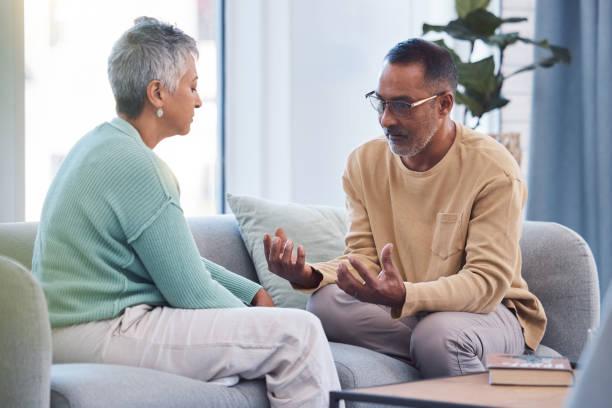
    Trust can be fragile, especially after betrayal. But with effort and time, it can be rebuilt.

    Steps to Rebuild Trust

    Rebuilding trust involves both partners. Start by openly acknowledging the betrayal and its impact. Honesty is crucial in this stage. Without it, moving forward becomes difficult.

    Next, focus on consistent actions. Trust is restored through reliability. Small, everyday actions, like being on time or checking in, show commitment to change. This steady progress builds confidence in the relationship. Finally, establish clear boundaries. By setting and respecting them, partners create a safe space for rebuilding trust.

    Conflict Resolution for Couples

    Resolving conflicts requires more than apologies. It’s about understanding and addressing the root cause. Begin by identifying recurring issues. These often indicate deeper, unresolved problems.

    Discuss these issues calmly. Avoid blaming and focus on solutions. Consider each other’s perspectives, acknowledging any valid points, which helps in finding common ground. Agree on steps to prevent future conflicts, such as setting time aside for open discussions. Regular communication check-ins help maintain harmony.

    Restoring Emotional Intimacy

    Emotional intimacy is the backbone of a strong relationship. Without it, partners may drift apart.

    Healing Emotional Distance

    To heal emotional distance, start by reconnecting with simple gestures. Small acts of kindness, like a compliment or a hug, can make a big difference. These gestures show that you care and are present.

    Create opportunities to bond. Shared activities, like cooking together or evening walks, reignite connection. These moments allow partners to appreciate each other’s company without distractions. Remember, emotional closeness grows with time and effort.

    Trauma-Informed Couples Therapy

    For couples dealing with deeper issues, trauma-informed therapy can be essential. It helps partners understand how past experiences impact current behaviors. By addressing these underlying issues, therapy aids in healing emotional wounds.

    Therapists guide couples through exercises that promote trust and understanding. They provide tools to manage emotional responses and foster healthier interactions. This approach empowers couples to reconnect on a deeper level, paving the way for a stronger relationship.

    Frequently Asked Questions

    How can couples improve communication?

    Couples can improve communication by actively listening, using “I” statements, and regularly practicing these techniques to replace old patterns with healthier ones.

    How do you rebuild trust after betrayal?

    Rebuilding trust involves acknowledging the betrayal, being consistent in actions, and setting clear boundaries to create a safe space for healing.

    What is trauma-informed couples therapy?

    Trauma-informed couples therapy helps partners understand how past experiences affect current behaviors and provides tools to manage emotional responses, promoting deeper connection.
  • Breaking the Cycle: Couples Counseling for Repeating Arguments and Emotional Distance

    Breaking the Cycle: Couples Counseling for Repeating Arguments and Emotional Distance

    Repeating the same arguments can make distance grow faster than anyone expects. When emotions shut down, trust and closeness slip away, leaving partners stuck in a painful loop. Couples counseling Palm Beach at Bigelow Counseling offers a trauma‑informed, LGBTQ+ affirming space where proven methods like EFT and Gottman therapy help stop the same fight and rebuild connection. Ready to pause the pattern? Book a free 15‑minute consultation today and take the first step toward healing.

    Understanding Recurring Conflicts

    Falling into the same arguments can make it hard to feel close to your partner. Let’s explore why these arguments repeat and how they cause emotional distance.

    Why Arguments Repeat

    Arguments often repeat because of unresolved issues. You might feel like you’re going in circles, bringing up the same points without resolution. This happens when underlying concerns are not addressed. Imagine trying to fix a leaky faucet without finding the source. That’s what unresolved arguments feel like. When these issues linger, they keep popping up, leading to frustration.

    Communication habits also contribute to this cycle. If you and your partner are stuck in the same way of arguing, it’s tough to break free. Maybe you both raise your voices or shut down instead of talking it through. These patterns become automatic, making it difficult to see things differently. Shifting these habits can open up new ways to connect.

    Emotional Distance in Relationships

    Emotional distance creeps in when arguments seem endless. Over time, you might feel like you’re living separate lives even under the same roof. This gap can make it hard to share, understand, or support each other. It’s like standing on opposite sides of a chasm, unable to reach each other.

    When emotions shut down, trust begins to erode. Without trust, every interaction feels like another opportunity to hurt each other. This makes it hard to let your guard down, deepening the distance. But with the right tools, you can start to rebuild that bridge of understanding and warmth.

    Healing with Bigelow Counseling

    Breaking out of this painful cycle requires a fresh approach. Bigelow Counseling offers methods that don’t just treat the symptoms but get to the heart of the issue.

    EFT Couples Therapy Explained

    Emotion-Focused Therapy (EFT) is all about getting to the root of your emotions. It helps you understand the deeper feelings driving your actions. EFT gives you and your partner a safe space to express these emotions without judgment. This process can transform how you see each other, turning conflict into connection.

    EFT works by helping you identify negative patterns in your interactions. Once you see these patterns, you can work together to change them. Imagine replacing defensive reactions with understanding. This shift can bring profound changes, making your relationship feel more secure and loving.

    Gottman Method for Lasting Change

    The Gottman Method focuses on building a solid foundation for your relationship. It offers tools to improve communication and strengthen your bond. This approach is about fostering respect and affection, even when you disagree.

    Gottman-trained therapists guide you in recognizing what’s going right in your relationship. By focusing on your strengths, you can build resilience against conflict. This method emphasizes the importance of friendship and shared goals, helping you navigate challenges more effectively.

    EMDR for Relationship Triggers

    EMDR is a powerful technique to address specific triggers in your relationship. These triggers often stem from past experiences. EMDR helps you process these memories so they no longer affect your present interactions.

    By reducing the emotional charge of these triggers, EMDR can improve your relationship. It allows you to approach situations with a clear mind, reducing reactivity. This can lead to more calm and productive conversations with your partner.

    Rebuilding Connection and Trust

    Rebuilding trust and connection takes time and effort, but it’s possible with the right support. Let’s explore how communication skills, a safe space, and trust can help you rebuild intimacy.

    Communication Skills for Couples

    Effective communication is key to breaking the cycle of repeating arguments. Learning new ways to express yourself can change how you relate to each other. Techniques like active listening and empathy can transform your conversations.

    When you focus on truly hearing each other, misunderstandings decrease. This shift can make discussions more productive and less adversarial. By prioritizing understanding, you create a space where both partners feel valued and heard.

    Creating a Safe Space

    A safe space is essential for open and honest communication. It’s about creating an environment where both partners can speak their minds without fear. This means respecting boundaries and being willing to listen.

    When both partners feel safe, they are more likely to share their true feelings. This openness can lead to deeper understanding and greater closeness. It’s about building a foundation of trust where vulnerability is seen as a strength, not a weakness.

    Rebuild Trust and Intimacy

    Rebuilding trust starts with small steps. Consistency and honesty are key. By showing up for each other in meaningful ways, you can begin to rebuild that trust. It’s about proving to each other that you are committed to the relationship.

    Intimacy grows when trust is present. As you work on rebuilding trust, you’ll find that closeness naturally follows. This renewed connection can make your relationship feel more fulfilling and joyful.

    Frequently Asked Questions

    What makes EFT effective for couples?

    EFT focuses on emotions, helping couples understand and express their feelings more clearly. This can transform how partners react to each other, fostering deeper connections.

    How does the Gottman Method improve relationships?

    The Gottman Method offers tools to enhance communication and relationship satisfaction. By focusing on respect and shared goals, it helps couples navigate conflicts more effectively.

    Can EMDR really help with relationship triggers?

    Yes, EMDR helps process past experiences that trigger present reactions. By reducing the emotional charge of these triggers, it can lead to calmer, more constructive interactions.

  • Stuck in the Same Fight? Couples Counseling for Repeating Arguments and Emotional Distance

    Stuck in the Same Fight? Couples Counseling for Repeating Arguments and Emotional Distance

    Repeating arguments in relationships can feel like running in circles—each fight hitting the same points without real resolution. When emotional distance in marriage grows, it’s easy to feel stuck and unsure how to reconnect. Couples counseling Palm Beach at Bigelow Counseling offers expert guidance using proven methods like EFT couples therapy and the Gottman Method counseling to rebuild trust and improve relationship communication skills. Ready to stop the same argument and feel close again? Book a complimentary 15-minute consult today.

    Understanding Repeating Arguments

    If you find yourself in the same argument repeatedly, it may feel like you’re stuck. Let’s explore why this happens and how to move forward.

    Why Conflicts Repeat

    Repeating arguments often stem from unaddressed issues. These issues may be deeply rooted in misunderstandings or unmet needs. When partners don’t address the core of the problem, conflicts tend to resurface. Many couples think they are arguing about the same thing when, in reality, it’s the same feelings of being unheard or unappreciated that keep coming up. To break this cycle, identify the underlying emotions and needs driving the conflict. This awareness is the first step toward resolution.

    The Impact of Emotional Distance

    Emotional distance in marriage can make conflicts feel insurmountable. When partners feel disconnected, it’s easy for small disagreements to spiral into major arguments. Emotional distance can create feelings of loneliness and misunderstanding, making it hard to see each other’s perspectives. This distance can grow if not addressed, leading to further isolation. Reconnecting through intentional conversations and quality time can help bridge the gap, fostering a sense of closeness and understanding.

    Recognizing Attachment Patterns

    Understanding your attachment patterns can shed light on repeating arguments. Attachment styles, formed during childhood, influence how you relate to your partner. For example, if you have an anxious attachment, you might fear abandonment, leading to clinginess or frequent arguments about closeness. Recognizing these patterns allows you to address them consciously. Couples can work together to create a more secure attachment, reducing the frequency of repetitive conflicts.

    Evidence-Based Counseling Approaches

    Bigelow Counseling uses science-backed methods to help couples understand and overcome their conflicts.

    Emotionally Focused Therapy (EFT)

    Emotionally Focused Therapy (EFT) focuses on strengthening the emotional bond between partners. It helps couples identify and express their emotional needs, leading to a deeper connection. In EFT, partners learn to communicate their feelings effectively, reducing misunderstandings. This approach is beneficial as it addresses the emotions underlying conflicts, not just the surface-level issues. Many couples find that EFT helps them reconnect and resolve long-standing issues.

    The Gottman Method Explained

    The Gottman Method provides practical tools for managing conflict. This approach emphasizes building a strong foundation of friendship and respect. Couples learn to turn toward each other, improving communication and understanding. The Gottman Method also includes techniques for calming down during arguments, which can prevent escalation. By fostering a culture of appreciation, couples can transform how they handle disagreements.

    Trauma-Informed EMDR Benefits

    Trauma-informed EMDR therapy can be pivotal for couples dealing with past trauma. EMDR helps process traumatic memories, reducing their impact on present relationships. This approach is particularly helpful for partners who find that past experiences trigger current conflicts. By addressing trauma, EMDR can help couples build a healthier, more supportive relationship dynamic. It’s an empowering step toward healing and growth.

    Rebuilding Trust and Closeness

    Building trust and closeness takes time and effort, but the rewards are worth it. Let’s explore how to begin this journey.

    Repair After Conflict

    Repairing after conflict is crucial for rebuilding trust. It’s essential to acknowledge hurt feelings and take responsibility for your actions. Apologizing sincerely and discussing how to avoid similar issues in the future can strengthen your bond. Most people find that repairing after a conflict creates a sense of safety and trust. It’s a chance to learn and grow together, turning challenges into opportunities for connection.

    Developing Relationship Communication Skills

    Effective communication skills are key to preventing and resolving conflicts. Couples can learn specific techniques to express their thoughts and feelings clearly. Active listening is a vital skill, ensuring that both partners feel heard and understood. Practicing these skills regularly can lead to more productive discussions and a stronger relationship. The ability to communicate effectively can transform how you relate to your partner, making conflicts less frequent and more manageable.

    Scheduling Your Complimentary Consultation

    If you’re ready to take the first step toward a healthier relationship, consider booking a consultation with Bigelow Counseling. A complimentary consultation is a great opportunity to explore how counseling can help you and your partner. You’ll gain insights into your relationship dynamics and learn about the evidence-based approaches available. Don’t wait to start your journey toward a more fulfilling and connected partnership.

    Frequently Asked Questions

    What causes repeating arguments in relationships?

    Repeating arguments often arise from unresolved issues and unmet emotional needs. Identifying and addressing these core issues can help break the cycle.

    How does emotional distance affect marriage?

    Emotional distance can lead to feelings of loneliness and misunderstanding, making conflicts more intense. Reconnecting through communication and quality time can help bridge this gap.

    What is the Gottman Method?

    The Gottman Method offers practical tools for managing conflicts, focusing on friendship, respect, and effective communication to improve relationship dynamics.

    How does EMDR therapy help relationships?

    EMDR therapy helps process past traumas, reducing their impact on current relationships. This can lead to healthier dynamics and improved conflict resolution.

    What is a complimentary consultation with Bigelow Counseling?

    A complimentary consultation is an opportunity to explore counseling options and gain insights into your relationship dynamics, starting your journey toward a stronger partnership.

  • Talk, Listen, Reconnect: Couples Counseling for Communication Problems and Emotional Distance

    Talk, Listen, Reconnect: Couples Counseling for Communication Problems and Emotional Distance

    Communication problems in relationships often start small but can quickly lead to emotional distance in marriage. When conversations turn into misunderstandings or silence, couples risk losing their connection. Couples counseling Palm Beach offers a safe space to heal communication breakdowns, rebuild trust and intimacy, and find practical tools that bring partners back together. Ready to reconnect? Schedule a 15-minute consultation with Bigelow Counseling to explore goals and next steps. For more insights on improving communication, click here.

    Reconnecting Through Couples Counseling

    Communication is the foundation of a strong relationship. Yet, misunderstandings can create rifts. Couples counseling helps bridge these gaps, fostering better understanding and connection.

    Understanding Communication Barriers

    Sometimes, the way we talk can lead to conflict instead of clarity. Many couples face this hurdle, often feeling unheard. In counseling, you’ll learn about common pitfalls in communication, such as assumptions or lack of active listening. These sessions provide strategies to improve how you express and receive thoughts and feelings. By practicing these techniques, you can transform the way you communicate with your partner, paving the way for a more harmonious relationship.

    Over time, old habits like interrupting or shutting down can be replaced with new, healthier ones. Imagine conversations where both of you feel respected and valued. This change doesn’t happen overnight, but with commitment, it is possible. You’ll discover that small shifts in your dialogue can lead to big improvements in your relationship.

    Addressing Emotional Distance in Relationships

    When partners feel emotionally distant, it can seem like you’re living separate lives. This gap can be filled with doubt and loneliness. Counseling addresses this by fostering emotional closeness. You’ll explore underlying issues and learn to express emotions more openly. This process involves recognizing and validating each other’s feelings, which rebuilds intimacy and trust.

    As you work through these sessions, you’ll notice that the emotional walls start to crumble. The distance that once seemed insurmountable becomes bridgeable. You’ll develop a deeper understanding of each other, which nurtures a sense of togetherness. This journey not only reconnects you but empowers your relationship with renewed energy and hope.

    The Bigelow Counseling Approach

    Effective counseling requires a thoughtful approach. Bigelow Counseling offers personalized strategies that cater to your unique needs, emphasizing compassion and understanding.

    Trauma-Informed and LGBTQ+ Affirming Care

    Bigelow Counseling ensures all clients feel safe and respected. Trauma-informed care means recognizing past experiences that may affect current dynamics. This understanding helps tailor sessions to address specific needs and sensitivities. Meanwhile, LGBTQ+ affirming care guarantees a supportive environment for all identities. Everyone deserves a space where they can be authentic without judgment.

    This inclusive approach fosters a sense of belonging and security. As a result, you can focus entirely on healing and growth. By feeling acknowledged and accepted, meaningful progress becomes achievable.

    Evidence-Based Methods for Couples

    Using proven techniques like the Gottman method or emotionally focused therapy, Bigelow Counseling guides couples toward effective solutions. These methods are not just theories; they’re backed by research and real-world success. They provide tools for improving communication, resolving conflict, and enhancing emotional bonds.

    Through structured exercises and discussions, these methods strengthen relationships. You’ll learn to approach challenges with empathy and understanding. As you apply these techniques, you’ll find that your interactions become more positive and supportive. This evidence-based approach ensures that you’re not just talking about problems but actively working towards solutions.

    Booking Your Path to Connection

    Taking the first step toward counseling can feel daunting. However, the benefits of starting this journey far outweigh the hesitation.

    Scheduling in Palm Beach or Online

    Bigelow Counseling offers flexible options to fit your needs, whether in-person in Palm Beach or through secure online sessions. This accessibility ensures that no matter your location or schedule, you can prioritize your relationship’s health. Online sessions are convenient, allowing you to engage in therapy from the comfort of your home.

    Preparing for Your First Consultation

    Your first session is an opportunity to set goals and outline your path forward. It’s a time to express concerns and hopes for counseling. Arriving prepared enhances the experience. Consider what you want to achieve and any specific issues you wish to address. This preparation maximizes the effectiveness of your sessions, setting a strong foundation for progress.

    Frequently Asked Questions

    What are common communication barriers in relationships?

    Communication barriers often include assumptions, lack of active listening, and misinterpretations. These can lead to misunderstandings and conflict. By identifying these barriers, couples can work to overcome them through counseling.

    How does counseling address emotional distance in a relationship?

    Counseling helps partners express emotions openly and understand each other better. This process rebuilds trust and intimacy, closing the emotional gap and fostering a stronger connection.

    What methods does Bigelow Counseling use?

    Bigelow Counseling uses evidence-based methods like the Gottman method and emotionally focused therapy. These approaches provide tools for improving communication, resolving conflict, and enhancing emotional intimacy.

    Can anyone benefit from trauma-informed and LGBTQ+ affirming care?

    Yes, trauma-informed care is beneficial for anyone with past experiences affecting their relationship. LGBTQ+ affirming care ensures a supportive environment for all identities, promoting healing and growth.

    Are online counseling sessions as effective as in-person ones?

    Online sessions can be just as effective, offering the same quality of therapy with added convenience. They allow flexibility and accessibility, ensuring you can participate from anywhere.

  • Bridging the Distance: Couples Counseling to Heal Communication Breakdowns and Rebuild Connection

    Bridging the Distance: Couples Counseling to Heal Communication Breakdowns and Rebuild Connection

    Communication breakdown in relationships often feels like a slow drift apart, even when both partners want to stay close. Emotional distance in marriage doesn’t happen overnight—it grows from missed chances to connect and unresolved pain. Couples counseling Palm Beach at Bigelow Counseling offers tools grounded in proven methods like the Gottman Method and EFT, with EMDR to heal trauma that blocks connection. For couples ready to rebuild connection, this guide opens the door to clearer communication and renewed trust. Schedule a complimentary 15-minute couples consultation today to map next steps.

    For more information, visit Bigelow Counseling.

    Understanding Communication Breakdowns

    When couples drift apart, it often starts with simple misunderstandings. Knowing why this happens is key to solving it.

    Why Communication Breaks Down

    Communication breakdowns often happen when partners stop listening to each other. Misunderstandings can build up if you don’t address them early. This can lead to fights over small things because the real issues are buried.

    Many couples find themselves repeating the same arguments. This cycle can be exhausting. The key is to notice these patterns and take action. It’s not just about what you say; it’s how you say it and how the other person hears it. By being mindful of these elements, you can start bridging the gap.

    Emotional Distance in Marriage

    Emotional distance can sneak into a marriage quietly. It might start with busy schedules or growing apart due to stress. This gap can widen if not addressed. You might feel alone even when your partner is beside you.

    It’s common to feel disconnected if you’re not prioritizing your relationship. Spend time doing things you both enjoy. Sharing small moments can bring you closer. It’s about creating memories that strengthen your bond.

    Impact of Miscommunication

    Miscommunication affects your relationship deeply. It can lead to assumptions and misunderstandings, causing a rift. You might feel like you’re on different wavelengths. This can lead to frustration and resentment.

    Addressing these issues early is crucial. Open and honest conversations are key. Make sure you’re on the same page. This can help clear up misunderstandings and bring you closer.

    Rebuilding Connection as a Couple

    When you’re ready to rebuild your connection, consider professional support.

    Gottman Method Therapist Palm Beach

    The Gottman Method is a proven way to mend relationships. It focuses on improving communication and understanding between partners. By learning how to listen and talk effectively, you can strengthen your bond.

    In Palm Beach, therapists trained in this method can guide you through exercises that improve your relationship. You’ll learn how to express appreciation and manage conflict. This method gives you tools to solve issues together, creating a strong partnership.

    EFT Couples Therapy Techniques

    Emotionally Focused Therapy (EFT) is another effective approach. It’s about understanding your emotions and how they affect your relationship. This therapy helps you connect on a deeper level.

    EFT is designed to help you feel safe expressing your feelings. It encourages vulnerability and openness. By understanding emotions, couples can resolve conflicts and build a secure bond. This approach can bring new insights into your relationship.

    EMDR for Relationship Trauma

    EMDR therapy can help couples dealing with past trauma. Trauma can block connection, making communication difficult. This therapy focuses on healing those wounds.

    Through EMDR, you can process painful memories that affect your relationship. It’s a way to move past hurt and into healing. By addressing these issues, you can remove barriers to connection and build a healthier relationship.

    Bigelow Counseling’s Inclusive Approach

    Bigelow Counseling offers a welcoming environment for all couples.

    LGBTQ+ Couples Counseling

    Finding a therapist who understands LGBTQ+ issues is important. Bigelow Counseling provides a safe space for these conversations. You can explore your relationship without judgment.

    Therapists here are trained to support the unique challenges LGBTQ+ couples face. They help you navigate identity, communication, and connection. Everyone deserves a supportive environment for their relationship.

    Safe Space Therapy Palm Beach

    Creating a safe space is crucial for honest conversation. In Palm Beach, you can find a welcoming place to share your thoughts and feelings. This environment encourages openness and trust.

    A safe space allows you to explore issues without fear. It’s where healing and growth happen. You can work through challenges with support. This approach fosters understanding and connection.

    Online Couples Therapy Florida

    For couples with busy lives, online therapy offers flexibility. You can work on your relationship from the comfort of your home. This convenience makes it easier to fit therapy into your schedule.

    Online sessions provide the same benefits as in-person therapy. You get professional guidance while managing your time effectively. It’s a practical way to prioritize your relationship without added stress.

    🌈❤️📞

    Frequently Asked Questions

    What is the Gottman Method?

    The Gottman Method focuses on improving communication and understanding between partners. It involves exercises that help couples express appreciation, manage conflict, and solve issues together.

    How does EFT help couples?

    Emotionally Focused Therapy (EFT) helps couples understand their emotions and connect on a deeper level. It encourages vulnerability and openness, allowing partners to resolve conflicts and build a secure bond.

    Can EMDR therapy help with relationship issues?

    Yes, EMDR therapy can help couples dealing with past trauma that affects their relationship. It focuses on healing painful memories, removing barriers to connection, and building a healthier partnership.

    Is online couples therapy effective?

    Online couples therapy offers the same benefits as in-person sessions. It provides flexibility and convenience, allowing couples to work on their relationship from home while receiving professional guidance.

    What makes Bigelow Counseling a safe space for LGBTQ+ couples?

    Bigelow Counseling offers a supportive environment for LGBTQ+ couples, with therapists trained to address unique challenges. It provides a judgment-free space to explore identity, communication, and connection.

  • Bridging the Silence: Couples Counseling for Communication Problems and Emotional Distance

    Bridging the Silence: Couples Counseling for Communication Problems and Emotional Distance

    Communication problems in relationships and emotional distance in marriage often grow quietly, leaving couples feeling stuck and unheard. When arguments turn into silence or shutdowns, rebuilding trust and intimacy can seem impossible. Couples counseling Palm Beach at Bigelow Counseling offers a trauma-informed, LGBTQ affirming space where partners learn tools like active listening skills for couples and conflict resolution for couples, guiding them toward connection and understanding. Ready to reconnect and feel like a team again? Schedule a couples counseling consultation with Bigelow Counseling—available in person in Palm Beach or secure online across Florida. Book online or call today to get started.

    Rebuilding Communication and Trust

    Rebuilding trust and connection in a relationship is a journey that requires patience. Couples counseling offers tools to heal emotional distance and communication issues.

    Healing Emotional Distance in Marriage

    When communication breaks down, emotional distance can grow. It might feel like you’re living with a roommate instead of a partner. The key is understanding why this distance happens. Many couples find themselves stuck in a cycle of silence and misunderstandings. This happens when arguments lead to shutdowns or stonewalling. These behaviors can create walls between partners. Through counseling, you can learn how to break down these walls. Therapists help you explore the root causes of emotional distance. You’ll learn how to express your feelings in ways that bring you closer.

    Tools for Conflict Resolution

    Couples often need practical tools to navigate conflicts. Imagine being able to discuss difficult topics without it turning into a fight. Conflict resolution skills can make this possible. In therapy, you’ll discover new ways to approach disagreements. This includes understanding each other’s perspectives and finding common ground. With the right guidance, you can turn conflicts into opportunities for growth. This process fosters a deeper connection and helps rebuild trust.

    Active Listening Skills for Couples

    Listening is more than just hearing words. It’s about truly understanding your partner’s perspective. Active listening is a powerful tool in couples counseling. It involves giving full attention to your partner and responding thoughtfully. This skill helps you feel heard and valued. During sessions, you’ll practice these techniques to improve your communication. As you become better listeners, your relationship can transform. You’ll find that conversations become more productive and meaningful.

    Inclusive and Affirming Care

    Creating a safe space for all couples, regardless of their background, is essential. Affirming care ensures everyone feels respected and understood.

    Safe Space Counseling LGBTQ+

    Everyone deserves a place where they feel accepted. Bigelow Counseling provides a welcoming environment for LGBTQ+ couples. Here, you can discuss your unique challenges without fear of judgment. This supportive space is crucial for building trust and connection. You’ll work with therapists who understand and affirm your experiences. This specialized care helps you address issues specific to your relationship dynamics.

    Trauma-Informed Couples Therapy

    Trauma can impact relationships in profound ways. Understanding its effects is key to healing. Trauma-informed therapy acknowledges past experiences and their influence on present relationships. This approach offers a compassionate framework for processing trauma together. By recognizing and addressing these factors, couples can work towards healing. Counseling provides the tools to navigate these complexities with empathy and care.

    Queer Couples Counseling

    Queer couples face unique challenges that deserve attention and respect. Specialized counseling addresses these needs with sensitivity and expertise. It provides a platform to explore identity, communication, and relationship dynamics. In this affirming environment, couples can openly discuss their experiences. This support fosters understanding and strengthens bonds.

    Comprehensive Therapy Approaches

    Different therapeutic approaches offer various ways to address relationship challenges. From structured techniques to trauma-focused interventions, there are many paths to healing.

    EFT and Gottman Method Therapies

    Emotionally Focused Therapy (EFT) and the Gottman Method are evidence-based approaches for couples. EFT focuses on emotional bonding and attachment. It helps partners recognize and change negative patterns. The Gottman Method emphasizes trust and commitment through researched strategies. Together, these therapies offer a comprehensive toolkit for relationship repair.

    EMDR for Relationship Trauma

    Eye Movement Desensitization and Reprocessing (EMDR) is effective for trauma-related issues. It helps individuals process distressing memories that impact relationships. By addressing these past events, couples can move forward with a fresh perspective. EMDR therapy promotes healing and reduces the hold of trauma on present interactions.

    Relationship Coaching for Professionals

    Busy professionals often juggle demanding careers and personal lives. Relationship coaching provides strategies to balance these aspects effectively. It focuses on communication, time management, and prioritizing relationship goals. Coaching sessions offer practical advice tailored to your unique situation. This support helps maintain a healthy work-life balance and strengthens your partnership.

    🌟💬❤️

    Frequently Asked Questions

    How can couples counseling help with communication problems?

    Couples counseling provides tools and techniques to improve communication. Therapists guide partners in understanding each other’s perspectives and expressing feelings effectively. This process helps break down barriers and fosters a deeper connection.

    What is the difference between EFT and the Gottman Method?

    EFT focuses on emotional bonding and identifying negative patterns in relationships. The Gottman Method emphasizes building trust and commitment through researched strategies. Both approaches offer valuable insights and tools for relationship repair.

    How does trauma-informed therapy work for couples?

    Trauma-informed therapy recognizes the impact of past experiences on current relationships. It provides a compassionate framework to process trauma together. This approach helps couples navigate these complexities with empathy and understanding.

  • Talk. Reconnect. Repair: Couples Counseling for Communication, Emotional Distance, and Trust

    Talk. Reconnect. Repair: Couples Counseling for Communication, Emotional Distance, and Trust

    Communication breakdowns, growing emotional distance, and shattered trust don’t have to mark the end of your relationship. Couples counseling Palm Beach offers clear steps to rebuild connection and heal wounds that feel impossible to mend. This post will show how thoughtful therapy can restore your bond and bring hope back into your partnership. Ready to feel close again? Book a couples session with Bigelow Counseling—available in-person in Palm Beach and online across Florida.

    Rebuilding Communication in Relationships

    When communication falters, misunderstandings can pile up. Reconnecting starts with embracing effective dialogue techniques.

    Active Listening and Validation

    Active listening is a game-changer in relationships. It means really tuning in to what your partner says without interrupting. This shows them that you care about their thoughts. Try to restate what they’ve shared to confirm your understanding. For example, if your partner shares a worry, you might say, “So, you’re feeling stressed about work, right?” This small action can make your partner feel valued and heard.

    Validation is equally important. It’s about recognizing your partner’s feelings, even if you don’t fully agree. For instance, if they express disappointment about a canceled plan, acknowledge it by saying, “I get that you’re upset.” This helps your partner feel understood, paving the way for healthier discussions. You’ll find that offering this simple acknowledgment can reduce tensions significantly.

    Conflict De-escalation Techniques

    Conflicts are natural, but they don’t have to be destructive. By using de-escalation techniques, you can stop arguments from spiraling out of control. One method is to take a pause when emotions run high. Step away for a moment to breathe and collect your thoughts. This break can prevent hurtful words that might be regretted later.

    Another effective strategy is to use “I” statements instead of “you” accusations. For example, say, “I feel hurt when…” instead of “You always…”. This shifts the focus from blaming to expressing emotions, promoting a more productive conversation. Practicing these techniques regularly can transform how you and your partner handle disagreements.

    Restoring Emotional Connection

    Reviving emotional closeness can feel daunting, but it’s crucial for a thriving relationship. Let’s explore ways to bridge that gap.

    Attachment and Intimacy Counseling

    Strengthening your bond often involves understanding attachment styles. Attachment and intimacy counseling can help uncover how early experiences shape current relationship dynamics. This insight allows you to address patterns that might hinder closeness. For instance, recognizing a tendency to withdraw during conflict can guide you to approach situations differently.

    Counseling sessions often involve exercises to boost intimacy. Simple activities like sharing daily gratitude or setting aside time to talk without distractions can enhance your connection. These exercises are not just about spending time together; they’re about being present and engaged in each other’s lives. As you build these small habits, you’ll notice a deeper emotional bond forming.

    Overcoming Emotional Distance in Marriage

    Emotional distance can feel like a silent wall growing between you. Breaking it starts with small, consistent efforts. Try setting aside dedicated time together, free from distractions. This could be a weekly date night or a nightly check-in to discuss your day.

    Expressing appreciation regularly also bridges emotional gaps. Small gestures, like thanking your partner for a simple task or surprising them with a favorite treat, can speak volumes. It’s about creating a positive atmosphere where love and gratitude are regularly expressed. Over time, these actions can dissolve the emotional distance that might have crept in.

    Trust Repair and Healing Betrayal

    Trust is the foundation of any strong relationship. When it’s broken, the path to recovery requires patience and commitment.

    How to Rebuild Trust After Infidelity

    Rebuilding trust after infidelity is challenging, but not impossible. It begins with openness. The partner who strayed must be transparent and willing to answer hard questions. This openness helps lay the groundwork for healing. On the other hand, the betrayed partner should express their needs and boundaries clearly.

    Consistent actions over time rebuild trust. This includes keeping promises and being accountable for daily responsibilities. Small steps like sharing schedules or being open about plans can slowly restore confidence. Remember, rebuilding trust is a journey, and patience is essential as both partners navigate this healing process.

    Trust Repair Therapy and EMDR for Trauma

    Sometimes trust issues stem from past traumas. Trust repair therapy can help partners work through these complex feelings. Techniques like EMDR (Eye Movement Desensitization and Reprocessing) are particularly effective for trauma-related trust problems. EMDR helps process painful memories, allowing individuals to release emotional distress linked to past events.

    With the guidance of a skilled therapist, couples can learn to navigate these deep-seated issues. This process not only helps repair trust but also strengthens the overall relationship. By addressing trauma head-on, partners find a renewed sense of safety and connection, crucial for a lasting bond.

    Frequently Asked Questions

    How can couples counseling improve communication?

    Couples counseling teaches active listening and validation, which are essential for effective communication. These skills help partners understand each other’s perspectives, reducing misunderstandings and fostering a supportive dialogue.

    What are some techniques to overcome emotional distance in marriage?

    To overcome emotional distance, couples can engage in regular, meaningful interactions like date nights or daily check-ins. Expressing appreciation and gratitude can also help bridge gaps and strengthen emotional bonds.

    Can trust be rebuilt after infidelity?

    Yes, trust can be rebuilt with time, transparency, and commitment. Both partners need to be open, set clear expectations, and engage in consistent, trustworthy behaviors to reestablish confidence in the relationship.

    What is EMDR, and how does it help with trust issues?

    EMDR (Eye Movement Desensitization and Reprocessing) is a therapy that helps process traumatic memories. It can be effective in resolving trust issues rooted in past traumas, allowing individuals to heal and rebuild trust in their relationships.

    How do I know if couples counseling is right for us?

    If communication, emotional distance, or trust issues are affecting your relationship, couples counseling can provide guidance and tools to address these challenges. A skilled therapist can help you and your partner navigate these difficulties and strengthen your bond.

  • When Words Stop, Love Does Not: Couples Counseling for Communication Breakdowns and Emotional Distance

    When Words Stop, Love Does Not: Couples Counseling for Communication Breakdowns and Emotional Distance

    Communication breakdown in relationships can feel like hitting a wall where words just stop. That silence often hides deeper emotional distance, leaving you wondering how to reconnect with your partner. At Bigelow Counseling, we help couples in Palm Beach and across Florida rebuild trust, safety, and real connection using proven approaches like Gottman Method couples therapy and Emotionally Focused Therapy. Ready to feel close again? Let’s explore how counseling can open the door to healing and stronger bonds.

    Understanding Communication Breakdowns

    Communication struggles can leave partners feeling isolated. It’s essential to understand why these breakdowns occur and how they affect relationships.

    Why Communication Breakdowns Happen

    Ever felt like your conversations go in circles? It might be because of stress or unspoken expectations. When daily pressures mount, even small disagreements can become significant hurdles. You might find yourselves arguing over trivial issues instead of addressing the root cause. This is common and can happen to any couple.

    Think about the last time you felt unheard. It likely led to frustration, right? This feeling can snowball, making communication seem impossible. Misunderstandings arise when messages are unclear. Recognizing these patterns is the first step to improving communication. It isn’t about who is right or wrong, but about understanding each other’s perspectives.

    Sometimes, cultural or background differences also play a role. The way you were raised might shape how you express emotions. Recognizing these influences helps in bridging gaps. Remember, communication isn’t just about talking; it’s about connecting on a deeper level.

    Emotional Distance in Relationships

    Emotional distance can feel like a silent barrier. It’s when you feel alone, even when you’re together. This distance might stem from unresolved conflicts or unmet emotional needs. Maybe you’ve stopped sharing your day-to-day experiences or lost interest in each other’s lives. This isn’t uncommon, but it’s crucial to address.

    When emotional distance creeps in, it can lead to loneliness. You might start questioning the relationship’s strength. But it’s essential to understand that this doesn’t mean love is lost. It’s a signal that something needs attention.

    Reflect on the moments when you felt truly connected. What was different then? Often, it’s the little acts of kindness or understanding that bridge the gap. Reintroducing these can help reduce the distance. It’s about rekindling those feelings of closeness and making each other a priority again.

    Reconnecting with Your Partner

    Feeling distant from your partner can be tough. But there’s hope. Small steps can lead to significant changes in how you communicate and connect.

    Improve Communication with Your Partner

    Improving communication starts with listening. Truly listening means giving your partner undivided attention. Put down distractions and focus on what they’re saying. This shows you value their feelings and opinions. When both partners practice active listening, misunderstandings decrease.

    Next, practice expressing your feelings clearly. Instead of saying “You never listen,” try “I feel unheard when…” This shifts the focus from blame to understanding. Open and honest communication can prevent small issues from escalating. Set aside time each week to check in with each other. This dedicated time helps maintain open lines of communication.

    It’s not just about words. Pay attention to non-verbal cues like body language and tone. These often convey more than words can. Recognizing and responding to these cues can strengthen your bond and foster mutual understanding.

    Rebuild Trust and Intimacy

    Trust is the foundation of any strong relationship. Rebuilding it takes time and consistency. Start by acknowledging past mistakes. Apologize sincerely and commit to positive changes. Trust grows when actions align with words.

    Intimacy, both emotional and physical, is another crucial component. Share your thoughts and feelings openly. This vulnerability can deepen your connection. Plan activities together that you both enjoy. Whether it’s a date night or a simple walk, these moments create shared memories.

    Physical touch is another powerful tool. A hug or a gentle touch can convey love and reassurance. Even if things feel tense, a simple gesture can break the ice and pave the way for deeper intimacy.

    Effective Couples Counseling Approaches

    Professional guidance can offer new perspectives and tools. Bigelow Counseling offers proven methods to help couples reconnect and thrive.

    Gottman Method Couples Therapy Palm Beach

    The Gottman Method focuses on strengthening the connection between partners. This approach is based on decades of research and offers practical tools. In Palm Beach, you can access this method to improve your relationship.

    The therapy involves exercises that promote trust and understanding. You’ll learn how to manage conflict constructively and express your needs effectively. By focusing on positive interactions, couples can transform their communication patterns.

    One key aspect is learning to appreciate each other’s strengths. Celebrating small victories together builds a positive foundation. The Gottman Method helps partners rediscover the joy in their relationship and fosters a deeper emotional connection.

    Emotionally Focused Therapy for Couples

    Emotionally Focused Therapy (EFT) is designed to help couples understand their emotional responses. This therapy focuses on the bond between partners and aims to create a secure attachment.

    EFT involves identifying negative patterns and replacing them with positive interactions. You’ll learn to express your emotions in a way that invites empathy, not conflict. This approach helps you see your partner’s perspective and respond with compassion.

    By creating a safe emotional environment, EFT enables couples to heal past wounds. It encourages open communication and emotional sharing, fostering a deeper connection. With EFT, couples can rebuild trust and intimacy, paving the way for a fulfilling relationship.

    Frequently Asked Questions

    How can counseling help with communication breakdowns?

    Counseling provides tools to improve listening and expression. Therapists guide couples in identifying and addressing communication barriers, promoting understanding and connection.

    What if my partner is reluctant to attend therapy?

    It’s common for one partner to be hesitant. Encourage them to try a session and see the benefits firsthand. Sometimes, discussing their concerns with a therapist can ease their apprehensions.

    How long does it take to see results from therapy?

    The duration varies for each couple. Some notice improvements in a few sessions, while others may take longer. Consistency and commitment are key factors in achieving positive outcomes.

    Is couples counseling effective for LGBTQ+ couples?

    Yes, many therapists, like those at Bigelow Counseling, offer LGBTQ+ affirming counseling. It’s crucial to find a therapist experienced in addressing the unique challenges faced by LGBTQ+ couples.

    Can past trauma affect current relationships?

    Yes, past trauma can influence how you relate to your partner. Addressing trauma through specialized therapy, like EMDR, can improve your relationship by reducing its impact on your interactions.

  • Couples Counseling Tips: Build Better Communication, Trust, and Emotional Safety

    Couples Counseling Tips: Build Better Communication, Trust, and Emotional Safety

    Communication breakdowns and trust issues don’t fix themselves—they quietly widen the gap between you and your partner. If you’re feeling stuck or distant, you’re not alone. These couples counseling tips offer clear steps to rebuild trust, improve communication, and create emotional safety in your relationship. Ready to start healing? Let’s explore how Bigelow Counseling supports you every step of the way.

    Effective Communication Tips for Couples

    Communication is the foundation of any strong relationship. Let’s dive into ways you and your partner can connect better through words and actions, setting the stage for a healthier bond.

    How to Communicate Better with Your Partner

    To communicate better, start by being open and honest. Share your thoughts without fear of judgment. It can be tough to express feelings, but honesty builds trust. When you talk, focus on what you feel and need, rather than placing blame. This approach helps your partner understand your perspective.

    It’s important to find the right moment for conversations. Choose a time when both of you are calm and able to listen. This makes it easier to discuss important topics without getting defensive. By doing this, you create a safe space for sharing, which is key to resolving issues.

    Active Listening for Couples

    Active listening means fully concentrating on what your partner says. It involves more than just hearing words; it’s about understanding feelings and intentions. When your partner speaks, give your full attention. Avoid interrupting and show empathy by nodding or offering simple affirmations.

    Reflect back what you’ve heard. For instance, say, “It sounds like you’re feeling…” This shows you value their words and emotions. Misunderstandings often occur when we assume, so clarifying helps keep communication clear and constructive.

    Conflict Resolution for Couples

    Resolving conflicts requires patience and understanding. First, acknowledge the issue without pointing fingers. Express how the situation makes you feel and listen to your partner’s perspective. This mutual respect can prevent arguments from escalating.

    Develop a plan to address the issue together. Agree on steps to avoid similar conflicts in the future. Remember, it’s about finding solutions, not winning an argument. By working as a team, you can strengthen your relationship and resolve tensions effectively.

    Rebuild Trust in a Relationship

    Trust is fragile but can be restored with effort and commitment. Let’s explore how you can mend what’s broken and move forward together.

    Repair After Conflict

    After a conflict, repairing the damage is crucial. Begin by acknowledging any hurtful behavior and sincerely apologizing. An apology isn’t just words; it’s about understanding the impact of your actions. This step shows your partner that you care about their feelings.

    Next, discuss how to prevent similar issues. This might involve setting boundaries or changing certain habits. By taking these steps, you show a commitment to improving your relationship, which helps rebuild trust over time.

    Emotional Safety in Relationships

    Emotional safety is about creating an environment where both partners feel respected and valued. Start by showing appreciation for each other regularly. Simple gestures, like saying thank you or acknowledging efforts, go a long way in building a positive atmosphere.

    Encourage open dialogue about feelings. When each partner feels heard and understood, it reduces anxiety and builds confidence in the relationship. By fostering emotional safety, you create a nurturing space where trust can thrive.

    Personalized Couples Counseling Services

    Couples counseling offers tailored support for those seeking guidance in their relationships. Here’s how Bigelow Counseling can help you and your partner.

    LGBTQ+ Couples Counseling

    Bigelow Counseling is proud to offer specialized support for LGBTQ+ couples. We understand the unique challenges you may face and provide a safe, affirming space for you to explore your relationship dynamics. Our therapists are experienced in addressing issues specific to LGBTQ+ relationships, ensuring you receive the support you need.

    Online Couples Therapy Florida

    For those unable to attend sessions in person, online therapy offers a convenient alternative. With online couples therapy in Florida, you can access support from the comfort of your home. This flexibility allows you to fit therapy into your schedule, making it easier to prioritize your relationship without the added stress of travel.

    Couples Counseling Palm Beach

    In Palm Beach, our counselors are ready to help you navigate relationship challenges. Whether you’re facing communication breakdowns or trust issues, our experienced therapists provide guidance to help you reconnect. With a focus on healing and support, we aim to help you build a stronger, more fulfilling relationship.

    Frequently Asked Questions

    What is the main goal of couples counseling?
    Couples counseling aims to improve communication, resolve conflicts, and strengthen relationships. It provides a safe space for partners to discuss issues and work towards solutions together.

    Does online couples therapy work?
    Yes, online couples therapy can be just as effective as in-person sessions. It offers the same professional guidance and support, with the added convenience of attending from anywhere.

    How can active listening improve my relationship?
    Active listening helps you understand your partner’s feelings and needs better. By showing empathy and validating their emotions, it reduces misunderstandings and fosters a closer connection.

    What should I expect during a couples counseling session?
    During a session, you can expect a structured environment where both partners feel heard. The therapist facilitates discussions, helping you explore issues and develop strategies for improvement.

    How do I know if couples counseling is right for us?
    Couples counseling can be beneficial if you’re experiencing communication issues, frequent conflicts, or emotional distance. It’s a proactive step towards improving your relationship and ensuring long-term happiness.

  • When Couples Counseling Can Help: Strengthening Communication and Rebuilding Trust

    When Couples Counseling Can Help: Strengthening Communication and Rebuilding Trust

    Couples often reach a point where conversations feel like walls instead of bridges. When communication breaks down and trust feels fragile, it’s hard to know where to turn. Couples counseling Palm Beach offers a supportive space to clear the air and rebuild those connections. This post will help you spot when counseling can make a difference and show how Bigelow Counseling stands ready to guide you toward clearer communication and renewed trust. Ready to feel heard again? Keep reading.

    Recognizing When Counseling Helps

    It’s common for couples to wonder if therapy is the right step. Recognizing the signs early can make all the difference. Let’s dive into how counseling can support your relationship.

    Signs Counseling Can Improve Communication

    When words feel like weapons, it’s a signal that your relationship might benefit from professional help. Couples often fall into patterns where they speak but don’t listen. If your conversations turn into arguments more often than not, it might be time to consider therapy. Through counseling, you can develop better ways to express your needs and understand your partner’s feelings.

    Misunderstandings can lead to resentment. If you find yourself assuming the worst about your partner’s intentions, this might be another sign. Therapy can help you break these assumptions and rebuild a more supportive dialogue. Remember, the goal is to communicate, not just exchange words.

    Many couples report feeling stuck. If you feel your relationship has plateaued or you’re having the same fight repeatedly, counseling offers new strategies. It’s about finding a new way forward, one that fosters understanding and connection.

    Identifying Trust Issues in Relationships

    Trust is the foundation of any strong relationship. When it wavers, everything else can crumble. If you’re frequently checking each other’s phones or second-guessing motives, these are red flags. It’s crucial to address these issues before they deepen.

    Betrayal, whether big or small, can scar a relationship. From minor lies to major indiscretions, these moments erode trust. Addressing them with a counselor can provide a safe environment to discuss these feelings and rebuild what was lost.

    Trust issues often stem from past experiences. Whether from childhood or previous relationships, these memories can influence your current partnership. Therapy offers a space to explore these past traumas and understand their impact, allowing you to move forward more confidently.

    Demystifying the Counseling Process

    Understanding what therapy involves can ease apprehensions. Let’s explore what you can expect from couples therapy and the benefits of a trauma-informed approach.

    What to Expect in Couples Therapy

    Couples therapy is about creating a space for honest conversations. You and your partner will learn new ways to communicate that encourage understanding. Sessions are designed to be collaborative, focusing on building skills and strategies to strengthen your relationship.

    Therapists guide you in identifying problematic patterns. By recognizing these, you can work together to change them. It’s not about placing blame but about finding solutions that work for both partners. Over time, you can learn to fight less and connect more.

    Expect to set goals. Therapy is about progress, not perfection. Your therapist will help you outline what you hope to achieve, whether it’s better communication or rebuilding trust. Each session moves you closer to these goals, providing tangible benefits for your relationship.

    The Role of Trauma-Informed Counseling

    Trauma can deeply affect relationships. A trauma-informed approach recognizes this impact and tailors therapy accordingly. It’s about understanding how past experiences influence present behaviors and emotions.

    This type of counseling emphasizes safety and trust. You and your partner can explore sensitive topics in a supportive environment. Therapists use techniques designed to help process trauma, reducing its hold on your current relationship.

    Couples often find that addressing trauma leads to breakthroughs. By understanding how past events shape your present, you can begin to heal and strengthen your bond. It’s about moving forward together, with greater empathy and understanding.

    Bigelow Counseling’s Supportive Approach

    At Bigelow Counseling, we believe in a personalized approach. We tailor our methods to suit each couple’s unique needs, helping you find the solutions that work best for you.

    Personalized Strategies for Relationship Coaching

    Every couple is different. That’s why we customize our methods to fit your specific situation. Our therapists work with you to identify your unique challenges and develop strategies that address them directly.

    We focus on practical solutions. Whether you’re struggling with communication or trust, our tailored approach ensures that you receive the support you need. It’s about creating a plan that aligns with your goals and helps you achieve them effectively.

    Our approach is rooted in empathy and understanding. We strive to create a warm, welcoming environment where you feel comfortable exploring your challenges. Together, we’ll work towards building a stronger, more connected relationship.

    Flexible Sessions for Busy Professionals

    We understand that life can be hectic. That’s why we offer flexible scheduling options to accommodate your busy life. Whether you prefer in-person sessions or online therapy, we make it easy for you to prioritize your relationship.

    Our flexible approach means you can fit therapy into your schedule without added stress. We offer a range of session times to suit your needs, ensuring that you can access the support you need when it’s most convenient for you.

    By providing adaptable options, we make it easier for you to invest in your relationship. The longer you wait, the more the issues can fester. With Bigelow Counseling, you can take the first step towards a stronger, more fulfilling partnership.

    Frequently Asked Questions

    What are the benefits of couples counseling?

    Couples counseling can improve communication, rebuild trust, and strengthen your bond. It provides a safe space to explore challenges and develop strategies for a healthier relationship.

    How can I tell if my relationship needs counseling?

    If you notice frequent arguments, trust issues, or a feeling of being stuck, these can be signs that counseling might help. It’s about identifying patterns that hinder your connection and finding ways to overcome them.

    What should I expect from my first therapy session?

    Your first session will involve setting goals and understanding your relationship dynamics. It’s an opportunity to discuss your challenges and begin developing strategies to address them.

    Home