Tag: online therapy Palm Beach

  • LGBTQ+ Affirming Therapy: What It Offers Adults Seeking Safer Support in Palm Beach

    LGBTQ+ Affirming Therapy: What It Offers Adults Seeking Safer Support in Palm Beach

    Finding a truly safe space to talk about identity, trauma, and mental health can feel like searching for a needle in a haystack. For adults in Palm Beach, LGBTQ+ affirming therapy offers more than just support—it offers understanding without judgment. This kind of care creates room to heal, grow, and feel seen exactly as you are. Keep reading to learn how Bigelow Counseling’s inclusive services can provide the safe support needed on this path.

    Benefits of LGBTQ+ Affirming Therapy

    Finding a therapist who offers more than just support is crucial. Let’s explore how LGBTQ+ affirming therapy can help you feel seen and understood.

    Understanding Affirming Therapy

    LGBTQ+ affirming therapy is about offering a welcoming space. It helps you explore your identity without fear. You work with a therapist who respects and understands your experiences. This type of therapy goes beyond traditional methods. It involves recognizing the unique challenges faced by the LGBTQ+ community, providing a safe harbor for healing.

    The focus is on your needs and lived experiences. Imagine a session where your identity is acknowledged and respected. The therapist validates your feelings and offers guidance that aligns with your life. This approach helps foster trust and builds a strong therapeutic relationship.

    Creating a Safe Space

    A safe space is vital for personal growth. In therapy, it means you can express yourself freely. This environment is non-judgmental and inclusive. You can talk openly about your struggles and triumphs.

    Therapists trained in affirming approaches understand the importance of this space. They create an atmosphere where you feel comfortable and supported. This can make addressing difficult topics less daunting. When you feel safe, you can explore deeper issues and work toward positive change.

    Reducing Stigma and Barriers

    Stigma can prevent people from seeking help. LGBTQ+ affirming therapy aims to break down these barriers. By offering a supportive environment, it encourages you to seek the care you need.

    Therapists acknowledge the societal challenges and work with you to navigate them. This proactive approach helps in reducing the impact of stigma, making it easier for you to engage in therapy. Research shows that such inclusive care is beneficial for mental health.

    Specialized Services for All Needs
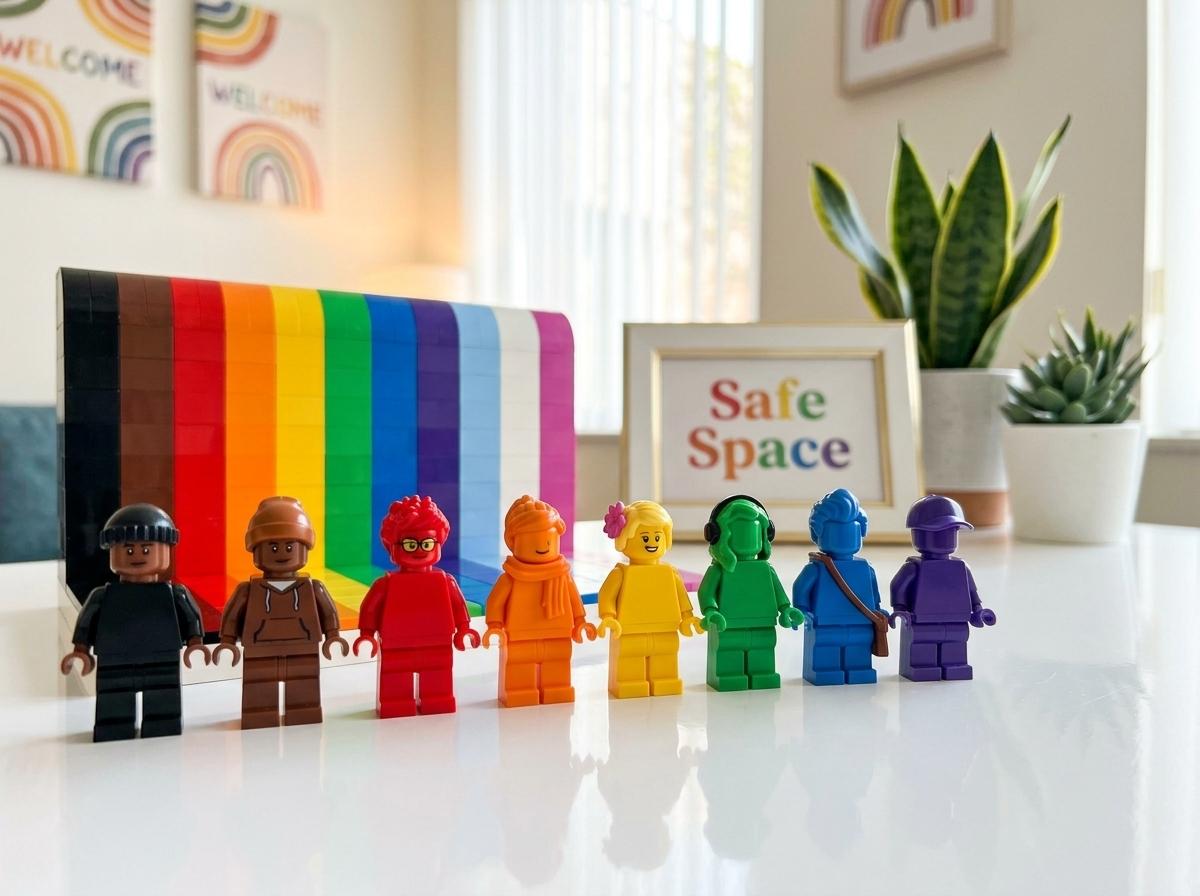
    Bigelow Counseling offers a range of services tailored to meet diverse needs. Whether you’re seeking help for personal issues or professional growth, there’s something for you here.

    Individual and Couples Counseling

    Personalized counseling helps you tackle personal challenges. You can work on anxiety, depression, or other concerns with a therapist who understands your journey. This one-on-one setting provides focused attention on your needs.

    Couples counseling is available as well. It supports relationship enhancement and stability. This service is inclusive and addresses issues unique to LGBTQ+ couples. Whether it’s communication or trust, you’ll find strategies to improve your relationship.

    EMDR Trauma Therapy Explained

    EMDR Trauma Therapy is a specialized approach for trauma survivors. It’s effective in helping you process and heal from traumatic experiences. In therapy, you will learn techniques to manage trauma-related symptoms.

    The goal is to help you move past trauma and regain control of your life. EMDR is not about reliving the trauma but understanding its impact and finding ways to heal. Read more about its benefits and how it can change your life.

    Life and Executive Coaching

    Life coaching focuses on personal development. It guides you to set and achieve goals, helping you find direction. This service is perfect if you’re feeling stuck or plateaued in life.

    Executive coaching caters to professionals seeking to overcome workplace challenges. It’s about enhancing your skills and advancing your career. By understanding your strengths, you can make strategic decisions to progress.

    Why Choose Bigelow Counseling

    Choosing the right counseling service is a big step. Here’s why Bigelow Counseling stands out.

    Inclusive and Compassionate Care

    Bigelow Counseling offers a nurturing environment. You’ll find therapists who are empathetic and understanding. They provide care that respects your identity and experiences. This compassionate approach makes therapy a positive journey.

    Flexible Scheduling in Palm Beach

    Convenience is important when seeking therapy. Bigelow Counseling offers flexible scheduling, making it easier for you to attend sessions. This flexibility means therapy can fit into your busy life without added stress.

    Secure Online Therapy Across Florida

    For those unable to visit in person, online therapy is a great option. It ensures you receive the same level of care from the comfort of your home. This service is secure and accessible, providing therapy to individuals across Florida.

    Frequently Asked Questions

    What is LGBTQ+ affirming therapy?

    LGBTQ+ affirming therapy provides a supportive environment for exploring identity-related issues. It recognizes the unique experiences of LGBTQ+ individuals, offering care that respects and understands their journey.

    How does EMDR trauma therapy work?

    EMDR helps process traumatic experiences by focusing on past memories, current triggers, and potential future challenges. It allows individuals to heal from trauma without reliving painful events.

    Can couples counseling benefit LGBTQ+ couples?

    Yes, couples counseling is designed to support relationships by addressing unique challenges faced by LGBTQ+ couples. It helps with communication, trust, and other relationship issues.

    Is online therapy as effective as in-person sessions?

    Online therapy provides the same quality of care as in-person sessions. It offers flexibility and accessibility, making it easier for individuals to receive therapy without geographical constraints.

    What should I expect from life and executive coaching?

    Life and executive coaching focus on personal and professional growth. It involves setting goals, identifying strengths, and developing strategies to overcome challenges and achieve success.

  • Closing the Gap: Couples Counseling for Communication Breakdowns and Emotional Distance

    Closing the Gap: Couples Counseling for Communication Breakdowns and Emotional Distance

    Communication breakdown and emotional distance can quietly pull couples apart, even when both partners want to stay connected. When words feel like walls and closeness slips away, finding the right support becomes crucial. Couples counseling at Bigelow Counseling in Palm Beach offers proven methods to rebuild trust and bring back understanding. Ready to reconnect? Book a 15-minute consultation today—available in-person or online across Florida.

    Recognizing Communication Breakdowns

    When couples face communication issues, it often leads to feeling disconnected. Recognizing these early signs is essential to maintain a healthy relationship and prevent further rifts.

    Signs of Emotional Distance

    Emotional distance can manifest in subtle ways. You might notice fewer conversations or a lack of interest in each other’s lives. It can feel like your partner is miles away, even when you’re in the same room. This often leaves one feeling alone, despite being together.

    Another sign is when small disagreements escalate quickly. If partners seem to misunderstand each other frequently, it might be a clue that underlying emotional issues need addressing. These signs can be your cue to seek help and explore solutions together.

    Impact on Relationships

    Communication breakdowns can lead to significant harm. They can breed resentment and erode trust over time. Without addressing these issues, couples may find themselves drifting apart, feeling more like roommates than partners.

    You might feel as if you’re constantly walking on eggshells, unsure of how your words will be received. This tension can affect your emotional and physical intimacy, creating a cycle of distance. The sooner you recognize these patterns, the better chance you have at restoring your connection.

    Benefits of Early Intervention

    Taking action early can save your relationship. Seeking help from a professional can stop these patterns before they become entrenched. Early counseling offers tools to improve communication and strengthen bonds.

    Couples therapy provides a safe space to express feelings and rebuild understanding. With the right guidance, you can learn new ways to connect and resolve conflicts. This proactive approach supports lasting change, making it easier to rediscover joy in your relationship.

    Evidence-Based Counseling Techniques

    Understanding proven counseling techniques can help restore your relationship. At Bigelow Counseling, these methods are tailored to meet your unique needs and bring about positive change.

    Emotionally Focused Therapy Benefits

    Emotionally Focused Therapy (EFT) focuses on improving attachment and bonding between partners. It helps you understand and express your emotional needs more clearly. This method is designed to foster a stronger emotional connection, addressing the root causes of distance.

    EFT sessions guide you in identifying negative patterns that disrupt communication. With practice, couples can transform these patterns into positive interactions. This technique not only enhances closeness but also builds resilience, enabling healthier communication in future conflicts.

    Gottman Method Strategies

    The Gottman Method is another powerful approach used at Bigelow Counseling. It emphasizes building a strong foundation of friendship and respect. By focusing on positive interactions and managing conflict effectively, this method strengthens your relationship’s core.

    Through structured exercises, you’ll learn skills like gentle conflict resolution and enhancing mutual understanding. This approach helps you navigate disagreements without damaging your bond. It’s about cultivating a partnership where both feel valued and heard, transforming how you relate to each other.

    EMDR for Relationship Healing

    Eye Movement Desensitization and Reprocessing (EMDR) is a technique usually associated with trauma therapy. However, it’s also effective for healing relationship wounds. EMDR helps process past emotional hurts that may be affecting your present connection.

    This method can resolve lingering issues that traditional talk therapy might not address. By clearing these emotional blockages, couples can move forward without the weight of past grievances. With a fresh perspective, you’ll find it easier to connect and communicate openly.

    Taking the First Step

    Deciding to start couples counseling is a significant step towards healing. At Bigelow Counseling, we make this process accessible and supportive for you and your partner.

    Booking a Consultation with Bigelow

    The initial consultation at Bigelow Counseling sets the stage for your journey. This session allows you to discuss your concerns and goals with a professional who listens and understands. It’s a chance to see how counseling can specifically benefit your relationship.

    Booking is simple and can be done online or via phone. This step marks your commitment to improving your relationship. It’s about prioritizing your partnership and recognizing the value of professional guidance.

    Flexible Scheduling and Accessibility

    We understand that life is busy, so we offer flexible scheduling to fit your needs. Whether you prefer in-person or online sessions, Bigelow Counseling accommodates both. Our goal is to provide support in a way that respects your time and lifestyle.

    Our services are available across Florida, ensuring you can access help from wherever you are. This flexibility removes barriers, making it easier to prioritize your relationship without added stress.

    Affirming and Inclusive Support

    At Bigelow Counseling, inclusivity is a core value. We offer an affirming space for all couples, including LGBTQ+ partners. Our therapists are experienced in addressing unique challenges and ensuring everyone feels safe and respected.

    This inclusive approach means you can focus on healing without worry. Knowing you’re in a supportive environment fosters openness and honesty, crucial for effective therapy. Your relationship deserves the best care, and we are committed to providing it.

    Frequently Asked Questions

    What are common signs of emotional distance in a relationship?

    Emotional distance often shows up as reduced communication, lack of interest in each other’s lives, and frequent misunderstandings. These signs can create feelings of loneliness even when you’re together.

    How can early intervention in couples counseling help?

    Early intervention can prevent negative patterns from becoming ingrained. It offers tools to improve communication and strengthens your bond, making it easier to resolve conflicts and rediscover joy in your relationship.

    What techniques does Bigelow Counseling use in couples therapy?

    Bigelow Counseling employs techniques like Emotionally Focused Therapy, the Gottman Method, and EMDR. These approaches help address emotional needs, improve communication, and heal relationship wounds effectively.

    Why choose Bigelow Counseling for relationship support?

    Bigelow Counseling offers a personalized, inclusive approach with flexible scheduling. Our experienced therapists provide a safe space for all couples, including LGBTQ+ partners, ensuring everyone feels respected and supported.

    How can I book a couples counseling consultation at Bigelow Counseling?

    You can easily book a consultation through our website or by phone. We offer both in-person and online sessions to accommodate your preferences, making the process convenient and accessible.

  • Counseling vs Coaching: Which Type of Support Fits the Goal?

    Counseling vs Coaching: Which Type of Support Fits the Goal?

    Counseling and coaching often get mixed up, but choosing the right kind of support can change everything. Whether facing anxiety, relationship struggles, or career hurdles, knowing the difference between therapy vs coaching helps match goals to the best path forward. This guide breaks down counseling vs coaching so you can find the right fit and take the next step with a Palm Beach counselor or life coach who truly understands your needs. Ready to align support with goals? Schedule a consultation with Bigelow Counseling—online or in Palm Beach—to create a plan that fits today’s needs and tomorrow’s vision.

    Understanding the Differences

    Choosing between counseling and coaching can be key in achieving personal and professional goals. Here’s a closer look at each to guide your decision.

    Counseling vs Coaching Explained

    Counseling and coaching serve unique purposes. Counseling often digs into past experiences to help you understand and work through emotional challenges like anxiety or depression. It’s a safe space to heal and grow. Coaching, on the other hand, looks to the future. It helps you set and achieve goals, be it personal or professional. Think of it as a partnership where you and your coach work together to unlock potential and overcome barriers.

    Whether you want to resolve emotional issues or reach new heights in your career, understanding these distinctions is crucial. Each approach offers valuable tools to help you succeed. Finding the right fit can mean the difference between feeling stuck and moving forward with confidence.

    Therapy vs Coaching: Key Distinctions

    Therapy and coaching both aim to improve lives, but they do so in different ways. Therapy often involves in-depth exploration of emotional and psychological struggles. It’s about healing and finding peace. Coaches, however, focus on growth and achievement. They help you map out a path to reach specific goals, be it in your career or personal life.

    Therapists are typically licensed professionals trained to handle mental health issues, while coaches may not always have such credentials. They focus more on motivation and strategy. Knowing these distinctions can help you decide which path aligns with your needs and aspirations.

    When to Choose Counseling or Coaching

    Deciding whether to pursue counseling or coaching depends on your personal needs. If emotional healing is your goal, counseling may be the right choice. It’s ideal for those dealing with trauma, anxiety, or depression. For those looking to make strides in their career or personal life, coaching could be more suitable. It’s perfect for goal setting, accountability, and professional growth.

    Consider your current challenges and aspirations. Do you need healing or motivation? By identifying your primary focus, you can choose the support that will help you thrive.

    Matching Goals to Support

    Once you know the differences, it becomes easier to match your goals with the right support. Whether healing from trauma or aiming for professional growth, there’s a path tailored for you.

    Healing and Trauma Recovery

    If past experiences weigh heavy, counseling can offer relief. Using methods like EMDR trauma therapy, therapists help you process and heal. This approach can lift the burden of trauma, enabling you to move forward with a lighter heart. Healing isn’t just about understanding your past; it’s about reclaiming your future and living with purpose.

    Therapy offers a safe environment to explore and overcome emotional pain. It’s a journey toward rediscovery and empowerment, providing the tools you need to heal and thrive.

    Professional Growth and Career Advancements

    For those seeking to climb the career ladder or break free from stagnation, coaching is a valuable ally. Professional growth often requires setting clear goals and finding ways to achieve them. A coach acts as a guide, helping you navigate workplace challenges and unlock potential.

    Whether you aim to advance in your current role or pivot to a new career, coaching provides the clarity and motivation needed. With a focus on actionable steps, coaching transforms ambitions into achievements.

    Improving Relationships and Personal Well-being

    Strengthening relationships and enhancing personal well-being often starts with self-awareness. Counseling can address interpersonal conflicts and improve communication skills, paving the way for healthier relationships. It’s about understanding yourself and others better.

    Whether you’re dealing with family dynamics or seeking to improve romantic relationships, counseling offers insights and strategies to foster harmony and connection. It’s a path to personal growth and stronger, more fulfilling relationships.

    Choosing the Right Provider

    Selecting the right provider is crucial in your journey to growth and healing. Here’s what to consider to make the best choice.

    Personalized Counseling and Coaching Services

    A tailored approach ensures that your unique needs are met. Bigelow Counseling offers personalized services, from individual therapy to life coaching. Each session is crafted to focus on what matters most to you. This personalized attention can make all the difference in achieving your goals.

    Whether you seek therapy for trauma or coaching for career advancement, having a provider who understands your needs can lead to successful outcomes. It’s about finding a partner in your journey towards growth.

    LGBTQ+ Affirming and Inclusive Care

    Inclusivity matters when choosing a provider. Bigelow Counseling offers LGBTQ+ affirming therapy and inclusive care. It’s important to feel seen and understood, especially when navigating personal challenges.

    Finding a compassionate and accepting environment is crucial for effective therapy and coaching. This care ensures that everyone, regardless of their identity, can access support that meets their needs.

    Online and In-Person Options in Florida 🌈

    Flexibility is key when selecting a provider. Bigelow Counseling offers both online and in-person options in Palm Beach, Florida. This accessibility ensures you can receive support in a way that fits your lifestyle. Whether you prefer face-to-face interaction or the convenience of virtual sessions, options are available to meet your needs.

    Having the choice between online and in-person sessions can enhance your experience, making it easier to integrate support into your daily routine.

    Frequently Asked Questions

    What is the difference between counseling and coaching?

    Counseling focuses on emotional and psychological healing, often dealing with past trauma and emotional challenges. Coaching, however, is about setting and achieving future goals, focusing on motivation and strategy.

    How do I know if I need a therapist or a coach?

    Consider your current needs. If you’re dealing with emotional issues like anxiety or trauma, a therapist may be more suitable. For setting and achieving personal or career goals, a coach would be beneficial.

    What services does Bigelow Counseling offer?

    Bigelow Counseling provides a range of services including individual counseling, couples counseling, EMDR trauma therapy, and life and executive coaching, all tailored to meet client needs.

    Can I receive therapy online with Bigelow Counseling?

    Yes, Bigelow Counseling offers online therapy options, making it convenient for clients to receive support from any location in Florida.

    Is Bigelow Counseling LGBTQ+ friendly?

    Absolutely, Bigelow Counseling offers LGBTQ+ affirming therapy, ensuring a welcoming and supportive environment for all clients.

    By understanding the distinctions between counseling and coaching, and considering your personal goals, you’ll be better equipped to choose the right support. Whether healing, growing, or thriving, the right path awaits.

    Home

  • How to Choose an LGBTQ+-Affirming Therapist in Palm Beach: A Step‑by‑Step Guide

    How to Choose an LGBTQ+-Affirming Therapist in Palm Beach: A Step‑by‑Step Guide

    Finding an LGBTQ affirming therapist in Palm Beach shouldn’t feel like searching for a needle in a haystack. Many face the challenge of sorting through options without knowing which therapists truly offer a safe, supportive space. This guide breaks down key steps to spot a trauma-informed, queer-affirming professional who meets your needs. Ready to feel understood and supported? Keep reading to learn how Bigelow Counseling can help with in-person or online sessions tailored just for you.

    Identifying an LGBTQ+-Affirming Therapist

    Finding the right therapist means knowing what qualities to look for. Understanding affirming therapy, the importance of trauma-informed care, and recognizing inclusive practices can guide you.

    Understanding Affirming Therapy

    Affirming therapy means the therapist acknowledges and supports your identity. They provide a space where you feel accepted. Look for signs that the therapist has experience with LGBTQ+ clients. They should use inclusive language on their website and during sessions. An affirming therapist will respect pronouns and listen to your experiences without judgment. This approach helps build a strong foundation for your therapeutic journey.

    Importance of Trauma-Informed Care

    Trauma-informed care is crucial for healing. It prioritizes safety and understanding. Therapists trained in this approach recognize how trauma impacts mental health. They focus on creating a safe environment where you can explore your feelings. This type of care helps you feel secure and offers strategies for managing traumatic memories. It’s essential for anyone, especially those in the LGBTQ+ community, to find a therapist who understands trauma.

    Recognizing Inclusive Practices

    Inclusive practices ensure therapy is welcoming to everyone. Look for therapists who advertise their services as LGBTQ+ friendly. They should participate in ongoing training about diverse identities and issues. Therapists who are part of professional LGBTQ+ networks or have visible support symbols in their office show commitment to inclusivity. These practices create a space where you can fully express yourself.

    Finding the Right Match in Palm Beach

    Now, let’s explore how to find the perfect fit in Palm Beach. Asking the right questions and recognizing red flags can make your search easier.

    Questions to Ask a Therapist

    When meeting a potential therapist, ask questions that matter to you. Inquire about their experience with LGBTQ+ clients. Ask how they handle confidentiality and create a safe space. It’s also important to know how they incorporate trauma-informed care into their practice. These questions help you gauge whether they can meet your needs.

    Red Flags to Watch For

    Be alert to signs that a therapist may not be the right fit. If they dismiss your identity or seem uninterested in LGBTQ+ issues, consider this a warning. A lack of focus on trauma-informed care is also concerning. Trust your instincts. If something feels off, it’s okay to continue your search for someone who better suits your needs.

    Exploring Therapy Options

    Palm Beach offers various therapy options, from individual sessions to group therapy. Consider what format might work best for you. Group therapy can provide community support, while individual sessions offer personalized attention. Online therapy is also available, offering flexibility and comfort. Each option has unique advantages, so think about what feels right for you.

    Building Trust with Your Therapist

    Establishing trust is key to a successful therapy experience. Creating a safe space and understanding the benefits of both online and in-person sessions can enhance your journey.

    Establishing a Safe Space

    A safe space in therapy means feeling free to express yourself fully. Your therapist should actively work to make this happen. They should listen without judgment and encourage open communication. When you feel safe, you can explore deeper issues and make meaningful progress.

    Benefits of Online and In-Person Sessions

    Both online and in-person sessions have their benefits. In-person sessions allow for direct interaction and a change of environment. Online sessions offer convenience and the comfort of your own space. Consider your lifestyle and what makes you feel most at ease. Both options can be effective, so choose what suits you best.

    Scheduling Your First Consultation

    Ready to take the next step? Scheduling a consultation is simple. This first meeting is a chance to see if the therapist is a good match. Discuss your goals and any concerns you have. Remember, the goal is to find someone who supports your journey. Your path to healing starts with this important step.

    Frequently Asked Questions

    How do I know if a therapist is LGBTQ-affirming?
    Look for therapists who mention LGBTQ+ support in their profiles. They should use inclusive language and have experience in LGBTQ+ issues. Be sure to ask about their approach during an initial consultation.

    What is trauma-informed care and why is it important?
    Trauma-informed care focuses on creating a safe and supportive environment. It recognizes the impact of trauma on mental health and helps clients feel secure. This approach is vital for effective healing and progress in therapy.

    Should I choose online or in-person therapy sessions?
    It depends on your needs and preferences. In-person sessions offer direct interaction, while online sessions provide flexibility. Consider what makes you feel most comfortable and what fits best into your lifestyle.

  • Stress vs. Burnout: How to Spot the Shift—and What to Do Next

    Stress vs. Burnout: How to Spot the Shift—and What to Do Next

    Stress can feel like part of everyday life, but when it lingers and deepens, it may be burnout knocking on your door. Knowing the signs of burnout helps you catch the shift before it takes over your energy and joy. In this post, you’ll learn how to spot the difference between stress vs burnout and what practical steps you can take next. Ready for support? Contact Bigelow Counseling to book a session or a no-pressure consultation—online or in person in Palm Beach.

    Understanding Stress vs. Burnout

    Feeling overwhelmed by daily tasks is common, but it’s crucial to distinguish between regular stress and burnout. Each has different causes and effects on your well-being.

    Common Stressors and Their Impact

    Daily stressors can come from work deadlines, family responsibilities, or financial worries. They often cause temporary worry or frustration. When these pressures stack up, they can lead to anxiety or trouble sleeping. Although stress can be intense, it typically subsides once the situation resolves. For instance, preparing for a big presentation might keep you up at night, but relief follows once it’s over.

    Yet, when stress becomes relentless, it might signal a deeper problem. Stress leads to burnout when it feels constant and unsolvable. Unlike short-term stress, burnout doesn’t fade with a night’s rest or a weekend break. Understanding these stressors can help you manage them better and prevent burnout from creeping in.

    Identifying Burnout Symptoms

    Burnout goes beyond feeling tired; it’s a state of emotional, physical, and mental exhaustion. It can result from prolonged stress, especially from work. People experiencing burnout often feel detached and cynical. They might question their abilities or lose interest in tasks they once enjoyed. These feelings can lead to decreased productivity and a sense of hopelessness.

    If you’re noticing these signs, it’s essential to address them. Ignoring burnout symptoms can impact your health and relationships. Recognizing burnout is the first step toward reclaiming your energy and enthusiasm. By identifying these signs early, you can take measures to restore balance in your life.

    Recognizing the Shift to Burnout

    As stress transitions to burnout, the changes can be subtle yet significant. Knowing what to watch for helps you intervene early.

    Early Warning Signs of Burnout

    Burnout doesn’t happen overnight. It starts with small changes, like feeling drained or resentful. You might also notice a drop in performance or a lack of motivation. If work tasks feel pointless or overwhelming, these could be early signs. Other indicators include neglecting self-care or feeling trapped in a situation.

    Catching these signs early can prevent burnout from taking a more severe toll. Most people think they need to push through these feelings, but acknowledging them is key. Listening to your body and mind can guide you toward healthier habits and prevent escalation.

    The Role of Chronic Stress

    Chronic stress is a significant contributor to burnout. When stressors never seem to end, they wear down your resilience. This constant pressure can affect both mental and physical health. Unlike acute stress, which is brief, chronic stress feels inescapable. It can lead to burnout by intensifying feelings of fatigue and frustration.

    Managing chronic stress involves identifying persistent stressors and finding ways to cope. It’s not just about reducing stress but also building resilience. Learning to prioritize and setting boundaries can make a big difference in how stress impacts your life.

    Next Steps for Burnout Relief

    If you’re facing burnout, there are actionable steps you can take to find relief and regain control.

    Practical Coping Strategies

    Addressing burnout starts with practical changes. Begin by setting realistic goals and breaking tasks into manageable steps. This approach can reduce feelings of overwhelm. Creating a balanced schedule that includes downtime is also crucial. Practicing mindfulness or engaging in hobbies can help calm your mind and rejuvenate your spirit.

    Additionally, physical activity can be a powerful stress reliever. Even a short walk can boost your mood and energy levels. Remember, small changes can lead to significant improvements. By incorporating these strategies, you can gradually restore balance and reduce burnout’s grip on your life.

    Seeking Professional Support in Palm Beach

    Sometimes, self-help isn’t enough, and seeking professional support becomes necessary. A therapist can provide guidance and coping strategies tailored to your needs. If you’re in Palm Beach, consider connecting with Bigelow Counseling. The team offers a safe space for discussing your challenges and finding solutions. Whether through individual therapy or coaching, professional support can be invaluable in your recovery journey.

    Investing in your mental health is a step toward a brighter future. The longer you wait, the harder it can be to overcome burnout. Reach out for help and take the first step in your healing journey.

    Frequently Asked Questions

    What are the main differences between stress and burnout?

    Stress is typically short-term and often linked to a specific situation. Burnout is more severe, resulting from prolonged stress, leading to exhaustion and a loss of motivation.

    How can I tell if I’m experiencing burnout?

    Signs of burnout include feeling fatigued, cynical, and detached. A drop in productivity and interest in activities you once enjoyed are also common indicators.

    What are some effective burnout recovery strategies?

    Effective strategies include setting realistic goals, practicing mindfulness, and ensuring a balanced schedule. Seeking professional help can also provide personalized support and guidance.

    How does chronic stress lead to burnout?

    Chronic stress wears down your resilience over time. When stressors feel unending, they contribute to physical and mental exhaustion, eventually leading to burnout.

    Where can I find professional burnout support in Palm Beach?

    Bigelow Counseling, based in Palm Beach, offers therapy and coaching tailored to individuals experiencing burnout. They provide a supportive environment to help you navigate your challenges.

    Home