

When the past keeps replaying in your mind, it can feel like healing is out of reach. Memories stuck in the brain often trigger anxiety, flashbacks, or a constant sense of danger that wears you down. EMDR therapy in Palm Beach offers a way to gently process those moments, reduce triggers, and bring back a sense of calm. This post explains how EMDR therapy supports healing from trauma, anxiety, depression, and more, guiding you toward feeling safe again. Learn more about EMDR therapy from this resource.
Understanding EMDR Therapy
EMDR therapy can transform how you cope with past trauma, helping you find peace and safety in your present. Let’s explore how it works and supports healing.
How EMDR Works
EMDR, or Eye Movement Desensitization and Reprocessing, is a therapeutic approach designed to process distressing memories. During sessions, you focus on specific thoughts or images while following guided eye movements. This process helps your brain reclassify these memories, reducing their emotional charge. The method is structured to make therapy accessible and effective, even when dealing with deep-seated trauma. Treatment is tailored to your pace, ensuring you feel supported every step of the way. EMDR aims to lessen the hold of past events, enabling you to live more fully in the present.
Processing Stuck Memories
Stuck memories often replay like a broken record, causing anxiety and distress. EMDR helps you process these memories in a safe and controlled environment. By engaging with these thoughts during therapy, you can lessen their impact and integrate them into your personal history without them disrupting your daily life. This therapeutic process allows you to revisit these memories without the same emotional intensity. The freedom from these burdens means you can focus on what matters most in your life now. You deserve to live without the constant echoes of the past.
Reducing Triggers and Restoring Safety
Triggers can make it challenging to feel safe and present. Through EMDR, you work on identifying and reducing the sensitivity to these triggers. This is achieved by altering how your brain responds to stimuli associated with past trauma. As therapy progresses, these triggers lose their power, and you regain a sense of safety. This newfound calmness allows you to engage more fully in your relationships and daily activities. The journey to feeling safe again is within reach, and EMDR therapy provides a supportive path to get there.
Issues EMDR Therapy Supports
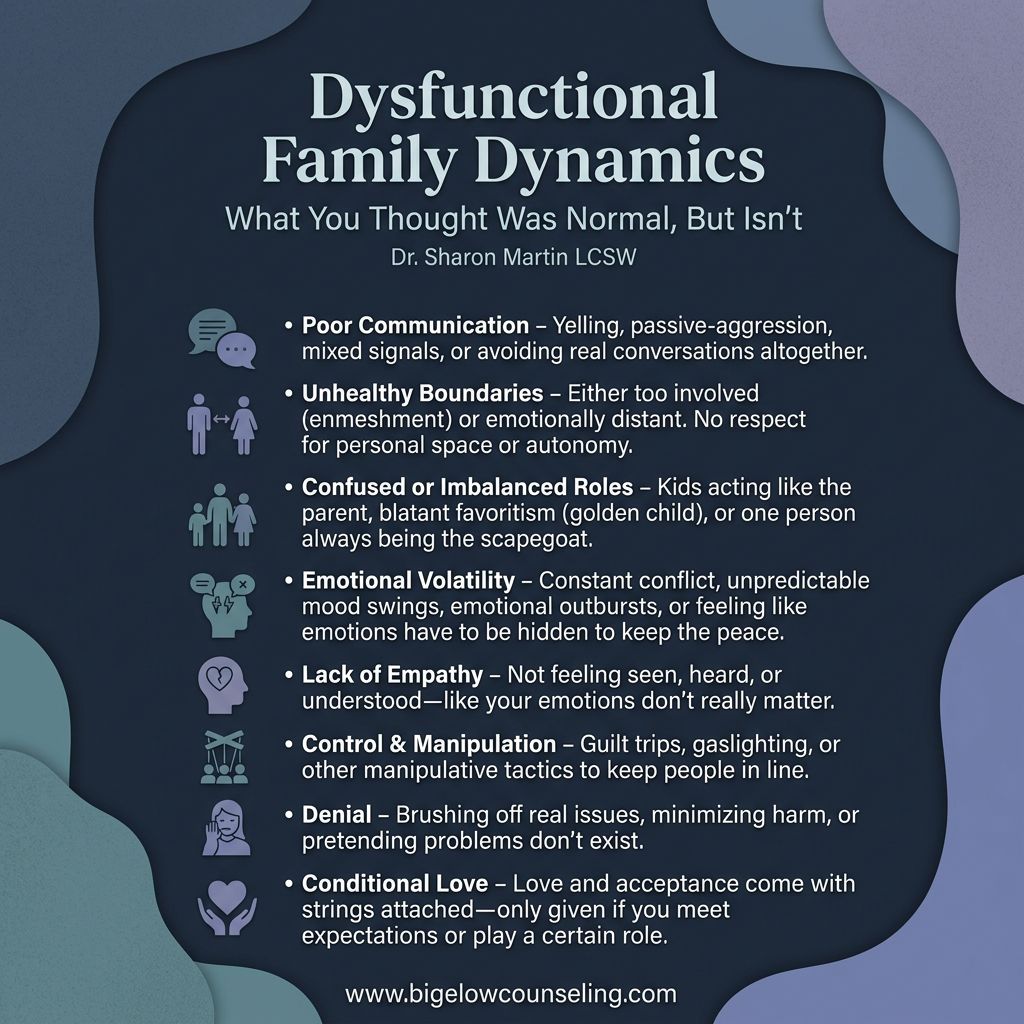
EMDR is a versatile therapy that supports various mental health challenges. It is particularly useful for trauma, anxiety, depression, and more.
Trauma and PTSD Relief
Trauma can leave lasting scars, affecting your sense of well-being and safety. EMDR therapy in Palm Beach specializes in providing relief to those grappling with trauma and PTSD. By processing traumatic events, you can reduce flashbacks and hypervigilance. This therapy empowers you to reclaim control, fostering a sense of safety and calm. Many individuals find that EMDR offers a path to relief when other methods fall short. The process is gentle yet effective, focusing on your healing at a pace that feels right for you.
Anxiety, Panic, and Depression
Anxiety and depression often accompany unresolved trauma. EMDR therapy helps alleviate these symptoms by addressing their root causes. Through structured sessions, you explore the underlying issues contributing to your anxiety and depression. The therapy aims to provide lasting relief, enabling you to live more comfortably with these conditions. By reducing the emotional weight of past events, you can experience a decrease in anxiety and panic, as well as a lift in depressive symptoms. EMDR offers a supportive approach to finding balance and peace.
Managing Grief and Phobias
Grief and phobias can be debilitating, impacting your ability to function. EMDR therapy offers a path to manage these feelings effectively. By processing associated memories and emotions, you can lessen their hold on your life. This method allows you to work through grief and confront phobias in a controlled, therapeutic setting. The gentle nature of EMDR ensures that you feel supported throughout the process. You gain the tools to face these challenges with confidence, restoring a sense of normalcy and control.
What to Expect in EMDR Sessions

Understanding what happens in EMDR sessions can ease any apprehensions. This section outlines how sessions unfold and what you can anticipate.
Assessment and Stabilization
Your EMDR journey begins with an assessment to understand your needs and establish a treatment plan. Initial sessions focus on creating a safe environment and preparing you for the therapeutic process. Stabilization techniques are introduced to ensure you have coping mechanisms in place. This foundation is crucial for the effective processing of distressing memories. Your therapist works with you to ensure you feel comfortable and supported as you embark on this healing journey.
Reprocessing Memories
The core of EMDR therapy is memory reprocessing. Guided by your therapist, you focus on a specific memory while following visual or auditory cues. This process helps your brain reframe how it perceives these memories, reducing their emotional impact. As sessions progress, you’ll notice a shift in how these memories affect you. The goal is to integrate these experiences into your personal history without the associated distress. Reprocessing is a transformative step, bringing relief and a sense of closure.
Integrating with Talk Therapy
EMDR can be integrated with traditional talk therapy, offering a comprehensive approach to healing. By combining these methods, you can address both the emotional and cognitive aspects of trauma. This integration allows for a deeper understanding of your experiences and fosters long-lasting change. Your therapist will guide you in blending these techniques, ensuring a holistic and supportive treatment experience. This combined approach enhances your path to recovery, providing a well-rounded therapeutic journey.
Frequently Asked Questions
What is EMDR therapy used for?
EMDR therapy is used to treat trauma, PTSD, anxiety, depression, grief, phobias, and more. It helps process distressing memories, reducing their emotional impact.
How does EMDR therapy work?
EMDR uses guided eye movements or other stimuli while you focus on specific memories. This process helps reframe how your brain perceives these memories, reducing their hold on you.
Can EMDR therapy help with anxiety and depression?
Yes, EMDR therapy can alleviate symptoms of anxiety and depression by addressing their underlying causes. It provides lasting relief by reducing the emotional weight of past events.

Leave a Reply